
Translation of AntiCD 22 Monoclonal Antibodies for the
Translation of Anti-CD 22 Monoclonal Antibodies for the Treatment of Lymphoma The Good, The Bad, and the Ugly Joseph M. Tuscano, M. D. Associate Professor of Medicine Department of Internal Medicine Division of Hematology and Oncology
Overview • The Good – The data and the RAID program • The Bad – UC Policy and Patents • The Ugly – Licensing, industrial partners, and the ethics of it all
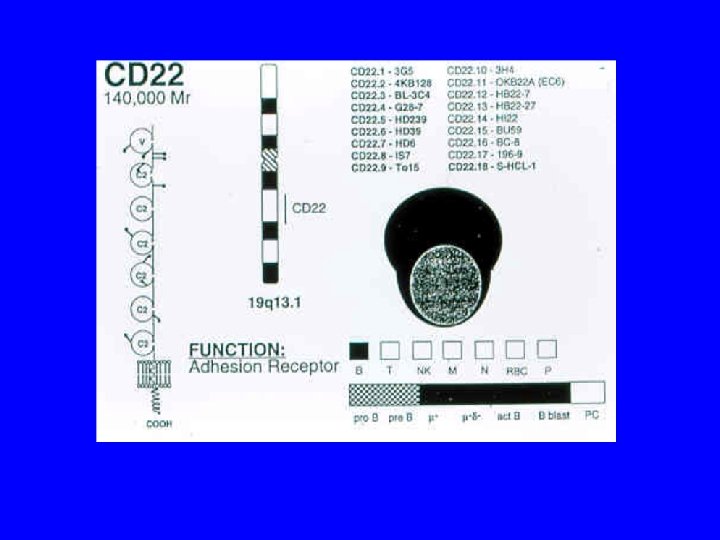
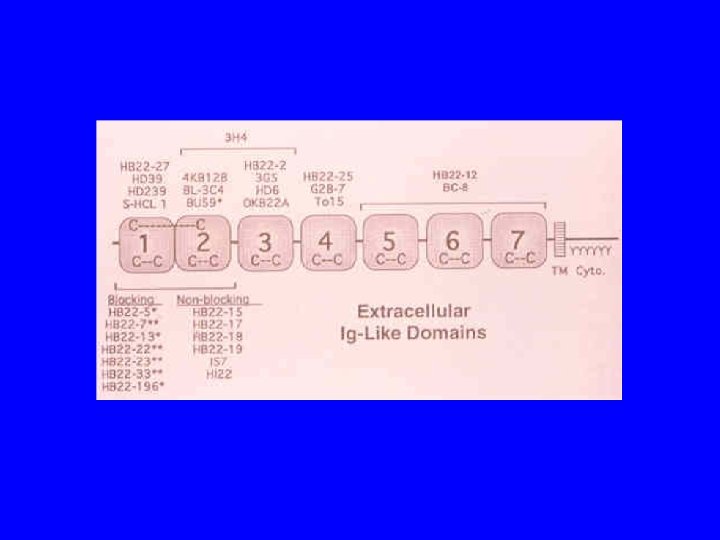
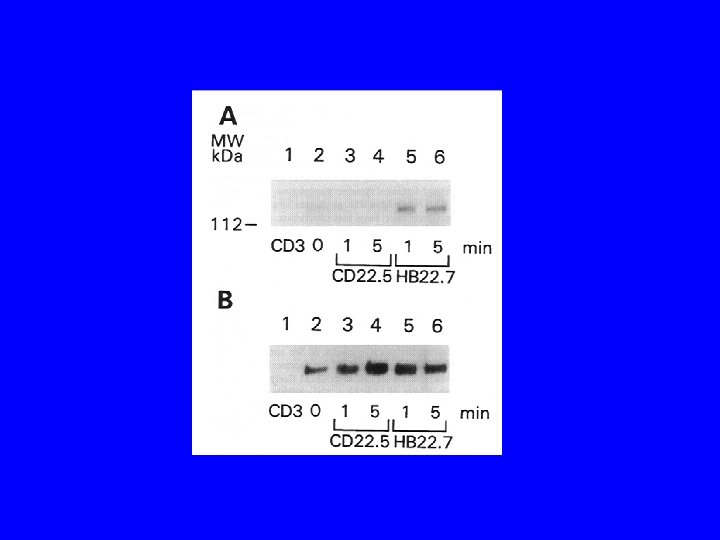
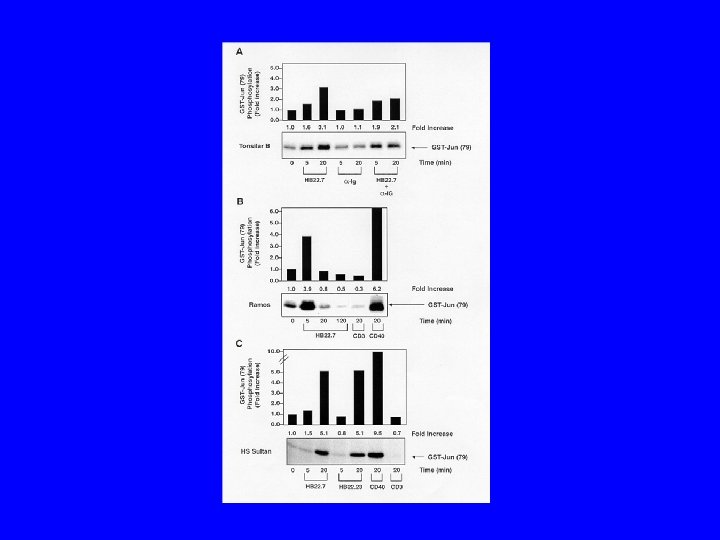
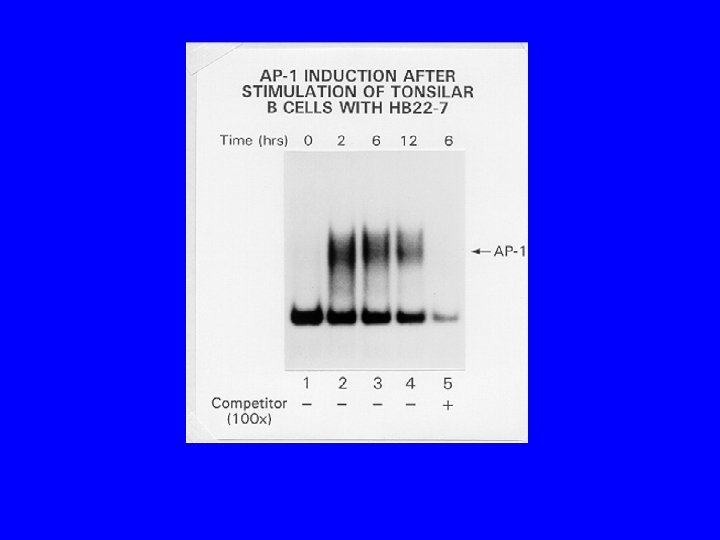
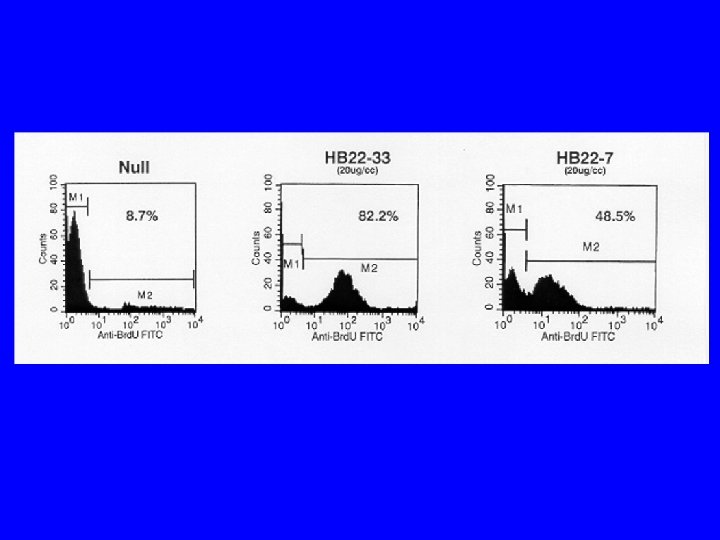
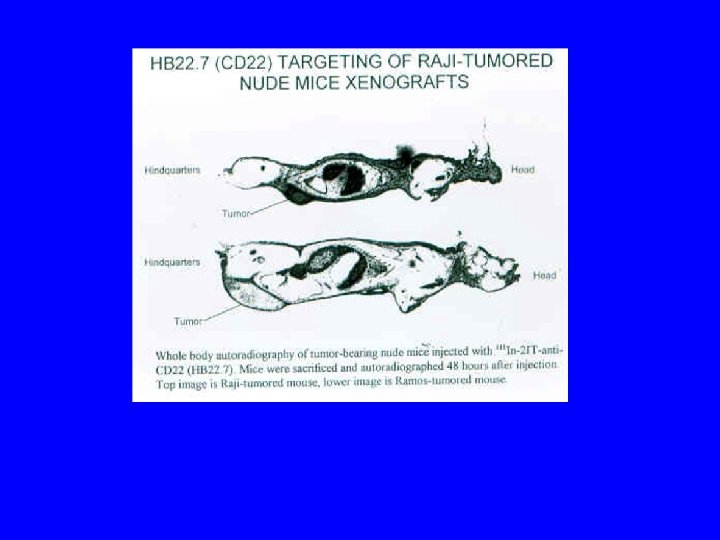
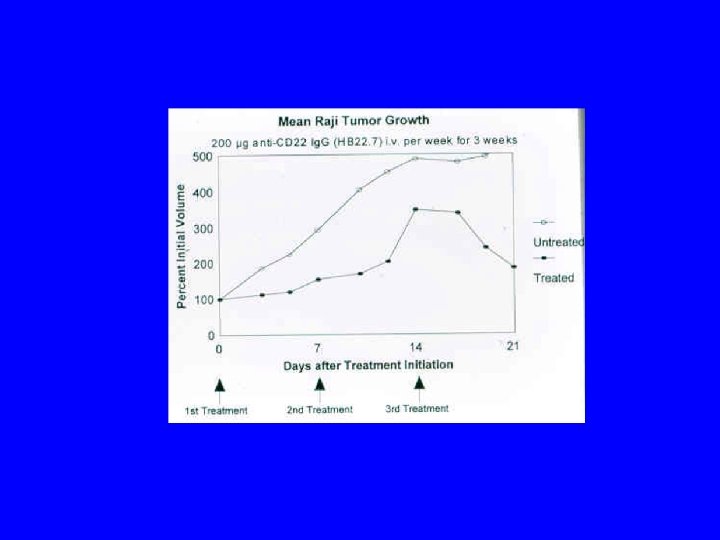




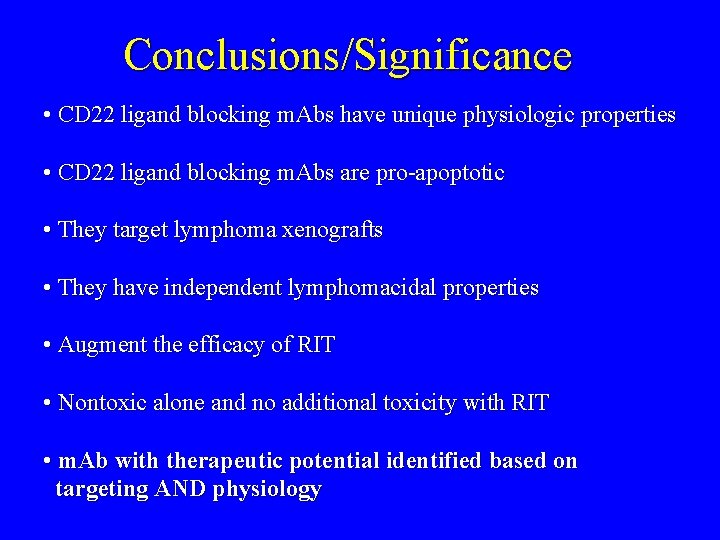
Conclusions/Significance • CD 22 ligand blocking m. Abs have unique physiologic properties • CD 22 ligand blocking m. Abs are pro-apoptotic • They target lymphoma xenografts • They have independent lymphomacidal properties • Augment the efficacy of RIT • Nontoxic alone and no additional toxicity with RIT • m. Ab with therapeutic potential identified based on targeting AND physiology
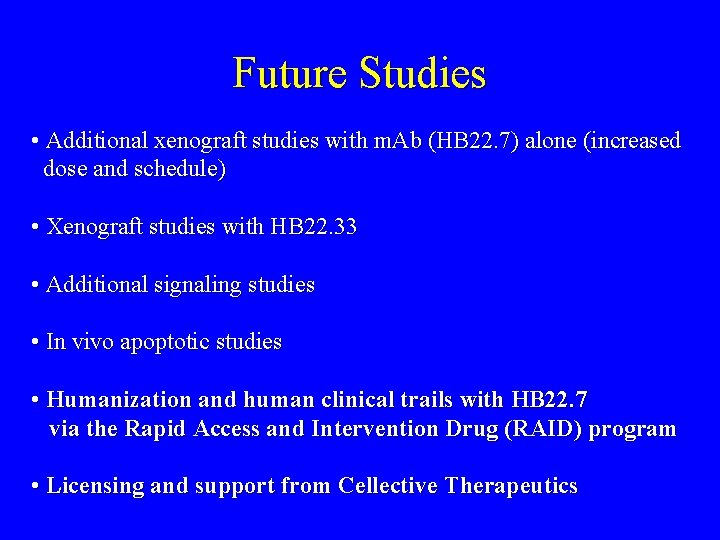
Future Studies • Additional xenograft studies with m. Ab (HB 22. 7) alone (increased dose and schedule) • Xenograft studies with HB 22. 33 • Additional signaling studies • In vivo apoptotic studies • Humanization and human clinical trails with HB 22. 7 via the Rapid Access and Intervention Drug (RAID) program • Licensing and support from Cellective Therapeutics
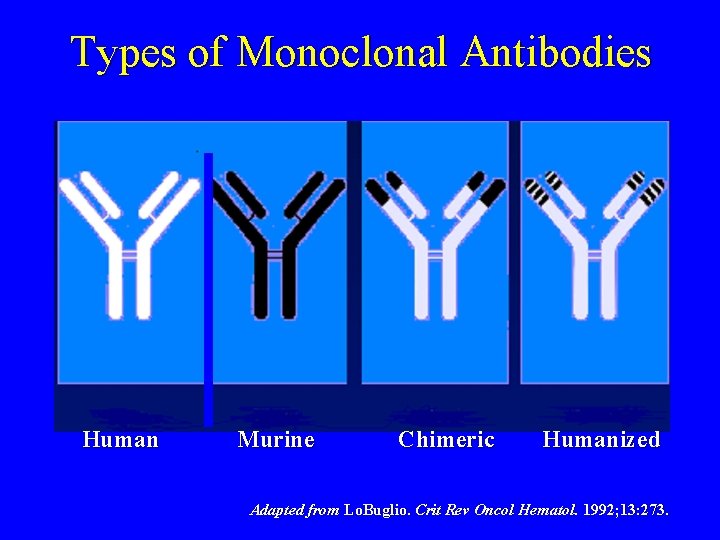
Types of Monoclonal Antibodies Human Murine Chimeric Humanized Adapted from Lo. Buglio. Crit Rev Oncol Hematol. 1992; 13: 273.
What is RAID ? RAID is a program designed to facilitate translation to the clinic of novel, scientifically meritorious therapeutic interventions originating in the academic community. It will do this by making available to the academic research community, on a competitive basis, NCI resources for the pre-clinical development of drugs and biologics. RAID is intended to remove the most common barriers between laboratory discoveries and clinical trials of new molecular entities. The goal of RAID is clinical "proof of principle" that a new molecule or approach is a viable candidate for expanded clinical evaluation.
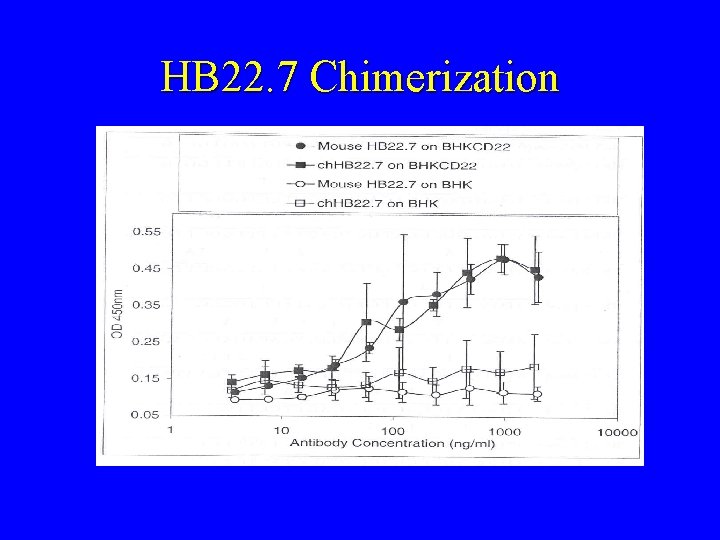
HB 22. 7 Chimerization
UC Policy • Tech Transfer Office • Local vs. UCOP • Disclosure • When and Why • Patents Different Types
The Bayh-Dole Act • What is the Bayh-Dole Act, what prompted it, and why is it important to university technology transfer? Enactment of the Bayh-Dole Act (P. L. 96 -517), the "Patent and Trademark Act Amendments of 1980" on December 12, 1980 created a uniform patent policy among the many federal agencies that fund research. Bayh-Dole enables small businesses and nonprofit organizations, including universities, to retain title materials and products they invent under federal funding.
The Bayh-Dole Act • How has the Act influenced university technology transfer over the last decade and what are the results? Bayh-Dole gave universities control of their inventions. By placing few restrictions on the universities' licensing activities, Congress left the success or failure of patent licensing up to the institutions themselves.
Tech Transfer Office • The mission of university technology transfer/licensing offices is to transfer research results to commercial application for public use and benefit. • Decides on patentability • Markets patents • Negotiates and administers licenses • Oversight of patent prosecution • Records income
Tech Transfer Office Cont. • Influences – a) the faculty--inventors, who often have expectations of research opportunities, income, public utilization and fame; – b) the private sector, expectations of securing commercially viable technology at a fair price; – c) the university administration, which expects the office to be selfsupporting and wants to prevent conflicts of interest; – d) the governing board, which needs assurance that the university's name and reputation are protected in its industrial relationships; – e) the taxpayers, with expectations that the office will manage state and federal resources in an effective and nondiscriminatory manner; and – f) the sponsoring agency which insists on compliance with provisions of the Bayh-Dole Act.
Patents • Three types – Utility – Design – Plant • Design Utility patents are granted for any new process, method, machine, manufacture, or compositions of matter, or any new and useful improvement thereof.
Licensing Influences (1) What kind of licensing is most likely to lead to rapid commercialization; and (2) What kind of licensing is in the public interest. (3) $$$
The Reality of Getting to Human Clinical Trials After ~ 15 years of development, so close yet so far from treating patients with cancer • Composition of Mater patent held by DFCI • Methods Patent held by UCD and Duke • RAID subcontracted to Aires Biochemical company • Who owns the “right” to the humans antibody • Production issues have complicated translation • My role as a university researcher and royalty recipient, principle investigator of human clinical trials, licensing company advisor and shareholder.
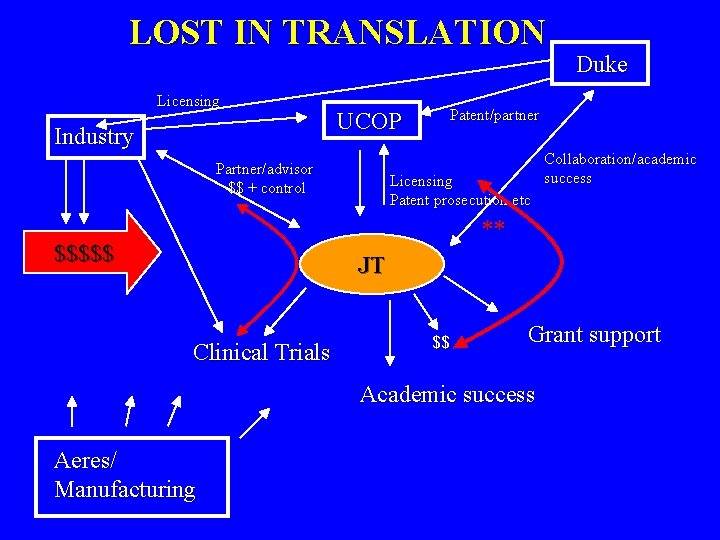
LOST IN TRANSLATION Licensing Industry UCOP Partner/advisor $$ + control Duke Patent/partner Licensing Patent prosecution etc Collaboration/academic success ** $$$$$ JT Clinical Trials $$ Grant support Academic success Aeres/ Manufacturing
- Slides: 29