
Transitioning to a New Environment Session 30 College



- Slides: 27
Transitioning to a New Environment Session 30
College is different than high school.
You heard it right.
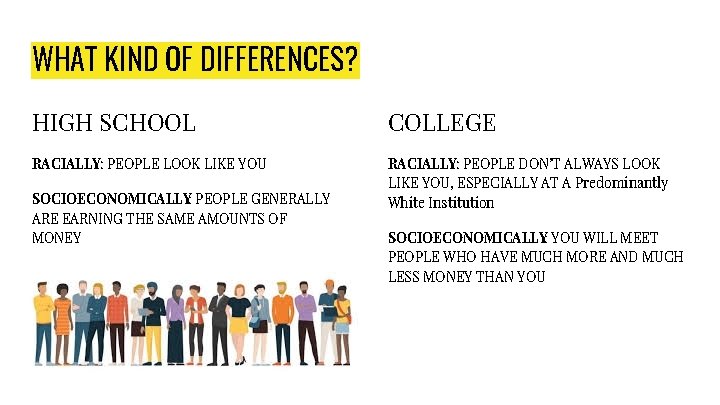
WHAT KIND OF DIFFERENCES? HIGH SCHOOL COLLEGE RACIALLY: PEOPLE LOOK LIKE YOU RACIALLY: PEOPLE DON’T ALWAYS LOOK LIKE YOU, ESPECIALLY AT A Predominantly White Institution SOCIOECONOMICALLY: PEOPLE GENERALLY ARE EARNING THE SAME AMOUNTS OF MONEY SOCIOECONOMICALLY: YOU WILL MEET PEOPLE WHO HAVE MUCH MORE AND MUCH LESS MONEY THAN YOU
BUT WAIT THERE’S MORE HIGH SCHOOL COLLEGE ACADEMICS: MORE TIME IN CLASS MORE TIME OUT OF CLASS PROJECTS AND PAPERS TAKE LESS TIME MORE HOMEWORK MORE TEACHER-TO-STUDENT INTERACTION LONGER PAPERS & PROJECTS MORE GROUP WORK
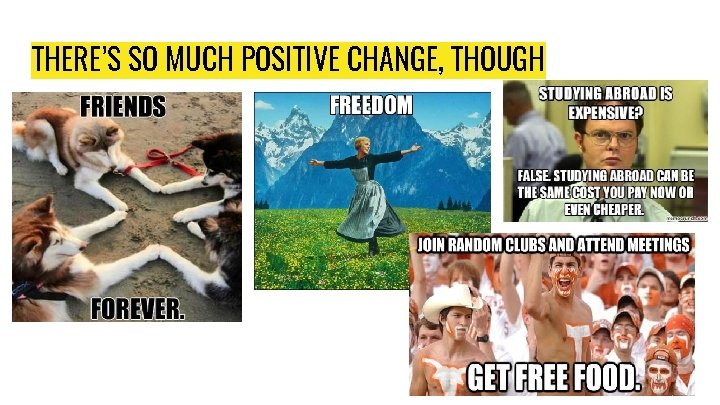
THERE’S SO MUCH POSITIVE CHANGE, THOUGH
A change is gonna come. . .
3 Stages of Dealing with Change
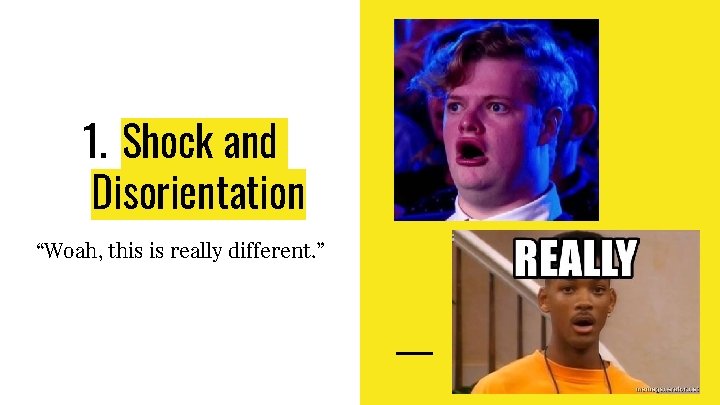
1. Shock and Disorientation “Woah, this is really different. ”
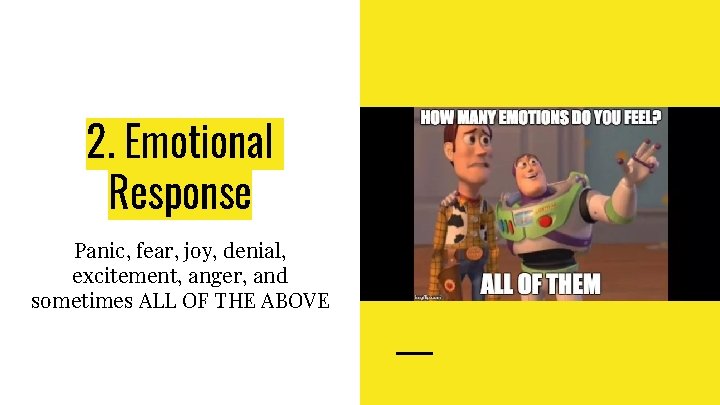
2. Emotional Response Panic, fear, joy, denial, excitement, anger, and sometimes ALL OF THE ABOVE
3. Coming to terms with the change and moving forward The only way is forward! And you can do it!
Types of Coping, or Dealing with Change
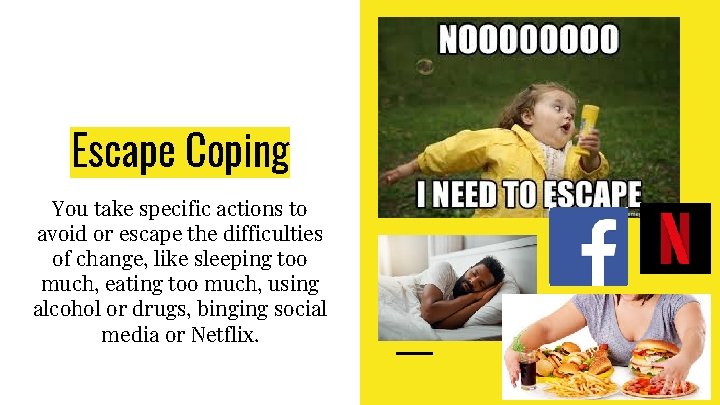
Escape Coping You take specific actions to avoid or escape the difficulties of change, like sleeping too much, eating too much, using alcohol or drugs, binging social media or Netflix.
Control Coping You take specific actions to be a part of the change and be proactive such as managing your feelings and getting support
Reflect on a time you experienced change. (New school, new sibling, new home, new job)
How did you feel? What did you do to cope with the change?
Then there’s culture shock and imposter syndrome.
Culture shock The collection of feelings a person may have when moving to a new cultural or social environment, or to a different style of living. Common feelings include: homesickness, frustration, disorientation, or information overload.
Reverse Culture Shock The collection of feelings a person may have when returning to a place that used to be very familiar and unexpectedly experiencing difficulty adjusting to the culture and norms of that environment. Ex: Coming home from college for the holidays and feeling out of place.
Imposter Syndrome A collection of feelings of inadequacy that persist even in the face of information that indicates that the opposite is true. Feeling like you “don’t belong” at college, feeling self-doubt, feeling that you are not really a successful and competent student--even though you are!
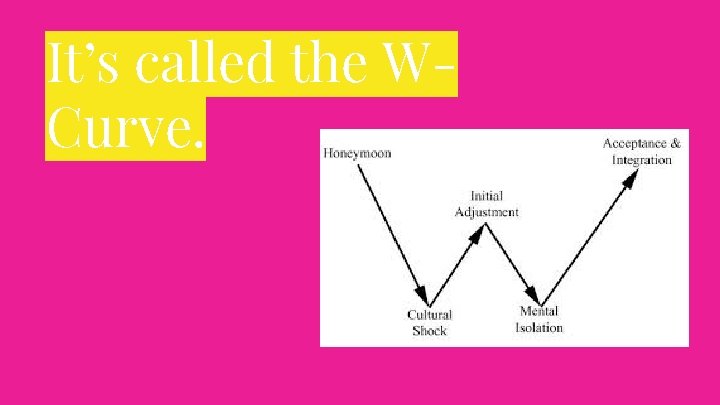
Transitioning to a new environment follows a trend.
It’s called the WCurve.
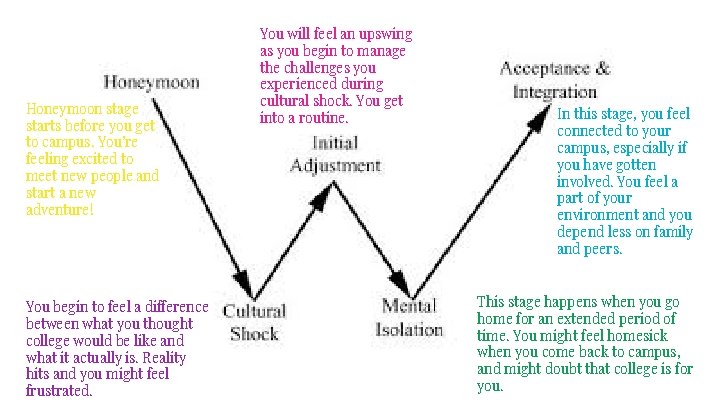
Honeymoon stage starts before you get to campus. You’re feeling excited to meet new people and start a new adventure! You begin to feel a difference between what you thought college would be like and what it actually is. Reality hits and you might feel frustrated. You will feel an upswing as you begin to manage the challenges you experienced during cultural shock. You get into a routine. In this stage, you feel connected to your campus, especially if you have gotten involved. You feel a part of your environment and you depend less on family and peers. This stage happens when you go home for an extended period of time. You might feel homesick when you come back to campus, and might doubt that college is for you.
This isn’t to scare you, it’s to let you know what ups and downs you could face.
Some questions to reflect on: How can you transition well to this new environment? How can you find students like you so that you can connect, feel comfortable, and build community on campus? How can you get out of your comfort zone when it comes to transitioning to your new environment?