
Transit and Metabolic Maps Complex and Functional Glycolysis
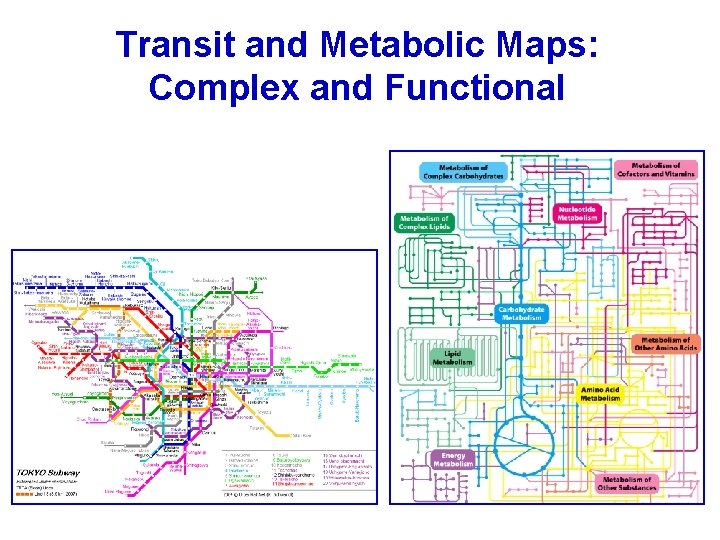
Transit and Metabolic Maps: Complex and Functional
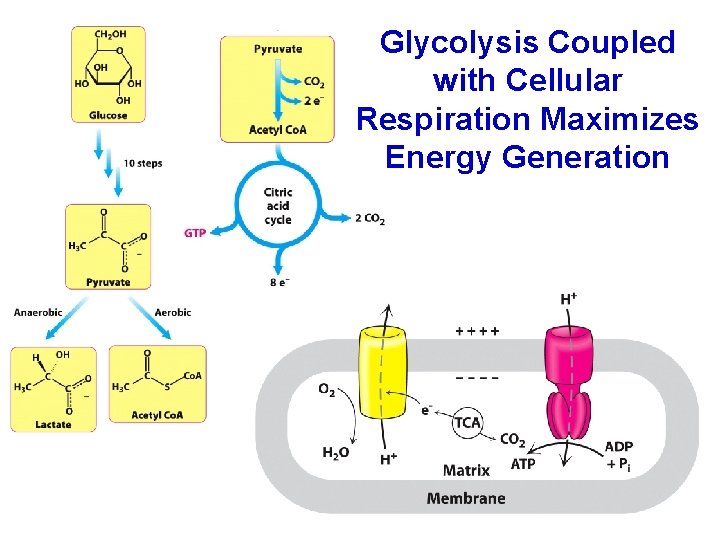
Glycolysis Coupled with Cellular Respiration Maximizes Energy Generation

Carbon Oxidation is Coupled with Energy Rich Reduction Which molecule is more energy rich on a per carbon basis?

Free-Energy Universal-Currency: ATP hydrolysis is exergonic ATP + H 2 O ADP + Pi ∆G°ʹ = - 30 k. J/mol ATP hydrolysis drives metabolism in heterotrophs Light energy is trapped as ATP in phototrophs Why is ATP an excellent energy currency?

ATP: High Phosphoryl-Transfer Potential ATP and hydrolysis products differences: • Electrostatic repulsion • Resonance stabilization • Hydration stabilization How can an energetically unfavorable reaction be made spontaneous?

Substrate-Level ATP Phosphoryation Requires High Phosphoryl-Transfer Potential Standard Free Energy of Hydrolysis
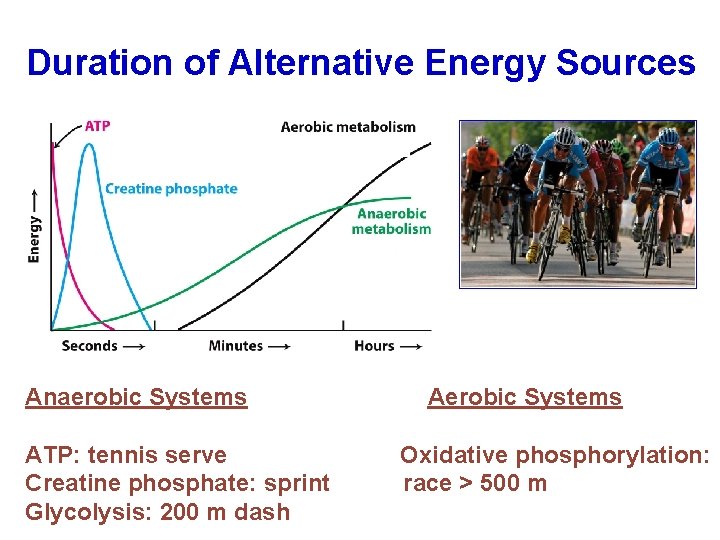
Duration of Alternative Energy Sources Anaerobic Systems ATP: tennis serve Creatine phosphate: sprint Glycolysis: 200 m dash Aerobic Systems Oxidative phosphorylation: race > 500 m
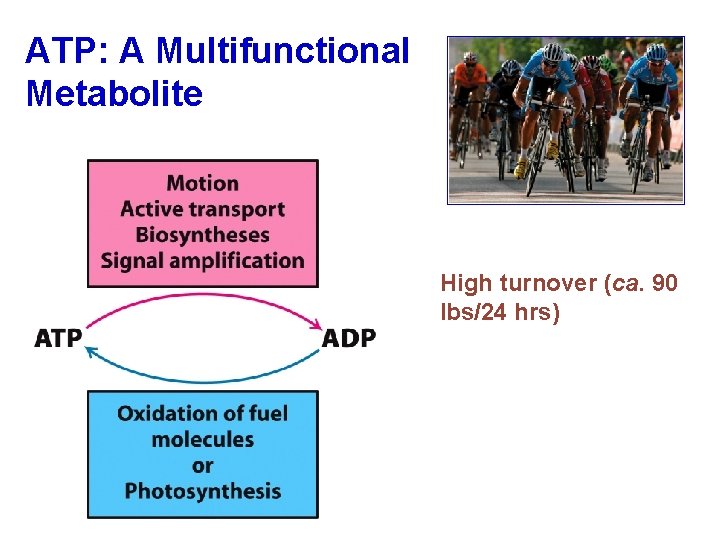
ATP: A Multifunctional Metabolite High turnover (ca. 90 lbs/24 hrs)
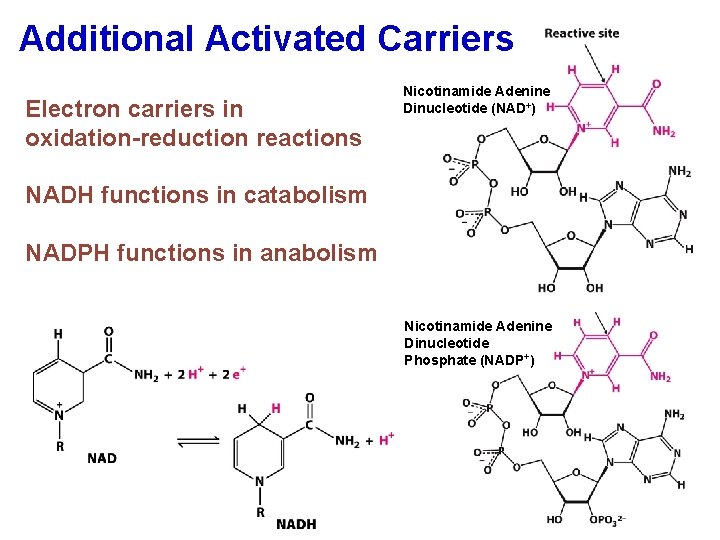
Additional Activated Carriers Electron carriers in oxidation-reduction reactions Nicotinamide Adenine Dinucleotide (NAD+) NADH functions in catabolism NADPH functions in anabolism Nicotinamide Adenine Dinucleotide Phosphate (NADP+)

Additional Activated Carriers Electron carriers in oxidation-reduction reactions FADH functions in both catabolism and anabolism Flavin adenine dinucleotide (FAD)
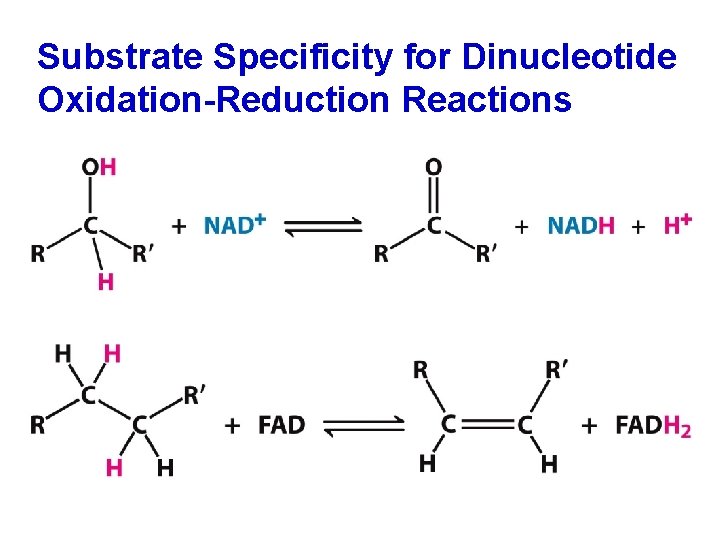
Substrate Specificity for Dinucleotide Oxidation-Reduction Reactions
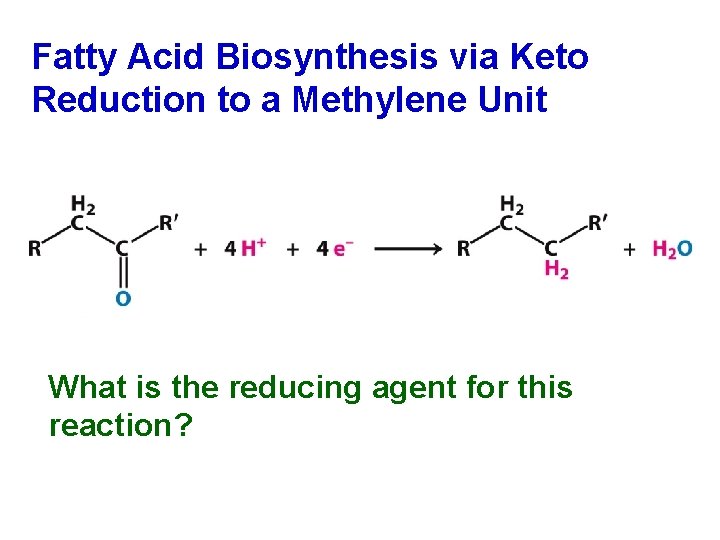
Fatty Acid Biosynthesis via Keto Reduction to a Methylene Unit What is the reducing agent for this reaction?

Coenzyme A: an Activated Carrier of Two Carbon Fragments Coenzyme A structure Acetyl Co. A + H 2 O ↔ Acetate + Co. A + H+ ∆G°ʹ = -31 k. J/mol
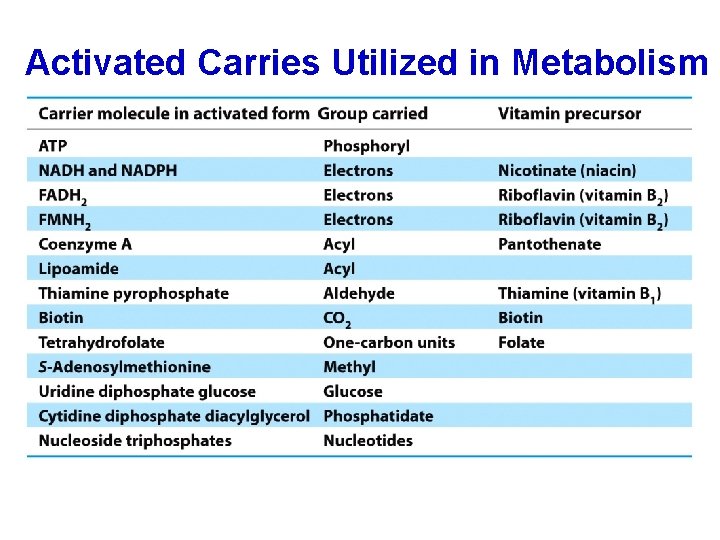
Activated Carries Utilized in Metabolism
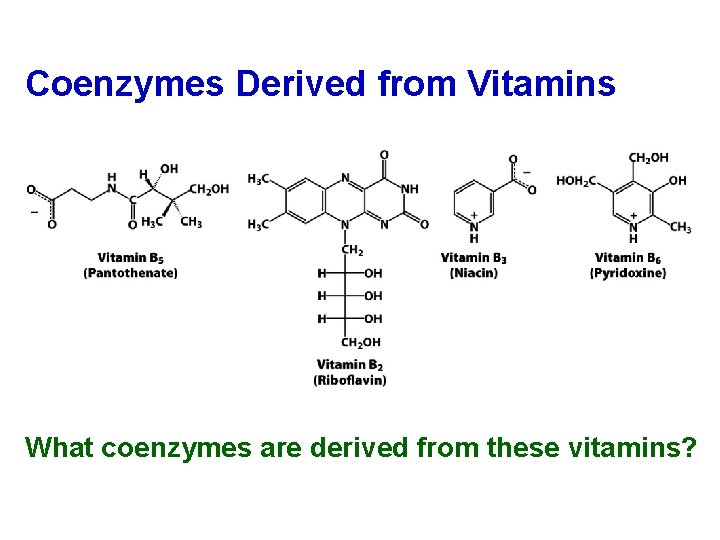
Coenzymes Derived from Vitamins What coenzymes are derived from these vitamins?

Metabolic Regulation • Substrate accessibility (compartmentalization) • Enzyme amount (transcriptional and translation control) • Catalytic activity (allosteric control, covalent modifications, hormone signaling, and cell energy status) Energy charge = [ATP] + ½[ADP]/([ATP] + [ADP] + [AMP])

Energy Utilization Linked with Building and Degrading Metabolites What macromolecules are stored and/or metabolized by humans for energy?
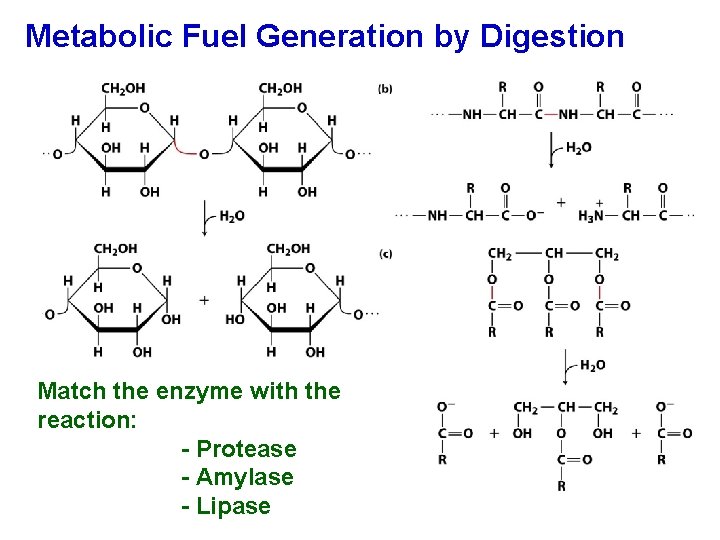
Metabolic Fuel Generation by Digestion Match the enzyme with the reaction: - Protease - Amylase - Lipase
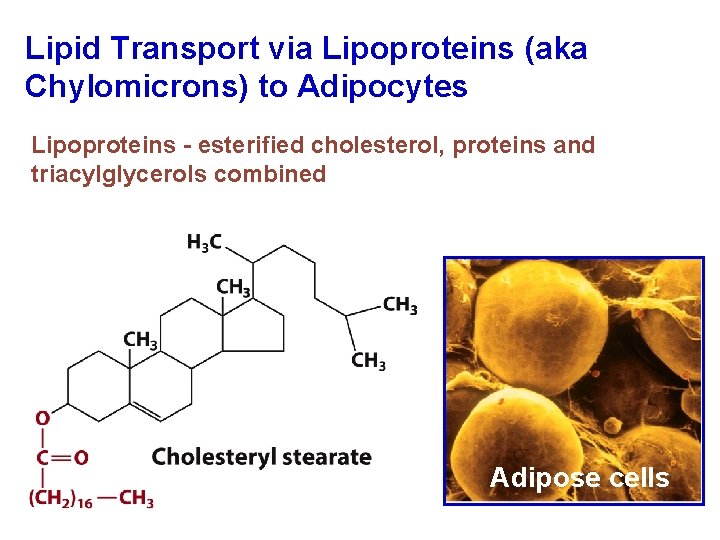
Lipid Transport via Lipoproteins (aka Chylomicrons) to Adipocytes Lipoproteins - esterified cholesterol, proteins and triacylglycerols combined Adipose cells
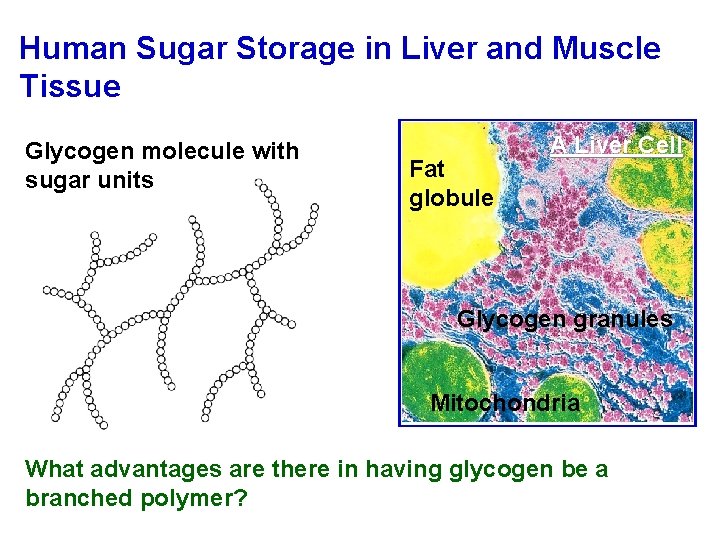
Human Sugar Storage in Liver and Muscle Tissue Glycogen molecule with sugar units Fat globule A Liver Cell Glycogen granules Mitochondria What advantages are there in having glycogen be a branched polymer?
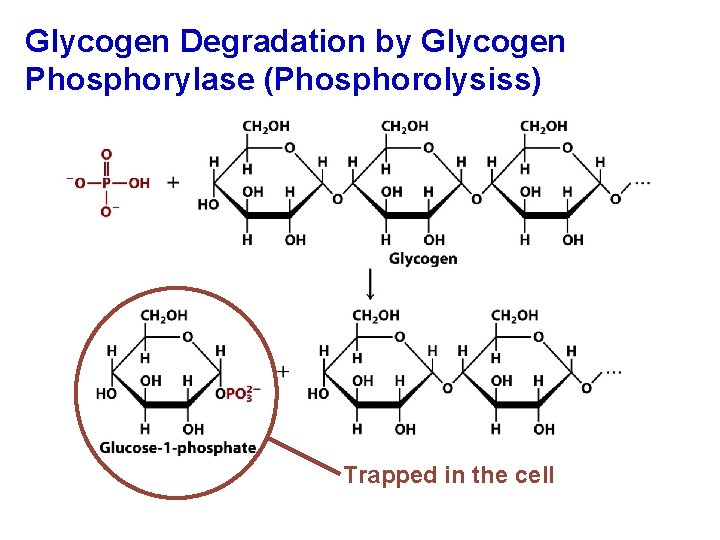
Glycogen Degradation by Glycogen Phosphorylase (Phosphorolysiss) Trapped in the cell
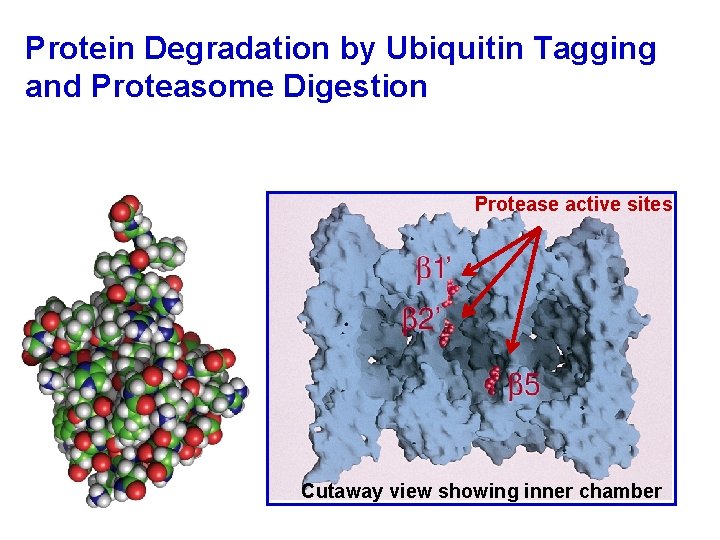
Protein Degradation by Ubiquitin Tagging and Proteasome Digestion Protease active sites Cutaway view showing inner chamber
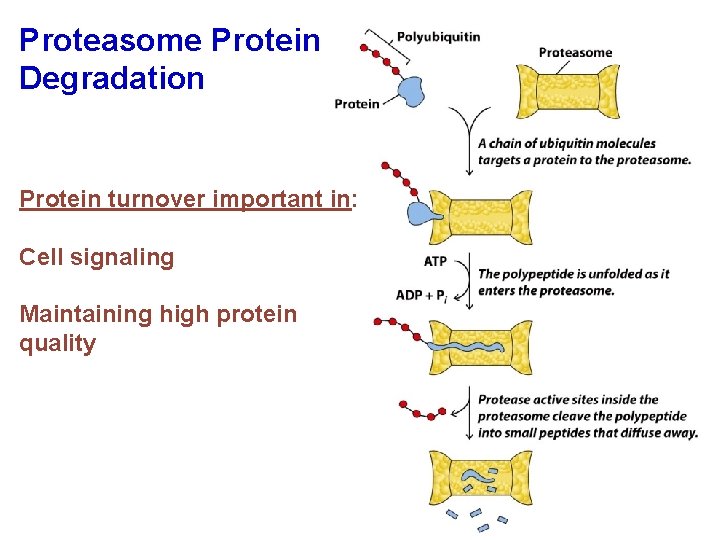
Proteasome Protein Degradation Protein turnover important in: Cell signaling Maintaining high protein quality
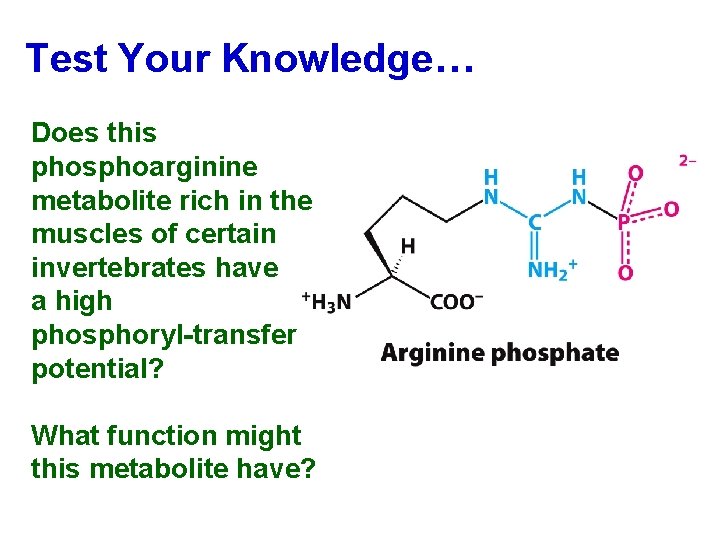
Test Your Knowledge… Does this phosphoarginine metabolite rich in the muscles of certain invertebrates have a high phosphoryl-transfer potential? What function might this metabolite have?
![∆G of ATP Hydrolysis with Varying [Mg 2+] How does decreasing [Mg+2] affect ∆G](http://slidetodoc.com/presentation_image_h2/0431113c989cc12e286734b5f822a4ce/image-25.jpg "∆G of ATP Hydrolysis with Varying [Mg 2+] How does decreasing [Mg+2] affect ∆G")
∆G of ATP Hydrolysis with Varying [Mg 2+] How does decreasing [Mg+2] affect ∆G of ATP hydrolysis? Can this trend be justified?
Problems: 26, 27 and 41
- Slides: 26