
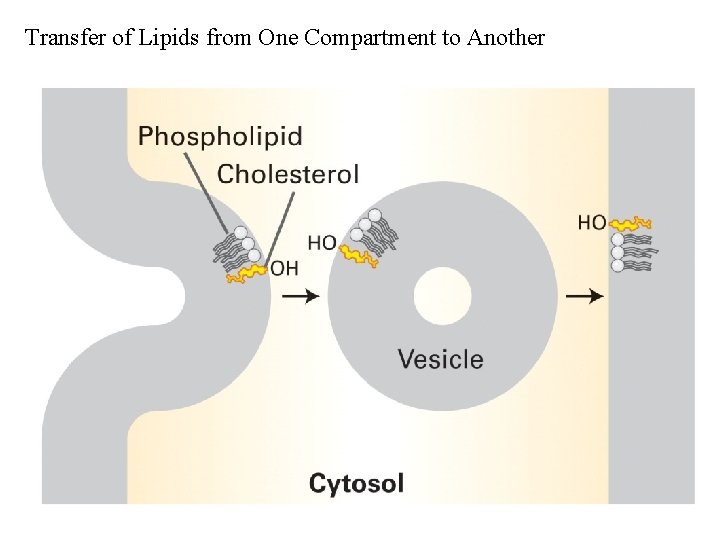
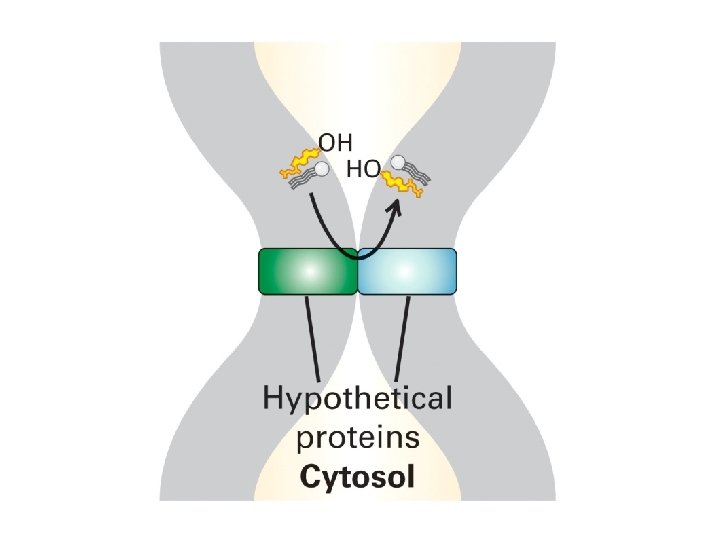
Transfer of Lipids from One Compartment to Another
- Slides: 31
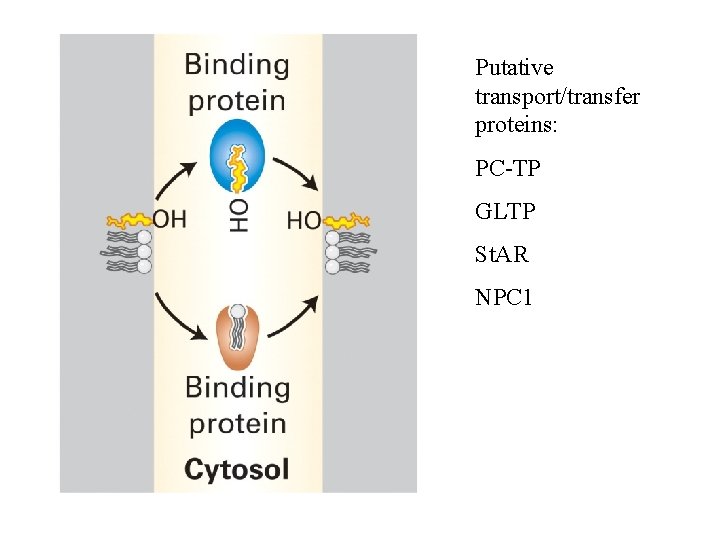
Transfer of Lipids from One Compartment to Another
Putative transport/transfer proteins: PC-TP GLTP St. AR NPC 1
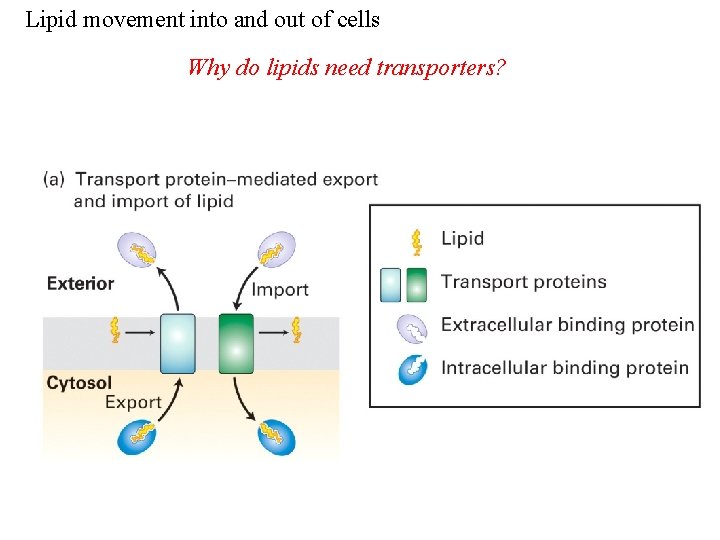
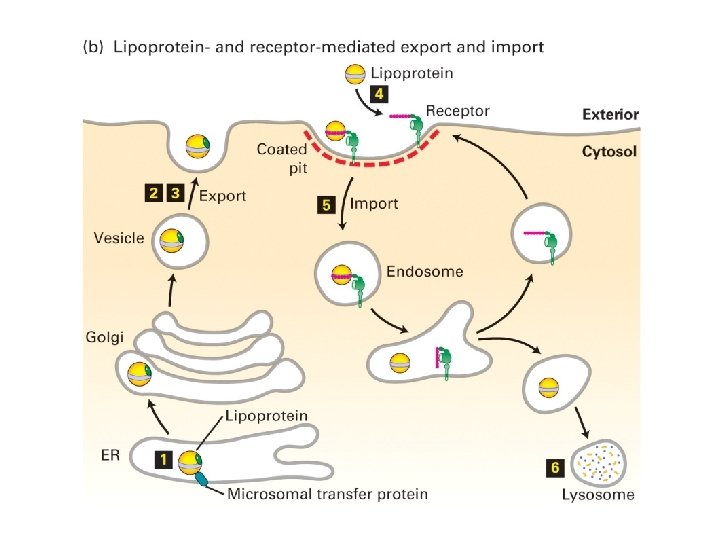
Lipid movement into and out of cells Why do lipids need transporters?
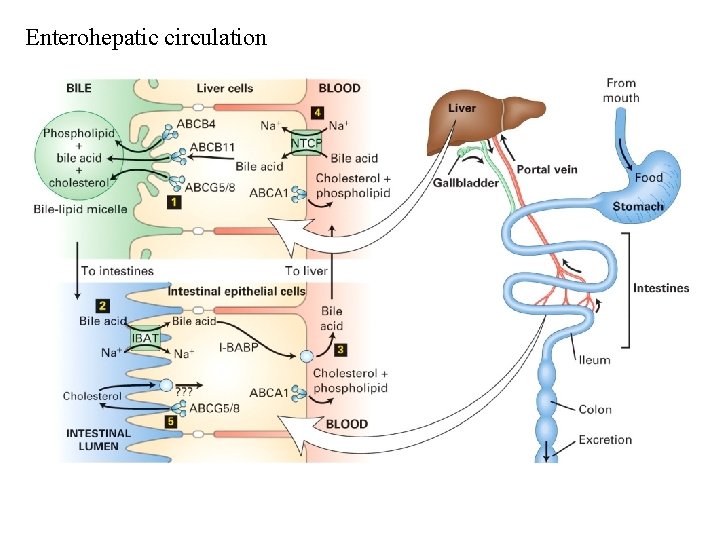
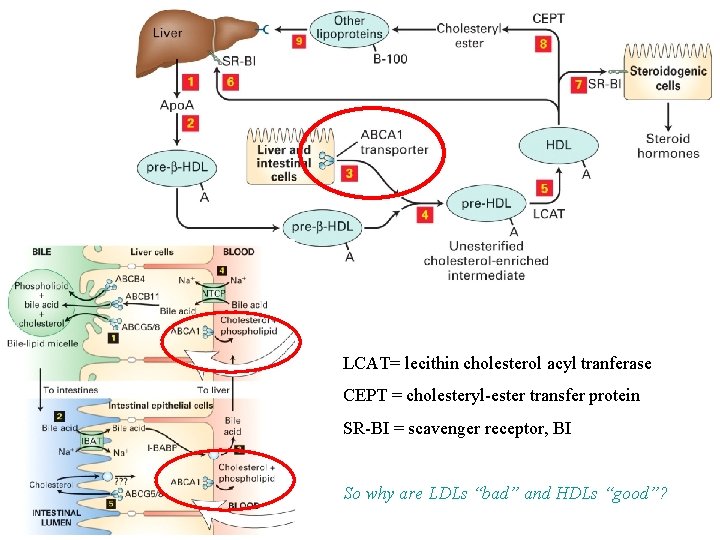
Enterohepatic circulation
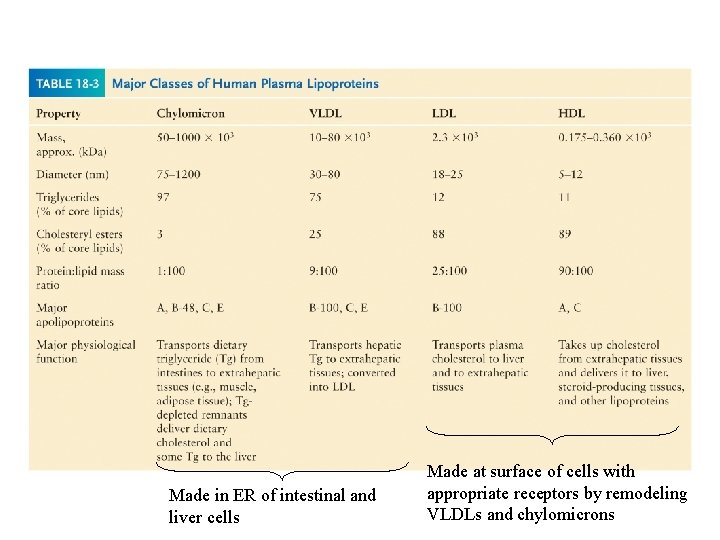
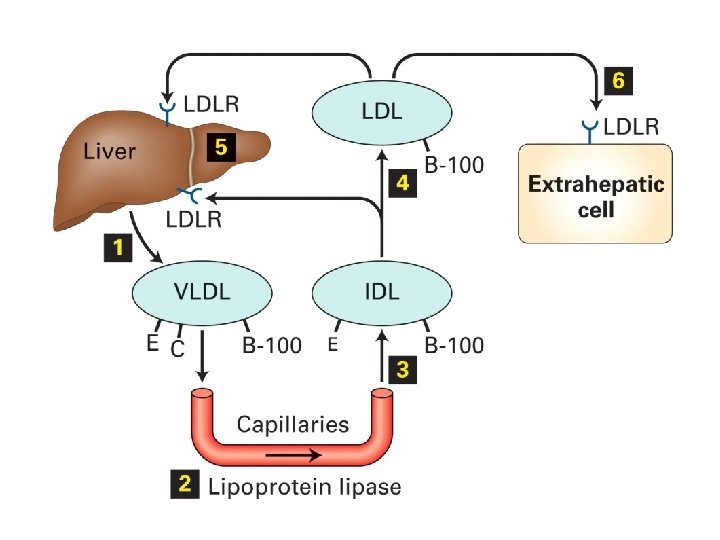
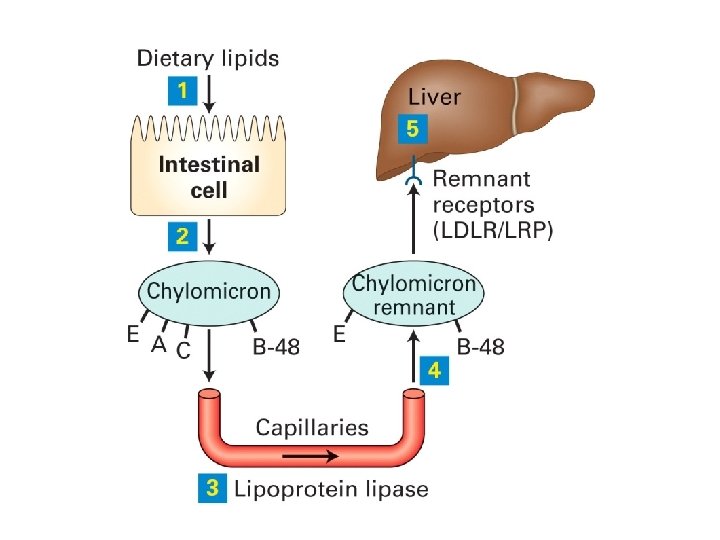
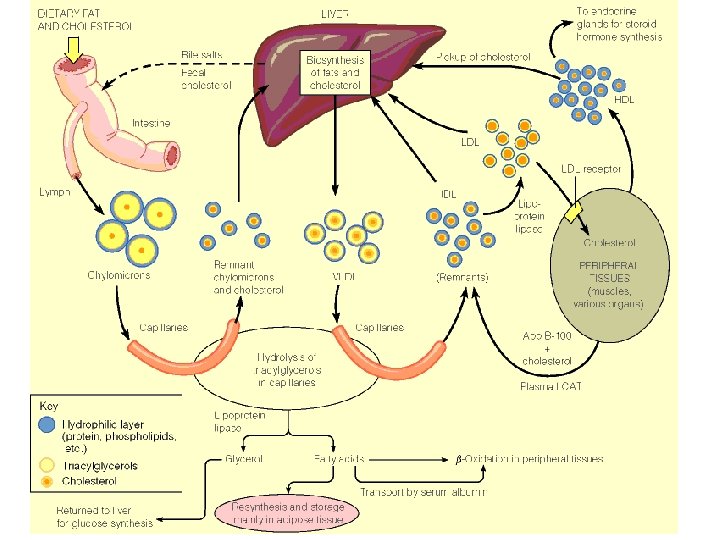
Made in ER of intestinal and liver cells Made at surface of cells with appropriate receptors by remodeling VLDLs and chylomicrons
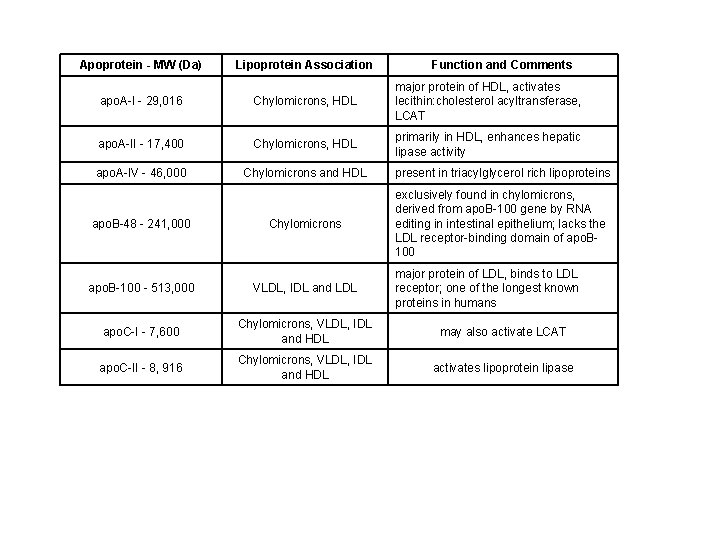
Apoprotein - MW (Da) Lipoprotein Association Function and Comments apo. A-I - 29, 016 Chylomicrons, HDL major protein of HDL, activates lecithin: cholesterol acyltransferase, LCAT apo. A-II - 17, 400 Chylomicrons, HDL primarily in HDL, enhances hepatic lipase activity apo. A-IV - 46, 000 Chylomicrons and HDL present in triacylglycerol rich lipoproteins Chylomicrons exclusively found in chylomicrons, derived from apo. B-100 gene by RNA editing in intestinal epithelium; lacks the LDL receptor-binding domain of apo. B 100 apo. B-48 - 241, 000 major protein of LDL, binds to LDL receptor; one of the longest known proteins in humans apo. B-100 - 513, 000 VLDL, IDL and LDL apo. C-I - 7, 600 Chylomicrons, VLDL, IDL and HDL may also activate LCAT apo. C-II - 8, 916 Chylomicrons, VLDL, IDL and HDL activates lipoprotein lipase
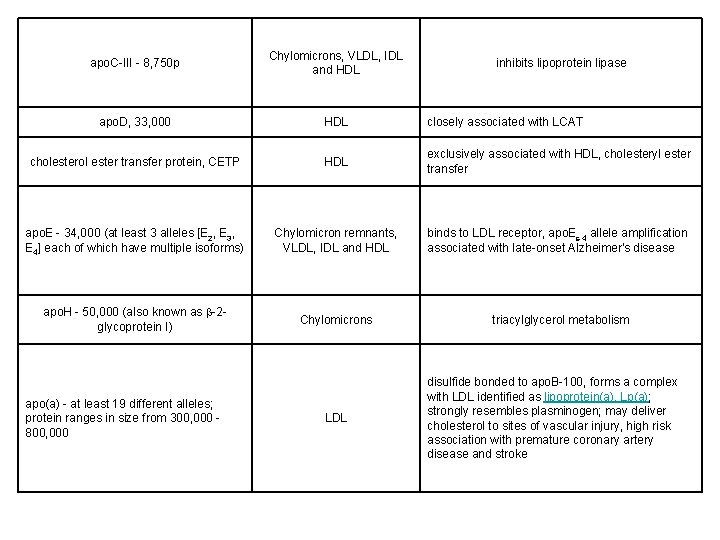
apo. C-III - 8, 750 p Chylomicrons, VLDL, IDL and HDL apo. D, 33, 000 HDL closely associated with LCAT cholesterol ester transfer protein, CETP HDL exclusively associated with HDL, cholesteryl ester transfer apo. E - 34, 000 (at least 3 alleles [E 2, E 3, E 4] each of which have multiple isoforms) Chylomicron remnants, VLDL, IDL and HDL binds to LDL receptor, apo. Ee-4 allele amplification associated with late-onset Alzheimer's disease apo. H - 50, 000 (also known as b-2 glycoprotein I) Chylomicrons triacylglycerol metabolism apo(a) - at least 19 different alleles; protein ranges in size from 300, 000 800, 000 LDL inhibits lipoprotein lipase disulfide bonded to apo. B-100, forms a complex with LDL identified as lipoprotein(a), Lp(a); strongly resembles plasminogen; may deliver cholesterol to sites of vascular injury, high risk association with premature coronary artery disease and stroke
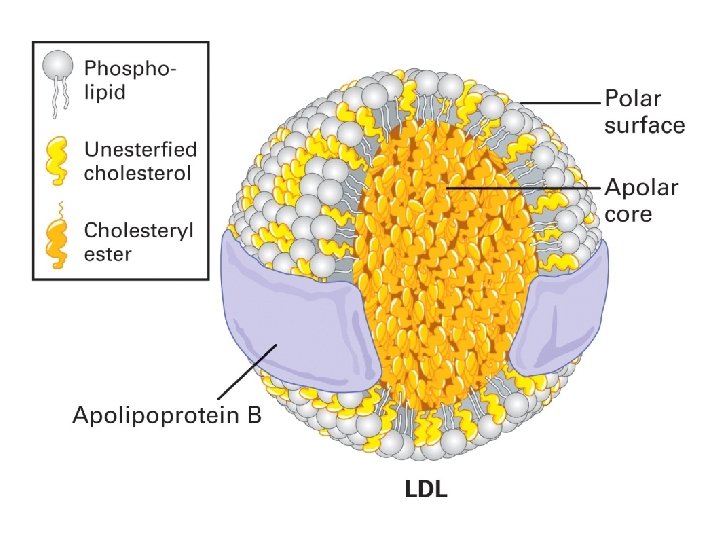
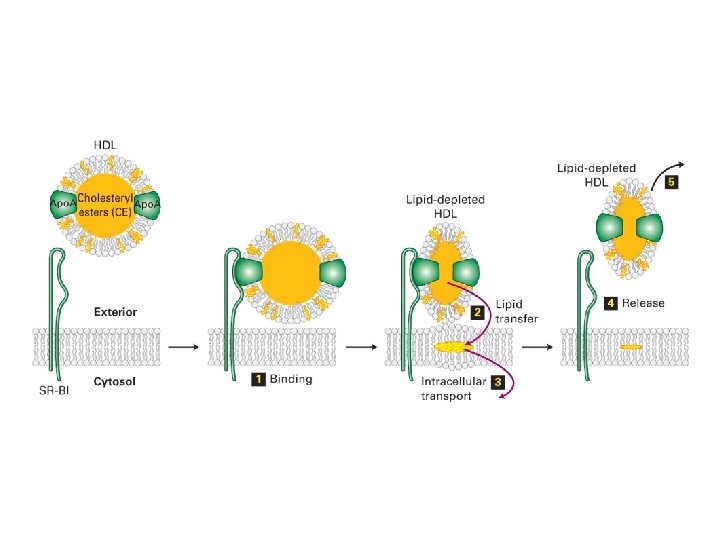
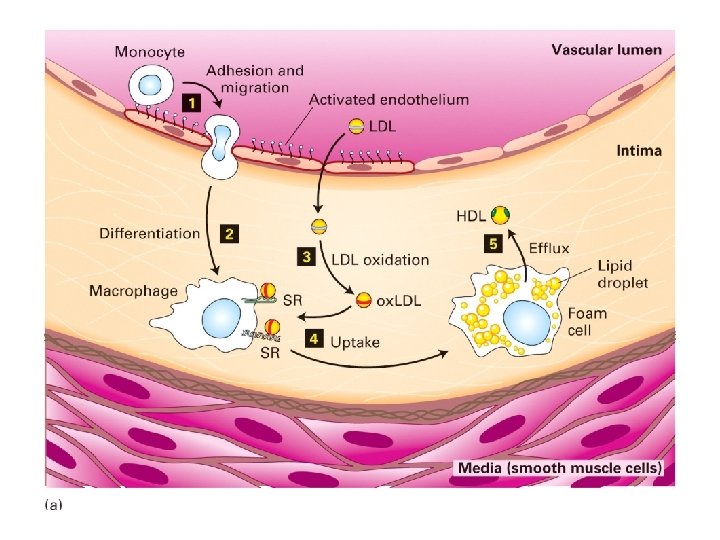
LCAT= lecithin cholesterol acyl tranferase CEPT = cholesteryl-ester transfer protein SR-BI = scavenger receptor, BI So why are LDLs “bad” and HDLs “good”?
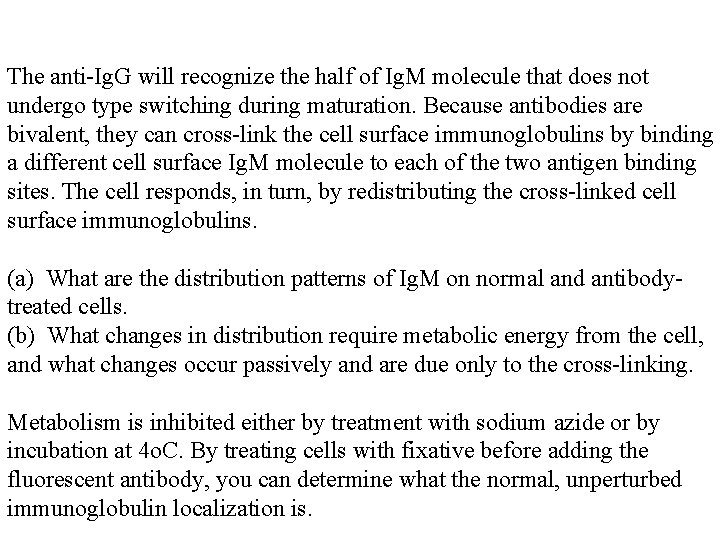
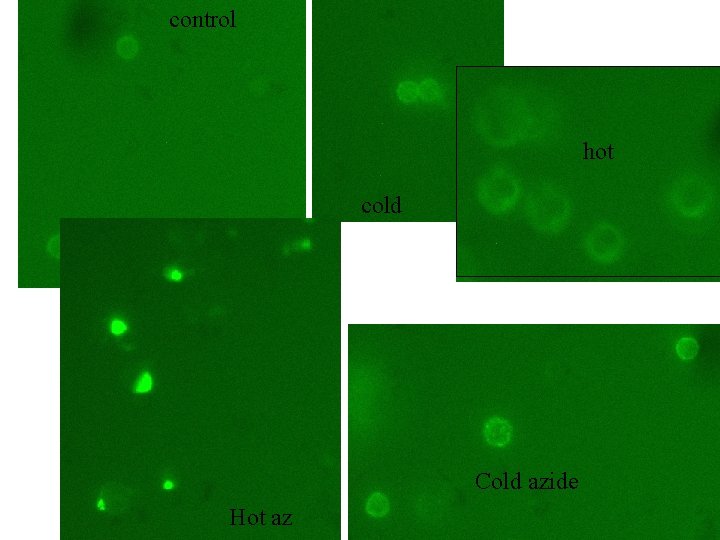
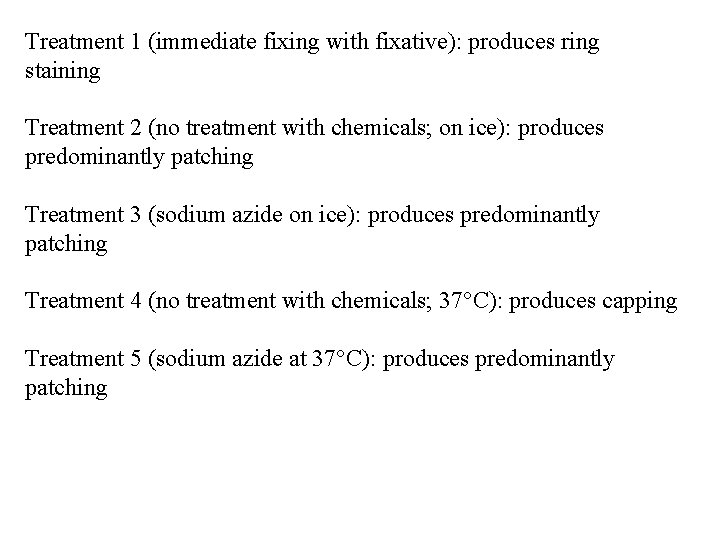
The anti-Ig. G will recognize the half of Ig. M molecule that does not undergo type switching during maturation. Because antibodies are bivalent, they can cross-link the cell surface immunoglobulins by binding a different cell surface Ig. M molecule to each of the two antigen binding sites. The cell responds, in turn, by redistributing the cross-linked cell surface immunoglobulins. (a) What are the distribution patterns of Ig. M on normal and antibodytreated cells. (b) What changes in distribution require metabolic energy from the cell, and what changes occur passively and are due only to the cross-linking. Metabolism is inhibited either by treatment with sodium azide or by incubation at 4 o. C. By treating cells with fixative before adding the fluorescent antibody, you can determine what the normal, unperturbed immunoglobulin localization is.
control hot cold Cold azide Hot az
Treatment 1 (immediate fixing with fixative): produces ring staining Treatment 2 (no treatment with chemicals; on ice): produces predominantly patching Treatment 3 (sodium azide on ice): produces predominantly patching Treatment 4 (no treatment with chemicals; 37°C): produces capping Treatment 5 (sodium azide at 37°C): produces predominantly patching
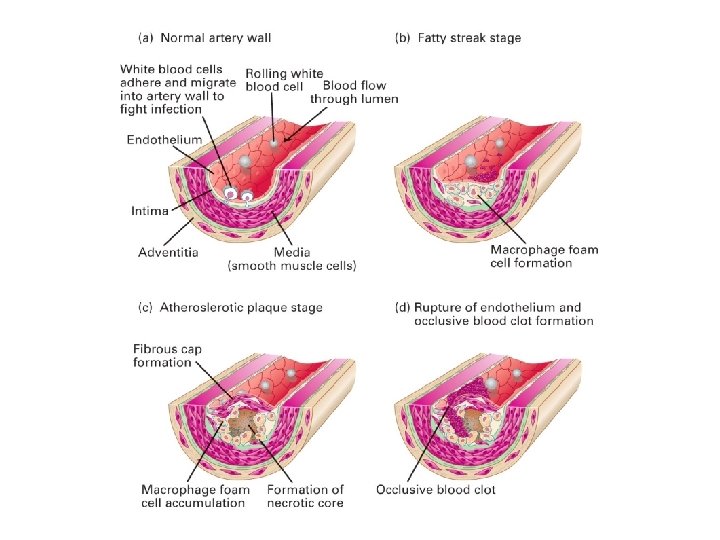
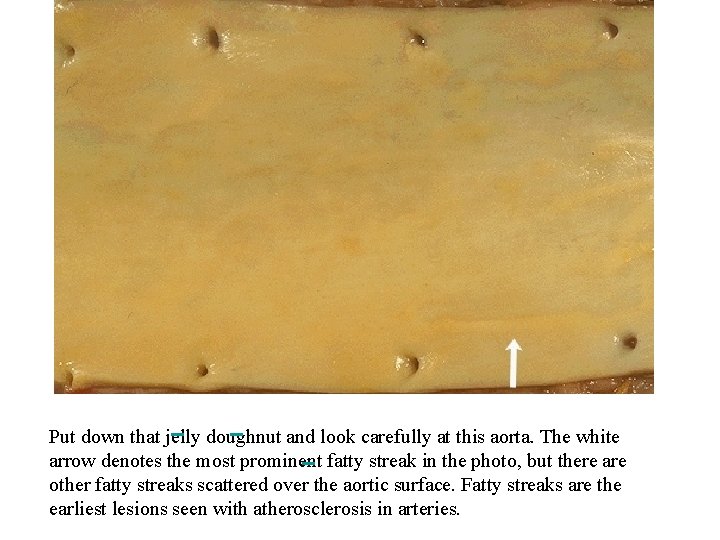
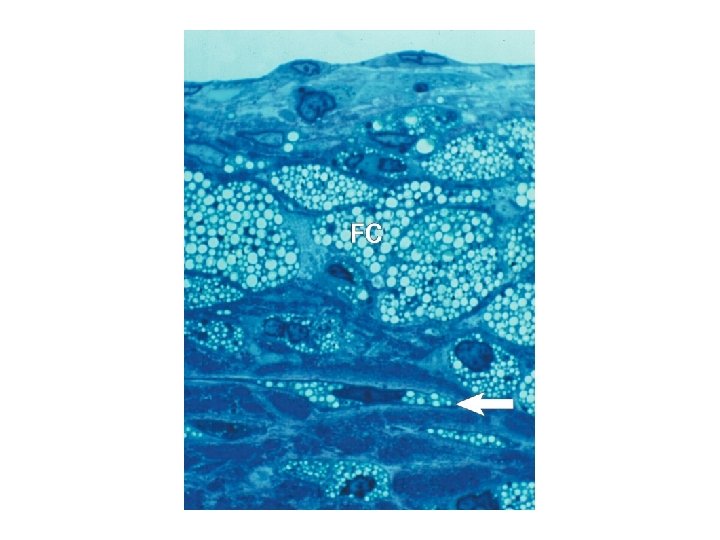
Put down that jelly doughnut and look carefully at this aorta. The white arrow denotes the most prominent fatty streak in the photo, but there are other fatty streaks scattered over the aortic surface. Fatty streaks are the earliest lesions seen with atherosclerosis in arteries.
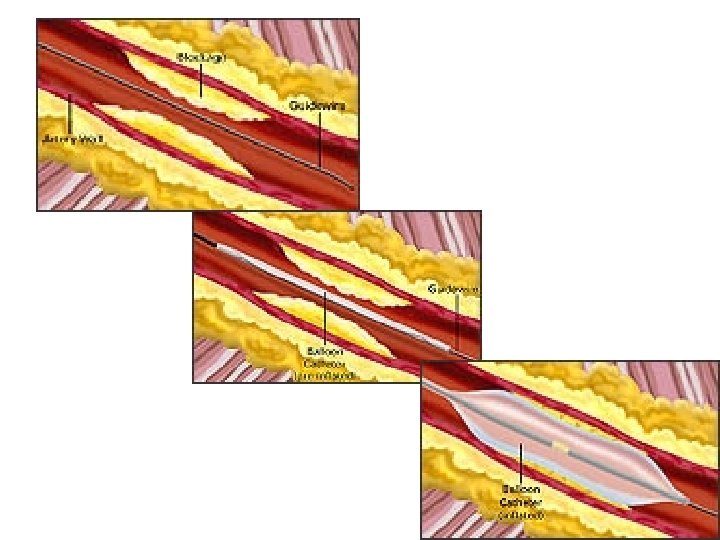
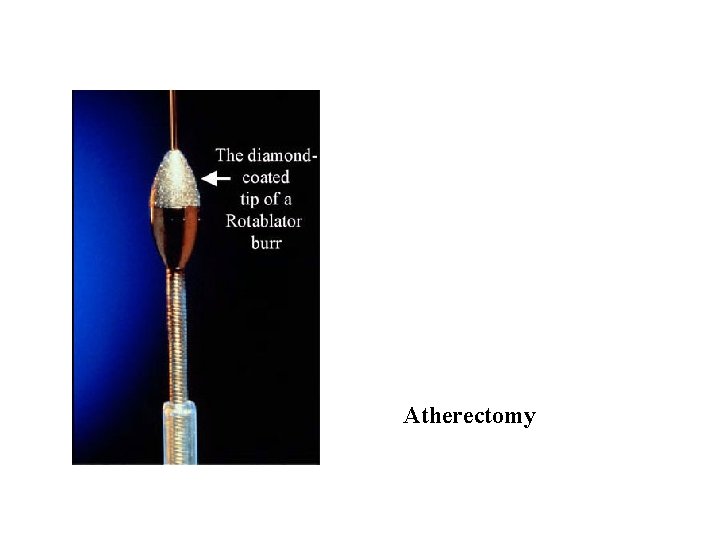
Atherectomy