
Transcatheter Interatrial Shunt Devices for Treatment of Heart
- Slides: 21
Transcatheter Inter-atrial Shunt Devices for Treatment of Heart Failure Daniel Burkhoff MD Ph. D Director CHF, Hemodynamics and MCS Research Cardiovascular Research Foundation
Disclosures Consulting fees from Corvia Medical for Hemodynamic Core Lab
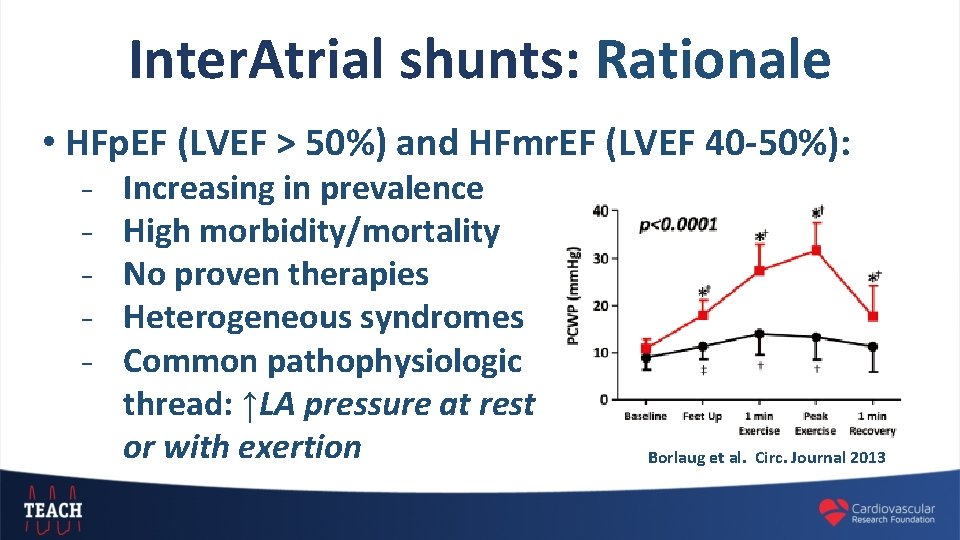
Inter. Atrial shunts: Rationale • HFp. EF (LVEF > 50%) and HFmr. EF (LVEF 40 -50%): - Increasing in prevalence High morbidity/mortality No proven therapies Heterogeneous syndromes Common pathophysiologic thread: ↑LA pressure at rest or with exertion Borlaug et al. Circ. Journal 2013
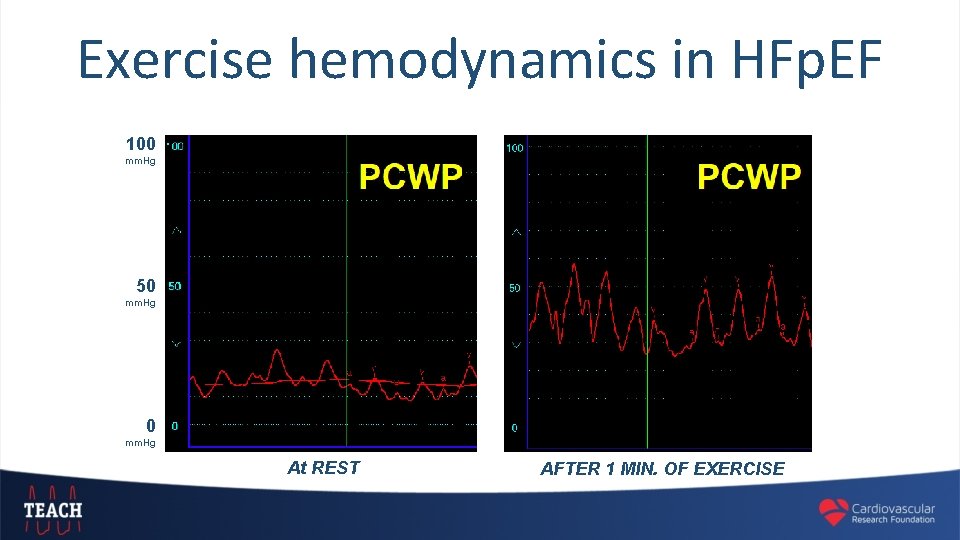
Exercise hemodynamics in HFp. EF 100 mm. Hg 50 mm. Hg At REST AFTER 1 MIN. OF EXERCISE
Importance of Exercise-Induced ↑LA pressure in HFp. EF Dorfs S, et al. Eur Heart J 2014
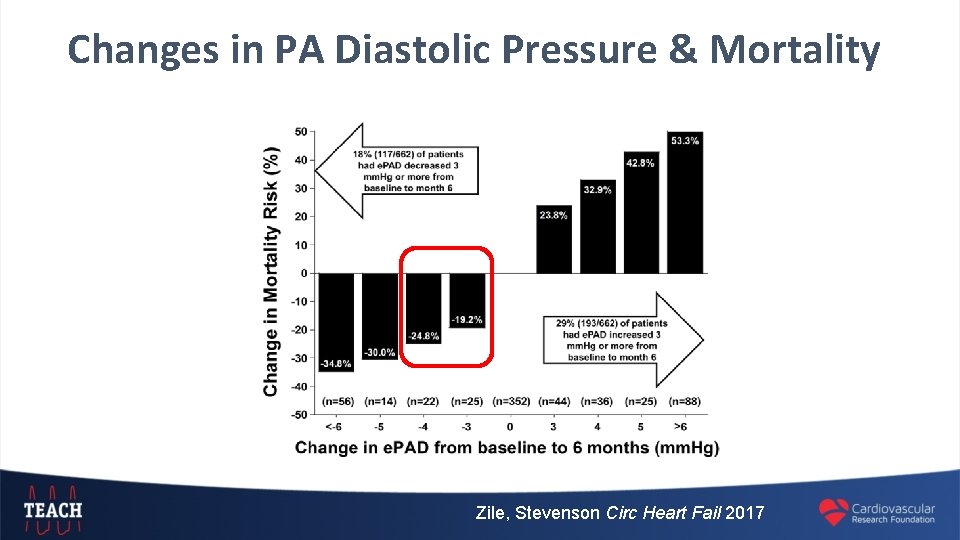
Changes in PA Diastolic Pressure & Mortality Zile, Stevenson Circ Heart Fail 2017
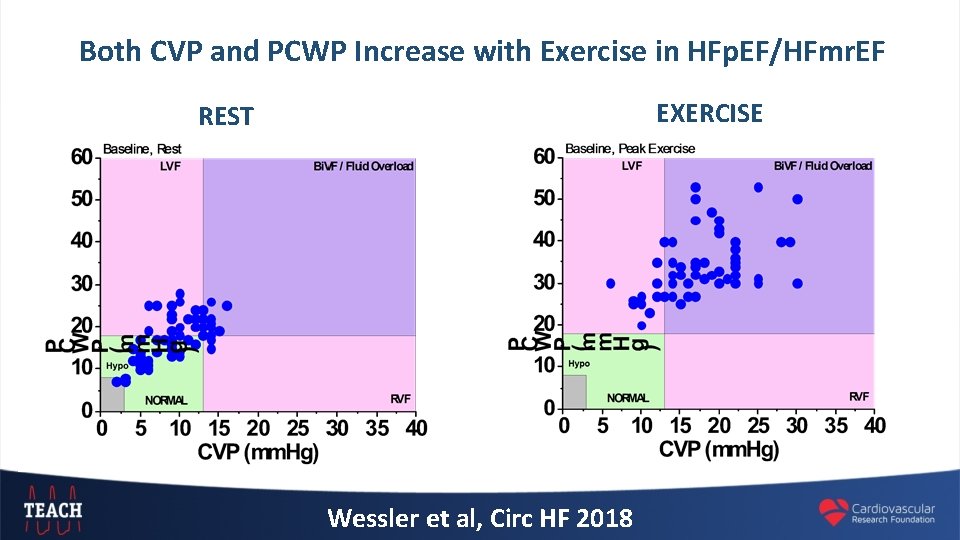
Both CVP and PCWP Increase with Exercise in HFp. EF/HFmr. EF EXERCISE REST Wessler et al, Circ HF 2018
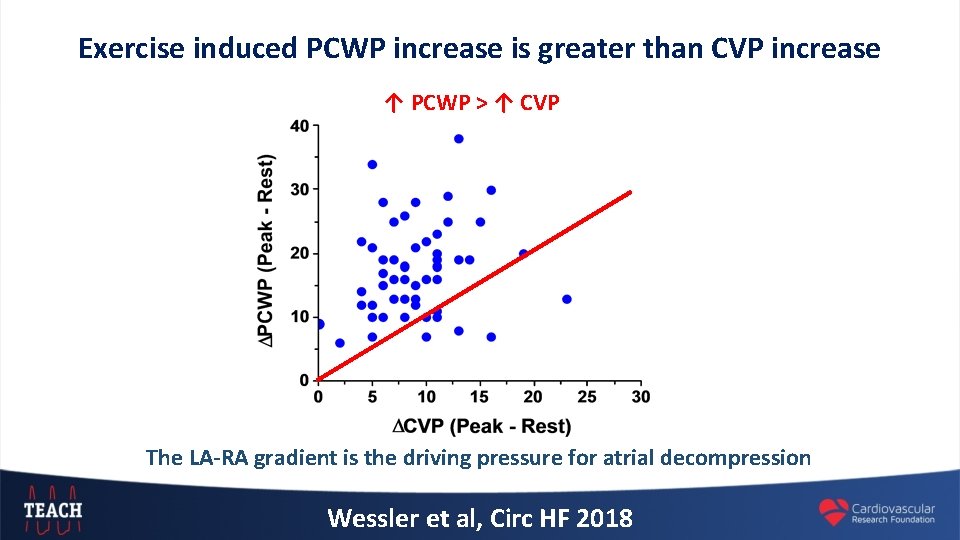
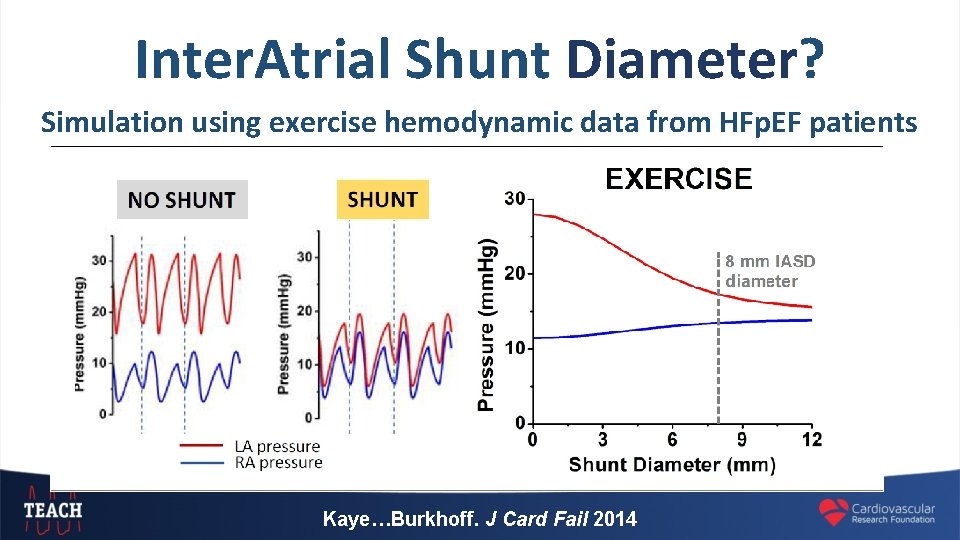
Exercise induced PCWP increase is greater than CVP increase ↑ PCWP > ↑ CVP The LA-RA gradient is the driving pressure for atrial decompression Wessler et al, Circ HF 2018
Inter. Atrial Shunt Diameter? Simulation using exercise hemodynamic data from HFp. EF patients Kaye…Burkhoff. J Card Fail 2014
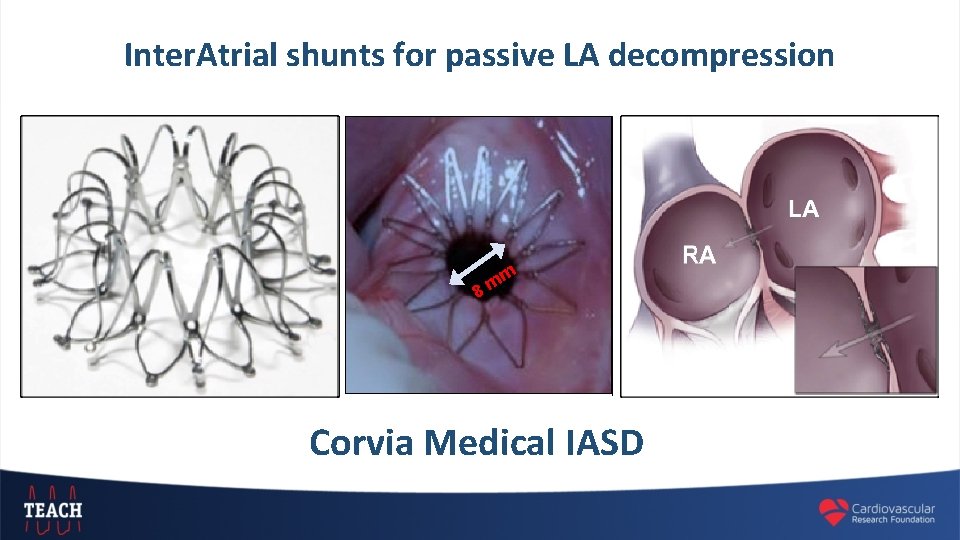
Inter. Atrial shunts for passive LA decompression m m 8 Corvia Medical IASD
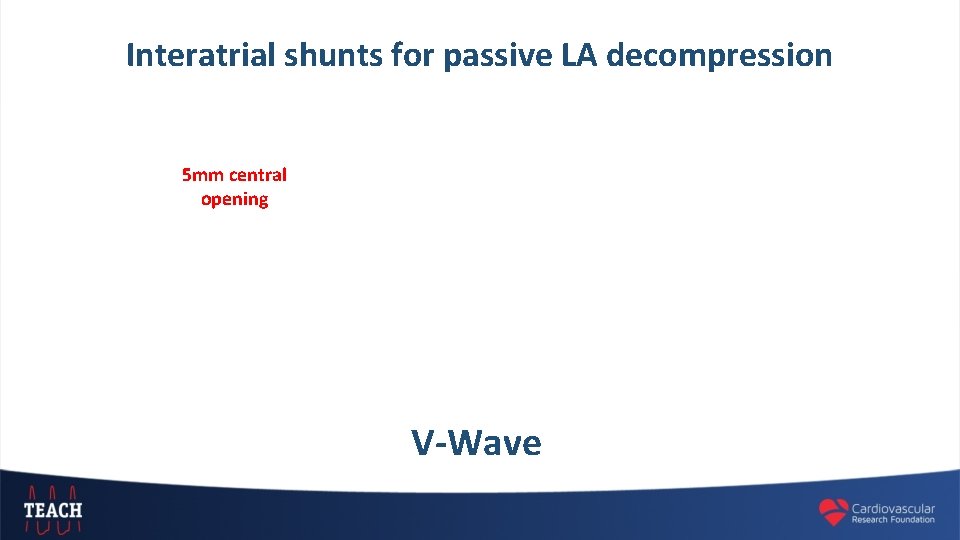
Interatrial shunts for passive LA decompression 5 mm central opening V-Wave
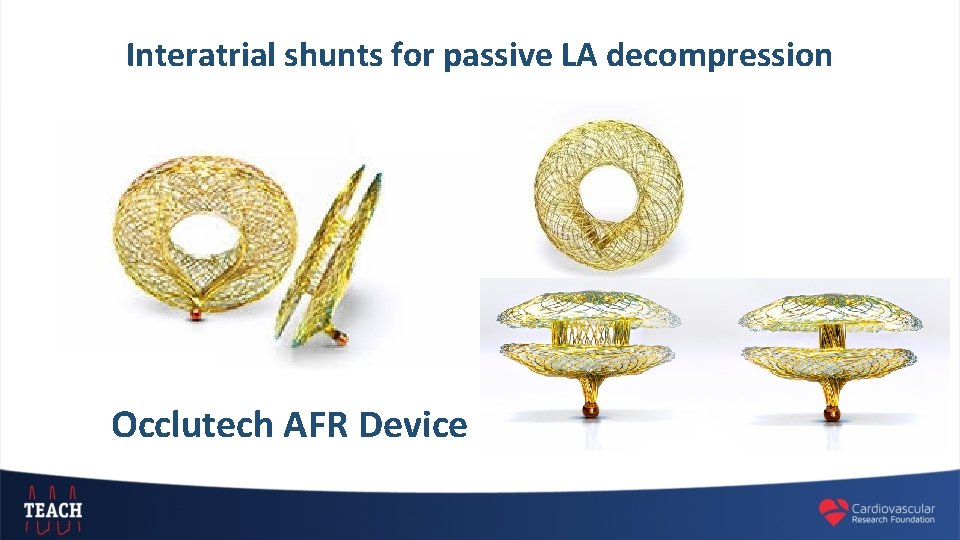
Interatrial shunts for passive LA decompression Occlutech AFR Device
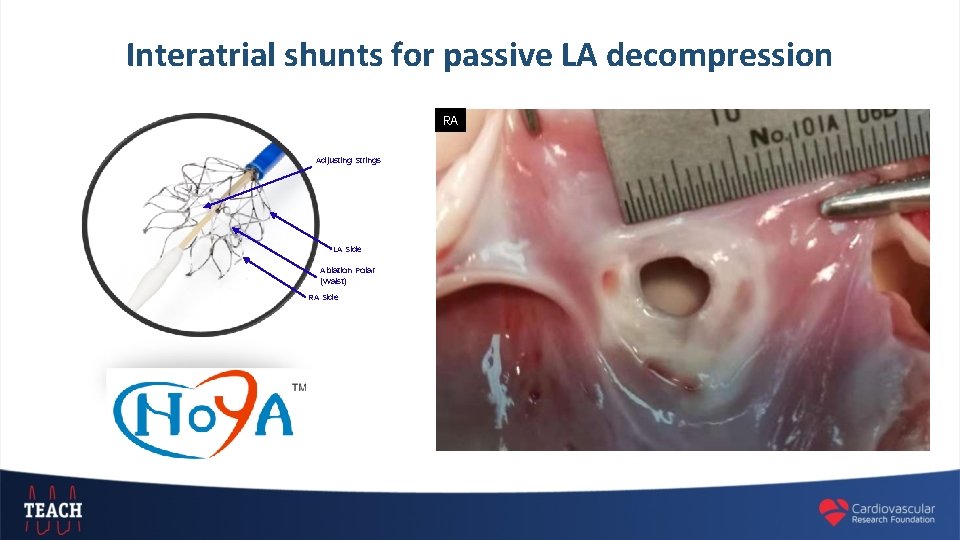
Interatrial shunts for passive LA decompression RA Adjusting Strings LA Side Ablation Polar (Waist) RA Side
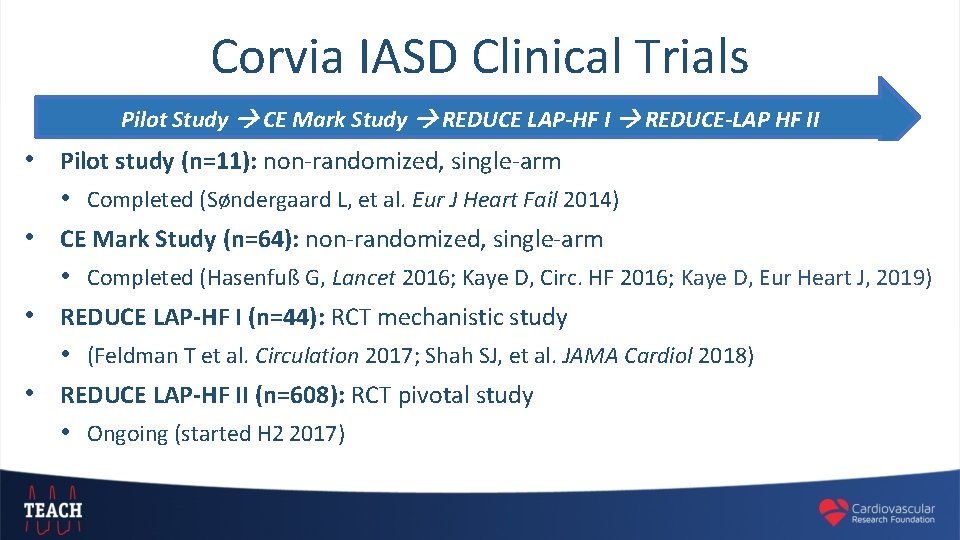
Corvia IASD Clinical Trials Pilot Study CE Mark Study REDUCE LAP-HF I REDUCE-LAP HF II • Pilot study (n=11): non-randomized, single-arm • Completed (Søndergaard L, et al. Eur J Heart Fail 2014) • CE Mark Study (n=64): non-randomized, single-arm • Completed (Hasenfuß G, Lancet 2016; Kaye D, Circ. HF 2016; Kaye D, Eur Heart J, 2019) • REDUCE LAP-HF I (n=44): RCT mechanistic study • (Feldman T et al. Circulation 2017; Shah SJ, et al. JAMA Cardiol 2018) • REDUCE LAP-HF II (n=608): RCT pivotal study • Ongoing (started H 2 2017)
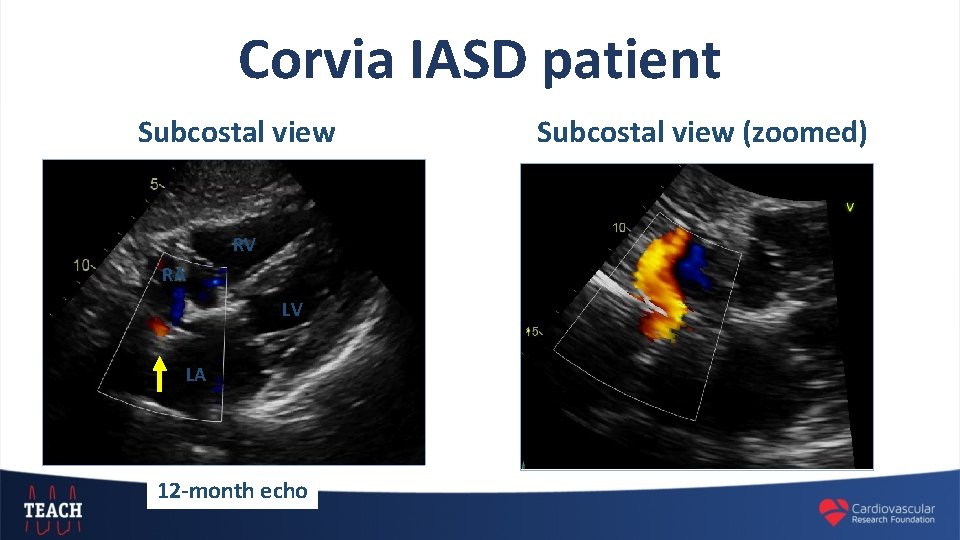
Corvia IASD patient Subcostal view RV RA LV LA 12 -month echo Subcostal view (zoomed)
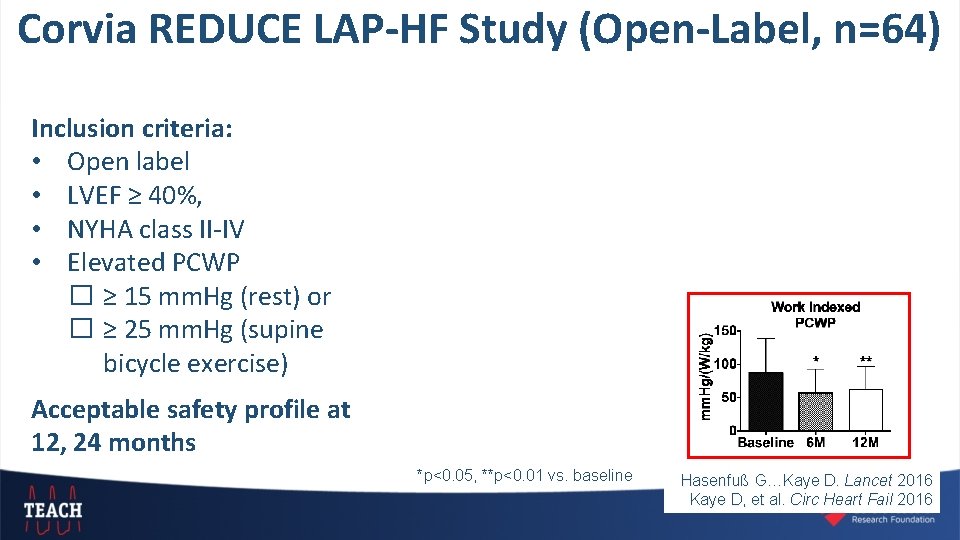
Corvia REDUCE LAP-HF Study (Open-Label, n=64) Inclusion criteria: • Open label • LVEF ≥ 40%, • NYHA class II-IV • Elevated PCWP � ≥ 15 mm. Hg (rest) or � ≥ 25 mm. Hg (supine bicycle exercise) Acceptable safety profile at 12, 24 months *p<0. 05, **p<0. 01 vs. baseline Hasenfuß G…Kaye D. Lancet 2016 Kaye D, et al. Circ Heart Fail 2016
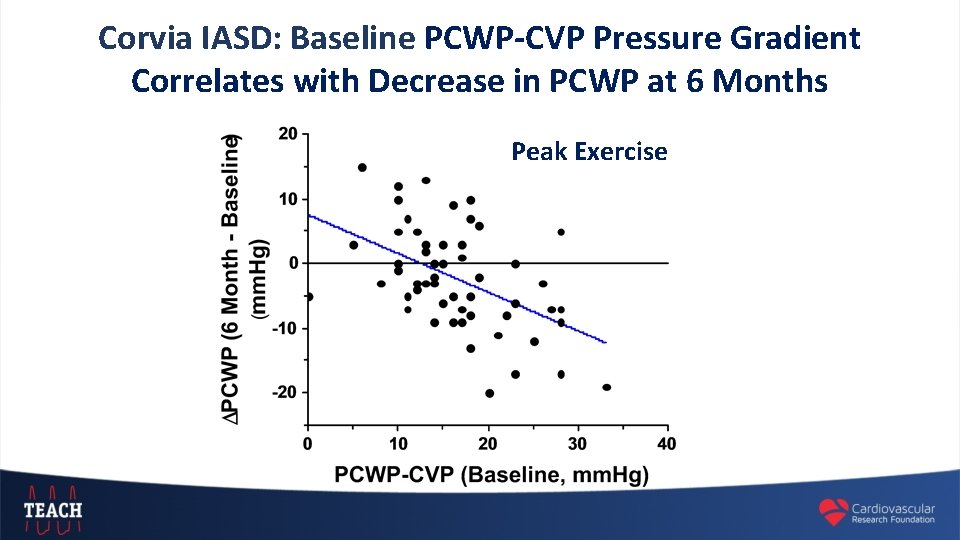
Corvia IASD: Baseline PCWP-CVP Pressure Gradient Correlates with Decrease in PCWP at 6 Months Peak Exercise
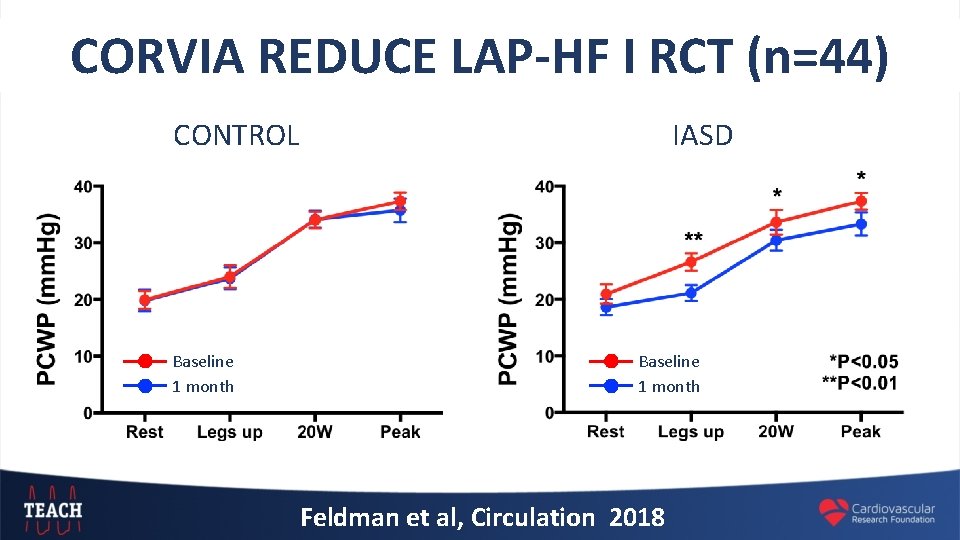
CORVIA REDUCE LAP-HF I RCT (n=44) CONTROL Baseline 1 month IASD Baseline 1 month Feldman et al, Circulation 2018
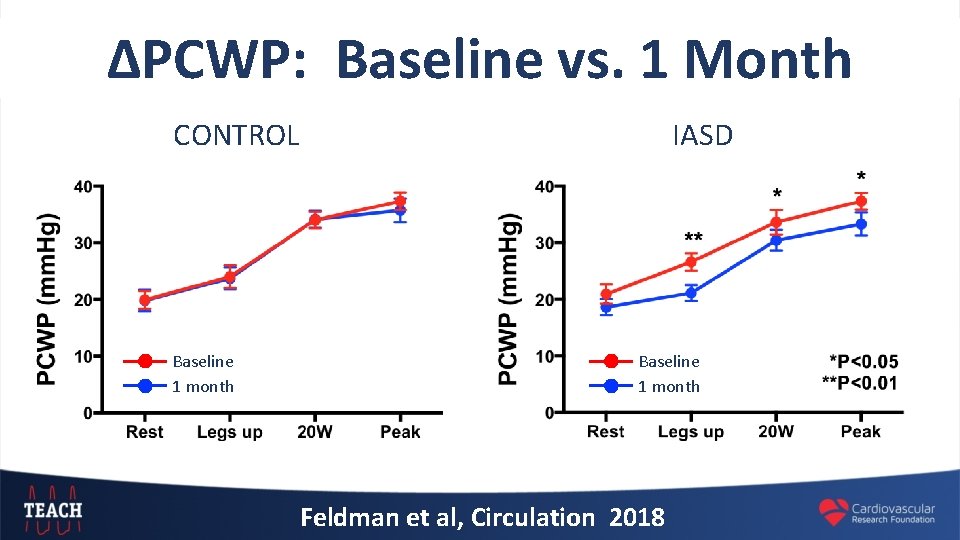
Change in PCWP: Baseline 1 month ΔPCWP: Baseline vs. 1 to. Month CONTROL Baseline 1 month IASD Baseline 1 month Feldman et al, Circulation 2018
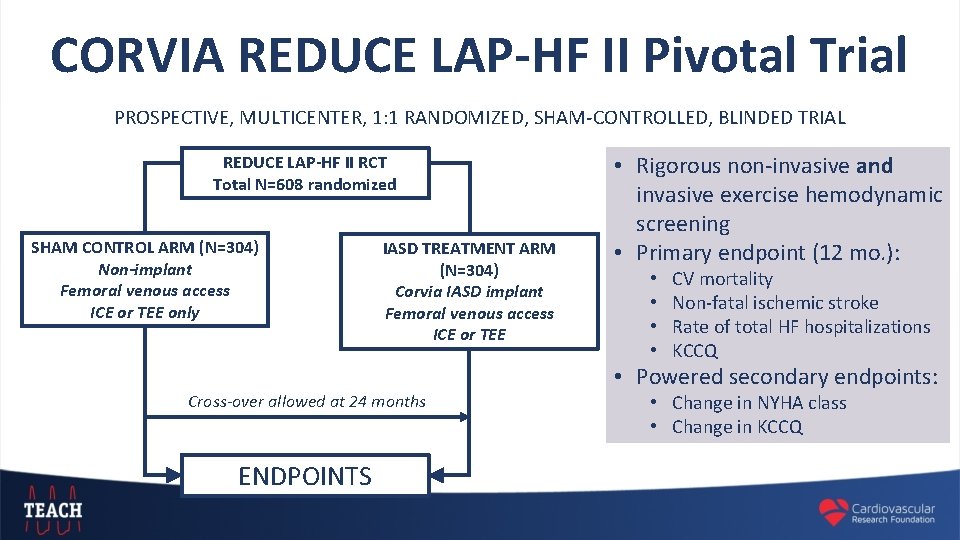
CORVIA REDUCE LAP-HF II Pivotal Trial PROSPECTIVE, MULTICENTER, 1: 1 RANDOMIZED, SHAM-CONTROLLED, BLINDED TRIAL REDUCE LAP-HF II RCT Total N=608 randomized SHAM CONTROL ARM (N=304) Non-implant Femoral venous access ICE or TEE only IASD TREATMENT ARM (N=304) Corvia IASD implant Femoral venous access ICE or TEE Cross-over allowed at 24 months ENDPOINTS • Rigorous non-invasive and invasive exercise hemodynamic screening • Primary endpoint (12 mo. ): • • CV mortality Non-fatal ischemic stroke Rate of total HF hospitalizations KCCQ • Powered secondary endpoints: • Change in NYHA class • Change in KCCQ
Summary • Rapid and profound rise in PCWP with exertion in heart failure, particularly HFp. EF and HFmr. EF • Persistent and significant Left-to-Right atrial pressure gradient on exertion • Exercise hemodynamic are important for optimal patient selection • Corvia IASD decreases PCWP while prolonging exercise time and peak Watts • Preliminary results show symptomatic improvement and decrease in rate of HF decompensation