
Traffic Impact Studies Impact studies recommend on and
- Slides: 26
Traffic Impact Studies “Impact studies recommend on- and off -site transportation improvements to improve access to the site as well as mitigate expected impacts” 1
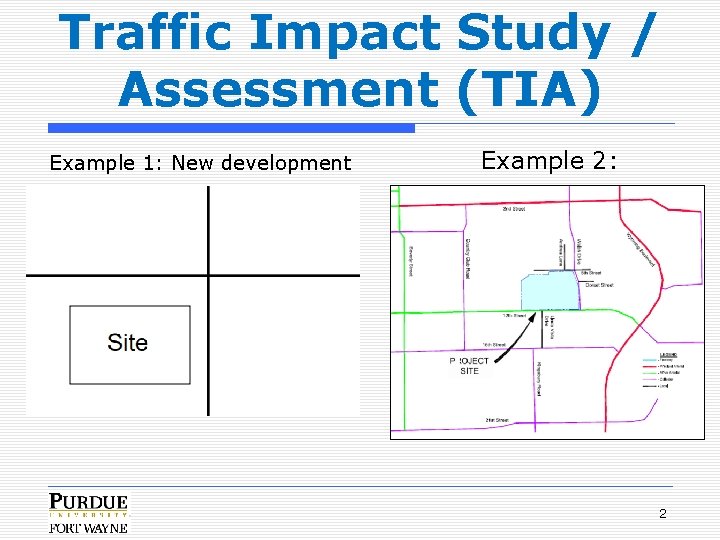
Traffic Impact Study / Assessment (TIA) Example 1: New development Example 2: 2
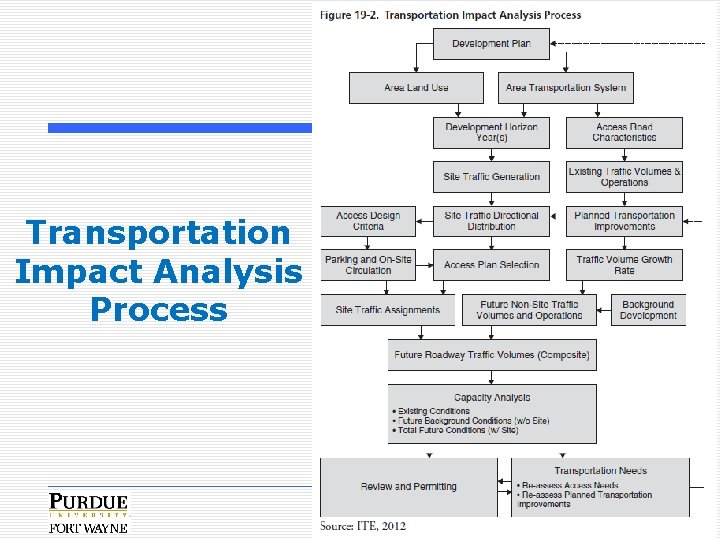
Transportation Impact Analysis Process 3
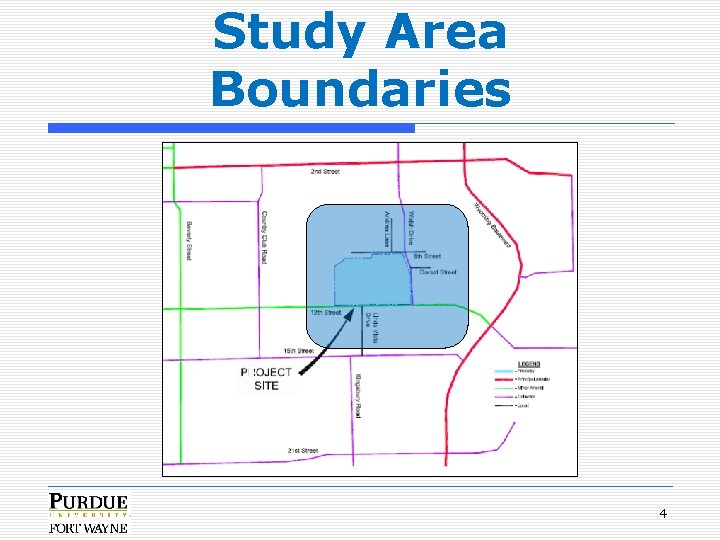
Study Area Boundaries 4
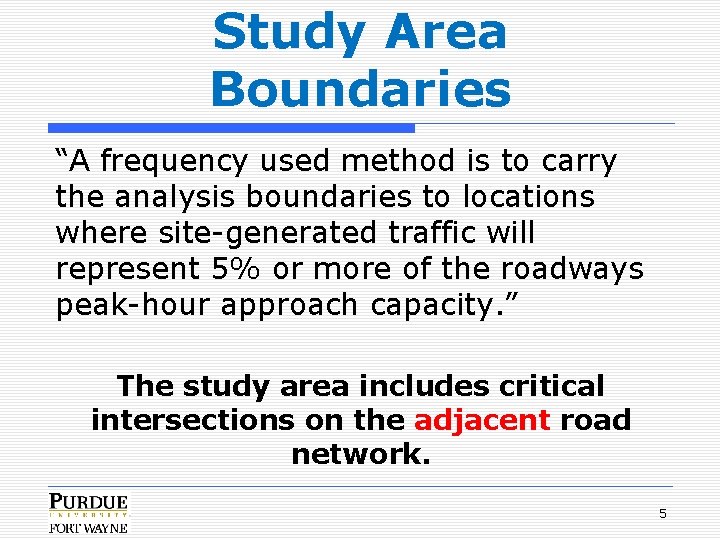
Study Area Boundaries “A frequency used method is to carry the analysis boundaries to locations where site-generated traffic will represent 5% or more of the roadways peak-hour approach capacity. ” The study area includes critical intersections on the adjacent road network. 5
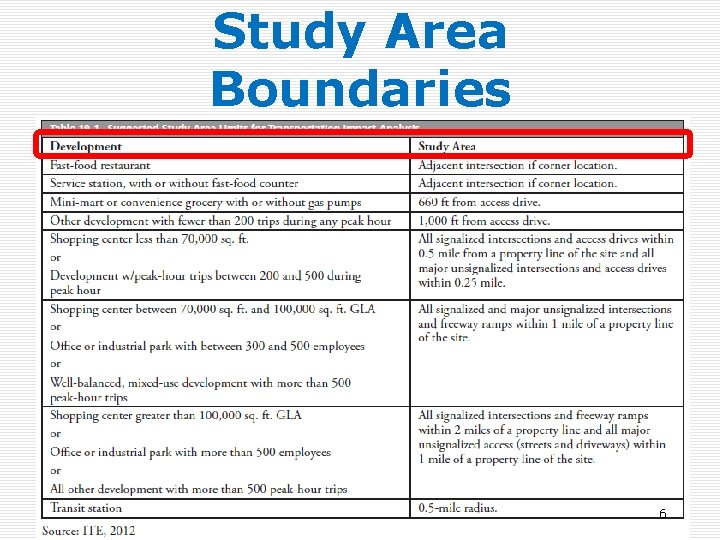
Study Area Boundaries 6
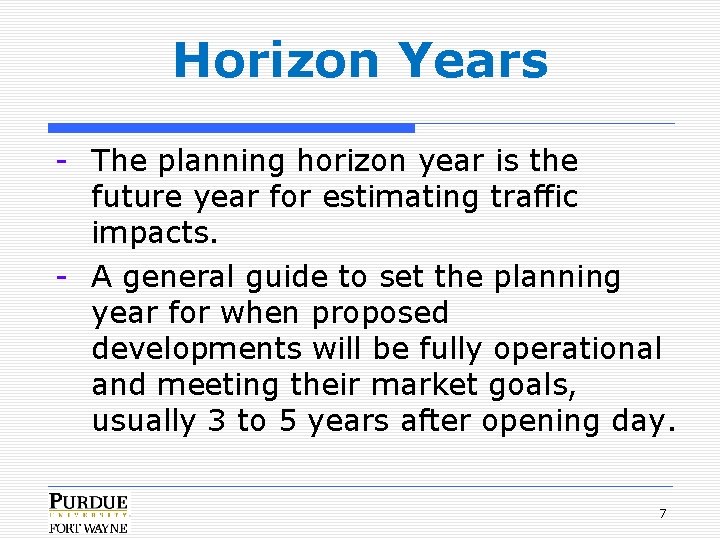
Horizon Years - The planning horizon year is the future year for estimating traffic impacts. - A general guide to set the planning year for when proposed developments will be fully operational and meeting their market goals, usually 3 to 5 years after opening day. 7
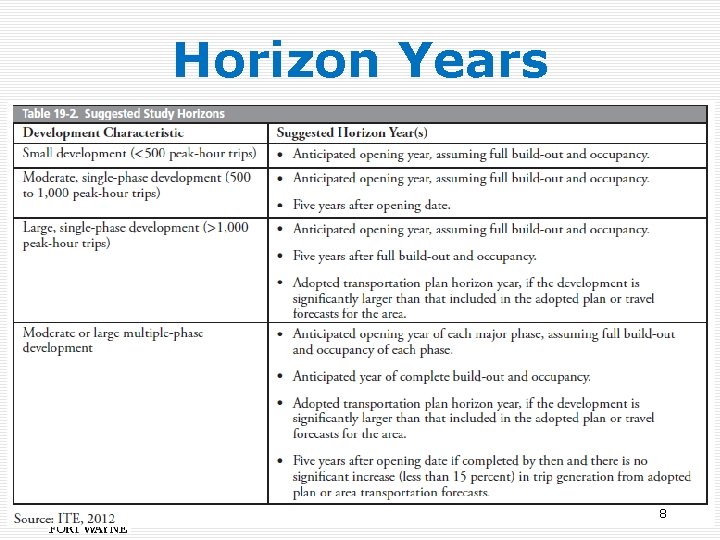
Horizon Years 8
Data on Existing Conditions - Traffic volumes Land use Demographics Transportation systems Trip distribution data Crash data 9
Performance Measures - Existing LOS - LOS with Project - LOS without Project 10
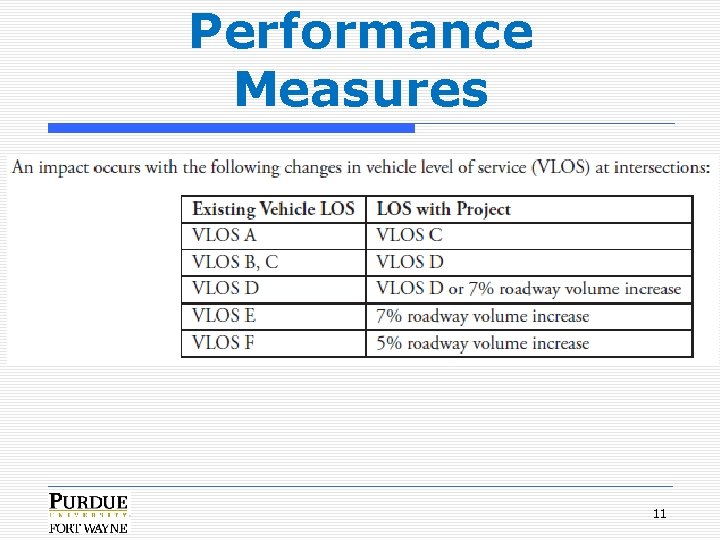
Performance Measures 11
Deliverables Traffic Impact Letter or Traffic Impact Study 12
Example of Traffic Impact Study 13
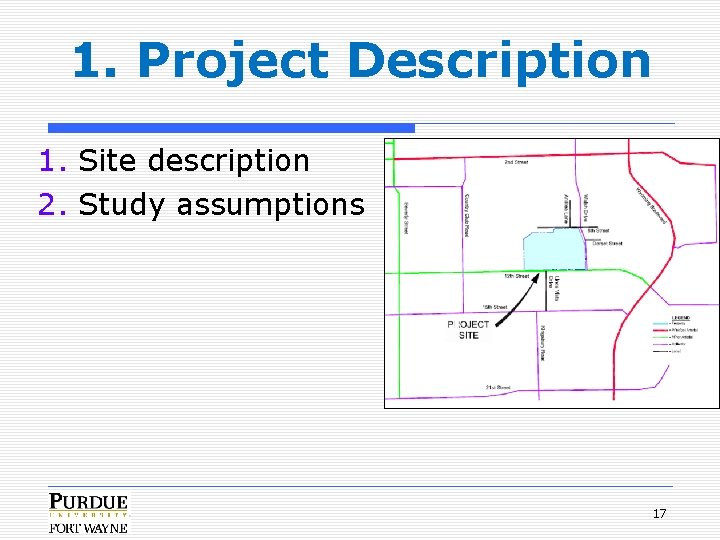
Problem Statement Natrona County Schools is proposing to construct the new Kelly Walsh High School on the site where the current building exists. There are currently 1, 632 students at the school and the school is being designed for 2, 000 students. 14
TIA will answer following questions: 1. What will the effect of a development to the surrounding transport facilities? 2. What is the additional traffic from the development? 3. What are the impacts due to the additional traffic? 4. How do you tackle the impact? 15
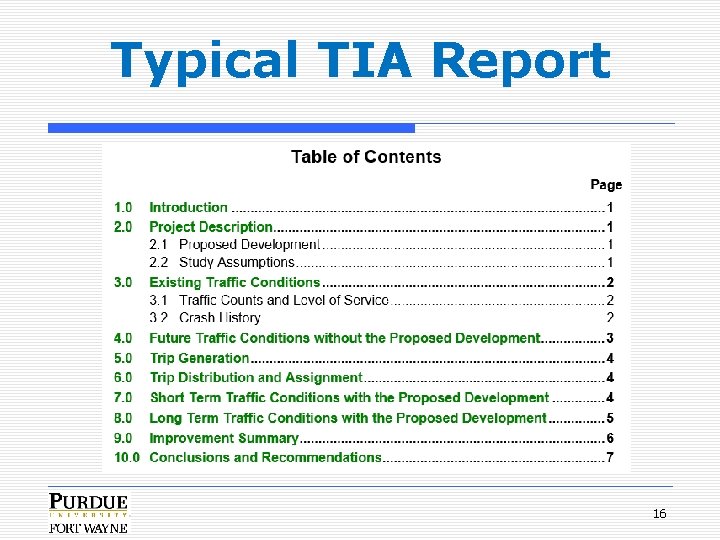
Typical TIA Report 16
1. Project Description 1. Site description 2. Study assumptions 17
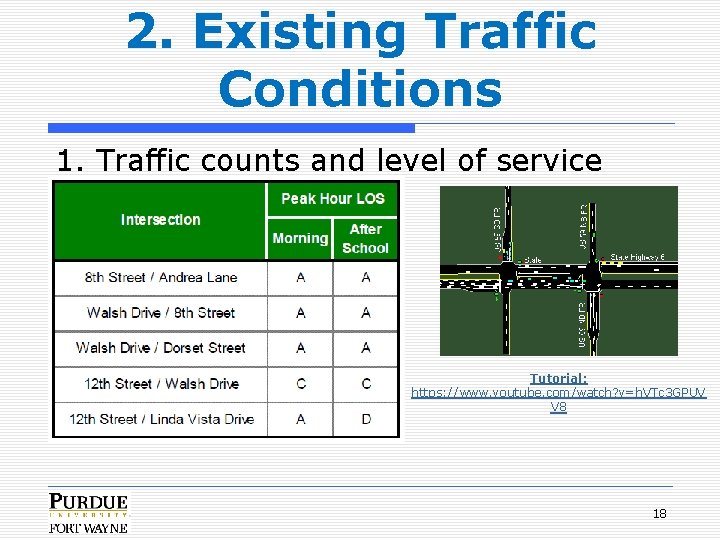
2. Existing Traffic Conditions 1. Traffic counts and level of service Tutorial: https: //www. youtube. com/watch? v=h. VTc 3 GPUV V 8 18
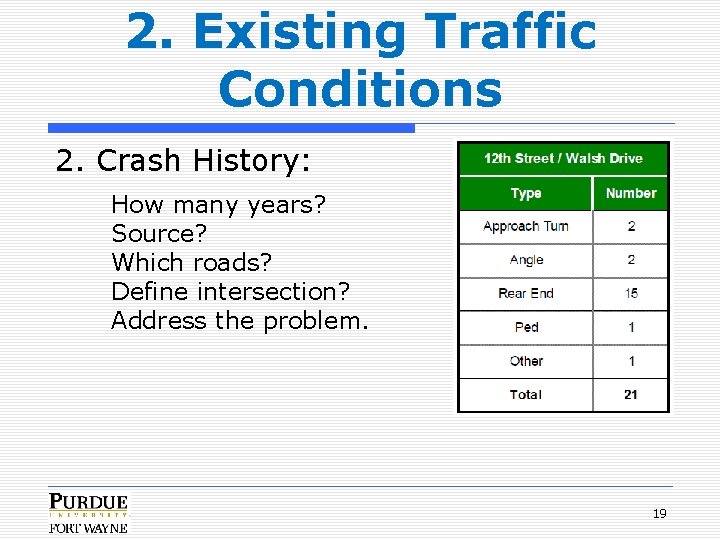
2. Existing Traffic Conditions 2. Crash History: How many years? Source? Which roads? Define intersection? Address the problem. 19
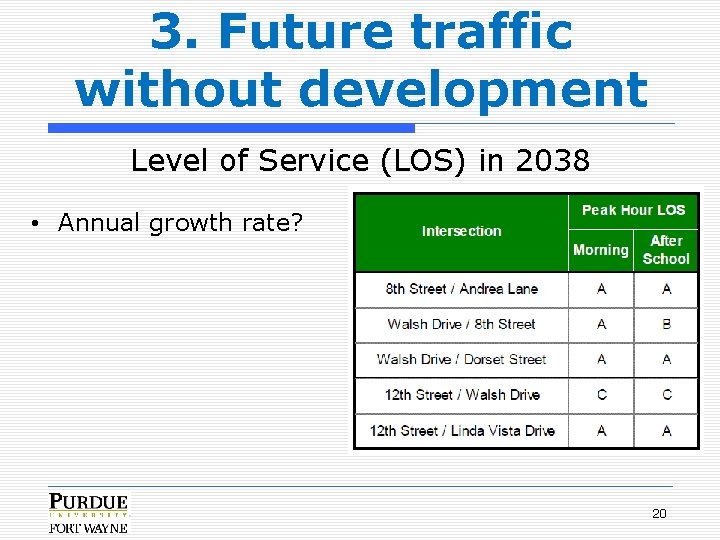
3. Future traffic without development Level of Service (LOS) in 2038 • Annual growth rate? 20
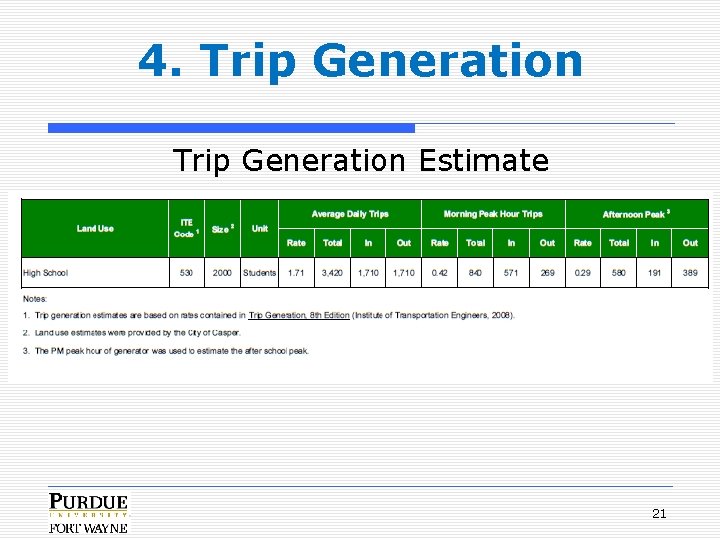
4. Trip Generation Estimate 21
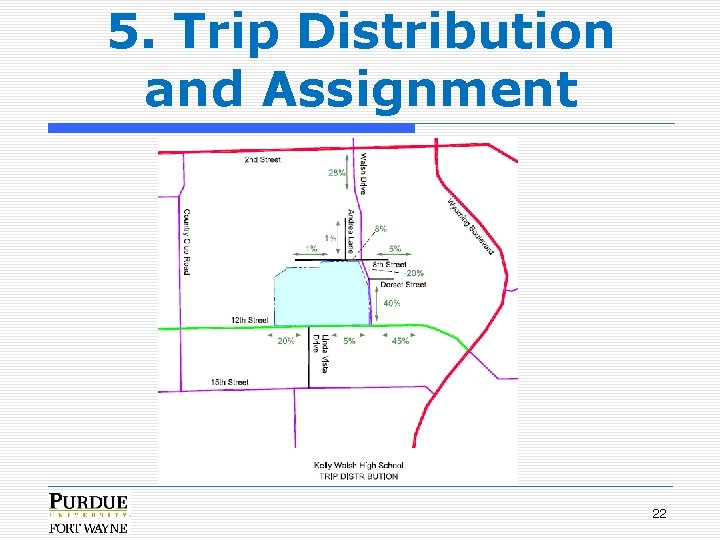
5. Trip Distribution and Assignment 22
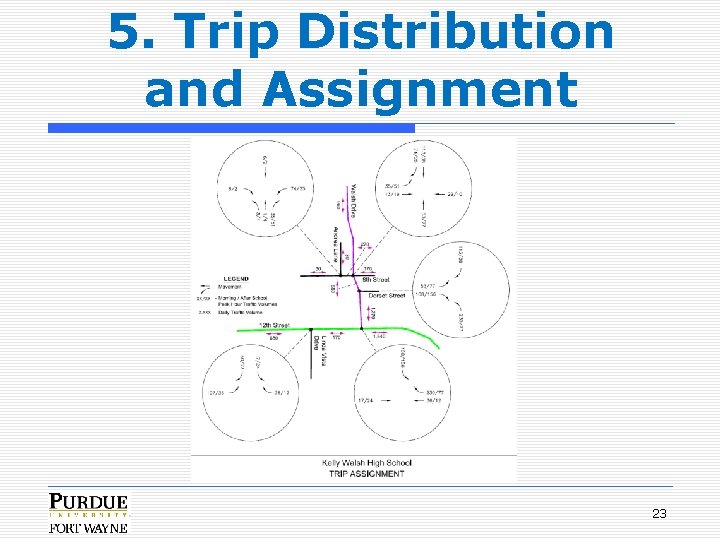
5. Trip Distribution and Assignment 23
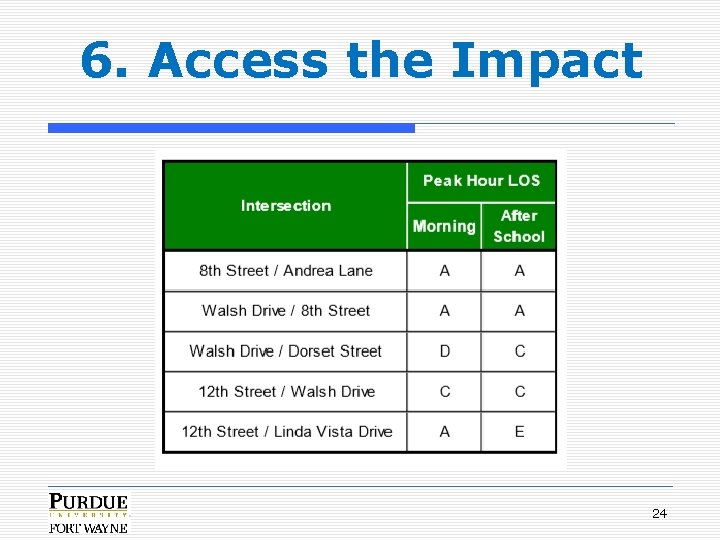
6. Access the Impact 24
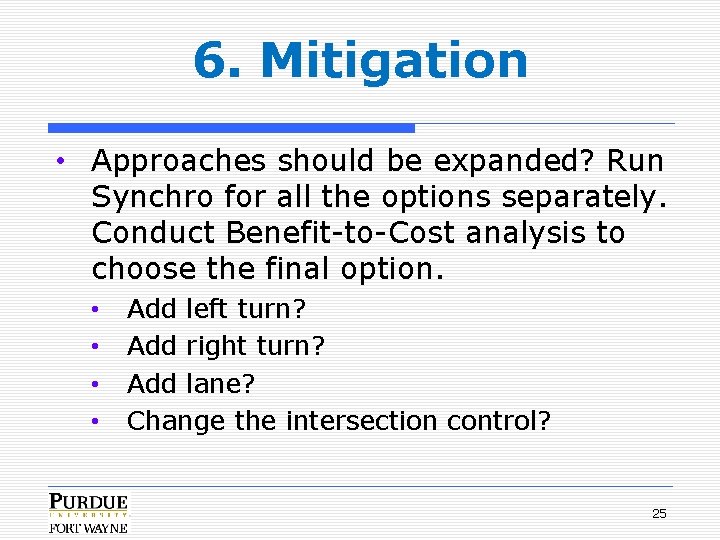
6. Mitigation • Approaches should be expanded? Run Synchro for all the options separately. Conduct Benefit-to-Cost analysis to choose the final option. • • Add left turn? Add right turn? Add lane? Change the intersection control? 25
Review 4 -step Model 26