
TRADITIONAL LINKED DATA OR CONNECT YOUR DATA YOUR


- Slides: 17
TRADITIONAL LINKED DATA OR CONNECT YOUR DATA YOUR WAY Library Technology Conference Macalester College, St. Paul, MN March 20 -21, 2013
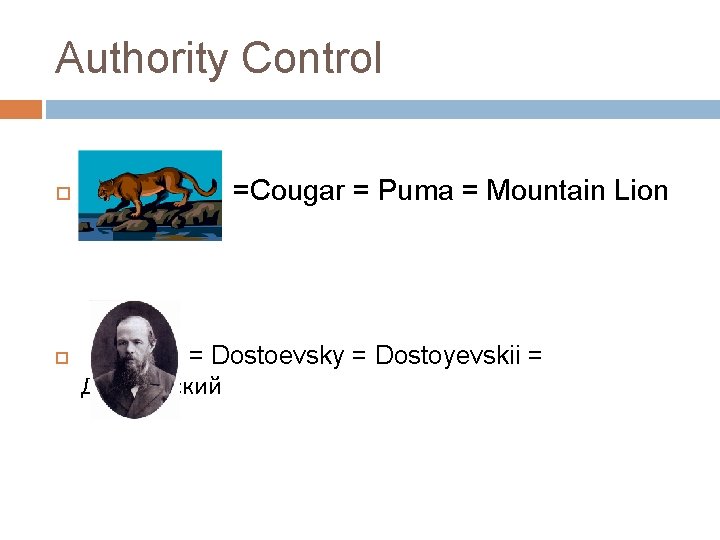
Authority Control =Cougar = Puma = Mountain Lion = Dostoevsky = Dostoyevskii = Достоевский
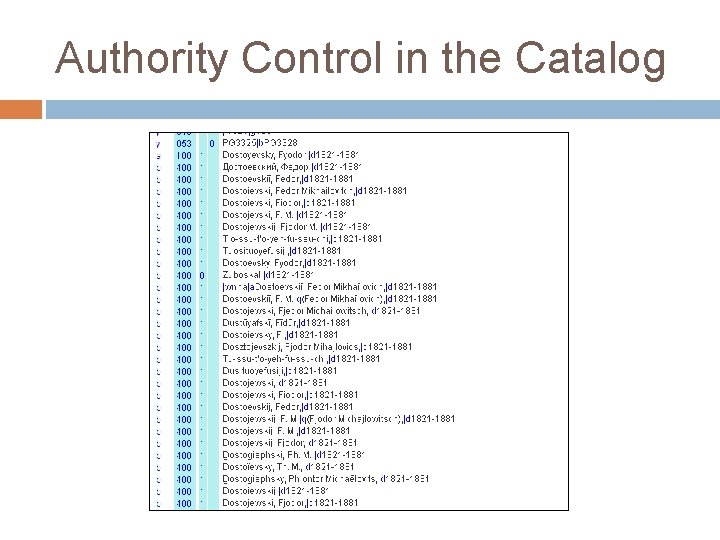
Authority Control in the Catalog
Authority Control on the Web Traditional Linked Data makes use of “URIs” (Unique Resource Identifiers) to unambiguously identify people and concepts. URIs are: Stable (meant to last ‘forever’) Dynamic (no “headings” to change as wording changes) Language neutral Designed to provide links to other URIs
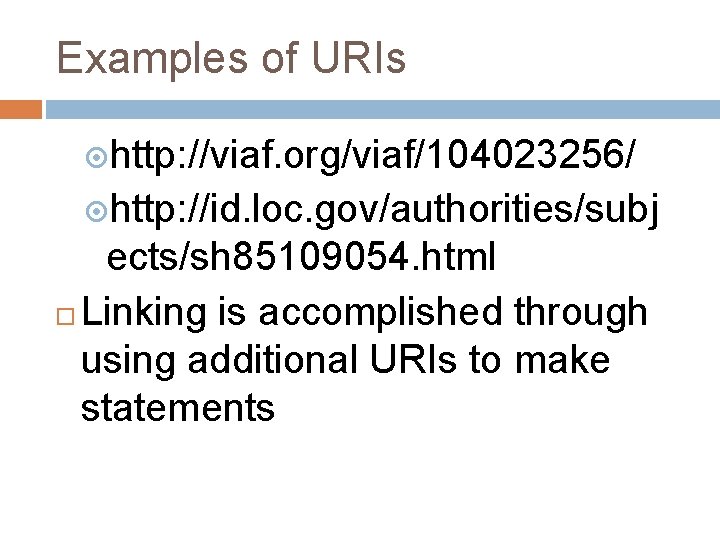
Examples of URIs http: //viaf. org/viaf/104023256/ http: //id. loc. gov/authorities/subj ects/sh 85109054. html Linking is accomplished through using additional URIs to make statements
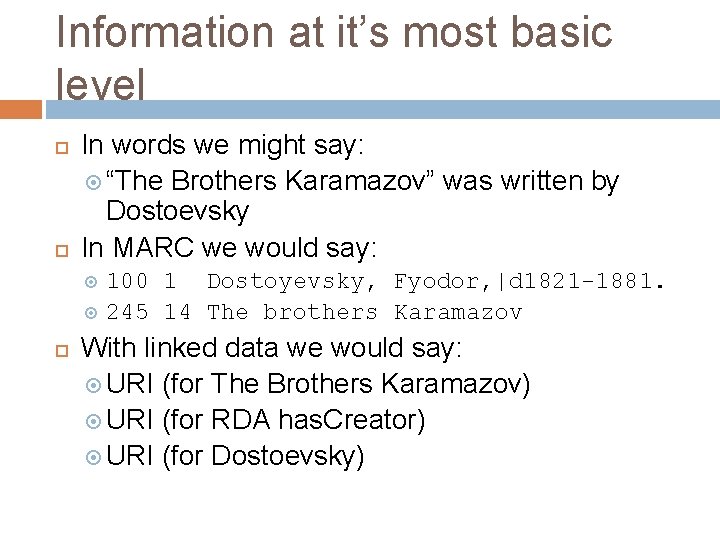
Information at it’s most basic level In words we might say: “The Brothers Karamazov” was written by Dostoevsky In MARC we would say: 100 1 Dostoyevsky, Fyodor, |d 1821 -1881. 245 14 The brothers Karamazov With linked data we would say: URI (for The Brothers Karamazov) URI (for RDA has. Creator) URI (for Dostoevsky)
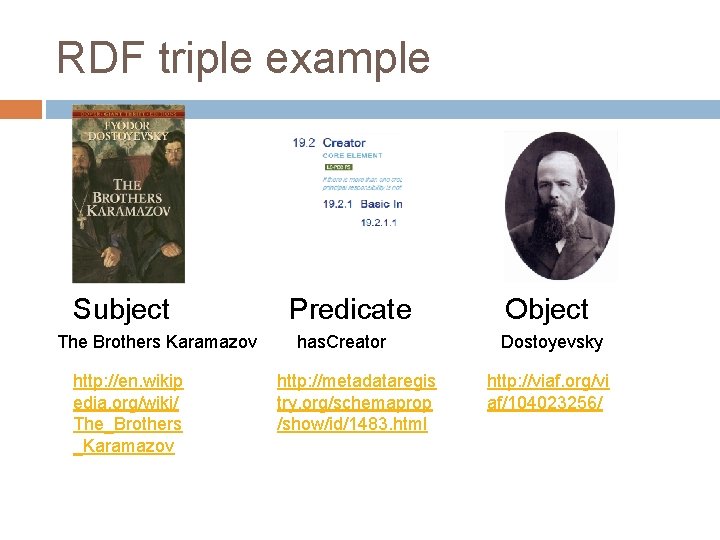
RDF triple example Subject The Brothers Karamazov http: //en. wikip edia. org/wiki/ The_Brothers _Karamazov Predicate has. Creator http: //metadataregis try. org/schemaprop /show/id/1483. html Object Dostoyevsky http: //viaf. org/vi af/104023256/
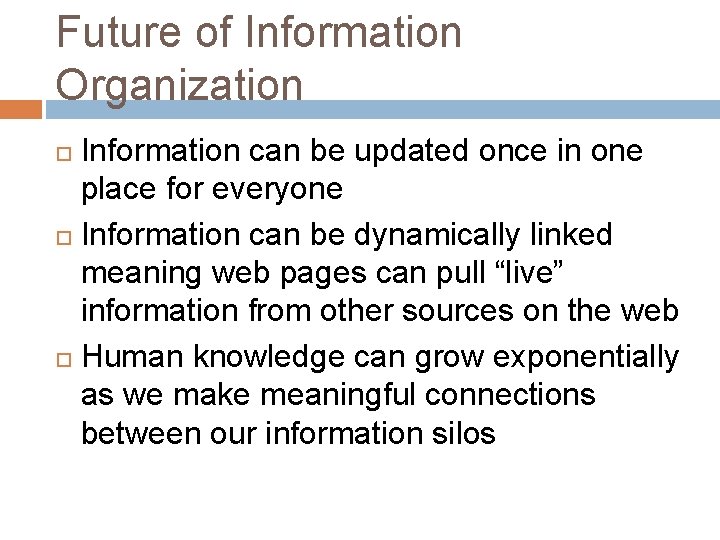
Future of Information Organization Information can be updated once in one place for everyone Information can be dynamically linked meaning web pages can pull “live” information from other sources on the web Human knowledge can grow exponentially as we make meaningful connections between our information silos
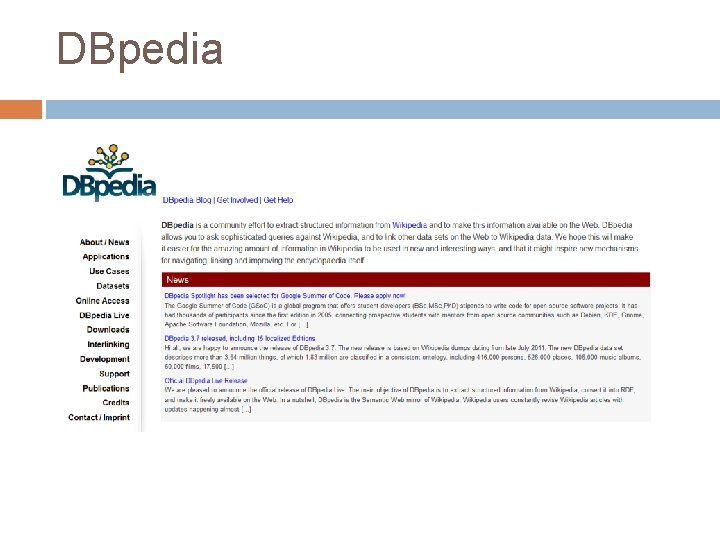
DBpedia
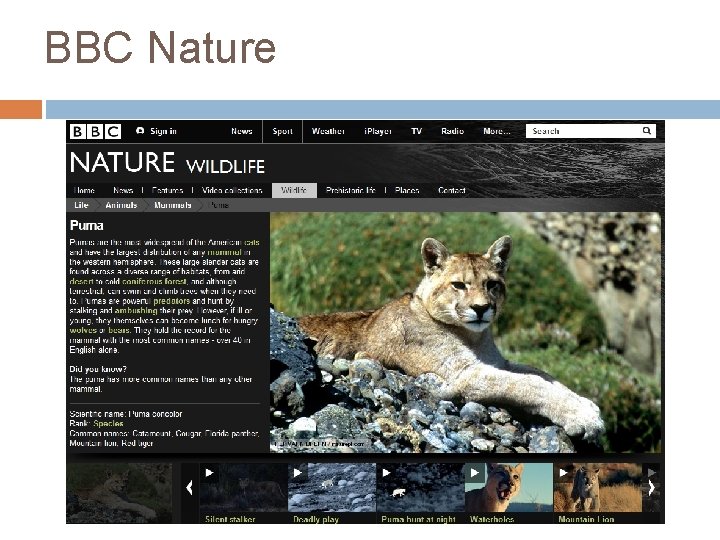
BBC Nature 11
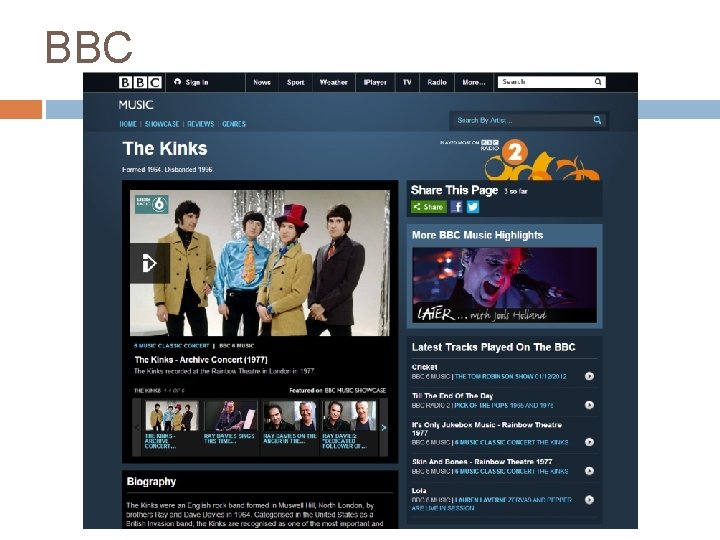
BBC 12
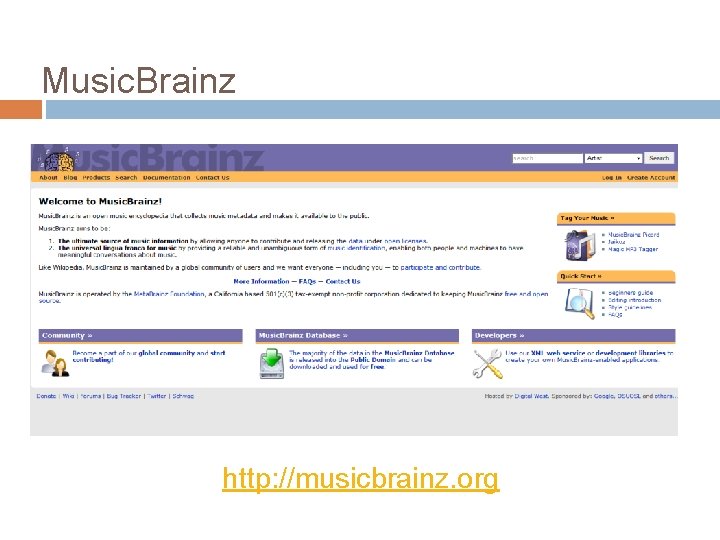
Music. Brainz http: //musicbrainz. org
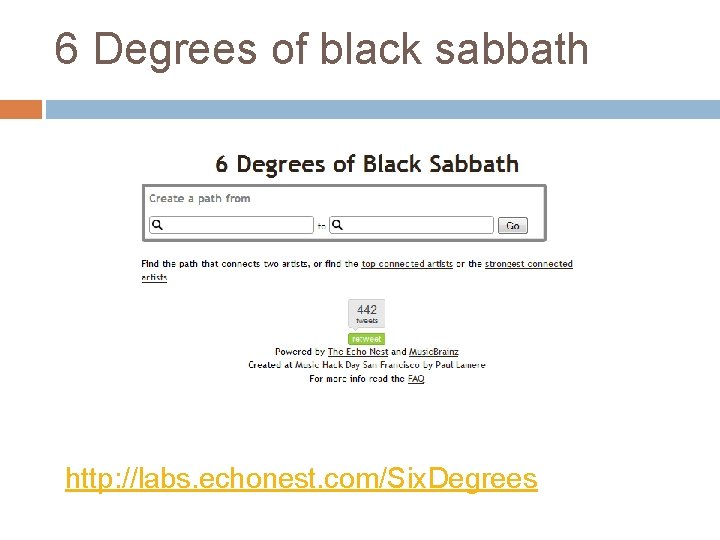
6 Degrees of black sabbath http: //labs. echonest. com/Six. Degrees
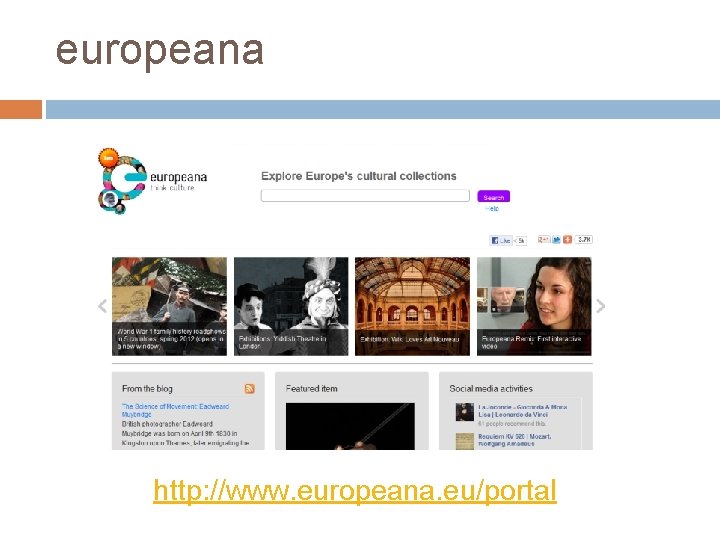
europeana http: //www. europeana. eu/portal
Bio 2 RDF http: //bio 2 rdf. org/