
Trade What Are the Gains and Who Gets
- Slides: 27
Trade – What Are the Gains and Who Gets Them CEPR Basic Economics Seminar Series Mark Weisbrot October 13, 2005
Trade Theory • Standard economic argument for trade liberalization: Theory of Comparative Advantage (David Ricardo, 1817) • Shows that countries can gain from specialization and trade according to comparative advantage • True even if one country has an absolute advantage in all sectors of production
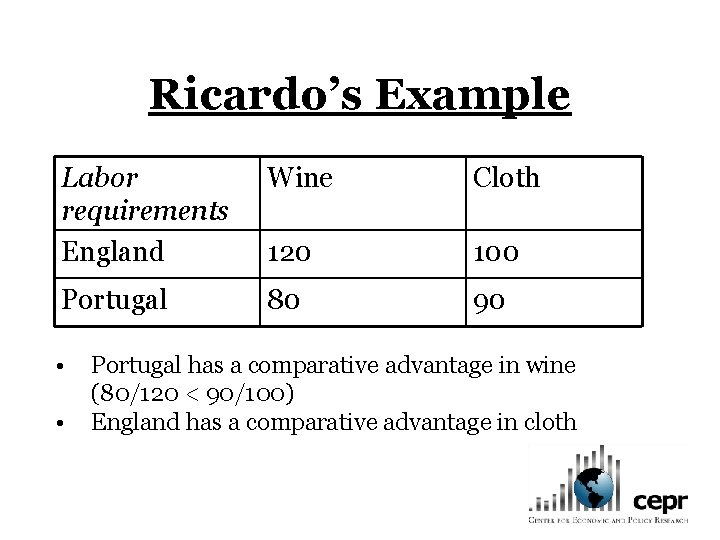
Ricardo’s Example Labor requirements England Wine Cloth 120 100 Portugal 80 90 • • Portugal has a comparative advantage in wine (80/120 < 90/100) England has a comparative advantage in cloth
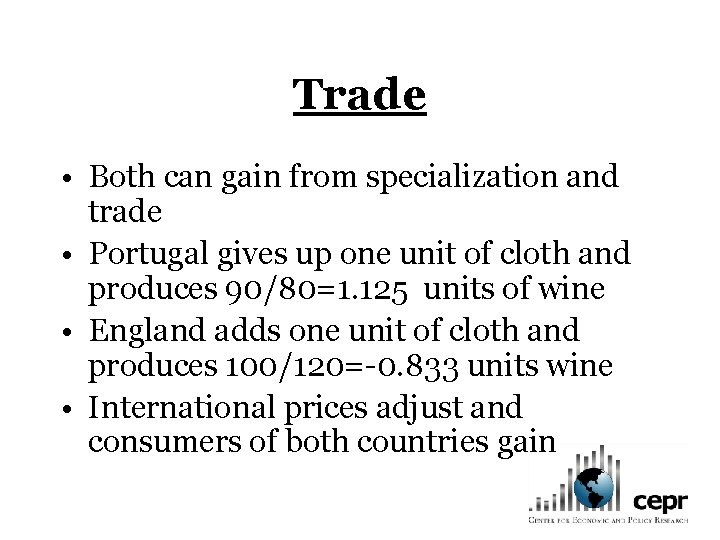
Trade • Both can gain from specialization and trade • Portugal gives up one unit of cloth and produces 90/80=1. 125 units of wine • England adds one unit of cloth and produces 100/120=-0. 833 units wine • International prices adjust and consumers of both countries gain
Caveats (which also apply to more sophisticated models) • Assumes full employment • Ignores distribution • Development involves changing comparative advantage to higher value-added production • Other caveats and problems • Note: Gains from trade here (efficiency gains) accrue from opening to imports, not from capturing export markets
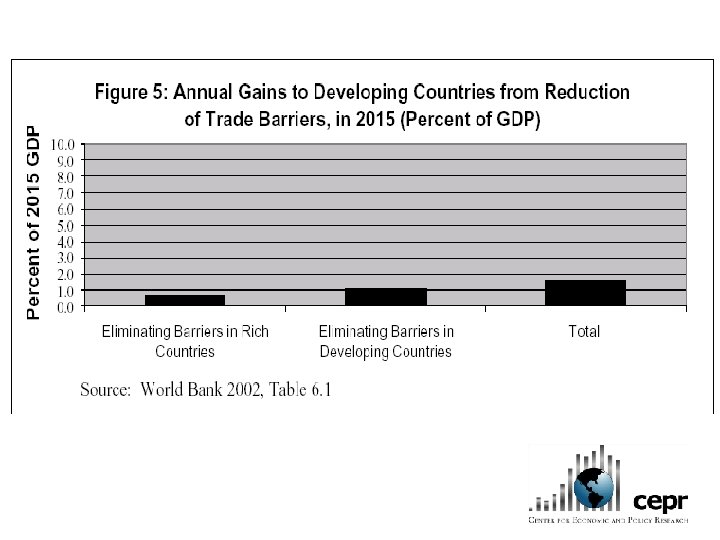
Gains to Developing Countries From Trade Liberalization Are Often Greatly Exaggerated 1. According to standard economic models, removal of all of the rich countries' barriers to the merchandise exports of developing countries —including agriculture, textiles, and other manufactured goods — would result in very little additional income for the exporting countries.
Gains to Developing Countries From Trade Liberalization Are Often Greatly Exaggerated 2. According to the World Bank's estimates, when such changes were fully implemented by 2015, they would add 0. 6 percent to the GDP of low and middle-income countries. 3. This means that a country in Sub-Saharan Africa that would, under present trade arrangements have a per capita income of $1000 per year in 2015, would instead have a per capita income of $1006.
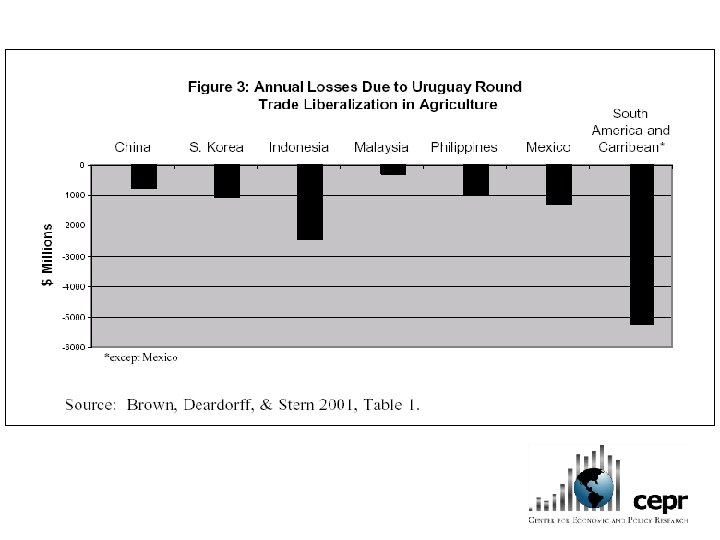
Some of the most widely used economic models show that many developing countries will actually lose from trade liberalization in important sectors, such as agriculture and textiles. There are three reasons for this outcome: 1. Some countries will be hurt by the elimination of quotas that now allow them to sell a fixed amount of exports at a price that exceeds the competitive market price.
There are three reasons for this outcome: 2. Trade liberalization changes the relative prices of various goods, and some countries will find that their export prices fall relative to the price of imports (the "terms-of-trade" effect). 3. Some developing countries currently benefit from access to cheap, subsidized agricultural exports from the rich countries.
There also substantial costs to developing countries from trade liberalization: 1. Developing countries incur substantial problems from reducing their trade barriers. In many developing countries, tariff revenue accounts for 10 -20 percent of government revenue, and in some cases considerably more. 2. If tariffs are reduced or eliminated, these countries will have to impose large increases in other taxes in order to keep their budgets in line.
There also substantial costs to developing countries from trade liberalization: 3. The removal of trade barriers is also likely to lead to large disruptions in agriculture. Standard economic models implicitly assume that these people are reemployed in other sectors of the economy, but rapid import liberalization can lead to substantial unemployment and underemployment, as well as dangerous levels of social and economic instability.
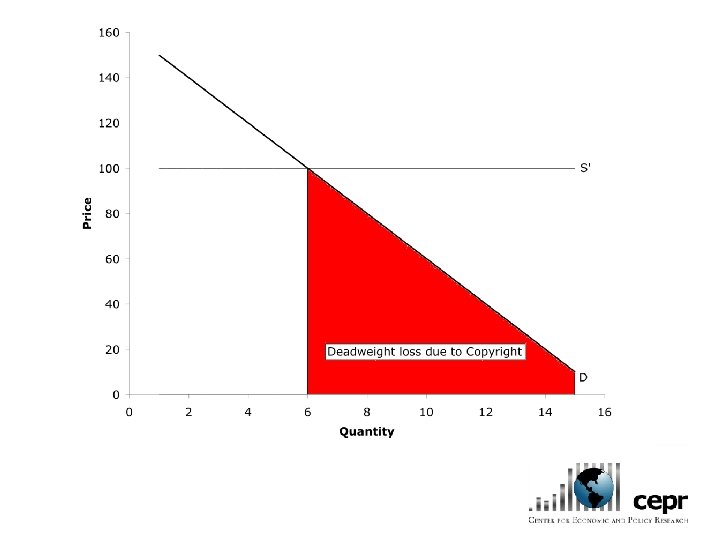
Additional Costs: 1. Recent trade agreements, such as the TRIPS provisions in the WTO, have sought to impose U. S. style patent and copyright protections in developing countries. The World Bank's estimates indicate that the cost of TRIPS to developing countries is likely to be comparable to any gains they might receive from trade liberalization.
Additional Costs: 2. As a result of increasing instability in world financial markets, developing countries have felt the need to vastly increase their holdings of foreign exchange reserves. The opportunity costs of these increased reserve holdings are also of the same magnitude as the World Bank’s projections for the benefits of trade liberalization.
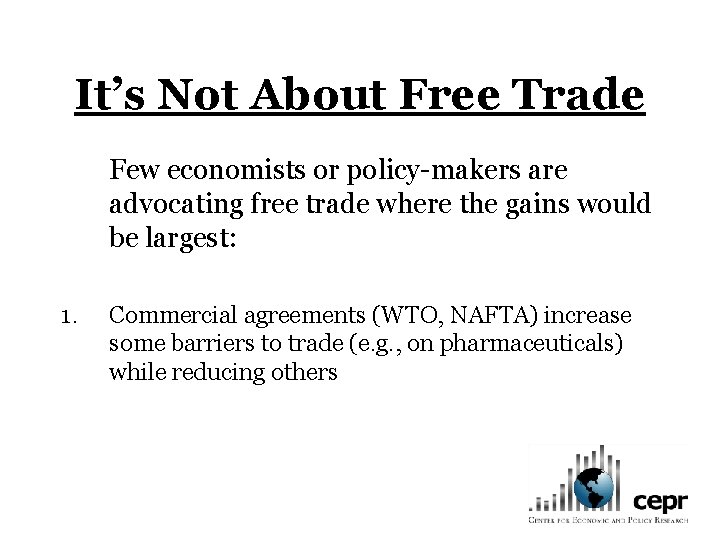
It’s Not About Free Trade Few economists or policy-makers are advocating free trade where the gains would be largest: 1. Commercial agreements (WTO, NAFTA) increase some barriers to trade (e. g. , on pharmaceuticals) while reducing others
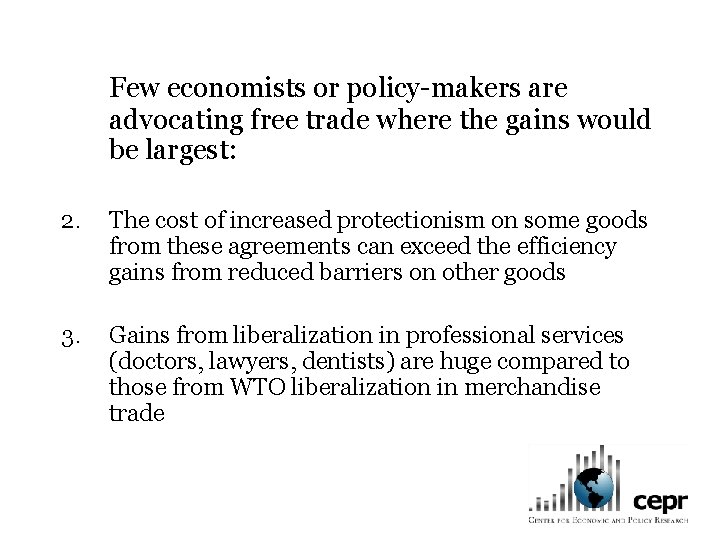
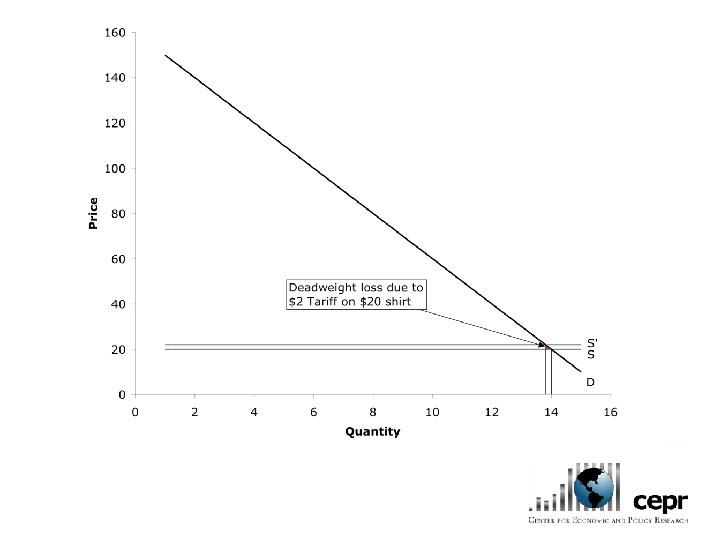
Few economists or policy-makers are advocating free trade where the gains would be largest: 2. The cost of increased protectionism on some goods from these agreements can exceed the efficiency gains from reduced barriers on other goods 3. Gains from liberalization in professional services (doctors, lawyers, dentists) are huge compared to those from WTO liberalization in merchandise trade
Trade and Income Distribution, U. S. : Real median family income, 1947 -2003
How much did trade policy contribute to this change? • Loss of manufacturing jobs, not replaced with jobs of similar pay • Reduced bargaining power for workers • Over the last 30 years, productivity increased by 81 percent but median wage by only about 9 percent • Even if a fraction of the increased wage inequality over the last three decades is due to trade, it would exceed the gains from trade liberalization for most U. S. employees.
The overvalued dollar: as important as trade policy 1. If the dollar is 25 percent overvalued, that is the same as putting a tariff of 25 percent on U. S. exports and at the same time giving a 20 percent subsidy to foreign manufacturers exporting to the U. S. market 2. U. S. has lost more than 3 million manufacturing jobs since 2000
The overvalued dollar: as important as trade policy 3. “Strong dollar” policy has cost millions of manufacturing jobs and hurt U. S. workers more than trade agreements 4. Reasons for the overvalued dollar
Reading List • Baker, D and Weisbrot, M (2002). “The Relative Impact of Trade Liberalization on Developing Countries, ” Washington, DC: Center for Economic and Policy Research. http: //www. cepr. net/publications/trade_2002_06_12. htm • Anderson, K and Martin, W (2005). "Agricultural Trade Reform and the Doha Development Round, " Washington, DC: World Bank. • Stiglitz, J (2003). “Globalization and Its Discontents, ” New York, NY: W. W. Norton & Company.
Reading List (continued) • Wallach, L and Woodall, P (2004). “Whose Trade Organization? : A Comprehensive Guide to the World Trade Organization, Second Edition, ” New York, NY: The New Press. • Baker, D and Weisbrot, M (2004). “Fool's Gold: Projections of the U. S. Import Market, ” Washington, DC: Center for Economic and Policy Research. http: //www. cepr. net/publications/trade_2004_01_08. htm • Baker, D and Weisbrot, M (2004). “Poor Numbers: The Impact of Trade Liberalization on World Poverty, ” Washington, DC: Center for Economic and Policy Research. http: //www. cepr. net/publications/trade_2004_11. htm
Reading List (continued) • Polaski, S (2006). “Winners and Losers: Impact of the Doha Round on Developing Countries, ” Washington, DC: Carnegie Endowment for International Peace. http: //www. carnegieendowment. org/publications/index. cf m? fa=view&id=18083&prog=zgp&proj=zted • Wise, T and Gallagher, K (2006). “Doha Round and Developing Countries: Will the Doha deal do more harm than good? ” New Delhi, India: Research and Information System for Developing Countries. http: //www. ase. tufts. edu/gdae/Pubs/rp/Hidden. Costs. Apr 0 6. htm