
Towards the Closed Loop Dr Fiona Campbell Consultant
Towards the “Closed Loop” Dr Fiona Campbell Consultant in Paediatric Diabetes, Leeds Children’s Hospital Chair, National CYP Diabetes Network CWD Windsor 1 st November 2015
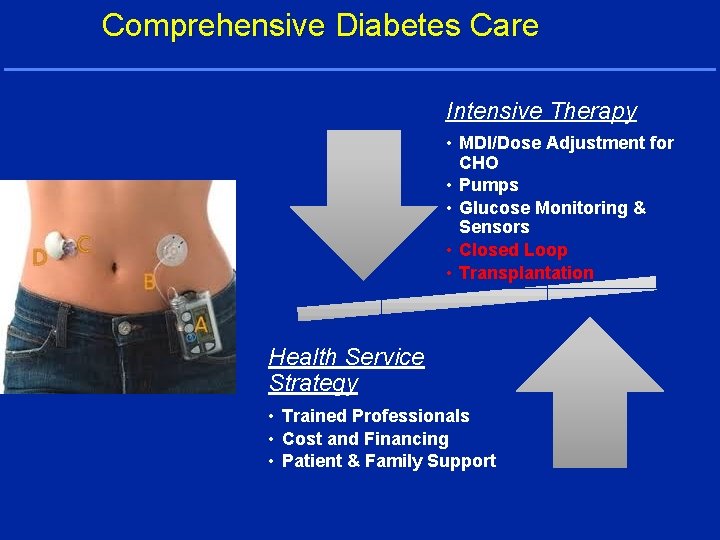
Comprehensive Diabetes Care Intensive Therapy • MDI/Dose Adjustment for CHO • Pumps • Glucose Monitoring & Sensors • Closed Loop • Transplantation Health Service Strategy • Trained Professionals • Cost and Financing • Patient & Family Support
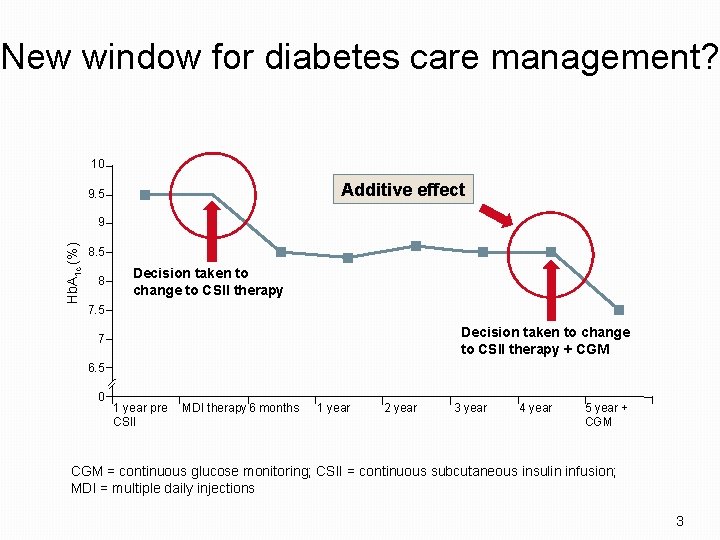
New window for diabetes care management? 10 Additive effect 9. 5 Hb. A 1 c (%) 9 8. 5 8 Decision taken to change to CSII therapy 7. 5 Decision taken to change to CSII therapy + CGM 7 6. 5 0 1 year pre CSII MDI therapy 6 months 1 year 2 year 3 year 4 year 5 year + CGM = continuous glucose monitoring; CSII = continuous subcutaneous insulin infusion; MDI = multiple daily injections 3
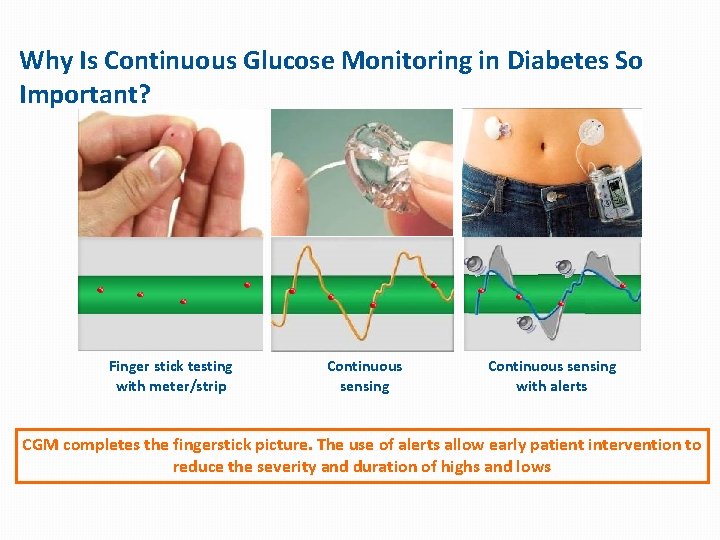
Why Is Continuous Glucose Monitoring in Diabetes So Important? Finger stick testing with meter/strip Continuous sensing with alerts CGM completes the fingerstick picture. The use of alerts allow early patient intervention to reduce the severity and duration of highs and lows
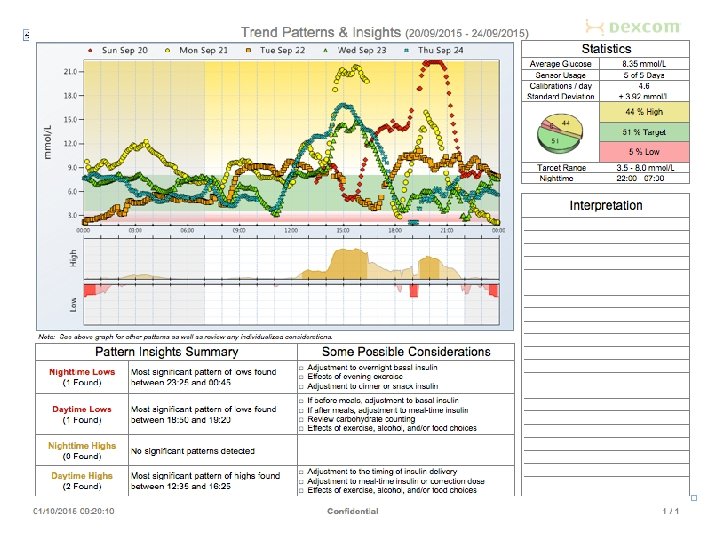
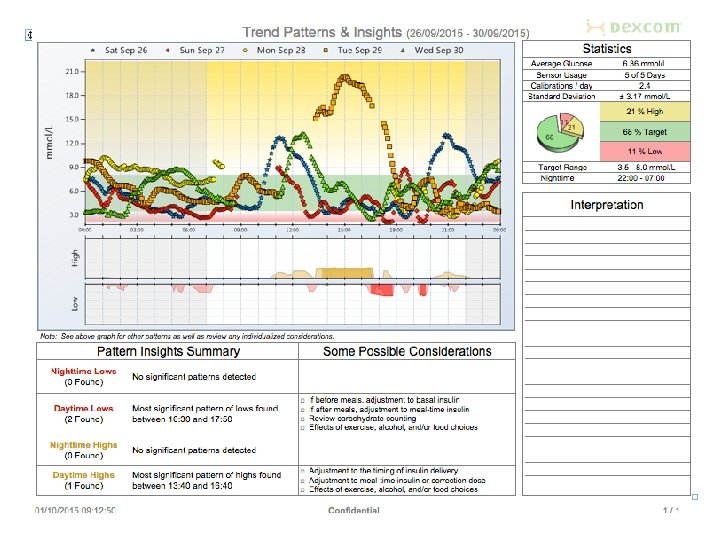
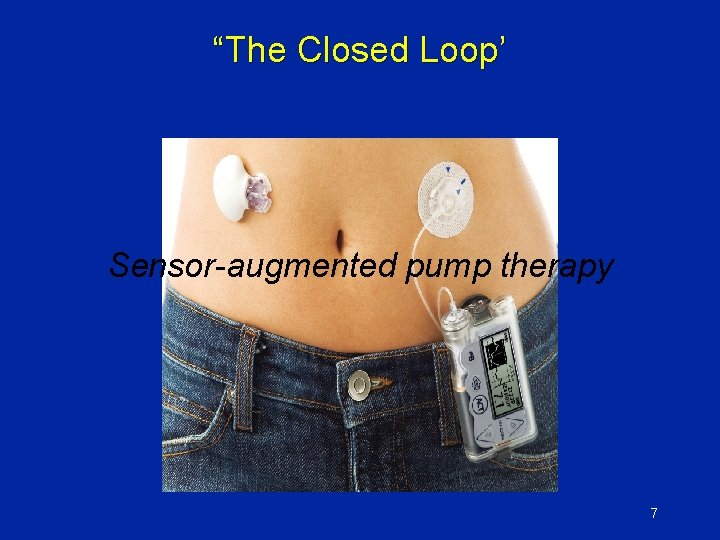
“The Closed Loop’ Sensor-augmented pump therapy 7
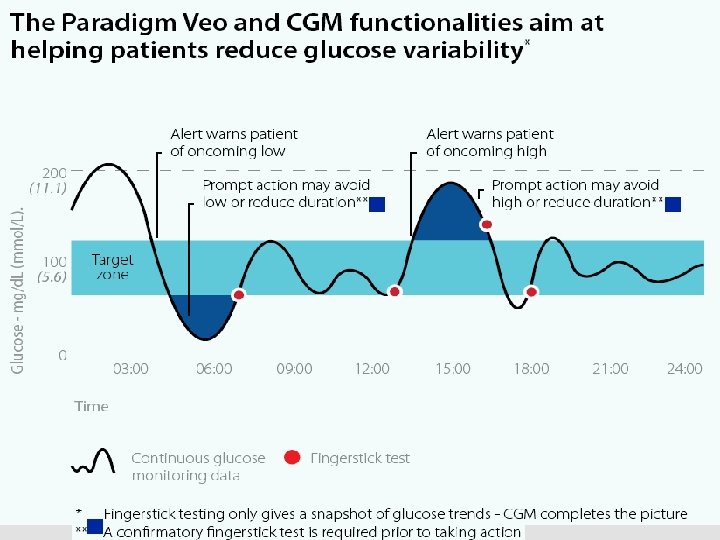
Fictional illustration of alerts in use
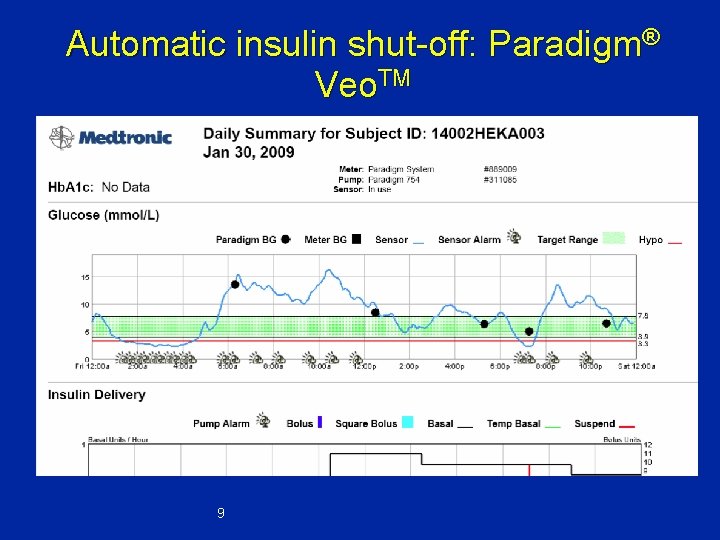
Automatic insulin shut-off: Paradigm® Veo. TM 9
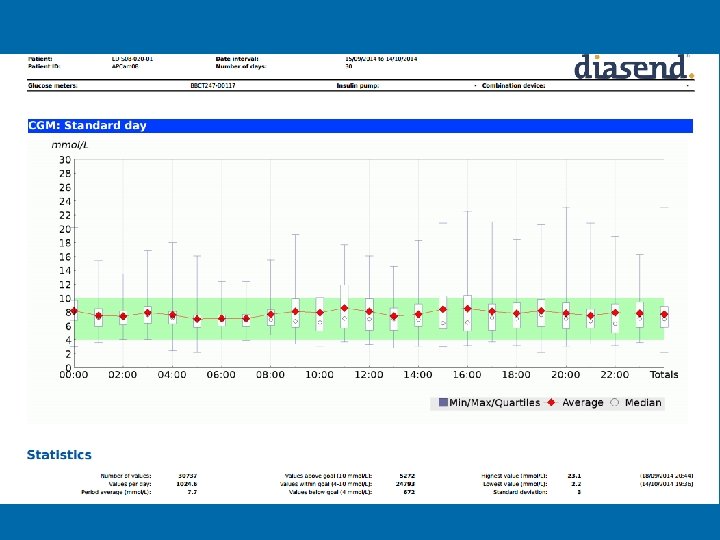
CGM: what we know to date • CGM available in clinical practice for >10 years • Evidence from RCTs for the effectiveness of real-time CGM vs. SMBG appeared only recently • Mean effect of CGM vs. SMBG on Hb. A 1 c is variable from about 0. 1 to 0. 6% • No clear or consistent effect on hypoglycaemia • • (e. g. JDRF, Real. Trend, ASAP no significant difference, STAR 3 ↑ for CGM) Uptake of CGM is poor with restricted reimbursement
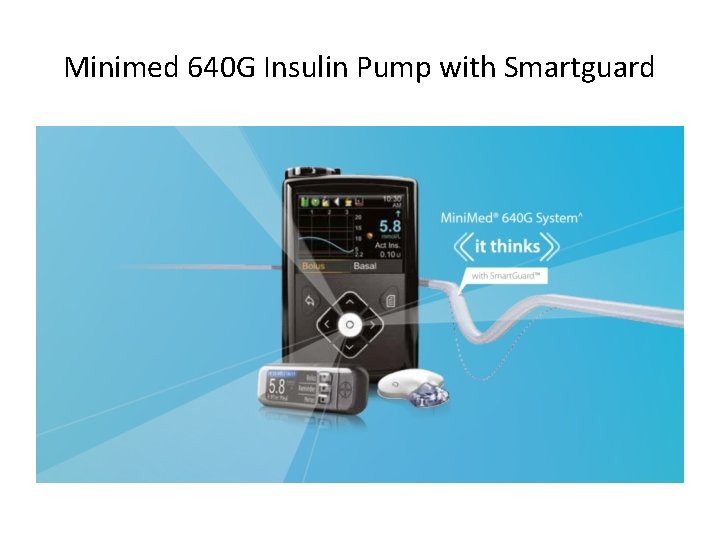
Minimed 640 G Insulin Pump with Smartguard
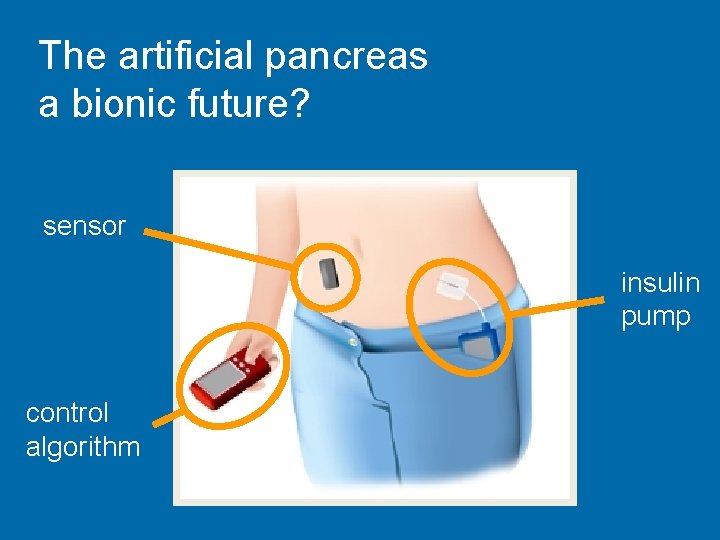
The artificial pancreas a bionic future? sensor insulin pump control algorithm
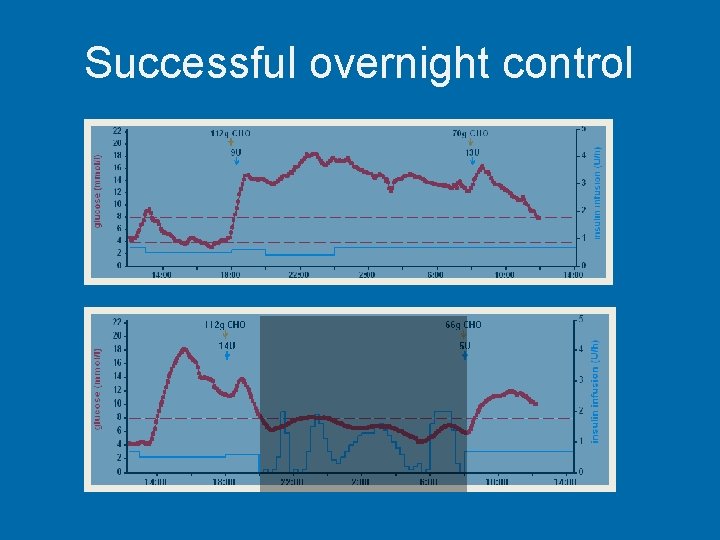
Successful overnight control
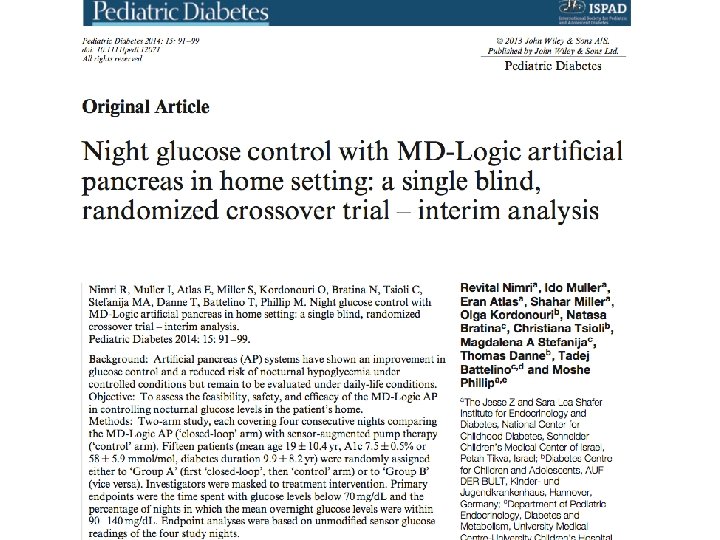
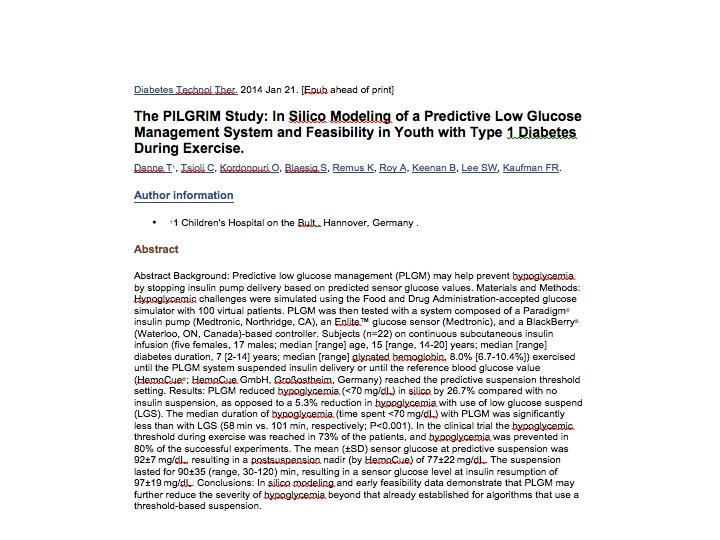
“Closing the Loop” The Artificial Pancreas Project led by Dr Roman Hovorka, Ph. D At the Institute of Metabolic Science in conjunction with Department of Paediatrics, University of Cambridge, UK
JDRF AP Project: Participating Institutions
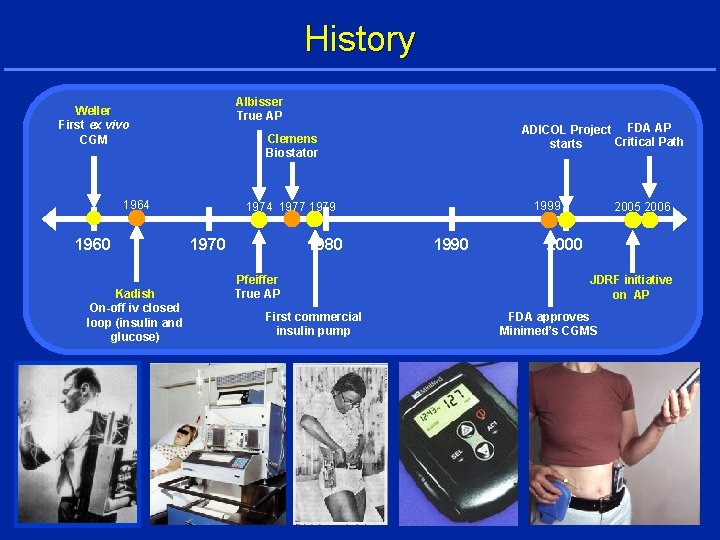
History Albisser True AP Weller First ex vivo CGM 1964 1960 Kadish On-off iv closed loop (insulin and glucose) ADICOL Project FDA AP Critical Path starts Clemens Biostator 1999 1974 1977 1979 1970 1980 Pfeiffer True AP First commercial insulin pump 1990 2005 2006 2000 JDRF initiative on AP FDA approves Minimed’s CGMS
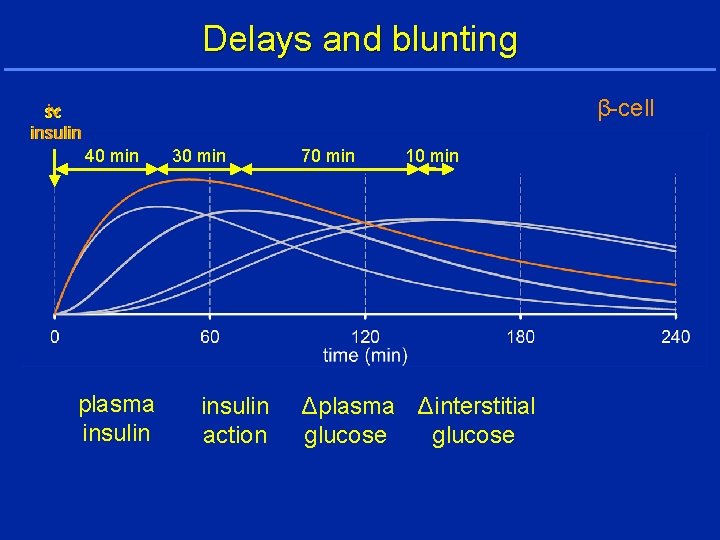
Delays and blunting β-cell iv sc insulin 40 min plasma insulin 30 min insulin action 70 min 10 min Δplasma Δinterstitial glucose
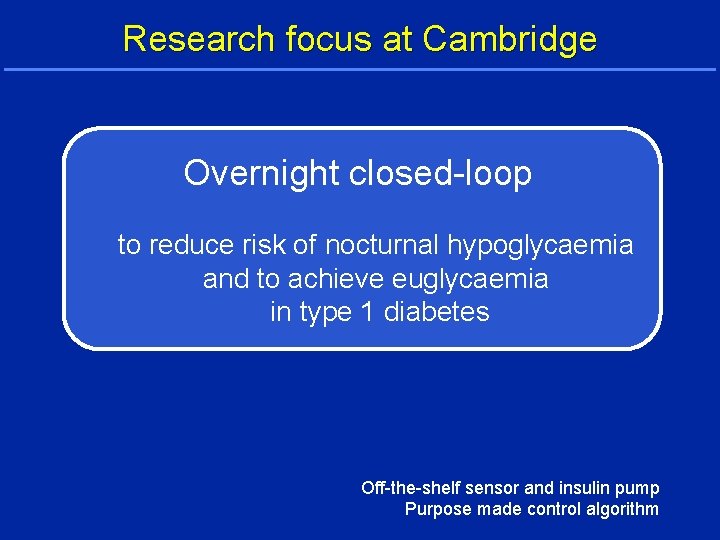
Research focus at Cambridge Overnight closed-loop to reduce risk of nocturnal hypoglycaemia and to achieve euglycaemia in type 1 diabetes Off-the-shelf sensor and insulin pump Purpose made control algorithm
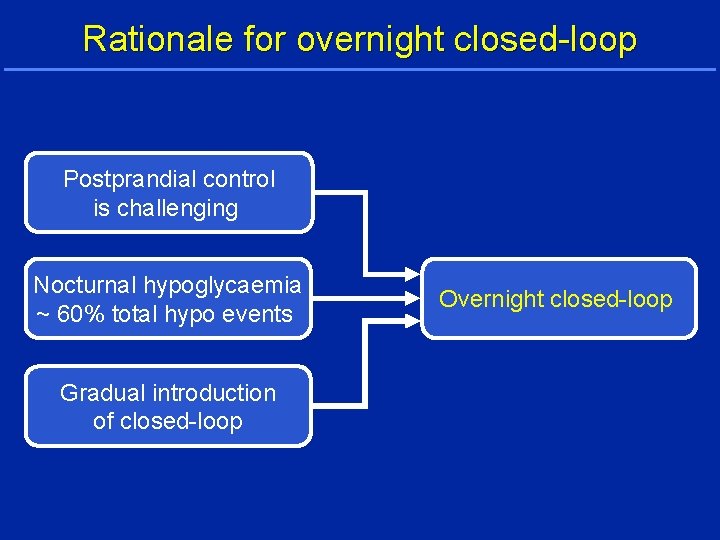
Rationale for overnight closed-loop Postprandial control is challenging Nocturnal hypoglycaemia ~ 60% total hypo events Gradual introduction of closed-loop Overnight closed-loop
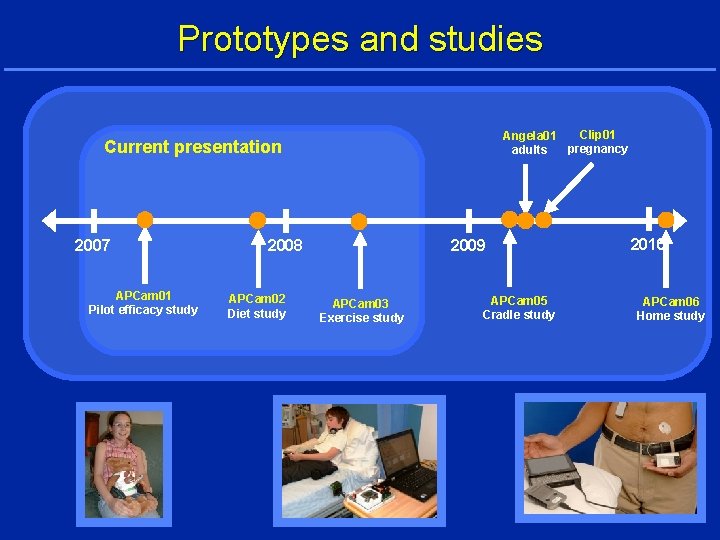
Prototypes and studies Clip 01 Angela 01 pregnancy adults Current presentation 2007 APCam 01 Pilot efficacy study 2008 APCam 02 Diet study 2009 APCam 03 Exercise study APCam 05 Cradle study 2010 APCam 06 Home study
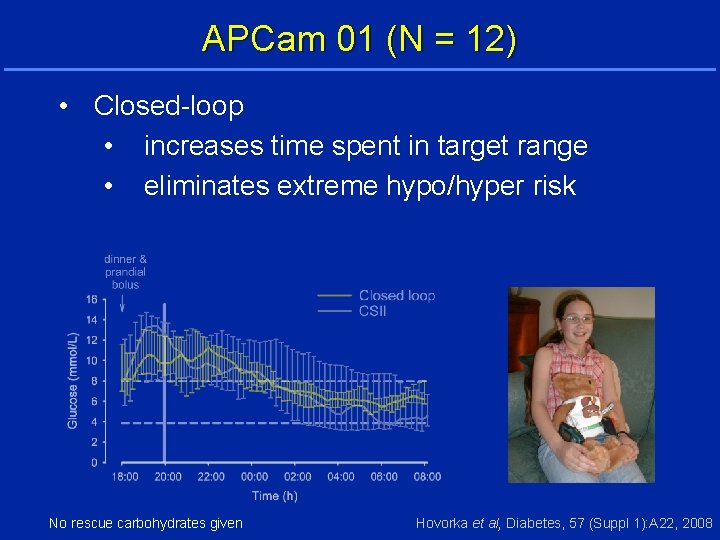
APCam 01 (N = 12) • Closed-loop • increases time spent in target range • eliminates extreme hypo/hyper risk No rescue carbohydrates given Hovorka et al, Diabetes, 57 (Suppl 1): A 22, 2008
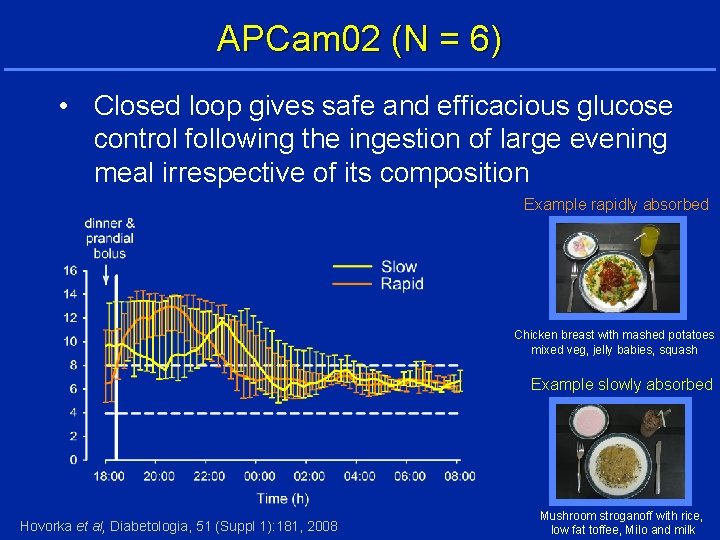
APCam 02 (N = 6) • Closed loop gives safe and efficacious glucose control following the ingestion of large evening meal irrespective of its composition Example rapidly absorbed Chicken breast with mashed potatoes mixed veg, jelly babies, squash Example slowly absorbed Hovorka et al, Diabetologia, 51 (Suppl 1): 181, 2008 Mushroom stroganoff with rice, low fat toffee, Milo and milk
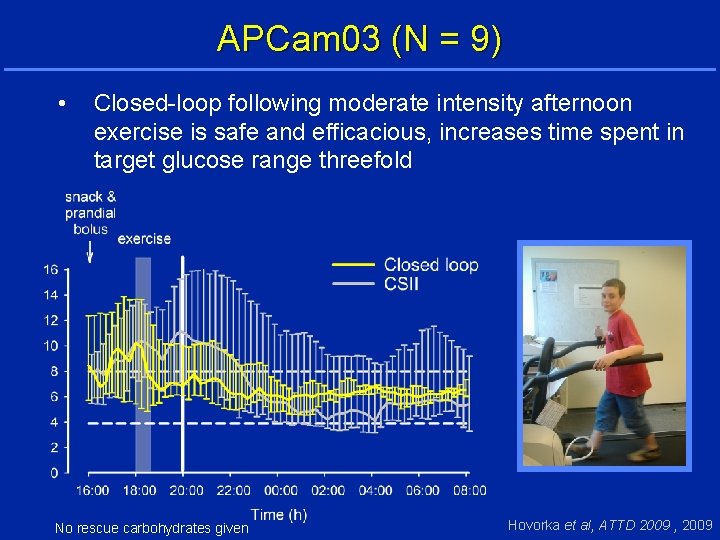
APCam 03 (N = 9) • Closed-loop following moderate intensity afternoon exercise is safe and efficacious, increases time spent in target glucose range threefold No rescue carbohydrates given Hovorka et al, ATTD 2009 , 2009
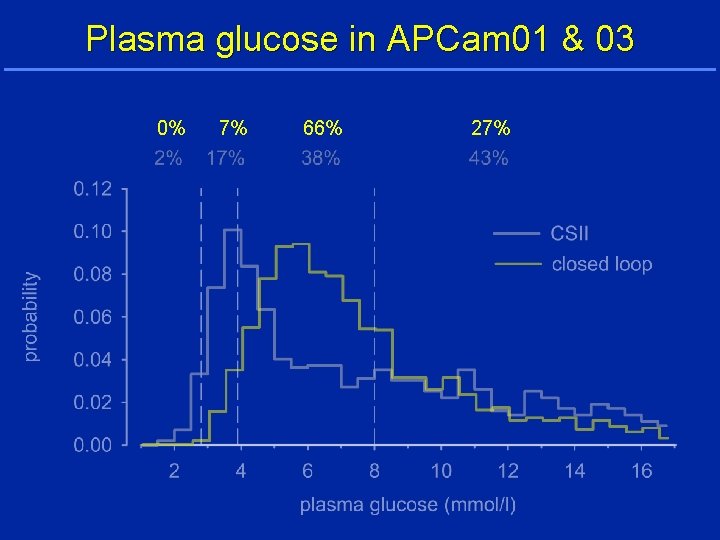
Plasma glucose in APCam 01 & 03 0% 7% 66% 27%
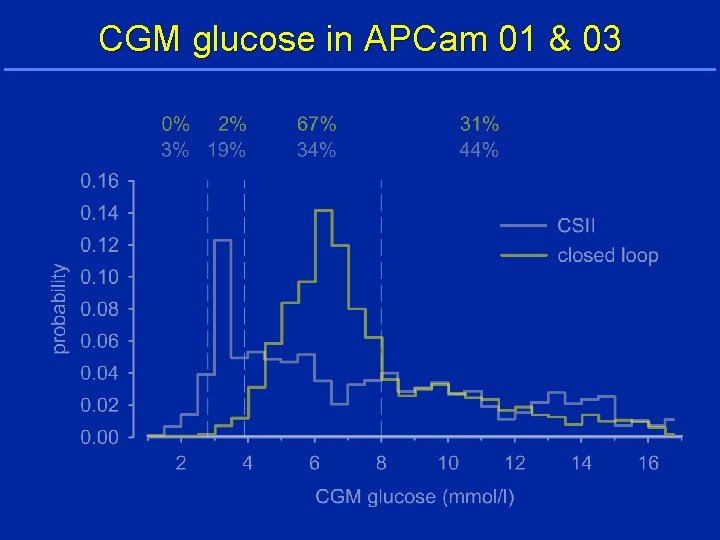
CGM glucose in APCam 01 & 03
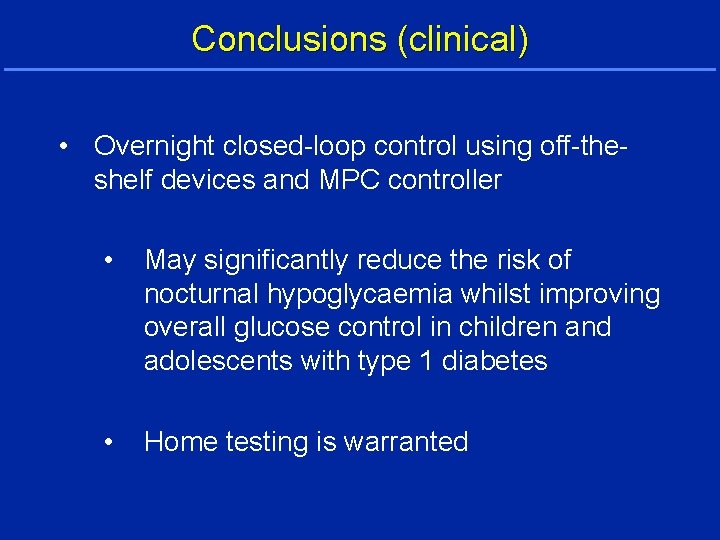
Conclusions (clinical) • Overnight closed-loop control using off-theshelf devices and MPC controller • May significantly reduce the risk of nocturnal hypoglycaemia whilst improving overall glucose control in children and adolescents with type 1 diabetes • Home testing is warranted
… what next
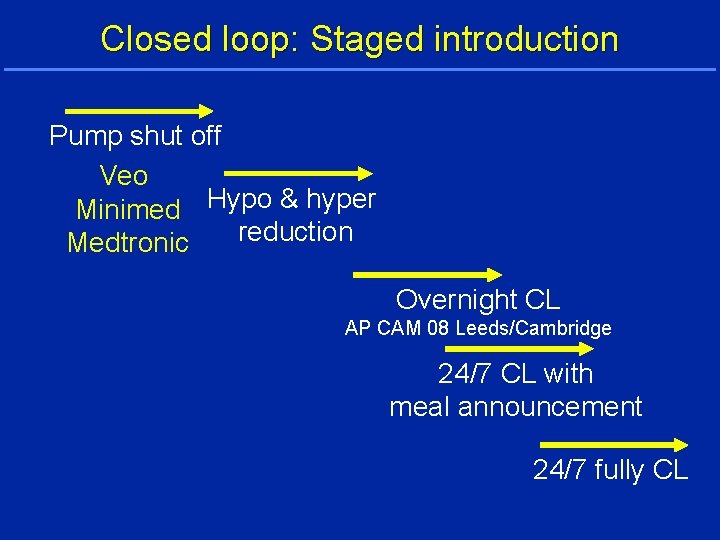
Closed loop: Staged introduction Pump shut off Veo Minimed Hypo & hyper reduction Medtronic Overnight CL AP CAM 08 Leeds/Cambridge 24/7 CL with meal announcement 24/7 fully CL
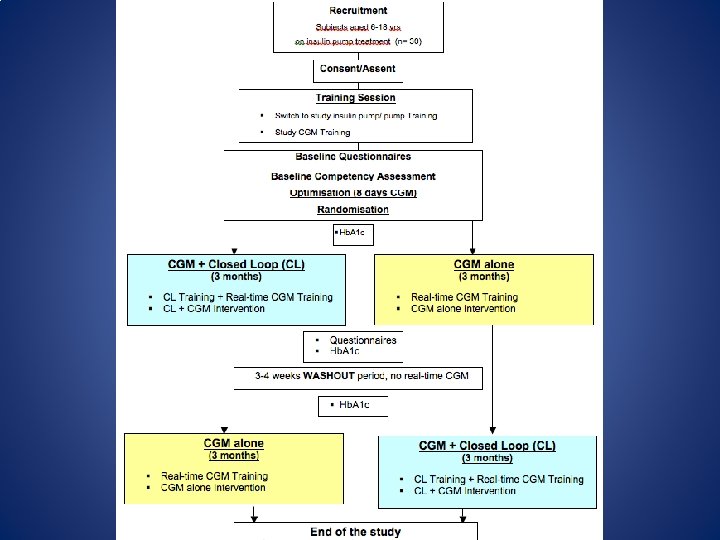
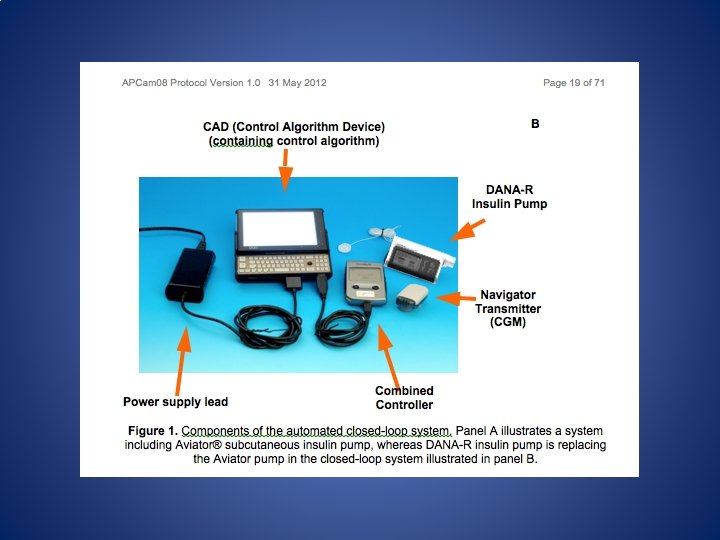
AP 08 Study Leeds 2014
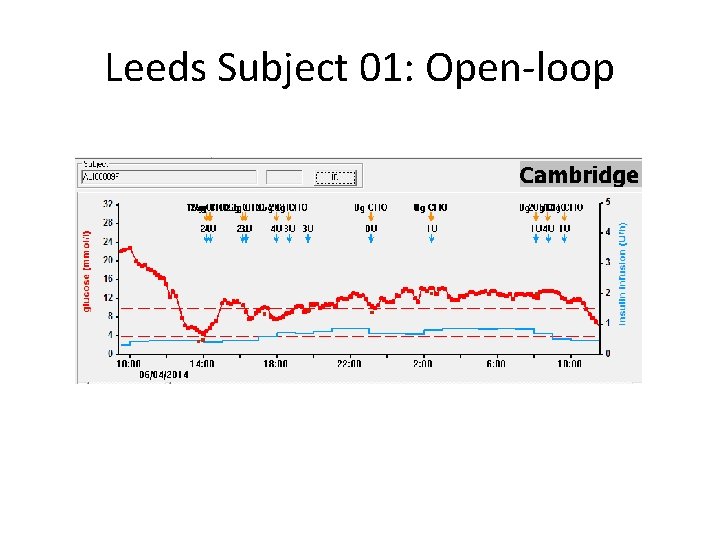
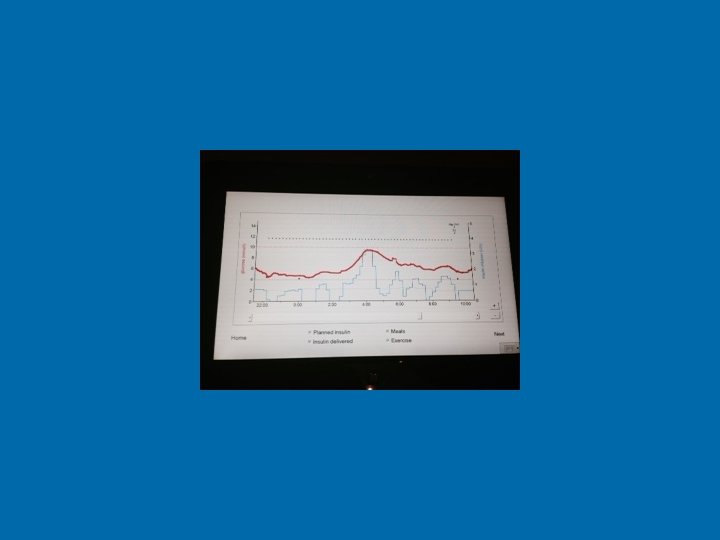
Leeds Subject 01: Open-loop
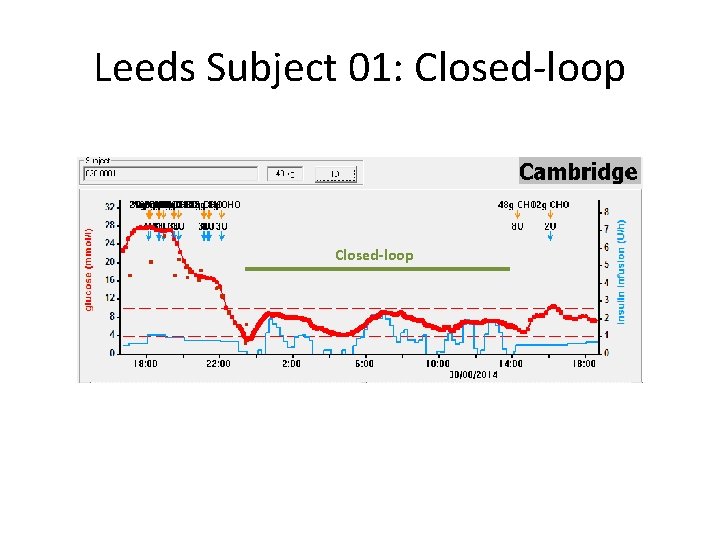
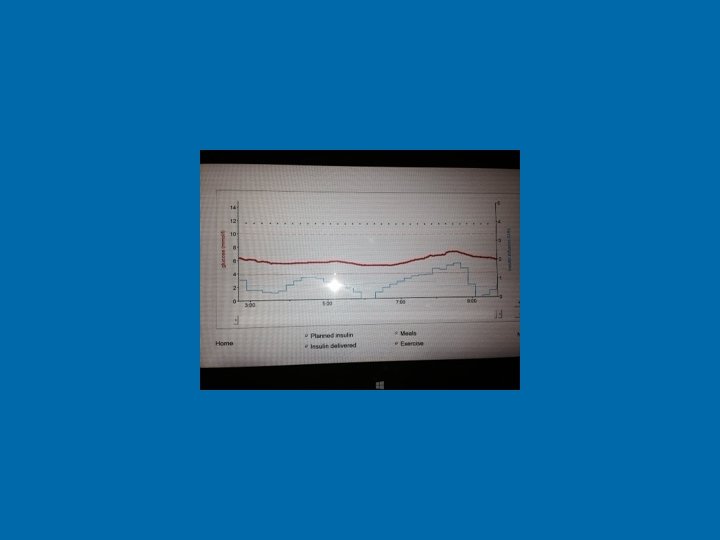
Leeds Subject 01: Closed-loop
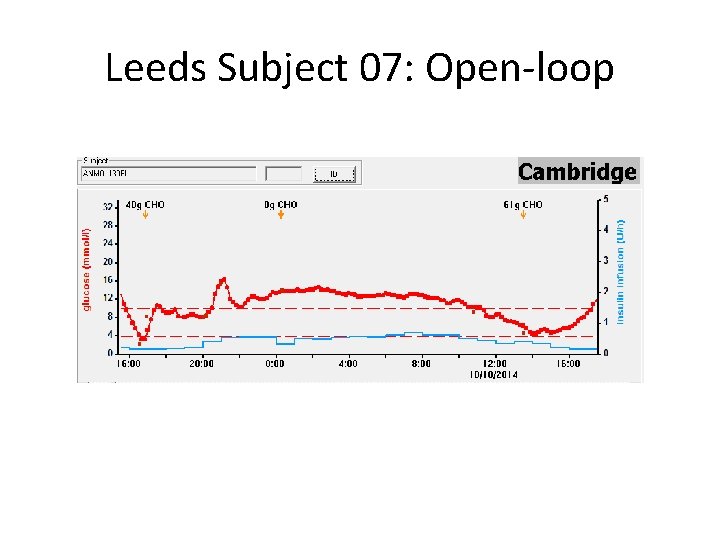
Leeds Subject 07: Open-loop
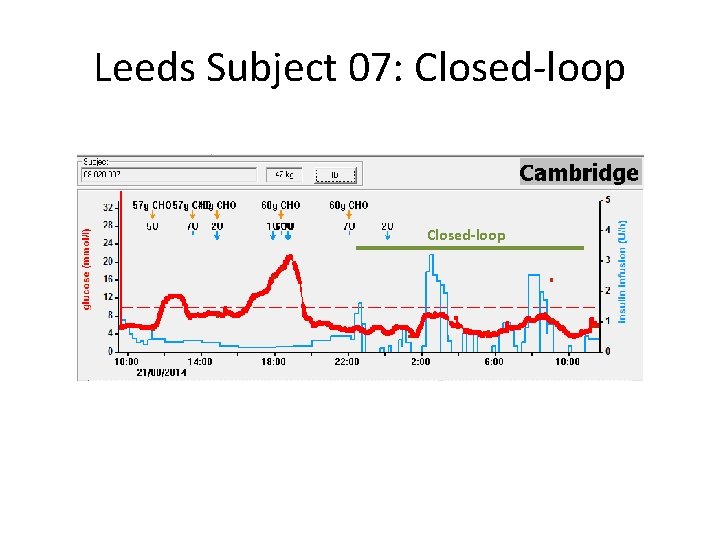
Leeds Subject 07: Closed-loop
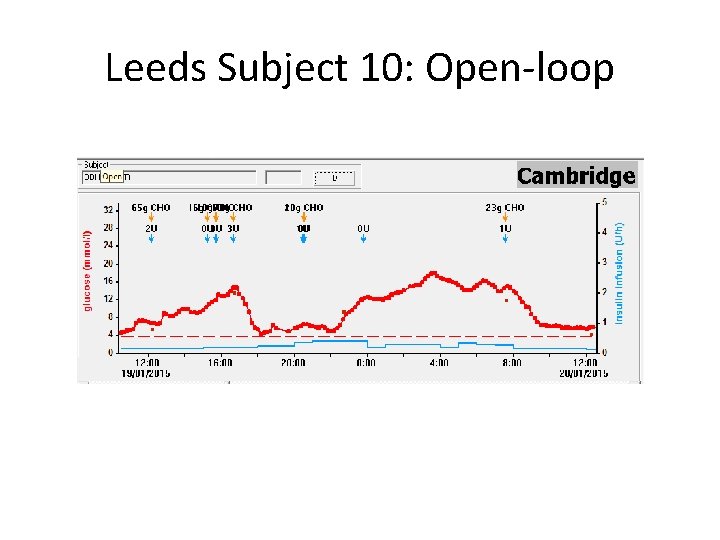
Leeds Subject 10: Open-loop
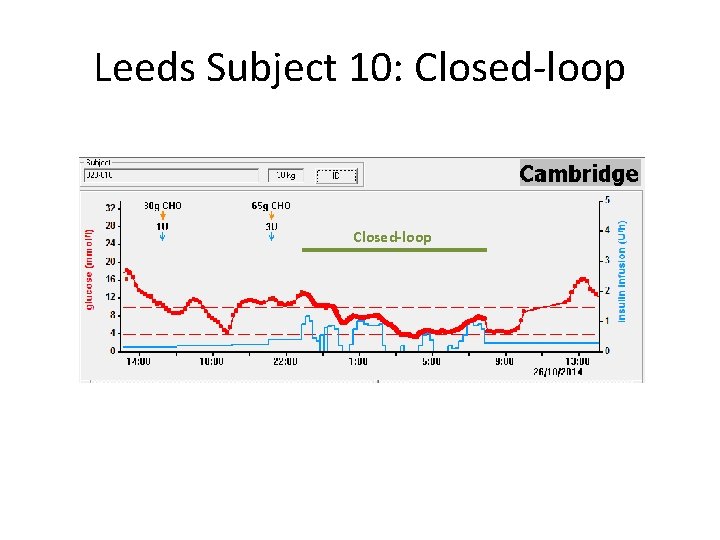
Leeds Subject 10: Closed-loop
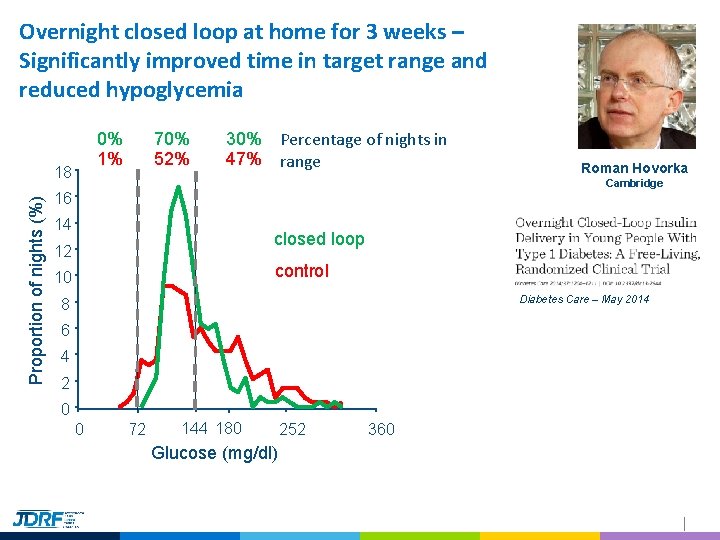
Overnight closed loop at home for 3 weeks – Significantly improved time in target range and reduced hypoglycemia 0% 1% Proportion of nights (%) 18 70% 52% 30% Percentage of nights in 47% range Roman Hovorka Cambridge 16 14 closed loop 12 control 10 Diabetes Care – May 2014 8 6 4 2 0 0 72 144 180 Glucose (mg/dl) 252 360
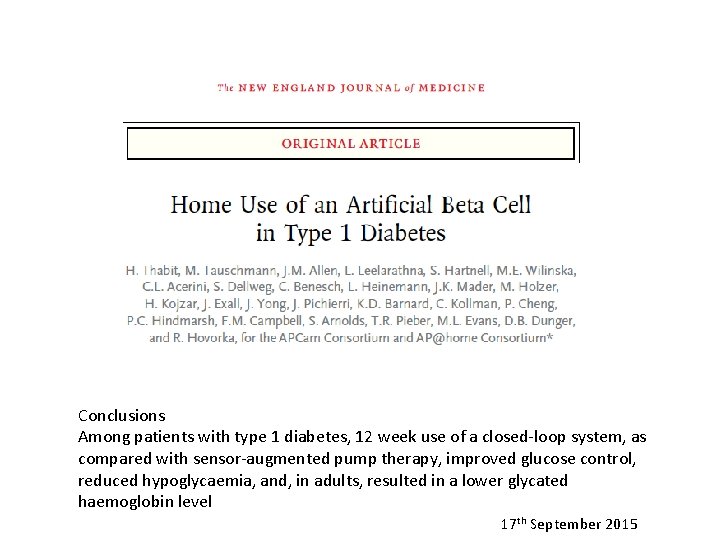
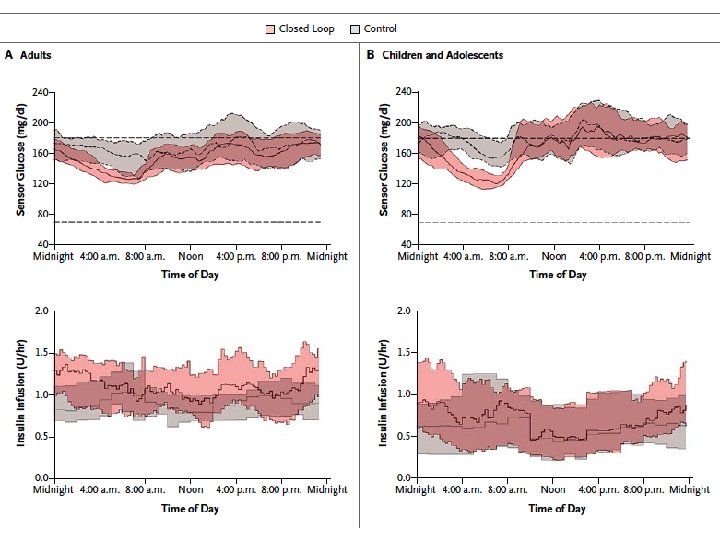
Conclusions Among patients with type 1 diabetes, 12 week use of a closed-loop system, as compared with sensor-augmented pump therapy, improved glucose control, reduced hypoglycaemia, and, in adults, resulted in a lower glycated haemoglobin level 17 th September 2015
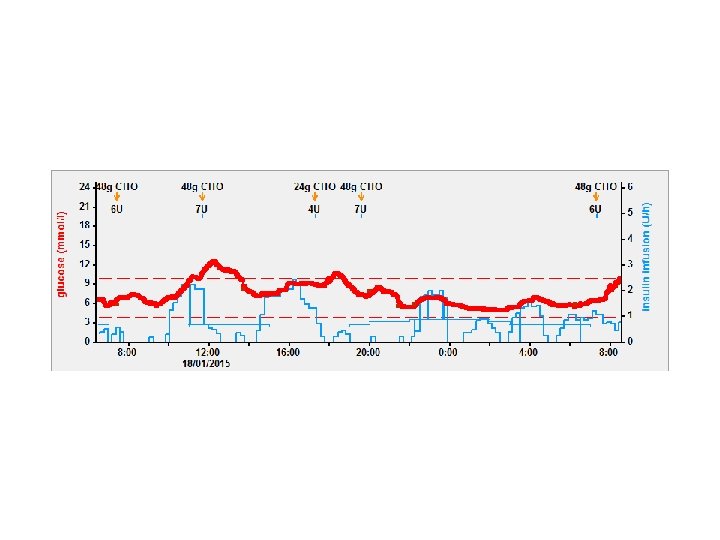
APHome 04 Day and Night Closed Loop Application (4 Adults from Cam, Austria and Germany, 24 -hour profiles)
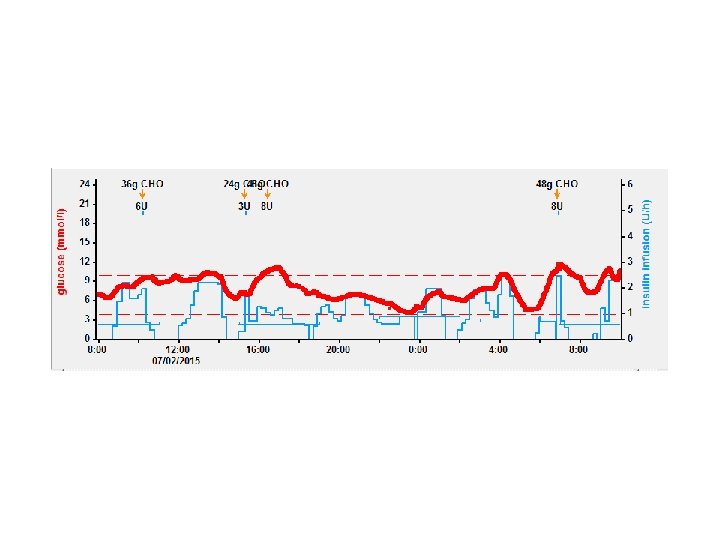
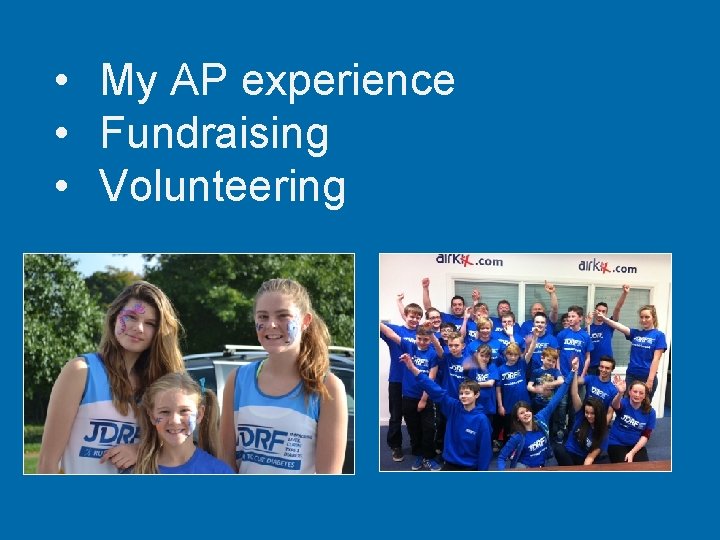
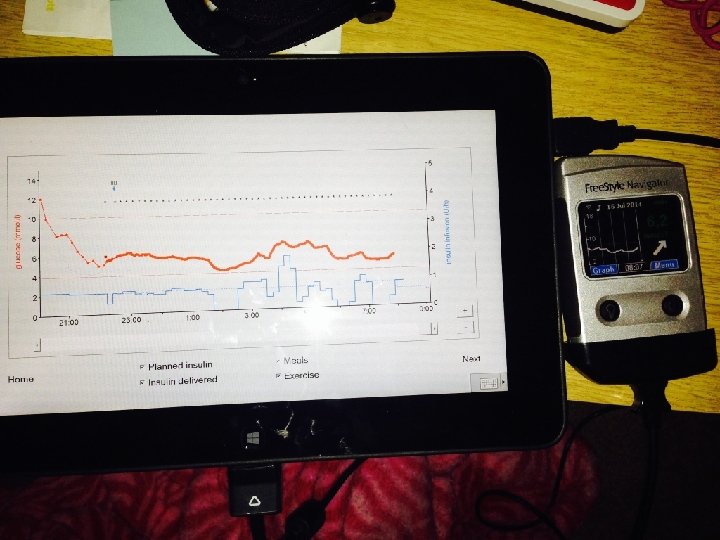
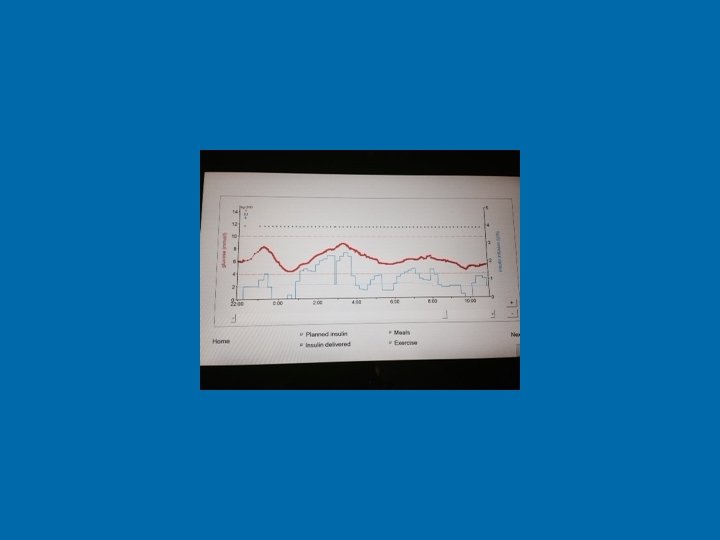
• My AP experience • Fundraising • Volunteering
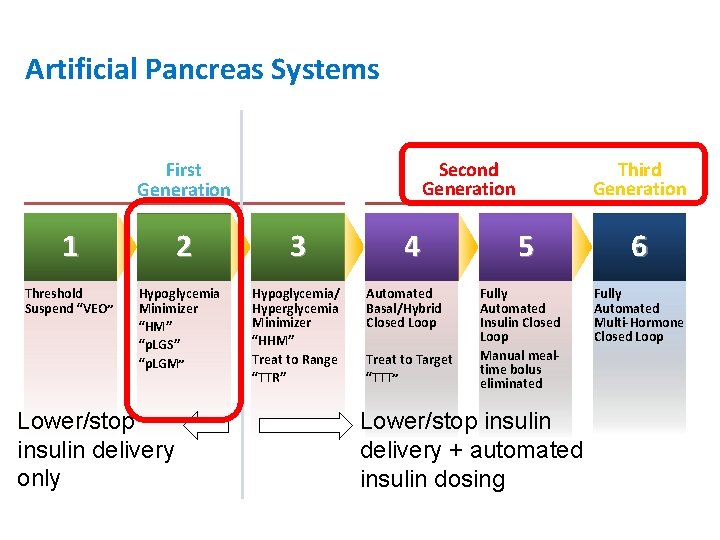
Artificial Pancreas Systems Second Generation First Generation 1 Threshold Suspend “VEO” 2 Hypoglycemia Minimizer “HM” “p. LGS” “p. LGM” Lower/stop insulin delivery only 3 Hypoglycemia/ Hyperglycemia Minimizer “HHM” Treat to Range “TTR” 4 Automated Basal/Hybrid Closed Loop Treat to Target “TTT” Third Generation 5 Fully Automated Insulin Closed Loop Manual mealtime bolus eliminated Lower/stop insulin delivery + automated insulin dosing 6 Fully Automated Multi-Hormone Closed Loop

- Slides: 55