
Tourism and Multimodal Transport Dr Rachna Gangwar Associate

- Slides: 69
Tourism and Multi-modal Transport Dr Rachna Gangwar Associate Professor, TAPMI School of Business Manipal University Jaipur BIMSTEC, NAIR Vadodara. 14 th March 2016
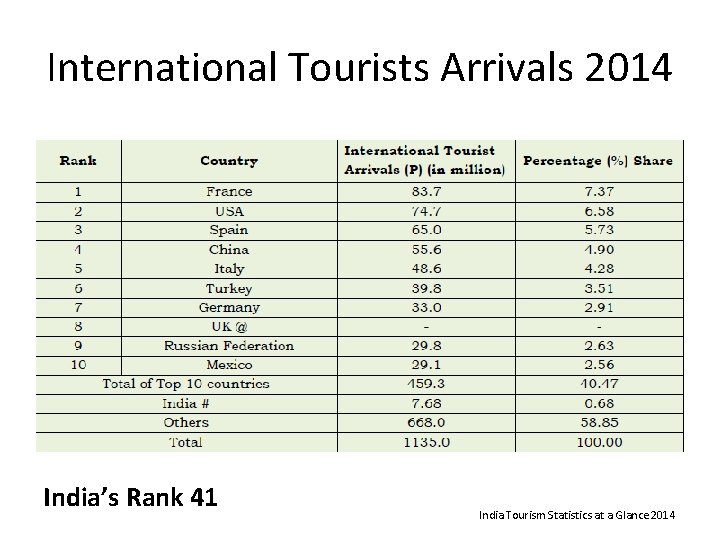
Key Figures for 2014 Worldwide • 1. 13 billion international tourists • 5 -6 billion domestic tourists India • 7. 68 million foreign tourists • 1282 million domestic tourists
Terminals • Foreign: international airports – Domestic flight (inter terminal shuttle) – Train/Bus/taxi (reaching to stations? ) – Taxi/urban public transport • Domestic: domestic airports/train stations/bus stations – Last mile and first mile (mushrooming of private radio cabs in India? ) – Airport metros (business vs leisure travelers)
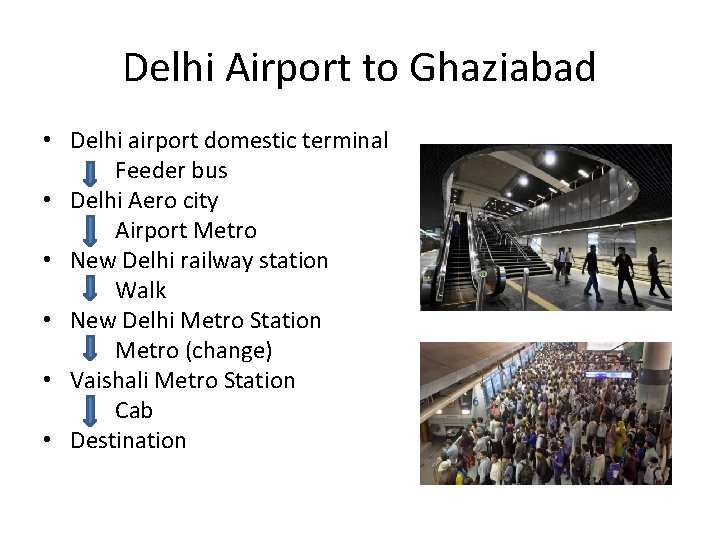
Delhi Airport to Ghaziabad • Delhi airport domestic terminal Feeder bus • Delhi Aero city Airport Metro • New Delhi railway station Walk • New Delhi Metro Station Metro (change) • Vaishali Metro Station Cab • Destination
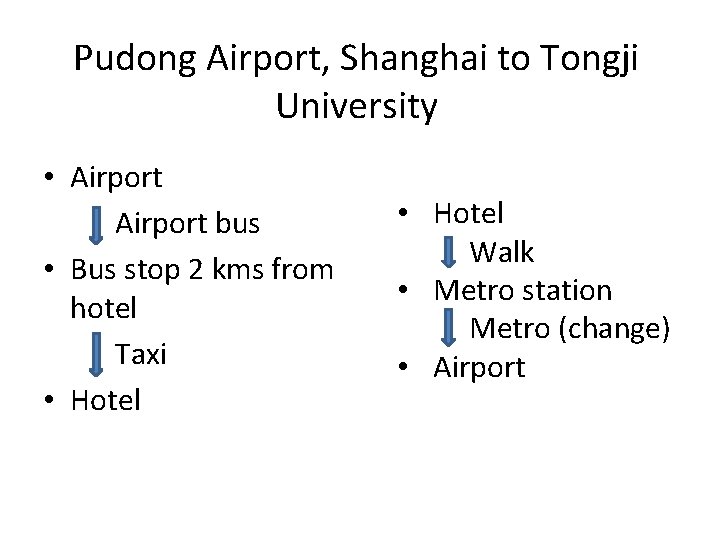
Pudong Airport, Shanghai to Tongji University • Airport bus • Bus stop 2 kms from hotel Taxi • Hotel Walk • Metro station Metro (change) • Airport
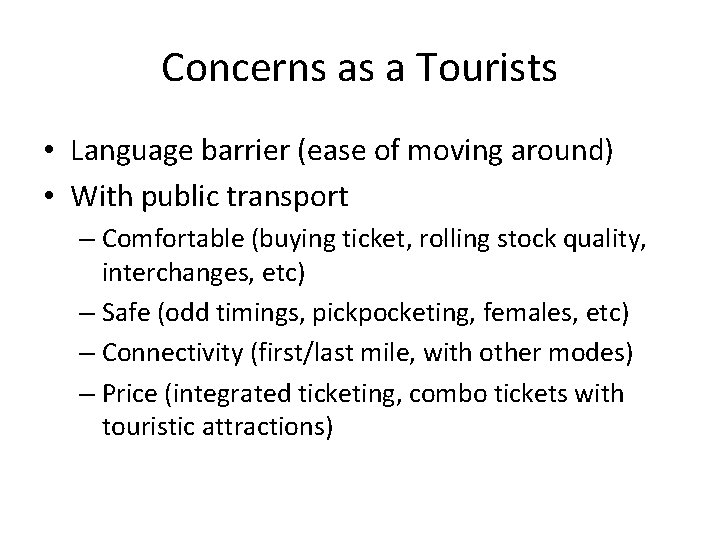
Concerns as a Tourists • Language barrier (ease of moving around) • With public transport – Comfortable (buying ticket, rolling stock quality, interchanges, etc) – Safe (odd timings, pickpocketing, females, etc) – Connectivity (first/last mile, with other modes) – Price (integrated ticketing, combo tickets with touristic attractions)
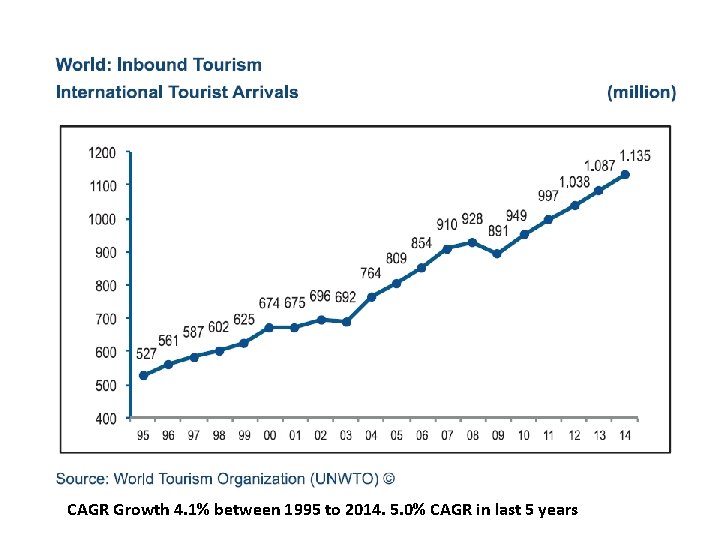
CAGR Growth 4. 1% between 1995 to 2014. 5. 0% CAGR in last 5 years
World Tourism Organization, Annual Report 2014
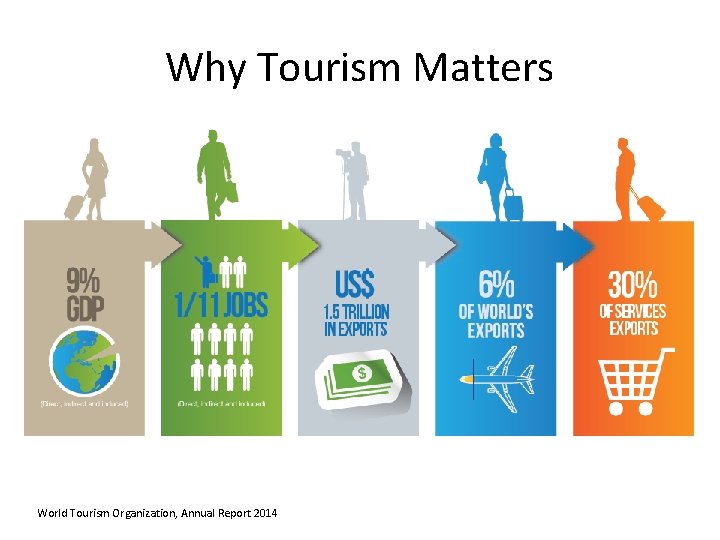
Why Tourism Matters World Tourism Organization, Annual Report 2014
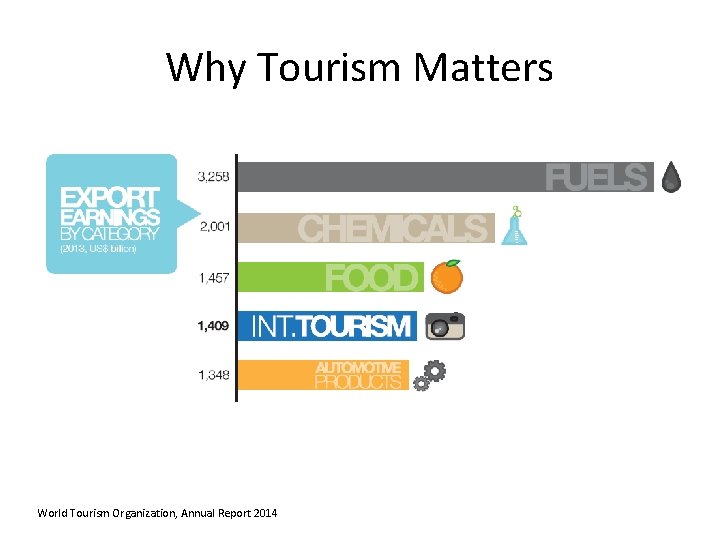
Why Tourism Matters World Tourism Organization, Annual Report 2014
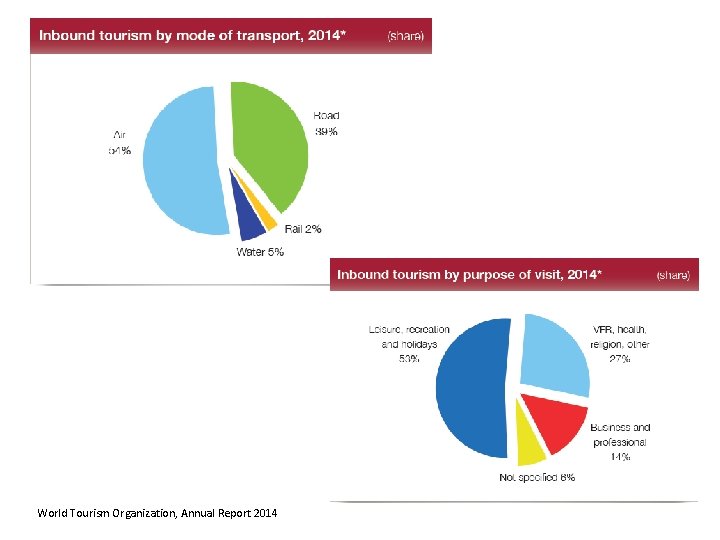
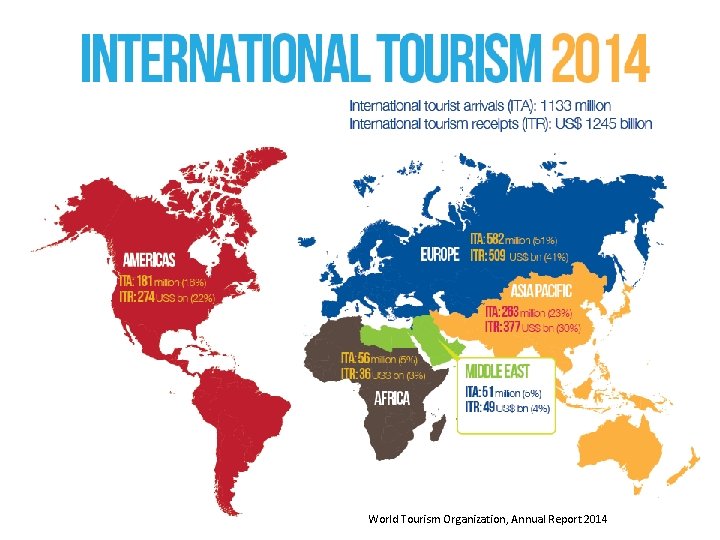
World Tourism Organization, Annual Report 2014
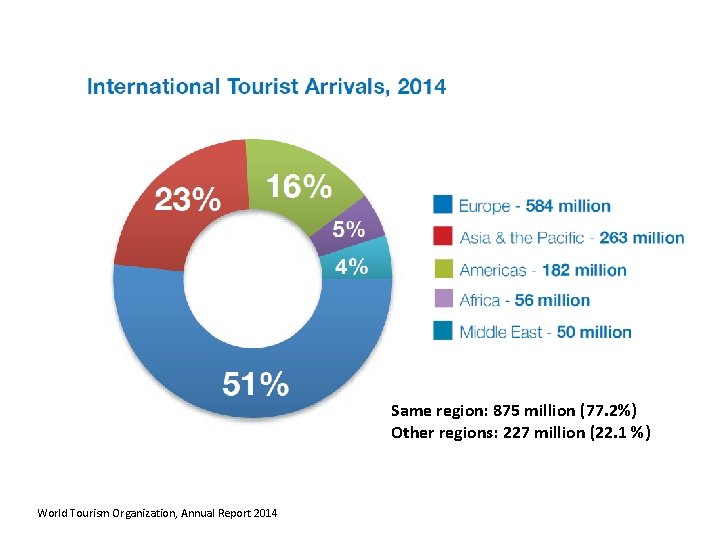
Same region: 875 million (77. 2%) Other regions: 227 million (22. 1 %) World Tourism Organization, Annual Report 2014
International Tourists Arrivals 2014 India’s Rank 41 India Tourism Statistics at a Glance 2014
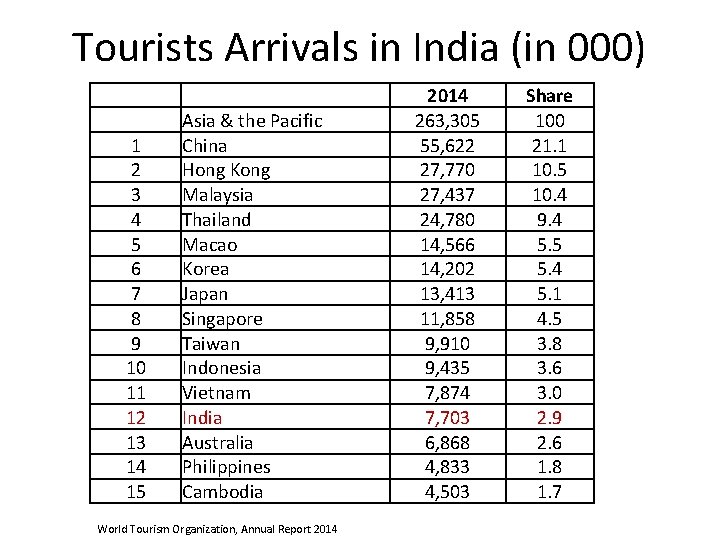
Tourists Arrivals in India (in 000) 1 2 3 4 5 6 7 8 9 10 11 12 13 14 15 Asia & the Pacific China Hong Kong Malaysia Thailand Macao Korea Japan Singapore Taiwan Indonesia Vietnam India Australia Philippines Cambodia World Tourism Organization, Annual Report 2014 263, 305 55, 622 27, 770 27, 437 24, 780 14, 566 14, 202 13, 413 11, 858 9, 910 9, 435 7, 874 7, 703 6, 868 4, 833 4, 503 Share 100 21. 1 10. 5 10. 4 9. 4 5. 5 5. 4 5. 1 4. 5 3. 8 3. 6 3. 0 2. 9 2. 6 1. 8 1. 7
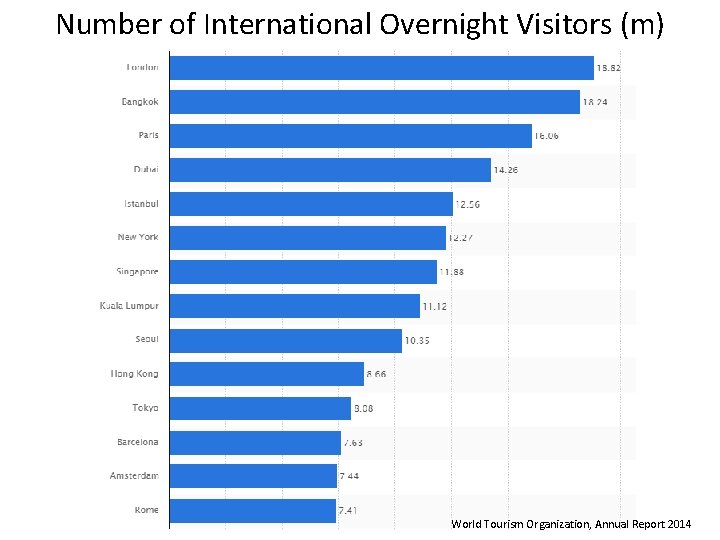
Number of International Overnight Visitors (m) World Tourism Organization, Annual Report 2014
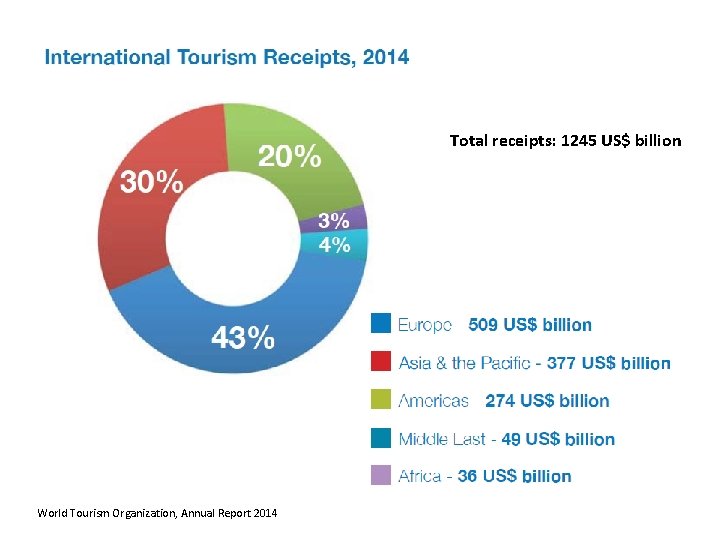
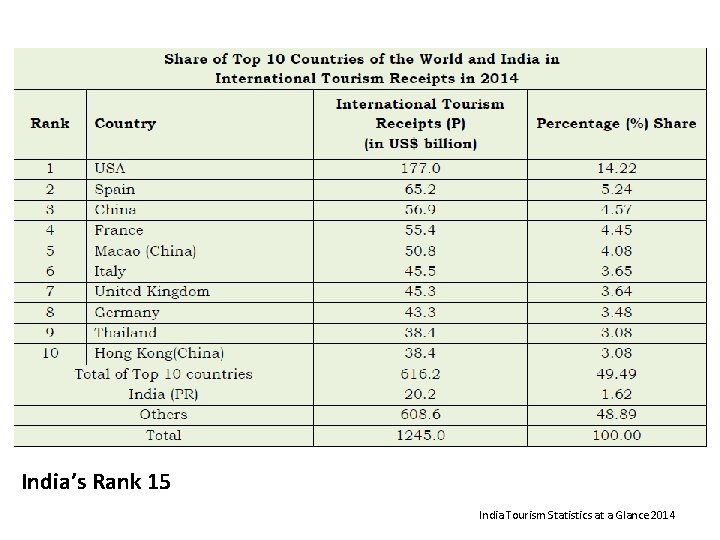
Total receipts: 1245 US$ billion World Tourism Organization, Annual Report 2014
India’s Rank 15 India Tourism Statistics at a Glance 2014
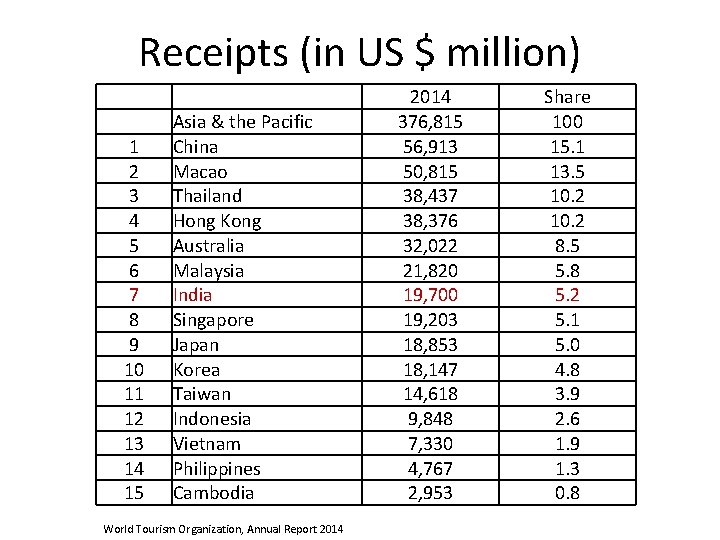
Receipts (in US $ million) 1 2 3 4 5 6 7 8 9 10 11 12 13 14 15 Asia & the Pacific China Macao Thailand Hong Kong Australia Malaysia India Singapore Japan Korea Taiwan Indonesia Vietnam Philippines Cambodia World Tourism Organization, Annual Report 2014 376, 815 56, 913 50, 815 38, 437 38, 376 32, 022 21, 820 19, 700 19, 203 18, 853 18, 147 14, 618 9, 848 7, 330 4, 767 2, 953 Share 100 15. 1 13. 5 10. 2 8. 5 5. 8 5. 2 5. 1 5. 0 4. 8 3. 9 2. 6 1. 9 1. 3 0. 8
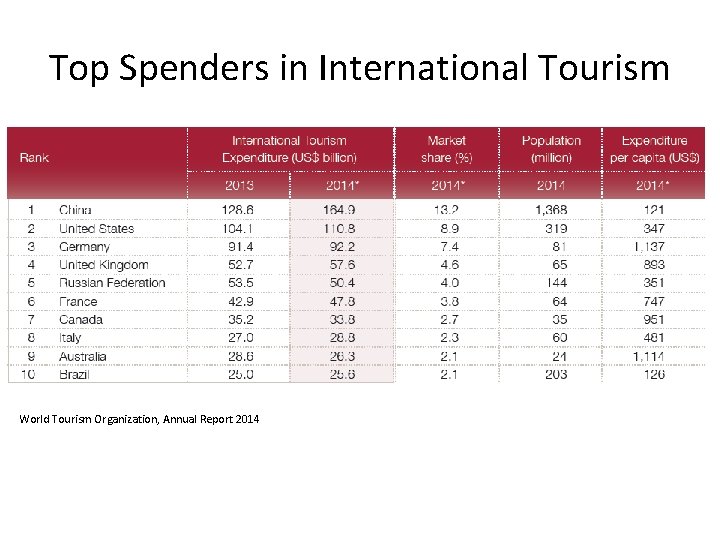
Top Spenders in International Tourism World Tourism Organization, Annual Report 2014
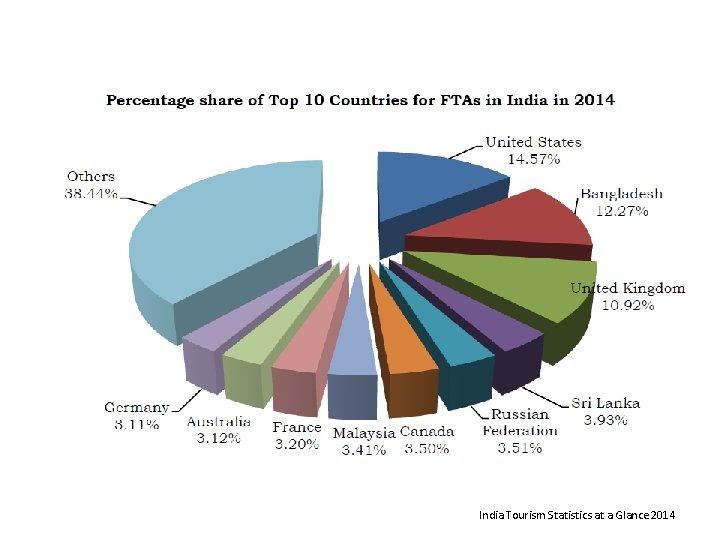
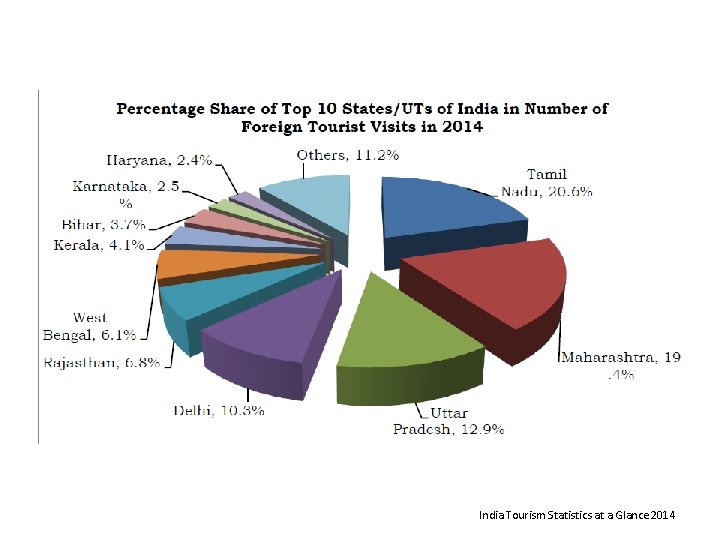
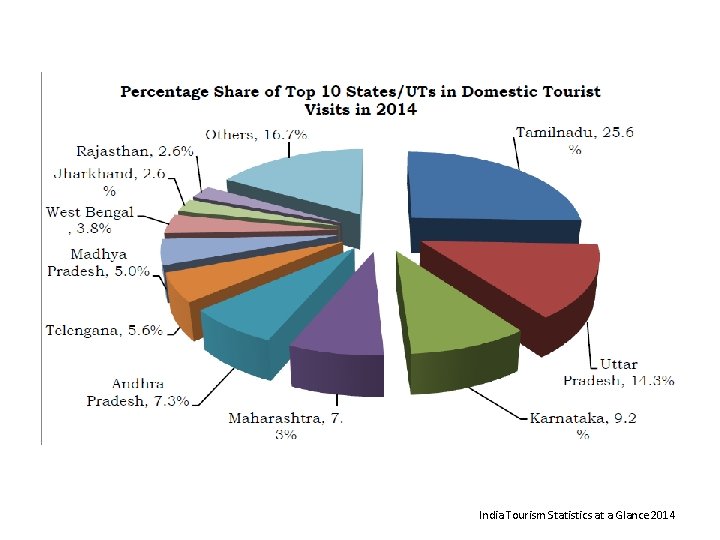
India Tourism Statistics at a Glance 2014
India Tourism Statistics at a Glance 2014
India Tourism Statistics at a Glance 2014
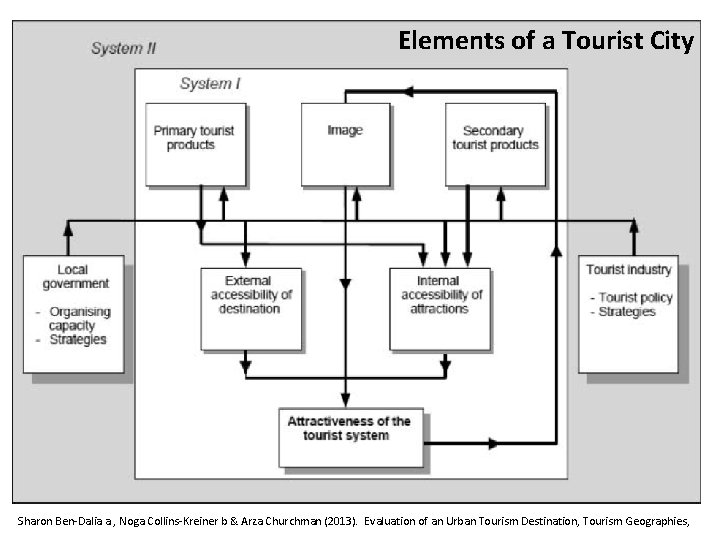
Elements of a Tourist City Sharon Ben-Dalia a , Noga Collins-Kreiner b & Arza Churchman (2013). Evaluation of an Urban Tourism Destination, Tourism Geographies,
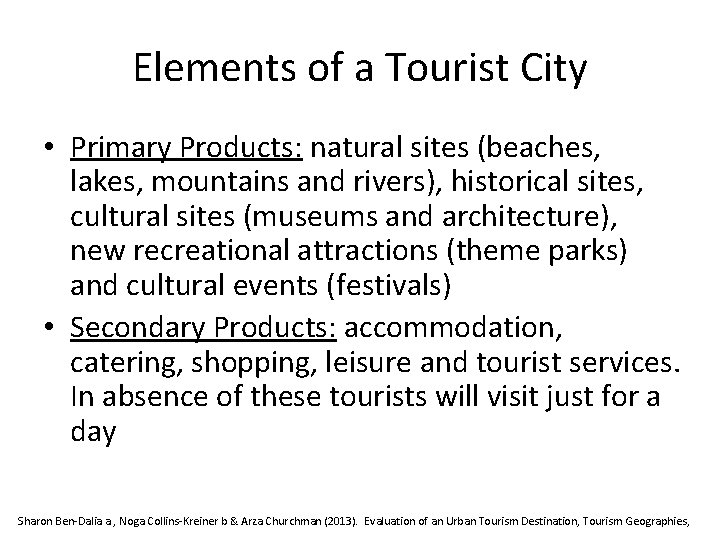
Elements of a Tourist City • Primary Products: natural sites (beaches, lakes, mountains and rivers), historical sites, cultural sites (museums and architecture), new recreational attractions (theme parks) and cultural events (festivals) • Secondary Products: accommodation, catering, shopping, leisure and tourist services. In absence of these tourists will visit just for a day Sharon Ben-Dalia a , Noga Collins-Kreiner b & Arza Churchman (2013). Evaluation of an Urban Tourism Destination, Tourism Geographies,
Elements of a Tourist City • External accessibility: options for reaching the city from outside the country • External accessibility: Getting around from one place to other. Good public transportation makes the tourist’s experience more efficient and enjoyable, including clear signs, clear maps and legibility • Image: City image is one of the most influential psychological factors at play when tourists decide where to travel Sharon Ben-Dalia a , Noga Collins-Kreiner b & Arza Churchman (2013). Evaluation of an Urban Tourism Destination, Tourism Geographies,
Integration • Physical integration: in terms of integrating transport modes like rails, buses and Para transit etc. at the intermediate points or at the terminals with interchange facilities so that different modes can be switched over as per requirements & convenience • Institutional integration: an arrangement which can be established among policies of different operating agencies like railways, bus authorities, local transport unions etc. so that they can work in unison • Operational integration: related in terms of scheduling and routing of different modes
Important Actors in Transport Services Integration • Government and other administrative authorities • Public transport operators • Tourism sector • Intermediaries (telecommunications operators and financial service providers) • Existing and potential end-users
Integrated Approach Inter-modality Inter operability Information services Booking, ticketing and payment systems Handling and tracking of passengers’ luggage Congestion, overcrowding and peak management • Safety and security • • •
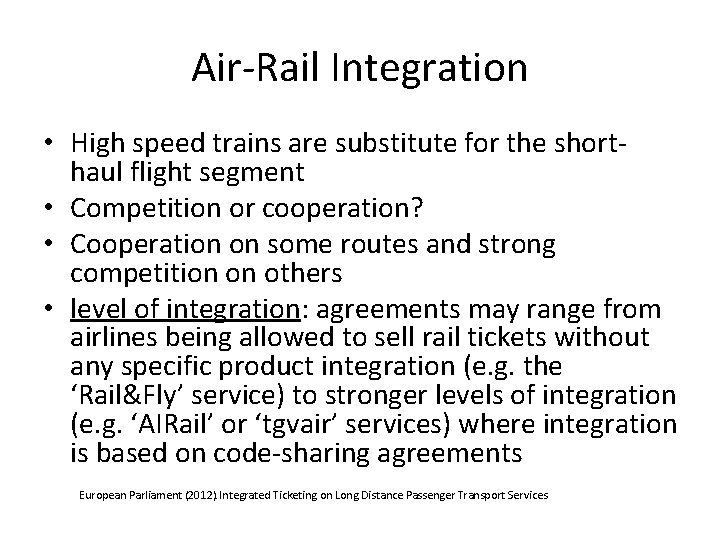
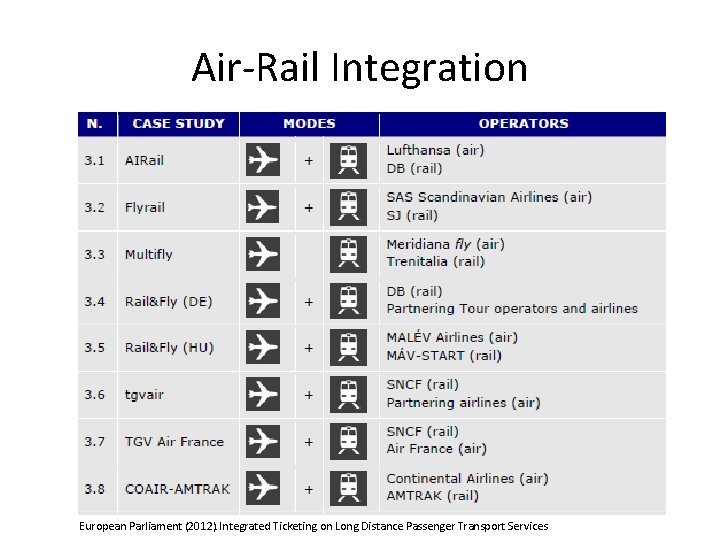
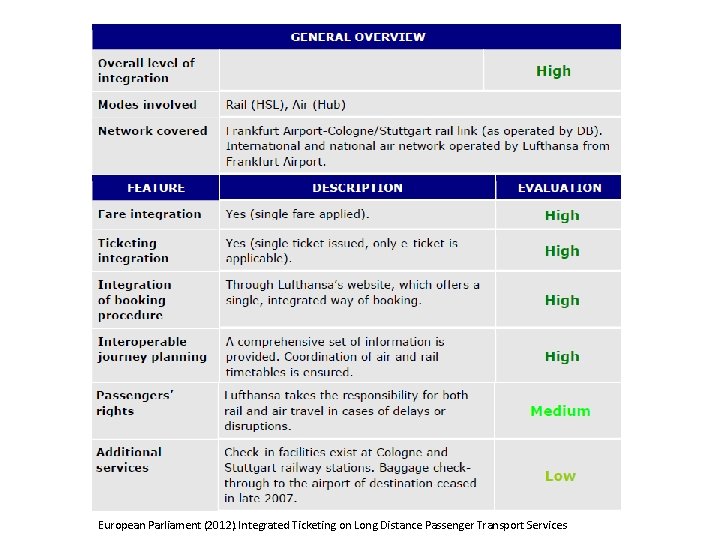
Air-Rail Integration • High speed trains are substitute for the shorthaul flight segment • Competition or cooperation? • Cooperation on some routes and strong competition on others • level of integration: agreements may range from airlines being allowed to sell rail tickets without any specific product integration (e. g. the ‘Rail&Fly’ service) to stronger levels of integration (e. g. ‘AIRail’ or ‘tgvair’ services) where integration is based on code-sharing agreements European Parliament (2012). Integrated Ticketing on Long Distance Passenger Transport Services
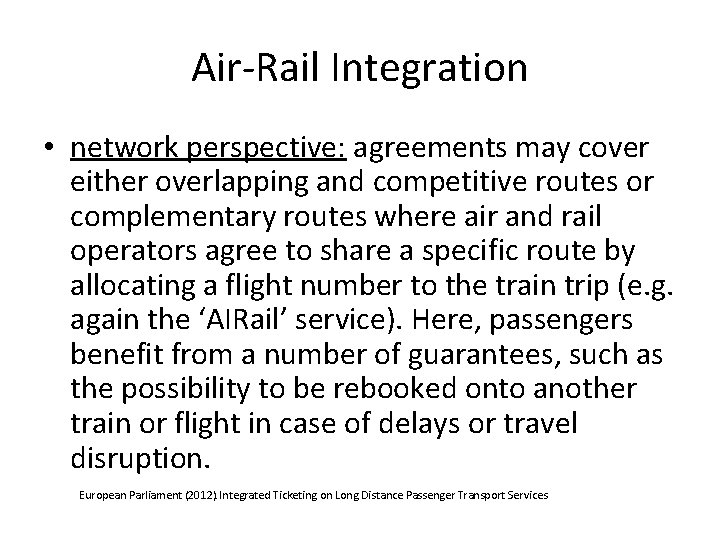
Air-Rail Integration • network perspective: agreements may cover either overlapping and competitive routes or complementary routes where air and rail operators agree to share a specific route by allocating a flight number to the train trip (e. g. again the ‘AIRail’ service). Here, passengers benefit from a number of guarantees, such as the possibility to be rebooked onto another train or flight in case of delays or travel disruption. European Parliament (2012). Integrated Ticketing on Long Distance Passenger Transport Services
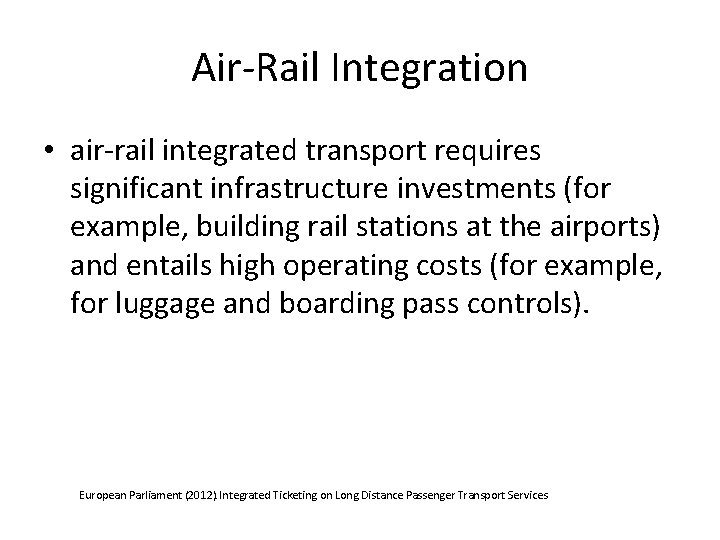
Air-Rail Integration • air-rail integrated transport requires significant infrastructure investments (for example, building rail stations at the airports) and entails high operating costs (for example, for luggage and boarding pass controls). European Parliament (2012). Integrated Ticketing on Long Distance Passenger Transport Services
Air-Rail Integration European Parliament (2012). Integrated Ticketing on Long Distance Passenger Transport Services
European Parliament (2012). Integrated Ticketing on Long Distance Passenger Transport Services
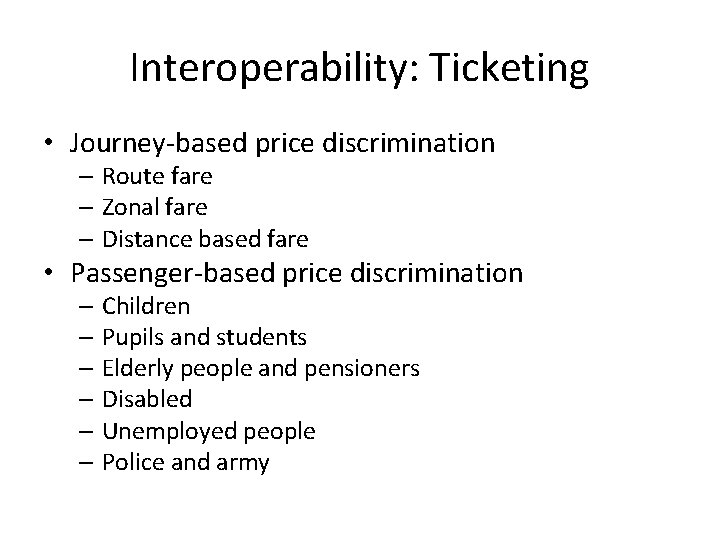
Interoperability: Ticketing • Journey-based price discrimination – Route fare – Zonal fare – Distance based fare • Passenger-based price discrimination – Children – Pupils and students – Elderly people and pensioners – Disabled – Unemployed people – Police and army
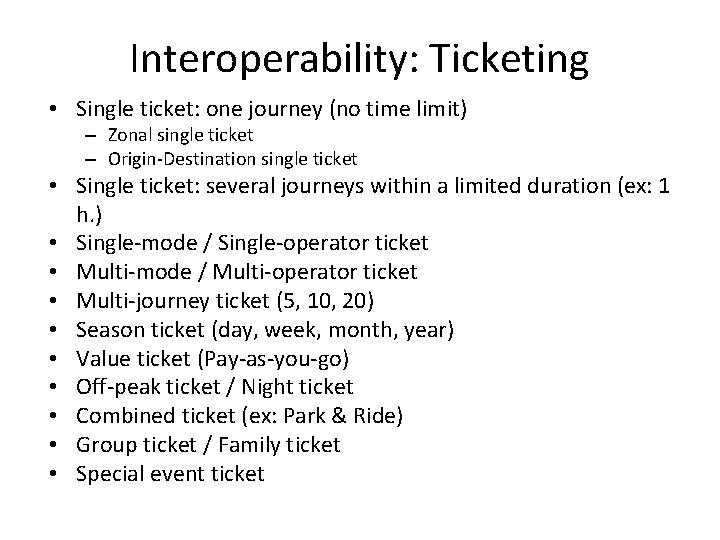
Interoperability: Ticketing • Single ticket: one journey (no time limit) – Zonal single ticket – Origin-Destination single ticket • Single ticket: several journeys within a limited duration (ex: 1 h. ) • Single-mode / Single-operator ticket • Multi-mode / Multi-operator ticket • Multi-journey ticket (5, 10, 20) • Season ticket (day, week, month, year) • Value ticket (Pay-as-you-go) • Off-peak ticket / Night ticket • Combined ticket (ex: Park & Ride) • Group ticket / Family ticket • Special event ticket
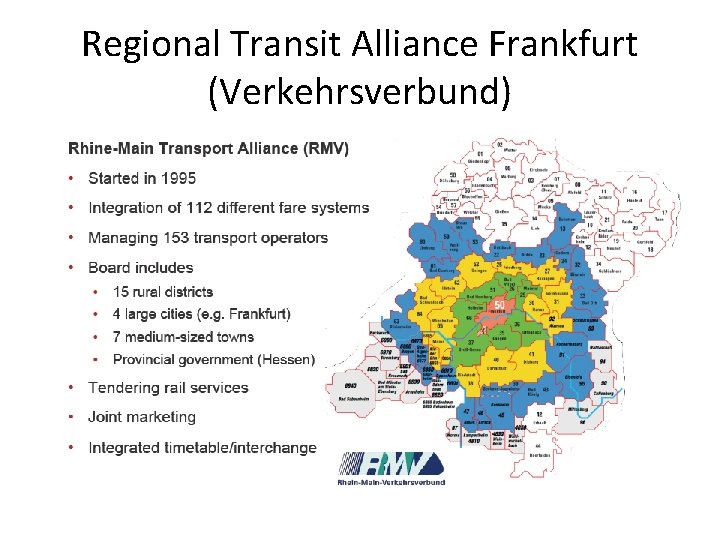
Regional Transit Alliance Frankfurt (Verkehrsverbund)
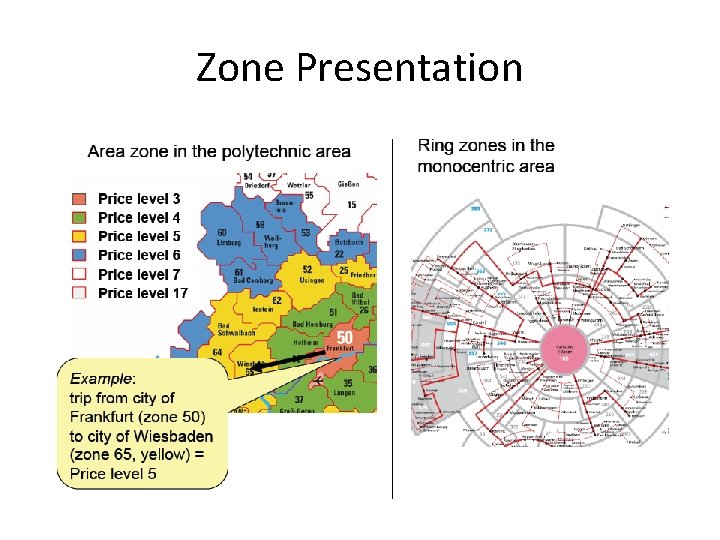
Zone Presentation
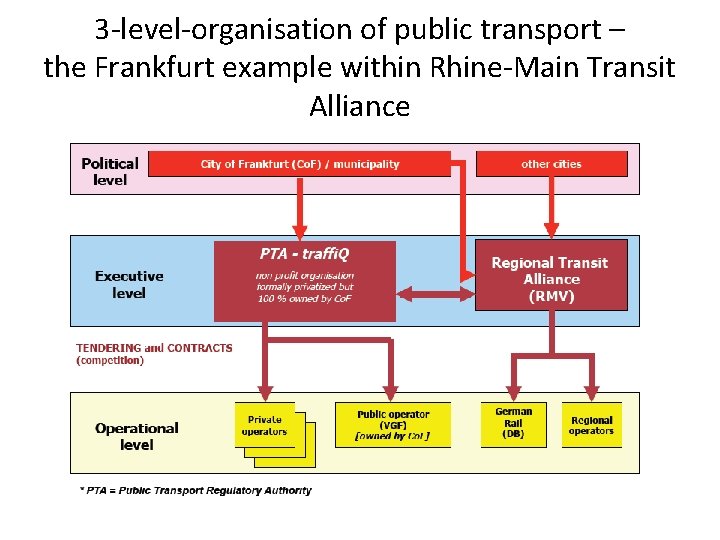
3 -level-organisation of public transport – the Frankfurt example within Rhine-Main Transit Alliance
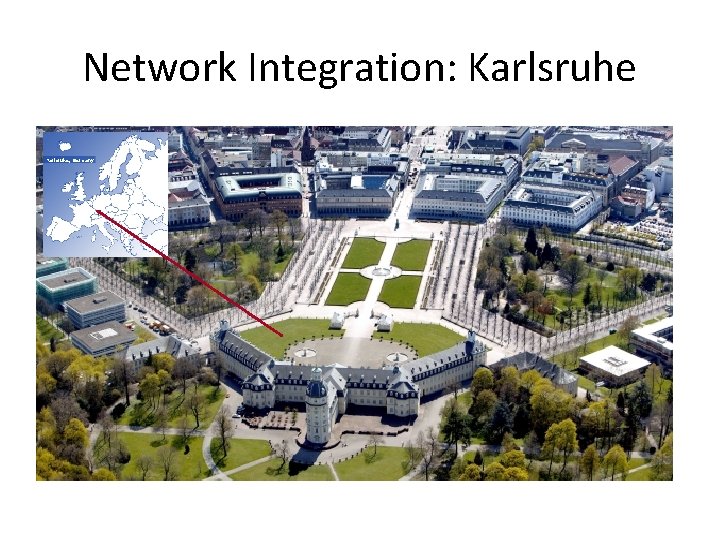
Network Integration: Karlsruhe, Germany
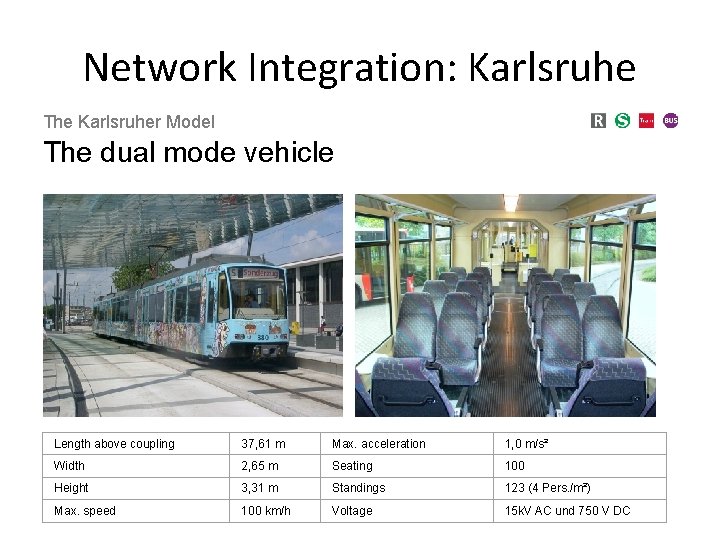
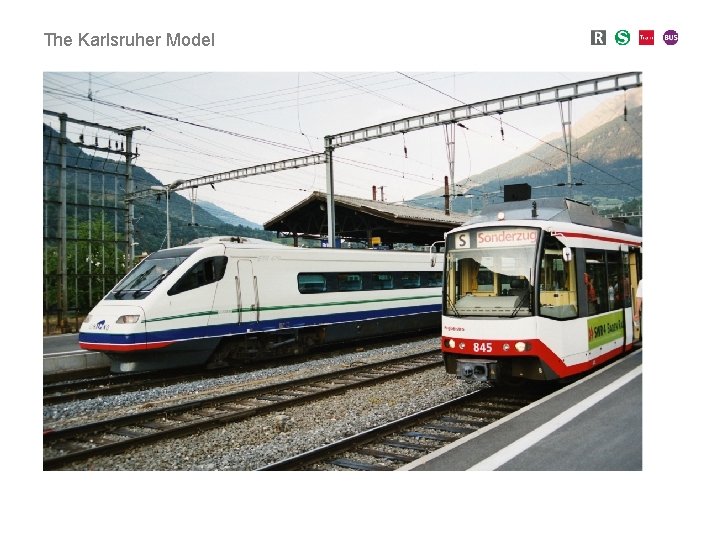
Network Integration: Karlsruhe The Karlsruher Model The dual mode vehicle Length above coupling 37, 61 m Max. acceleration 1, 0 m/s² Width 2, 65 m Seating 100 Height 3, 31 m Standings 123 (4 Pers. /m²) Max. speed 100 km/h Voltage 15 k. V AC und 750 V DC
The Karlsruher Model
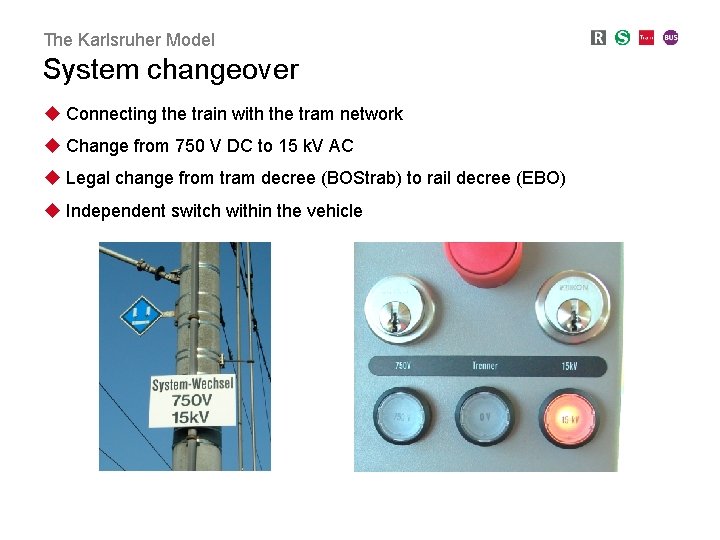
The Karlsruher Model System changeover u Connecting the train with the tram network u Change from 750 V DC to 15 k. V AC u Legal change from tram decree (BOStrab) to rail decree (EBO) u Independent switch within the vehicle
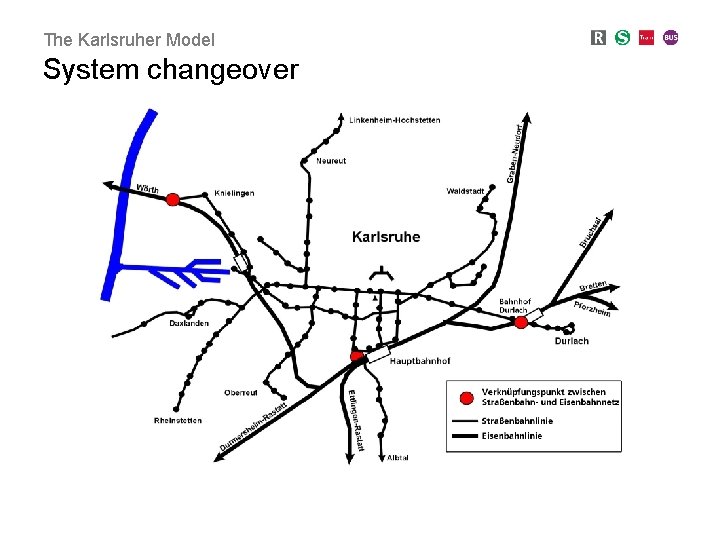
The Karlsruher Model System changeover
The Karlsruher Model • • 1. 5 million inhabitants Spread over seven cities Focus on network extension Complications – German guidelines for heavy rail operation (EBO) are different from German tramway specifications (BOStrab) – Drivers need two licenses
The Karlsruher Model • • AVG – s bahn (own track and rolling stock) VBK – trams (own track and rolling stock) DB – train lines (own track and rolling stock) KVV – local authority for operations and marketing (customer interface) • AVG, VBK, and KVV have single management board with one CEO • Payment sharing basis: passenger km
The Karlsruher Model • Role of KVV – Policy planning for public transport in the region of Karlsruhe – Planning an efficient route network – Coordinating the travel plans of the various transport companies – Coordination of operational services – Publication of a composite roadmap in print and electronic media – Creation and development of a common fare offer (composite rate) for all trains and buses in the region of Karlsruhe – Creating a customer-friendly information system – Market research, public relations and advertising for the network traffic – Accounting of revenue and traffic on the transport companies
The Karlsruher Model • • Lines: 30 Length: 878 kms Train km: 22. 1 milion km S bahn/trams: 270 Stations: 1900 Passengers: 177 million (2010) Earning: 119 million Euro
Initiatives in Europe • Single market • Open borders • Schengen visa
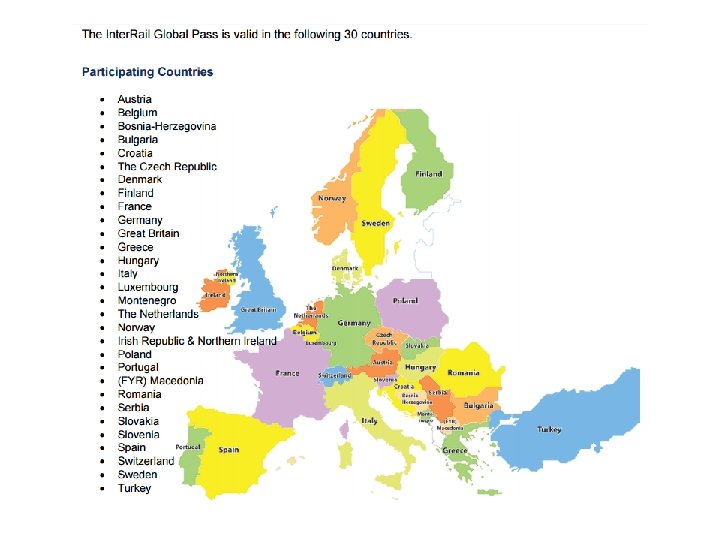
Eurail • Inter. Rail is a rail pass which offers a unique way to travel through Europe by rail. Inter. Rail is the result of a long-standing cooperation between a wide range of railway companies, all of which have their own unique characteristics, rules and policies. The Eurail Group acts as the central link between all the member railway networks in order to streamline the product offer as much as possible.
Eurail • The Eurail Group is wholly owned by all the participating railways and shipping companies, with revenues being calculated and shared according to the number of kilometres travelled on each network. Key decisions are taken by the board, consisting of eight appointed member railways.
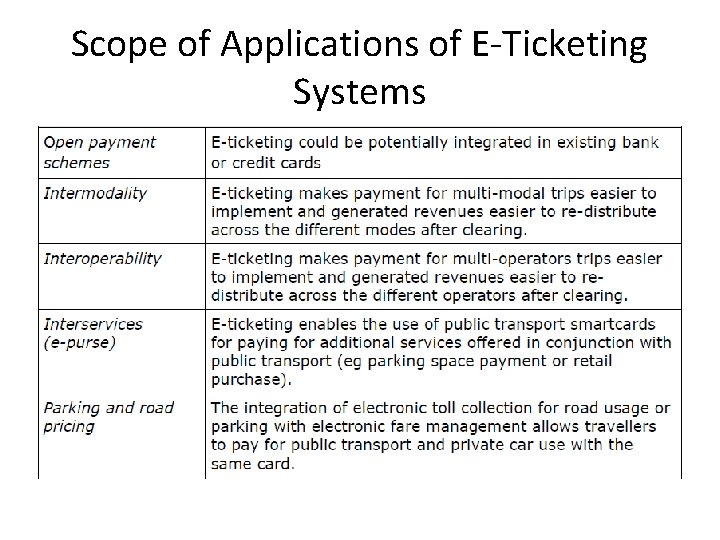
Scope of Applications of E-Ticketing Systems
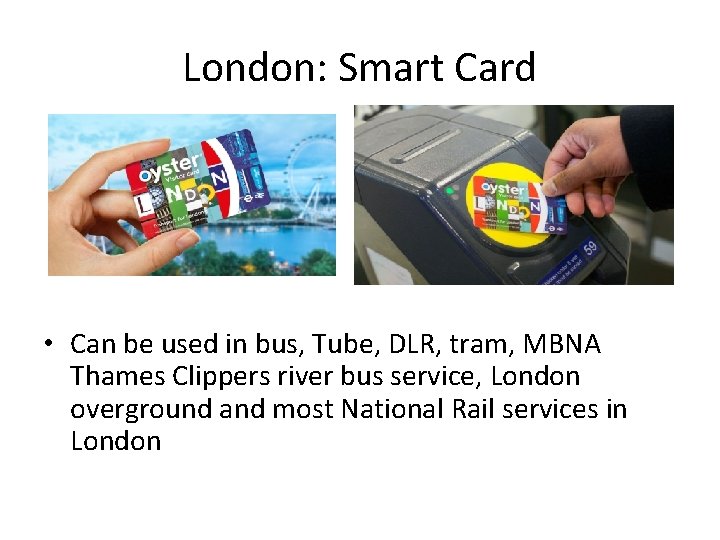
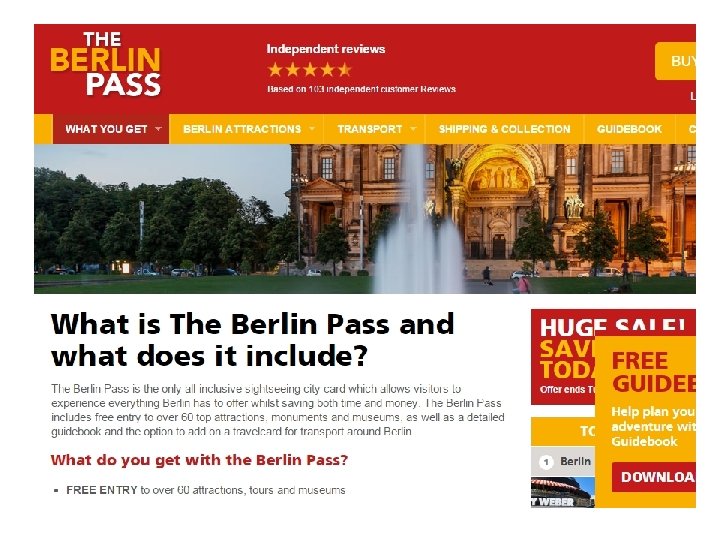
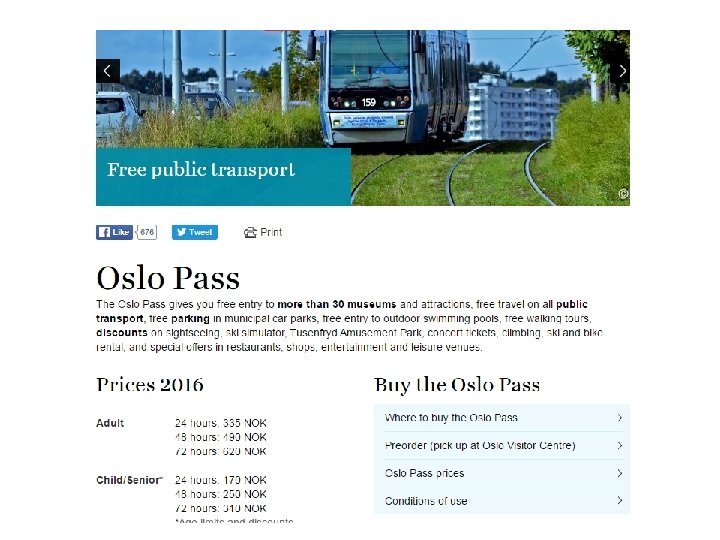
London: Smart Card • Can be used in bus, Tube, DLR, tram, MBNA Thames Clippers river bus service, London overground and most National Rail services in London
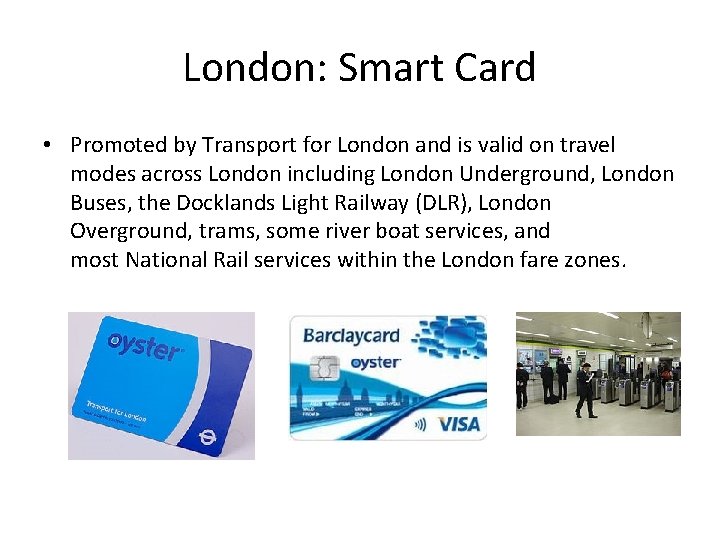
London: Smart Card • Promoted by Transport for London and is valid on travel modes across London including London Underground, London Buses, the Docklands Light Railway (DLR), London Overground, trams, some river boat services, and most National Rail services within the London fare zones.
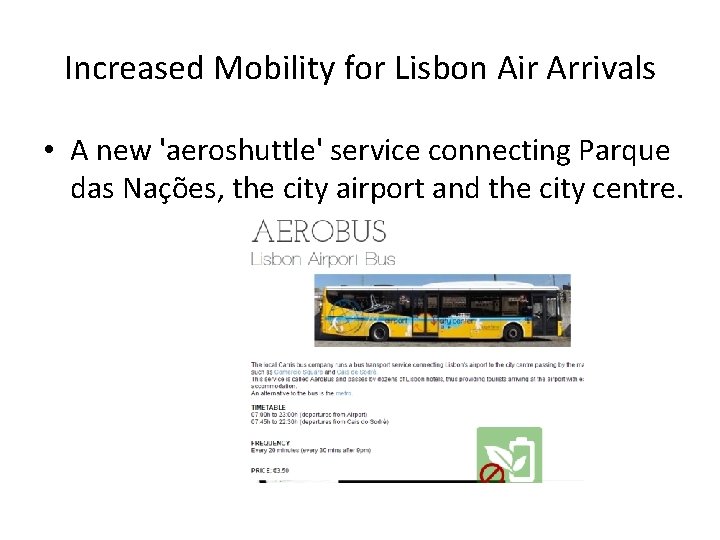
Increased Mobility for Lisbon Air Arrivals • A new 'aeroshuttle' service connecting Parque das Nações, the city airport and the city centre.
Online Multimodal Information – Rome • ATAC’s mobile service provides: – bus arrivals times for each bus line at each bus stop, using data generated by automatic vehicle monitoring; – real-time news on traffic, road works, demonstrations, disruptions and access restrictions; – traffic bulletins describing traffic conditions by zone; – estimated journey times on 100 km of main roads in the city; – a journey planner showing the best routes calculated for public transportation, with an interactive map; – webcam images showing traffic conditions in four locations (images updated every five seconds); – information on the availability of shared bikes; – information on the availability of parking spaces in four city car parks; and – information and advice on services and relevant contact details.
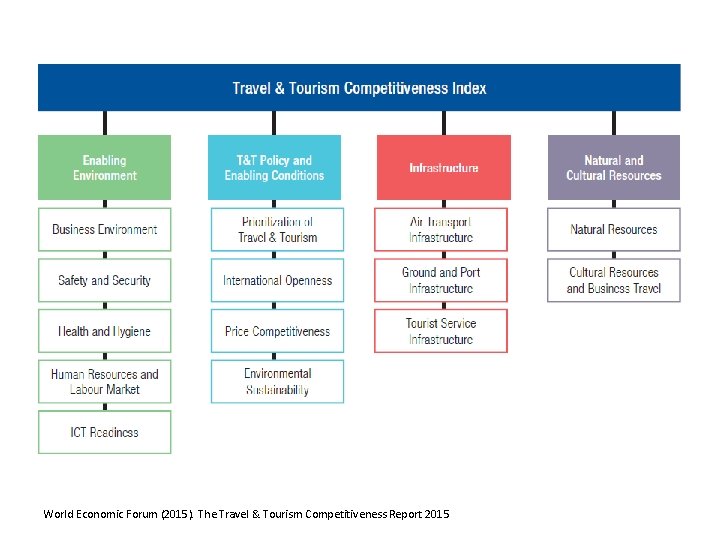
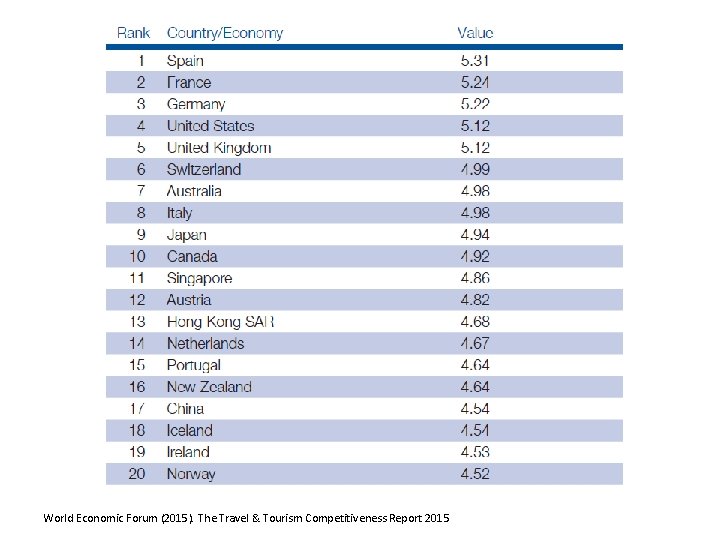
World Economic Forum (2015). The Travel & Tourism Competitiveness Report 2015
World Economic Forum (2015). The Travel & Tourism Competitiveness Report 2015
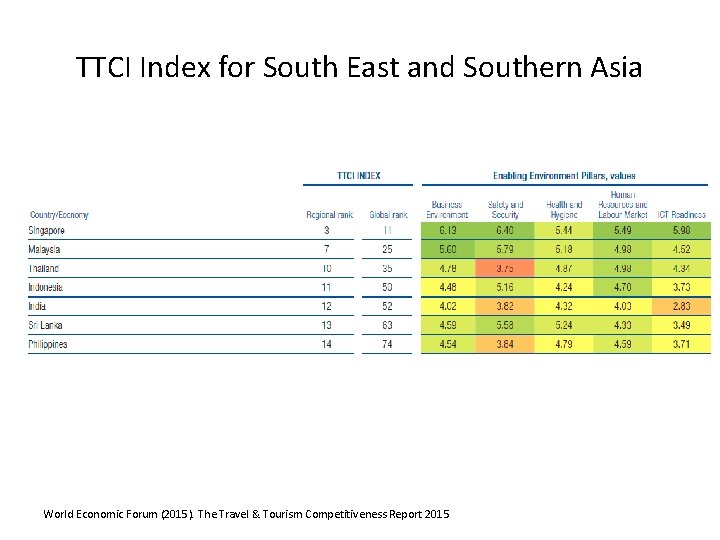
TTCI Index for South East and Southern Asia World Economic Forum (2015). The Travel & Tourism Competitiveness Report 2015
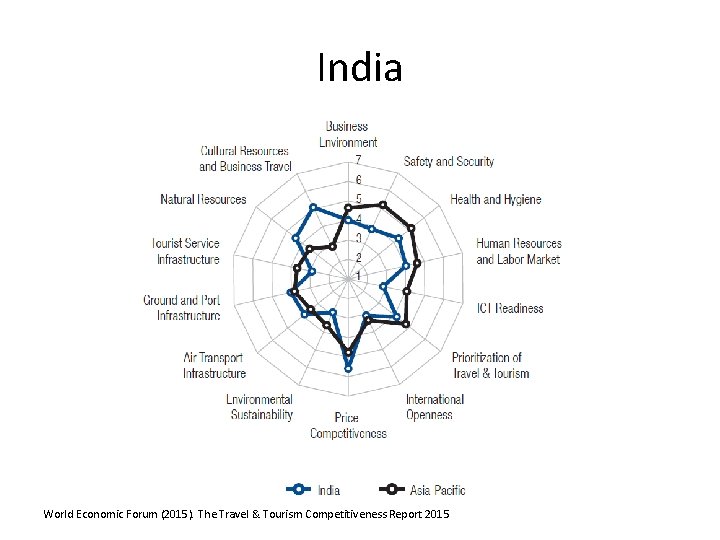
India World Economic Forum (2015). The Travel & Tourism Competitiveness Report 2015
Summing Up • Integration is required from the beginning and at the policy level • Investment in appropriate technology is essential for integration • Last mile and first mile connectivity is key to the success of public transport • Terminal planning must incorporate seamless modal change
THANK YOU Contact details: rachna 015@gmail. com rachna. gangwar@jaipur. manipal. edu Tel: 09602644118