
Toric Artiflex J L Gell I M O
- Slides: 18
Toric Artiflex J. L. Güell I. M. O. Instituto de Microcirugía Ocular de Barcelona Universidad Autónoma de Barcelona Universidad de Lugano ESCRS Vienna 2011
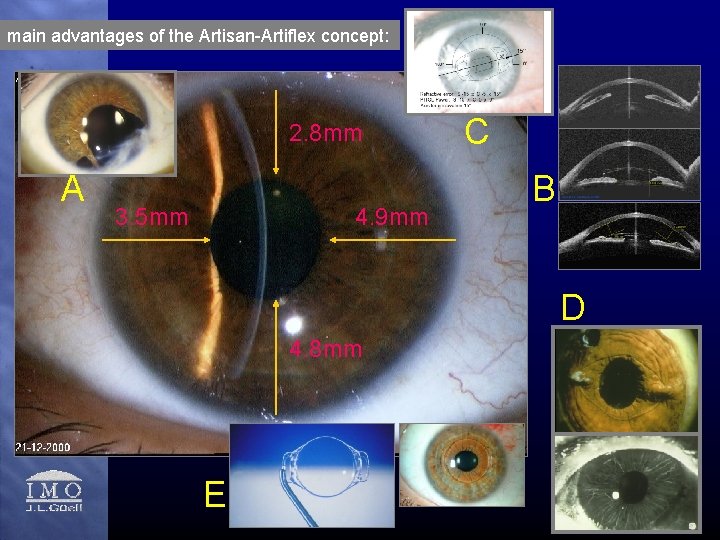
main advantages of the Artisan-Artiflex concept: 2. 8 mm A 3. 5 mm 4. 9 mm C B D 4. 8 mm E
ARTIFLEX® Toric PIOL Clinical results of the European Multicenter Study February 2010
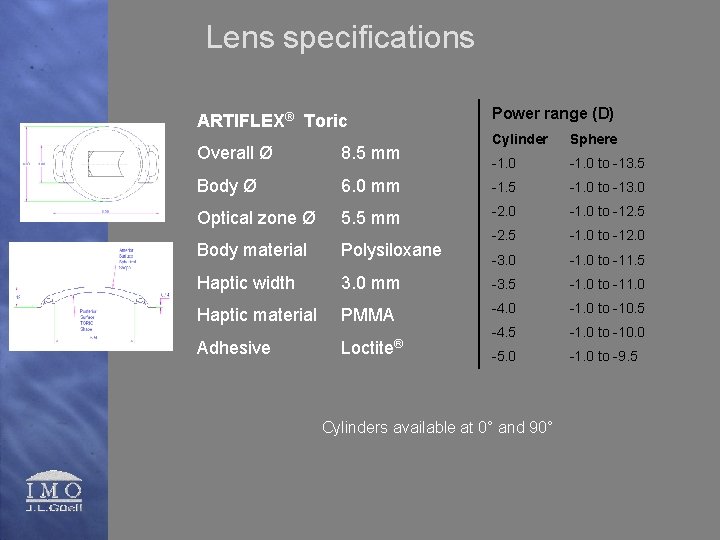
Lens specifications ARTIFLEX® Toric Power range (D) Cylinder Sphere -1. 0 to -13. 5 Overall Ø 8. 5 mm Body Ø 6. 0 mm -1. 5 -1. 0 to -13. 0 Optical zone Ø 5. 5 mm -2. 0 -1. 0 to -12. 5 -1. 0 to -12. 0 -3. 0 -1. 0 to -11. 5 Body material Polysiloxane Haptic width 3. 0 mm -3. 5 -1. 0 to -11. 0 Haptic material PMMA -4. 0 -1. 0 to -10. 5 Adhesive Loctite® -4. 5 -1. 0 to -10. 0 -5. 0 -1. 0 to -9. 5 Cylinders available at 0° and 90°
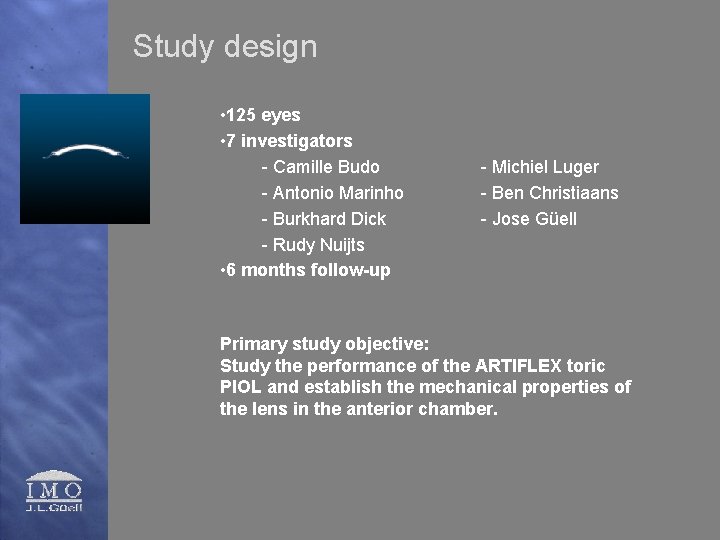
Study design • 125 eyes • 7 investigators - Camille Budo - Antonio Marinho - Burkhard Dick - Rudy Nuijts • 6 months follow-up - Michiel Luger - Ben Christiaans - Jose Güell Primary study objective: Study the performance of the ARTIFLEX toric PIOL and establish the mechanical properties of the lens in the anterior chamber.
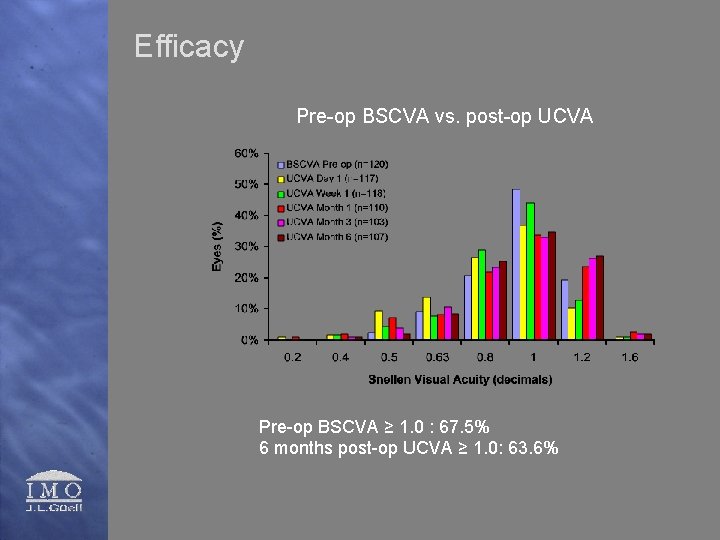
Efficacy Pre-op BSCVA vs. post-op UCVA Pre-op BSCVA ≥ 1. 0 : 67. 5% 6 months post-op UCVA ≥ 1. 0: 63. 6%
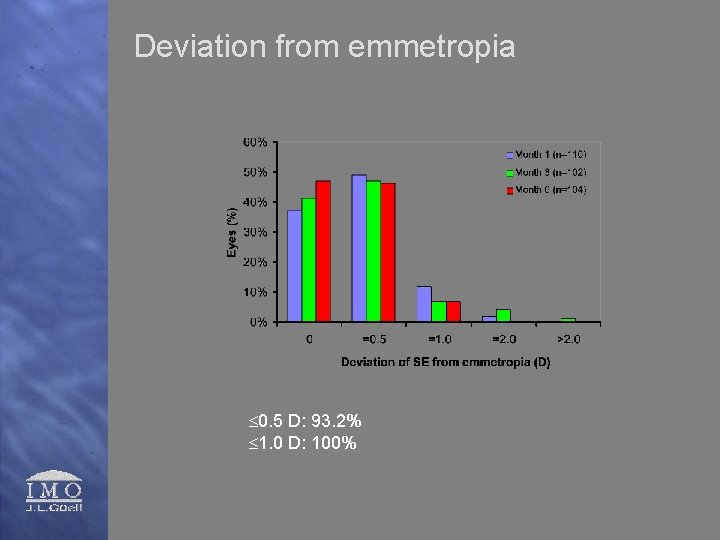
Deviation from emmetropia £ 0. 5 D: 93. 2% £ 1. 0 D: 100%
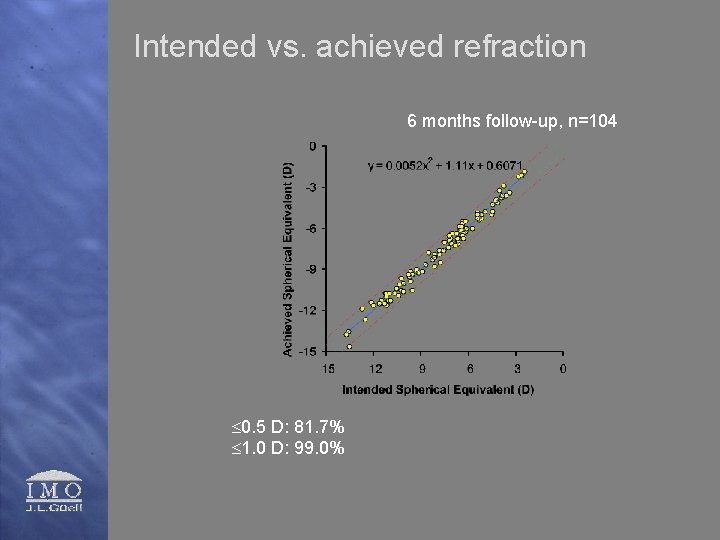
Intended vs. achieved refraction 6 months follow-up, n=104 £ 0. 5 D: 81. 7% £ 1. 0 D: 99. 0%
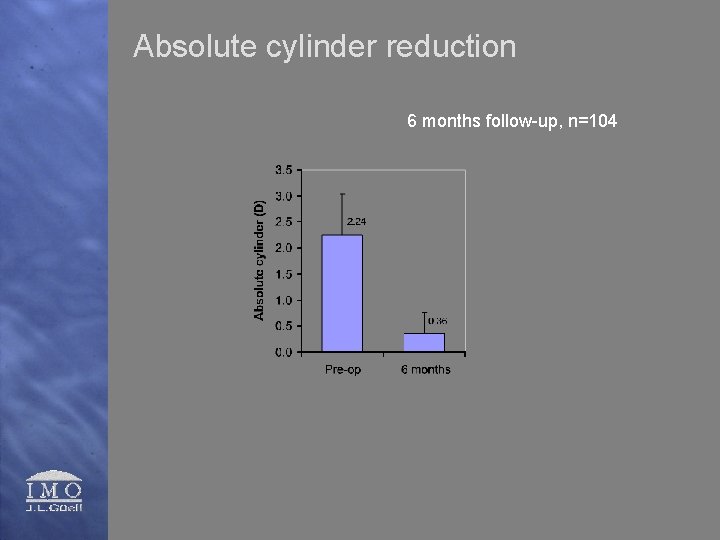
Absolute cylinder reduction 6 months follow-up, n=104
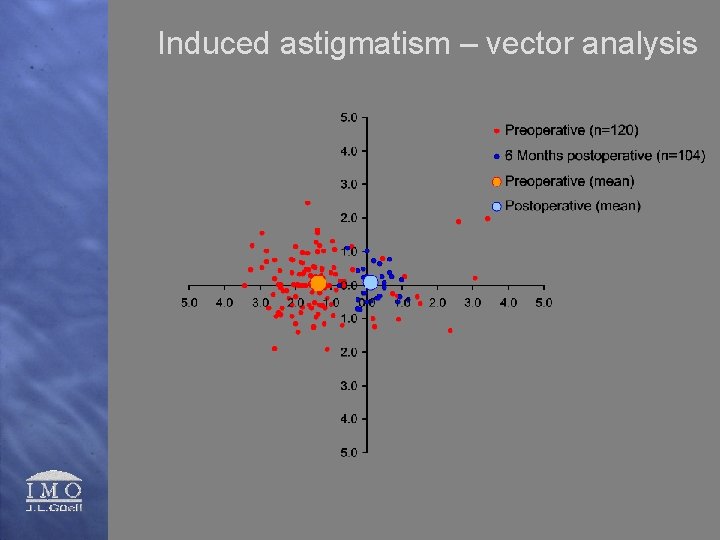
Induced astigmatism – vector analysis
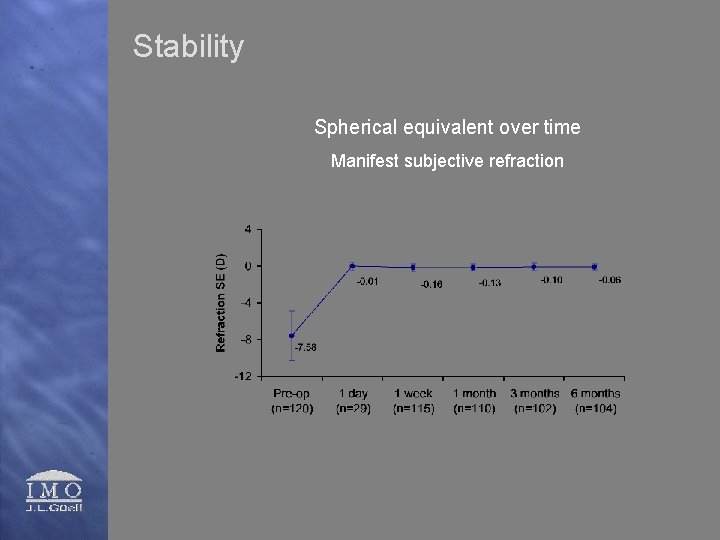
Stability Spherical equivalent over time Manifest subjective refraction
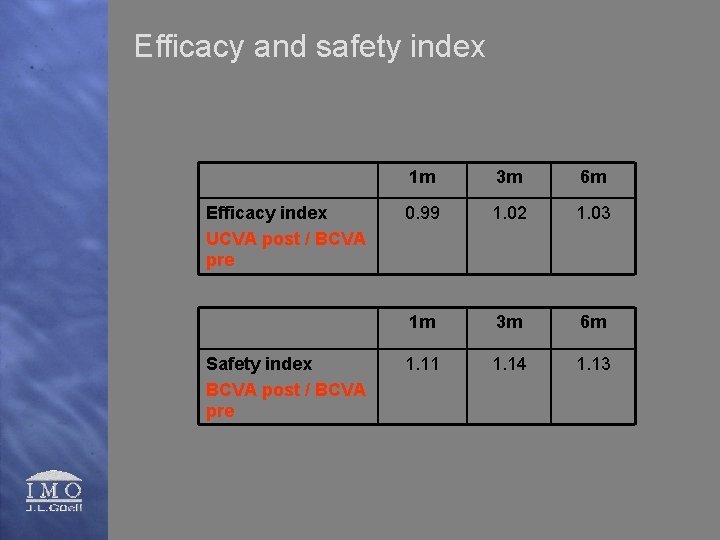
Efficacy and safety index Efficacy index UCVA post / BCVA pre Safety index BCVA post / BCVA pre 1 m 3 m 6 m 0. 99 1. 02 1. 03 1 m 3 m 6 m 1. 11 1. 14 1. 13
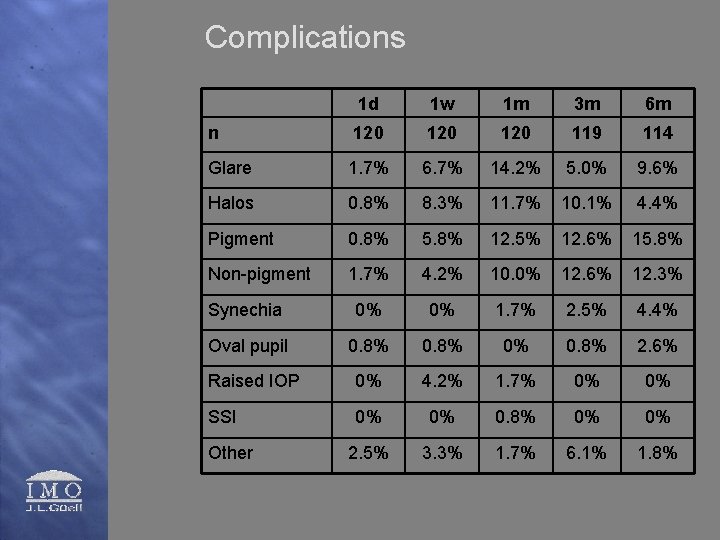
Complications 1 d 1 w 1 m 3 m 6 m 120 120 119 114 Glare 1. 7% 6. 7% 14. 2% 5. 0% 9. 6% Halos 0. 8% 8. 3% 11. 7% 10. 1% 4. 4% Pigment 0. 8% 5. 8% 12. 5% 12. 6% 15. 8% Non-pigment 1. 7% 4. 2% 10. 0% 12. 6% 12. 3% Synechia 0% 0% 1. 7% 2. 5% 4. 4% Oval pupil 0. 8% 0% 0. 8% 2. 6% Raised IOP 0% 4. 2% 1. 7% 0% 0% SSI 0% 0% 0. 8% 0% 0% 2. 5% 3. 3% 1. 7% 6. 1% 1. 8% n Other
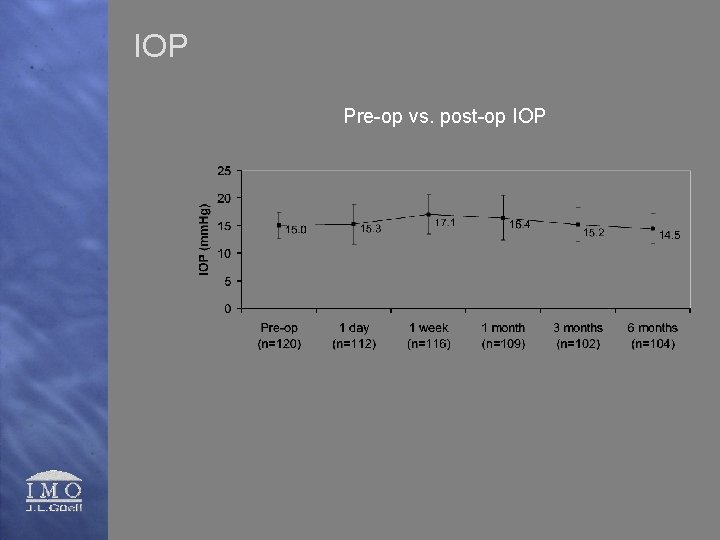
IOP Pre-op vs. post-op IOP
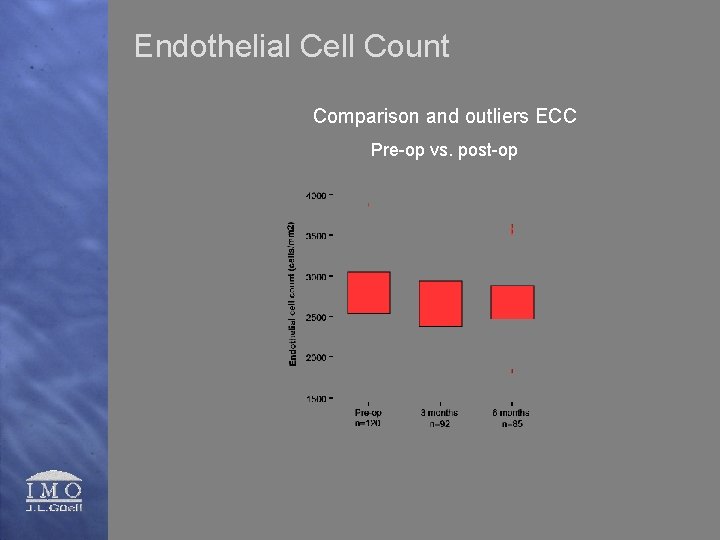
Endothelial Cell Count Comparison and outliers ECC Pre-op vs. post-op
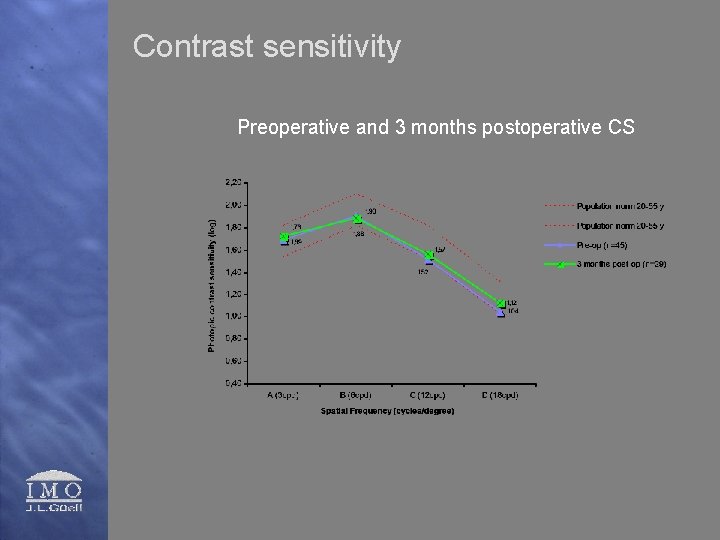
Contrast sensitivity Preoperative and 3 months postoperative CS
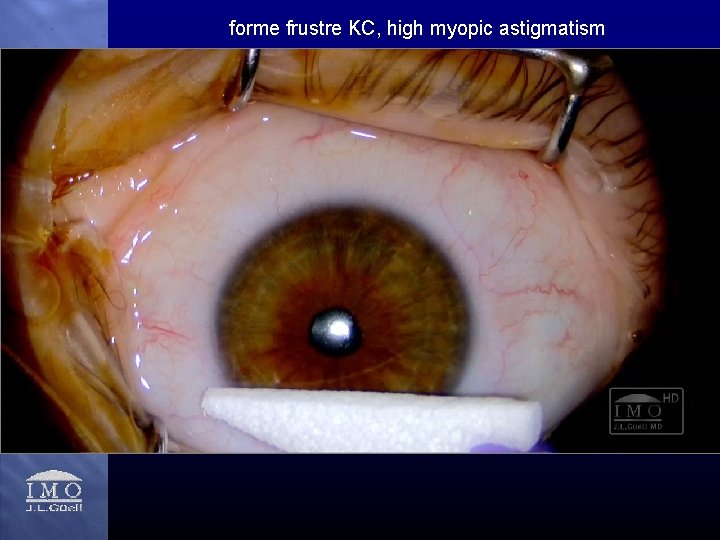
forme frustre KC, high myopic astigmatism
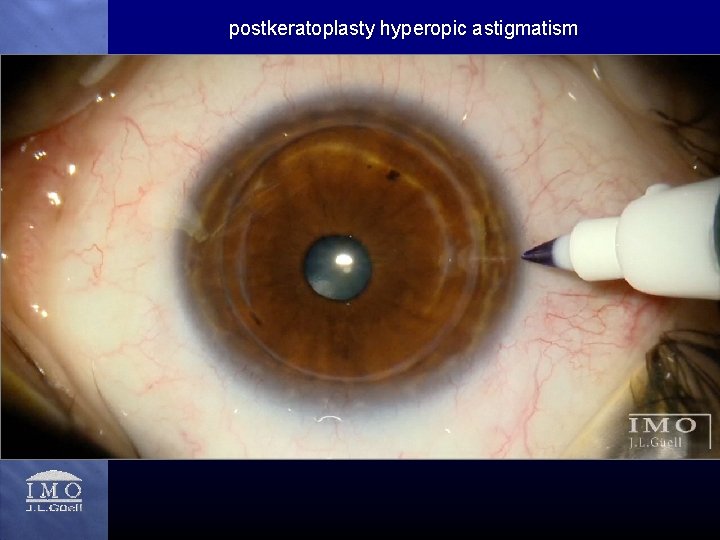
postkeratoplasty hyperopic astigmatism