
Topic Commercial Farming Aim What are the major
- Slides: 32
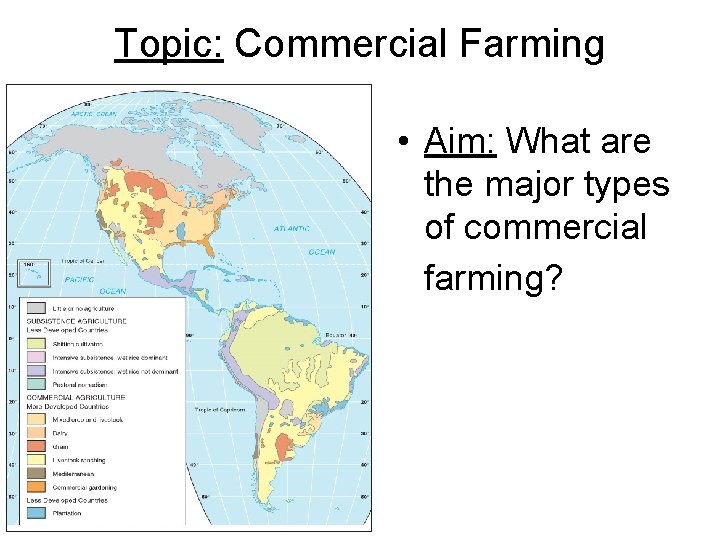
Topic: Commercial Farming • Aim: What are the major types of commercial farming?
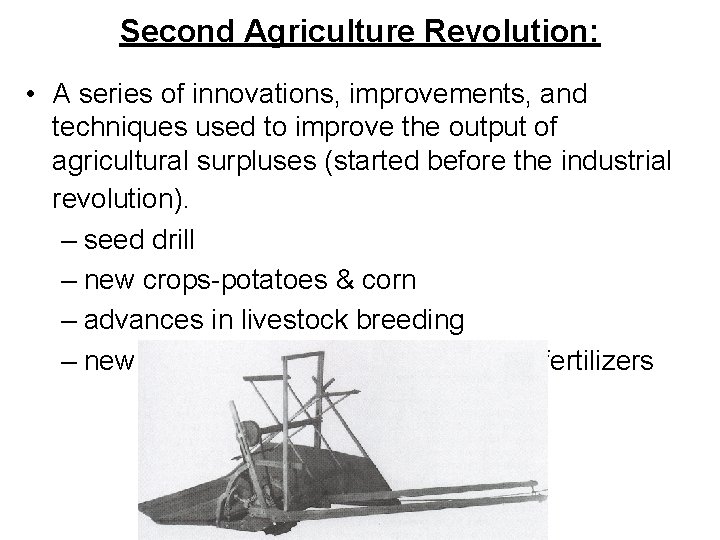
Second Agriculture Revolution: • A series of innovations, improvements, and techniques used to improve the output of agricultural surpluses (started before the industrial revolution). – seed drill – new crops-potatoes & corn – advances in livestock breeding – new soil preparation methods & new fertilizers
Mixed Crop and Livestock Farming: Characteristics 1. Most common form of commercial agriculture in the U. S. west of Appalachians and from France to Russia 2. Integration of crops and livestock (most crops fed to animals; livestock then supply manure to improve soil to grow more crops) 3. Devotes nearly all land area to growing crops, but ¾ of income from animal products (beef, milk, eggs) 4. Crop rotation
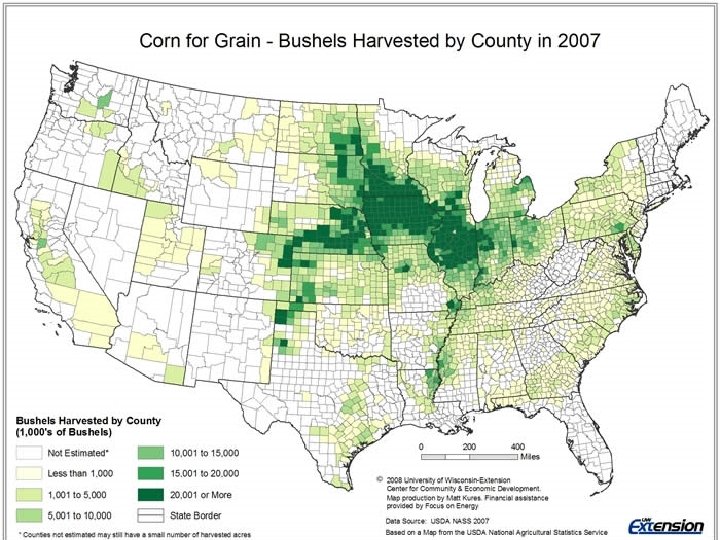
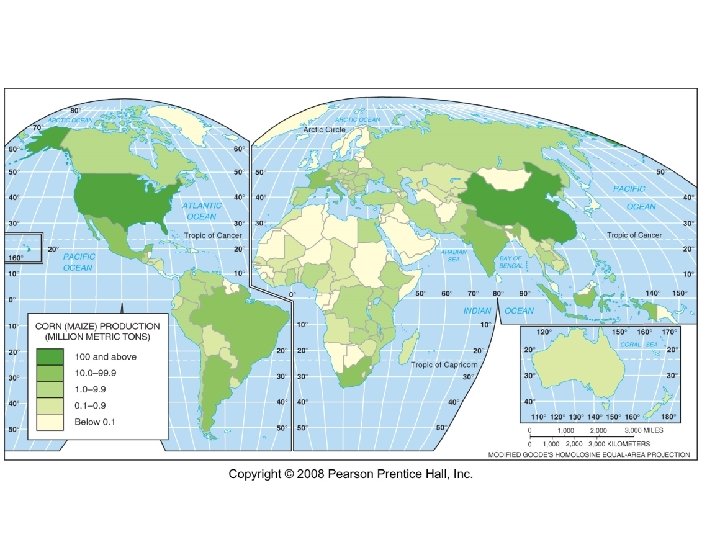
Mixed Crop and Livestock Farming Choice of Crops 1. In U. S. corn is used most frequently a. Higher yields per area than other crops b. Most corn is fed to pigs and cattle c. Most important mixed crop and livestock farming region is the Corn Belt (from Ohio to the Dakotas) 2. 2 nd most important crop are soybeans a. Mostly used to make animal feed
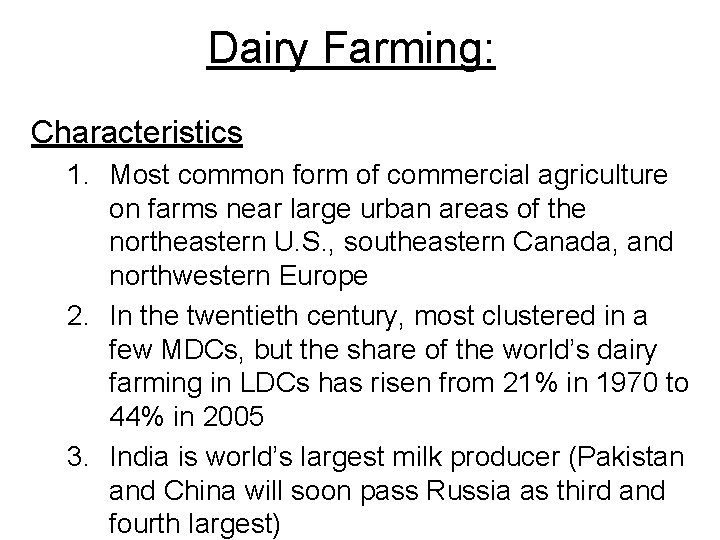
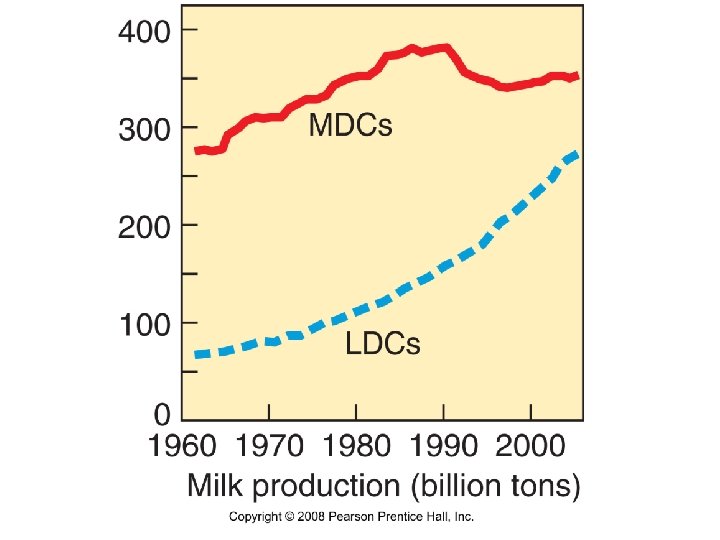
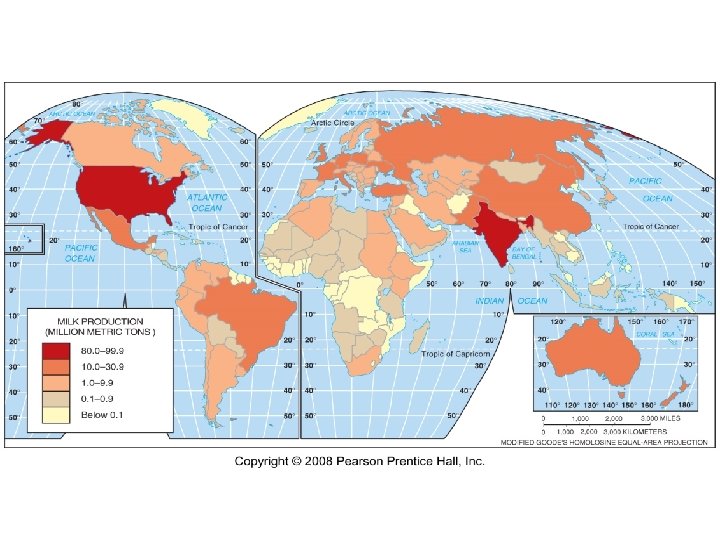
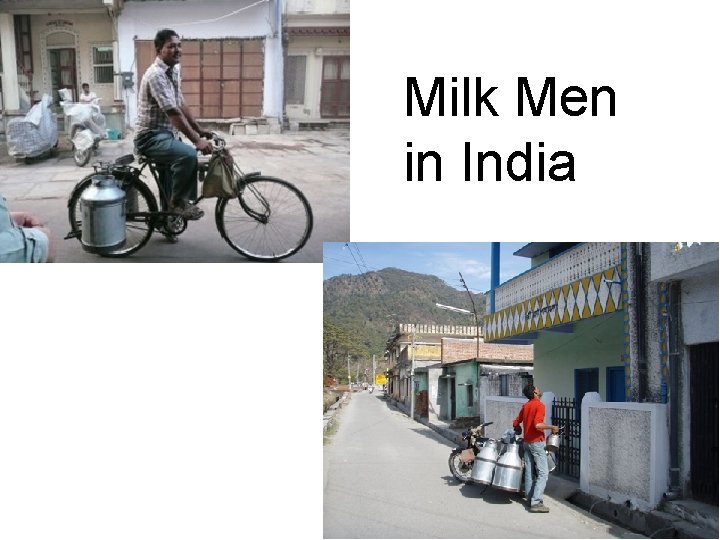
Dairy Farming: Characteristics 1. Most common form of commercial agriculture on farms near large urban areas of the northeastern U. S. , southeastern Canada, and northwestern Europe 2. In the twentieth century, most clustered in a few MDCs, but the share of the world’s dairy farming in LDCs has risen from 21% in 1970 to 44% in 2005 3. India is world’s largest milk producer (Pakistan and China will soon pass Russia as third and fourth largest)
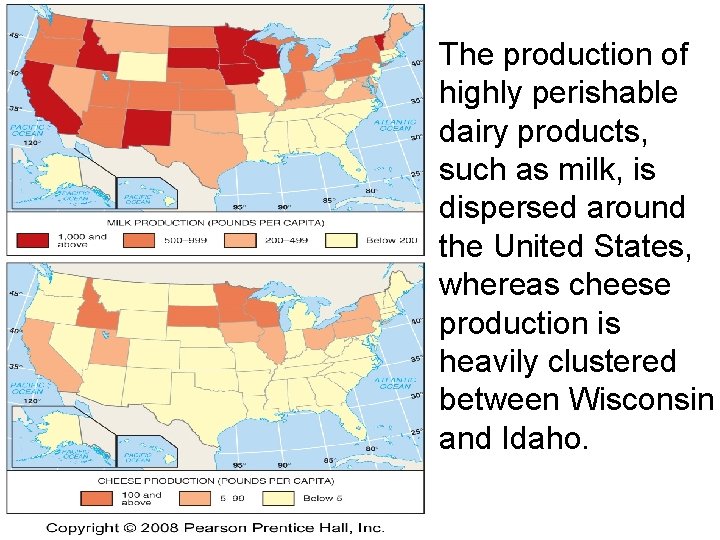
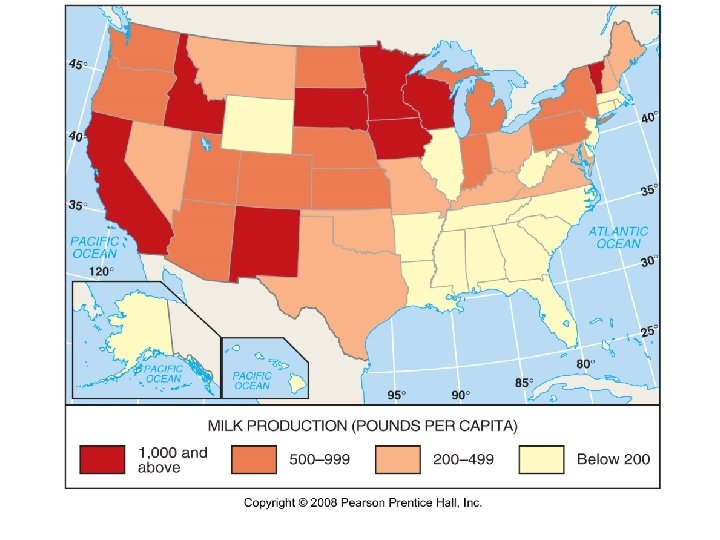
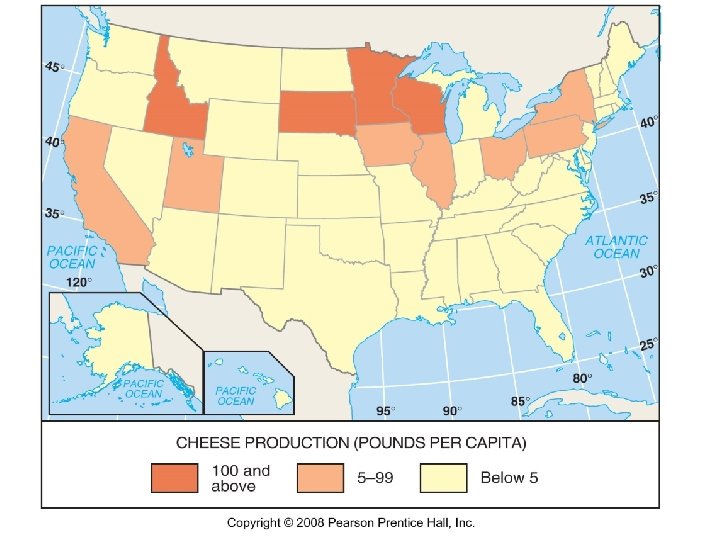
The production of highly perishable dairy products, such as milk, is dispersed around the United States, whereas cheese production is heavily clustered between Wisconsin and Idaho.
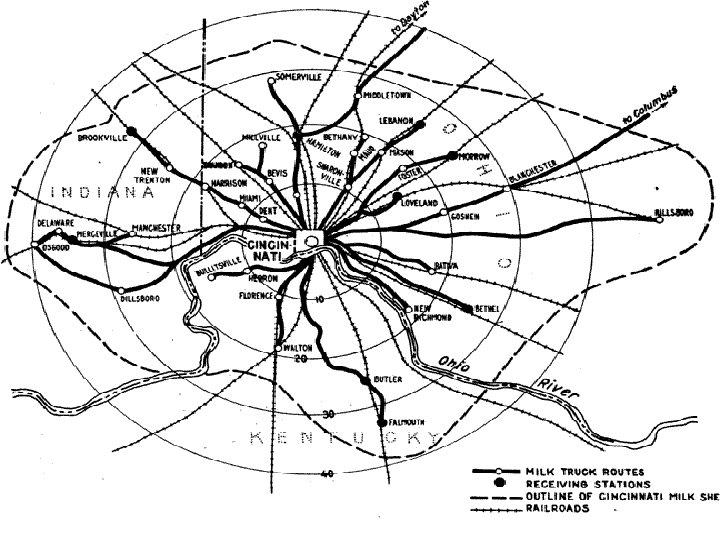
Dairy Farming Location Near Urban Areas 1. In MDCs, dairying is most important in first ring outside large cities because of transportation factors 2. Milkshed: ring surrounding city from which milk can be supplied without spoiling technology increases this in MDC’s 3. Dairy farms must be close to market because milk is highly perishable - farmers typically sell to retailers, not individuals
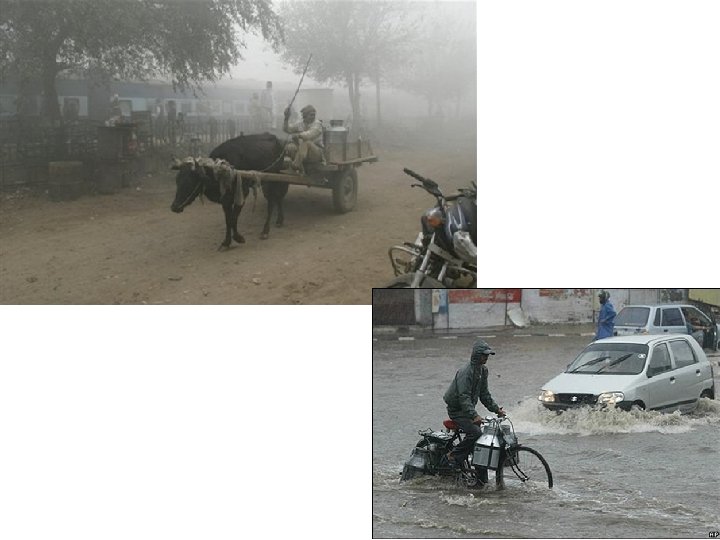
Milk Men in India
Dairy Farming: Regional Differences in Dairy Products 1. The farther the farm is from large urban concentrations, the smaller is the percentage of output devoted to fresh milk 2. Farms located farther from consumers are more likely to sell output to processors who make butter, cheese, or dried, evaporated, or condensed milk
Dairy Farming: Challenges for Dairy Farmers 1. Declining revenues and rising costs 2. Labor intensive (cows must be milked twice a day) 3. Expensive to feed cows in winter (need to purchase hay or grain for winter feed) 4. Number of farms with milk cows declined in U. S. by 2/3 s between 1980 and 2000
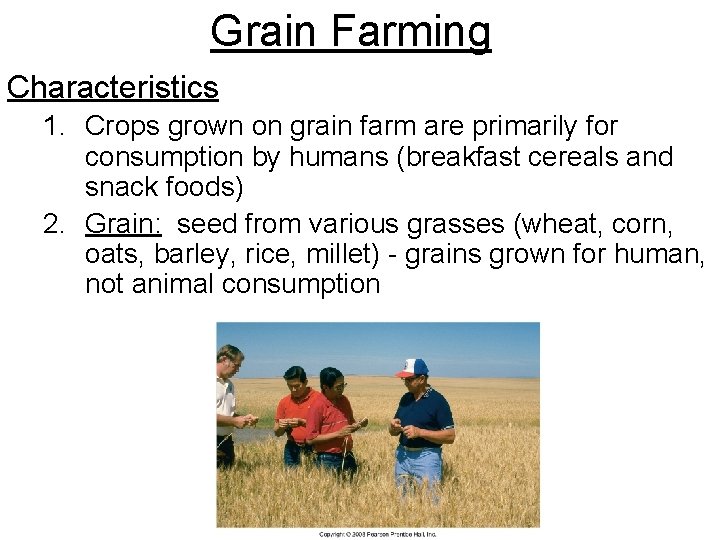
Grain Farming Characteristics 1. Crops grown on grain farm are primarily for consumption by humans (breakfast cereals and snack foods) 2. Grain: seed from various grasses (wheat, corn, oats, barley, rice, millet) - grains grown for human, not animal consumption
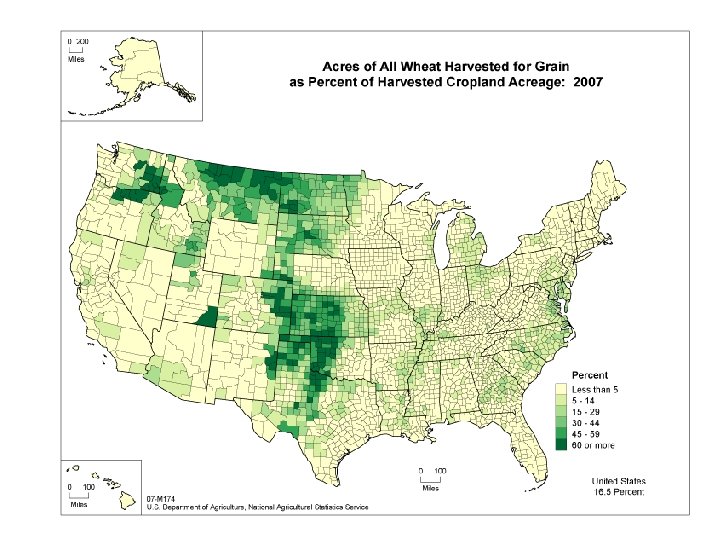
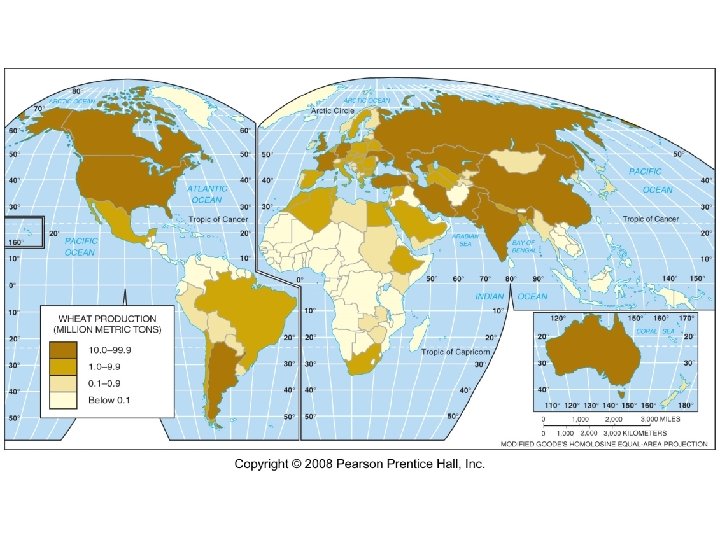
Grain Farming Choice of Crops 1. Most important crop is wheat, used to make bread flour 2. World’s leading export crop 3. North American prairies are labeled the world’s “breadbasket” 4. U. S. is largest commercial producer of grain (others are Canada, Argentina, Australia, France, and UK)
Grain Farming: Three Main Regions of Production 1. Winter-wheat belt: crop is planted in autumn and develops strong root system before growth stops in winter; wheat survives winter and is harvested in early summer (Kansas, Colorado, Oklahoma) 2. Spring-wheat belt: crop is planted in spring and harvested in late summer (Dakotas, Montana, southern Saskatchewan) 3. Palouse region of Washington state
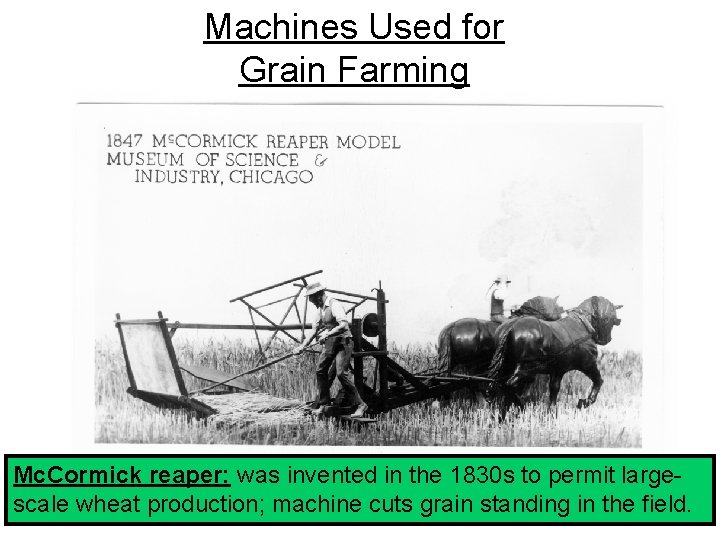
Machines Used for Grain Farming Mc. Cormick reaper: was invented in the 1830 s to permit largescale wheat production; machine cuts grain standing in the field.
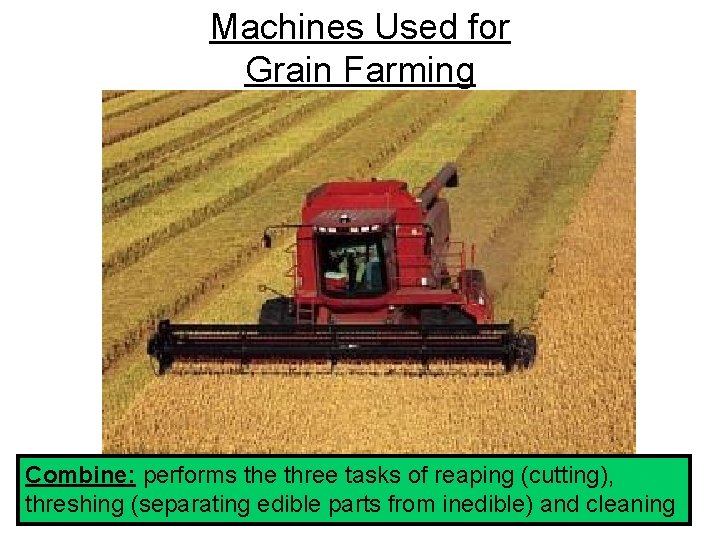
Machines Used for Grain Farming Combine: performs the three tasks of reaping (cutting), threshing (separating edible parts from inedible) and cleaning
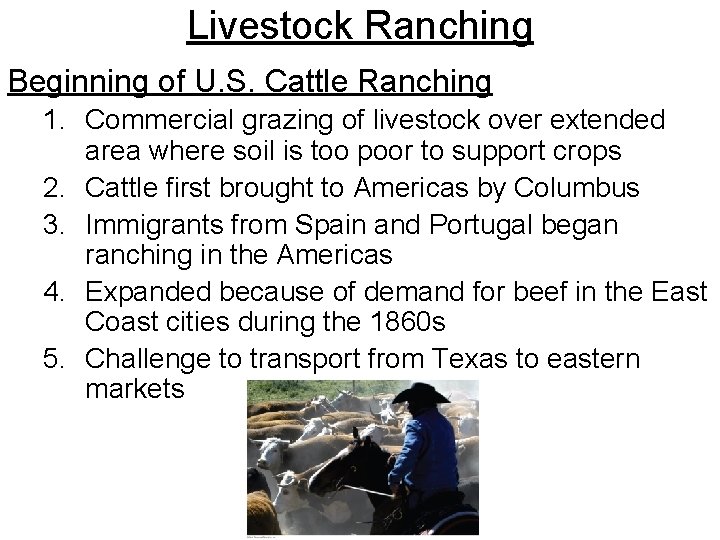
Livestock Ranching Beginning of U. S. Cattle Ranching 1. Commercial grazing of livestock over extended area where soil is too poor to support crops 2. Cattle first brought to Americas by Columbus 3. Immigrants from Spain and Portugal began ranching in the Americas 4. Expanded because of demand for beef in the East Coast cities during the 1860 s 5. Challenge to transport from Texas to eastern markets
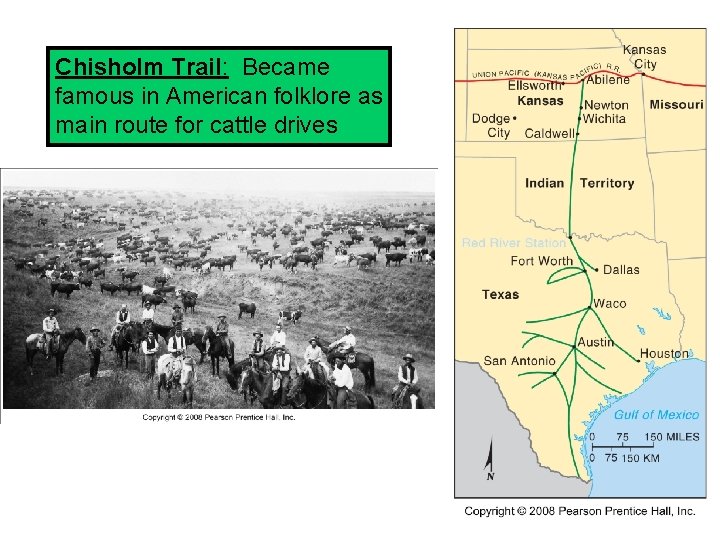
Chisholm Trail: Became famous in American folklore as main route for cattle drives
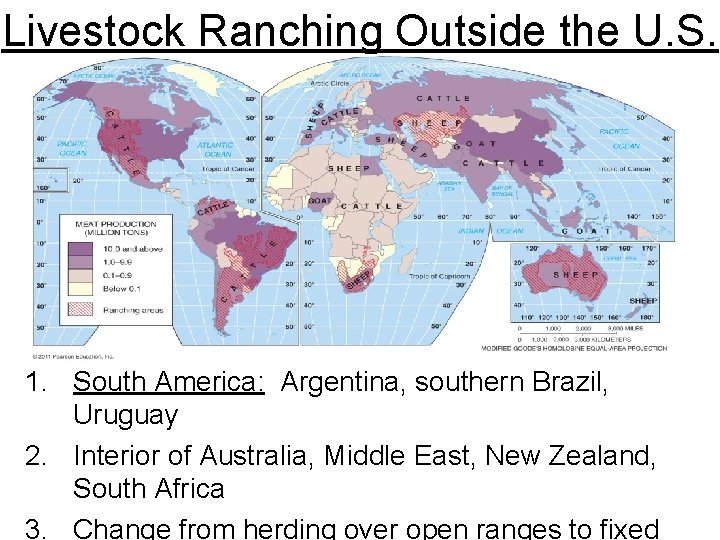
Livestock Ranching Outside the U. S. 1. South America: Argentina, southern Brazil, Uruguay 2. Interior of Australia, Middle East, New Zealand, South Africa 3. Change from herding over open ranges to fixed
Mediterranean Agriculture Characteristics 1. Exists on lands that border the Mediterranean Sea in Southern Europe, North Africa, and western Asia (also California, Chile, South Africa, and Australia) 2. Similar Physical Characteristics a. Borders a sea b. Mostly on west coasts of continents c. Moderate climate d. Land is hilly
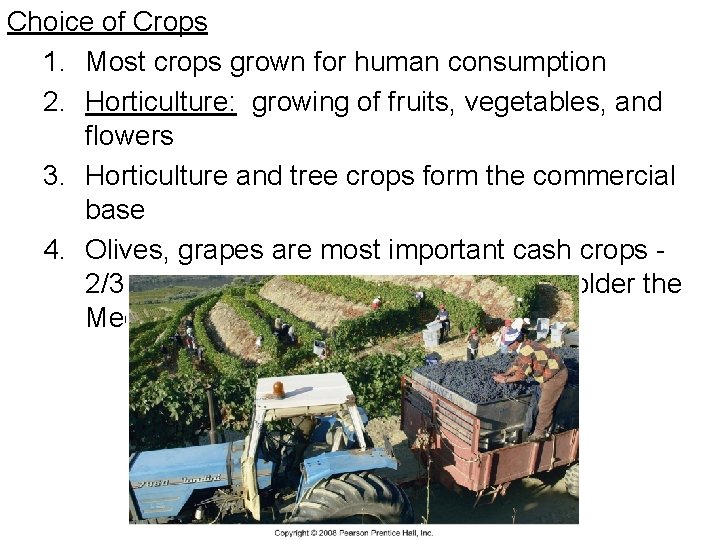
Choice of Crops 1. Most crops grown for human consumption 2. Horticulture: growing of fruits, vegetables, and flowers 3. Horticulture and tree crops form the commercial base 4. Olives, grapes are most important cash crops 2/3 of wine produced in countries that bolder the Mediterranean (Italy, France, Spain)
Commercial Gardening and Fruit Farming Characteristics 1. Predominant type of agriculture in U. S. Southeast 2. Long growing season, humid climate, and accessibility to large markets 3. Called truck farming because truck was a Middle English word for barter
Commercial Gardening and Fruit Farming Truck Farming: 1. Predominant in Southeast U. S. 2. Grow apples, asparagus, cherries, lettuce, mushrooms, and tomatoes 3. Most are sold to large processors for canning or freezing 4. Maximize efficiency (experiment with seeds, fertilizers and hire migrant farm workers) 5. Specialty farming (demand among affluent consumers for asparagus, peppers, mushrooms, strawberries and nursery plants)