TOPIC Classification AIM What is classification Thousands of
- Slides: 32
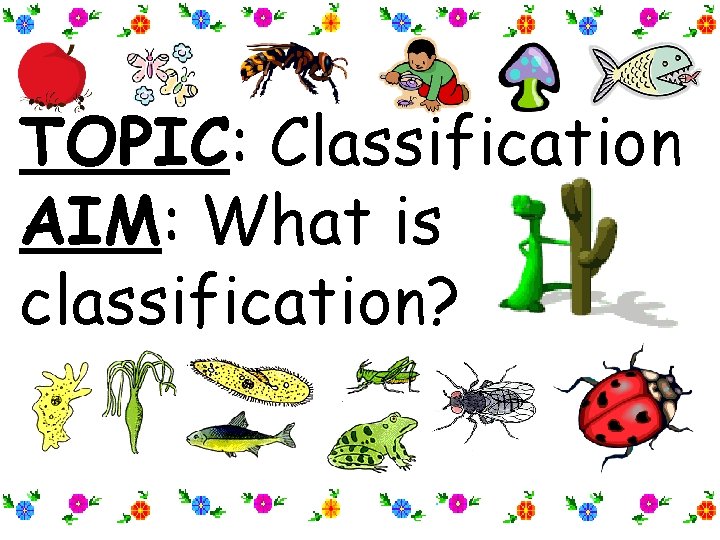
TOPIC: Classification AIM: What is classification?
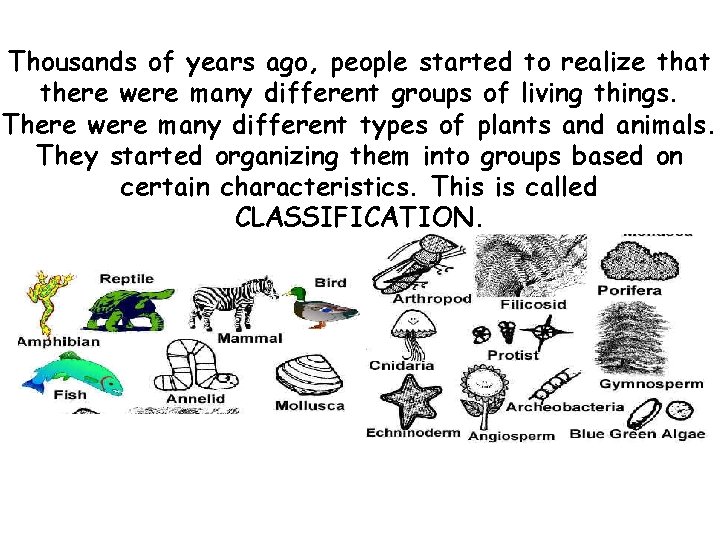
Thousands of years ago, people started to realize that there were many different groups of living things. There were many different types of plants and animals. They started organizing them into groups based on certain characteristics. This is called CLASSIFICATION.
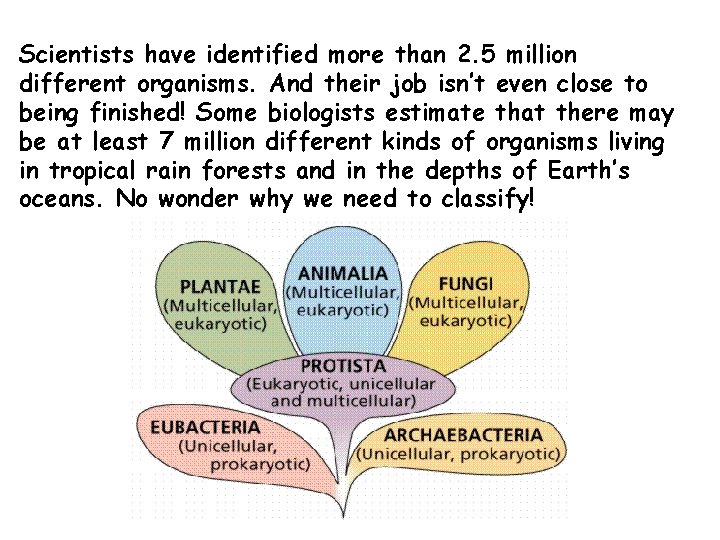
Scientists have identified more than 2. 5 million different organisms. And their job isn’t even close to being finished! Some biologists estimate that there may be at least 7 million different kinds of organisms living in tropical rain forests and in the depths of Earth’s oceans. No wonder why we need to classify!
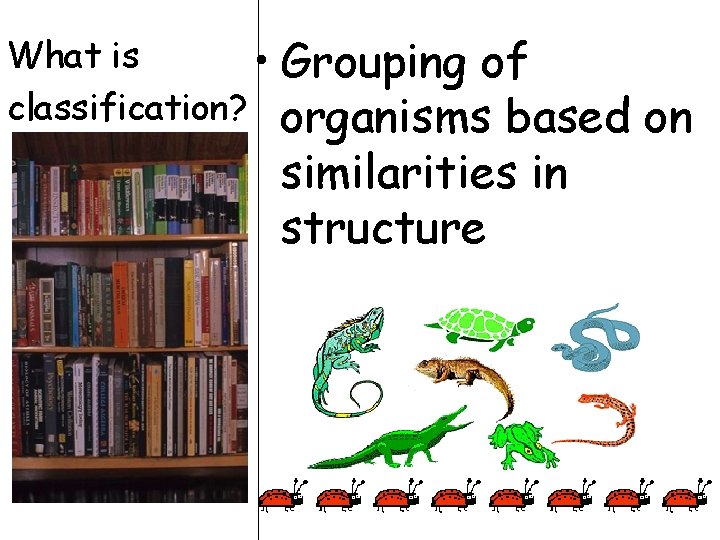
What is • Grouping of classification? organisms based similarities in structure on
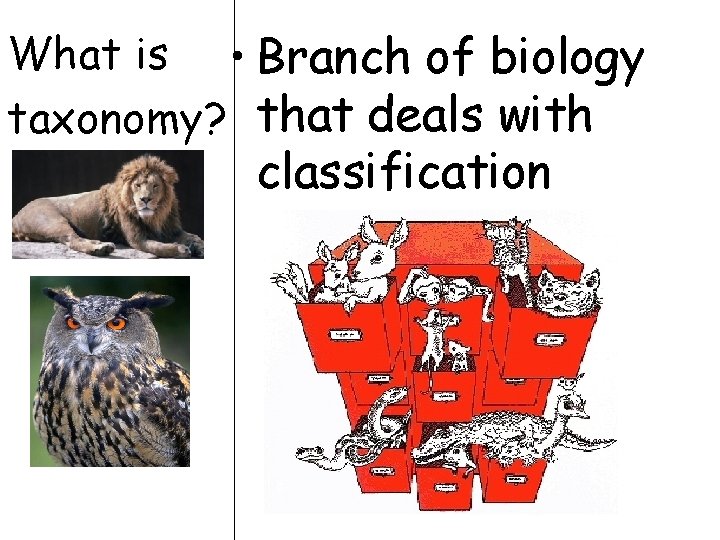
What is • Branch of biology taxonomy? that deals with classification
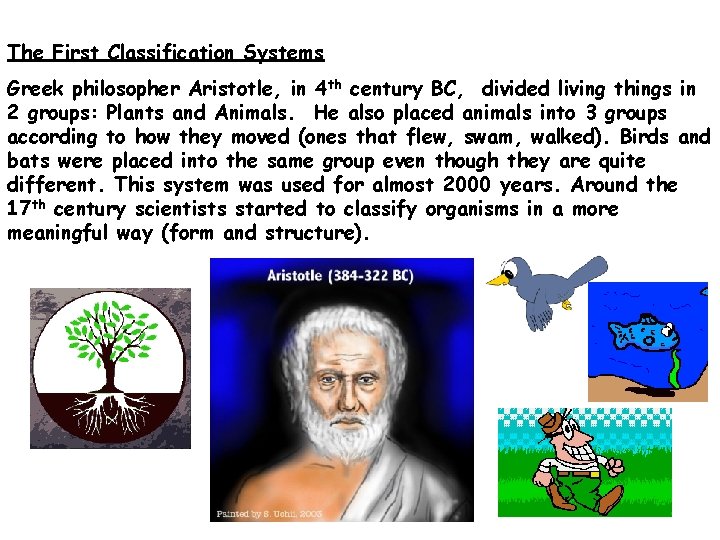
The First Classification Systems Greek philosopher Aristotle, in 4 th century BC, divided living things in 2 groups: Plants and Animals. He also placed animals into 3 groups according to how they moved (ones that flew, swam, walked). Birds and bats were placed into the same group even though they are quite different. This system was used for almost 2000 years. Around the 17 th century scientists started to classify organisms in a more meaningful way (form and structure).
Today’s classification system is based on the work of Swedish scientist Carolus Linnaeus. He classified living things as plants or animals but grouped them according to similarities in form and structure. He used a system that consisted of groups within larger groups.
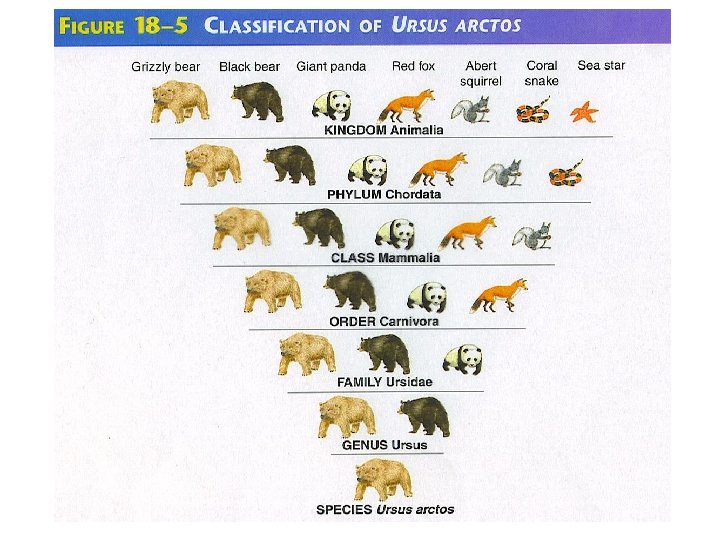
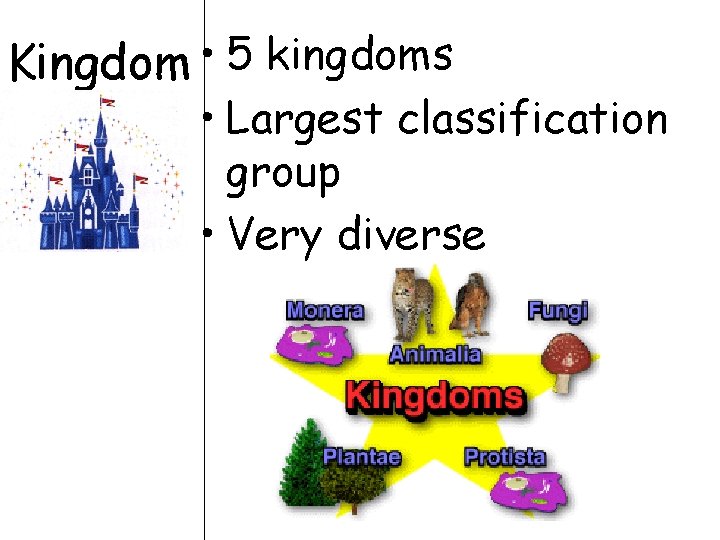
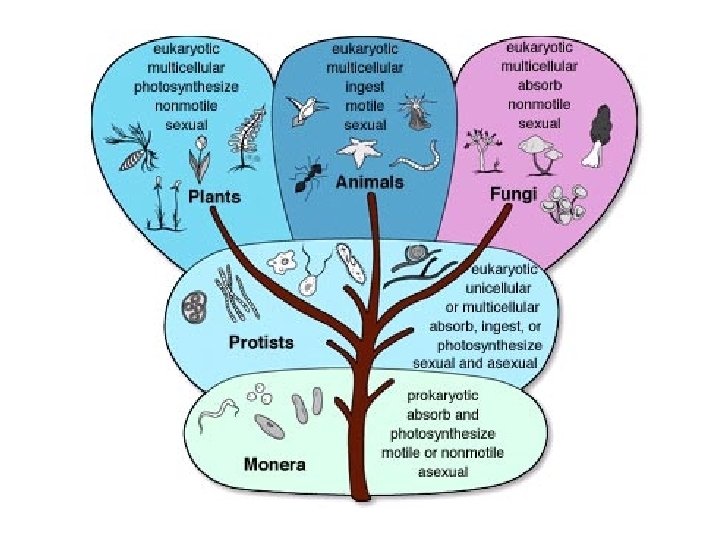
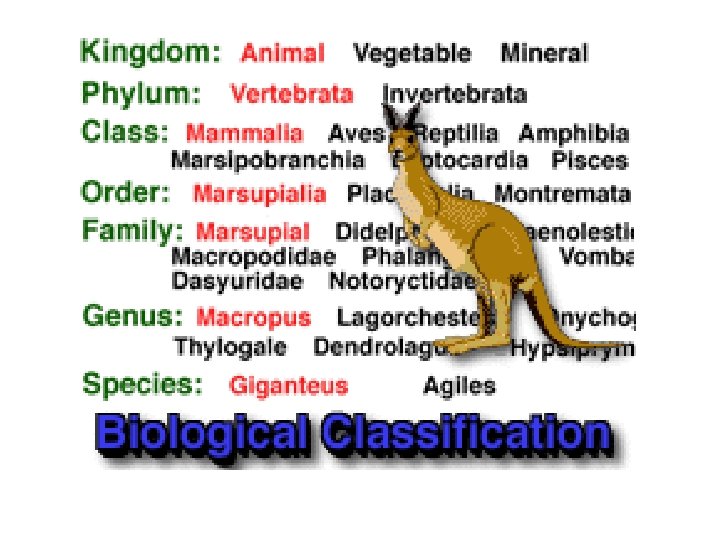
What • Carolus Linnaeus classification (1700’s) system do we use? • All organisms are divided into 5 Kingdoms and 7 levels of classification
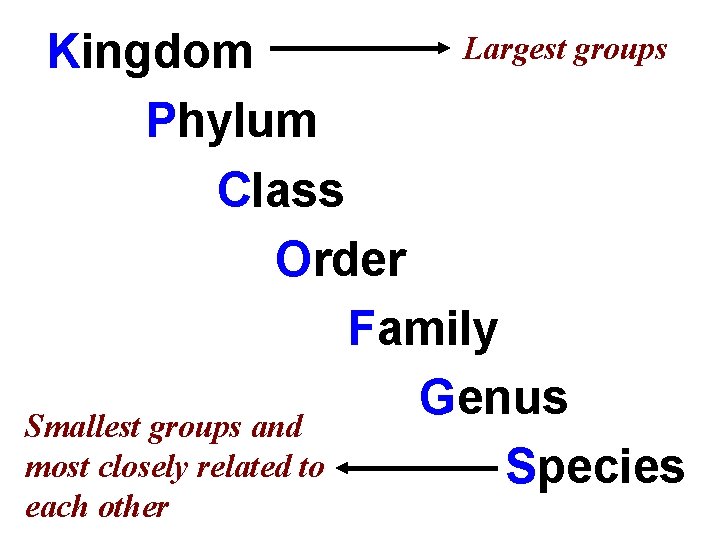
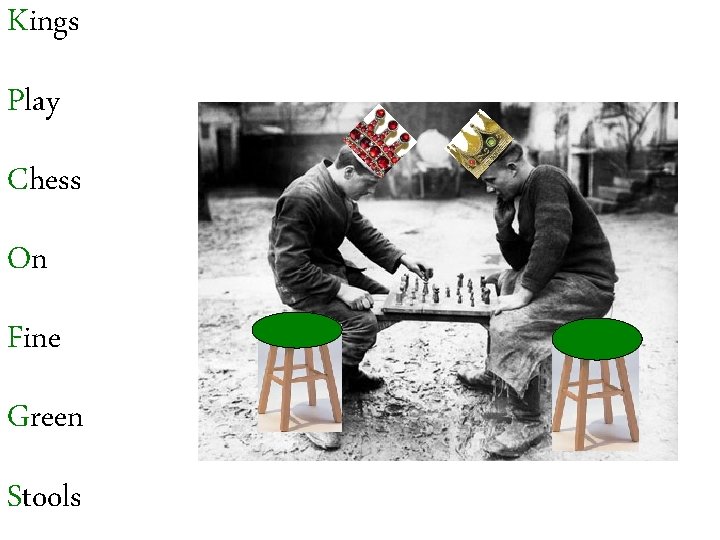
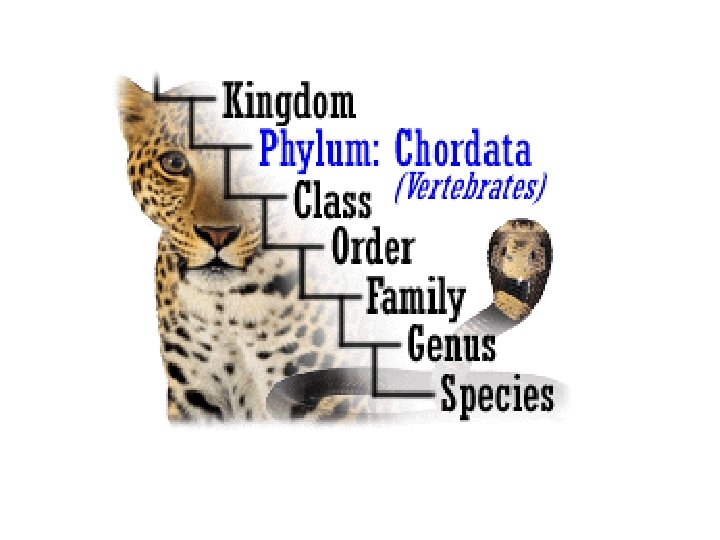
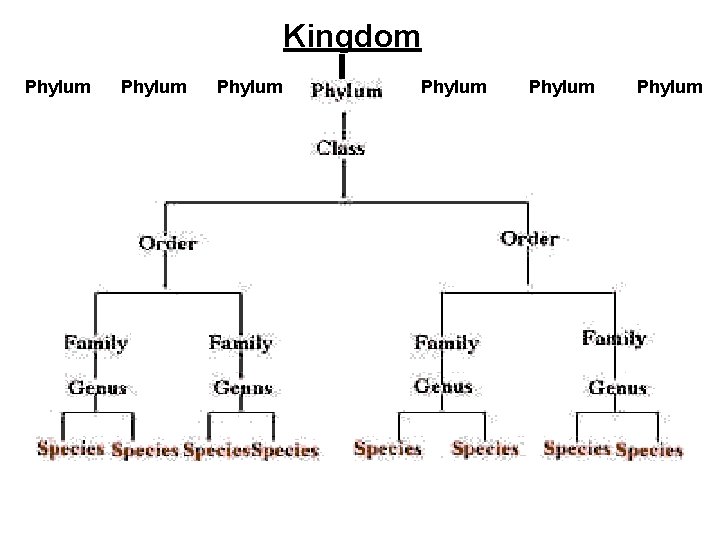
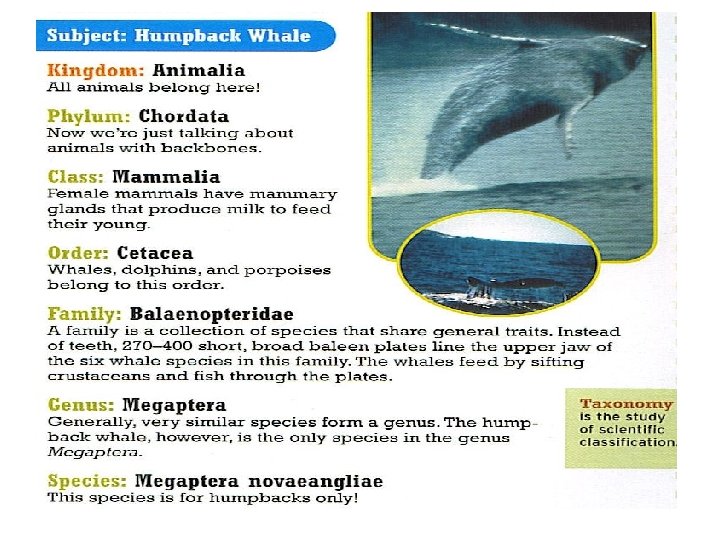
Largest groups Kingdom Phylum Class Order Family Genus Smallest groups and most closely related to Species each other
Kings Play Chess On Fine Green Stools
Kingdom • 5 kingdoms • Largest classification group • Very diverse
• One kind of organism Species • Can produce fertile offspring with each other
Kingdom Phylum Phylum
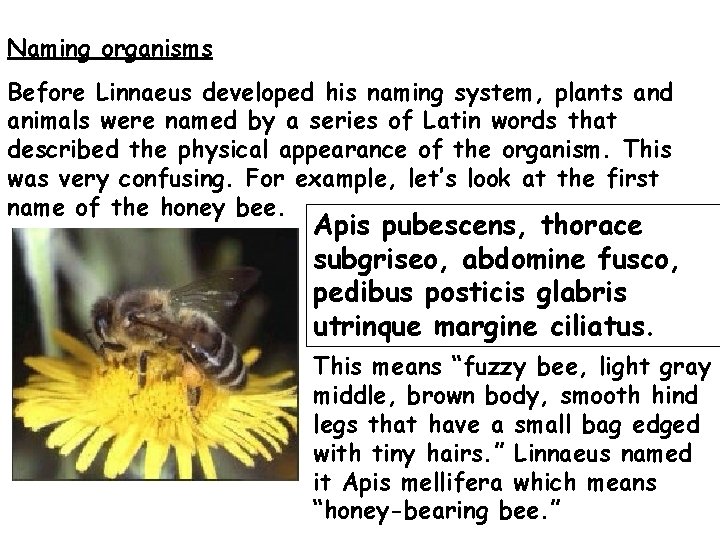
Naming organisms Before Linnaeus developed his naming system, plants and animals were named by a series of Latin words that described the physical appearance of the organism. This was very confusing. For example, let’s look at the first name of the honey bee. Apis pubescens, thorace subgriseo, abdomine fusco, pedibus posticis glabris utrinque margine ciliatus. This means “fuzzy bee, light gray middle, brown body, smooth hind legs that have a small bag edged with tiny hairs. ” Linnaeus named it Apis mellifera which means “honey-bearing bee. ”
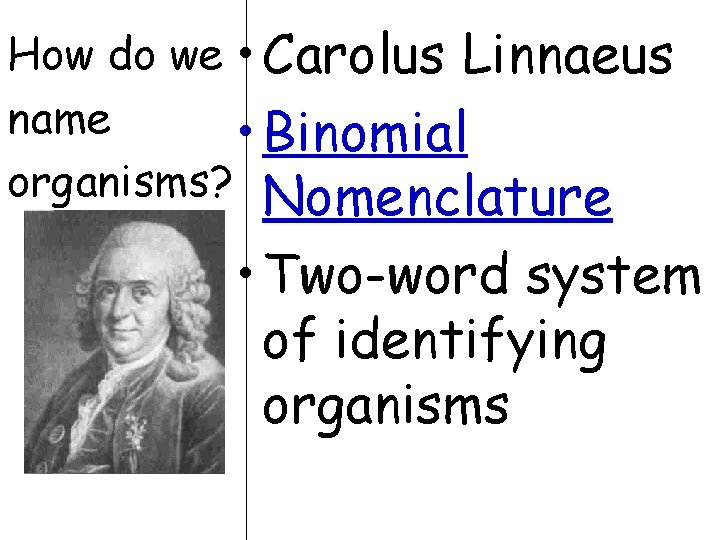
How do we • Carolus Linnaeus name • Binomial organisms? Nomenclature • Two-word system of identifying organisms
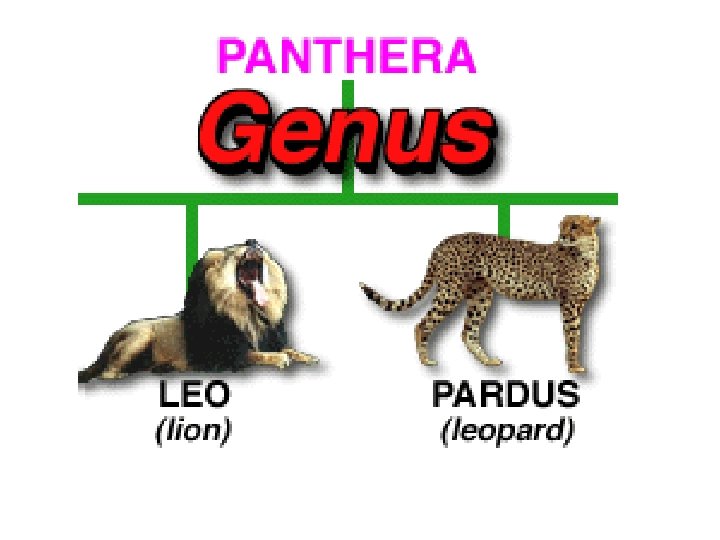
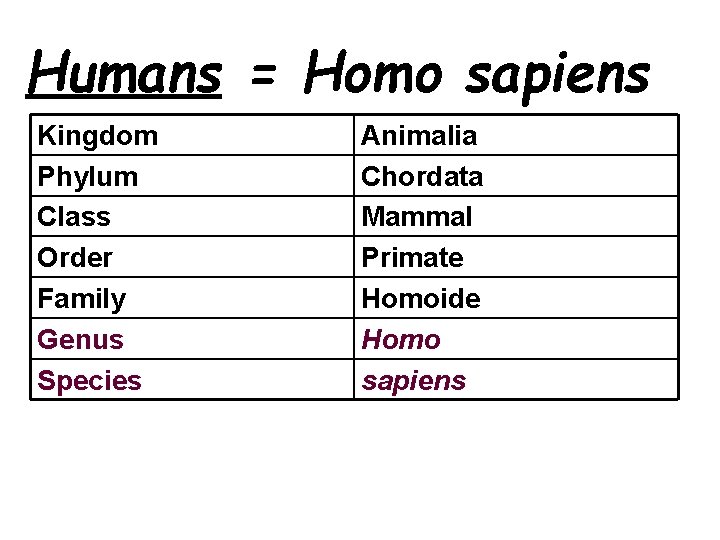
• Genus species • Examples: • Humans Homo sapiens • Homo = Genus • sapiens = species
Humans = Homo sapiens Kingdom Phylum Class Order Family Genus Species Animalia Chordata Mammal Primate Homoide Homo sapiens
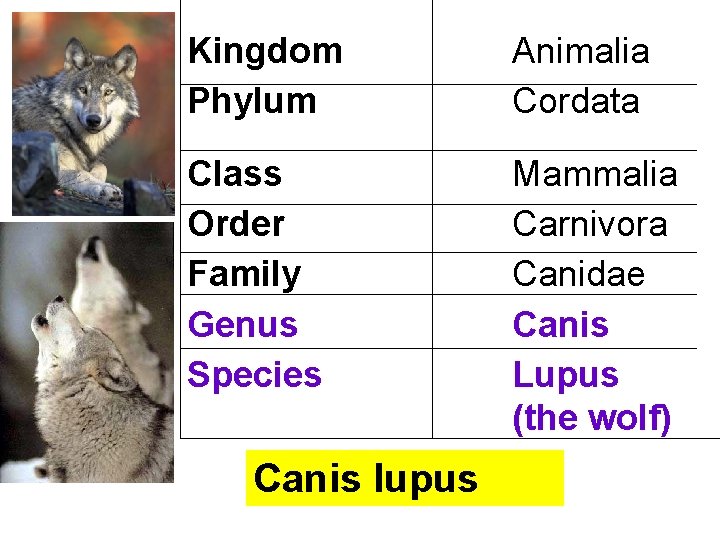
Kingdom Phylum Animalia Cordata Class Order Family Genus Species Mammalia Carnivora Canidae Canis Lupus (the wolf) Canis lupus
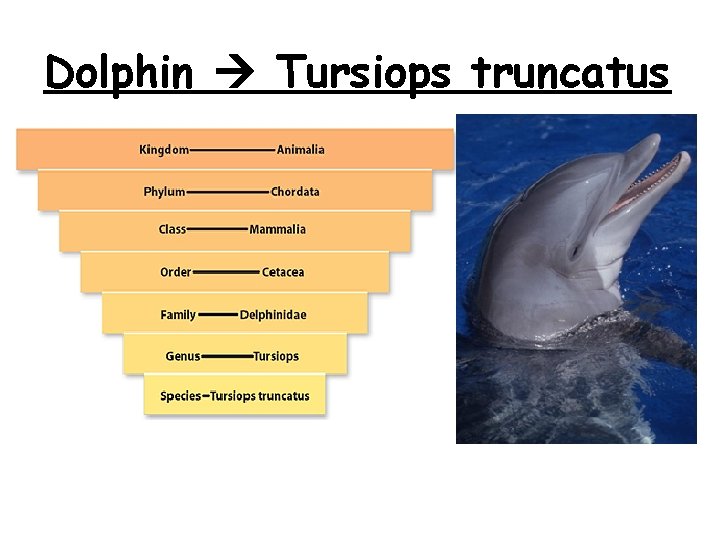
Dolphin Tursiops truncatus
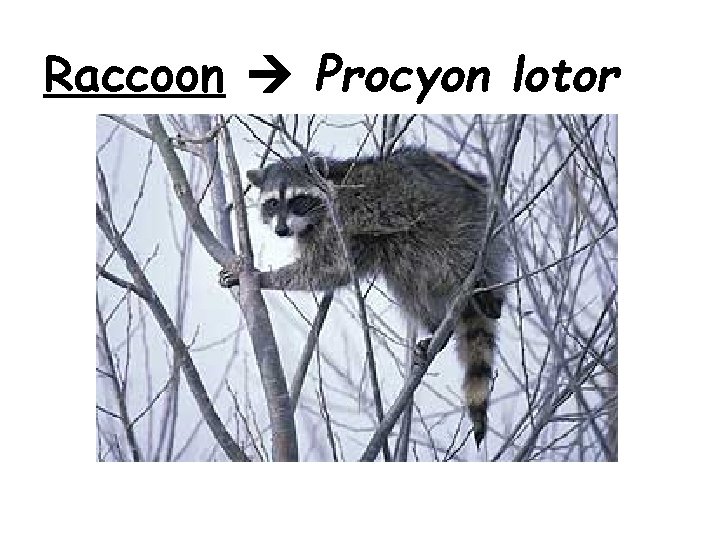
Raccoon Procyon lotor
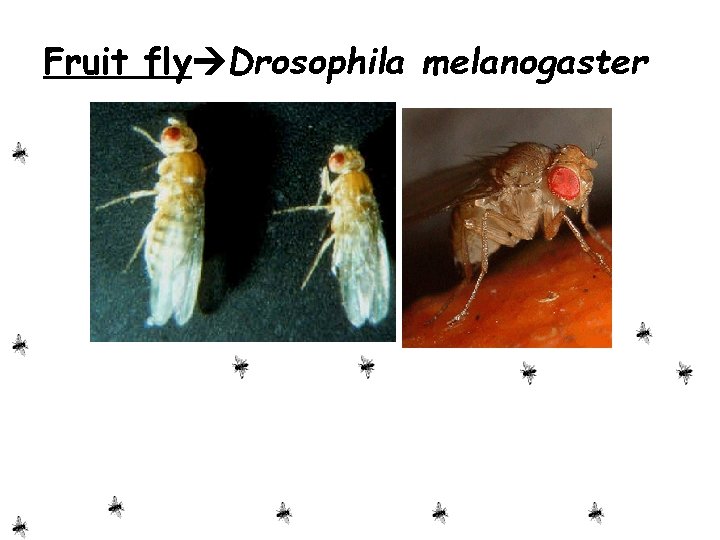
Fruit fly Drosophila melanogaster
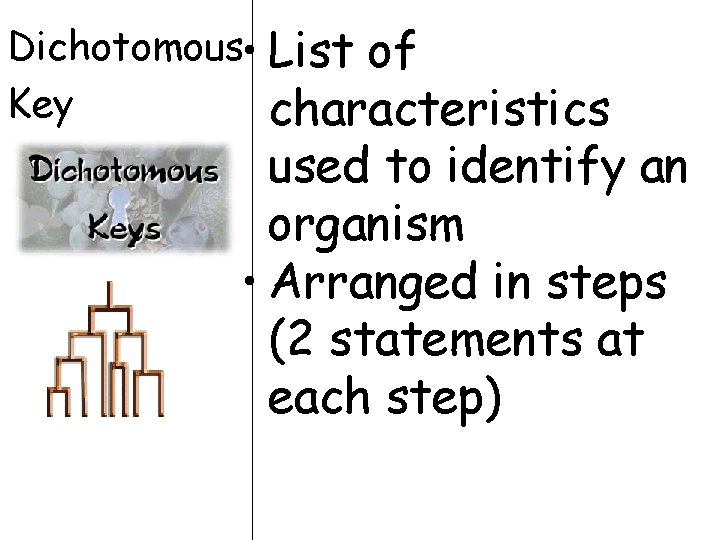
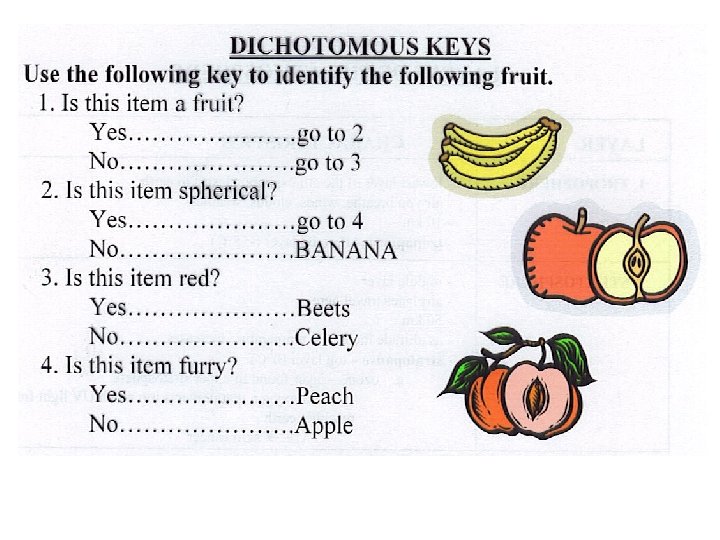
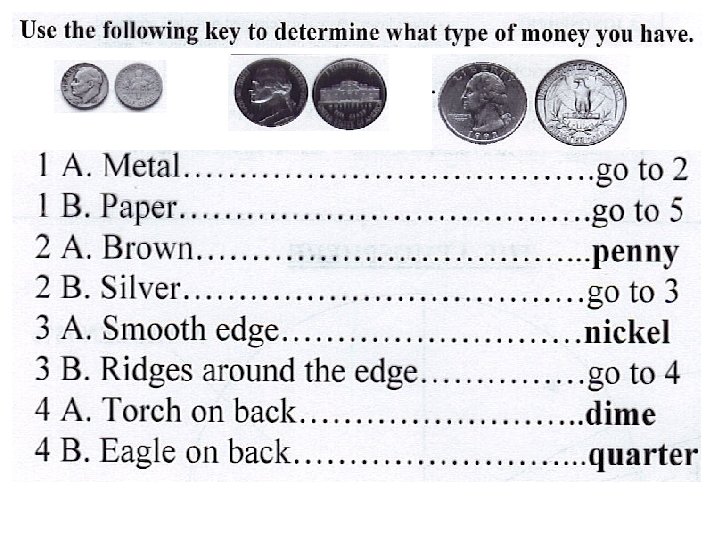
Dichotomous • List of Key characteristics used to identify an organism • Arranged in steps (2 statements at each step)