
Topic 8 Lesson 2 Workings of a generator
- Slides: 24
Topic 8 – Lesson 2 • • Workings of a generator Energy sources Renewable and non-renewable Energy density
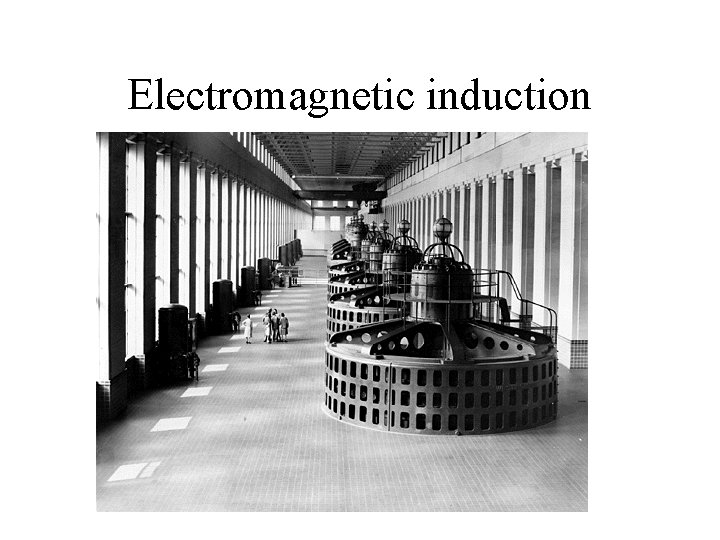
Electromagnetic induction
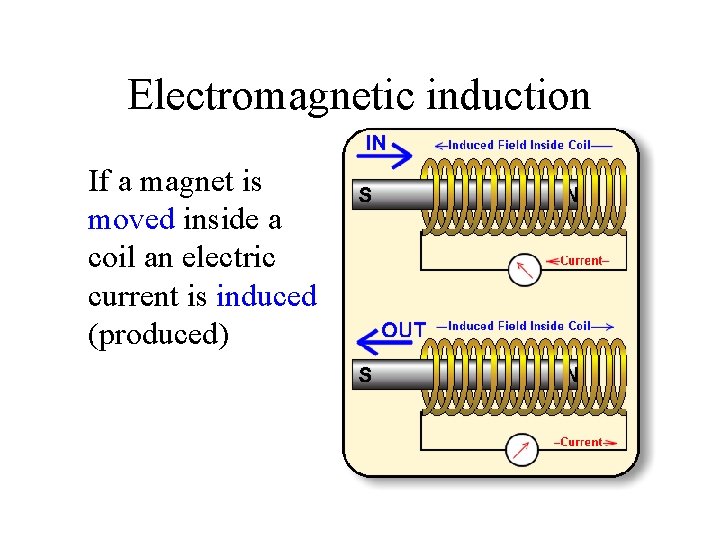
Electromagnetic induction If a magnet is moved inside a coil an electric current is induced (produced)
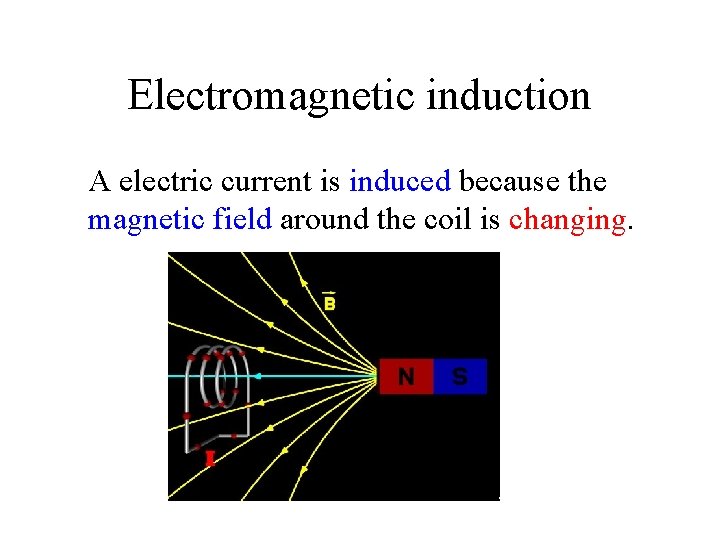
Electromagnetic induction A electric current is induced because the magnetic field around the coil is changing.
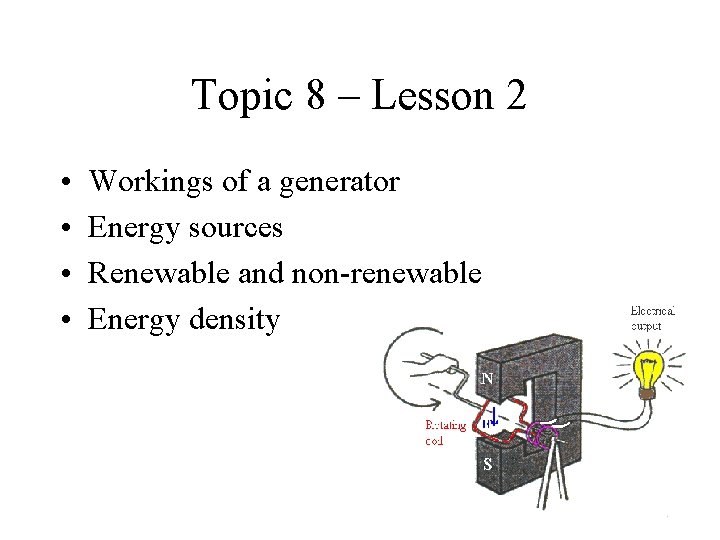
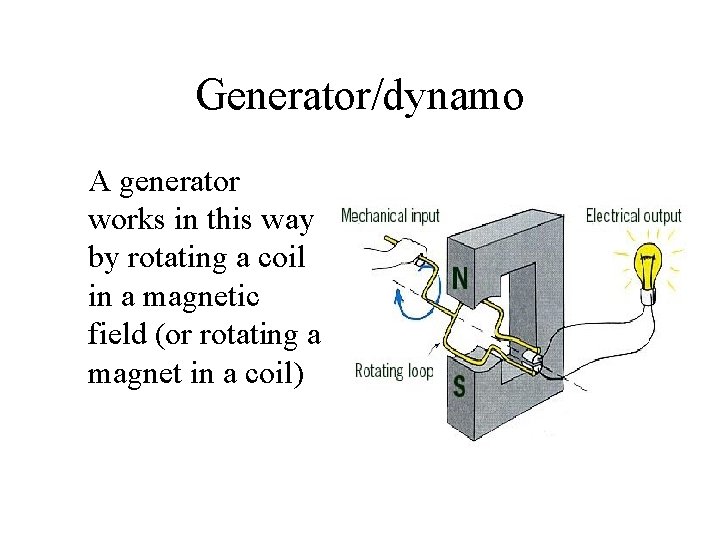
Generator/dynamo A generator works in this way by rotating a coil in a magnetic field (or rotating a magnet in a coil)
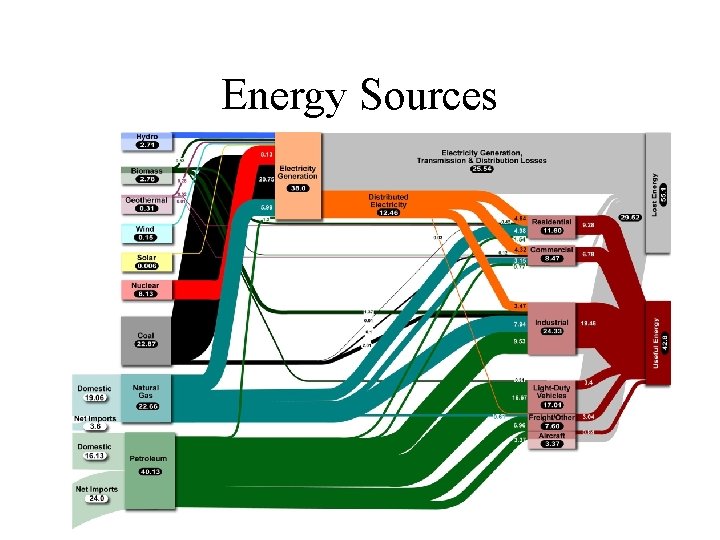
Energy Sources
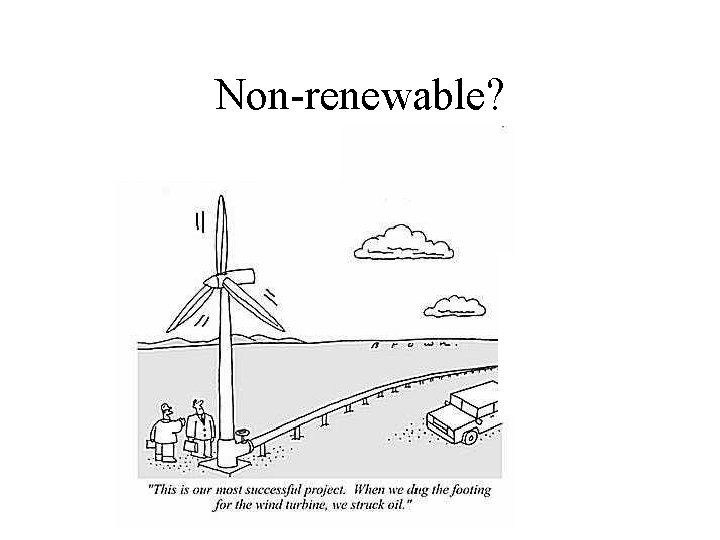
Non-renewable?
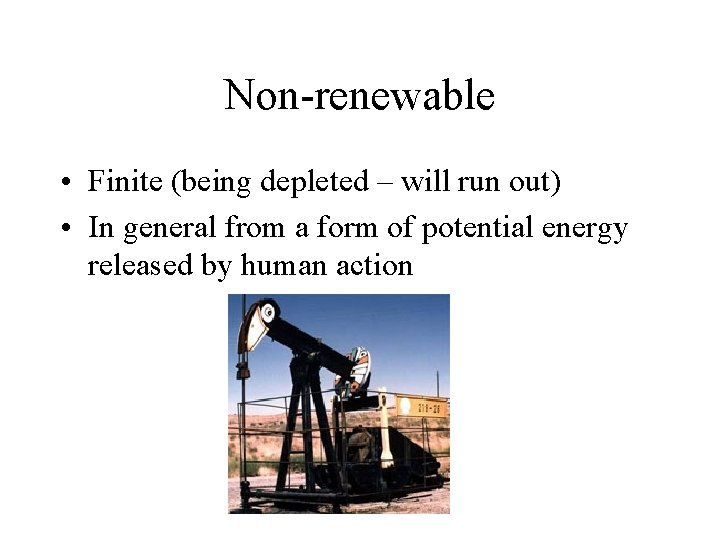
Non-renewable • Finite (being depleted – will run out) • In general from a form of potential energy released by human action
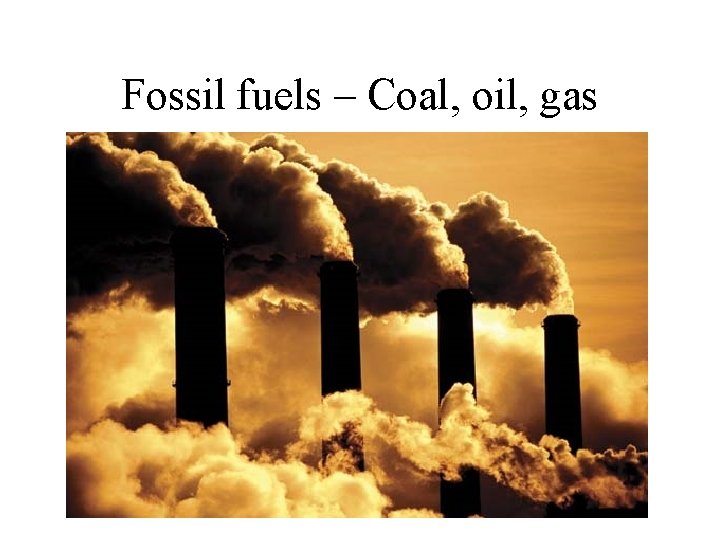
Fossil fuels – Coal, oil, gas
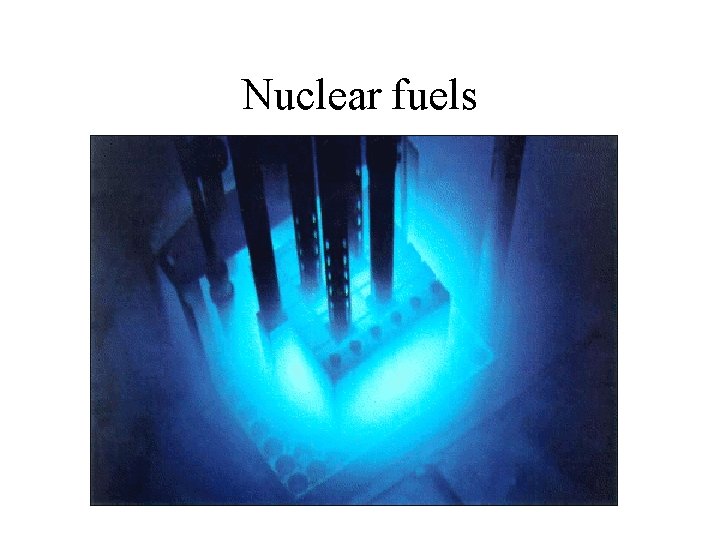
Nuclear fuels
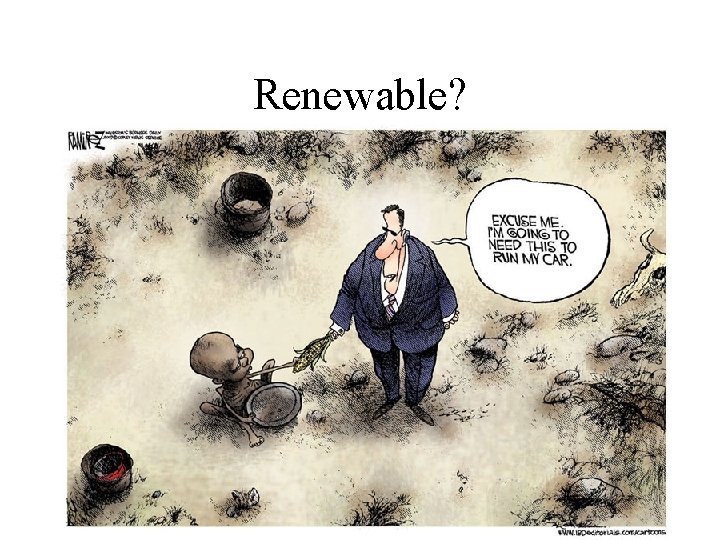
Renewable?
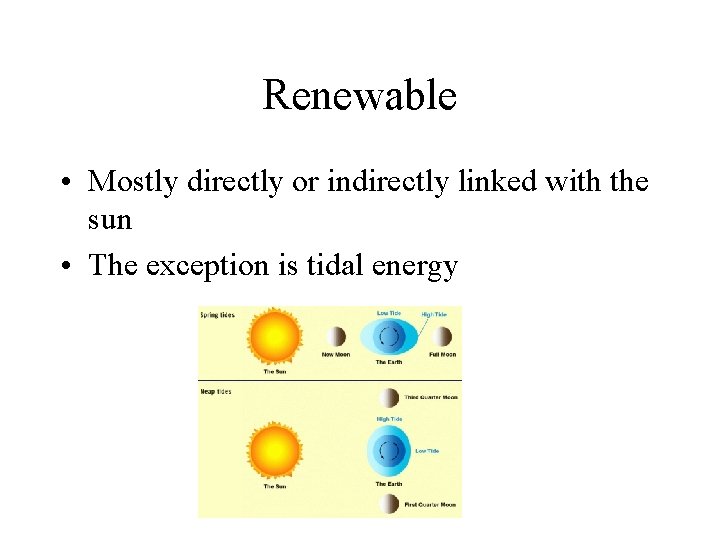
Renewable • Mostly directly or indirectly linked with the sun • The exception is tidal energy
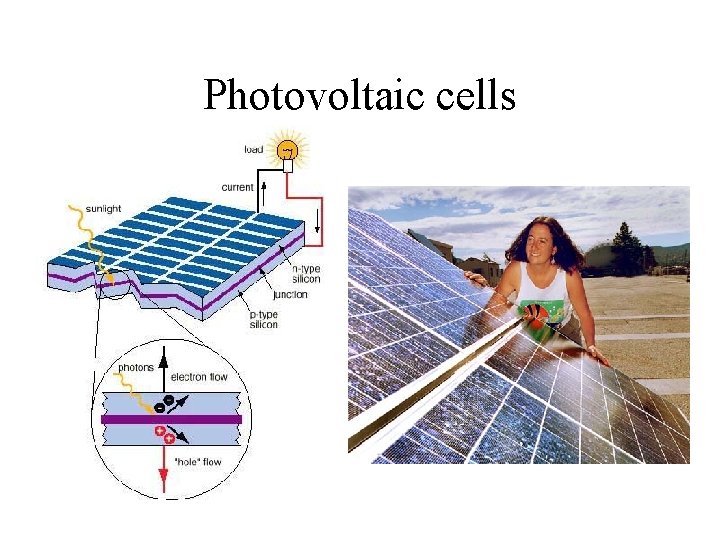
Photovoltaic cells
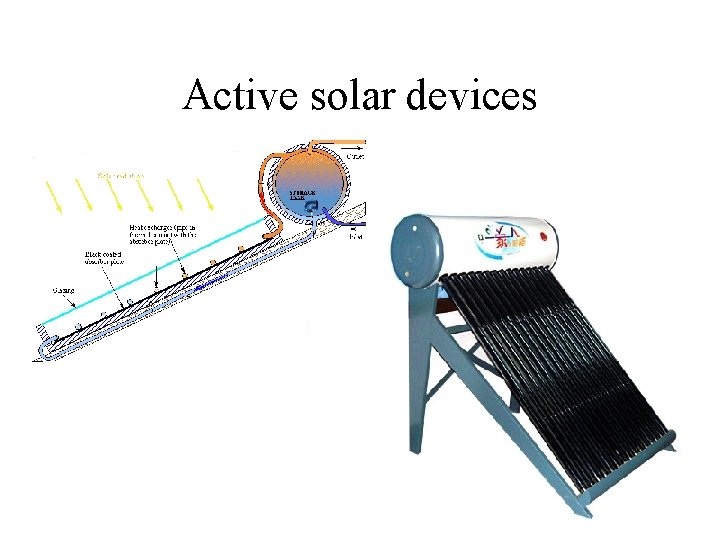
Active solar devices
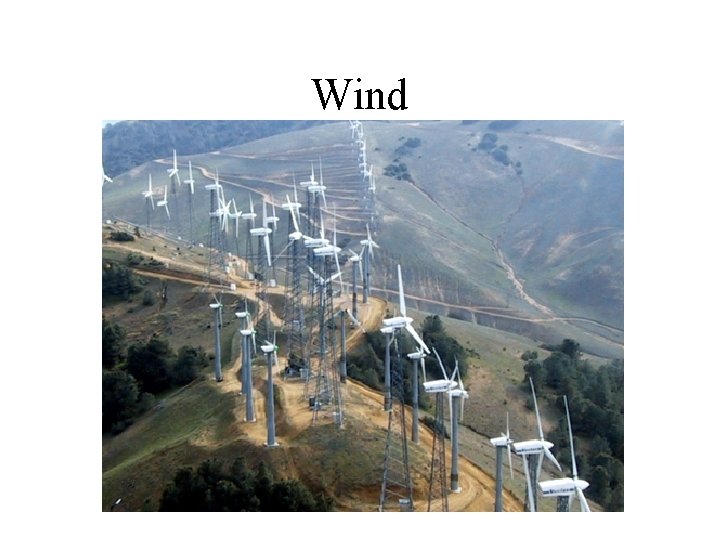
Wind
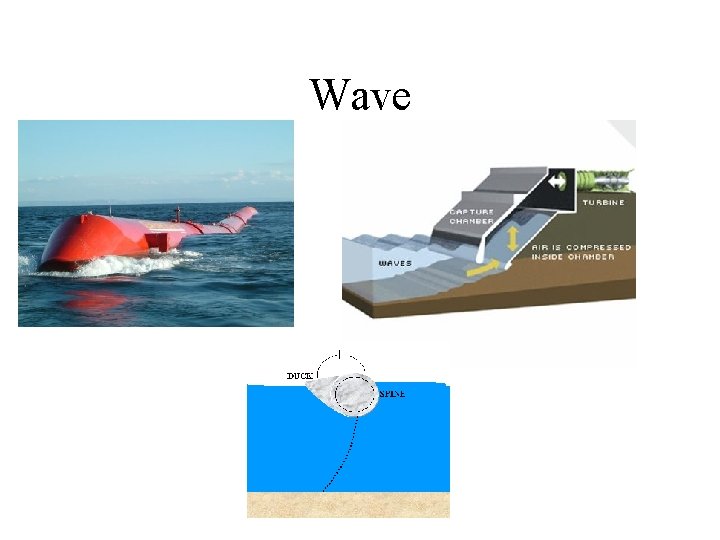
Wave
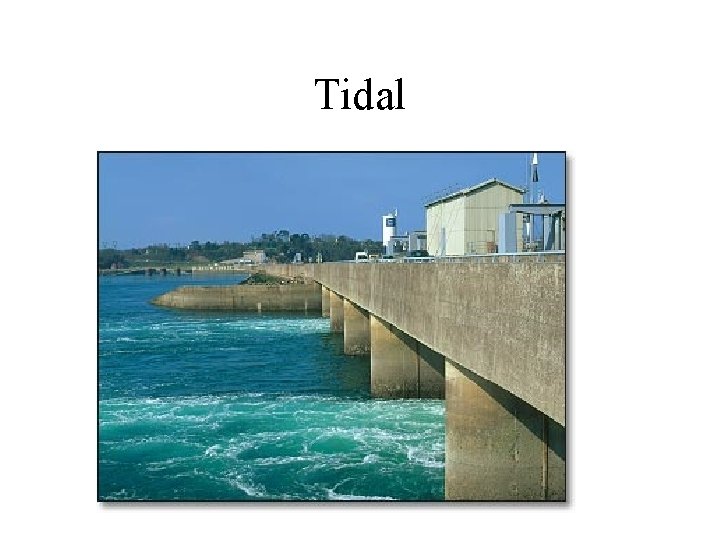
Tidal
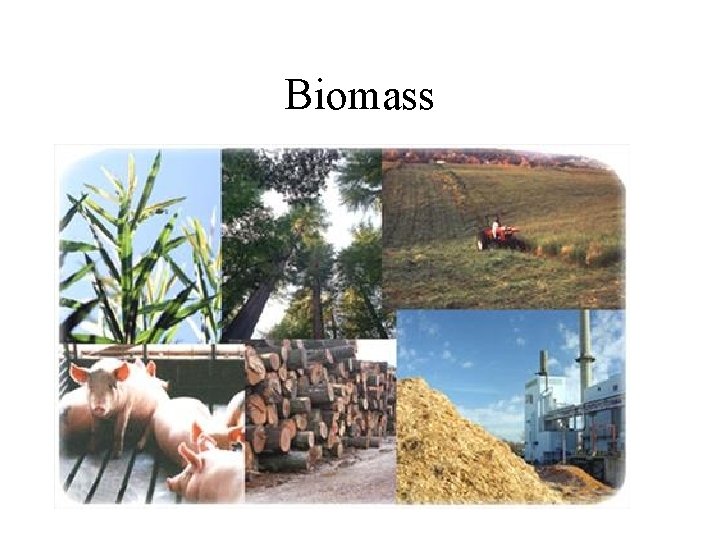
Biomass
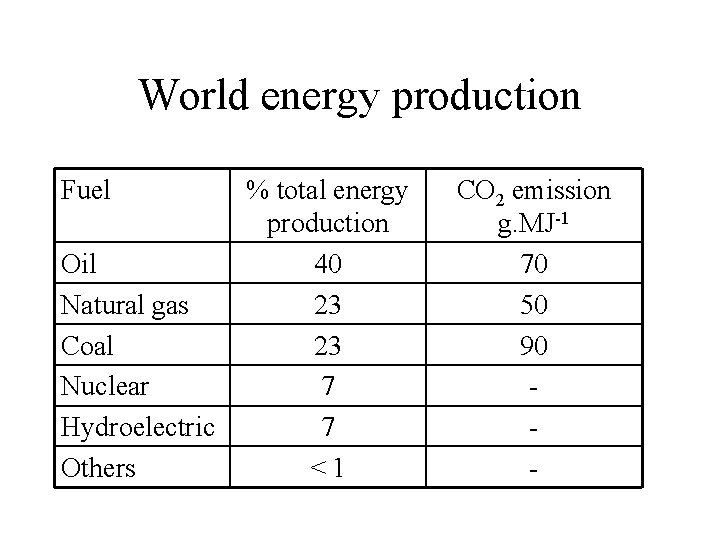
World energy production Fuel Oil Natural gas Coal Nuclear Hydroelectric Others % total energy production 40 23 23 7 7 <1 CO 2 emission g. MJ-1 70 50 90 -
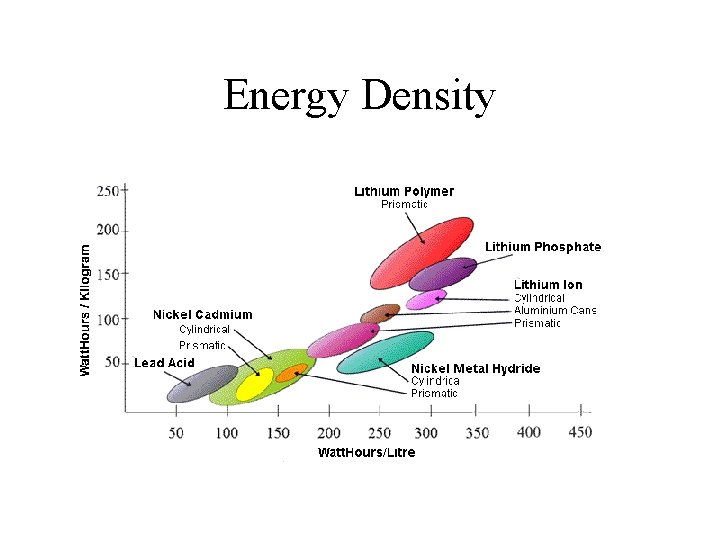
Energy Density
Energy Density • The energy that can be obtained from a unit mass of the fuel • J. kg-1 • If the fuel is burnt the energy density is simply the heat of combustion
Energy density • • Coal - 30 MJ. kg-1 Wood - 16 MJ. kg-1 Gasoline – 47 MJ. kg-1 Uranium – 7 x 10⁴ GJ. kg-1 (70000000 MJ. kg-1)
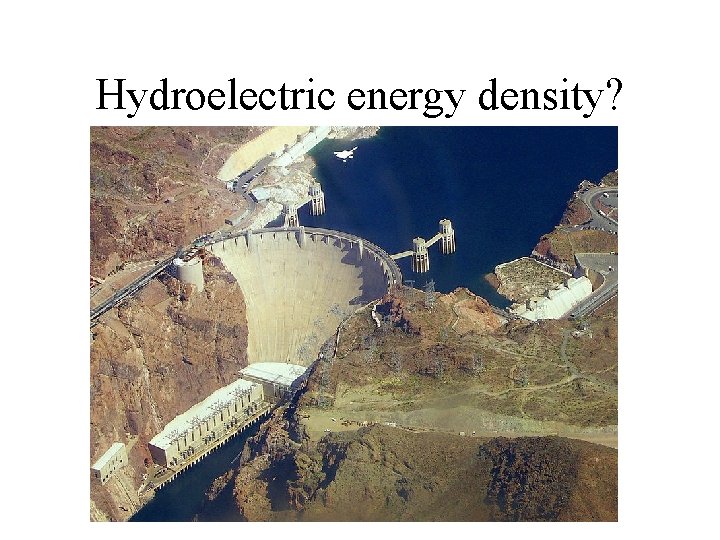
Hydroelectric energy density?
Hydroelectric energy density? • Imagine 1 kg falling 100 m. • Energy loss = mgh = 1 x 100 = 103 J • If all of this is turned into electrical energy it gives an “energy density” of the “fuel” of 103 J. kg-1