
Topic 5 Preparing for the world of work
- Slides: 29
Topic 5: Preparing for the world of work
Activity 1: My skills
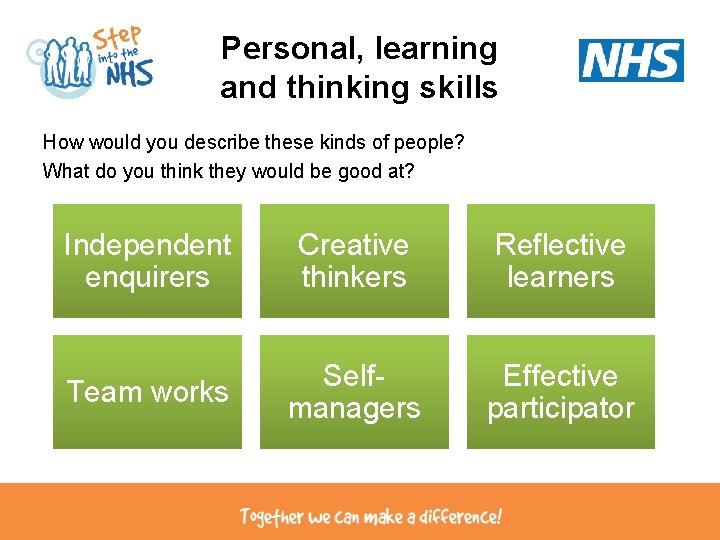
Personal, learning and thinking skills How would you describe these kinds of people? What do you think they would be good at? Independent enquirers Creative thinkers Reflective learners Team works Selfmanagers Effective participator
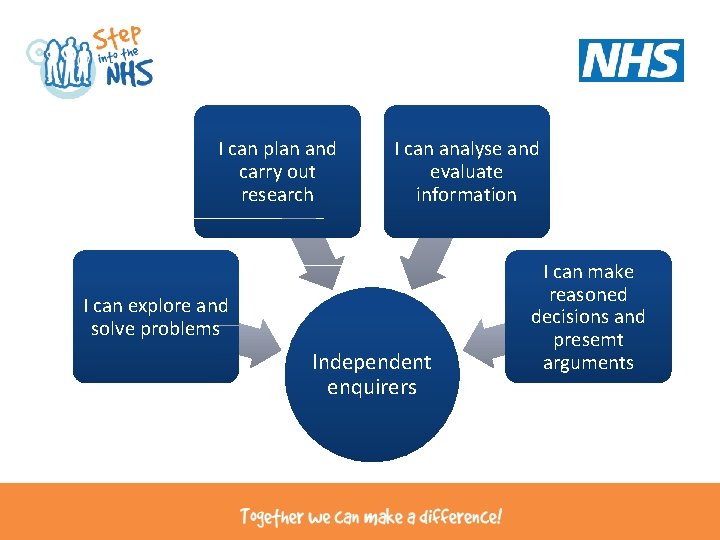
I can plan and carry out research I can analyse and evaluate information I can explore and solve problems Independent enquirers I can make reasoned decisions and presemt arguments
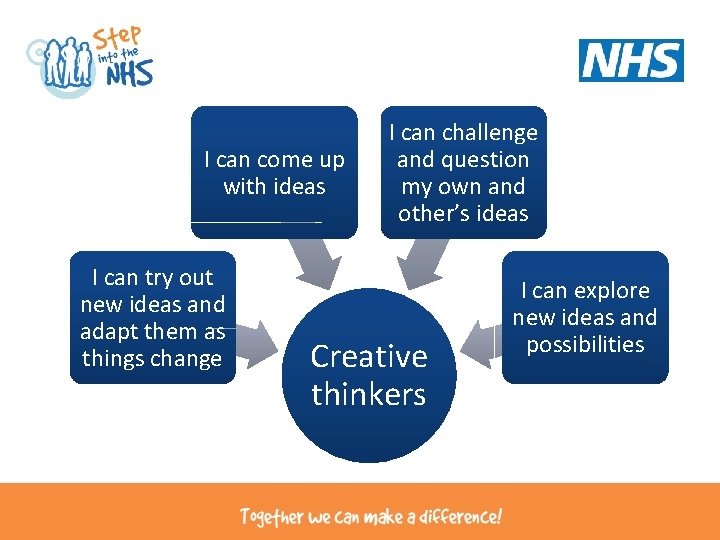
I can come up with ideas I can try out new ideas and adapt them as things change I can challenge and question my own and other’s ideas Creative thinkers I can explore new ideas and possibilities
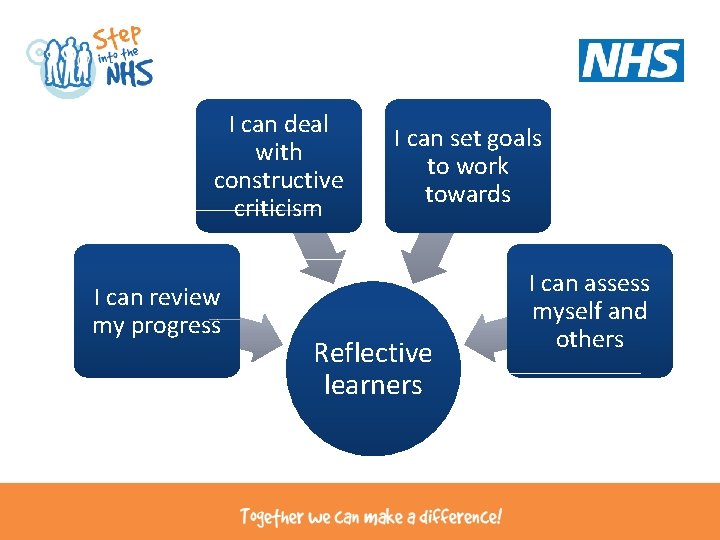
I can deal with constructive criticism I can review my progress I can set goals to work towards Reflective learners I can assess myself and others
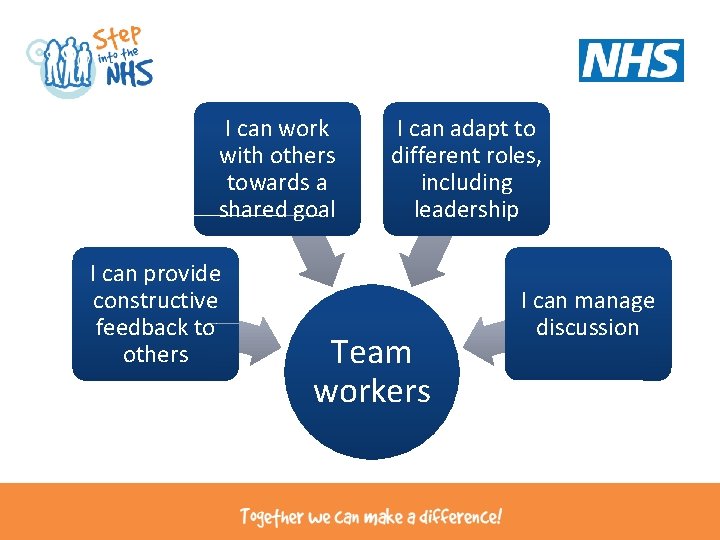
I can work with others towards a shared goal I can provide constructive feedback to others I can adapt to different roles, including leadership Team workers I can manage discussion
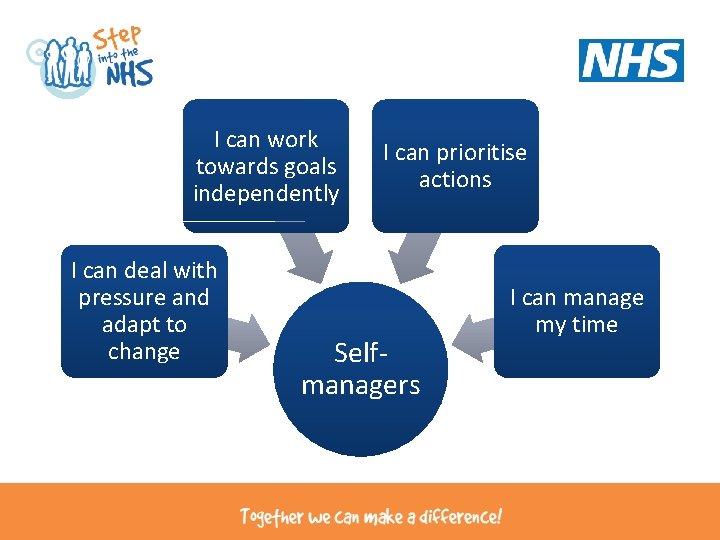
I can work towards goals independently I can deal with pressure and adapt to change I can prioritise actions Selfmanagers I can manage my time
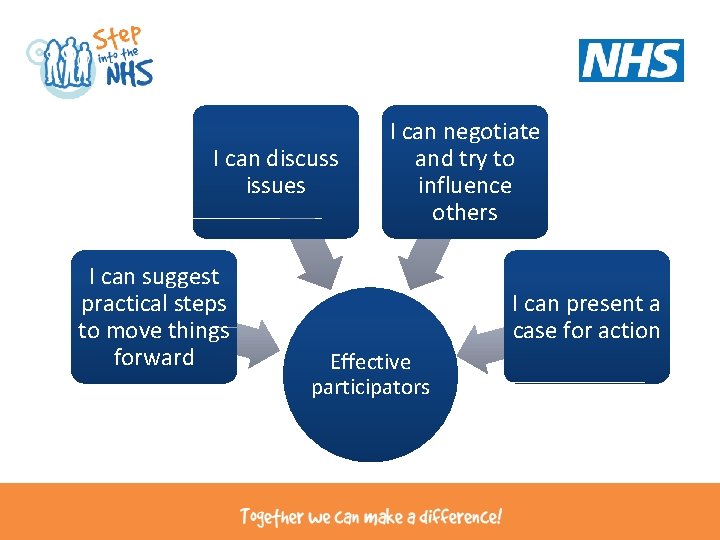
I can discuss issues I can suggest practical steps to move things forward I can negotiate and try to influence others I can present a case for action Effective participators
Personal, learning and thinking skills are the skills and qualities that will help you to succeed in work. They are things that employers will look for in their employees. When applying for jobs, it is good to demonstrate that you have these skills and this can be shown through your experience.
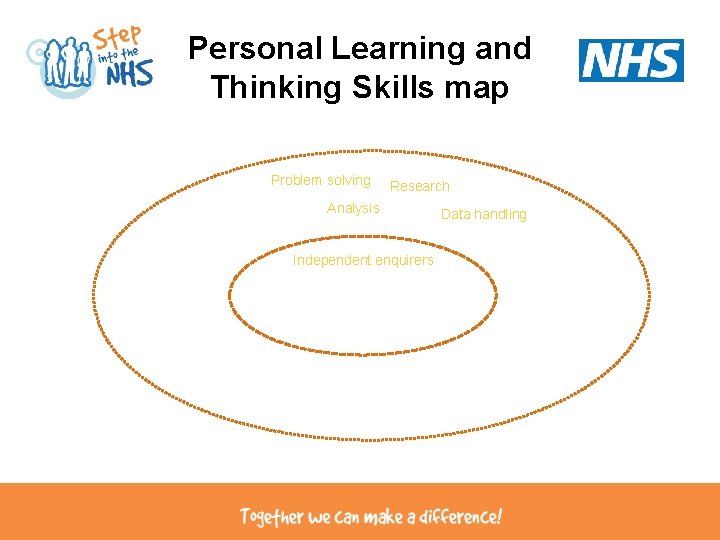
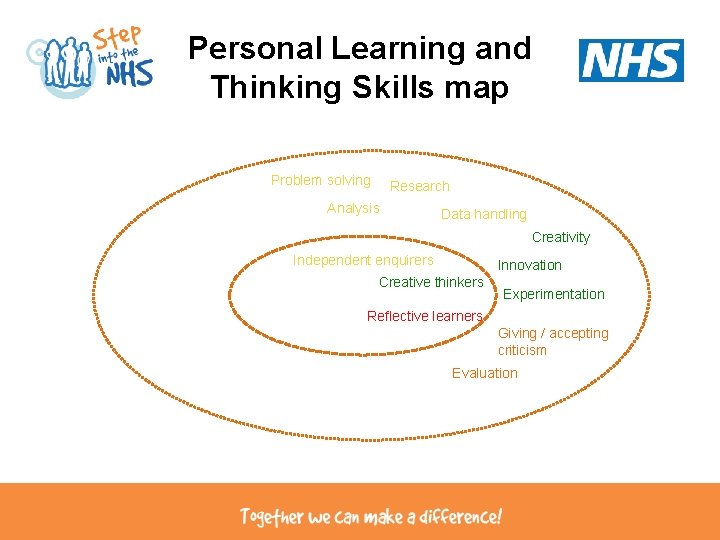
Personal Learning and Thinking Skills map Problem solving Research Analysis Independent enquirers Data handling
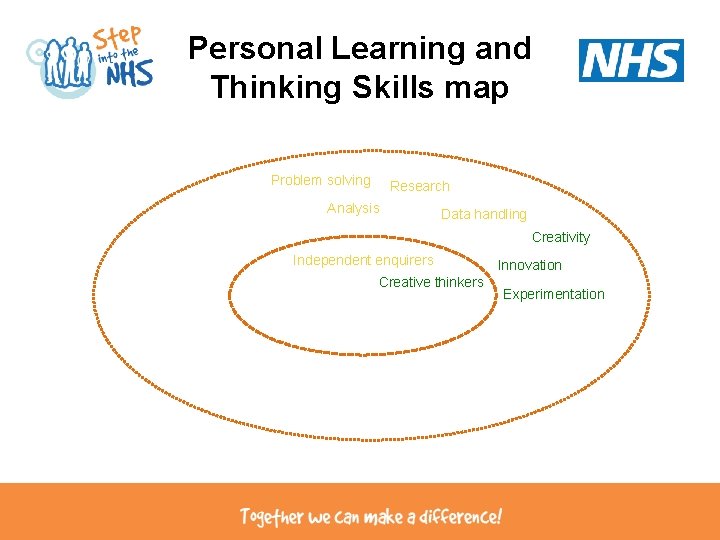
Personal Learning and Thinking Skills map Problem solving Research Analysis Data handling Creativity Independent enquirers Creative thinkers Innovation Experimentation
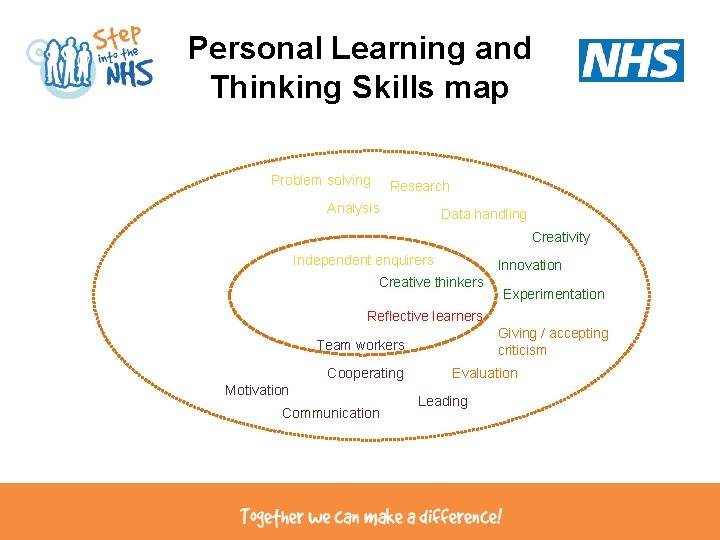
Personal Learning and Thinking Skills map Problem solving Research Analysis Data handling Creativity Independent enquirers Innovation Creative thinkers Experimentation Reflective learners Giving / accepting criticism Evaluation
Personal Learning and Thinking Skills map Problem solving Research Analysis Data handling Creativity Independent enquirers Innovation Creative thinkers Experimentation Reflective learners Giving / accepting criticism Team workers Cooperating Motivation Communication Evaluation Leading
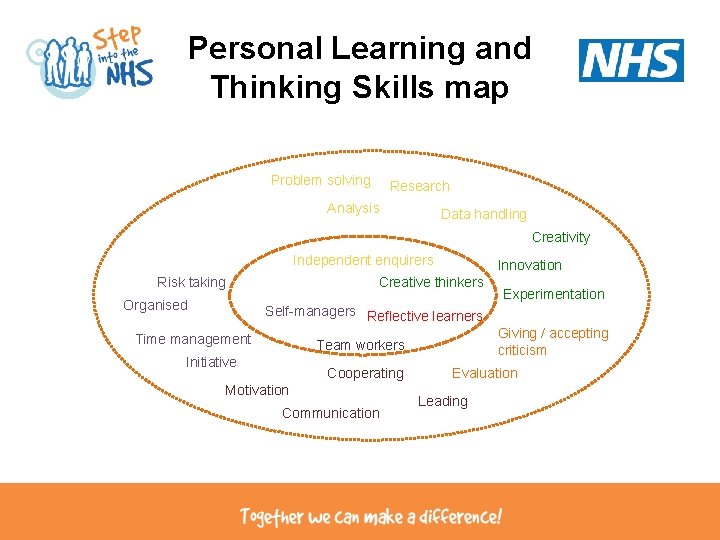
Personal Learning and Thinking Skills map Problem solving Research Analysis Data handling Creativity Independent enquirers Risk taking Organised Innovation Creative thinkers Experimentation Self-managers Reflective learners Time management Giving / accepting criticism Team workers Initiative Cooperating Motivation Communication Evaluation Leading
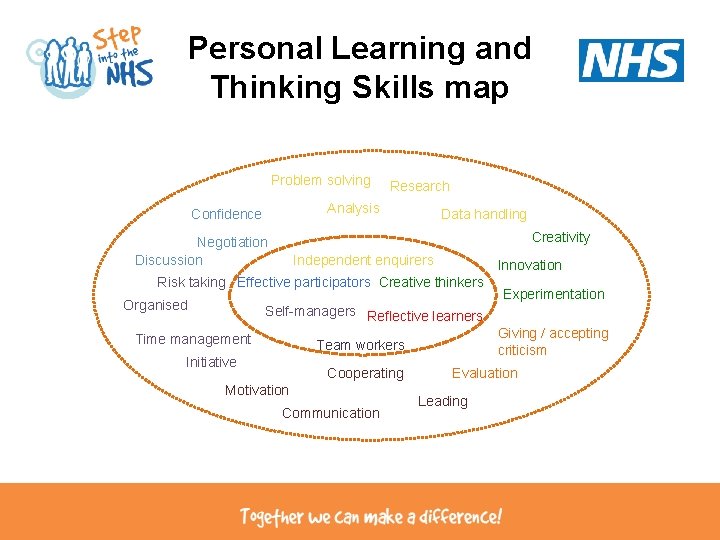
Personal Learning and Thinking Skills map Problem solving Research Analysis Confidence Data handling Creativity Negotiation Discussion Independent enquirers Innovation Risk taking Effective participators Creative thinkers Organised Experimentation Self-managers Reflective learners Time management Giving / accepting criticism Team workers Initiative Cooperating Motivation Communication Evaluation Leading
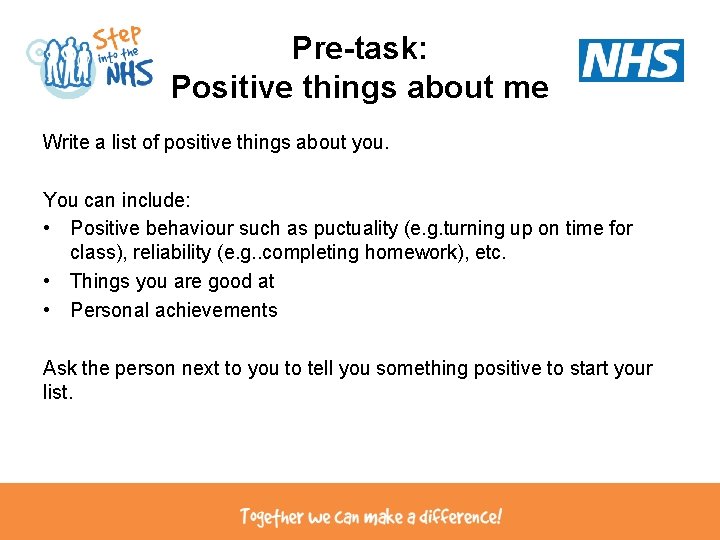
Pre-task: Positive things about me Write a list of positive things about you. You can include: • Positive behaviour such as puctuality (e. g. turning up on time for class), reliability (e. g. . completing homework), etc. • Things you are good at • Personal achievements Ask the person next to you to tell you something positive to start your list.
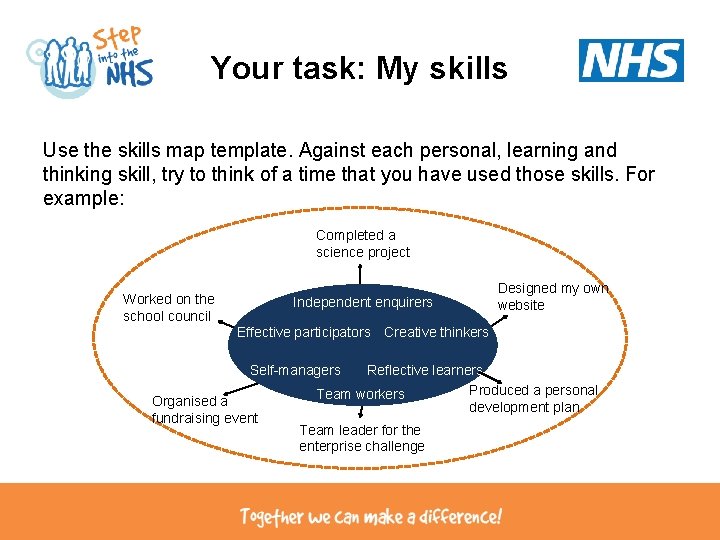
Your task: My skills Use the skills map template. Against each personal, learning and thinking skill, try to think of a time that you have used those skills. For example: Completed a science project Worked on the school council Independent enquirers Designed my own website Effective participators Creative thinkers Self-managers Organised a fundraising event Reflective learners Produced a personal Team workers development plan Team leader for the enterprise challenge
Activity 2: CV writing
What is a CV? CV stands for curriculum vital. It provides an overview of your education, qualifications, experience and interests. When recruiting new employees, employers will first look at the CVs supplied by the candidates for the job. They will often have lots of CVs to read, so it’s important that yours stands out!
Top tips 1. Keep it real Tell the truth about what you have achieved. Don’t risk someone finding out that small untruth. 2. Sell yourself We’re not very good at blowing our own trumpets, but you should in your CV. Find ways of being positive about who you are and what you have achieved. 3. Remember - qualifications and qualities Employers are not only interested in your school qualifications. Your qualities are even more important!
Top tips 4. Sweat the small stuff Take care over the smallest details in your CV. Inaccurate and incomplete CVs are immediately rejected by employers. 5. Match the job Check out what the employer wants in the job description and think about how you tell them that you are the person they are looking for! Always customise your CV to match the job. Good luck. . .
CV writing Part 1: Contact infornation The employer may need to call, email or write to you, so make sure these are clear! (Include thumbnails of relevant part of example CV on these slides – when complete)
CV writing Part 2: Work history and experience This is where you explain the responsibilities you’ve had and what you have learned from them, to demonstrate the experience you’ve gained. You need to show your previous experience will help you to do the job you are applying for. Start with the most recent experience. You can include volunteering roles too. Make sure you include the dates and explain any gaps.
CV writing Part 3: Education Here you can list your formal qualifications. What qualifications are necessary for the job? Have you got the qualifications to apply? If so, make sure these are clearly listed on your CV with the most recent first.
CV writing Part 4: Hobbies and interests This is the place to discuss anything else that makes you a wellrounded candidate What skills are needed to do the job? Make sure you clearly list your skills and personal qualities to show you’ve got what it takes to do the job
CV writing Part 5: References available on request' shows that you know responsible people who will vouch for you. Leave this line at the end of your CV. Once you've sent your CV to employers, they can ask you to pass them the contact details of your referees.
Pre-task: Positive things about me Write a list of positive things about you. You can include: • Positive behaviour such as puctuality (e. g. turning up on time for class), reliability (e. g. completing homework), etc. • Things you are good at • Personal achievements Ask the person next to you to tell you something positive to start your list.
Your task: CV Writing Read the job descriptions. Choose one to write your CV for. Think about the qualifications, skills and qualities you need to demonstrate in your CV. You may want to research these job roles further on the Step into the NHS website: www. stepintothenhs. uk