
TOPIC 3 HUMAN BEHAVIOUR CULTURE AND THE ENVIRONMENT
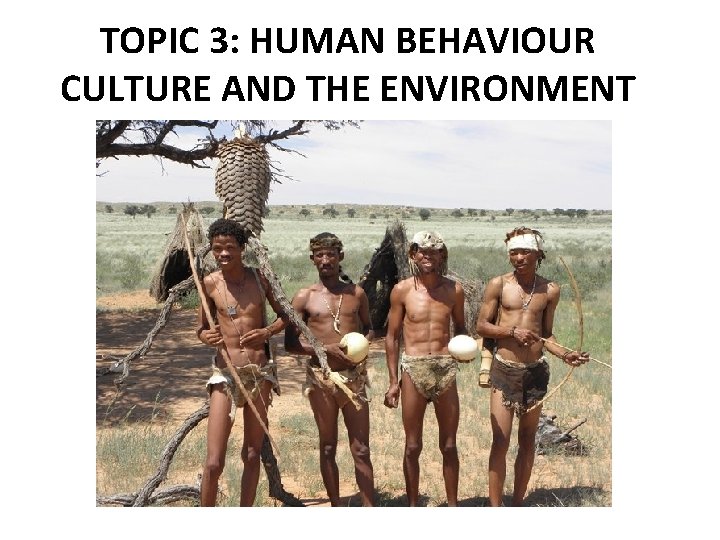
TOPIC 3: HUMAN BEHAVIOUR CULTURE AND THE ENVIRONMENT
3. 1 Factors influencing human behavior towards the environment. 3. 2 The role of education awareness, attitude, motivation, and commitment to improve Environmental quality. 3. 3 Changing detrimental environmental behaviors
FACTORS INFLUENCING HUMAN BEHAVIOR TOWARDS THE ENVIRONMENT • Human behaviour refers to the way humans act and interact. • It is based on and influenced by several factors, such as genetic make-up, culture and individual values and attitudes. • I n general, is the potential and expressed capacity for physical, mental, and social activity during the phases of human life.
• One of the behavioral change theories is social learning (social cognitive theory) • ‘’An individual's behavior may change their environment but the environment can change the human behavior as well as the way the individual thinks or feels''. • They believe in reciprocal relationship between individual behavior and environment.
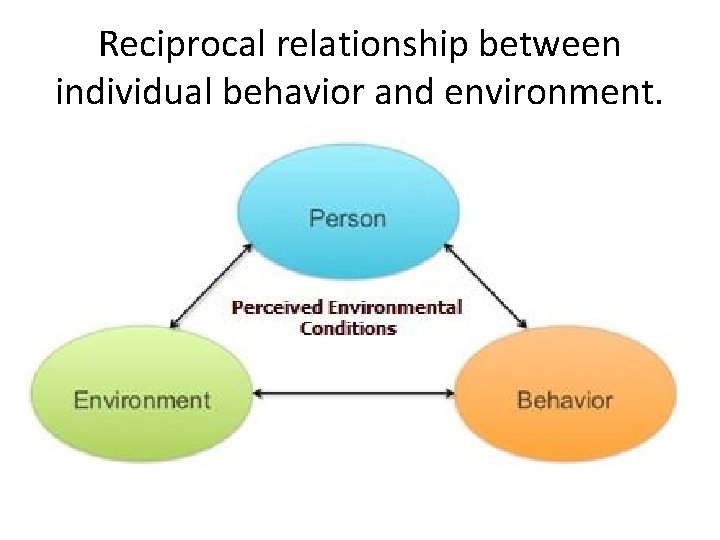
Reciprocal relationship between individual behavior and environment.
• For example, pollution, a component of the physical environment, absolutely can affect our well-being and health. • Ozone pollution can have unfavorable effects on humans including shortness of breath, coughing, damage to the airways, damaging the lungs, and making lungs more susceptible to infection (U. S. Environmental Protection Agency [EPA], 2016).
FACTORS INFLUENCING HUMAN BEHAVIOR TOWARDS ENVIRONMENT • • • Education Reinforcement Defaults (alternatives or solutions) Prompt (reminder) Income (poverty) Beliefs Environmental stress (emotions) Environmental legislation Age and Responsibility
EDUCATION. • By educating and improving the problem based knowledge one can change environmental attitude and increase feeling of stress of people towards environment. • These changes in turn improve preparedness to act friendly with the environment.
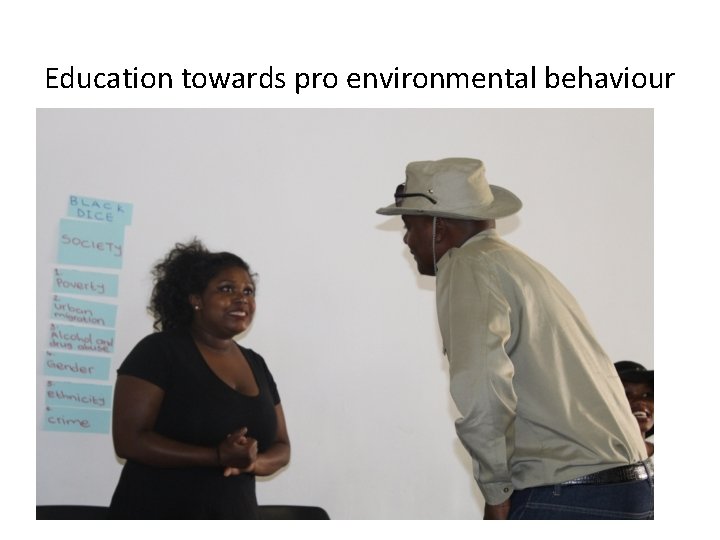
Education towards pro environmental behaviour
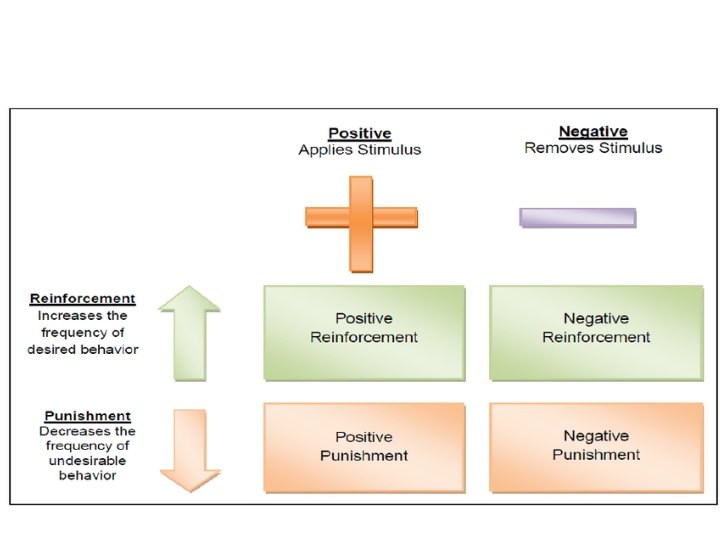
REINFORCEMENT • Rewards encourage behavior while punishment discourages behavior. • Consider BF Skinner’s model: “Individual’s behavior is a function of its consequences”. It is based on “law of effect”, i. e, individual’s behavior with positive consequences tends to be repeated, but individual’s behavior with negative consequences tends not to be repeated.
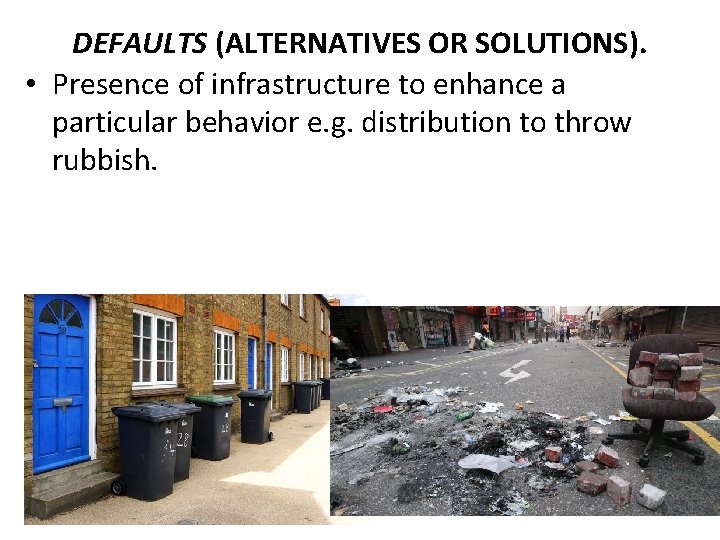
DEFAULTS (ALTERNATIVES OR SOLUTIONS). • Presence of infrastructure to enhance a particular behavior e. g. distribution to throw rubbish.
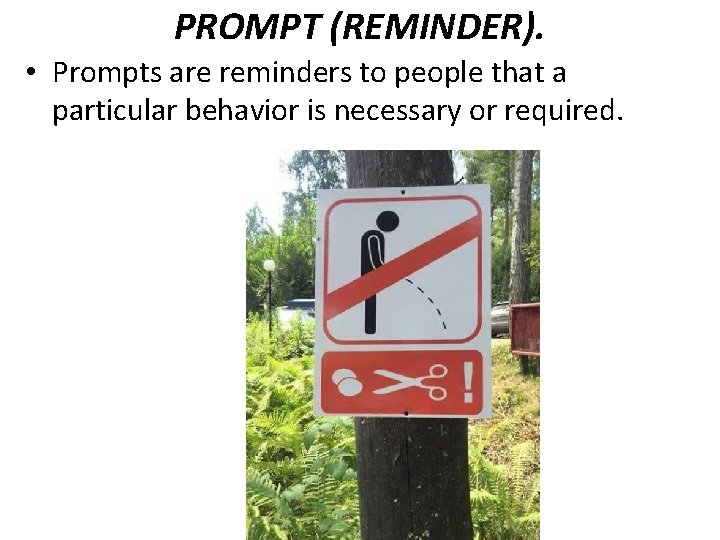
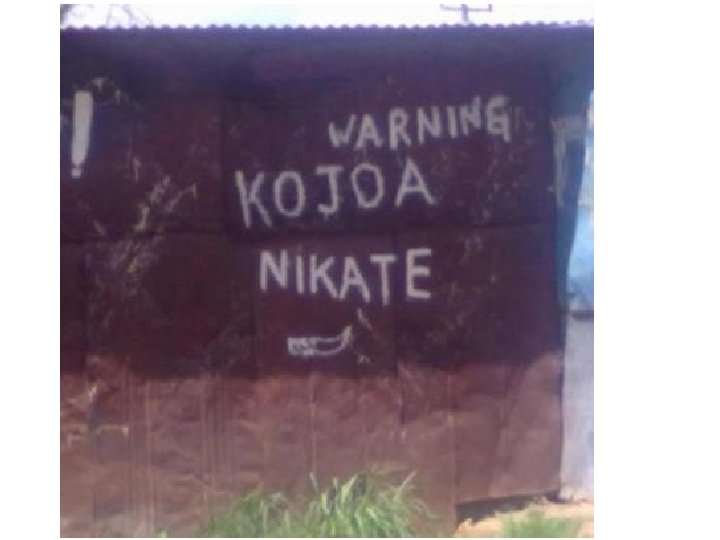
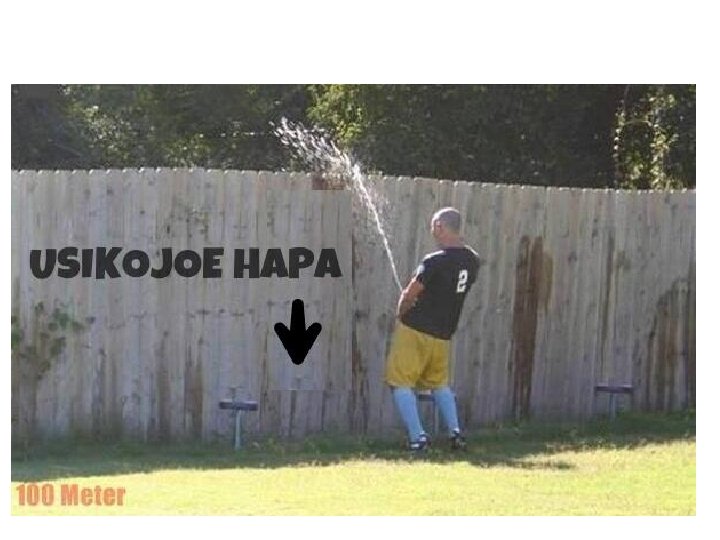
PROMPT (REMINDER). • Prompts are reminders to people that a particular behavior is necessary or required.

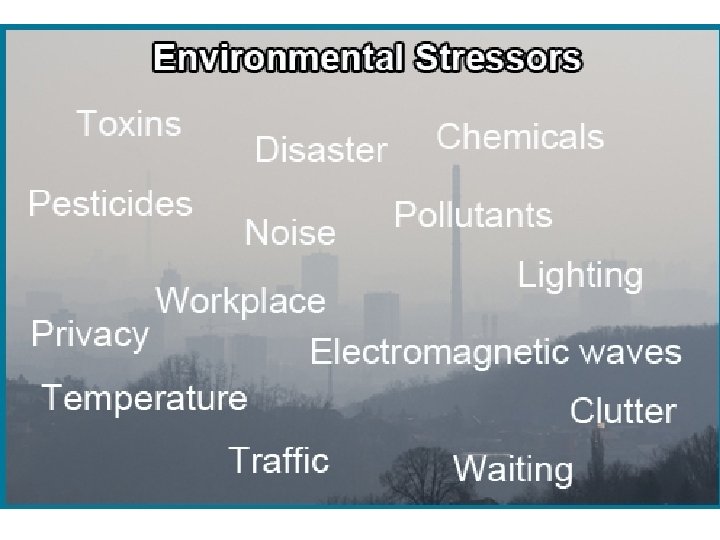
STRESS/EMOTIONS • Our lives can be characterized as a constant adaptation to sudden change or gradual evolution of our surroundings. • Sometimes these changes are minor and we can adopt in them without even being aware of them. • At other time, however, these changes can be severe and clearly threatened.
RELIGION/BELIEVES/FAITH • World religion, each in their own way, offer a unique set of moral values and rules to guide human beings in their relationship with the environment. • E. g. Deuteronomy 22: 6 Proverbs 12: 10 • (Qur’an, 40: 64)
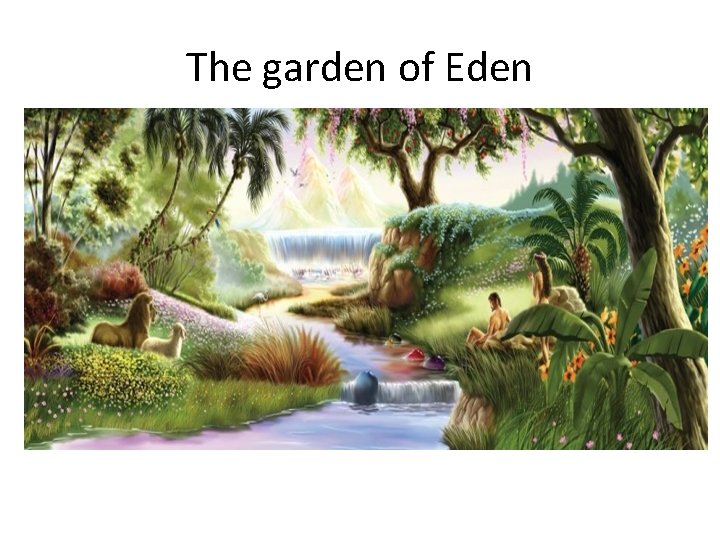
The garden of Eden
AGE • children have little experience on environmental matters. • Youths are exposed to new ideas that may inform emerging self-identity, and they generally demonstrate high levels of pro-environmental attitudes and. • At old age one has more experience on environmental issues than youths therefore will act more friendly to the environment than children and youths.
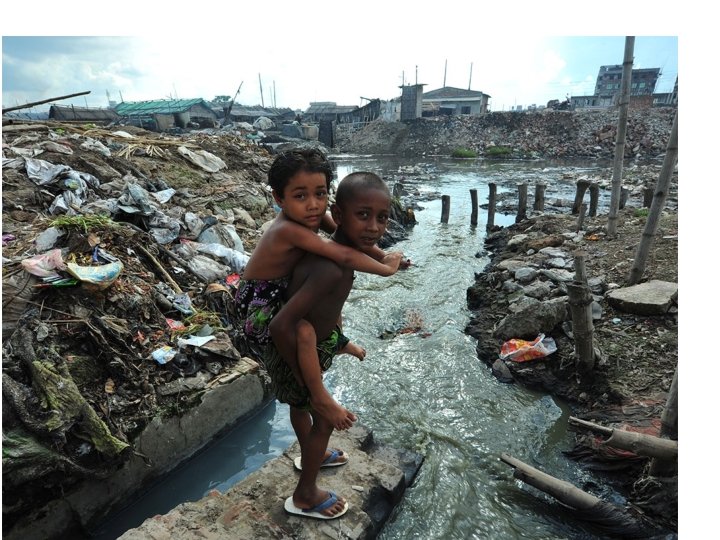
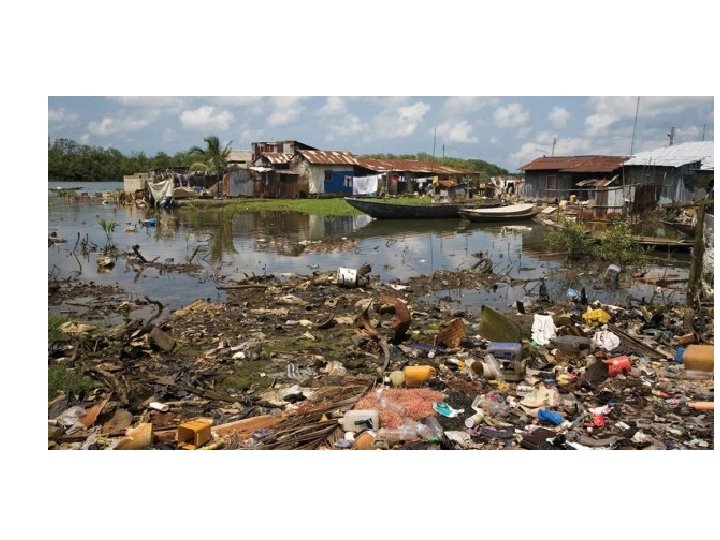
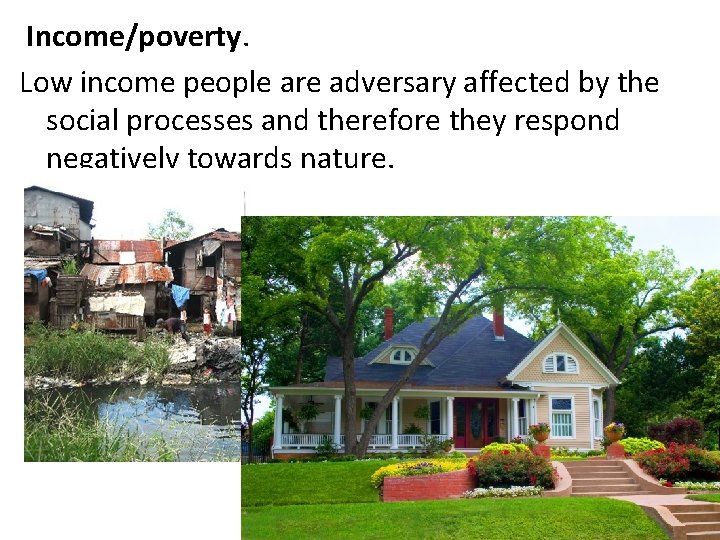
Income/poverty. Low income people are adversary affected by the social processes and therefore they respond negatively towards nature.



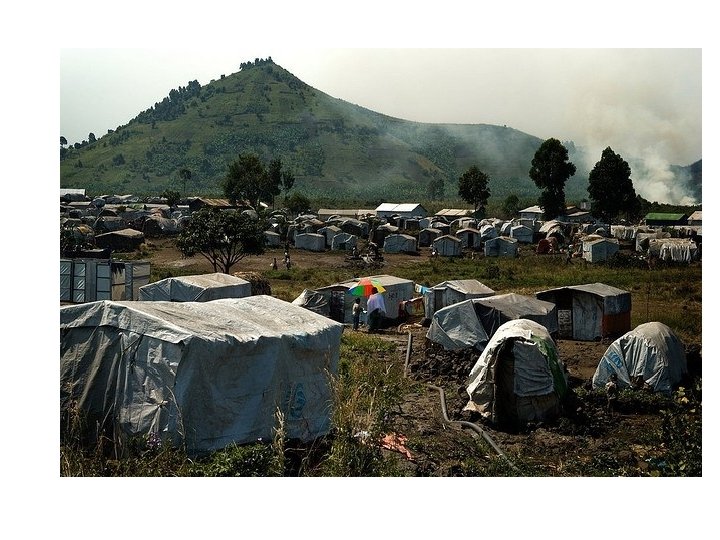
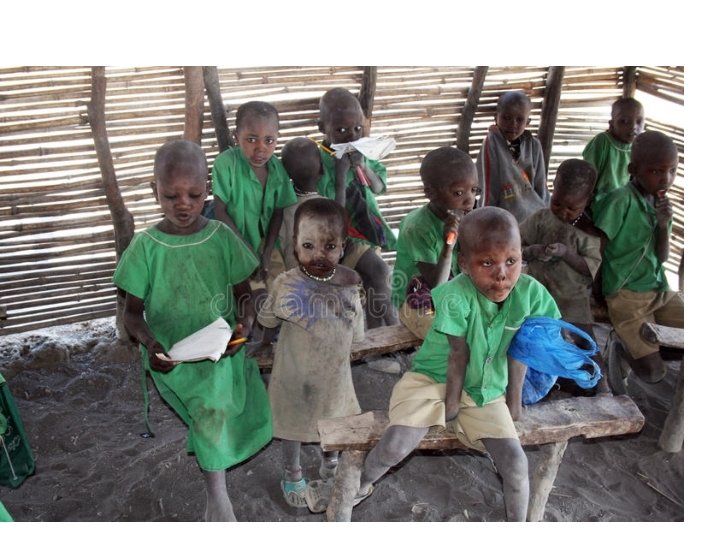
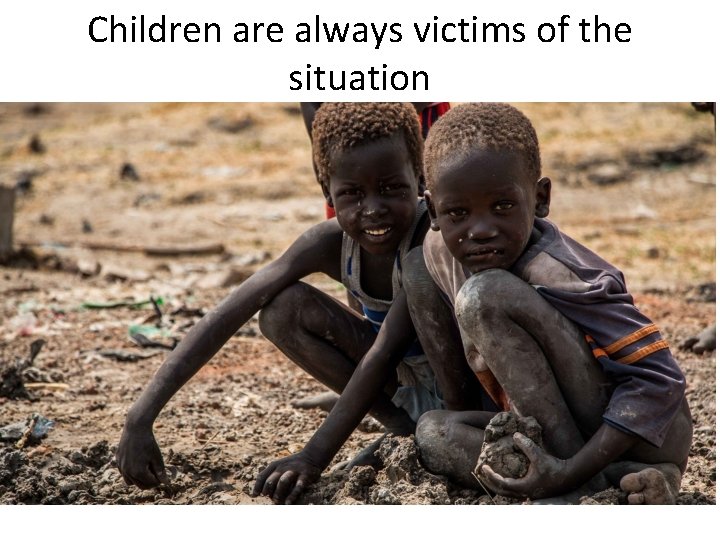
Children are always victims of the situation
3. 2 The role of education awareness, attitude, motivation, and commitment to improve Environmental quality. 3. 3 Changing detrimental environmental behaviors
The role of education awareness, attitude, motivation, and commitment to improve Environmental quality • Environmental education (EE) refers to organized efforts to teach/learn about how natural environments function and, particularly, how human beings can manage their behavior and ecosystems in order to live sustainably. • The term is often used to imply education within the school system, from primary to post-secondary
• However, it should be used more broadly to include all efforts to educate the public and other audiences, including print materials, websites, media campaigns, etc. Related disciplines include outdoor education and experiential education.
The role of education awareness attitude motivation and commitments to improve environmental policy (a program of actions adopted by the government) will be realized by the EE learning outcomes which are;
EE learning outcomes 1. To improve awareness and concern about environmental issues. 3. To develop understanding of ecologically principals. 4. To stimulate commitments for environmental problems. 5. To demand action to promote conservation of natural resources.
3: 3 Changing detrimental environment behaviors Detrimental environment behaviors are the behaviors that harm our environment. They include burning/cutting trees, illegal hunting, over fishing, improper garbage disposal, bad methods of fishing and the like.
Ways through pro-environmental behaviours Education • Awareness that the environmental issue in question is actually or potentially detrimental to the person an health &welfare • Enough concern with the hazardous condition to be motivated to do something about it. • Knowledge of what one can do about the issue.
• Knowledge of how to carry out this action. • Ability to carry out this action. • Belief that one’s action will have a substantive impact on the environmental condition. • Assurance that gains from taking the action will outweigh any sacrifices required.
Responsibility • In order for individuals to act and undertake pro environmental behavior, they need to feel a personal sense of responsibility towards the environmental threats and issues. • One of the greatest barriers in encouraging pro environmental behaviors in individuals is diffusion of responsibility. Diffusion of responsibility is the sense that someone else will do something about the problem or issue.
Environmental legislation /laws / regulations • These are used to regulate people behaviors to wards protection & conservation of environment. • In Tanzania environment is guided by “The Environmental Management Act 2004”
Prompts (reminders) -The use of posters & other means to remind people on environmental maintenance. Reinforcement Rewards encourage behavior while punishment discourages behavior.
Affordance / Defaults /alternative solutions • Affordance is what is allowed or enabled by the physical or social environment that an individual is in. • E. g. When there is no garbage cans around, littering is more likely. When the environment does not allow for people to properly dispose their litter, people will litter the environment. • If pro environmental alternatives or solutions are not enabled in a physical or social environment, people are more likely to not undertake pro environmental behaviors.
Efficacy • Self efficacy has to do with a person’s belief that he or she has the capability to successfully complete an action (Bandura, 1977). • When we provide individuals with clear and instructional sets of knowledge regarding what they can do to protect and conserve the environment, we can increase their perceived efficacy in bringing about a sustainable environment (Geller, 1995; Eigner & Schmuck, 2002).
Income/poverty. Low income people are adversary affected by the social processes and therefore they respond negatively towards nature.
QUIZ NO 2: Time: 7 minutes.
QUESTION: It is said that low income people are adversary affected by the social processes and therefore they respond negatively towards nature. Do you agree or disagree with this statement? Defend your answer.
- Slides: 46