
Tooth Extraction Exodontia Definition Methods of extraction Intraalveolar

- Slides: 28
Tooth Extraction (Exodontia)
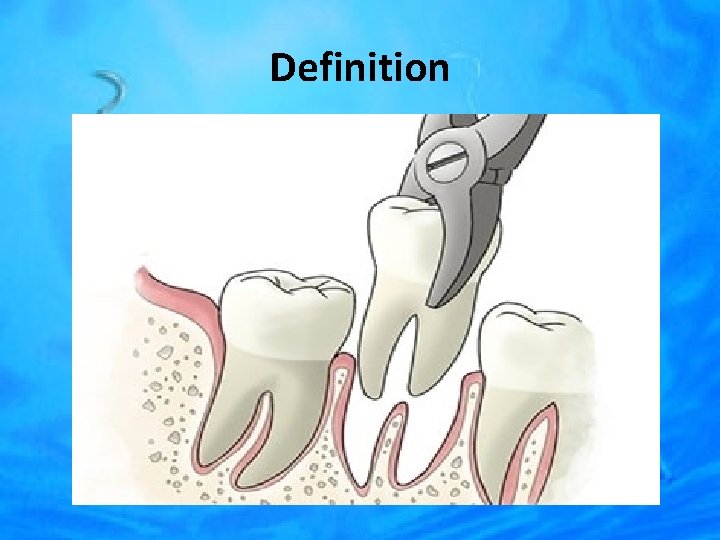
Definition
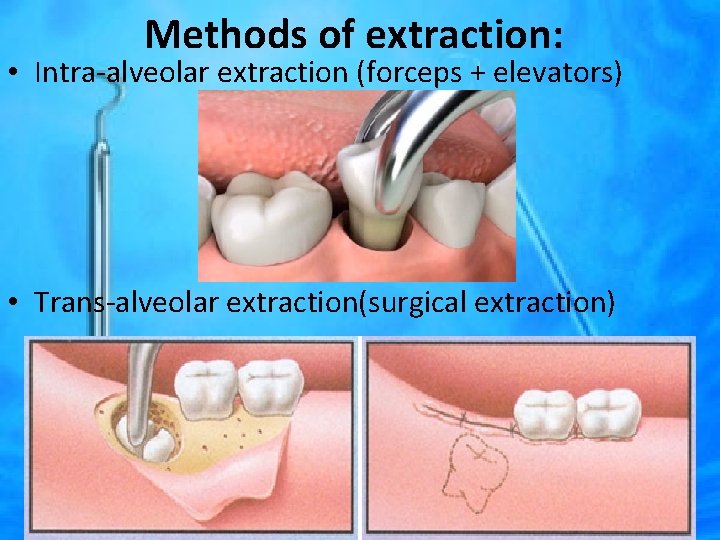
Methods of extraction: • Intra-alveolar extraction (forceps + elevators) • Trans-alveolar extraction(surgical extraction)
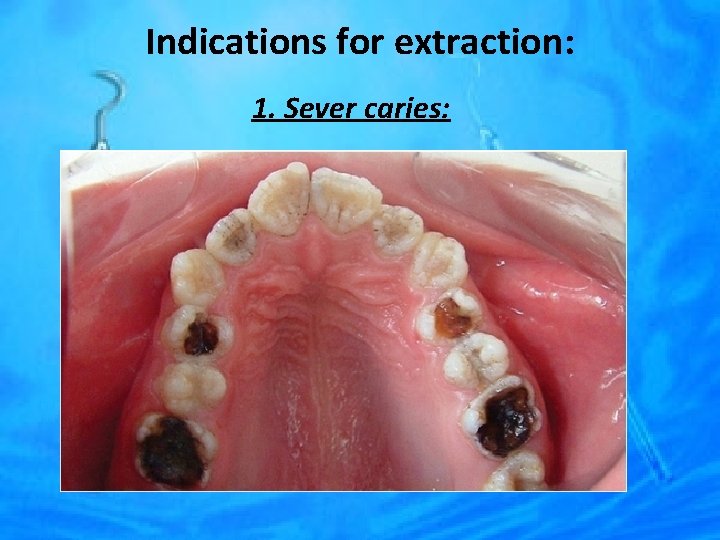
Indications for extraction: 1. Sever caries:
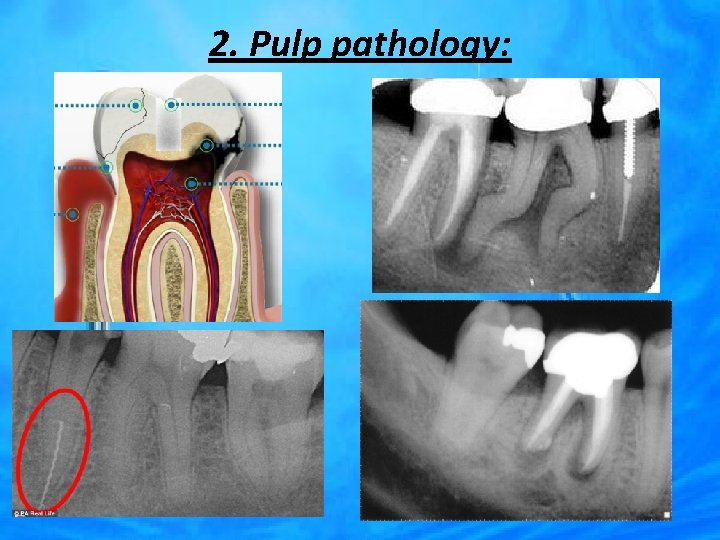
2. Pulp pathology:
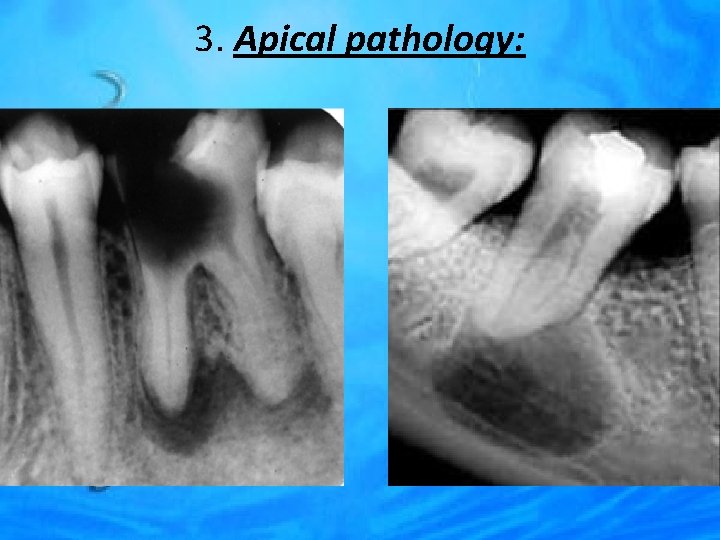
3. Apical pathology:
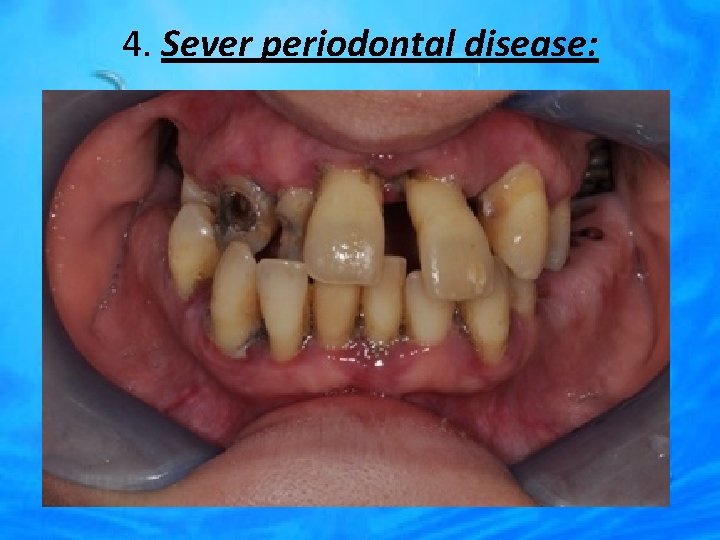
4. Sever periodontal disease:
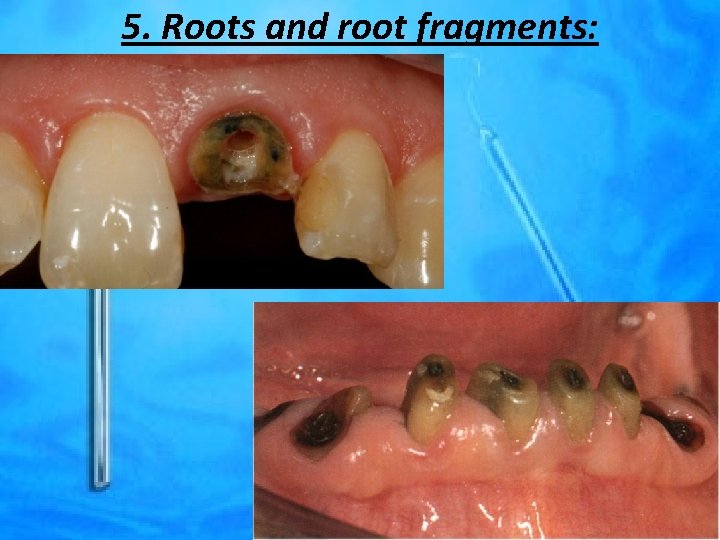
5. Roots and root fragments:
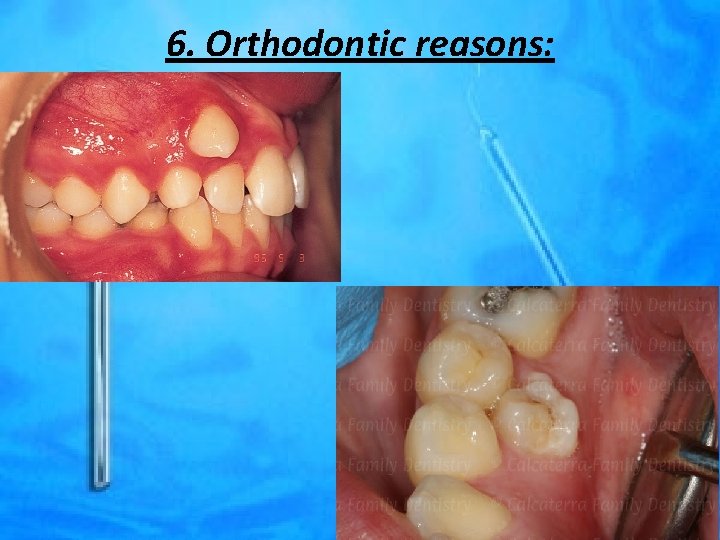
6. Orthodontic reasons:
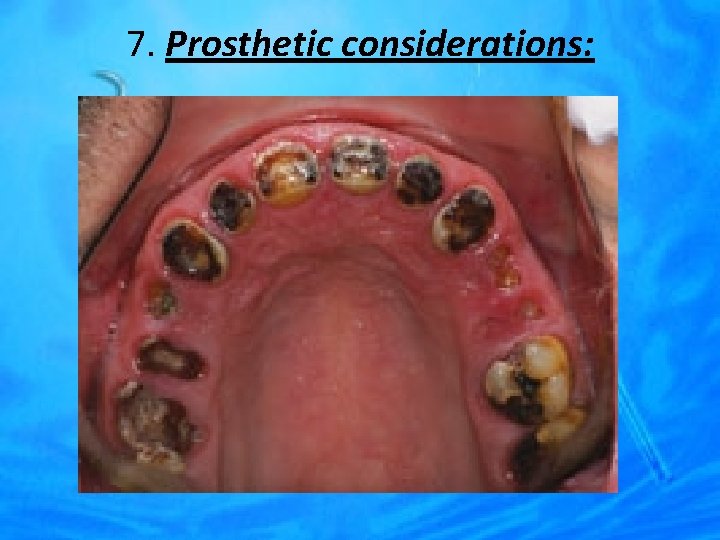
7. Prosthetic considerations:
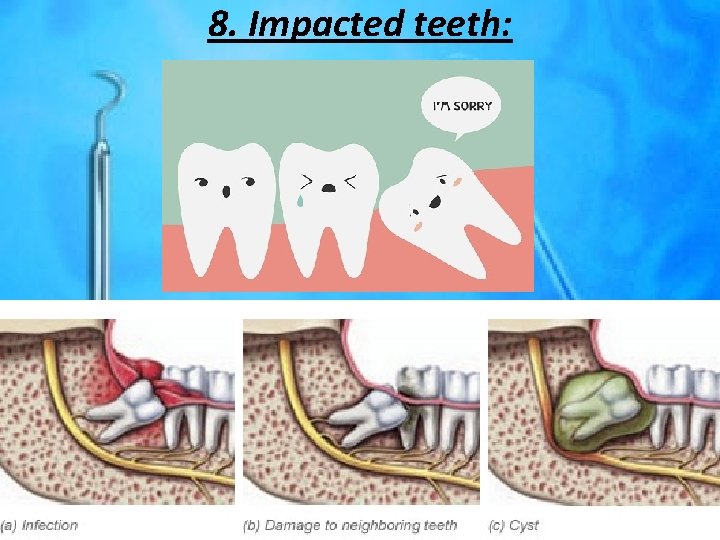
8. Impacted teeth:
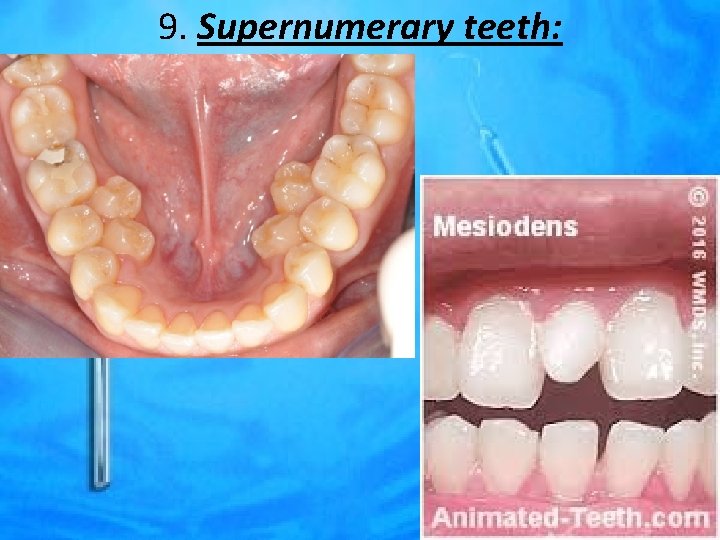
9. Supernumerary teeth:
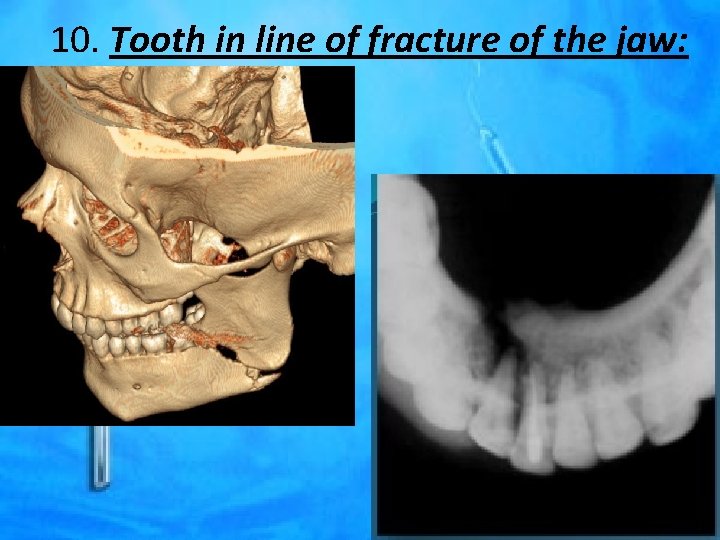
10. Tooth in line of fracture of the jaw:
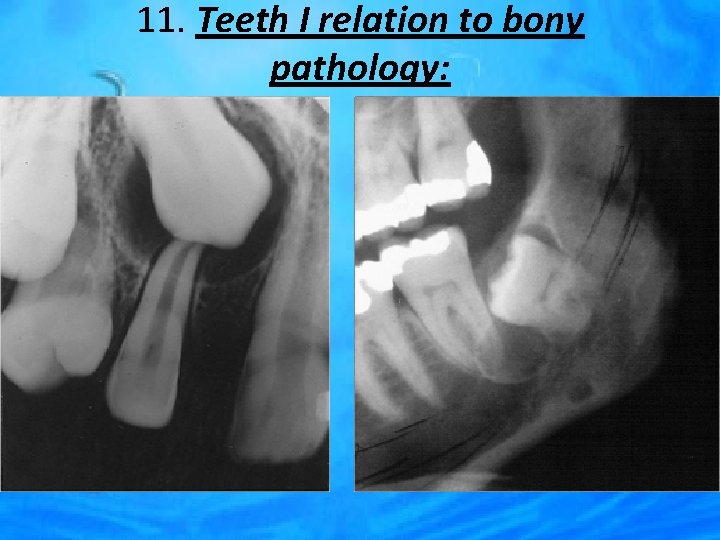
11. Teeth I relation to bony pathology:
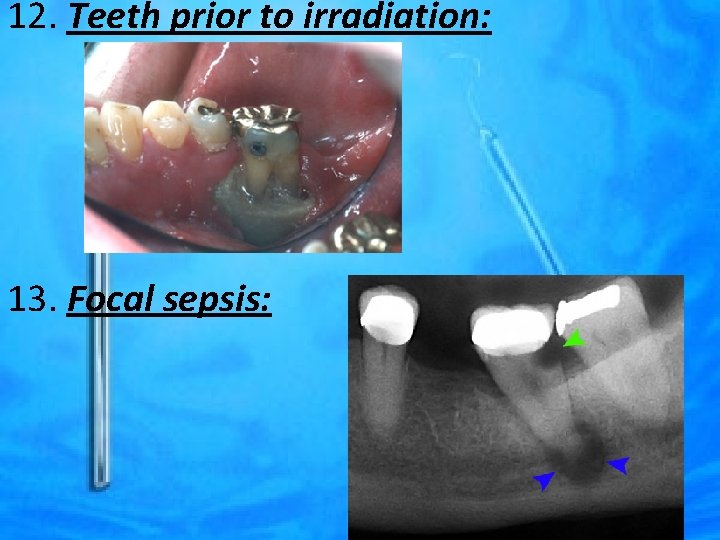
12. Teeth prior to irradiation: 13. Focal sepsis:
Contraindications for extraction: • Local contraindications: 1. Acute and uncontrolled infection 2. Previous radiotherapy 3. Teeth located within areas of tumor • 1. 2. 3. 4. 5. 6. 7. 8. Systemic contraindications: Sever uncontrolled metabolic disease Sever uncontrolled cardiac disease Sever uncontrolled hypertension Bleeding disorder Uncontrolled leukemia and lymphoma Pregnancy Patients who take or have taken a variety of medications Uncontrolled epilepsy
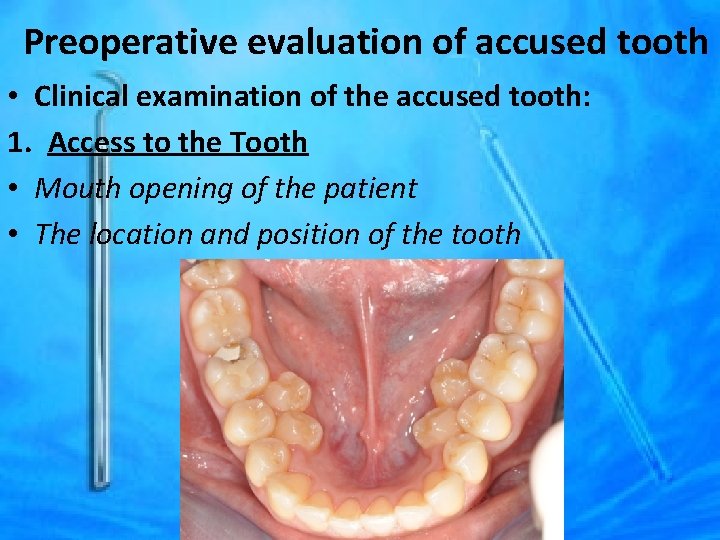
Preoperative evaluation of accused tooth • Clinical examination of the accused tooth: 1. Access to the Tooth • Mouth opening of the patient • The location and position of the tooth
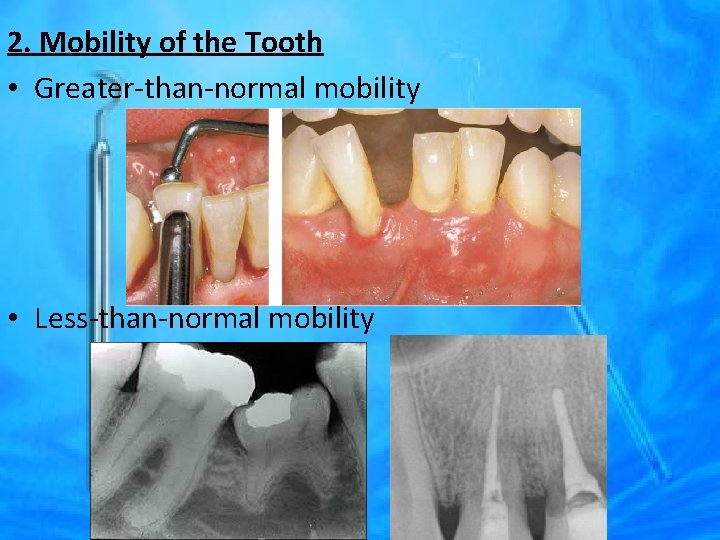
2. Mobility of the Tooth • Greater-than-normal mobility • Less-than-normal mobility
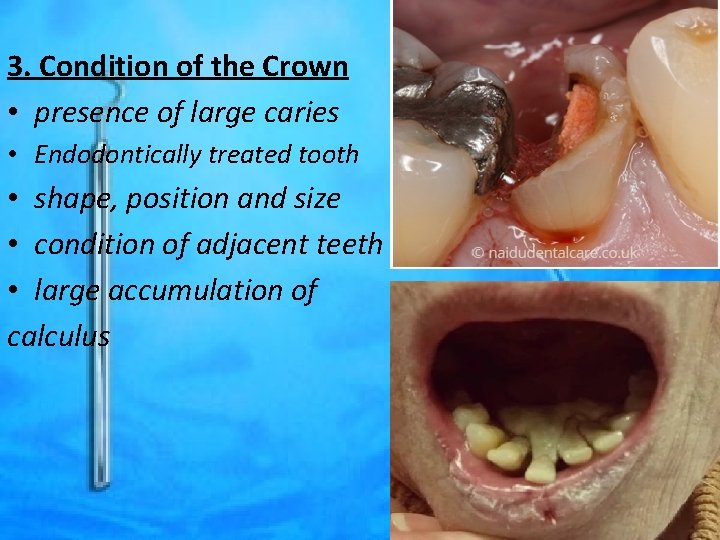
3. Condition of the Crown • presence of large caries • Endodontically treated tooth • shape, position and size • condition of adjacent teeth • large accumulation of calculus
Radiographic evaluation of the accused tooth • When the dentist need to take an x-ray? 1. History of difficult extraction. 2. extensive caries, large restoration or endodontically treated tooth. 3. abnormal resistance to forceps extraction. 4. Impacted tooth or partially erupted tooth. 5. If after clinical examination you decided to remove the tooth surgically. 6. Any tooth in close relation to vital structures. 7. Any tooth has been subjected to trauma. 8. An isolated maxillary molar especially if it is unopposed and over-erupted. 9. Whenever underlying bony pathology is suspected e. g. cystic lesion, tumors.
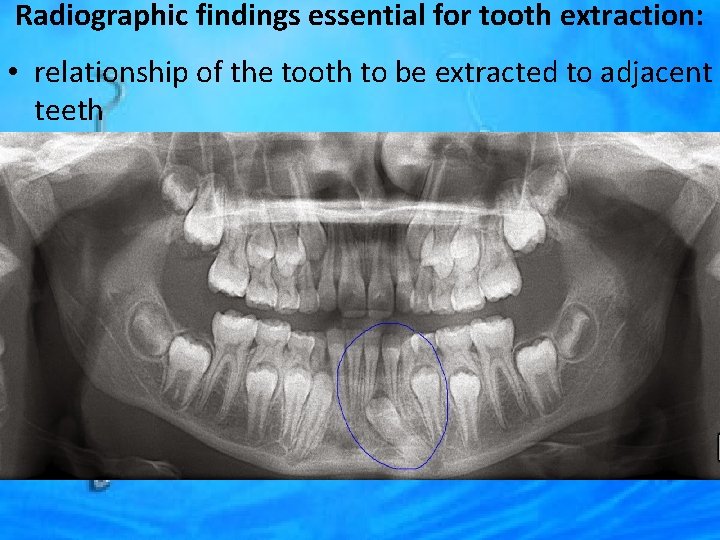
Radiographic findings essential for tooth extraction: • relationship of the tooth to be extracted to adjacent teeth
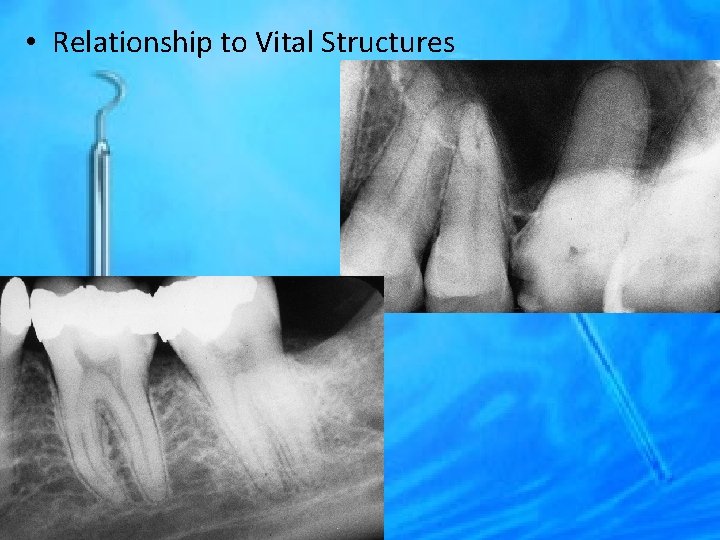
• Relationship to Vital Structures
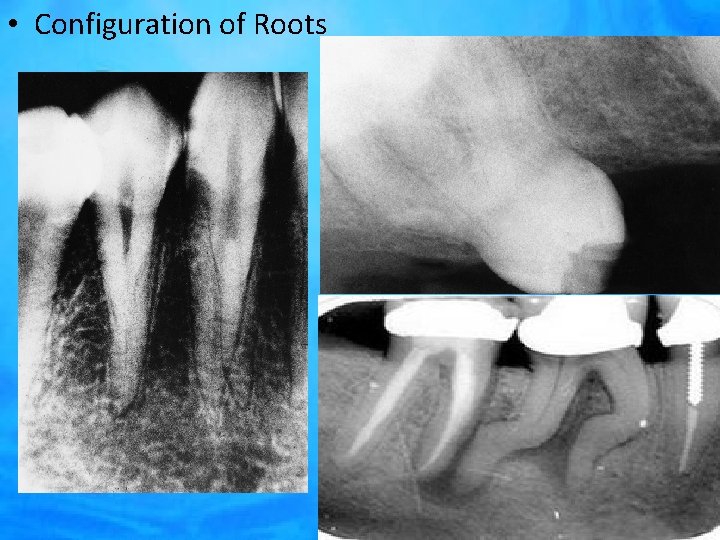
• Configuration of Roots
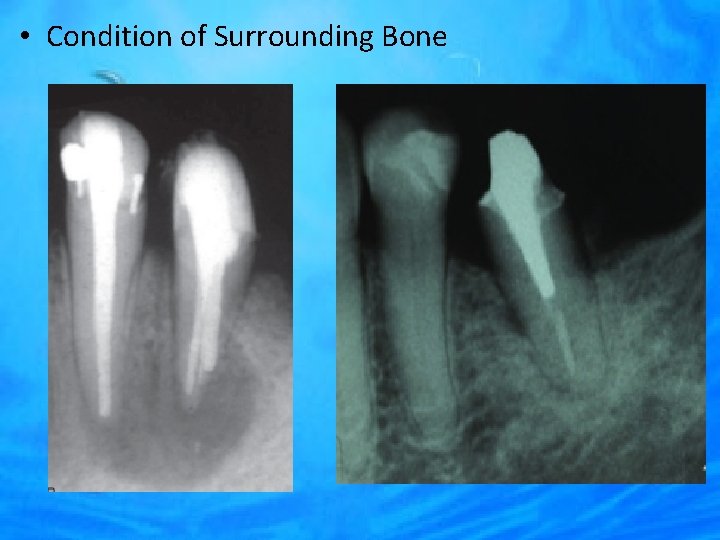
• Condition of Surrounding Bone
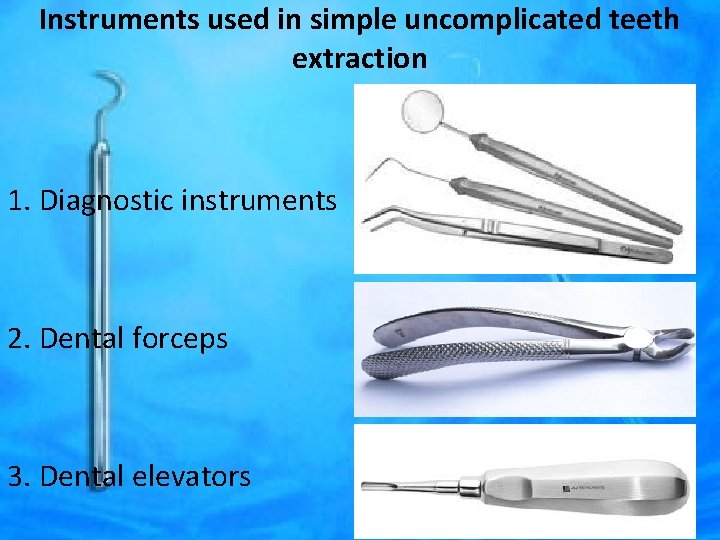
Instruments used in simple uncomplicated teeth extraction 1. Diagnostic instruments 2. Dental forceps 3. Dental elevators
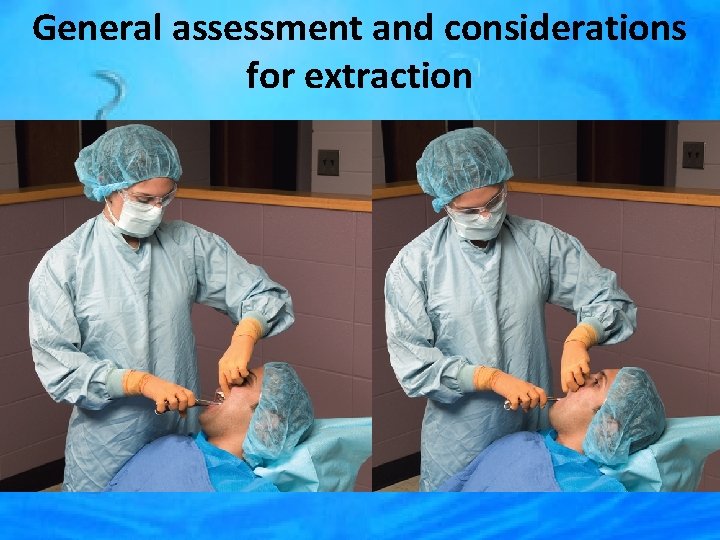
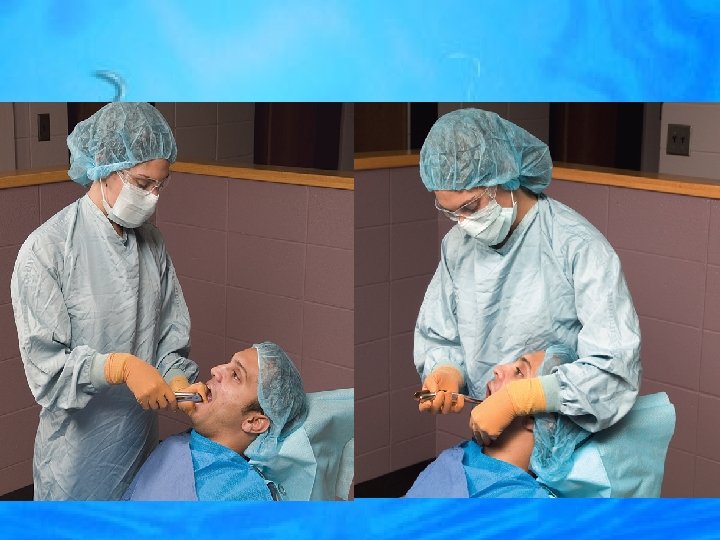
General assessment and considerations for extraction