
Tools to translate science into practice Henny Bruinewoud
Tools to translate science into practice Henny Bruinewoud Business Developer Valorisation, Maastricht Health Campus Henny. Bruinewoud@brightlands. com +31(0)15655865
“Our mission is to transform cutting edge knowledge into products and services that benefit society and public health. ” Jan Cobbenhagen CEO Brightlands Maastricht Health Campus Director Knowledge Transfer Office Henny Bruinewoud Business Developer Valorisation, Maastricht Health Campus Henny. Bruinewoud@brightlands. com +31(0)15655865

Introduction 1. Valorisation: what, why and who? 2. Ingredients for valorisation Valorisation team: who will do what? 3. The valorisation process
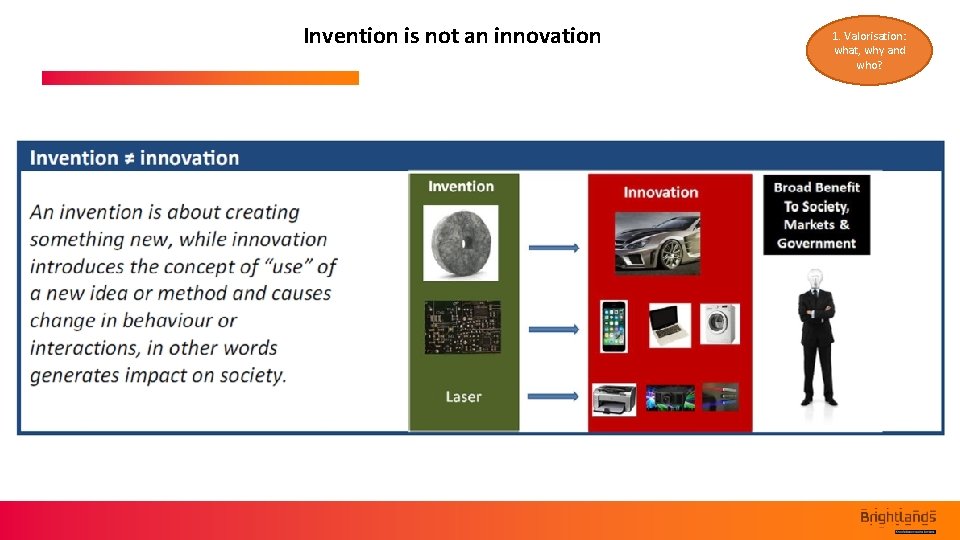
Invention is not an innovation 1. Valorisation: what, why and who?
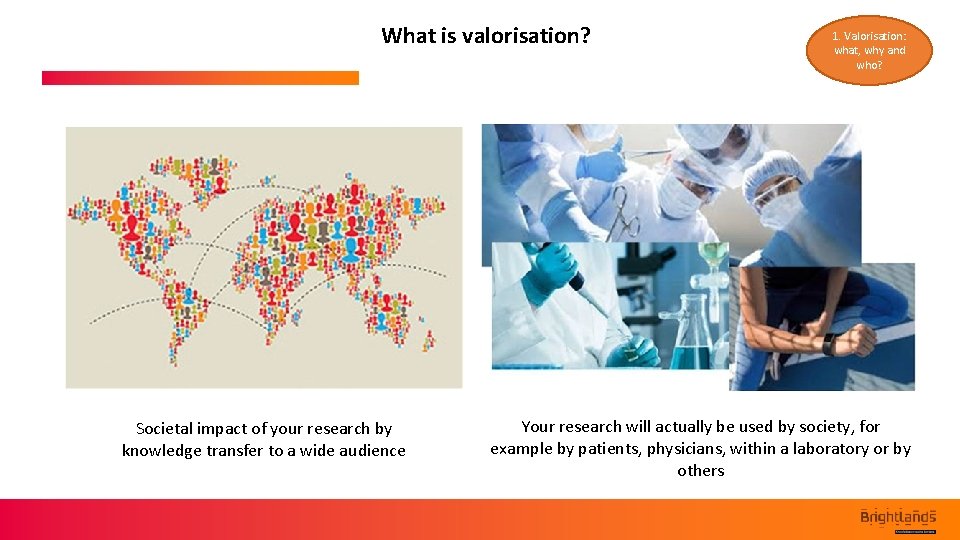
What is valorisation? Societal impact of your research by knowledge transfer to a wide audience 1. Valorisation: what, why and who? Your research will actually be used by society, for example by patients, physicians, within a laboratory or by others
Why valorisation at a university? 1. Valorisation: what, why and who? The challenges that we face worldwide are demanding and one of the key players to provide novel perspectives and solutions to solve these are the Scientists and Engineers at Universities
What is the vision of UM/MUMC+ on valorisation? 1. Valorisation: what, why and who? • As of 2016, UM/MUMC+ decided to accommodate all valorization and related business development activities in the field of Health and (Life) Sciences at Brightlands-Maastricht Health Campus (B-MHC). • B-MHC is responsible for the entire process, from developing business cases based on your inventions through, if applicable, financing and guiding new businesses.
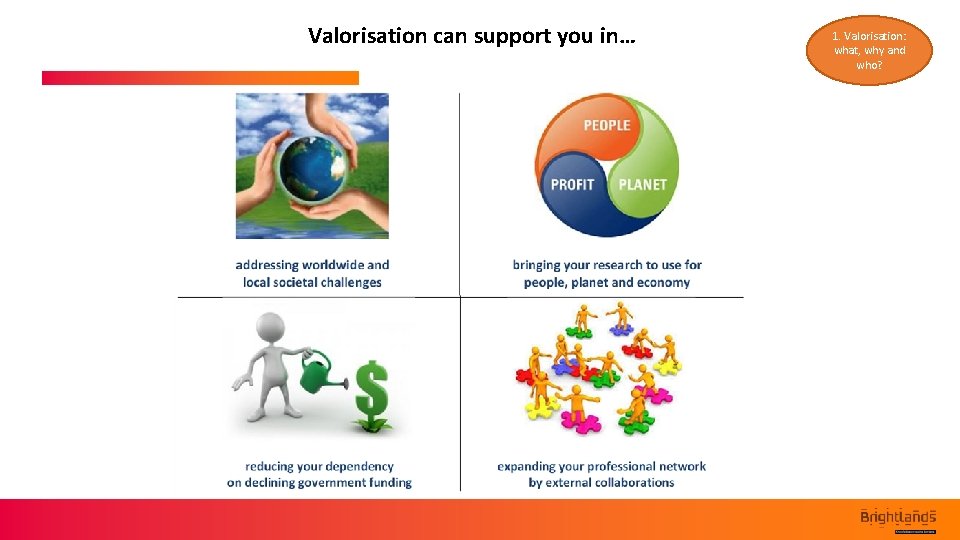
Valorisation can support you in… 1. Valorisation: what, why and who?
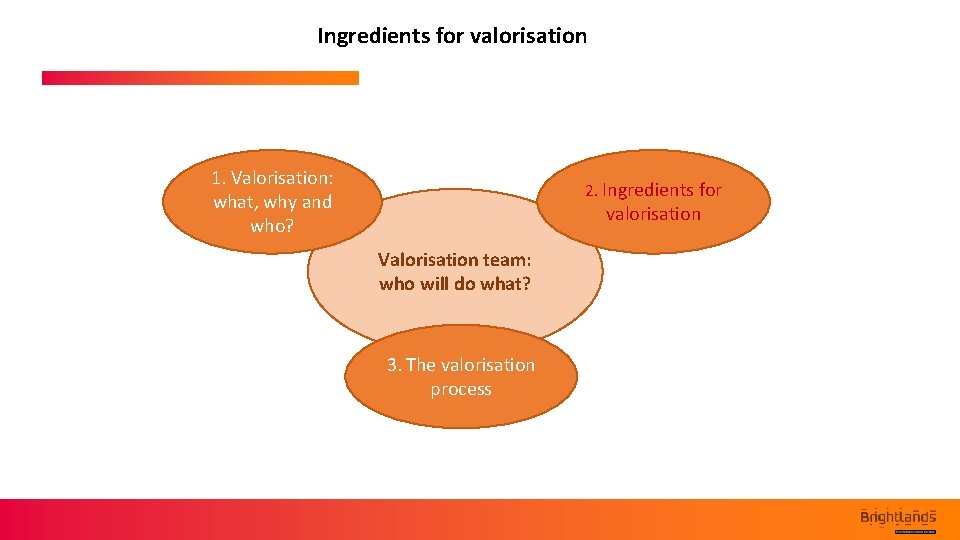
Ingredients for valorisation 1. Valorisation: what, why and who? 2. Ingredients for valorisation Valorisation team: who will do what? 3. The valorisation process
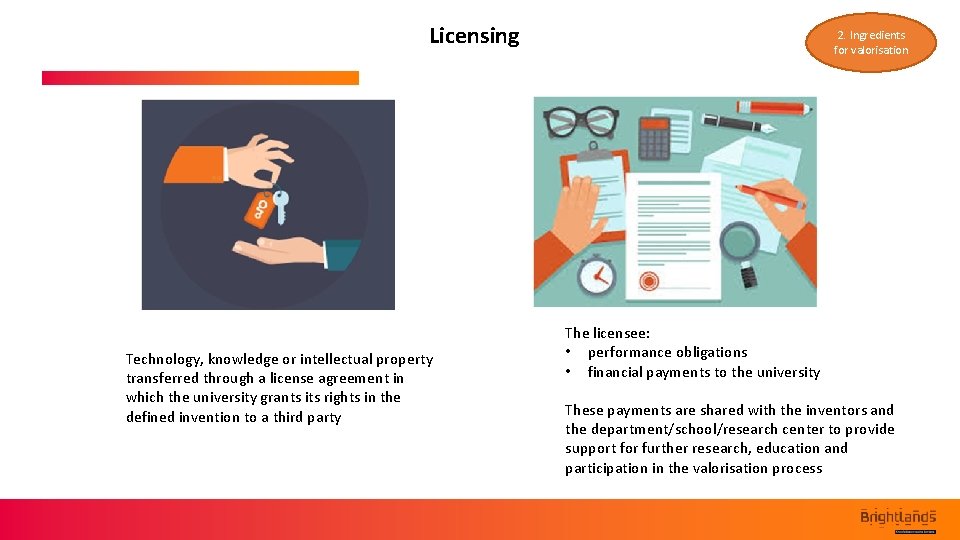
Licensing Technology, knowledge or intellectual property transferred through a license agreement in which the university grants its rights in the defined invention to a third party 2. Ingredients for valorisation The licensee: • performance obligations • financial payments to the university These payments are shared with the inventors and the department/school/research center to provide support for further research, education and participation in the valorisation process
Intellectual property 2. Ingredients for valorisation Intellectual property may be protected under the patent, trademark, trade secret, design and/or copyright laws.
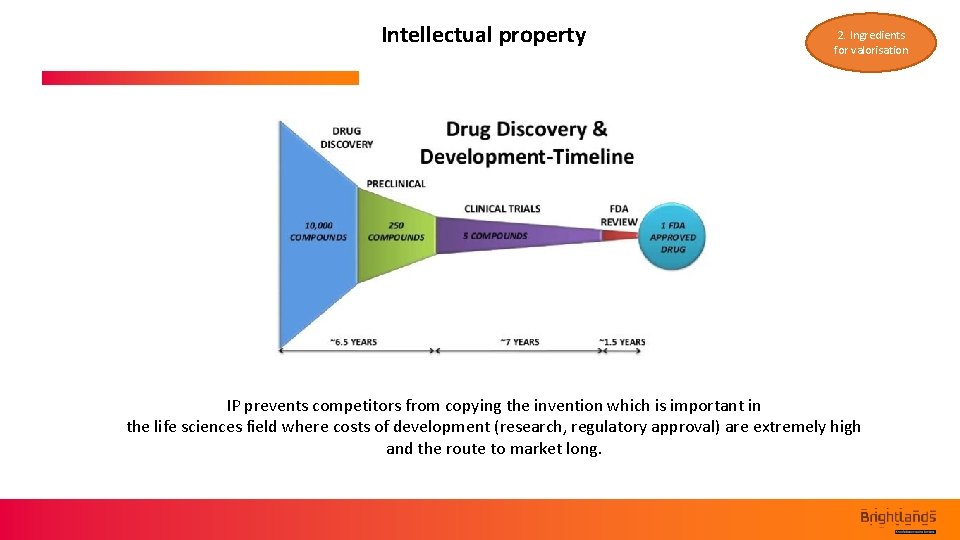
Intellectual property 2. Ingredients for valorisation IP prevents competitors from copying the invention which is important in the life sciences field where costs of development (research, regulatory approval) are extremely high and the route to market long.
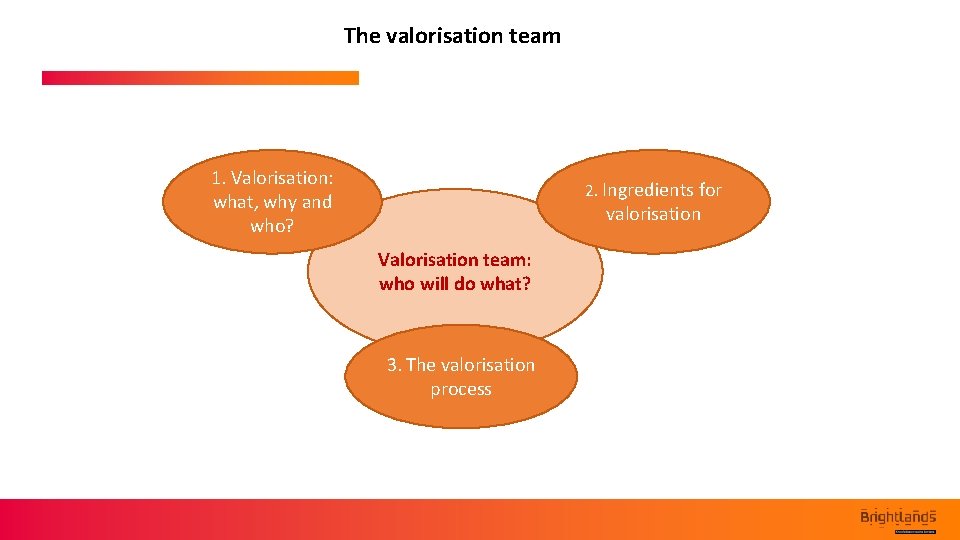
The valorisation team 1. Valorisation: what, why and who? 2. Ingredients for valorisation Valorisation team: who will do what? 3. The valorisation process
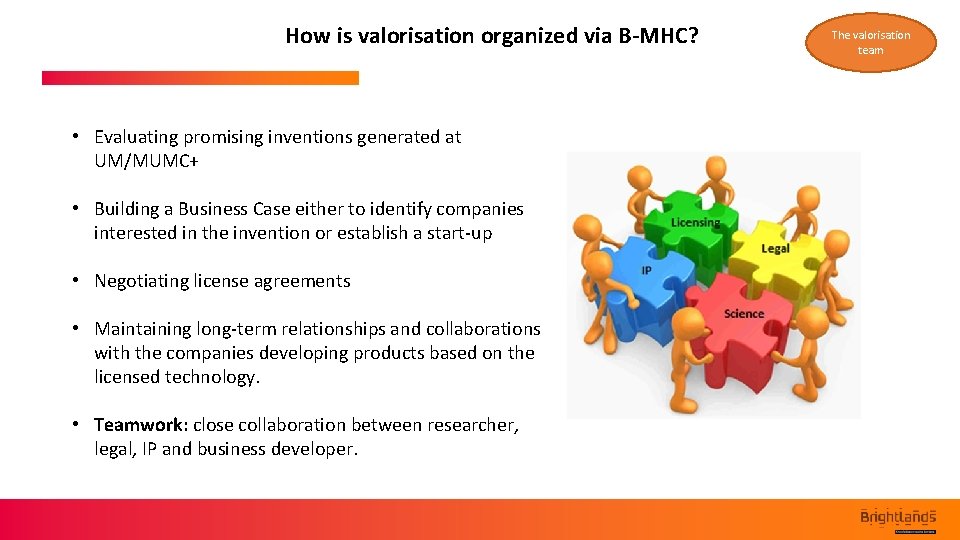
How is valorisation organized via B-MHC? • Evaluating promising inventions generated at UM/MUMC+ • Building a Business Case either to identify companies interested in the invention or establish a start-up • Negotiating license agreements • Maintaining long-term relationships and collaborations with the companies developing products based on the licensed technology. • Teamwork: close collaboration between researcher, legal, IP and business developer. The valorisation team

How and when to start the valorization process? The valorisation team When? • early research activities • whenever you feel you have discovered something unique with possible commercial value • well before publishing your invention through publication, poster sessions, conferences, press releases, or any other form of communication outside the UM/MUMC+. Once the essence of your invention is publicly disclosed to a non-UM/MUMC+ audience, the potential IP rights may be limited or not possible anymore thereby hindering the commercialization potential Feel free to contact B-MHC when in doubt
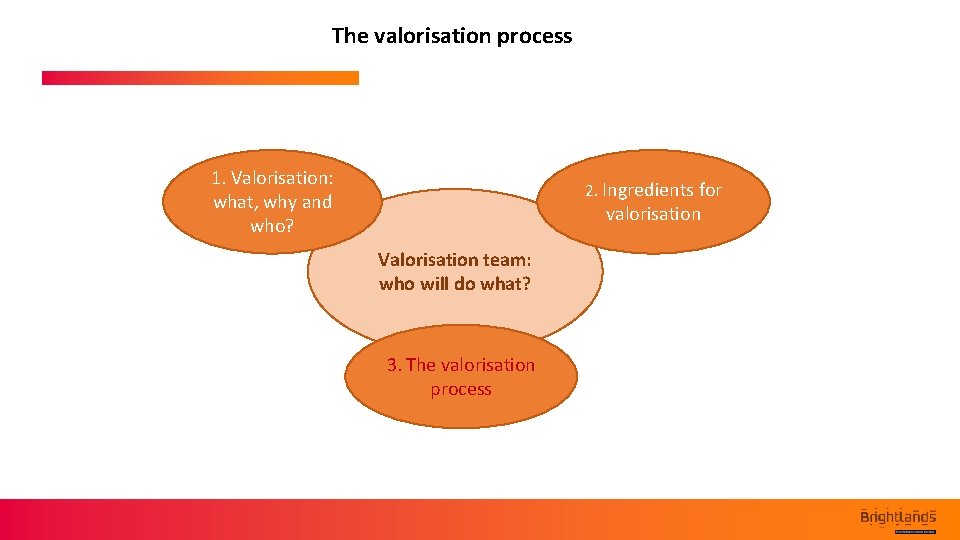
The valorisation process 1. Valorisation: what, why and who? 2. Ingredients for valorisation Valorisation team: who will do what? 3. The valorisation process
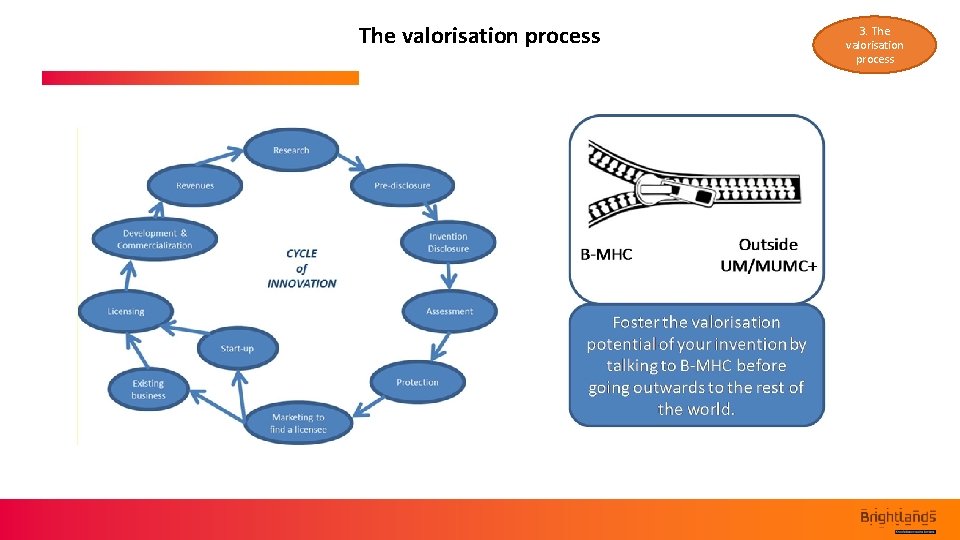
The valorisation process 3. The valorisation process
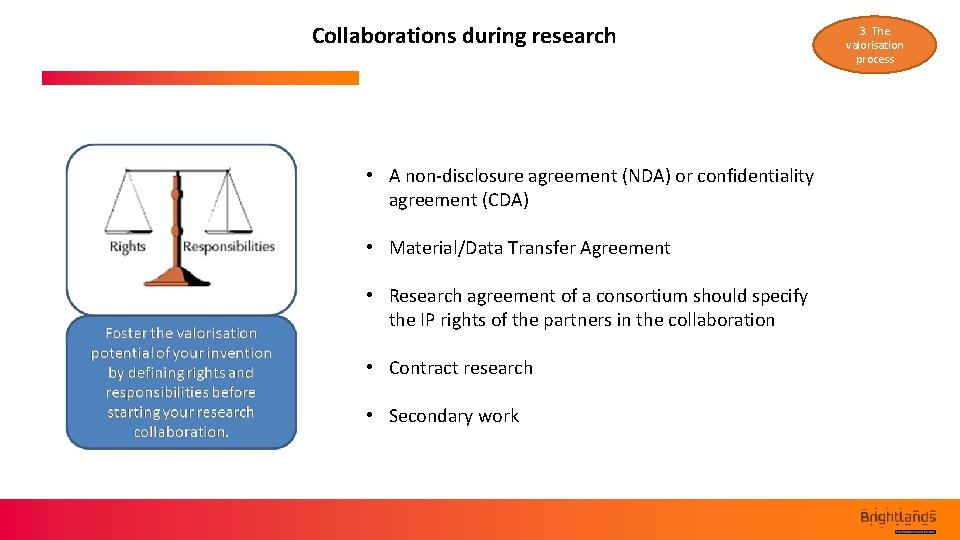
Collaborations during research • A non-disclosure agreement (NDA) or confidentiality agreement (CDA) • Material/Data Transfer Agreement • Research agreement of a consortium should specify the IP rights of the partners in the collaboration • Contract research • Secondary work 3. The valorisation process
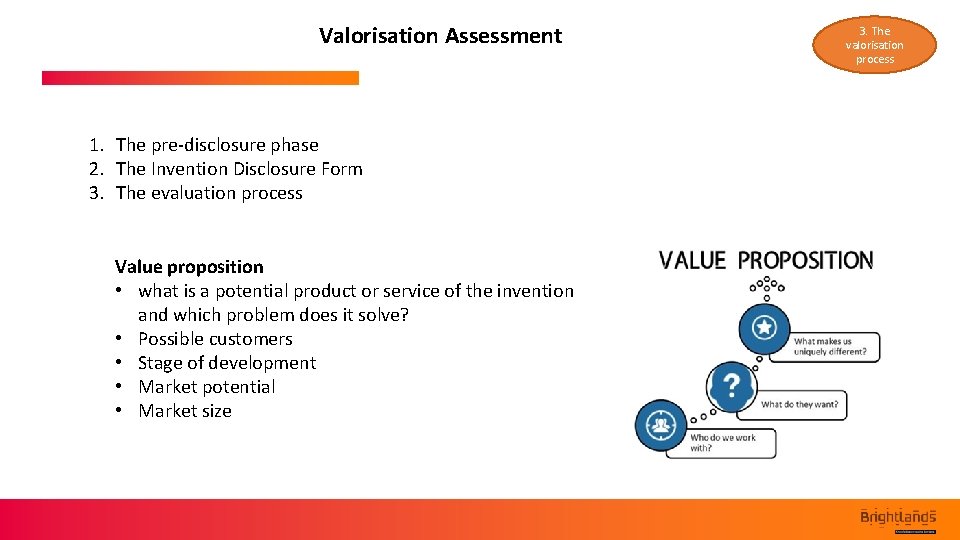
Valorisation Assessment 1. The pre-disclosure phase 2. The Invention Disclosure Form 3. The evaluation process Value proposition • what is a potential product or service of the invention and which problem does it solve? • Possible customers • Stage of development • Market potential • Market size 3. The valorisation process
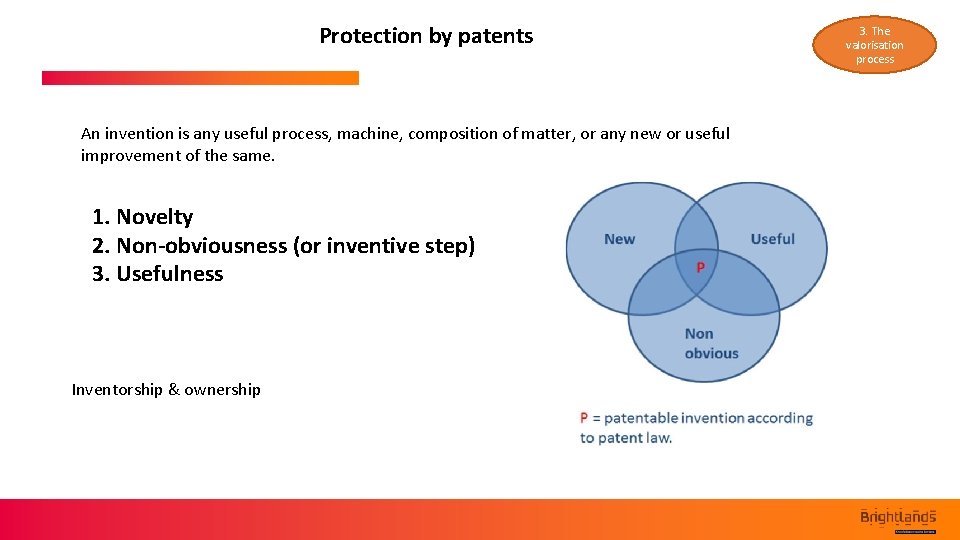
Protection by patents An invention is any useful process, machine, composition of matter, or any new or useful improvement of the same. 1. Novelty 2. Non-obviousness (or inventive step) 3. Usefulness Inventorship & ownership 3. The valorisation process
Patents, who will pay? 3. The valorisation process • The UM/MUMC+ has an IP fund to pay for the patenting costs of UM/MUMC+ inventions. • Due to the significant costs and the length of time required to obtain a patent we carefully review the commercial potential for an invention together with the researcher before investing in the patent process
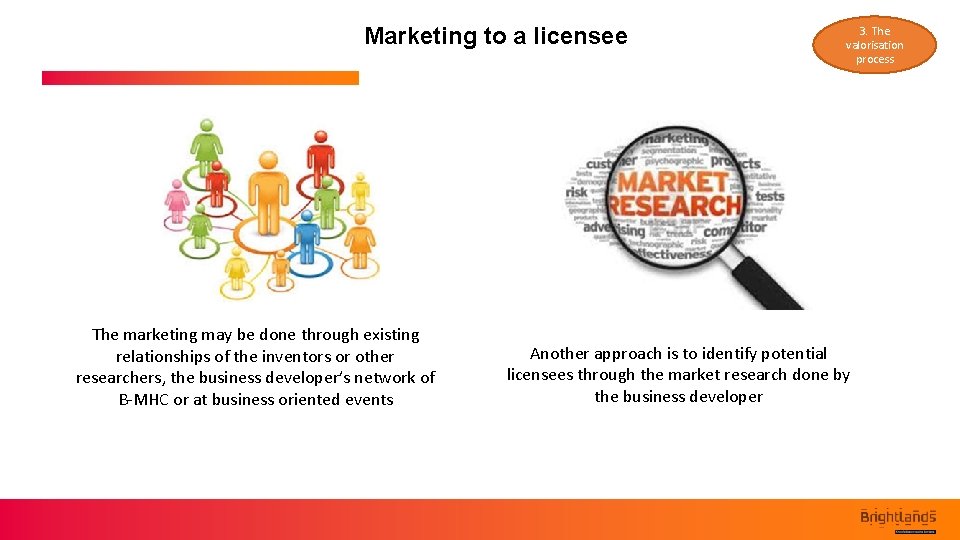
Marketing to a licensee The marketing may be done through existing relationships of the inventors or other researchers, the business developer’s network of B-MHC or at business oriented events 3. The valorisation process Another approach is to identify potential licensees through the market research done by the business developer
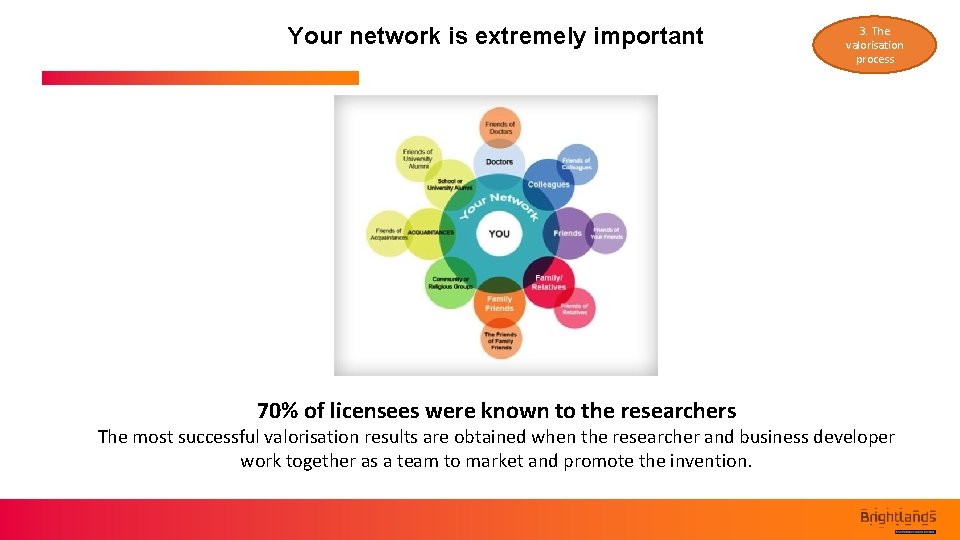
Your network is extremely important 70% of licensees were known to the researchers 3. The valorisation process The most successful valorisation results are obtained when the researcher and business developer work together as a team to market and promote the invention.
How long will it take? 3. The valorisation process Months or even several years to locate a potential licensee depending on: • The attractiveness of the invention • The stage of development of the invention • The size of the market As a rule of thumb, the valorization team of B-MHC strives to have an interested licensee before entering the national phase of the patent procedure (30 months after the filing date).
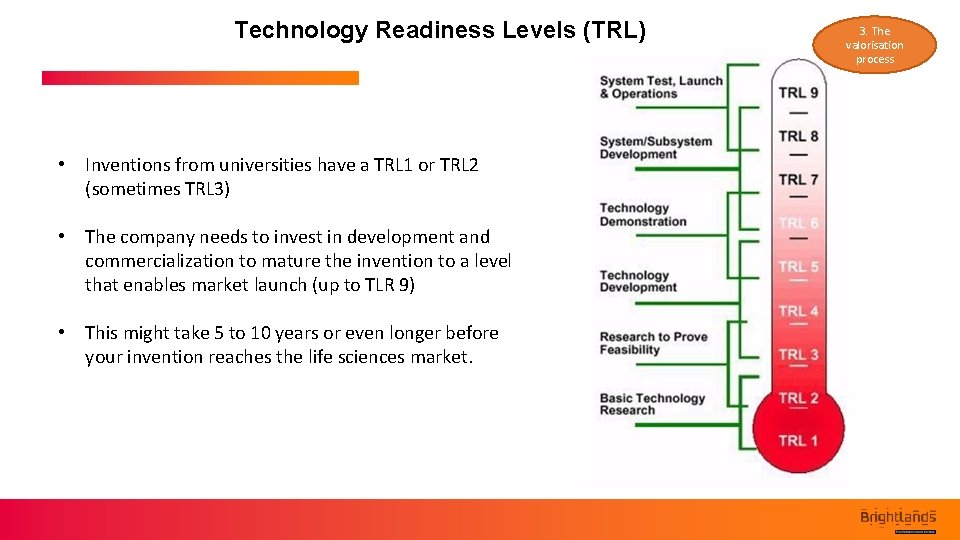
Technology Readiness Levels (TRL) • Inventions from universities have a TRL 1 or TRL 2 (sometimes TRL 3) • The company needs to invest in development and commercialization to mature the invention to a level that enables market launch (up to TLR 9) • This might take 5 to 10 years or even longer before your invention reaches the life sciences market. 3. The valorisation process
Revenue’s 3. The valorisation process • The UM/MUMC+ has a policy how to divide these revenues to the inventor(s) is described in the Knowledge Rights Regulation • Distribution of these net proceedings from licensing IP occurs in equal parts (1/3) among: o the inventor(s), o the research group of the inventor(s) and o the university (IP fund).
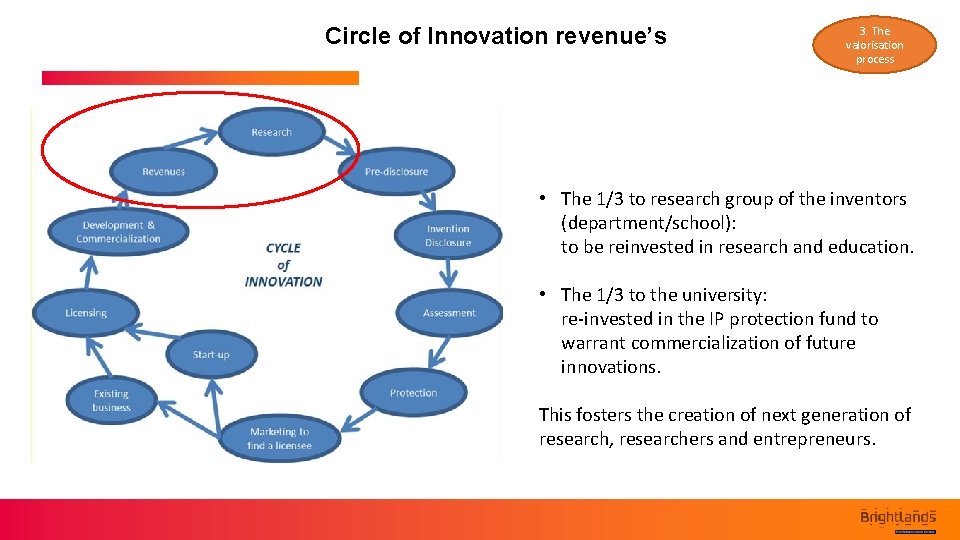
Circle of Innovation revenue’s 3. The valorisation process • The 1/3 to research group of the inventors (department/school): to be reinvested in research and education. • The 1/3 to the university: re-invested in the IP protection fund to warrant commercialization of future innovations. This fosters the creation of next generation of research, researchers and entrepreneurs.
Take home message • Valorisation = teamwork! B-MHC coordinates this process. • Valorisation can help you to translate your invention into use and may generate new funding opportunities • Contact B-MHC well before publishing • Your input is essential for successful valorisation: • In case of IDF and patent application • Network of researcher • Please respond to question of valorisation team members (IP, legal, contracts, license possibilities, etc. ) • Keep the valorisation team informed
Valorisation guideline for UM/MUMC+ researchers

- Slides: 30