
Tools for Managing Stress What have you done
- Slides: 20
Tools for Managing Stress
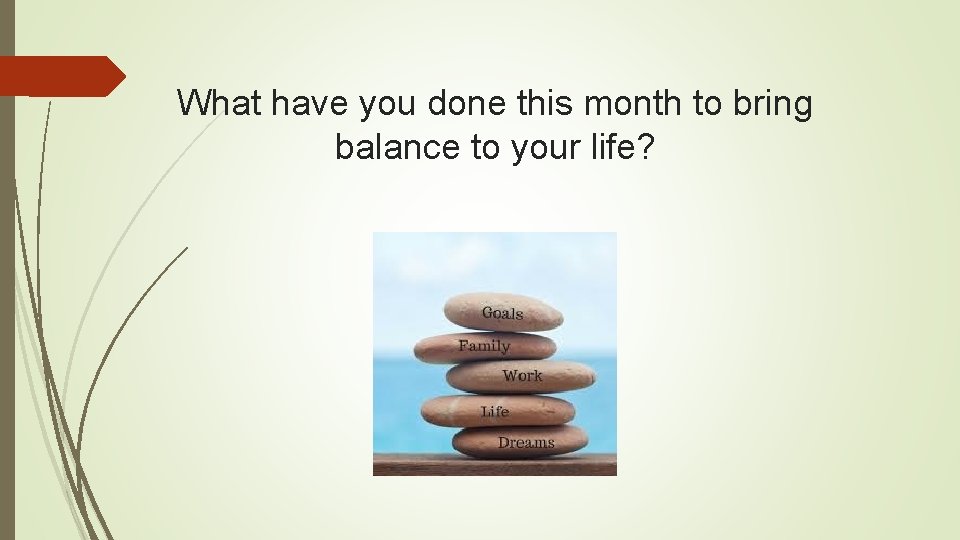
What have you done this month to bring balance to your life?
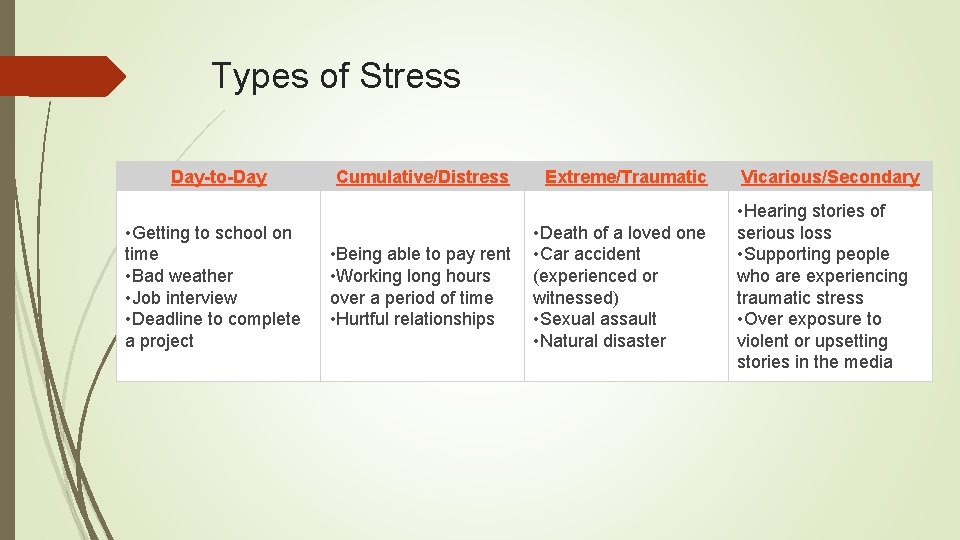
Types of Stress Day-to-Day • Getting to school on time • Bad weather • Job interview • Deadline to complete a project Cumulative/Distress • Being able to pay rent • Working long hours over a period of time • Hurtful relationships Extreme/Traumatic • Death of a loved one • Car accident (experienced or witnessed) • Sexual assault • Natural disaster Vicarious/Secondary • Hearing stories of serious loss • Supporting people who are experiencing traumatic stress • Over exposure to violent or upsetting stories in the media
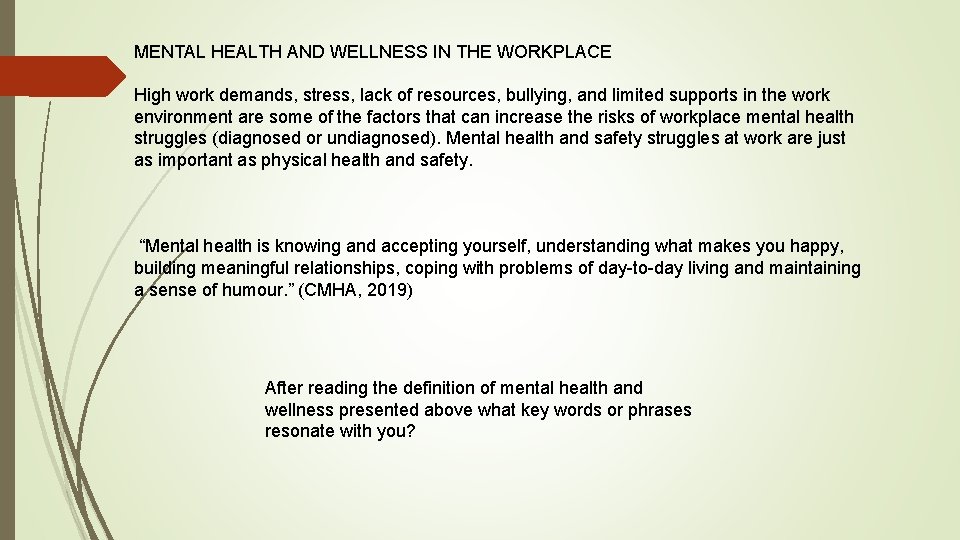
MENTAL HEALTH AND WELLNESS IN THE WORKPLACE High work demands, stress, lack of resources, bullying, and limited supports in the work environment are some of the factors that can increase the risks of workplace mental health struggles (diagnosed or undiagnosed). Mental health and safety struggles at work are just as important as physical health and safety. “Mental health is knowing and accepting yourself, understanding what makes you happy, building meaningful relationships, coping with problems of day-to-day living and maintaining a sense of humour. ” (CMHA, 2019) After reading the definition of mental health and wellness presented above what key words or phrases resonate with you?
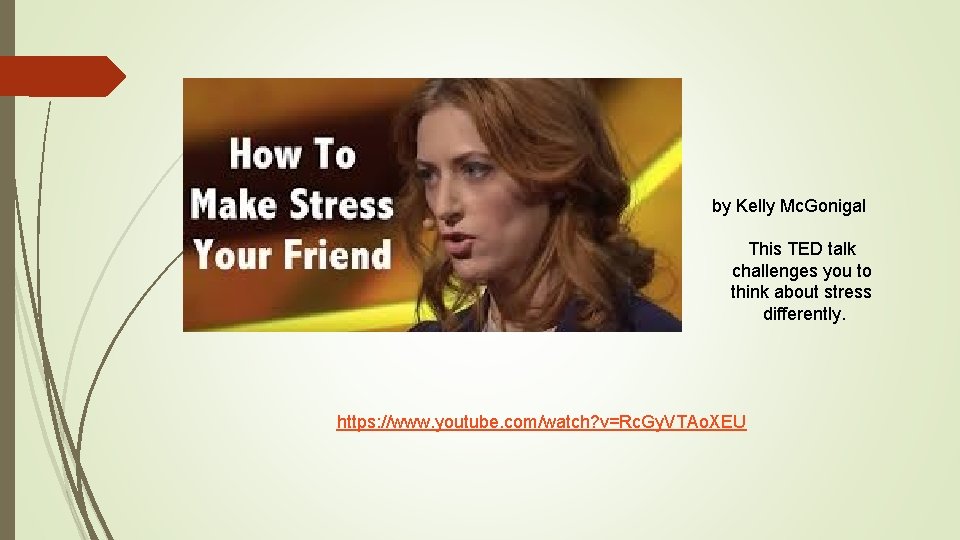
by Kelly Mc. Gonigal This TED talk challenges you to think about stress differently. https: //www. youtube. com/watch? v=Rc. Gy. VTAo. XEU
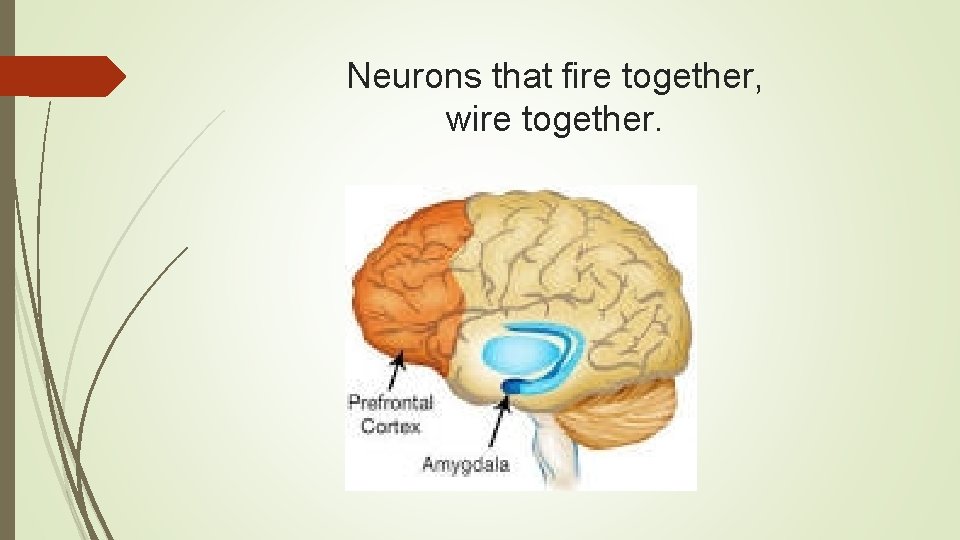
Neurons that fire together, wire together.
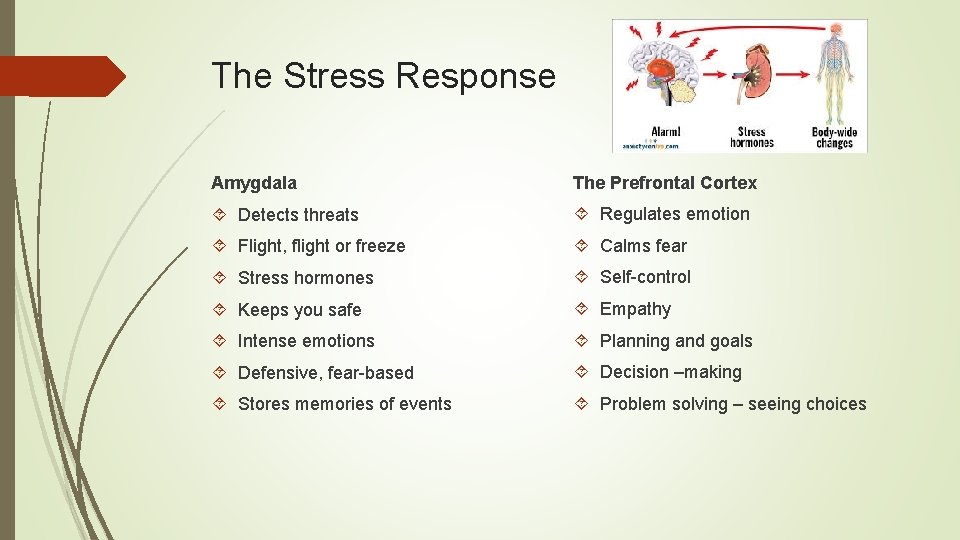
The Stress Response Amygdala The Prefrontal Cortex Detects threats Regulates emotion Flight, flight or freeze Calms fear Stress hormones Self-control Keeps you safe Empathy Intense emotions Planning and goals Defensive, fear-based Decision –making Stores memories of events Problem solving – seeing choices
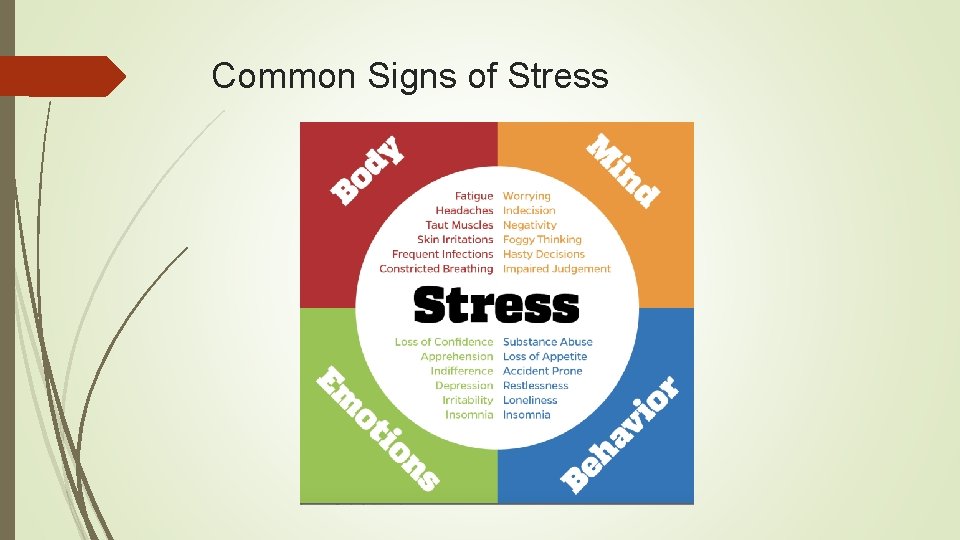
Common Signs of Stress
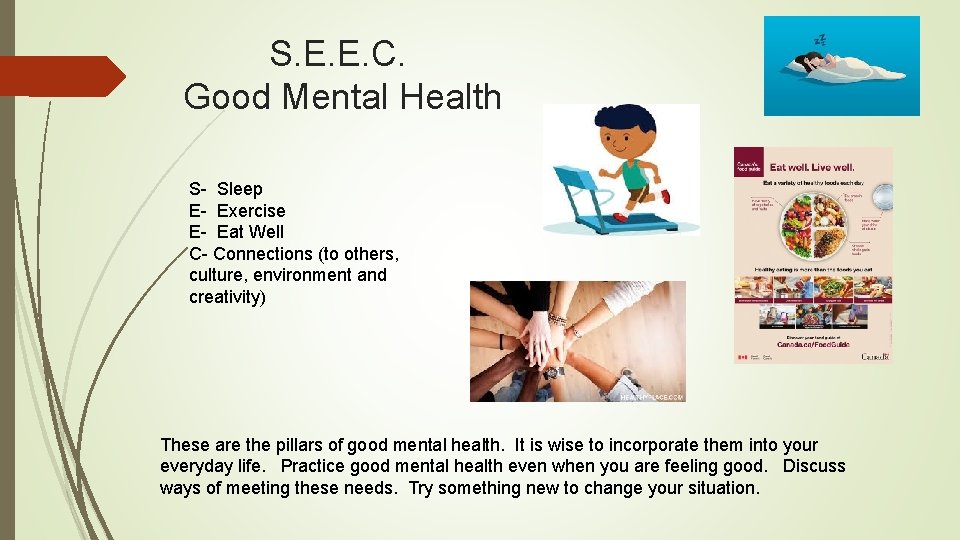
S. E. E. C. Good Mental Health S- Sleep E- Exercise E- Eat Well C- Connections (to others, culture, environment and creativity) These are the pillars of good mental health. It is wise to incorporate them into your everyday life. Practice good mental health even when you are feeling good. Discuss ways of meeting these needs. Try something new to change your situation.
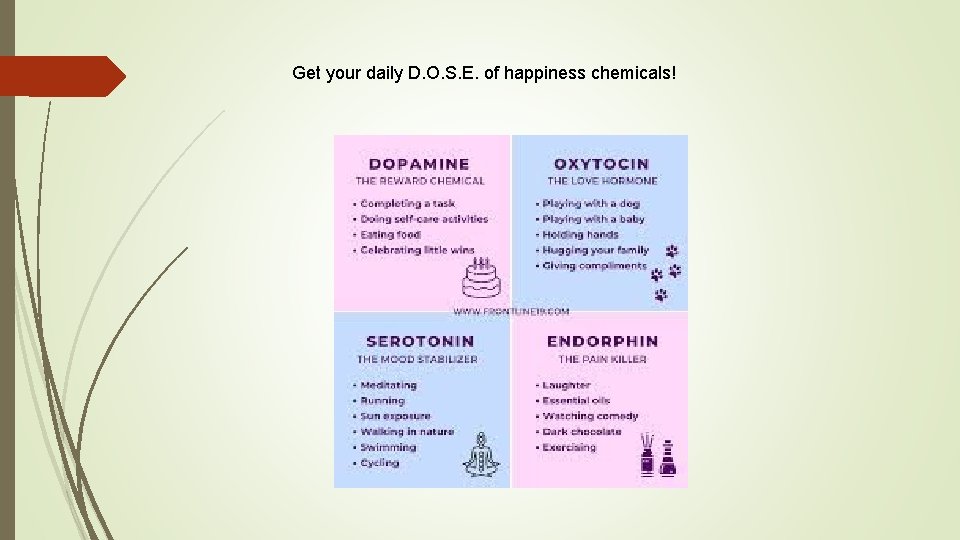
Get your daily D. O. S. E. of happiness chemicals!
Click on link to poster with many strategies for dealing with stress. You may want to print for future use. https: //sd 52 my. sharepoint. com/: b: /g/personal/pgroves_sd 52_bc_ca/Ebdyl. Tj 4951 Ps. Ov. Ip 7 f. SJlc. Bo 2 Wh 4 Rzr 6 AIu_Kfd. BLTWPw? e=E 3 PWEc
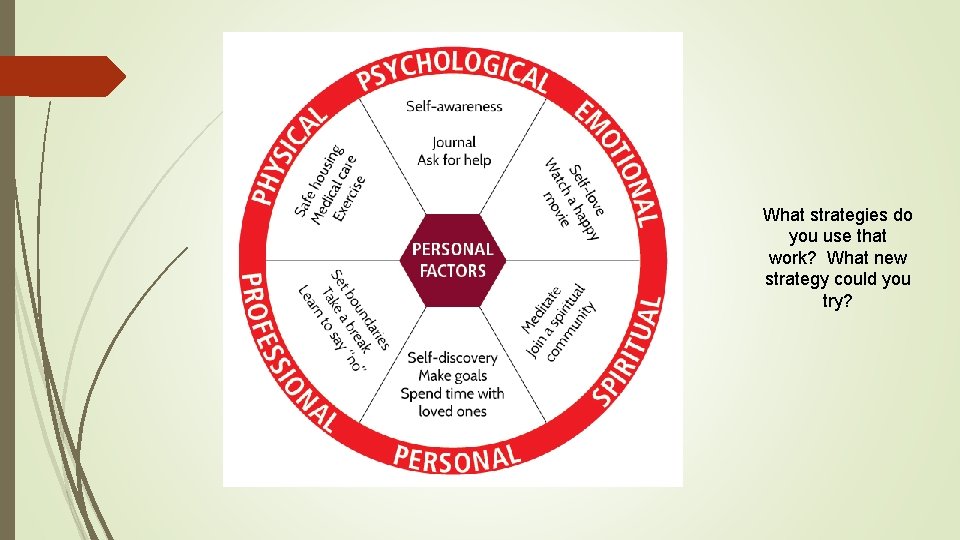
What strategies do you use that work? What new strategy could you try?
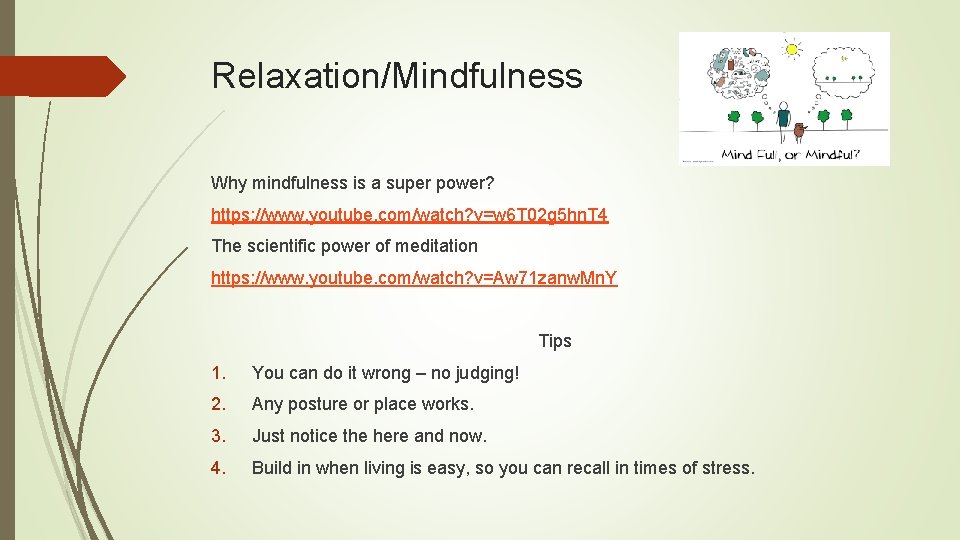
Relaxation/Mindfulness Why mindfulness is a super power? https: //www. youtube. com/watch? v=w 6 T 02 g 5 hn. T 4 The scientific power of meditation https: //www. youtube. com/watch? v=Aw 71 zanw. Mn. Y Tips 1. You can do it wrong – no judging! 2. Any posture or place works. 3. Just notice the here and now. 4. Build in when living is easy, so you can recall in times of stress.
PROGRESSIVE BODY RELAXATION https: //www. youtube. com/watch? v=8 Xp 2 Uz. G 7 UYY Click on the link and try one example of mindfulness
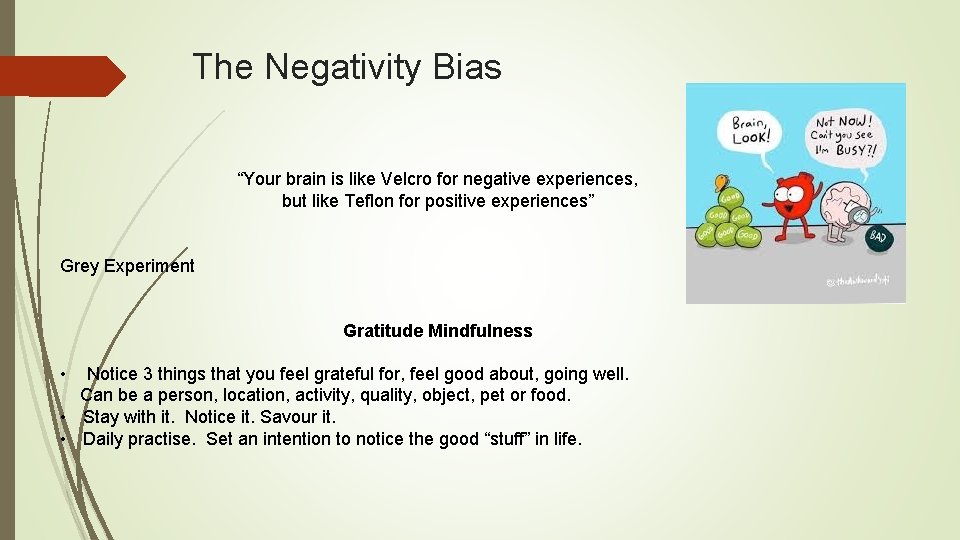
The Negativity Bias “Your brain is like Velcro for negative experiences, but like Teflon for positive experiences” Grey Experiment Gratitude Mindfulness • Notice 3 things that you feel grateful for, feel good about, going well. Can be a person, location, activity, quality, object, pet or food. • Stay with it. Notice it. Savour it. • Daily practise. Set an intention to notice the good “stuff” in life.
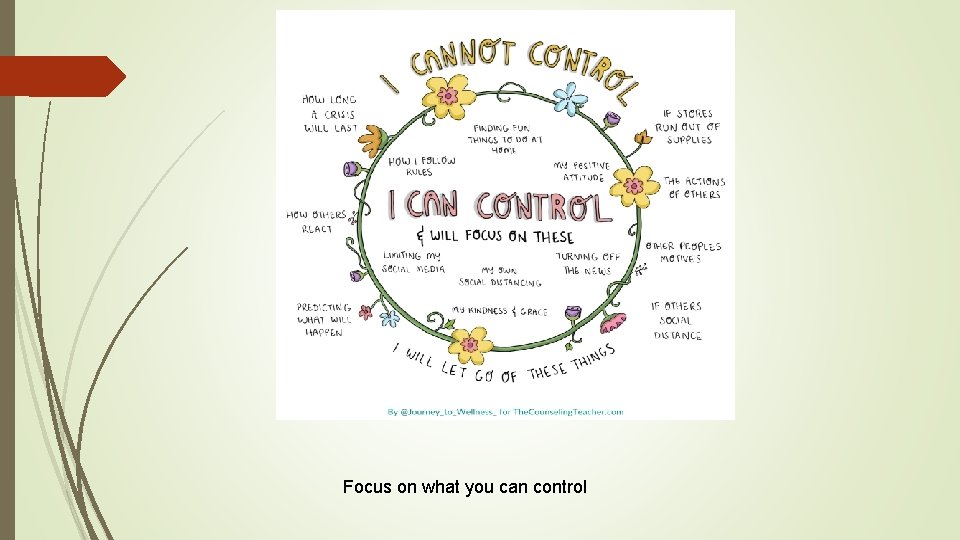
Focus on what you can control
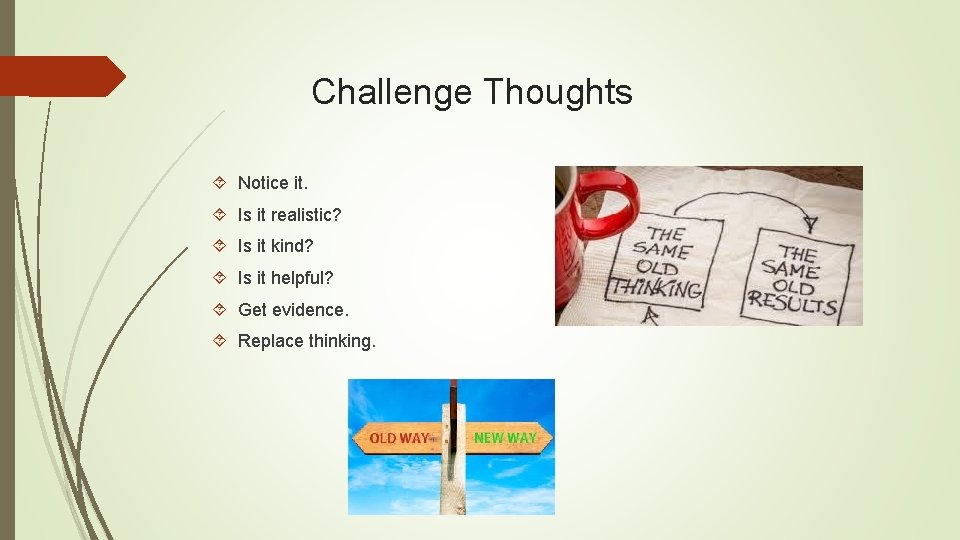
Challenge Thoughts Notice it. Is it realistic? Is it kind? Is it helpful? Get evidence. Replace thinking.
Practice Positive Affirmations Think of a saying or a mantra that you can repeat to yourself in times of high stress. Some examples: One day at a time This too shall pass Ive got this
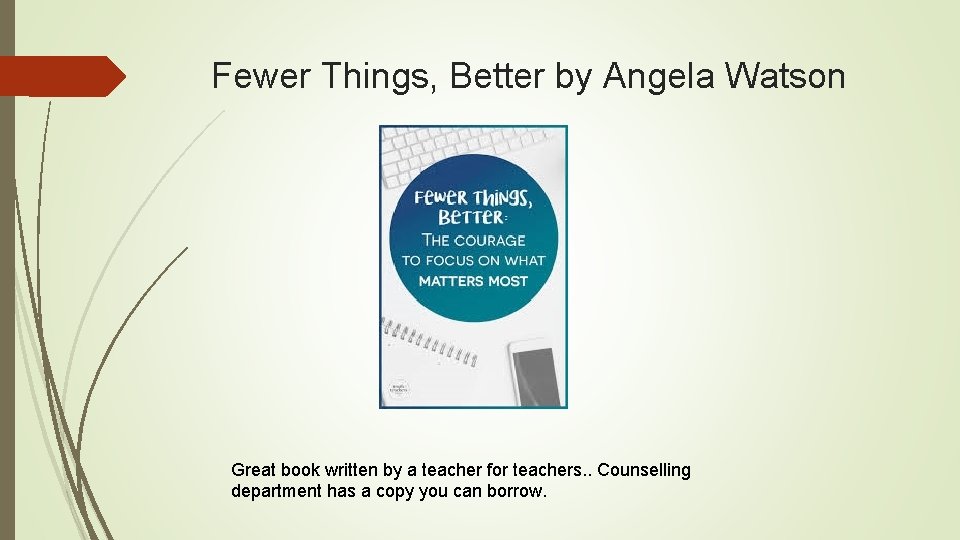
Fewer Things, Better by Angela Watson Great book written by a teacher for teachers. . Counselling department has a copy you can borrow.
Be kind to yourself and seek help if your stress is overwhelming. Check out this link to bctf resources: https: //bctf. ca/wellness/