
Tony Rothman Deepest Paradox of Physics Physics is
- Slides: 34
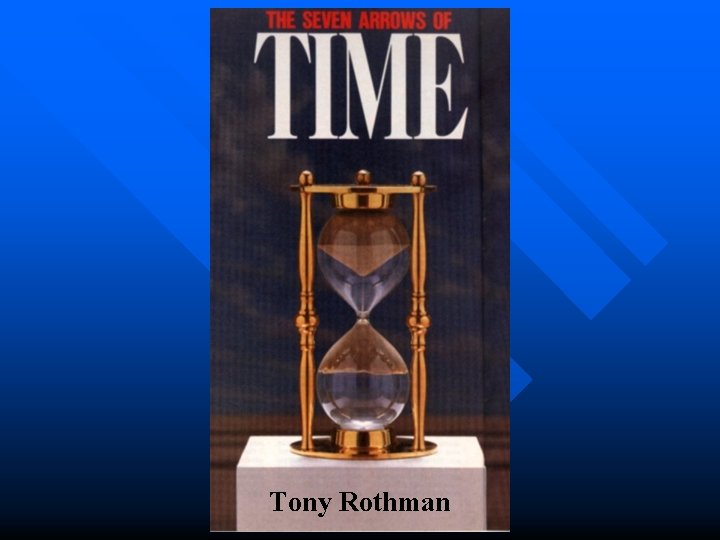
Tony Rothman
Deep(est) Paradox of Physics: Physics is Time Symmetric Nature is Not
Fundamental Theories of Physics Don’t Care Which Way Time Goes • • Newtonian Physics Electromagnetism Relativity Quantum Mechanics
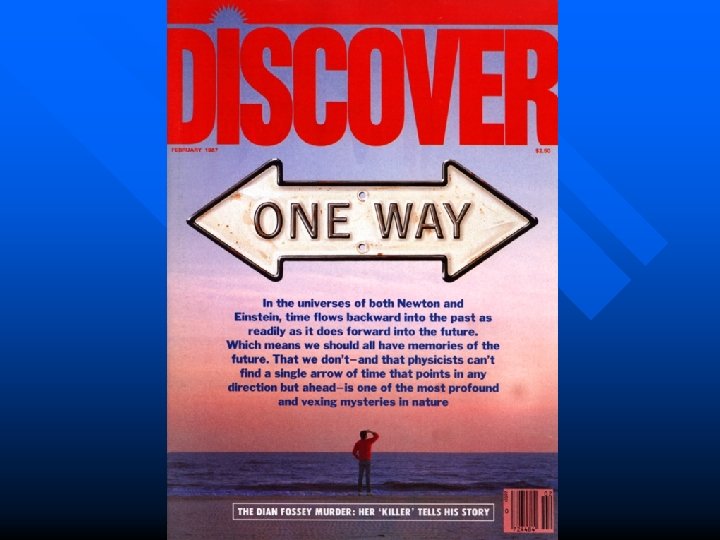
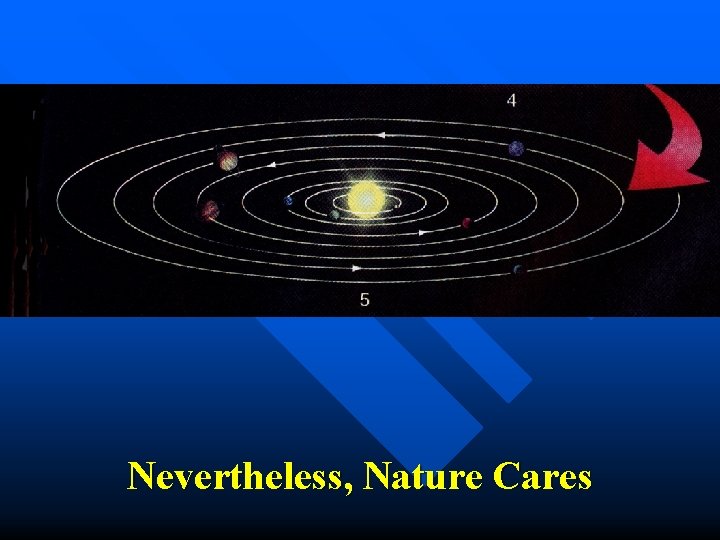
Nevertheless, Nature Cares
Roger Penrose lists seven ways in which Nature distinguishes past from future, seven “arrows of time”
Seven Arrows of Time 1. 2. 3. 4. 5. 6. 7. Memory Arrow Electromagnetic Arrow Quantum Arrow Black Hole Arrow Cosmological Arrow Kaon Arrow Entropy Arrow
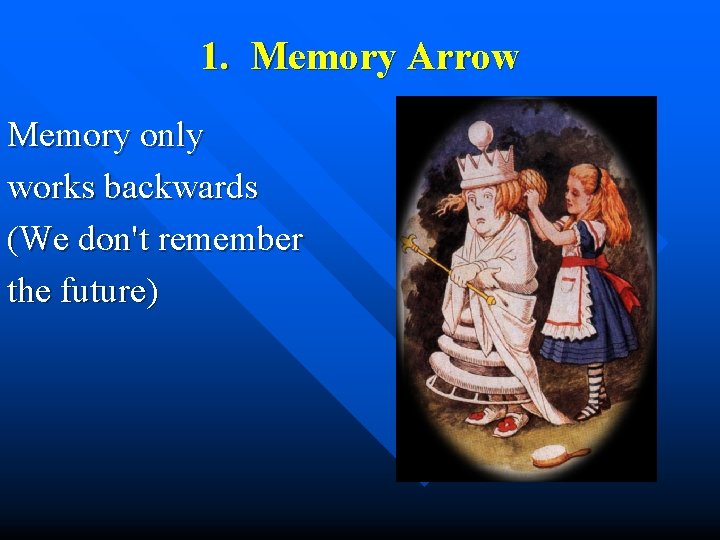
1. Memory Arrow Memory only works backwards (We don't remember the future)
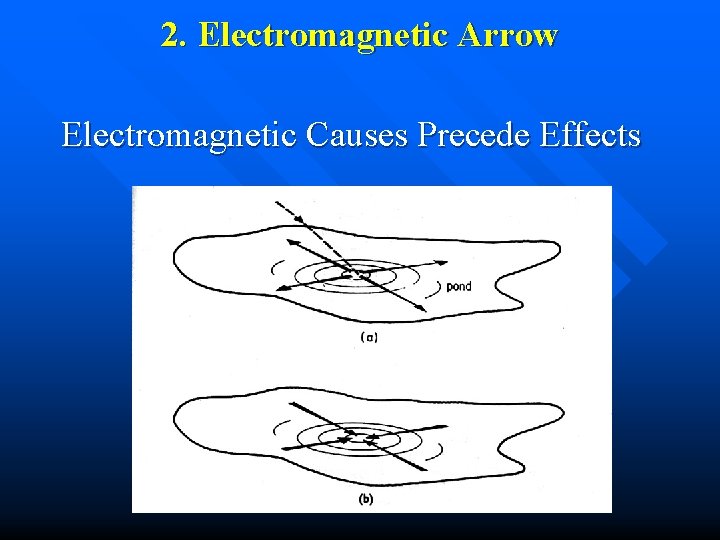
2. Electromagnetic Arrow Electromagnetic Causes Precede Effects
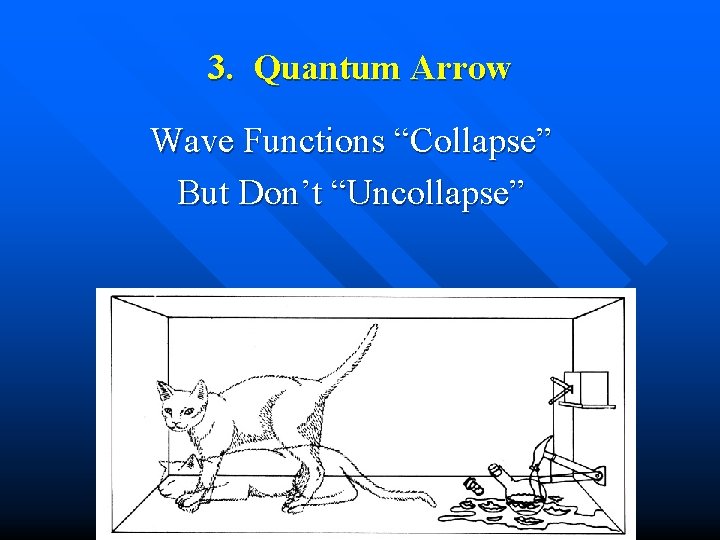
3. Quantum Arrow Wave Functions “Collapse” But Don’t “Uncollapse”
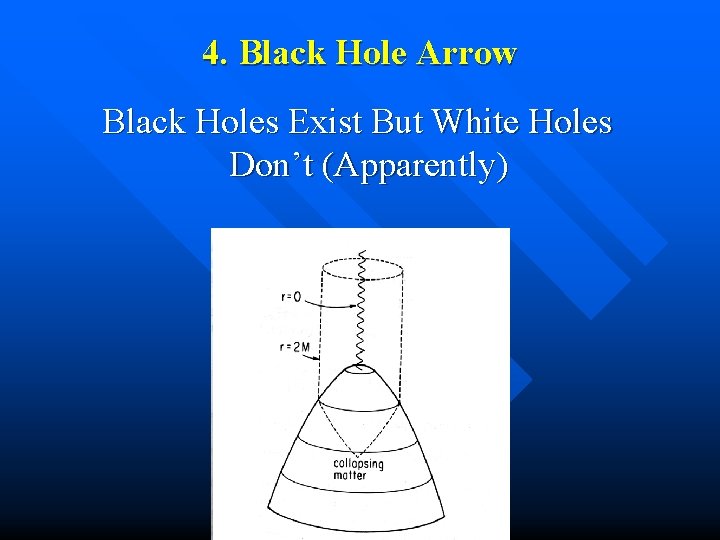
4. Black Hole Arrow Black Holes Exist But White Holes Don’t (Apparently)
5. Cosmological Arrow We live in an expanding universe, not a contracting one. Would time change direction if universe started contracting?
6. Kaon Arrow Kaon decay not time symmetric o K ππ In a time-reversed world this particle decays at a different rate than in our world!
CPT theorem “Charge-Parity-Time” Change electric charge of all particles in world (Change all particles to antiparticles); Reflect it in mirror; Run time backwards: New world is indistinguishable from old
Princeton 1964 Experiment: • Kaon decay not invariant under CP-reversal • Must also change under Treversal
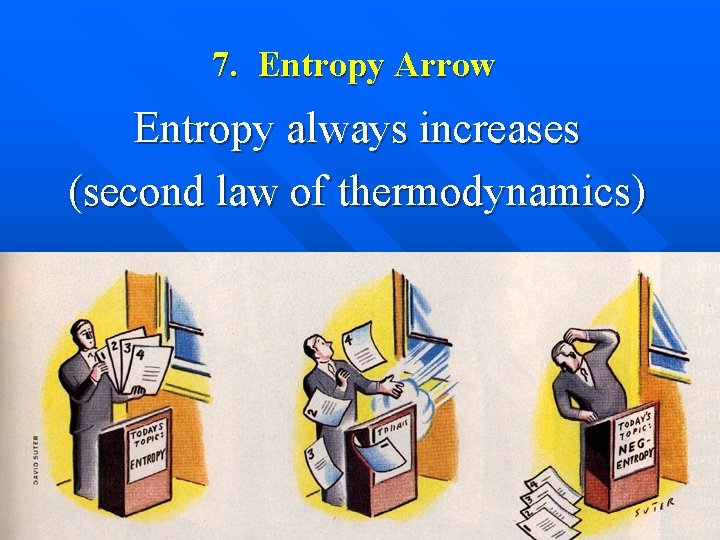
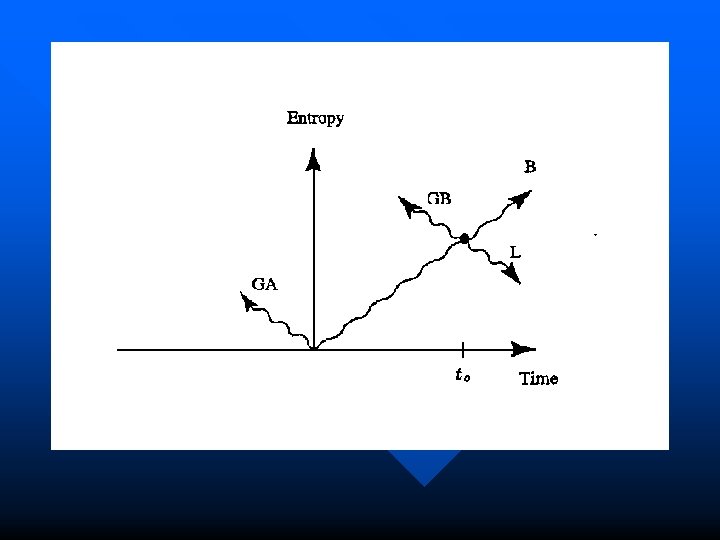
7. Entropy Arrow Entropy always increases (second law of thermodynamics)
Question: Are arrows independent? Hawking: Memory and entropy arrows linked (Requires energy to read one bit, increases entropy by certain amount)
Rothman to Penrose: One arrow arbitrary; only six independent signs.
Sudarshan to Rothman: All particle decay CPT invariant but Irreversible: Particle-decay arrow. Rothman to Rothman: Temperature dependent?
Entropy • Entropy can be thought of as waste heat generated in any realistic process • “Disorder” in a system
Second Law: Entropy of a system always increases under realistic (“irreversible”) process Only law of nature that exhibits direction of time!
“Thermodynamic system”: System with lots of particles (Gas) Obeys second law But individual particles obey Newtonian physics
Central Paradox: Gas is a thermodynamic system; obeys second law. But if gas particles individually obey time-symmetric Newtonian physics, how can arrow of time arise?
Boltzmann attempts to derive increase of entropy from Newtonian Physics H-Theorem
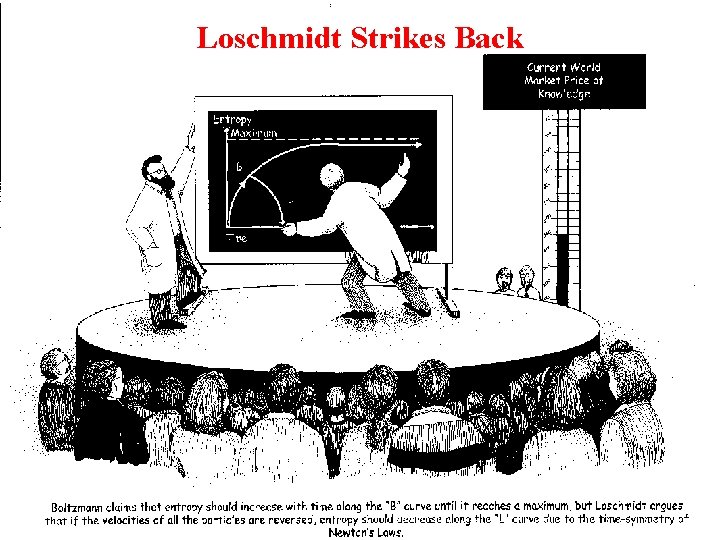
Loschmidt Strikes Back
Boltzmann goes to probabilistic theory An ordered deck of cards becomes disordered on shuffling
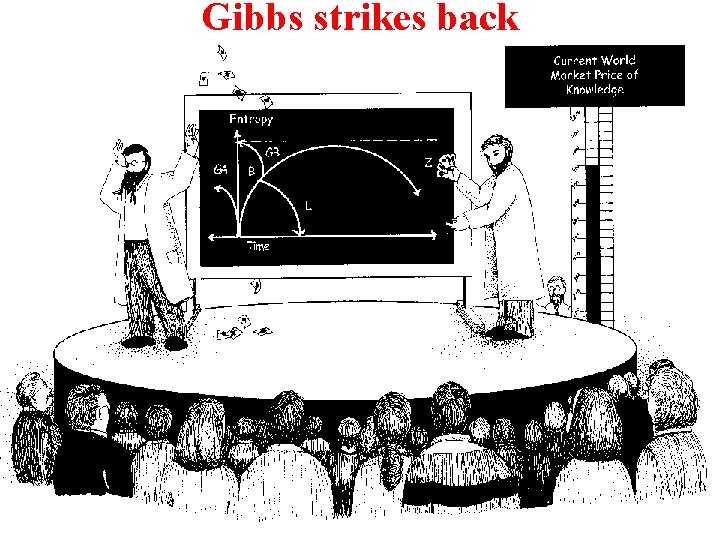
Gibbs strikes back
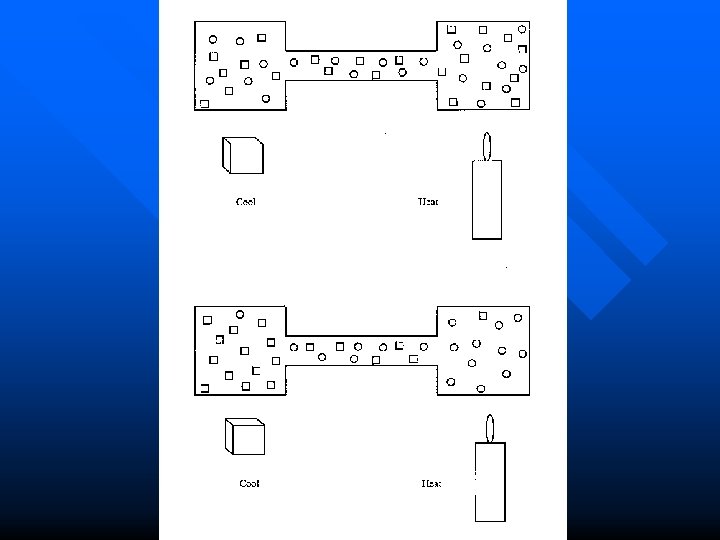
Another Problem: Entropy should not always be equated with disorder
Prigogine’s Solution: Second Law is fundamental. Can’t derive. Chaotic systems manifest irreversible Behavior. Entropy increase tied up with chaos
Objection: Chaotic systems are time-symmetric. If a system is chaotic into the future, it is also chaotic into the past
Conclusion: To date no satisfactory explanation for direction of time