
Tongan Dance Amone Finau Fallon Akerson Smith Stubbs

Tongan Dance Amone Finau, Fallon Akerson, Smith Stubbs
History of Tonga, officially the Kingdom of Tonga, is a Polynesian sovereign state that comprises of 169 islands of which 36 are inhabited. Tonga became known in the West as the Friendly Islands because of their pleasant reception to Captain James Cook on his first visit in 1773. From 1900 to 1970, Tonga had British protected state status, with the United Kingdom looking after its foreign affairs under a Treaty of Friendship. The country never relinquished its sovereignty to any foreign power
Who Dances In Tonga? Everyone Dances. Different dances in tonga are usually designed for a specific age and gender, some of these dances include: ● The “Tau’olunga”, This dance is specifically for young women and is meant to demonstrate the purity of young virgin women. ● The “Kailoa”, This dance is only for the men. It is a war dance performed by men to go to war. ● The “Laka” is a dance where both women and men come together. All ages can perform this dance it is told to tell a specific story depending on the maker. There is a religion dance that tells the story of Joseph Smith’s first vision.
Punake (meaning conductor of the dance) In all of the Tongan dances it all begins with the Punake or conductor of the dance. The Punake is normally a male and is known for his love of the people, his love of nature, and is talented in the Choreography of the dances.
Tau’Olunga-Movement & Meaning ● Because Tonga was so poor they would bring a girl to dance to celebrate. For example, a wedding(a girl from the bride and groom’s side would come to perform their Tau’Olunga) birthdays, graduation, and many different types of celebrations. ● The women’s hands are very graceful, soft and serene; Each finger from index to pinkie are together while the hands slowly rotate up and down in a circular movement. Their hands tell a story. If they are at a wedding they will use hand movements from the women’s chest to the person. Moving up could mean mountains or could represent the sunset. ● The calm movements convey the importance of elegance in their womanhood.

The Tau’olunga-Costume ● A strapless dress that comes down to the knee is typically worn by the young women when performing the dance. ● The dress is called a Teunga, meaning dance costume ● Back in the day they would put coconut oil on the young women to show purity and if the oil shined it meant the girl was pure, and if it didn’t shine, it meant she wasn’t pure ● Baby Oil is put on the dancers visible skin, making the skin shine to represent her beauty. ● Wristlets, Anklets, and a headpiece Known as the “Teki

Tau’Olunga
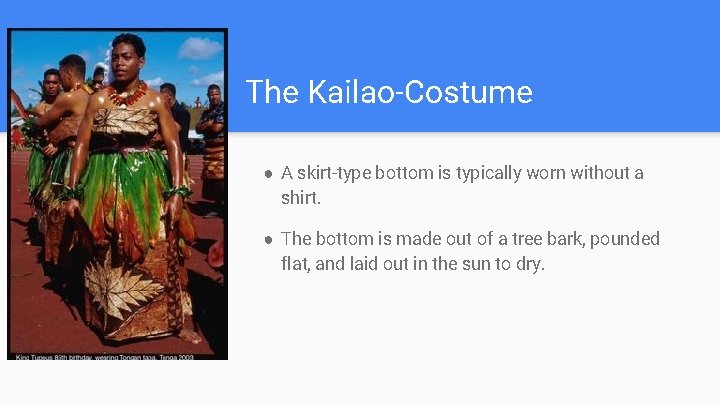
The Kailao-Costume ● A skirt-type bottom is typically worn without a shirt. ● The bottom is made out of a tree bark, pounded flat, and laid out in the sun to dry.
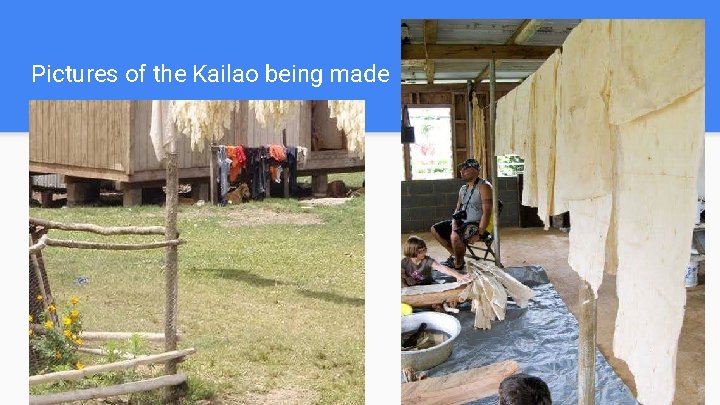
Pictures of the Kailao being made
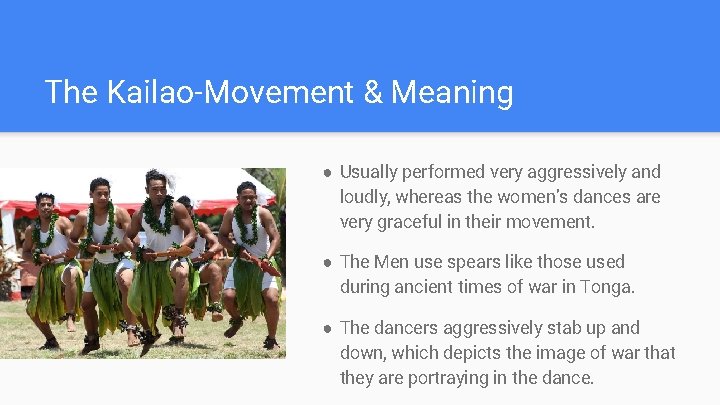
The Kailao-Movement & Meaning ● Usually performed very aggressively and loudly, whereas the women’s dances are very graceful in their movement. ● The Men use spears like those used during ancient times of war in Tonga. ● The dancers aggressively stab up and down, which depicts the image of war that they are portraying in the dance.
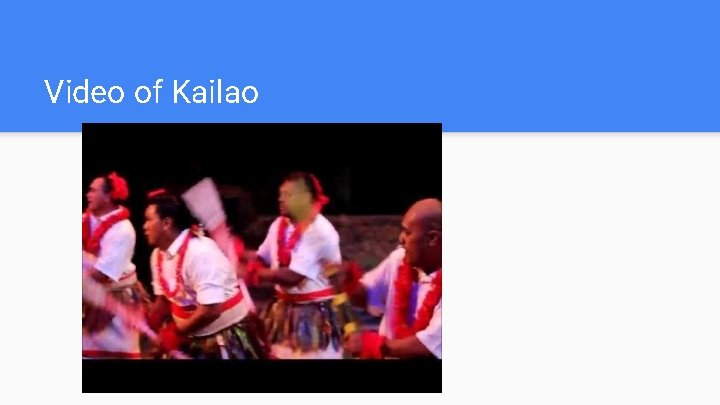
Video of Kailao
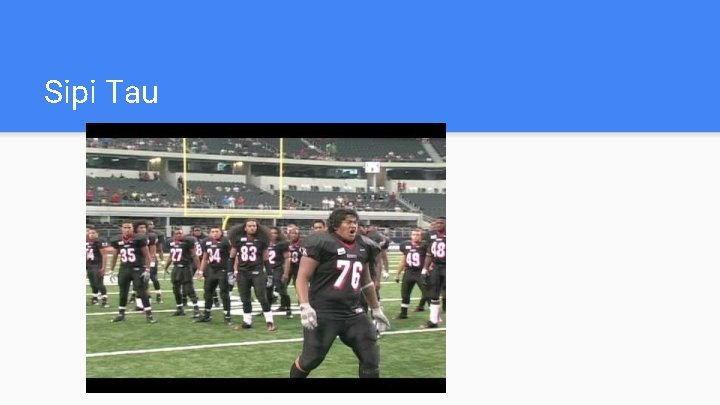
Sipi Tau Much like the Haka, the dance movement is loud and involves beating on the chest; It is meant to intimidate the opponent. Helps the team come together in unity to achieve one goal which is to win, and they will do anything necessary to win.

Sipi Tau
Sipi Tau
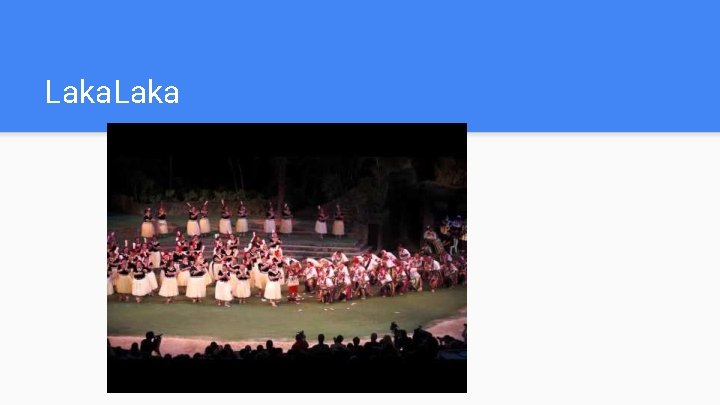
Laka The Laka dance tells a story, there are many different types of Laka’s telling different types of stories. Example of church Laka This dance is done by by both male and female the dance movement tells the story of a certain Laka
Laka
Tongan Dance in the United States ● Tongan dance plays a very large part in the tourism industry in the United States, Tongan dances are often performed in hotels. ● Tongan dance can often be seen in the United States at Polynesian luaus.
Acculturation of Tongan Dance in the U. S. ● Originally, the men would teach the Tau’Olunga, but now women can teach it and not be frowned upon. ● The Tau'Olunga has remained mostly the same in the U. S. ● The Kailao is no longer performed as a war dance, but used instead by sports teams to intimidate their opponent or as a source of entertainment. ● The level of respect and reverence for Tongan dance has remained high among Tongans living in the U. S. and Tonga.
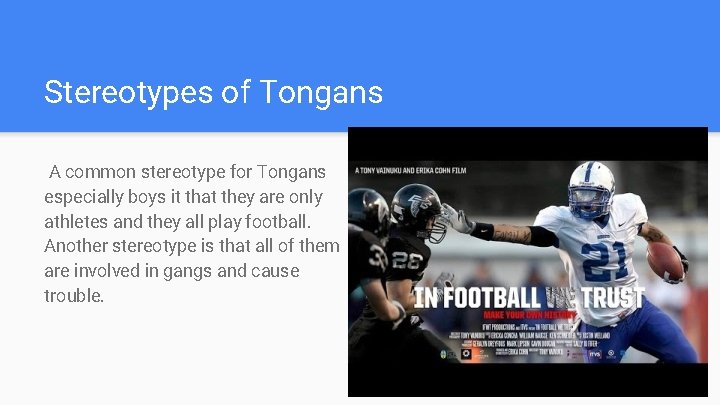
Stereotypes of Tongans A common stereotype for Tongans especially boys it that they are only athletes and they all play football. Another stereotype is that all of them are involved in gangs and cause trouble.
Tongan Culture & American Culture ● The Tongans belief in a higher power is respected and valued a lot more in Tonga than in the U. S. ● In Tonga the majority of the people are Christian, whereas in the U. S. there seems to be a lot more religious diversity. ● Researching Tongan culture has lead us to a greater appreciation for Tongan dances and the deeper meaning behind them.

Works Cited Information given by Amone Finau Kailao Costume Photo https: //s-media-cache-ak 0. pinimg. com/736 x/57/2 f/27/572 f 27705 ae 4818811 e 52 ccc 0 b 75 b 584. jpg Tau’olunga Costume Photo https: //s-media-cache-ak 0. pinimg. com/236 x/26/8 a/30/268 a 30 bdb 3 d 3 f 2 aafcc 5 e 75 a 46 e 31824. jpg Laka Video https: //m. youtube. com/watch? v=sk 0_2 x. BWR 8 Q

Works Cited In football we Trust https: //m. youtube. com/watch? v=gnxz. YQRBly. E Sipi Tau Videos https: //m. youtube. com/watch? v=wnhd. Dlxj. Yf. A (Tongan rugby team) https: //m. youtube. com/watch? v=kd. Pftr. XHATc (Trinity) Kailao Video https: //m. youtube. com/watch? v=ev. Vvvs. Mm. JP 0 Tau’olunga Video https: //m. youtube. com/watch? v=spx. RGAm 1 Efc
- Slides: 22