
Todays Topic Constructive and Destructive Interference Learning Goal









- Slides: 29
Today’s Topic: Constructive and Destructive Interference Learning Goal: SWBAT predict the outcomes of two incoming waves. With Words and with a Drawing: �What would a large amplitude and low frequency light wave look like? �What would a small amplitude and high frequency light wave look like?
Homework �Due Wednesday, 6/3: �Complete the Wave Speed Worksheet �Two Days Late: �Pendulum Lab �Simple Harmonic Motion Worksheet
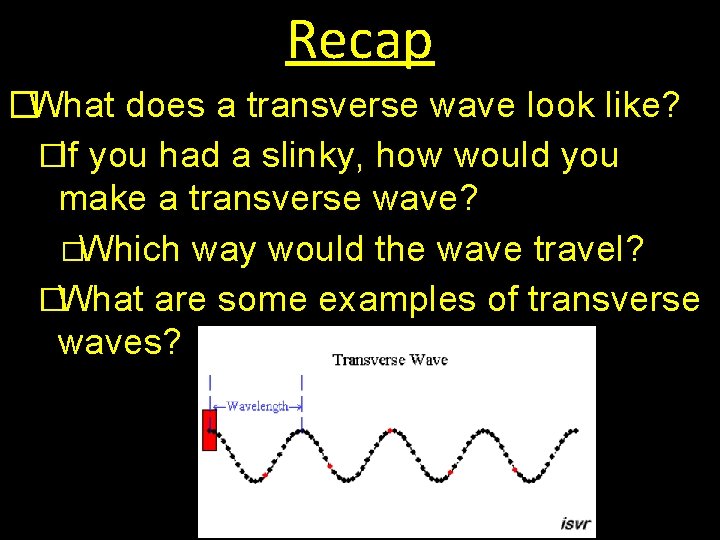
Recap �What does a transverse wave look like? �If you had a slinky, how would you make a transverse wave? �Which way would the wave travel? �What are some examples of transverse waves?
Recap �What does a longitudinal wave look like? �If you had a slinky, how would you make a longitudinal wave? �Which way would the wave travel? �What are some examples of longitudinal waves?
Interference �Waves are different from other types of things we deal with on a day-to-day basis. �For example, let’s say I want to take two Physics books and combine them into each other, so they both occupy the same space at the same time. �Meaning…
Wave Interference �I want both books to overlap each other: �We can’t do this, can we? �But what about waves? �Can we overlap sound waves over each other? �Yes! We all do it all the time!
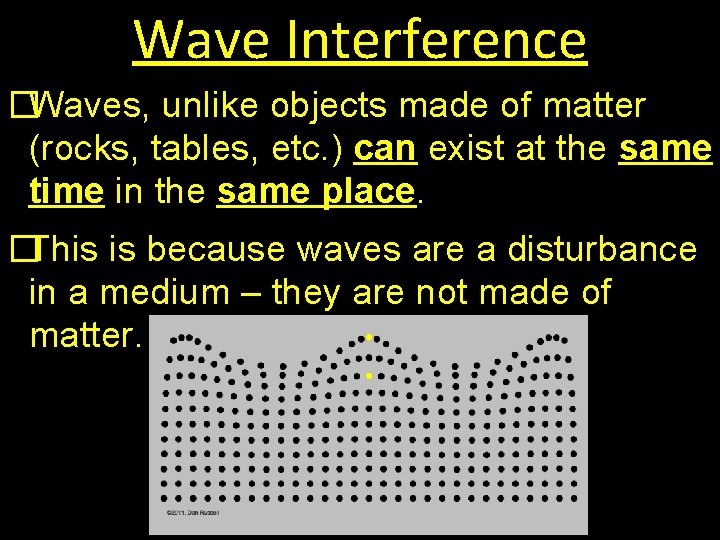
Wave Interference �Waves, unlike objects made of matter (rocks, tables, etc. ) can exist at the same time in the same place. �This is because waves are a disturbance in a medium – they are not made of matter.
Wave Interference �Let’s see a visualization of waves residing in the same place at the same time.
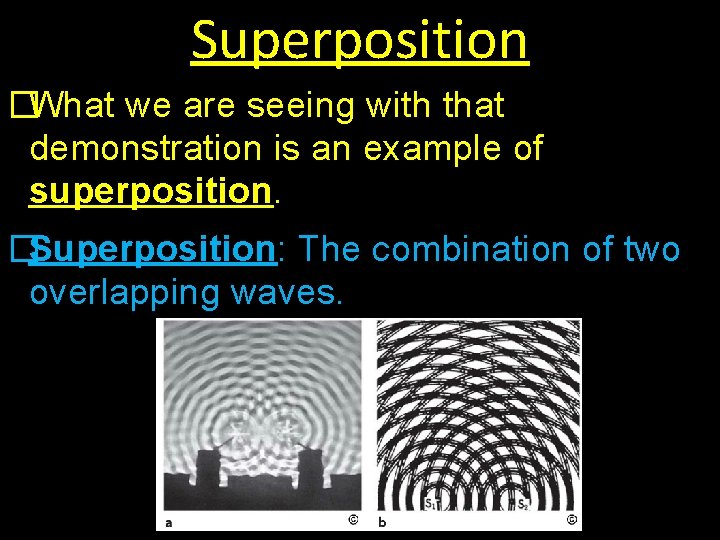
Superposition �What we are seeing with that demonstration is an example of superposition. �Superposition: The combination of two overlapping waves.
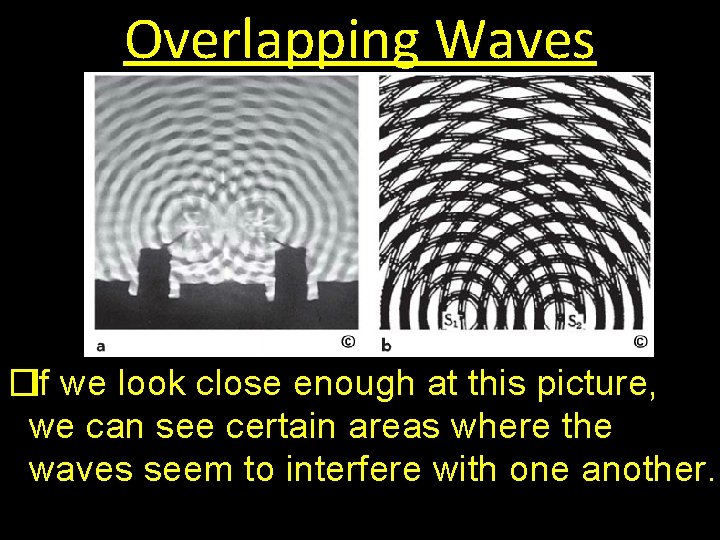
Overlapping Waves �If we look close enough at this picture, we can see certain areas where the waves seem to interfere with one another.
Overlapping Waves �Keep in mind that these waves, and ripples, are moving towards each other.
Interference Pattern
Overlapping Waves �These waves superimpose onto one another creating an interference pattern. �An interference pattern is a regular arrangement of places where wave effects are increased, decreased, or neutralized. �The net displacement (amplitudes) are added together resulting in different interference.
Interference Pattern
Types of Interference �Let’s pump the brakes. �Imagine we have two crests coming towards each other like so: �What will happen when these waves interfere and superimpose onto each other?
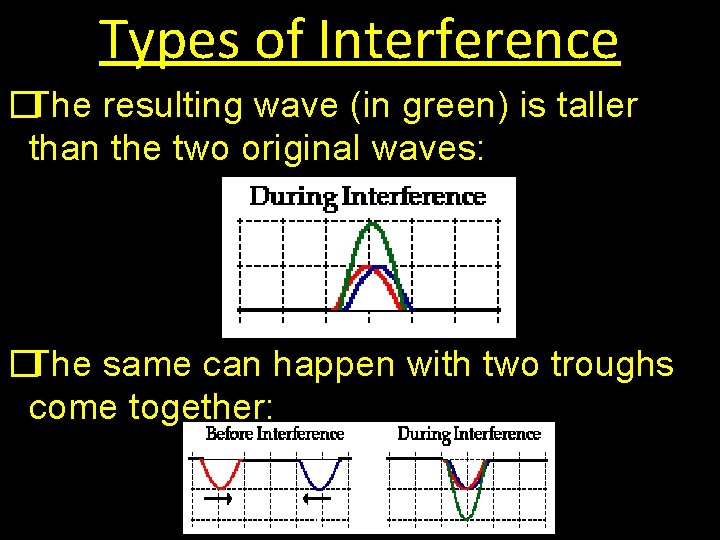
Types of Interference �The resulting wave (in green) is taller than the two original waves: �The same can happen with two troughs come together:
Constructive Interference �This is an example of constructive interference. �In constructive interference, the crest of one wave overlaps with the crest of another and their individual effects add together. The result is a wave of increased amplitude.
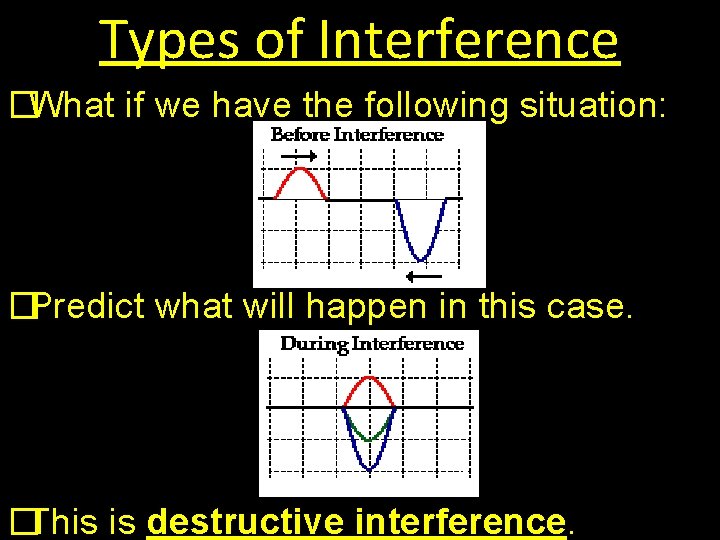
Types of Interference �What if we have the following situation: �Predict what will happen in this case. �This is destructive interference.
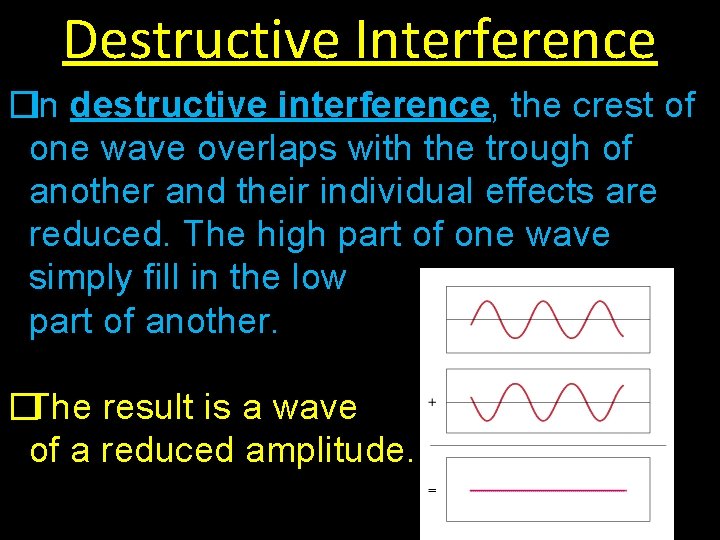
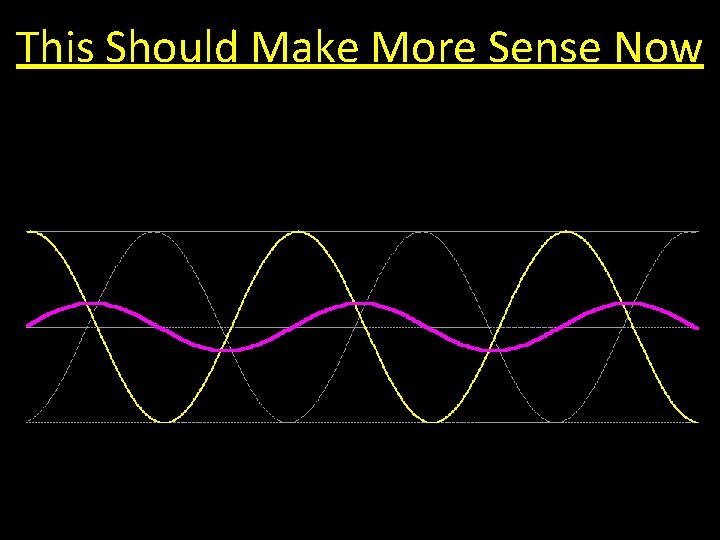
Destructive Interference �In destructive interference, the crest of one wave overlaps with the trough of another and their individual effects are reduced. The high part of one wave simply fill in the low part of another. �The result is a wave of a reduced amplitude.
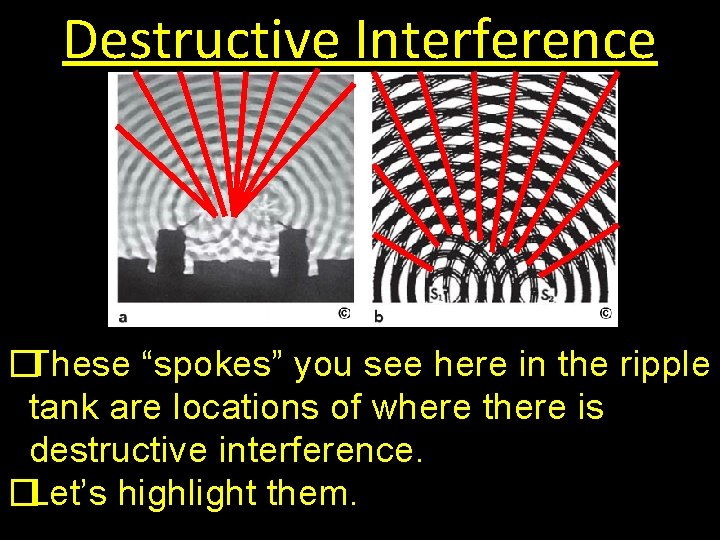
Destructive Interference �These “spokes” you see here in the ripple tank are locations of where there is destructive interference. �Let’s highlight them.
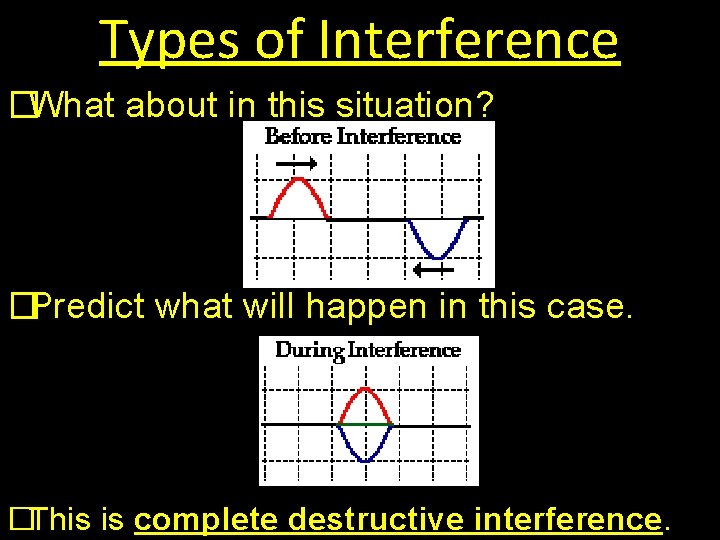
Types of Interference �What about in this situation? �Predict what will happen in this case. �This is complete destructive interference.
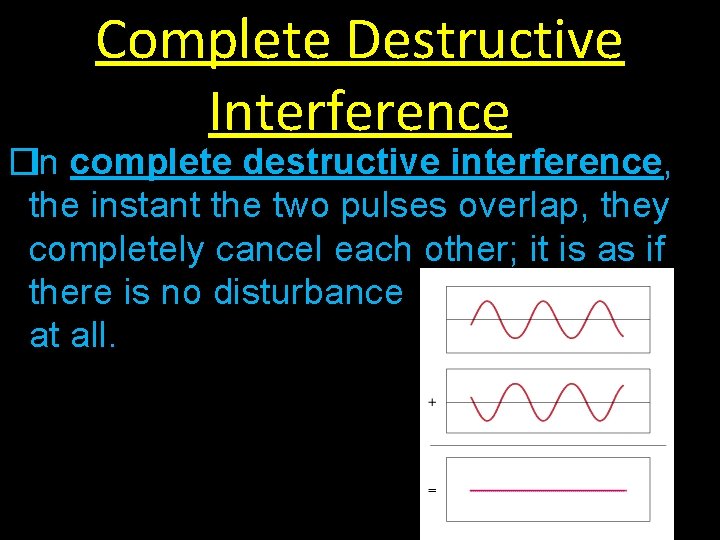
Complete Destructive Interference �In complete destructive interference, the instant the two pulses overlap, they completely cancel each other; it is as if there is no disturbance at all.
This Should Make More Sense Now
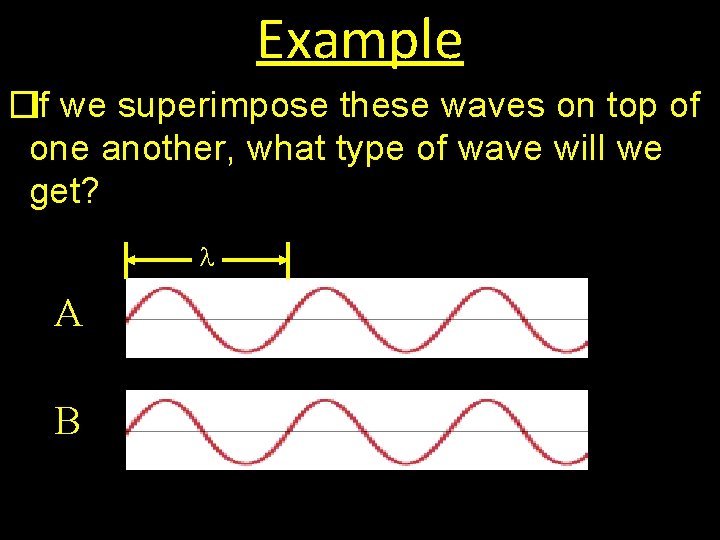
Example �If we superimpose these waves on top of one another, what type of wave will we get? A B
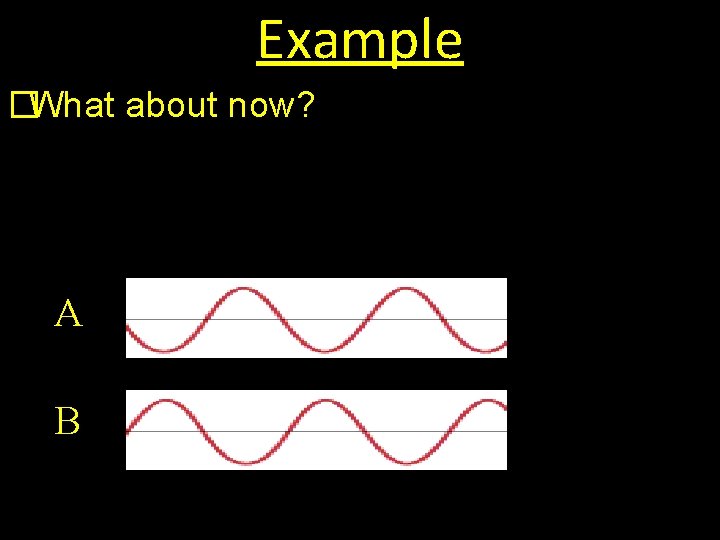
Example �What about now? A B
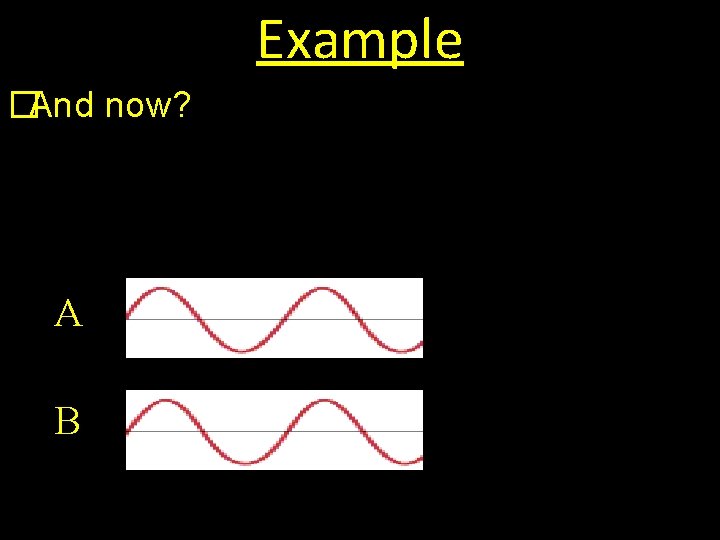
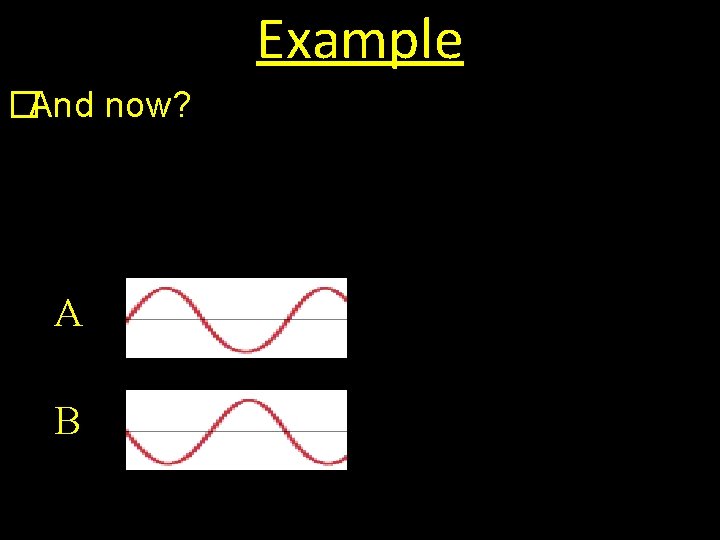
Example �And now? A B
Example �And now? A B
Example �And now? A B
Example �A wave of amplitude 0. 3 m interferes with a second wave of amplitude 0. 2 m. What is the largest resultant displacement that may occur? �What is the smallest displacement that may occur?