
Today in APES Finish Duckweed Lab count duckweed
Today in APES • Finish Duckweed Lab - count duckweed and enter data on class spreadsheet. If white or sunk consider it dead • Questions (includes graphs) for Lab are Homework and due at the beginning of next class. Graphs can be done by hand as long as they are on quad paper and neat. • Add Question 14 – For the purpose of this question, consider the duckweed to be a living breathing organism. What do you believe should be the LD 50 for the salt solution for non-humans and humans? Justify your answer • Start Air Pollution Overview Notes (1 of 8)
Chapter 15 Air Pollution and Stratospheric Ozone Depletion Friedland Relyea Environmental Science for AP®, second edition © 2015 W. H. Freeman and Company/BFW AP® is a trademark registered and/or owned by the College Board®, which was not involved in the production of, and does not endorse, this product.
Air Pollution is a global system • Air pollution The introduction of chemicals, particulate matter, or microorganisms into the atmosphere at concentrations high enough to harm plants, animals, and materials such as buildings, or to alter ecosystems. • The air pollution system has many inputs and outputs.
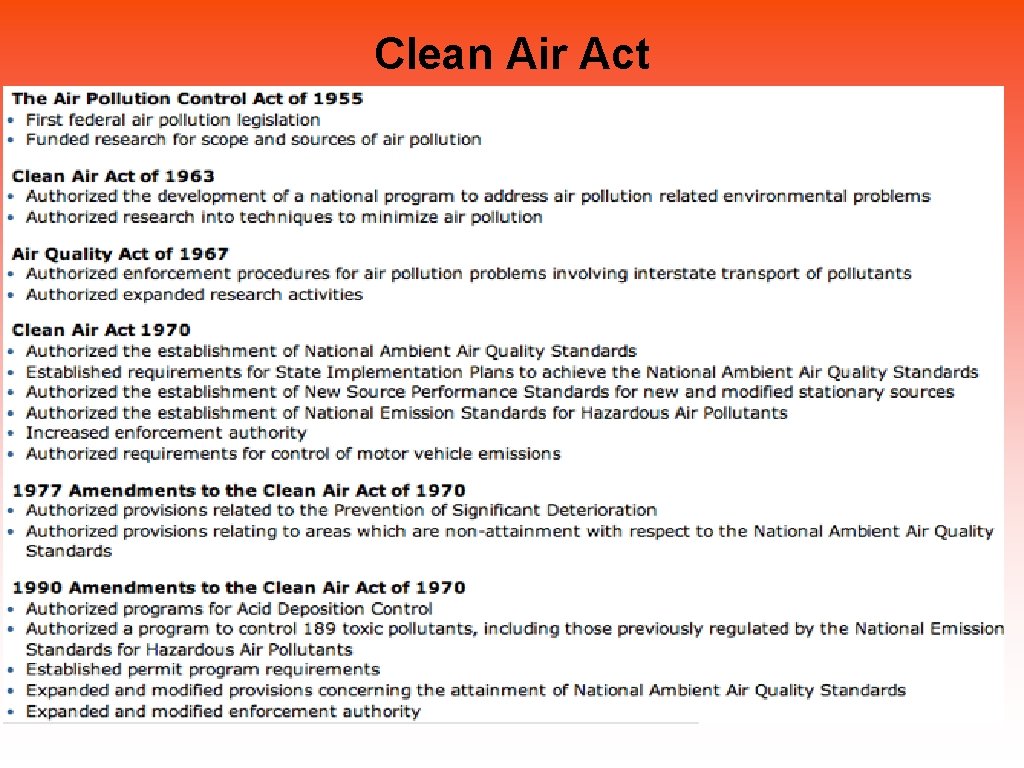
Clean Air Act
Classifying Pollutants Sulfur dioxide (S 02): • A corrosive gas that comes primarily from combustion of fuels such as coal and oil. • A respiratory irritant and can adversely affect plant tissue. • Also released in large quantities during volcanic eruptions and in much smaller quantities, during forest fires.
Classifying Pollutants Nitrogen Oxides (NOx): • Motor vehicles and stationary fossil fuel combustion are the primary anthropogenic sources of nitrogen oxides. • Respiratory irritant, increases susceptibility to respiratory infection. • An ozone precursor, leads to formation of photochemical smog. • Converts to nitric acid in atmosphere, which is harmful to aquatic life and some vegetation. • Contributes to over-fertilizing terrestrial and aquatic systems.
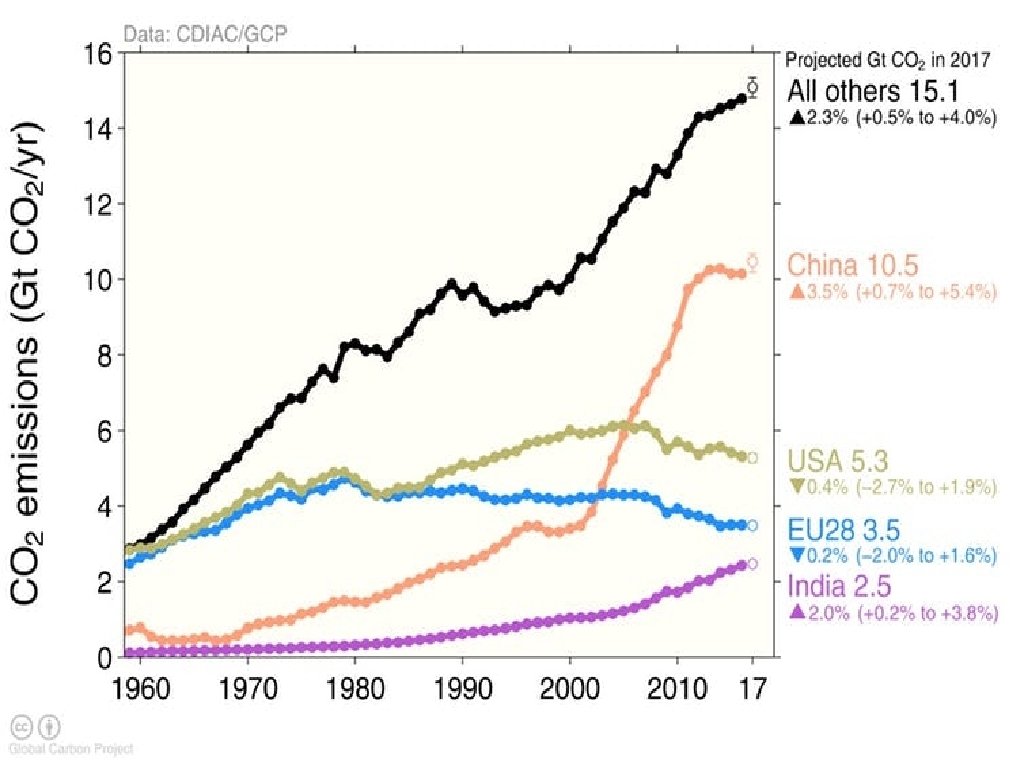
Classifying Pollutants Carbon Oxides: • Carbon monoxide (CO) is a common emission in vehicle exhaust and most other combustion processes. • CO can be a significant component of air pollution in urban areas. • Carbon dioxide (CO 2) released by burning fossil fuels has led to its becoming a major pollutant. • CO 2 recently exceeded a concentration of 400 parts per million in the atmosphere and appears to be steadily increasing each year.
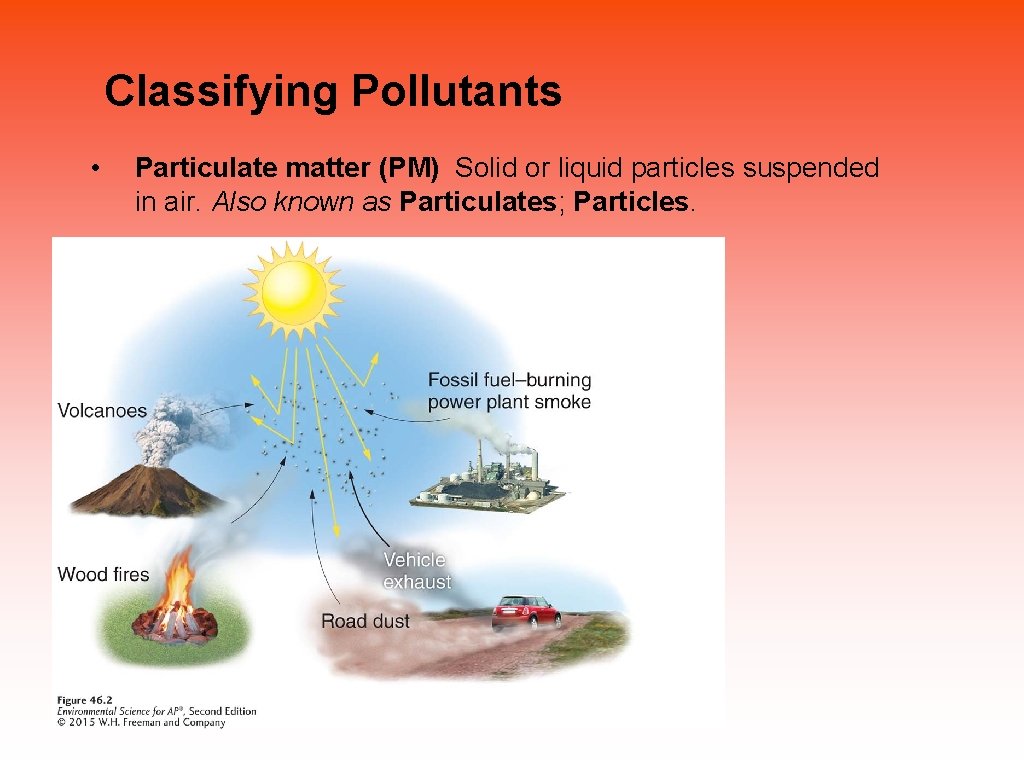
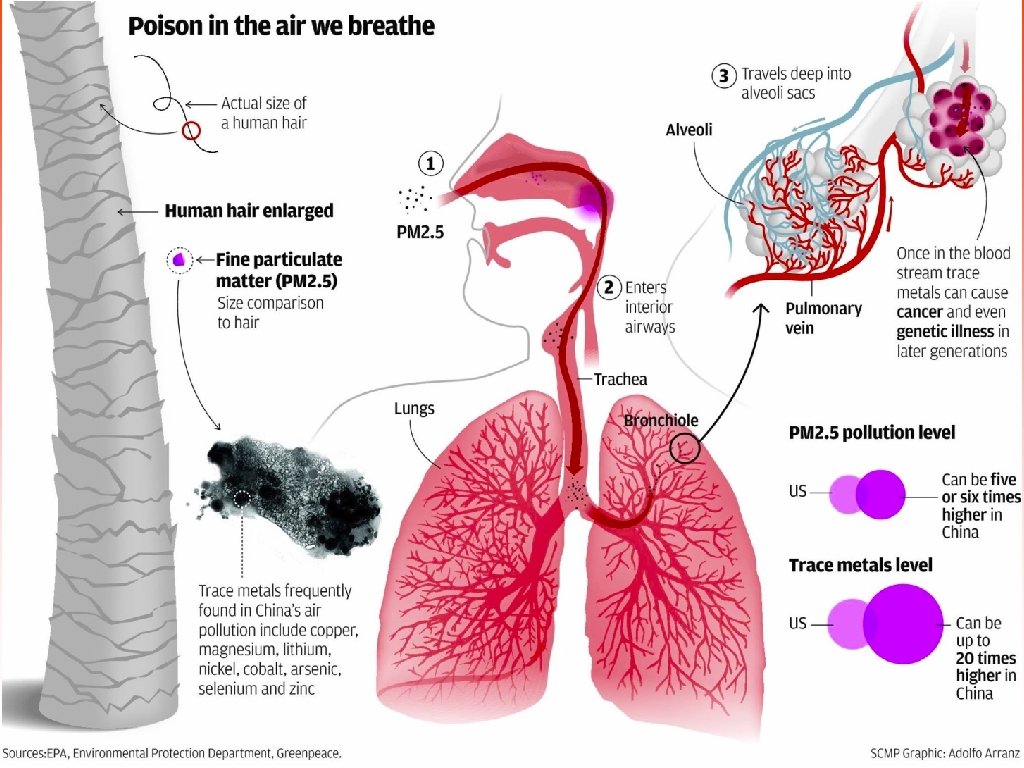
Classifying Pollutants • Particulate matter (PM) Solid or liquid particles suspended in air. Also known as Particulates; Particles.
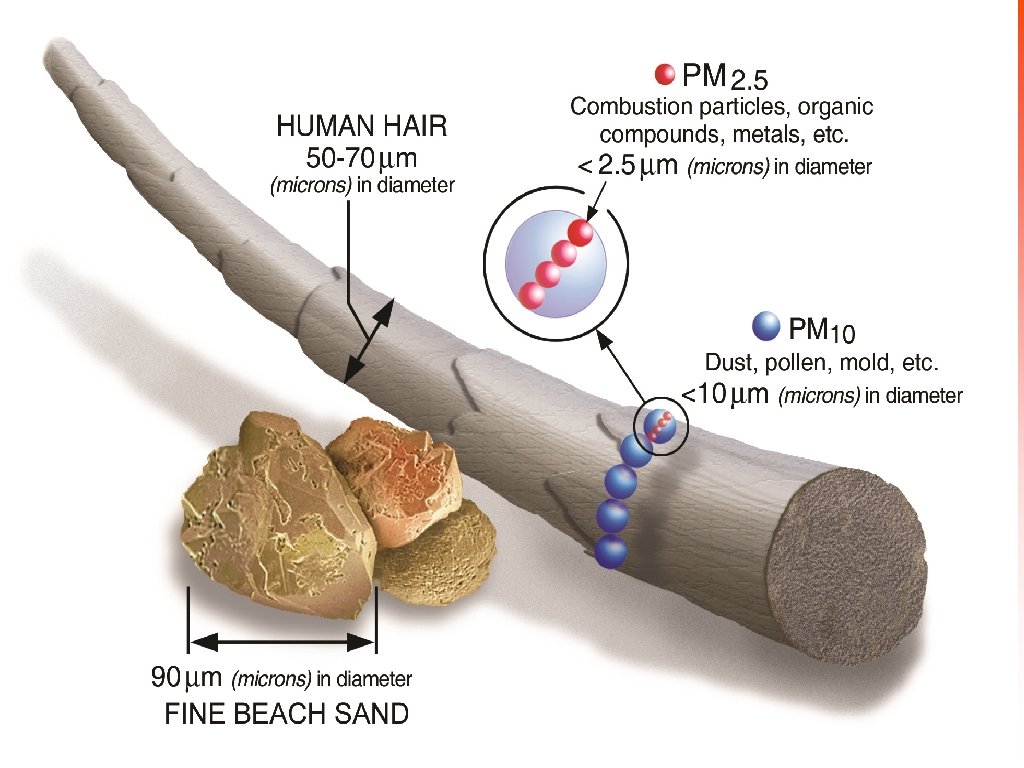
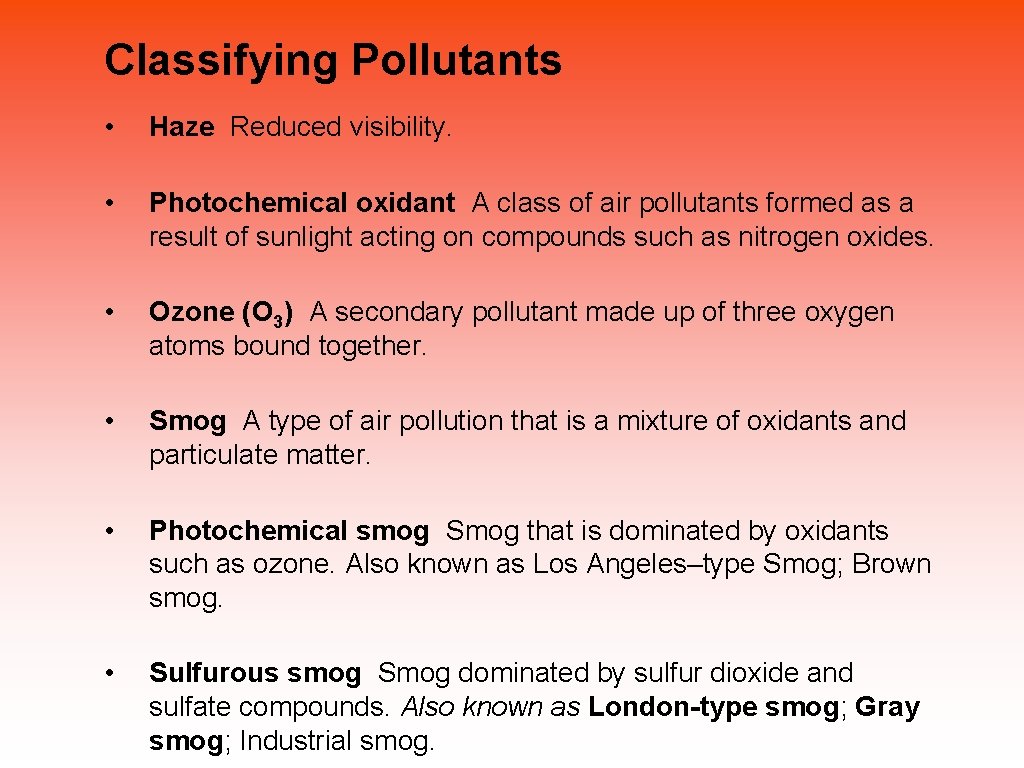
Classifying Pollutants • Haze Reduced visibility. • Photochemical oxidant A class of air pollutants formed as a result of sunlight acting on compounds such as nitrogen oxides. • Ozone (O 3) A secondary pollutant made up of three oxygen atoms bound together. • Smog A type of air pollution that is a mixture of oxidants and particulate matter. • Photochemical smog Smog that is dominated by oxidants such as ozone. Also known as Los Angeles–type Smog; Brown smog. • Sulfurous smog Smog dominated by sulfur dioxide and sulfate compounds. Also known as London-type smog; Gray smog; Industrial smog.
Classifying Pollutants Lead: • A gasoline additive, also found in oil, coal, and old paint. • Impairs central nervous system. • At low concentrations, can have measurable effects on learning and ability to concentrate. Signs and symptoms of lead poisoning in children include: • Developmental delay. • Learning difficulties. • Irritability. • Loss of appetite. • Weight loss. • Sluggishness and fatigue. • Abdominal pain. • Vomiting.
Classifying Pollutants • Volatile organic compound (VOC) An organic compound that evaporates at typical atmospheric temperatures. • Formed by evaporation of fuels, solvents, paints, and improper combustion of fuels such as gasoline. • A precursor to ozone formation.
Primary and Secondary Pollutants • Primary pollutant A polluting compound that comes directly out of a smokestack, exhaust pipe, or natural emission source. • Examples include CO, CO 2, SO 2, NOx, and most suspended particulate matter.
Primary and Secondary Pollutants • Secondary pollutant A primary pollutant that has undergone transformation in the presence of sunlight, water, oxygen, or other compounds. • Examples include O 3, sulfate, and nitrate.
Air pollution comes from both natural and human sources • Natural emissions of pollution include volcanoes, lightning, forest fires, and plants, both living and dead, all release compounds that can be classified as pollutants. • Anthropogenic sources include on-road vehicles, power plants, industrial processes, waste disposal (incinerator).
Anthropogenic Emissions • In the United States, emissions from human activity are monitored, regulated, and in many cases controlled. • The Clean Air Act and its various amendments require that EPA establish standards to control pollutants that are harmful to “human health and welfare”. • Through the National Ambient Air Quality Standards (NAAQS) the EPA periodically specifies concentration limits for each air pollutant.
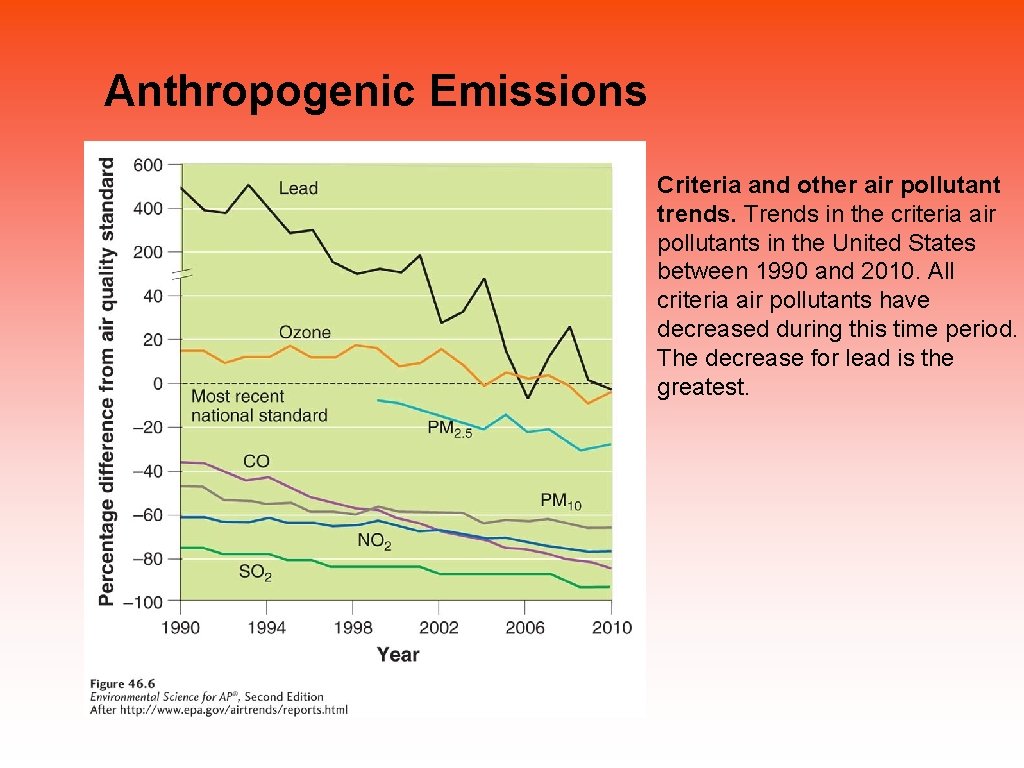
Anthropogenic Emissions Criteria and other air pollutant trends. Trends in the criteria air pollutants in the United States between 1990 and 2010. All criteria air pollutants have decreased during this time period. The decrease for lead is the greatest.
Photochemical smog remains an environmental problem in the United States • The formation of this photochemical smog is complex and still not well understood. • A number of pollutants are involved and they undergo a series of complex transformations in the atmosphere.
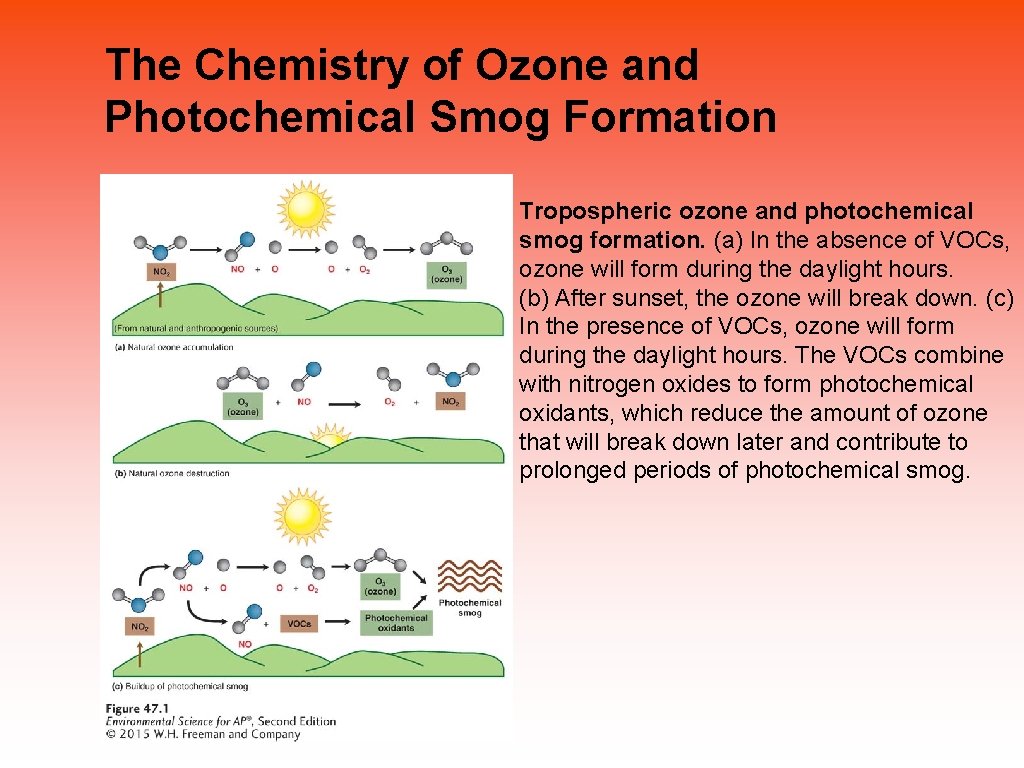
The Chemistry of Ozone and Photochemical Smog Formation Tropospheric ozone and photochemical smog formation. (a) In the absence of VOCs, ozone will form during the daylight hours. (b) After sunset, the ozone will break down. (c) In the presence of VOCs, ozone will form during the daylight hours. The VOCs combine with nitrogen oxides to form photochemical oxidants, which reduce the amount of ozone that will break down later and contribute to prolonged periods of photochemical smog.
Thermal Inversions • Thermal inversion A situation in which a relatively warm layer of air at mid-altitude covers a layer of cold, dense air below. • Inversion layer The layer of warm air that traps emissions in a thermal inversion. • The warm inversion layer traps emissions that then accumulate beneath it. • Thermal inversions that create pollution events are particularly common in some cities, where high concentration of vehicles exhaust and industrial emissions are easily trapped by the inversion layer.
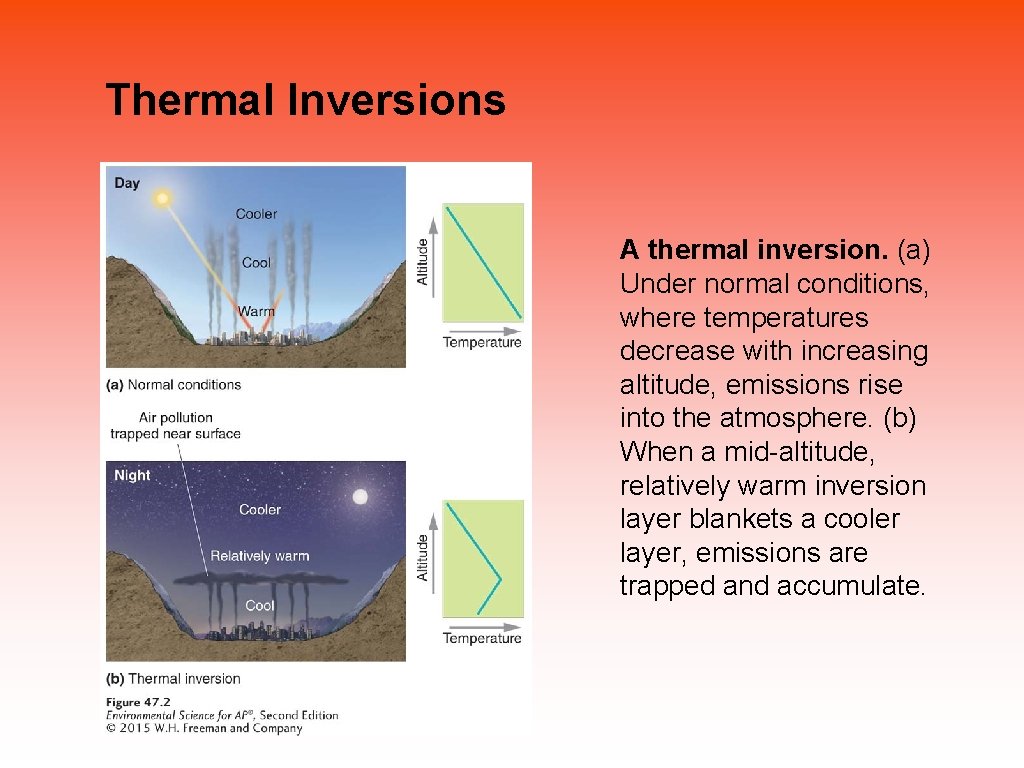
Thermal Inversions A thermal inversion. (a) Under normal conditions, where temperatures decrease with increasing altitude, emissions rise into the atmosphere. (b) When a mid-altitude, relatively warm inversion layer blankets a cooler layer, emissions are trapped and accumulate.
Acid deposition has improved in the United States • Acid deposition occurs when nitrogen oxides and sulfur oxides are released into the atmosphere and combine with atmospheric oxygen and water. These form the secondary pollutants nitric acid and sulfuric acid. • The secondary pollutants further break down into nitrate and sulfate, and hydrogen ions (H+) which cause the acid in acid deposition. • Acid deposition has been reduced in the United States as a result of lower sulfur dioxide and nitrogen oxide emissions.
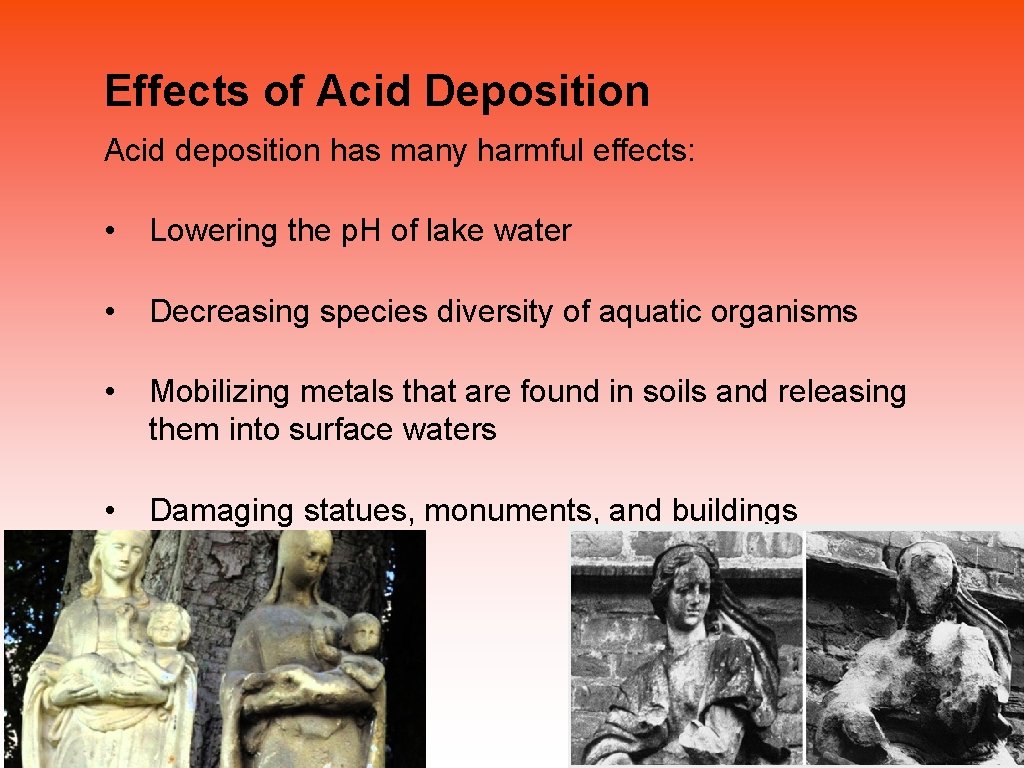
Effects of Acid Deposition Acid deposition has many harmful effects: • Lowering the p. H of lake water • Decreasing species diversity of aquatic organisms • Mobilizing metals that are found in soils and releasing them into surface waters • Damaging statues, monuments, and buildings
Pollution control includes prevention, technology, and innovation Ways to address air pollution: • Avoid emissions in the first place. • Use cleaner fuel. • Increase efficiency. • Control pollutants after combustion.
Pollution control includes prevention, technology, and innovation Ways of controlling emissions: • Remove sulfur dioxide from coal by fluidized bed combustion. • Install catalytic converters on cars. • Use baghouse filters. • Use electrostatic precipitators. • Install scrubbers on smokestacks.
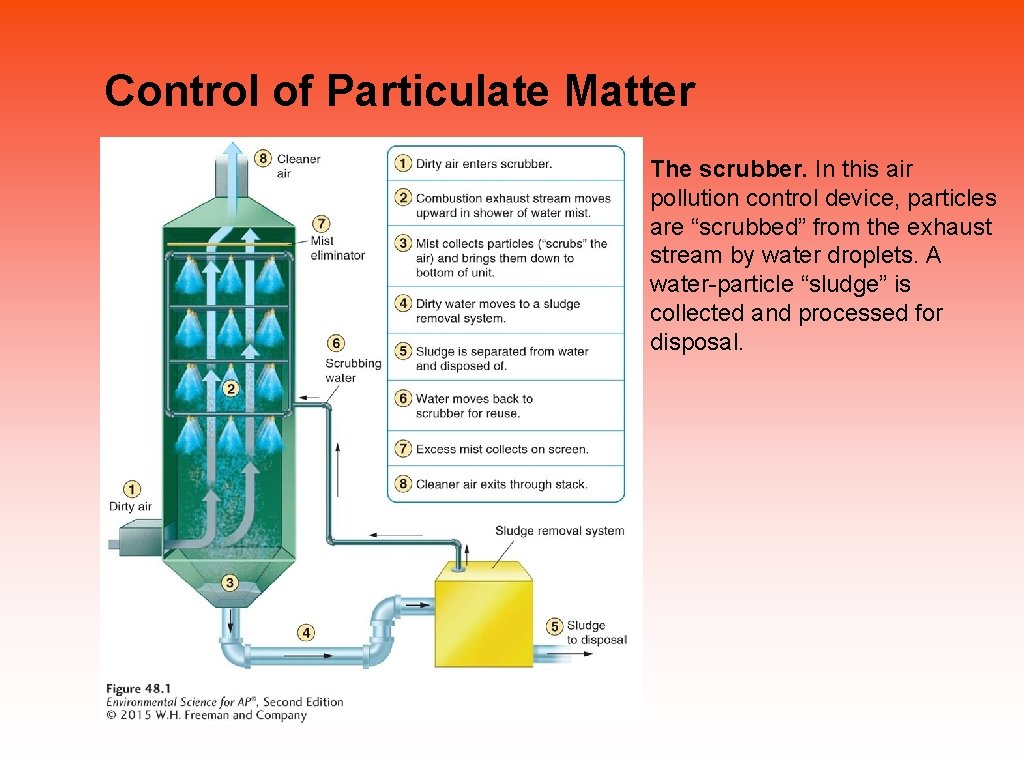
Control of Particulate Matter The scrubber. In this air pollution control device, particles are “scrubbed” from the exhaust stream by water droplets. A water-particle “sludge” is collected and processed for disposal.
Around the world people are implementing innovative pollution control measures Municipalities have tried a number of strategies: • Reduce gasoline spilled at the pump, restrict evaporation of dry-cleaning fluids, and the use of lighter fluid. • Reduce use of wood-burning stoves and fireplaces. • Limit automobiles to every other day use or charge user fees for roads during heavy commute times.
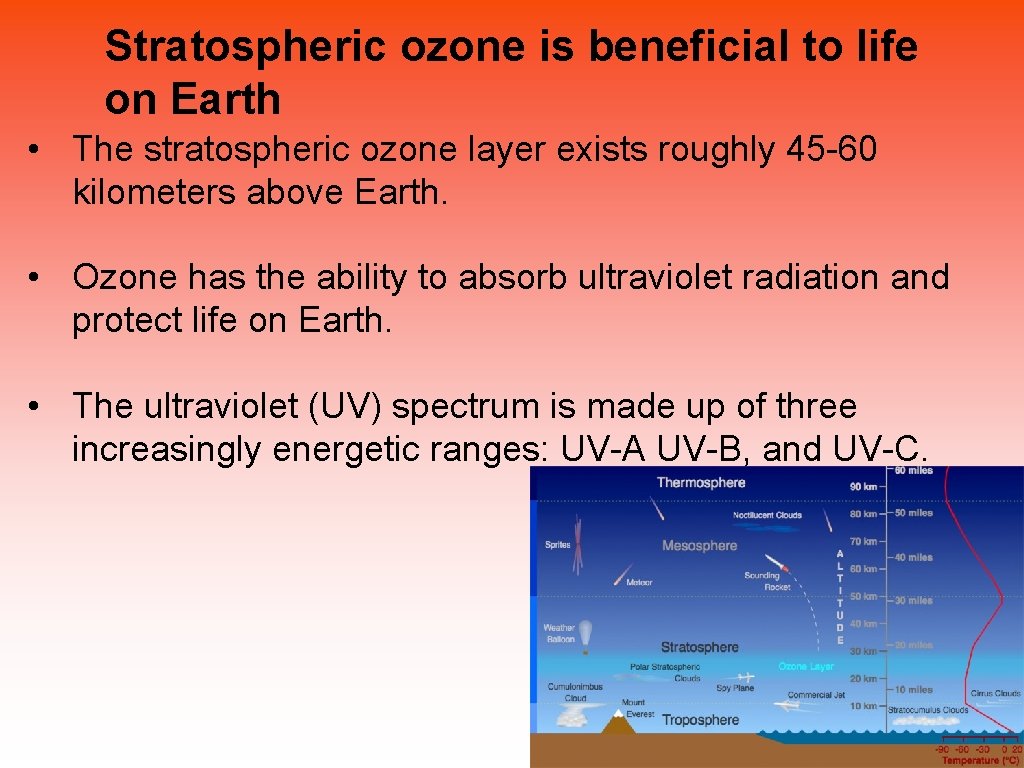
Stratospheric ozone is beneficial to life on Earth • The stratospheric ozone layer exists roughly 45 -60 kilometers above Earth. • Ozone has the ability to absorb ultraviolet radiation and protect life on Earth. • The ultraviolet (UV) spectrum is made up of three increasingly energetic ranges: UV-A UV-B, and UV-C.
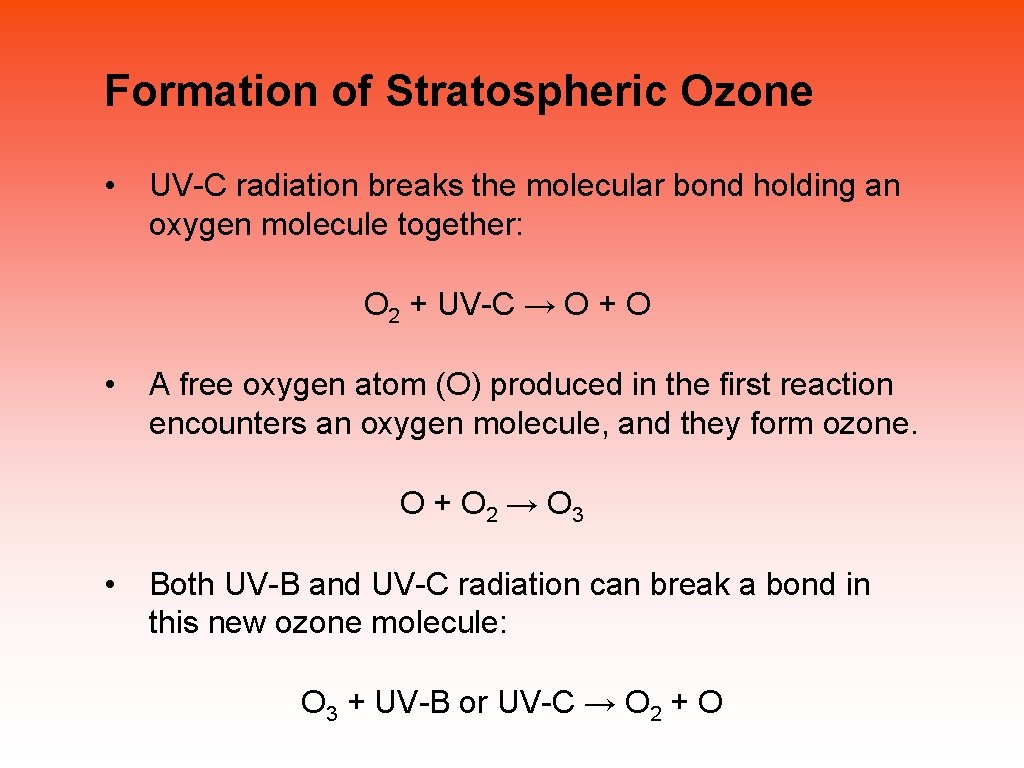
Formation of Stratospheric Ozone • UV-C radiation breaks the molecular bond holding an oxygen molecule together: O 2 + UV-C → O + O • A free oxygen atom (O) produced in the first reaction encounters an oxygen molecule, and they form ozone. O + O 2 → O 3 • Both UV-B and UV-C radiation can break a bond in this new ozone molecule: O 3 + UV-B or UV-C → O 2 + O
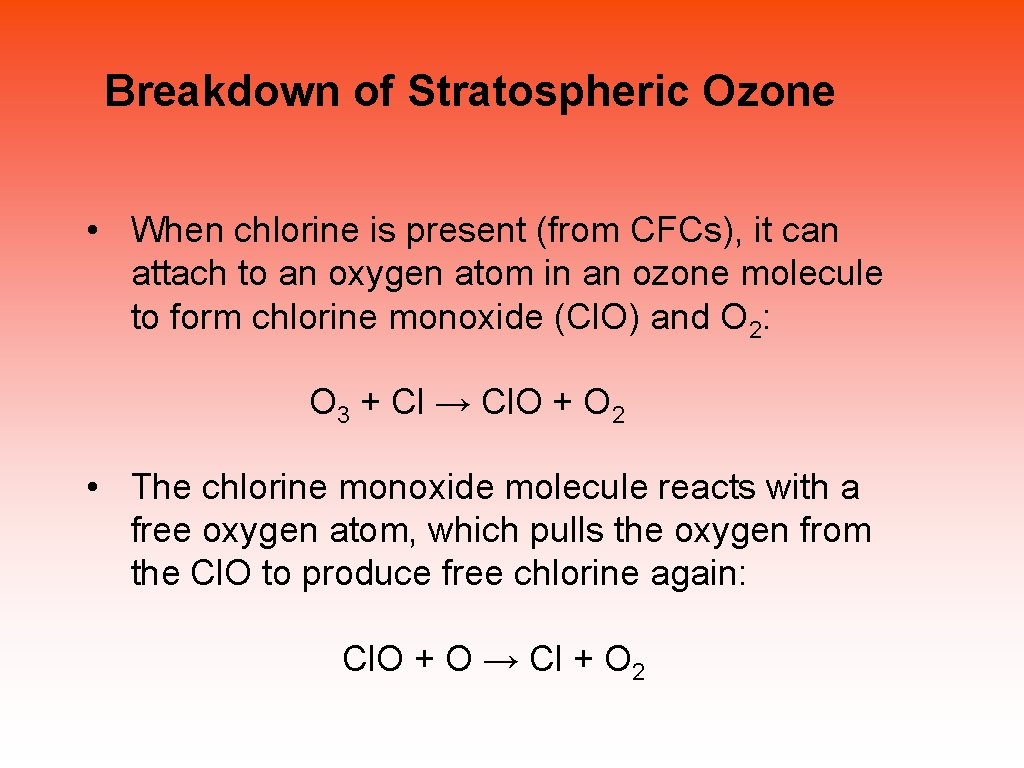
Breakdown of Stratospheric Ozone • When chlorine is present (from CFCs), it can attach to an oxygen atom in an ozone molecule to form chlorine monoxide (Cl. O) and O 2: O 3 + Cl → Cl. O + O 2 • The chlorine monoxide molecule reacts with a free oxygen atom, which pulls the oxygen from the Cl. O to produce free chlorine again: Cl. O + O → Cl + O 2
Breakdown of Stratospheric Ozone • A single chlorine atom can catalyze the breakdown of as many as 100, 000 ozone molecules until finally one chlorine atom finds another and the process is stopped. • In the process, the ozone molecules are no longer available to absorb incoming UV-B radiation. • As a result, the UV-B radiation can reach Earth’s surface and cause harm to biological organisms.
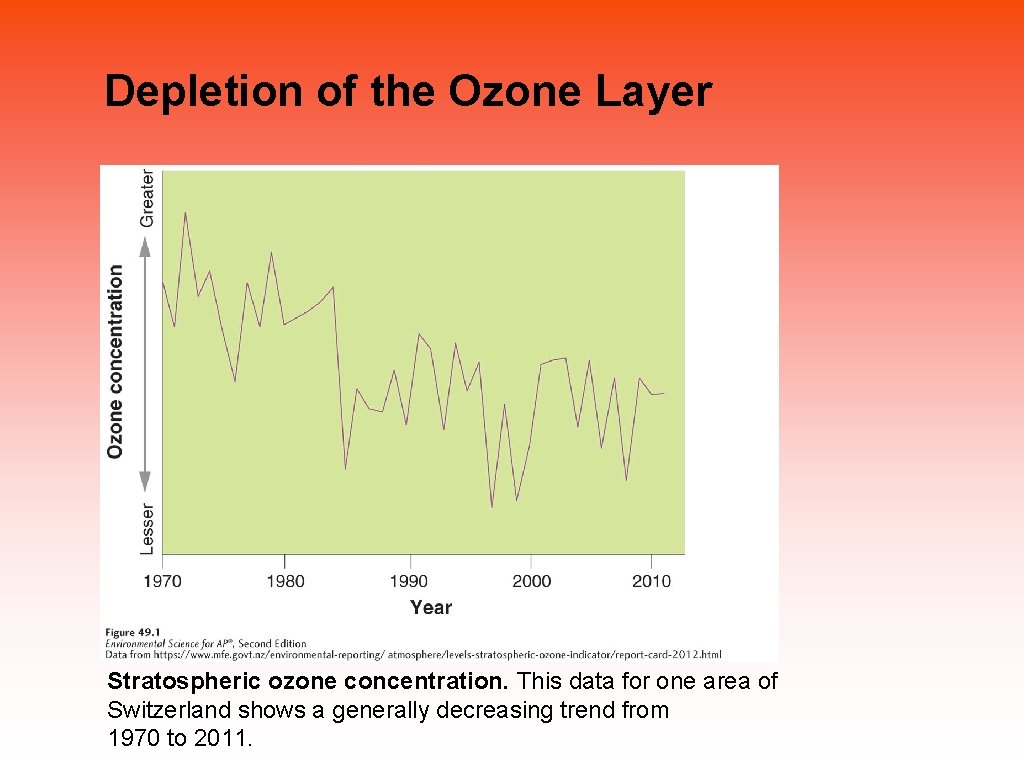
Depletion of the Ozone Layer Stratospheric ozone concentration. This data for one area of Switzerland shows a generally decreasing trend from 1970 to 2011.
Indoor air pollution is a significant hazard in developing and developed countries • Worldwide, approximately 4 million deaths each year are attributable to indoor air pollution. • Ninety percent of these deaths are in developing countries. • More than 50 percent are children.
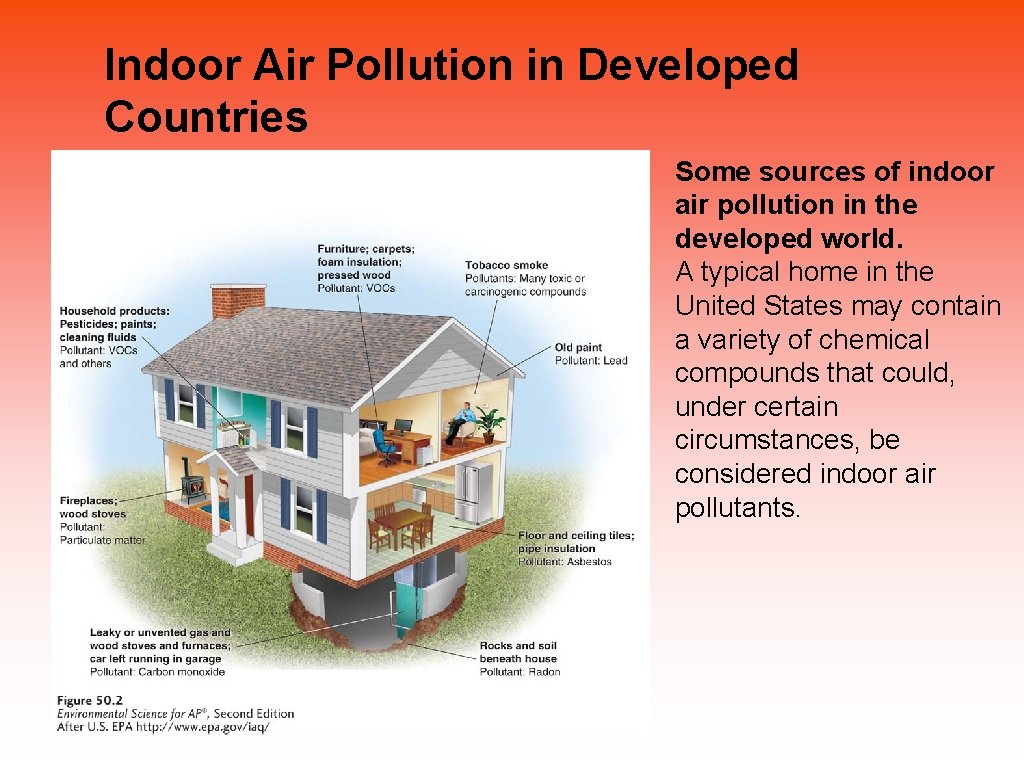
Indoor Air Pollution in Developed Countries Some sources of indoor air pollution in the developed world. A typical home in the United States may contain a variety of chemical compounds that could, under certain circumstances, be considered indoor air pollutants.
Most indoor air pollutants differ from outdoor air pollutants Indoor air pollutants include: • Carbon monoxide from malfunctioning heating equipment. • Asbestos is a long thin fibrous silicate mineral with insulating properties, which can cause cancer when inhaled; formerly used as insulation in buildings. • Radon that seeps into homes through cracks in the foundation, groundwater, or rocks. • VOCs used in furniture, paint, and building materials.
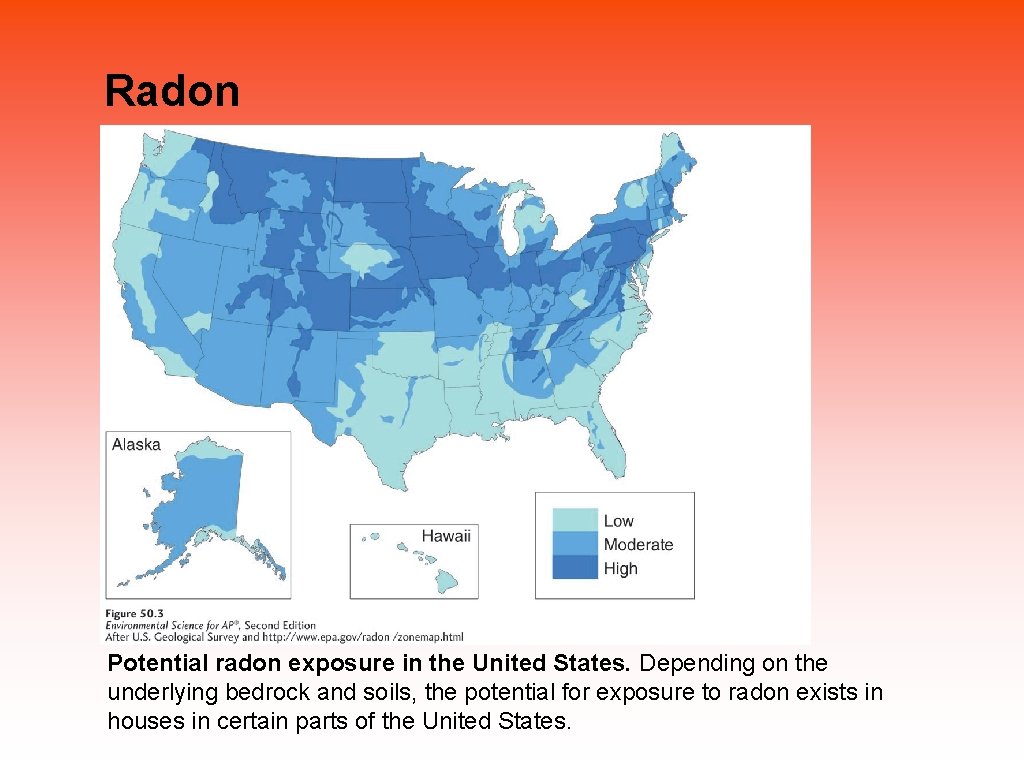
Radon Potential radon exposure in the United States. Depending on the underlying bedrock and soils, the potential for exposure to radon exists in houses in certain parts of the United States.
VOCs in Home Products Reasons for sick building syndrome: • Inadequate or faulty ventilation • Chemical contamination from indoor sources • Chemical contamination from outdoor sources • Biological contamination from outside or inside
- Slides: 39