
To what extent is resistance to liberalism justified
“To what extent is resistance to liberalism justified? ” Related Issue 2
Looking ahead �“To what extent is resistance to liberalism justified? ” • Chapter 3: Uncovering 19 th Century Liberalism • Chapter 4: Responding to Classical Liberalism • Chapter 5: Twentieth-Century Reactions to Liberalism • Chapter 6: The Evolution of Modern Liberalism • Chapter 7: Challenges to Liberalism Related to Foreign Policy • Chapter 8: Contemporary Challenges to Liberalism
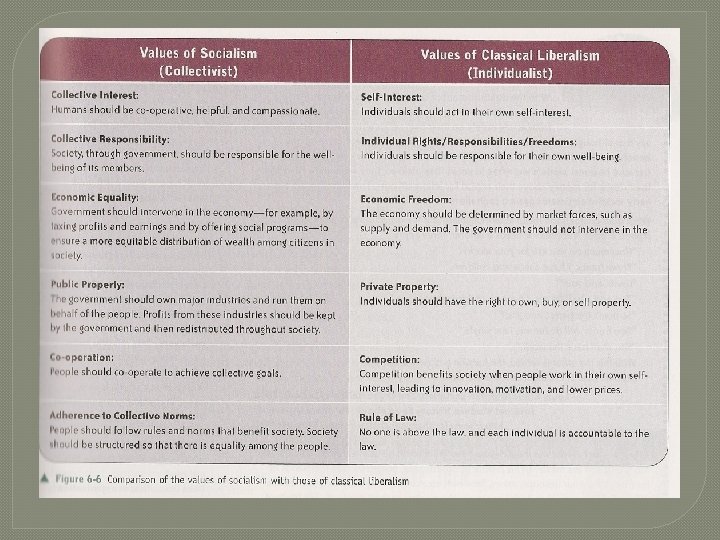
19 th Century Liberalism �What is Classical Liberalism? • Embraces the principles of individualism �Rule of law �Individual rights and freedoms �Private property �Economic freedom �Self-interest �Competition
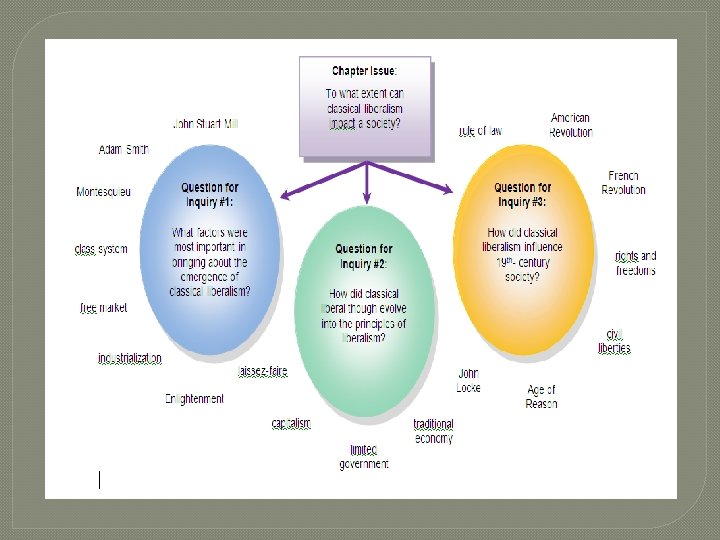

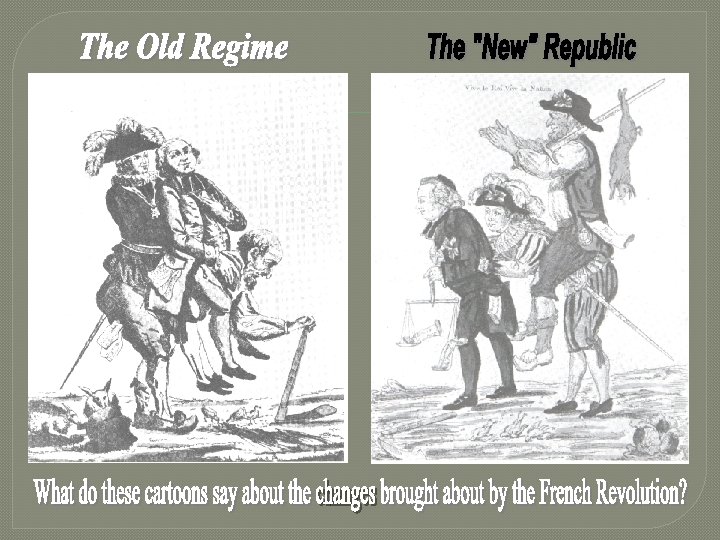
Liberalism evolves � In the European context liberalism emerged from the confluence of major historic events including the Enlightenment (Age of Reason), the Industrial Revolution, the American Revolution and the French Revolution. Prior to liberal ideas taking hold, politically and economically, the vast majority of power and wealth resided in the hands of powerful elites, the pinnacle of which was the Absolute Monarch.
Liberalism evolves �What do you remember about these historical events: Enlightenment (Age of Reason), the Industrial Revolution, the American Revolution and the French Revolution? �Briefly review what you remember with a partner.
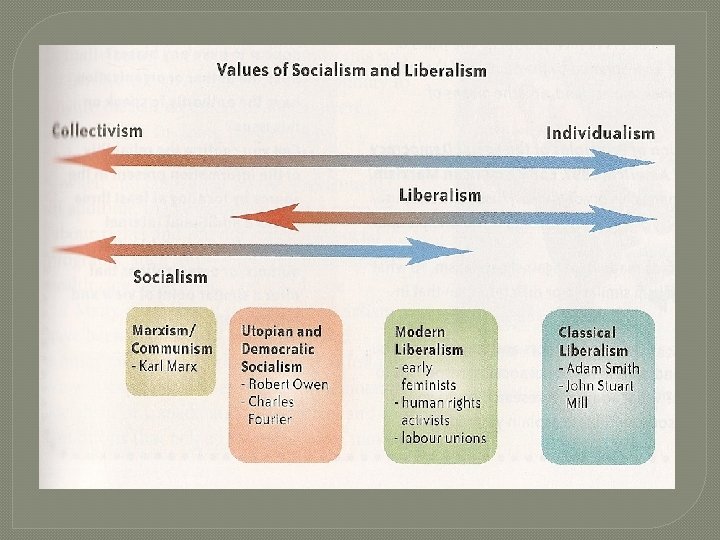
Liberalism evolves � Therefore, classical liberalism (emerging from the events listed above) represented an individualist ideology and allowed tradition economic and political power structures to be dismantled. However, the new political and economic elites did not do a good job of sharing the new wealth being generated and liberalism slid to the left adopting more collectivist ideals in trying to bring more equity to society. � Modern liberalism is now associated with government involvement in the economy to ensure a certain level of economic equality.
Liberalism evolves � The term liberalism can be confusing because it has come to represent different sets of ideas at different times in history – it is all about historical context. The birth of liberal ideas emerged from the event described above and represented the growing power of the individual – politically and economically. � As time rolls on the new economic freedoms afforded to the rising middle class were being used to benefit the few and exploit the many which resulted in the state (government) slowly starting to get involved in the economy and political life to ensure a certain level of equality within society.
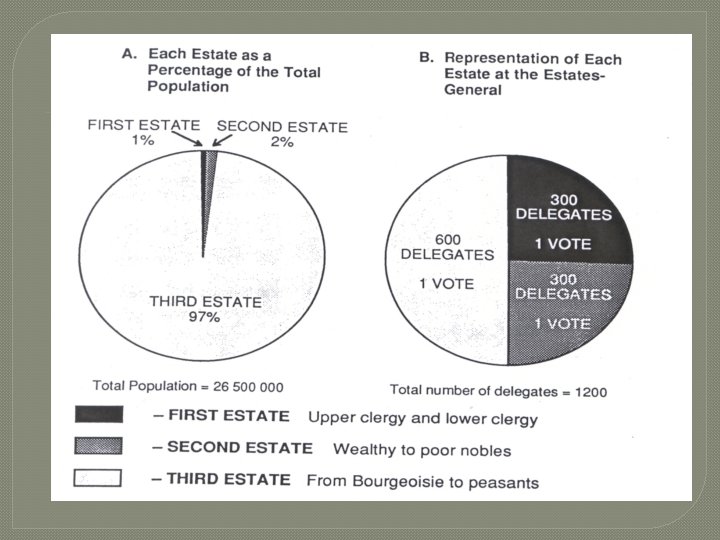
Looking at History 1400 ( 14 th-16 th Centuries) • Awareness of individualism • Growth of secularism • humanism 18 th Century - Enlightenment • The Age of Reason (acceptance of the power of human reason) • Worth of the individual • Natural rights • Democratic values • Authority rests with the people 1500 • Protestant Reformation 1776 • American Revolution 1789 • French Revolution
Looking at History 18 th and 19 th Centuries- Industrial Revolution • Power of the market • Individual reward for individual initiative (reaction to mercantilism) • Freedom to pursue personal wealth • Individual responsibility • Progress, inventiveness, innovation, efficiency 1900 • Liberalism: a movement born out of the Enlightenment (political parent) and the Industrial Revolution (economic parent)
- Slides: 14