
To understand how and why cinema changed over

- Slides: 14
• To understand how and why cinema changed over the 20 th century. • I can explain how the first films in the 1910 s and 1920 s were different from films today. • I can explain what ‘talkies’ are. • I can explain why cinema became less popular by the middle of the 20 th century. • I can compare film posters from the past with those of today.
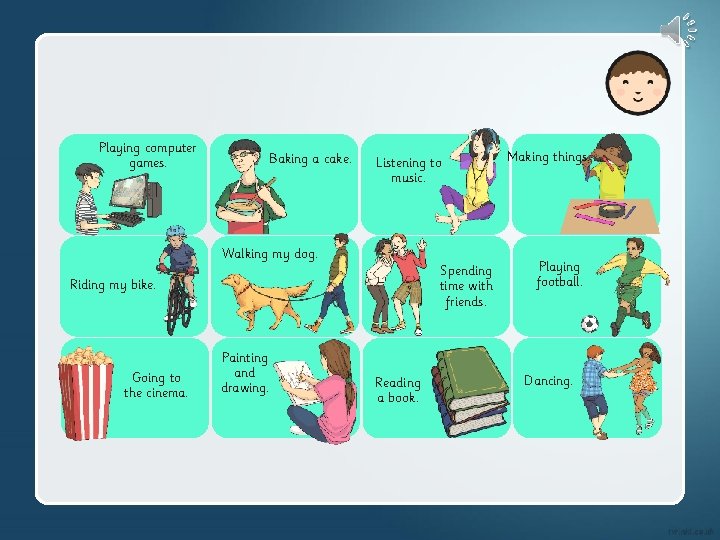
Playing computer games. Baking a cake. Listening to music. Walking my dog. Spending time with friends. Riding my bike. Going to the cinema. Painting and drawing. Reading a book. Making things. Playing football. Dancing.
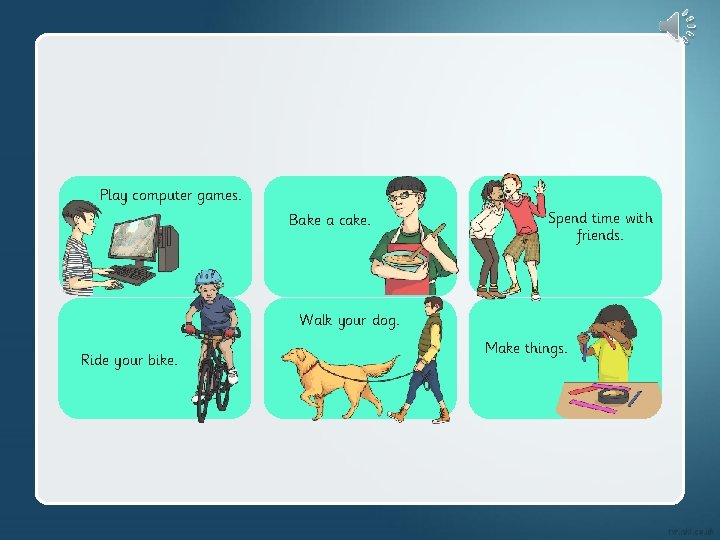
Play computer games. Bake a cake. Spend time with friends. Walk your dog. Ride your bike. Make things.
Welcome to Twinkl Theatres in 1914. Sit back, relax and enjoy the film ‘Between Showers’ starring Charlie Chaplin Movie You. Tube
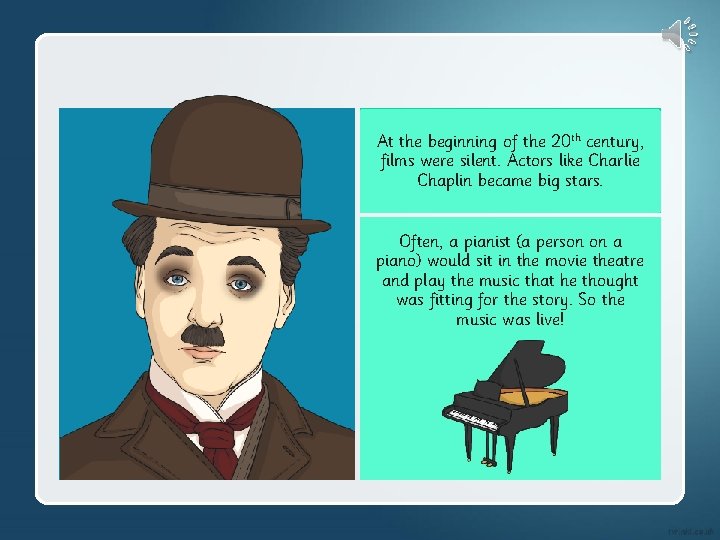
At the beginning of the 20 th century, films were silent. Actors like Charlie Chaplin became big stars. Often, a pianist (a person on a piano) would sit in the movie theatre and play the music that he thought was fitting for the story. So the music was live!
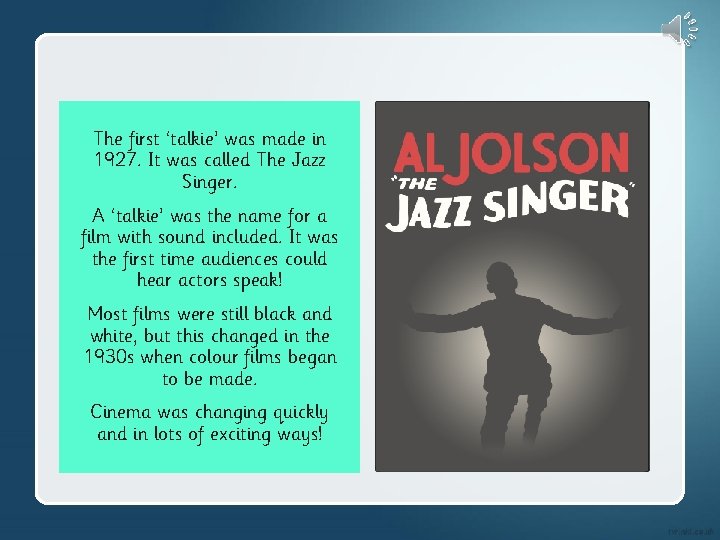
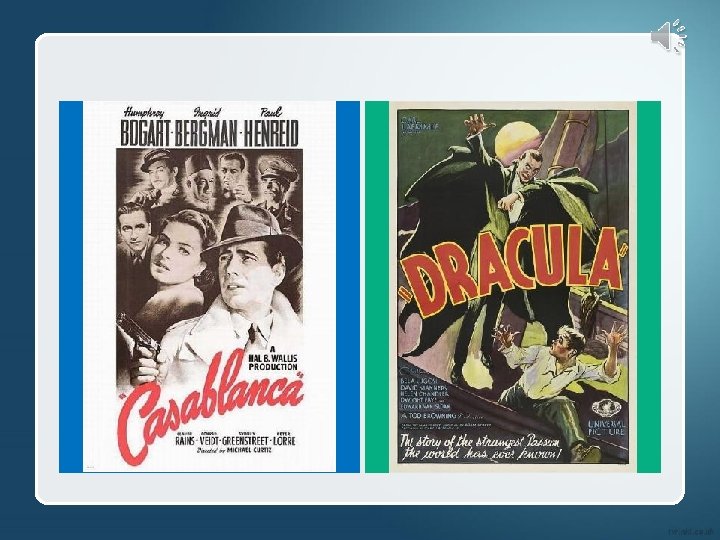
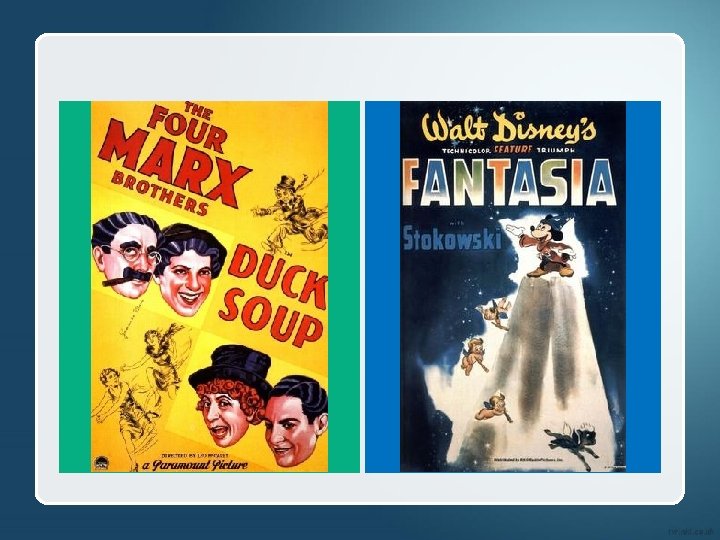
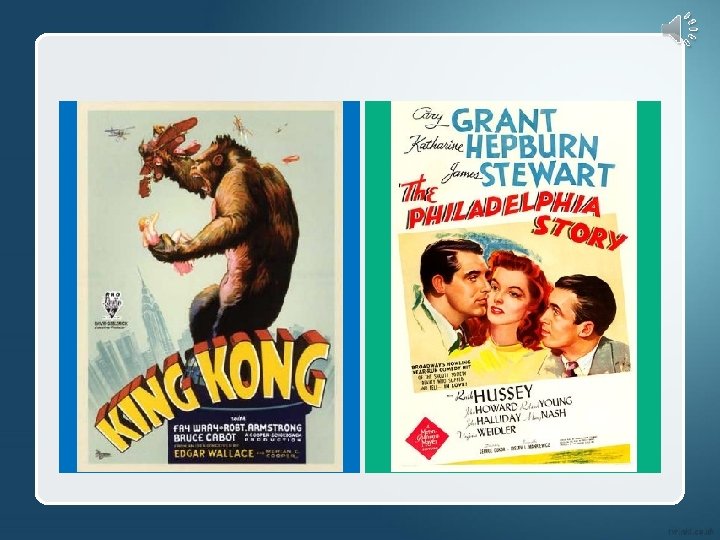
The first ‘talkie’ was made in 1927. It was called The Jazz Singer. A ‘talkie’ was the name for a film with sound included. It was the first time audiences could hear actors speak! Most films were still black and white, but this changed in the 1930 s when colour films began to be made. Cinema was changing quickly and in lots of exciting ways!
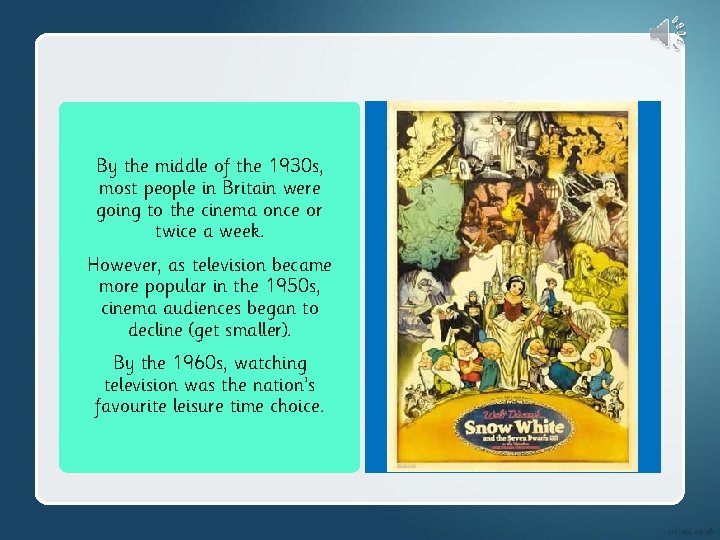
By the middle of the 1930 s, most people in Britain were going to the cinema once or twice a week. However, as television became more popular in the 1950 s, cinema audiences began to decline (get smaller). By the 1960 s, watching television was the nation’s favourite leisure time choice.
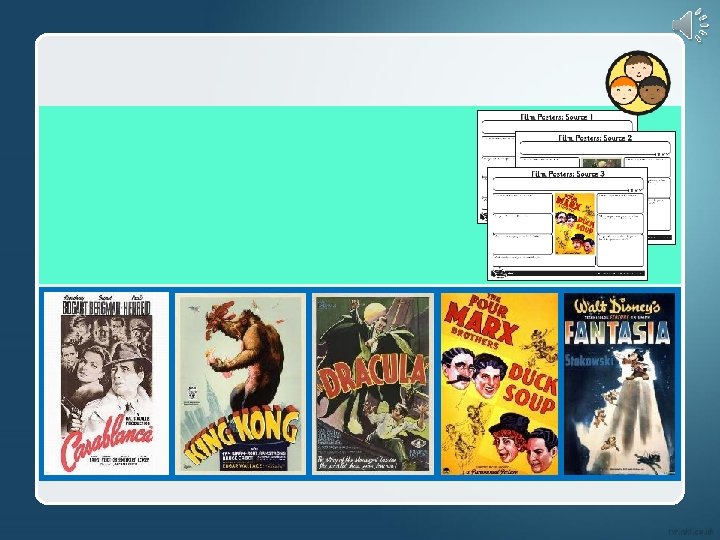
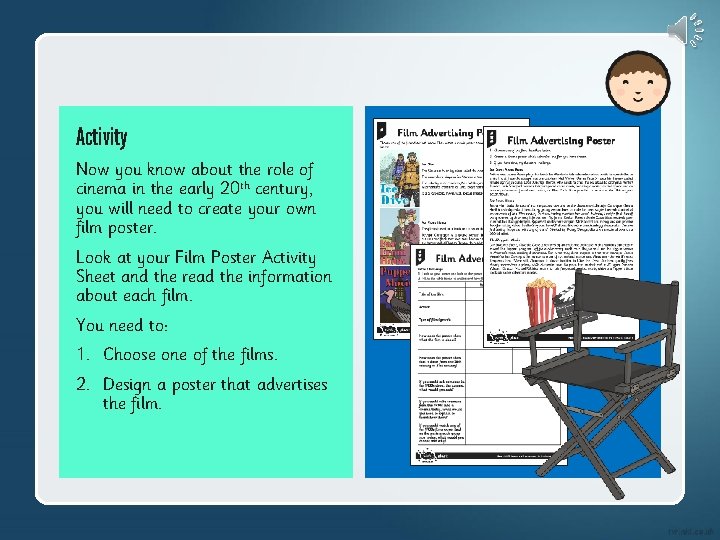
Activity Now you know about the role of cinema in the early 20 th century, you will need to create your own film poster. Look at your Film Poster Activity Sheet and the read the information about each film. You need to: 1. Choose one of the films. 2. Design a poster that advertises the film.