
To know about communication within the body Outline

� To know about communication within the body � Outline the need for communication systems within multi-cellular organisms � State that cells need to communicate with each other by cell signalling � State examples of cell signalling � Define key terms � Describe secondary messenger systems � Describe the functions of the adrenal glands
� What conditions do you need to consider for efficient enzyme action?
� Internal Changes � External Changes � Co-ordinate activities of different organs
� Endocrine gland � Exocrine gland � Hormone � Target Tissue
� Endocrine �Secretes � Exocrine gland hormones directly into the blood gland �Secretes molecules into a duct which carries them to where they are used � Hormone �Molecules released by endocrine glands directly into blood. Act as messengers carrying signal from endocrine gland to target tissue � Target Tissue �Possess specific receptor on their plasma membrane. Shape of receptor is complementary to the shape of the hormone molecule.
� Cell Signalling �Nervous System Neurones & Synapses Rapid �Hormonal System Hormones carried in blood Only recognised by target cells Longer term responses
� Draw round a member of your group � Cut out the different glands and place them where you think they are in the body � Label them
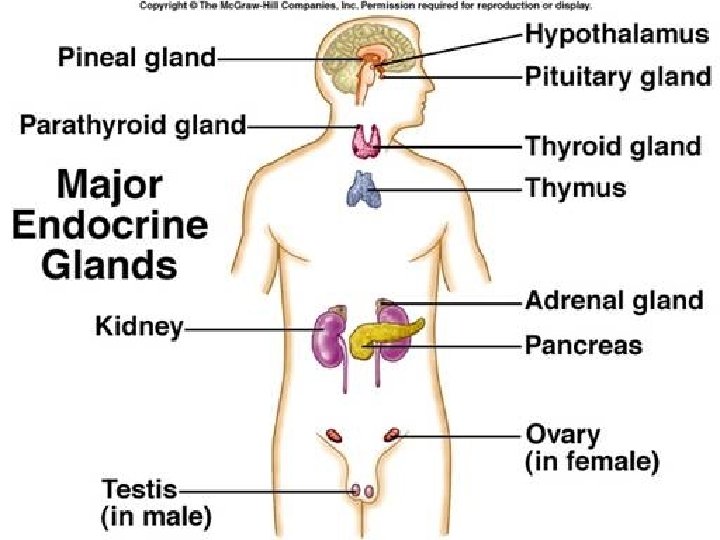
� Task: �One person will describe what they see �The other person will draw
� Task: each draw labelled diagram of c. AMP
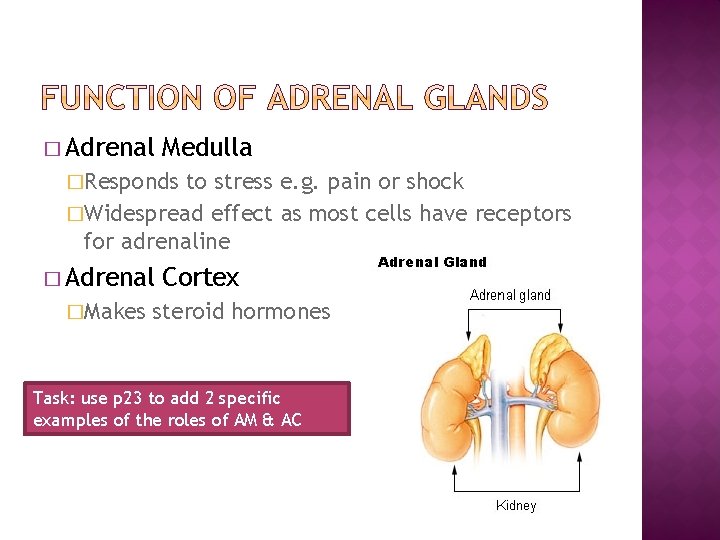
� Adrenal Medulla �Responds to stress e. g. pain or shock �Widespread effect as most cells have receptors for adrenaline � Adrenal �Makes Cortex steroid hormones Task: use p 23 to add 2 specific examples of the roles of AM & AC
Plenary
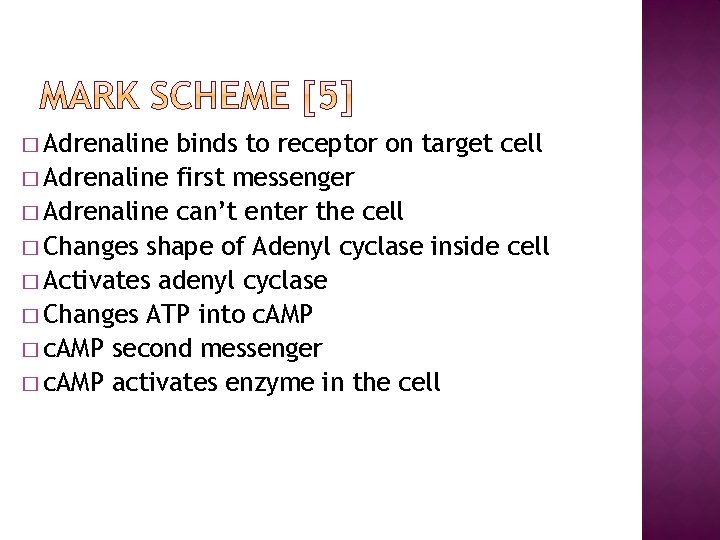
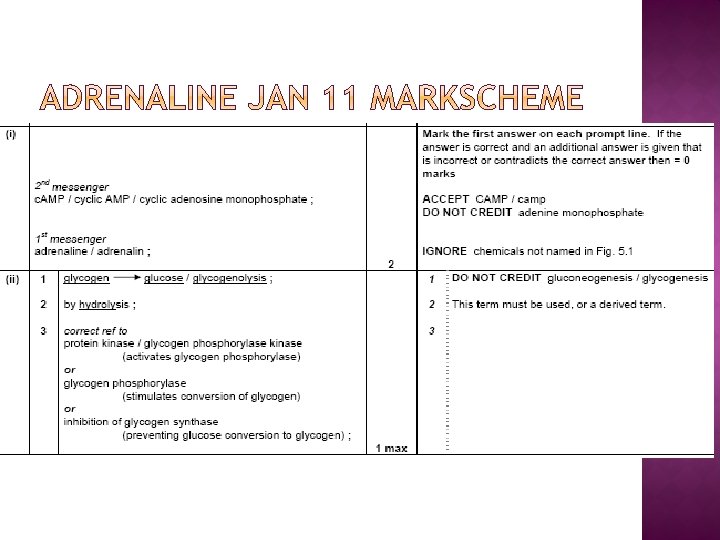
� Adrenaline binds to receptor on target cell � Adrenaline first messenger � Adrenaline can’t enter the cell � Changes shape of Adenyl cyclase inside cell � Activates adenyl cyclase � Changes ATP into c. AMP � c. AMP second messenger � c. AMP activates enzyme in the cell

� See print out of page 10
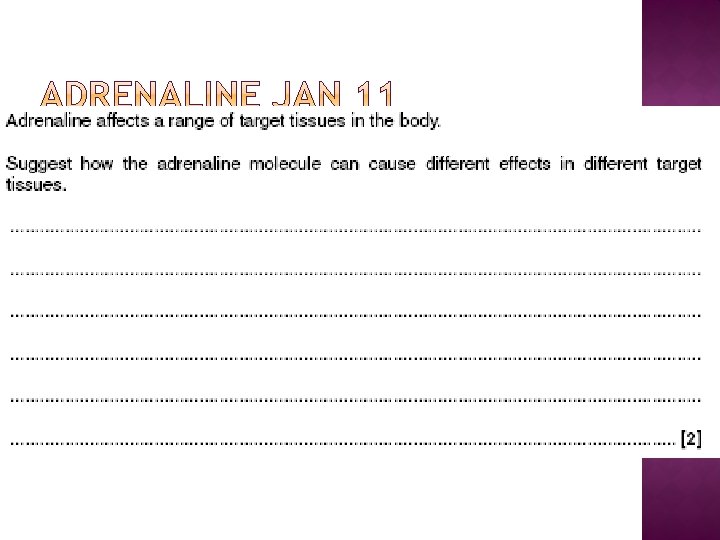
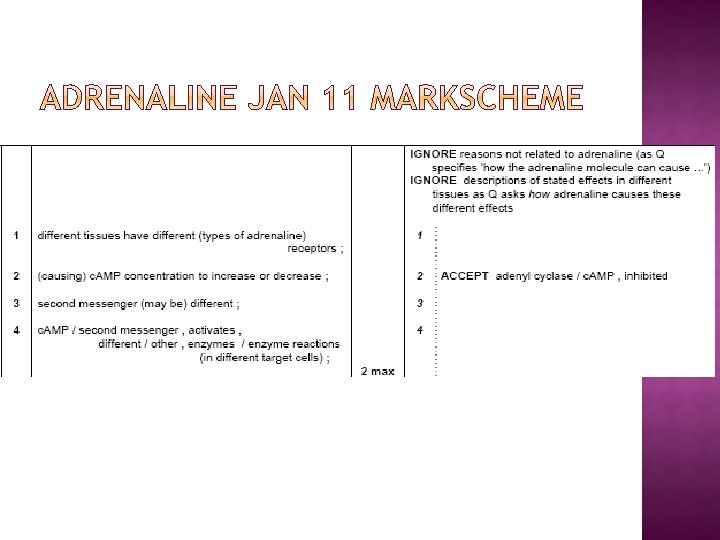
- Slides: 18