
To Infinity and Beyond Meat Jayson L Lusk

To Infinity …. and Beyond: Meat Jayson L. Lusk Distinguished Professor and Head Department of Agricultural Economics Purdue University jayson. lusk@gmail. com www. jaysonlusk. com @Jayson. Lusk
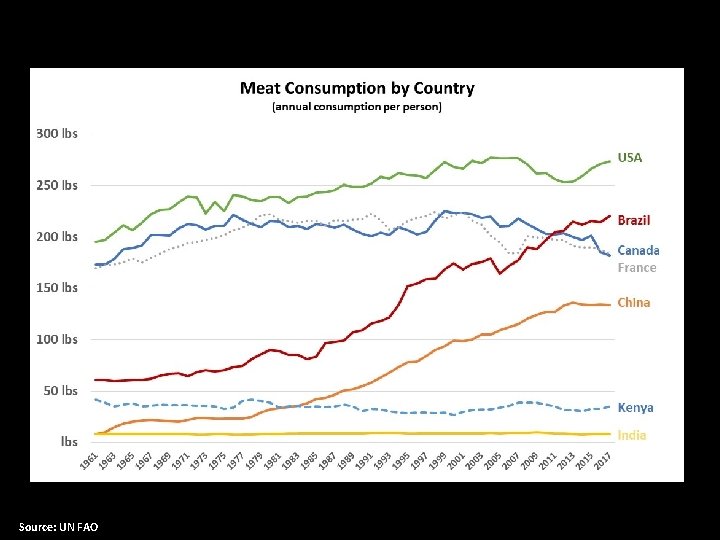
Source: UN FAO
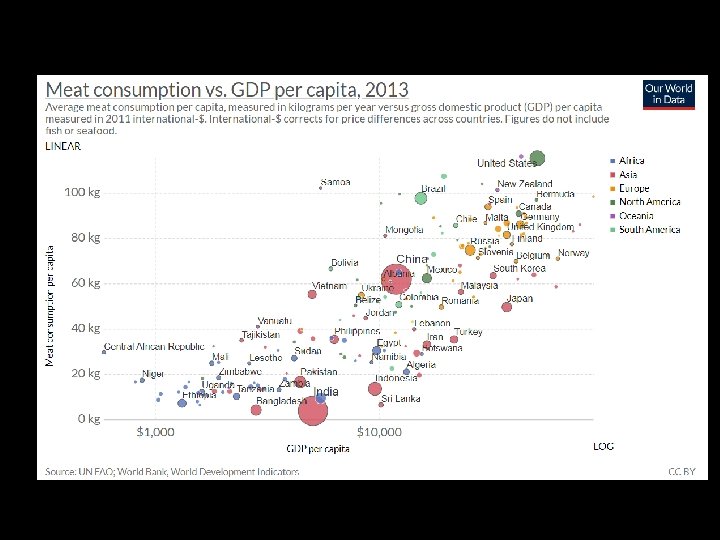
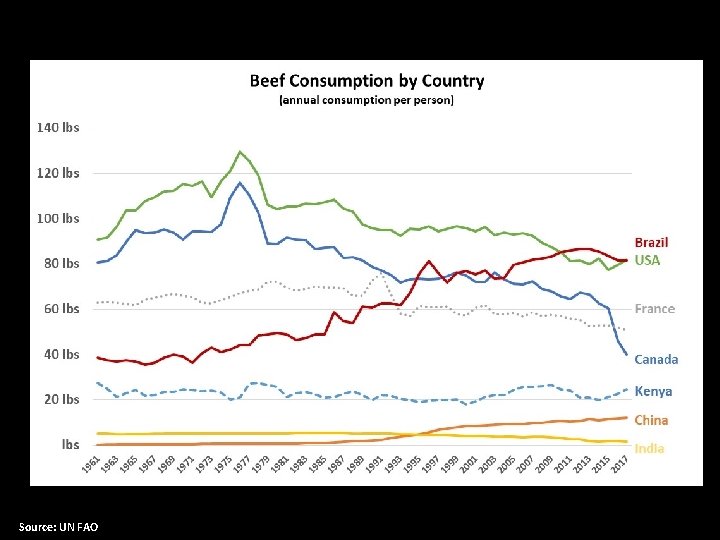
Source: UN FAO

Source: UN FAO
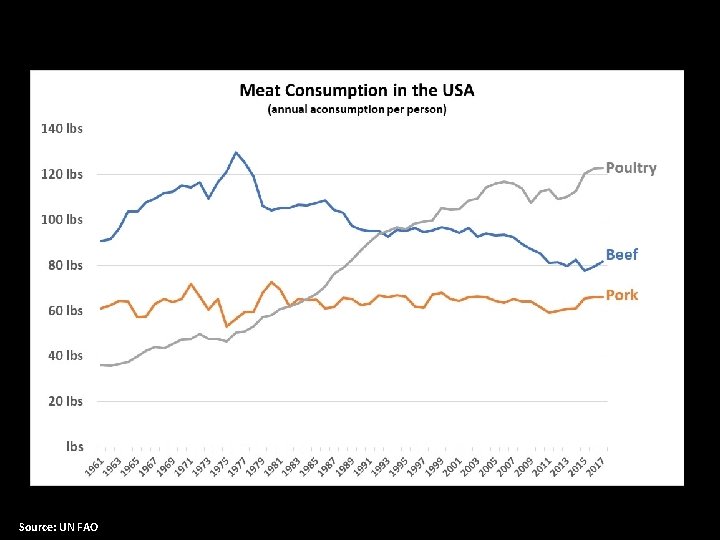
Source: UN FAO
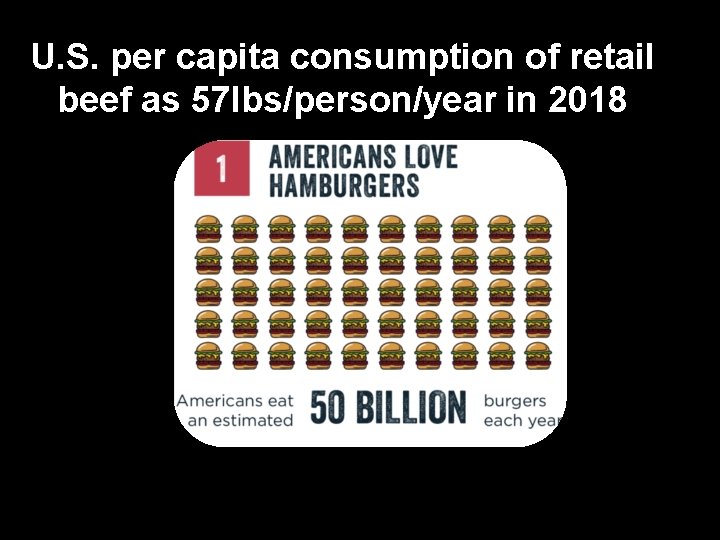
U. S. per capita consumption of retail beef as 57 lbs/person/year in 2018
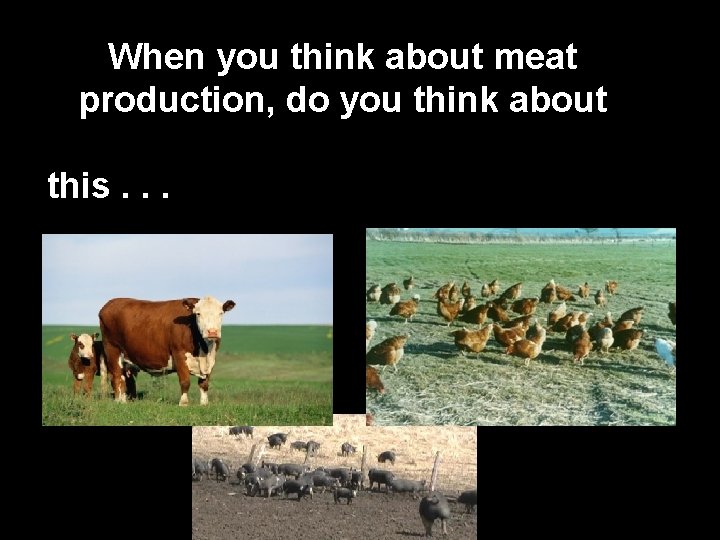
When you think about meat production, do you think about this. . .
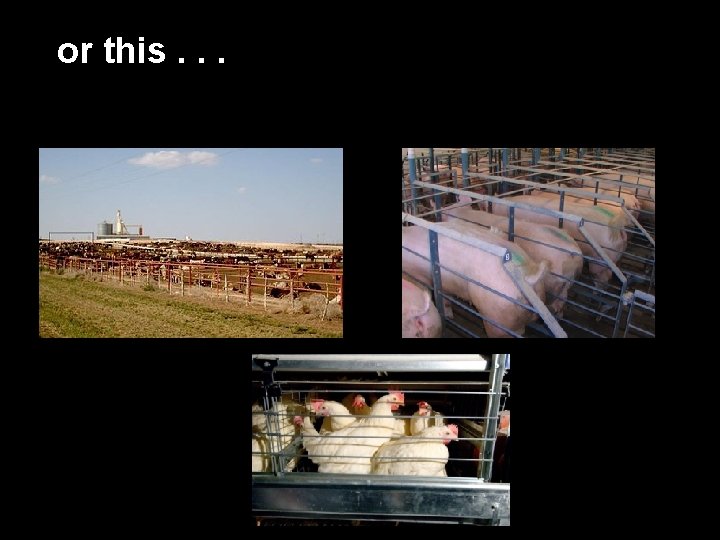
or this. . .
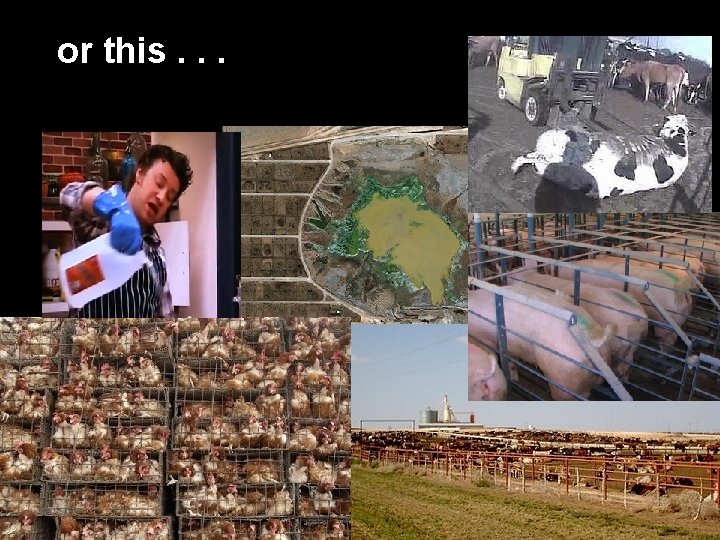
or this. . .
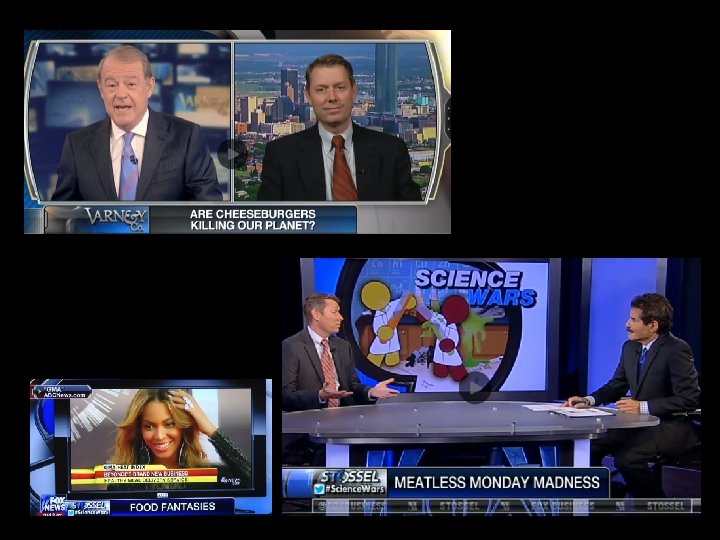
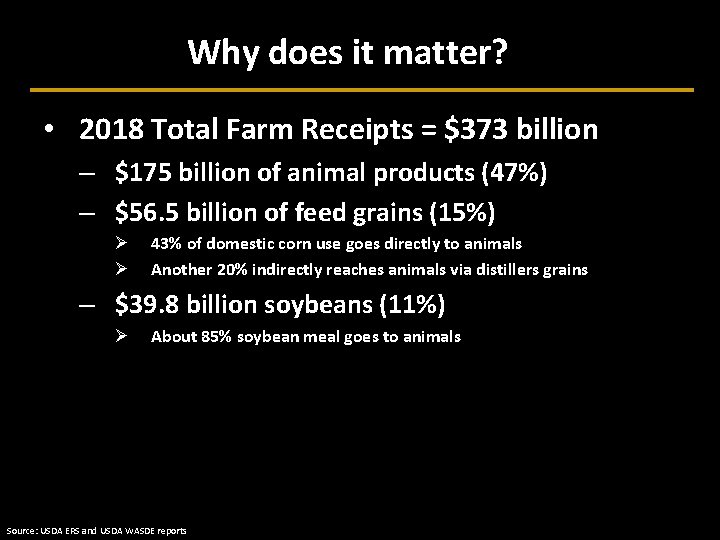
Mounting Criticisms – – Environment Health Animal Welfare Food Safety
Why does it matter? • 2018 Total Farm Receipts = $373 billion – $175 billion of animal products (47%) – $56. 5 billion of feed grains (15%) Ø Ø 43% of domestic corn use goes directly to animals Another 20% indirectly reaches animals via distillers grains – $39. 8 billion soybeans (11%) Ø About 85% soybean meal goes to animals Source: USDA ERS and USDA WASDE reports
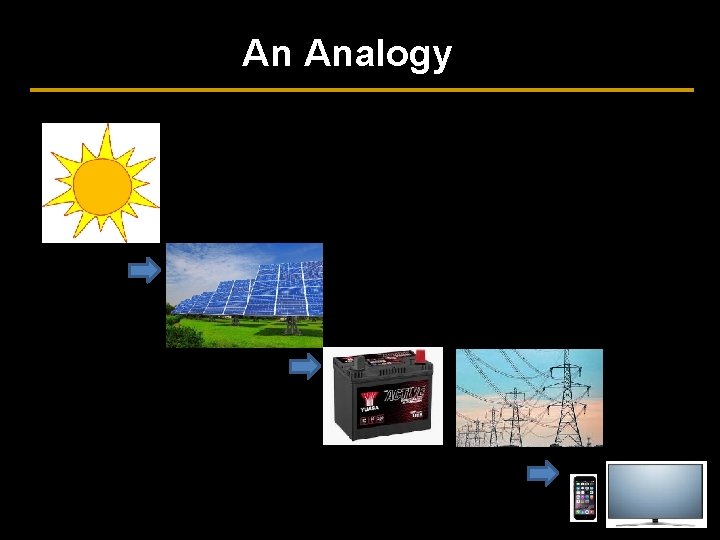
An Analogy
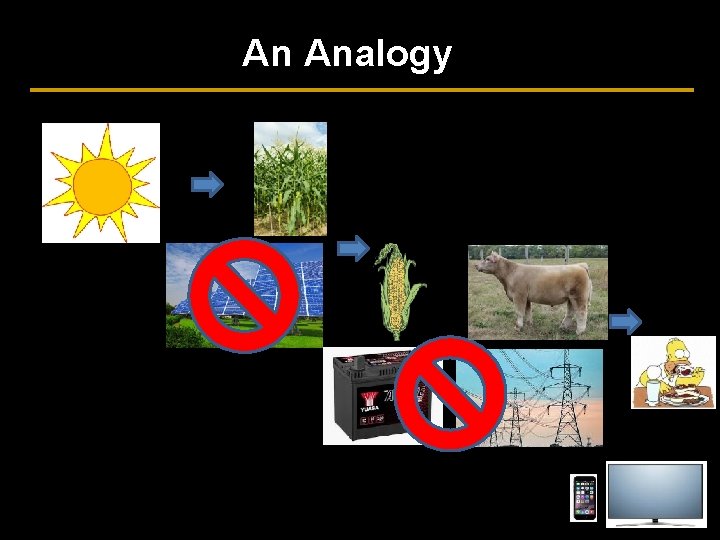
An Analogy
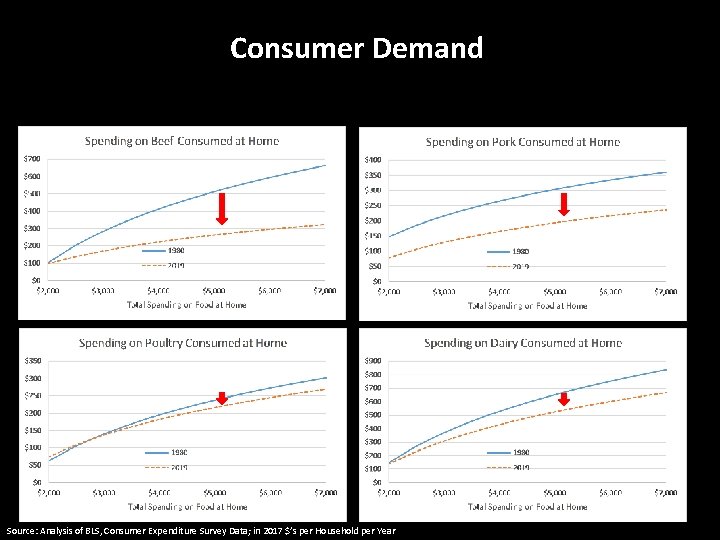
Consumer Demand Source: Analysis of BLS, Consumer Expenditure Survey Data; in 2017 $’s per Household per Year
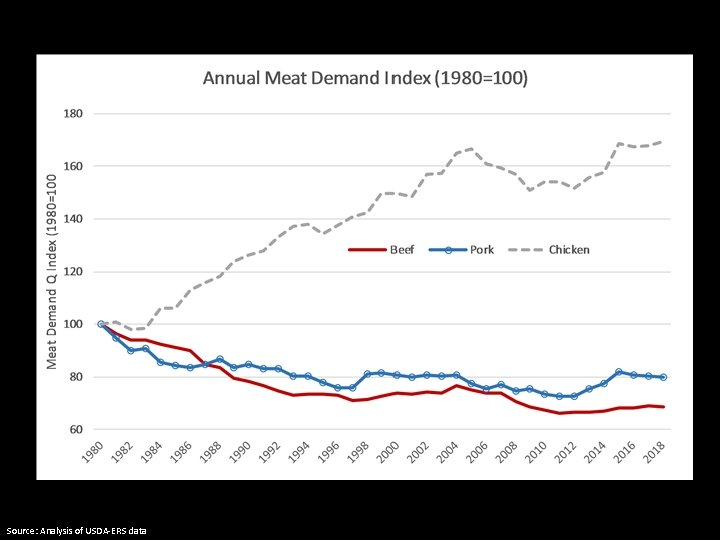
Source: Analysis of USDA-ERS data
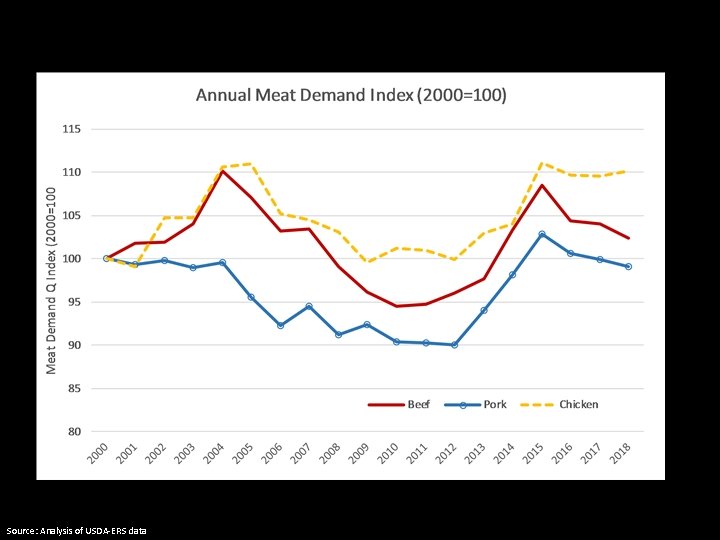
Source: Analysis of USDA-ERS data
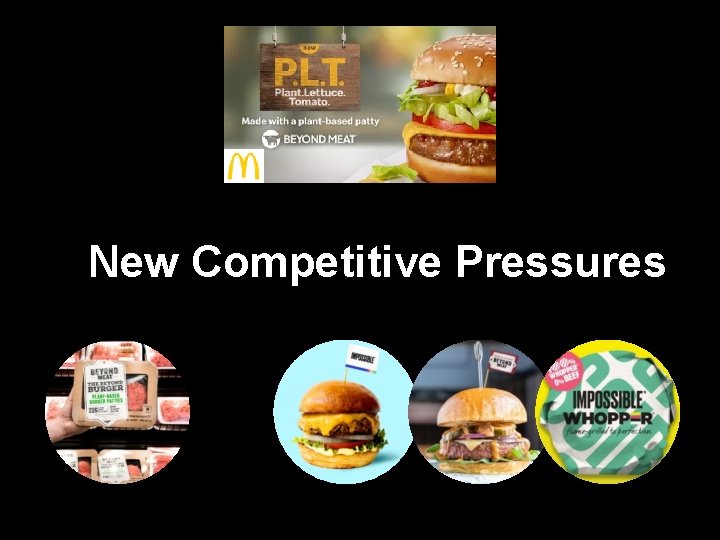
New Competitive Pressures
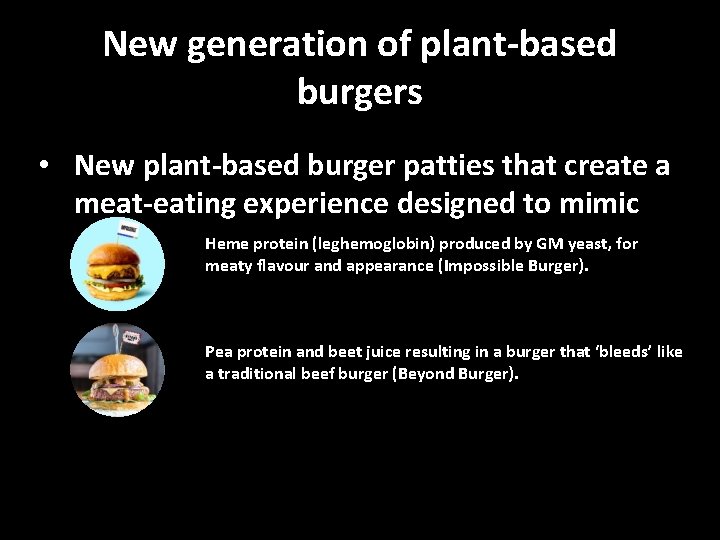
New generation of plant-based burgers • New plant-based burger patties that create a meat-eating experience designed to mimic the protein of (leghemoglobin) taste and Heme texture beef produced by GM yeast, for meaty flavour and appearance (Impossible Burger). Pea protein and beet juice resulting in a burger that ‘bleeds’ like a traditional beef burger (Beyond Burger).
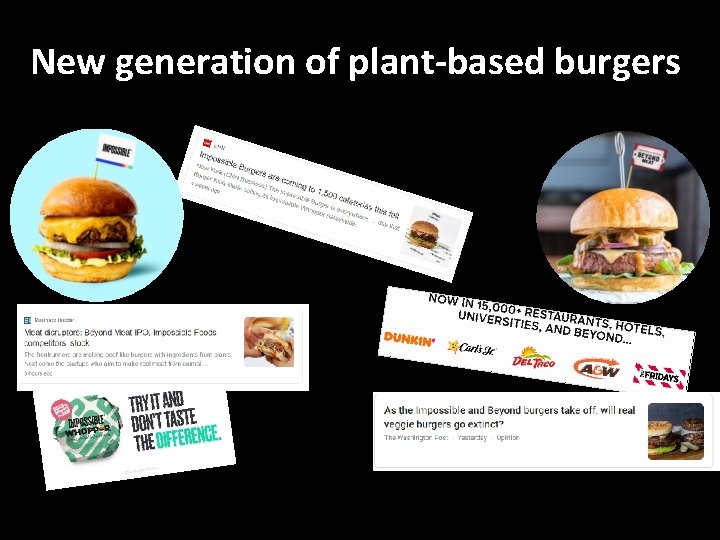
New generation of plant-based burgers
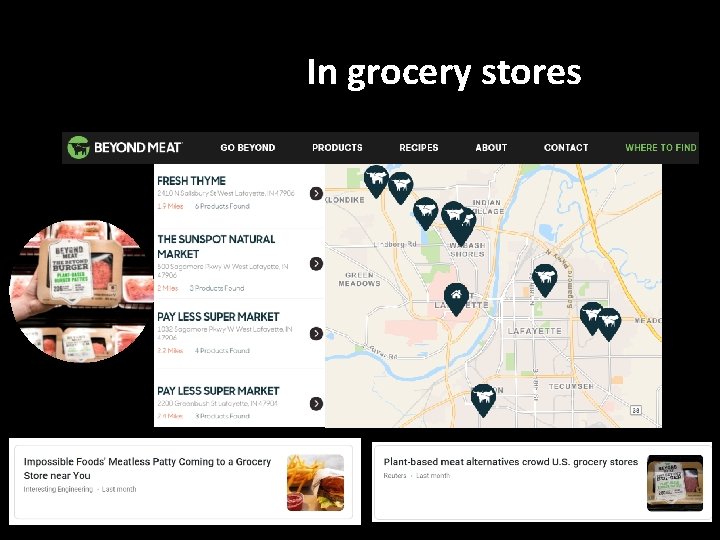
In grocery stores
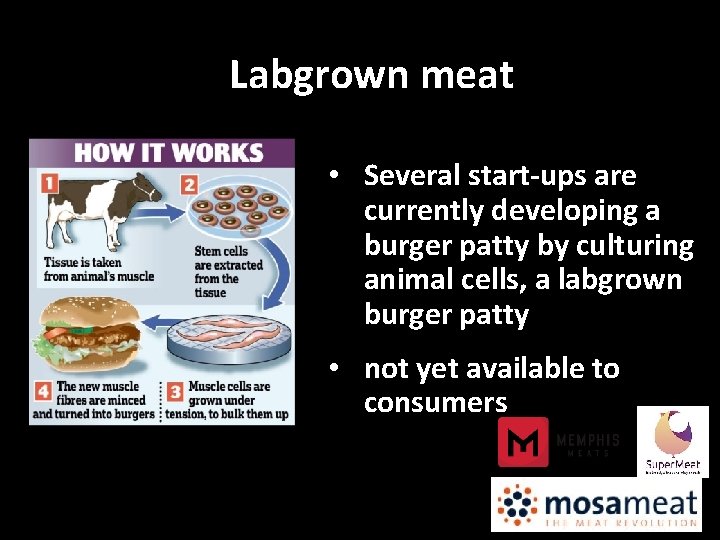
Labgrown meat • Several start-ups are currently developing a burger patty by culturing animal cells, a labgrown burger patty • not yet available to consumers
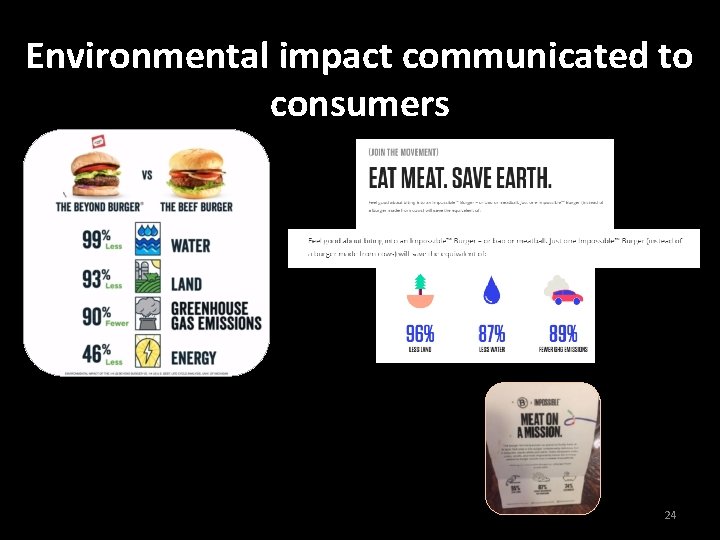
Environmental impact communicated to consumers 24
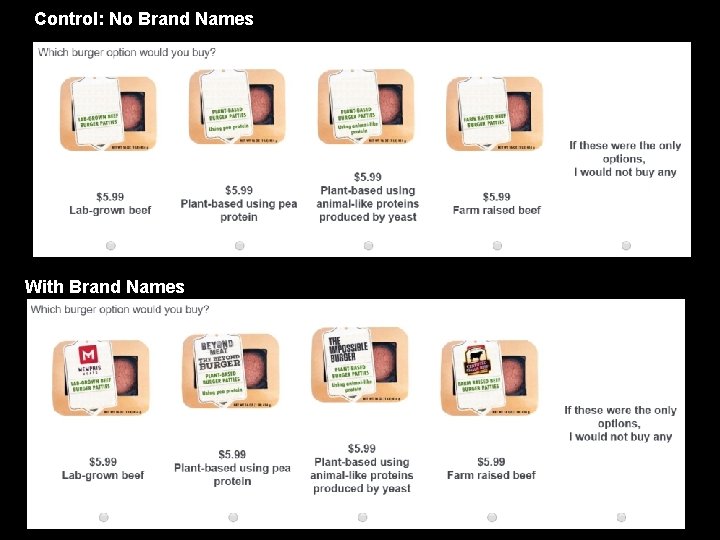
Control: No Brand Names With Brand Names
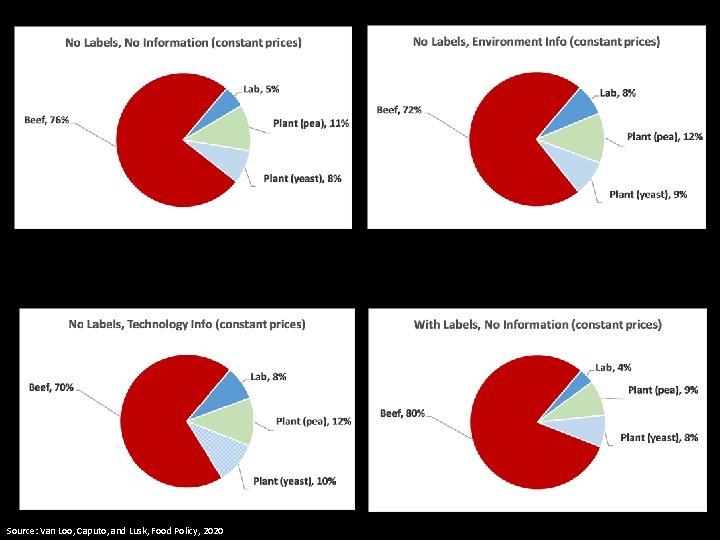
Source: Van Loo, Caputo, and Lusk, Food Policy, 2020
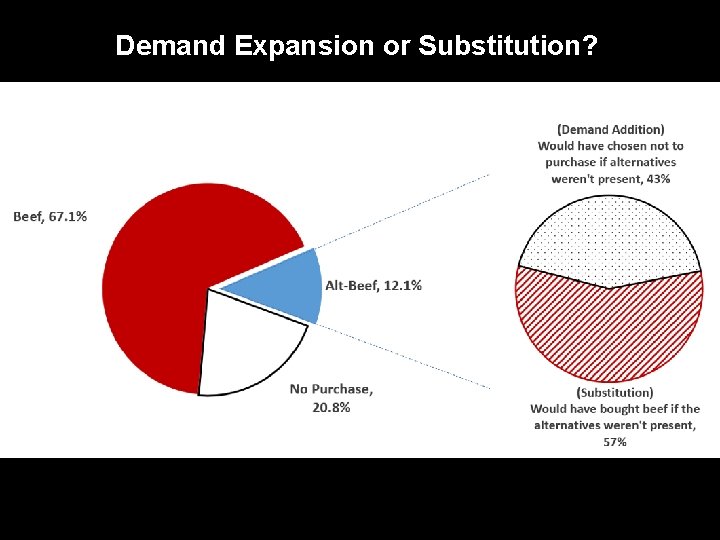
Demand Expansion or Substitution?
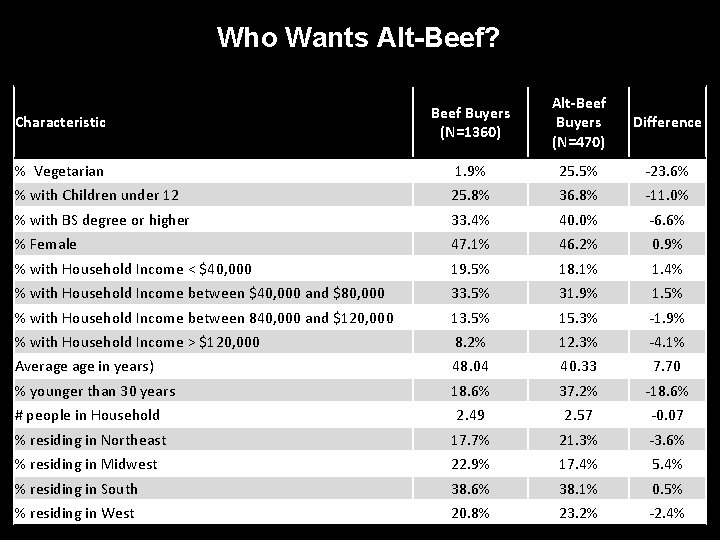
Who Wants Alt-Beef? Characteristic Beef Buyers (N=1360) Alt-Beef Buyers (N=470) Difference % Vegetarian 1. 9% 25. 5% -23. 6% % with Children under 12 25. 8% 36. 8% -11. 0% % with BS degree or higher 33. 4% 40. 0% -6. 6% % Female 47. 1% 46. 2% 0. 9% % with Household Income < $40, 000 19. 5% 18. 1% 1. 4% % with Household Income between $40, 000 and $80, 000 33. 5% 31. 9% 1. 5% % with Household Income between 840, 000 and $120, 000 13. 5% 15. 3% -1. 9% % with Household Income > $120, 000 8. 2% 12. 3% -4. 1% Average in years) 48. 04 40. 33 7. 70 % younger than 30 years 18. 6% 37. 2% -18. 6% # people in Household 2. 49 2. 57 -0. 07 % residing in Northeast 17. 7% 21. 3% -3. 6% % residing in Midwest 22. 9% 17. 4% 5. 4% % residing in South 38. 6% 38. 1% 0. 5% % residing in West 20. 8% 23. 2% -2. 4%
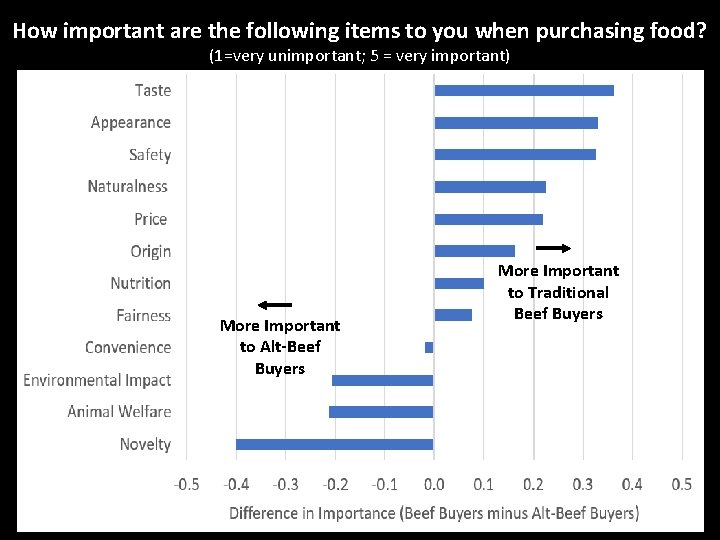
How important are the following items to you when purchasing food? (1=very unimportant; 5 = very important) More Important to Alt-Beef Buyers More Important to Traditional Beef Buyers
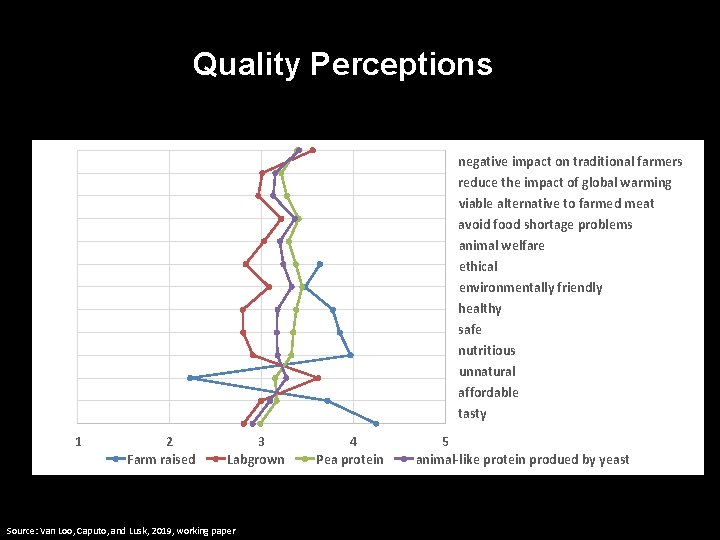
Quality Perceptions negative impact on traditional farmers reduce the impact of global warming viable alternative to farmed meat avoid food shortage problems animal welfare ethical environmentally friendly healthy safe nutritious unnatural affordable tasty 1 2 Farm raised 3 Labgrown Source: Van Loo, Caputo, and Lusk, 2019, working paper 4 Pea protein 5 animal-like protein produed by yeast
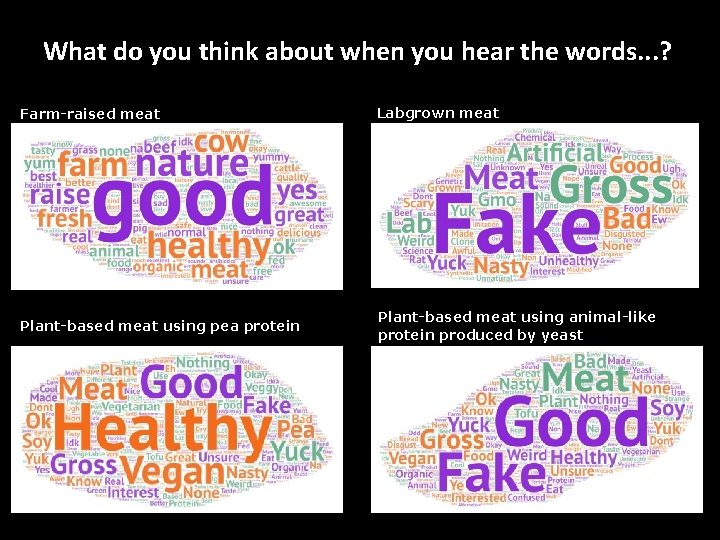
What do you think about when you hear the words. . . ? Farm-raised meat Labgrown meat Plant-based meat using pea protein Plant-based meat using animal-like protein produced by yeast
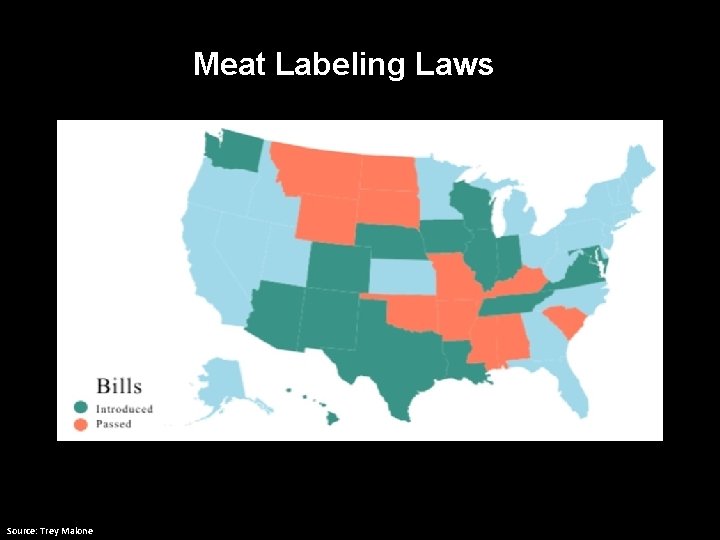
Meat Labeling Laws Source: Trey Malone
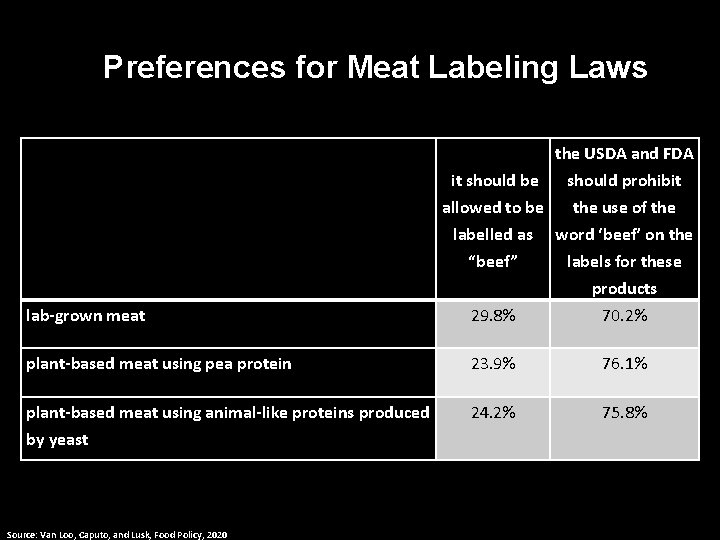
Preferences for Meat Labeling Laws the USDA and FDA it should be should prohibit allowed to be the use of the labelled as word ‘beef’ on the “beef” labels for these products lab-grown meat 29. 8% 70. 2% plant-based meat using pea protein 23. 9% 76. 1% plant-based meat using animal-like proteins produced by yeast 24. 2% 75. 8% Source: Van Loo, Caputo, and Lusk, Food Policy, 2020
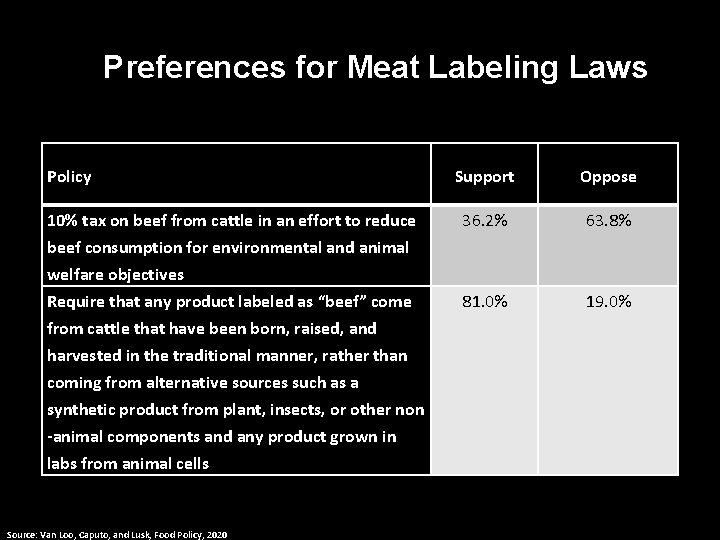
Preferences for Meat Labeling Laws Policy 10% tax on beef from cattle in an effort to reduce beef consumption for environmental and animal welfare objectives Require that any product labeled as “beef” come from cattle that have been born, raised, and harvested in the traditional manner, rather than coming from alternative sources such as a synthetic product from plant, insects, or other non -animal components and any product grown in labs from animal cells Source: Van Loo, Caputo, and Lusk, Food Policy, 2020 Support Oppose 36. 2% 63. 8% 81. 0% 19. 0%
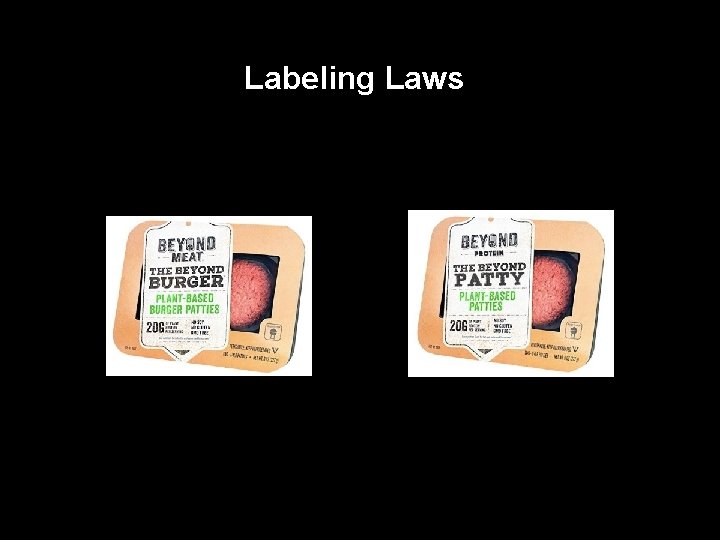
Labeling Laws
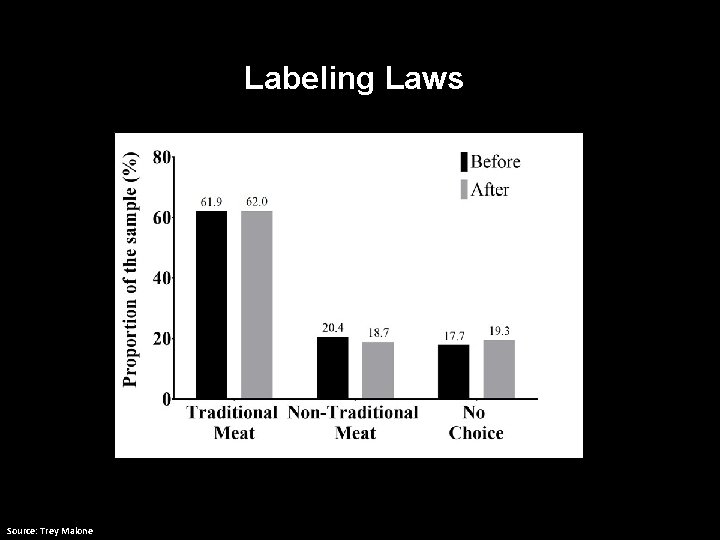
Labeling Laws Source: Trey Malone

How to Compete?
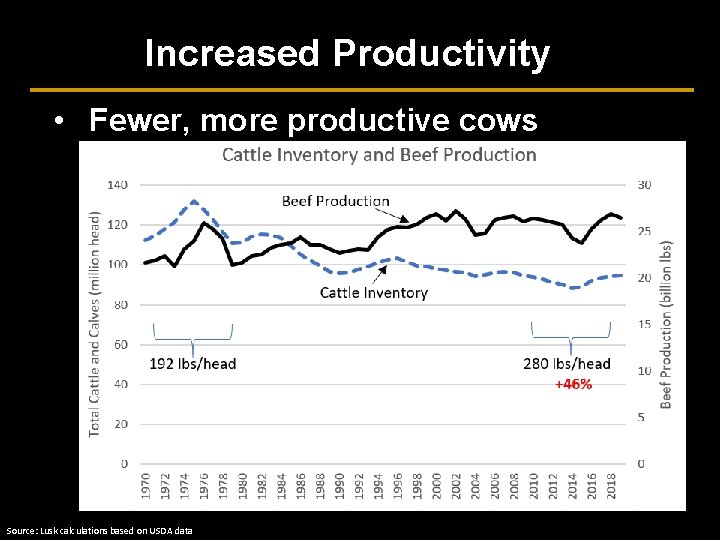
Increased Productivity • Fewer, more productive cows Source: Lusk calculations based on USDA data
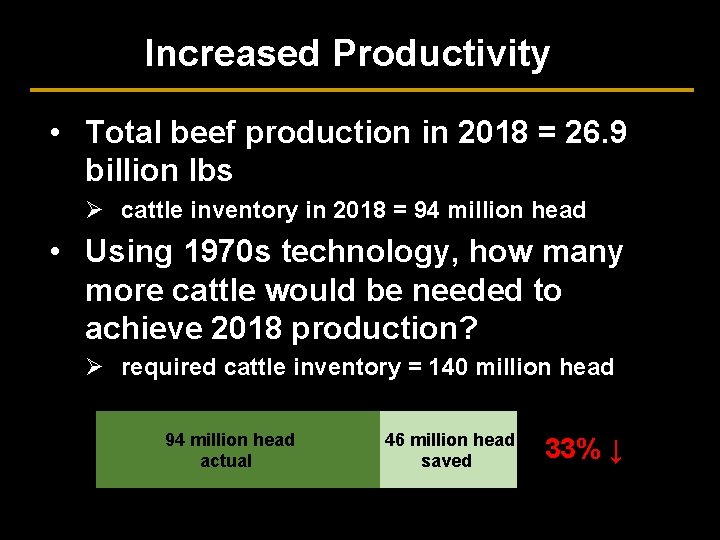
Increased Productivity • Total beef production in 2018 = 26. 9 billion lbs Ø cattle inventory in 2018 = 94 million head • Using 1970 s technology, how many more cattle would be needed to achieve 2018 production? Ø required cattle inventory = 140 million head 94 million head actual 46 million head saved 33% ↓
Increased “Quality” • • Perceptions of “naturalness” Benefits to farms vs. “factories” Taste Variety of offerings 94 million head actual 46 million head saved

Contact: jayson. lusk@gmail. com 765 -494 -1903 www. jaysonlusk. com @Jayson. Lusk
- Slides: 41