
Title slide Sepsis Immunity and Memory Toms Huerta
- Slides: 28
Title slide Sepsis, Immunity and Memory Tomás Huerta Mentors: Betty Diamond, Bruce T. Volpe Affiliations: Feinstein Medical Research Institute, Weill Medical College of Cornell University
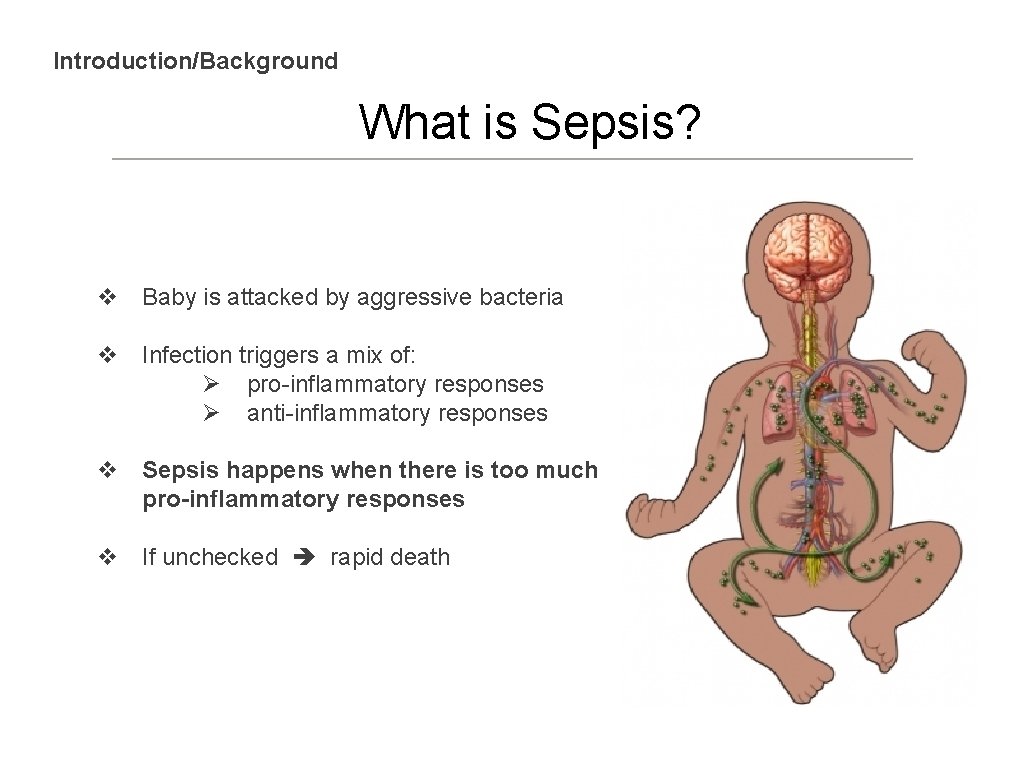
Introduction/Background What is Sepsis? v Baby is attacked by aggressive bacteria v Infection triggers a mix of: Ø pro-inflammatory responses Ø anti-inflammatory responses v Sepsis happens when there is too much pro-inflammatory responses v If unchecked rapid death
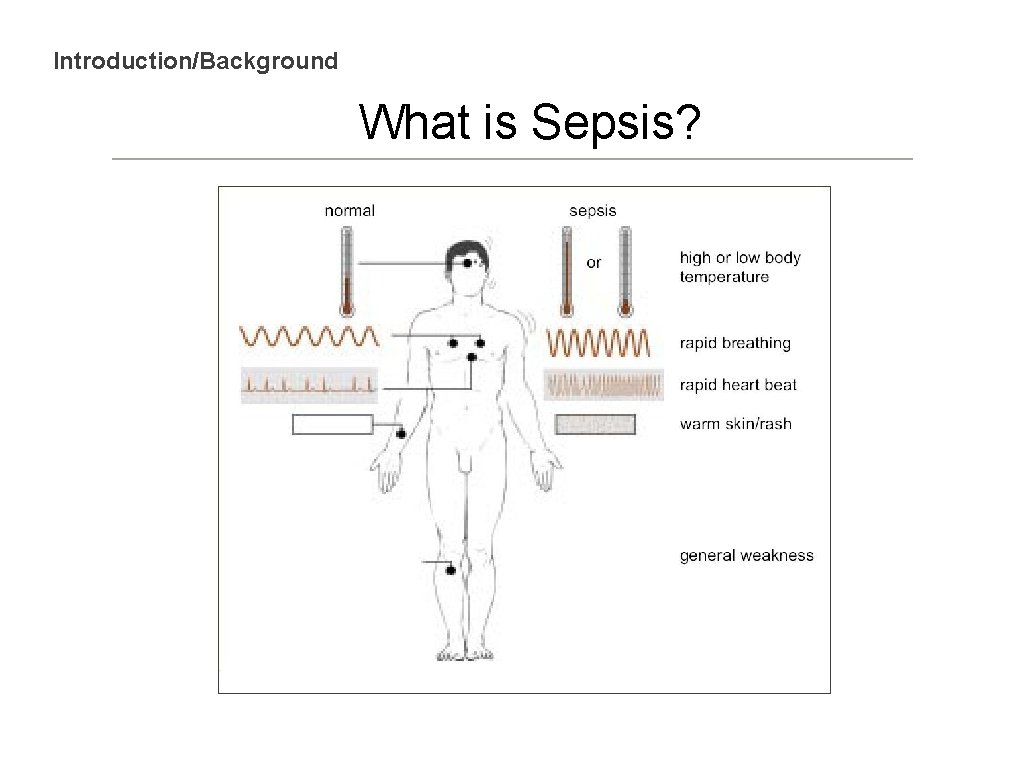
Introduction/Background What is Sepsis?
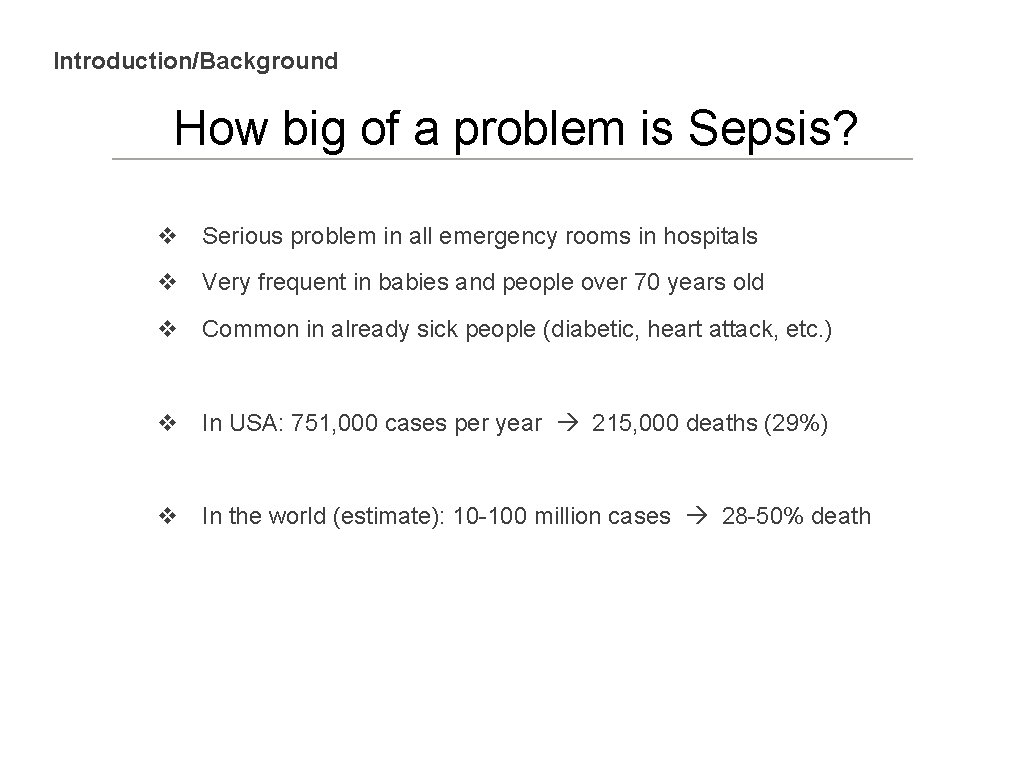
Introduction/Background How big of a problem is Sepsis? v Serious problem in all emergency rooms in hospitals v Very frequent in babies and people over 70 years old v Common in already sick people (diabetic, heart attack, etc. ) v In USA: 751, 000 cases per year 215, 000 deaths (29%) v In the world (estimate): 10 -100 million cases 28 -50% death
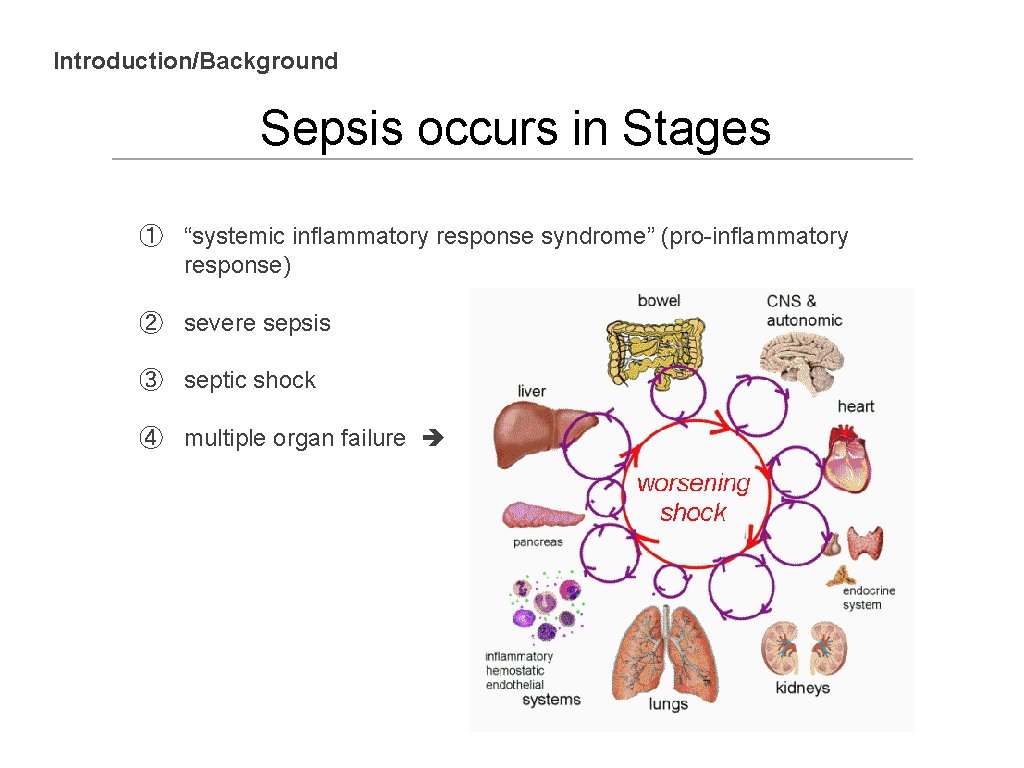
Introduction/Background Sepsis occurs in Stages ① “systemic inflammatory response syndrome” (pro-inflammatory response) ② severe sepsis ③ septic shock ④ multiple organ failure
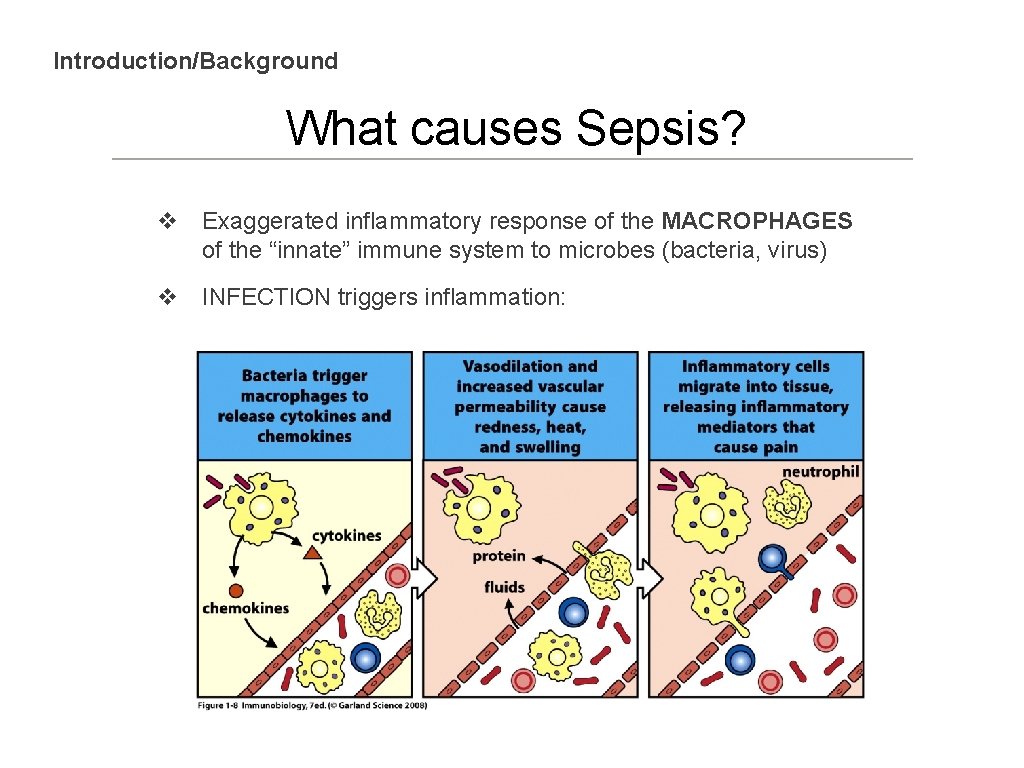
Introduction/Background What causes Sepsis? v Exaggerated inflammatory response of the MACROPHAGES of the “innate” immune system to microbes (bacteria, virus) v INFECTION triggers inflammation:
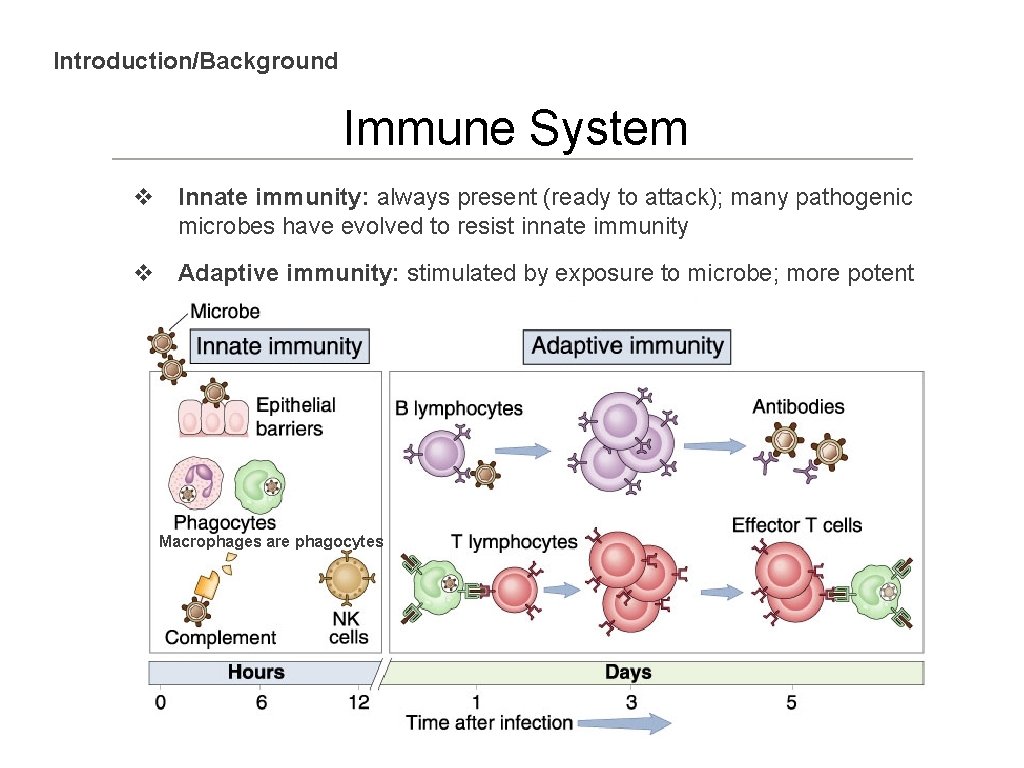
Introduction/Background Immune System v Innate immunity: always present (ready to attack); many pathogenic microbes have evolved to resist innate immunity v Adaptive immunity: stimulated by exposure to microbe; more potent Macrophages are phagocytes
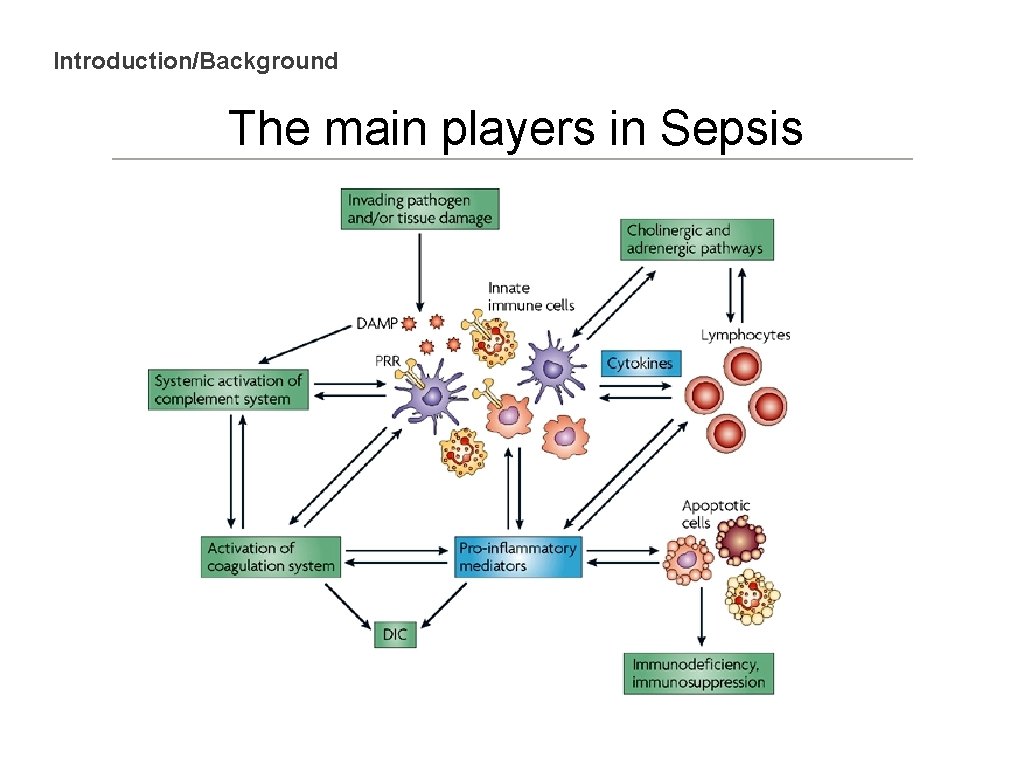
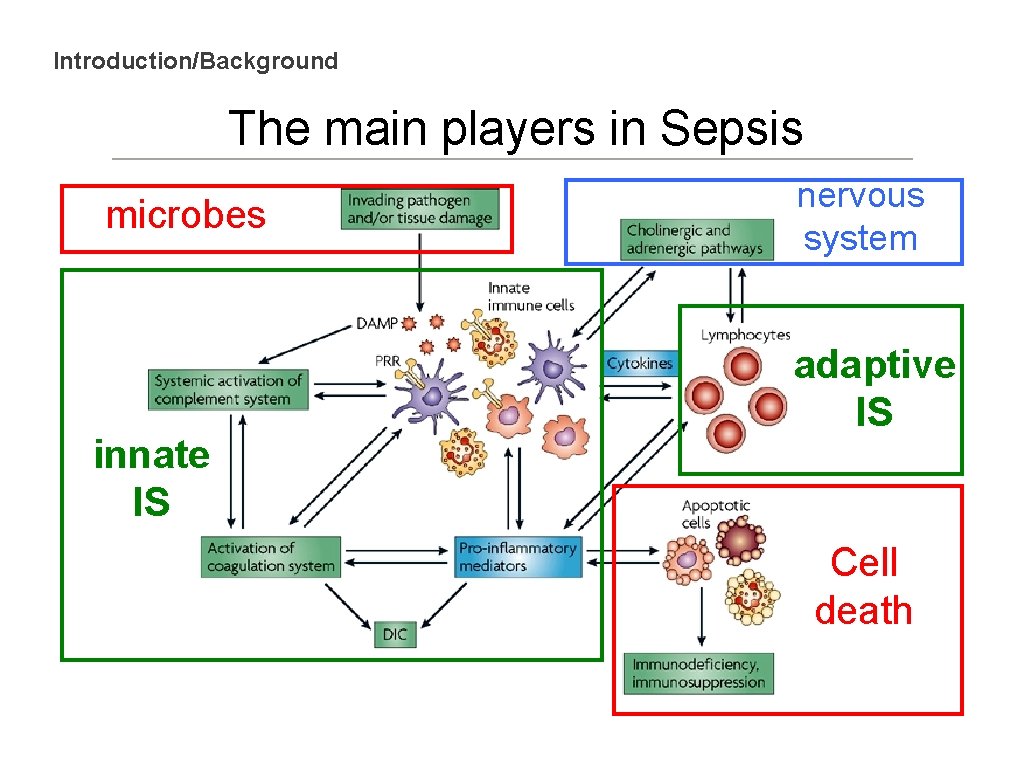
Introduction/Background The main players in Sepsis
Introduction/Background The main players in Sepsis microbes innate IS nervous system adaptive IS Cell death
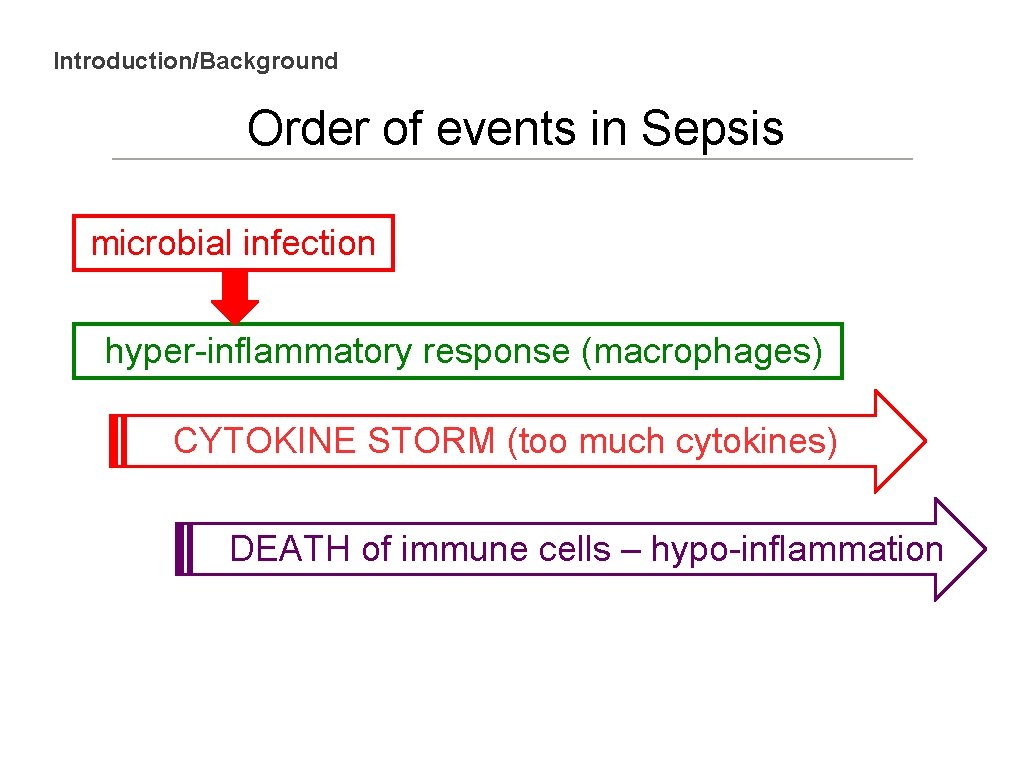
Introduction/Background Order of events in Sepsis microbial infection hyper-inflammatory response (macrophages) CYTOKINE STORM (too much cytokines) DEATH of immune cells – hypo-inflammation
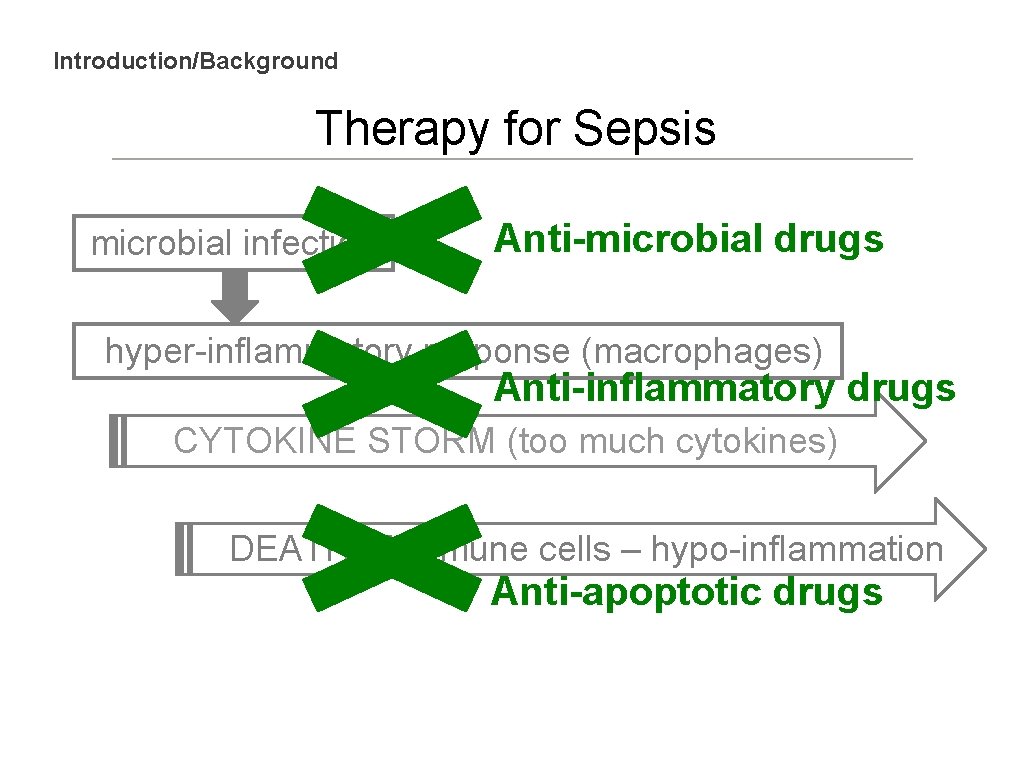
Introduction/Background Therapy for Sepsis microbial infection Anti-microbial drugs hyper-inflammatory response (macrophages) Anti-inflammatory drugs CYTOKINE STORM (too much cytokines) DEATH of immune cells – hypo-inflammation Anti-apoptotic drugs
Introduction/Background Post-Sepsis and Cognition v Up to 70% of post-sepsis survivors have problems with cognition: Ø memory loss (amnesia) Ø attention deficit Ø lack of executive control Ø anxiety disorder v It is not known why the cognitive deficits happen
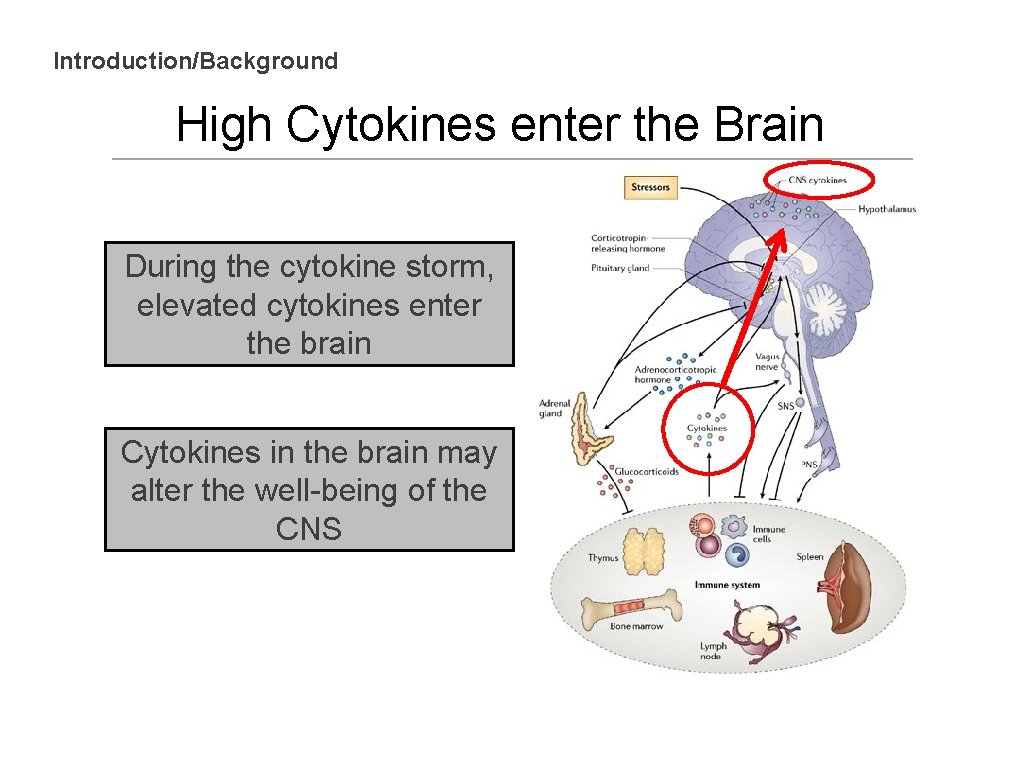
Introduction/Background High Cytokines enter the Brain During the cytokine storm, elevated cytokines enter the brain Cytokines in the brain may alter the well-being of the CNS
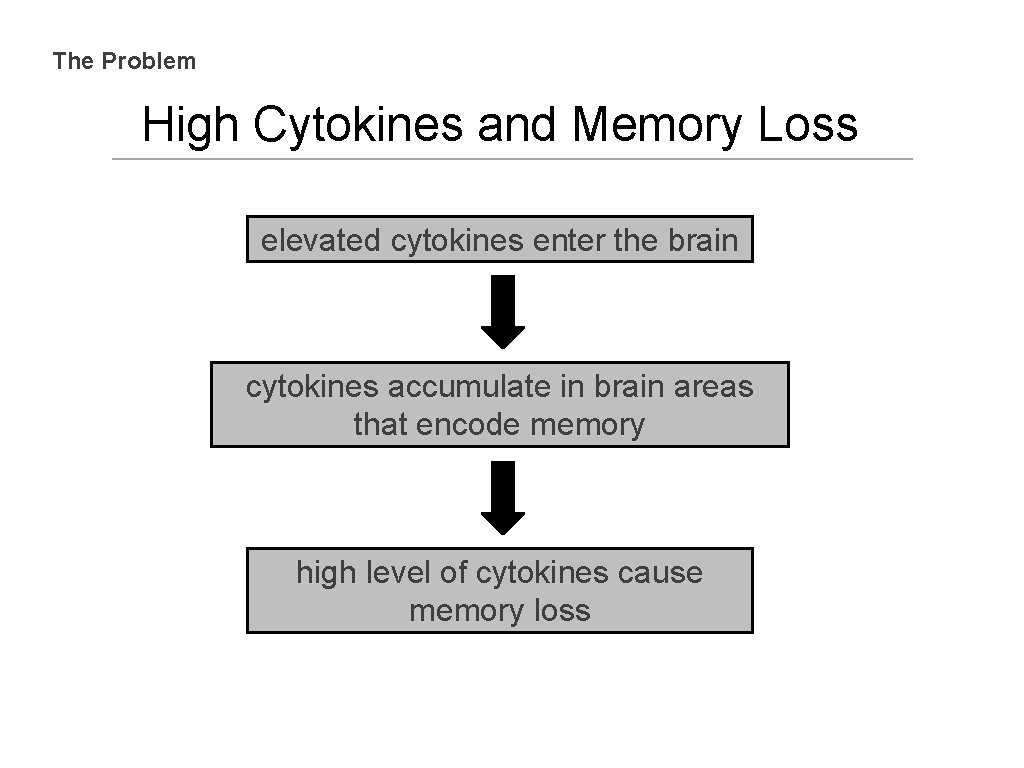
The Problem High Cytokines and Memory Loss elevated cytokines enter the brain cytokines accumulate in brain areas that encode memory high level of cytokines cause memory loss
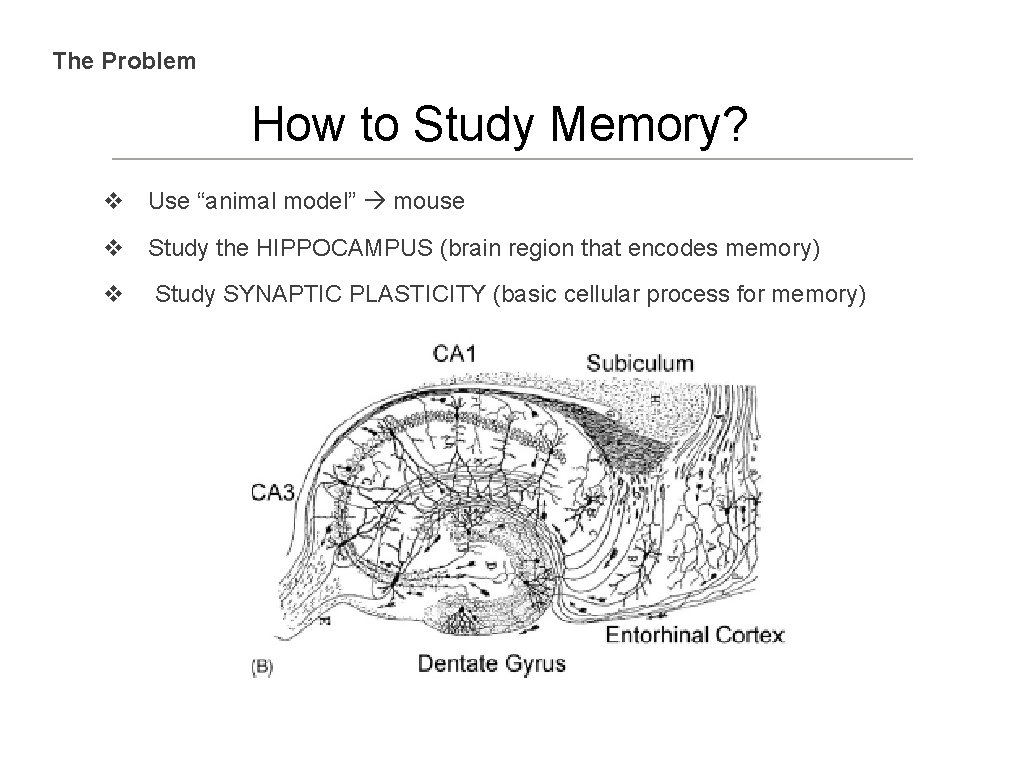
The Problem How to Study Memory? v Use “animal model” mouse v Study the HIPPOCAMPUS (brain region that encodes memory) v Study SYNAPTIC PLASTICITY (basic cellular process for memory)
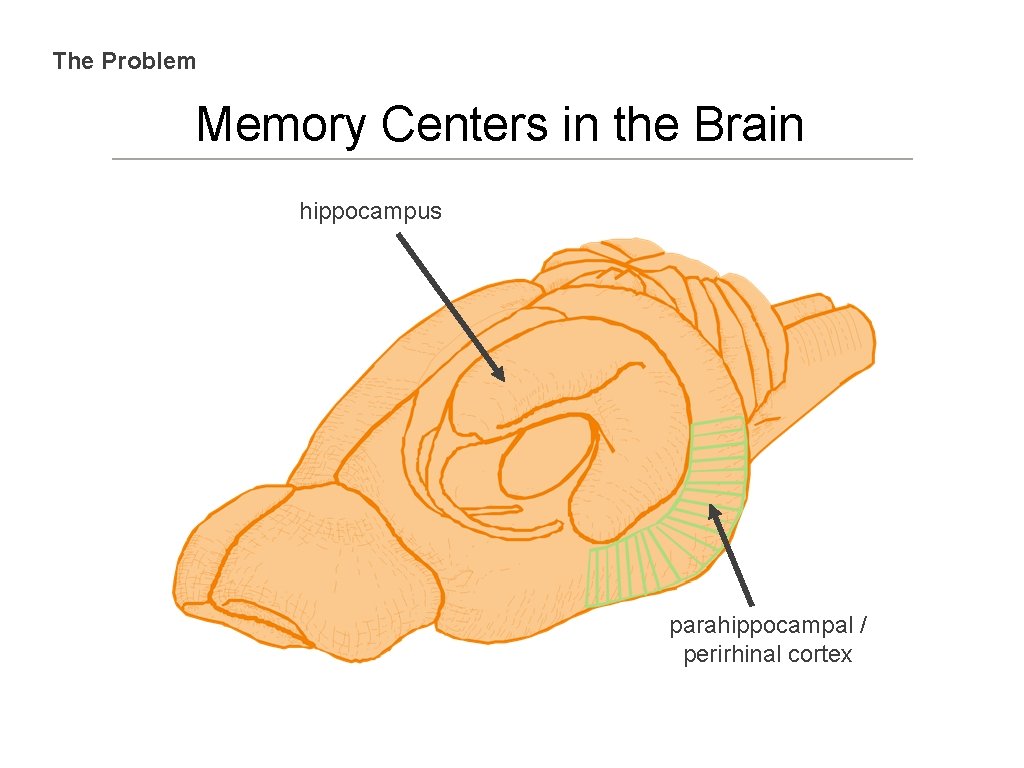
The Problem Memory Centers in the Brain hippocampus parahippocampal / perirhinal cortex
The Problem Stating The Problem It is likely that the high level of cytokines that enter the brain during sepsis cause an impairment of synaptic plasticity, the cellular basis for memory
Hypothesis Our Hypothesis 1) We propose that adding high levels of cytokines to hippocampal slices will cause an impairment of synaptic plasticity 2) We propose that hippocampal slices prepared from mice that had suffered sepsis (a few weeks before) will show impaired synaptic plasticity
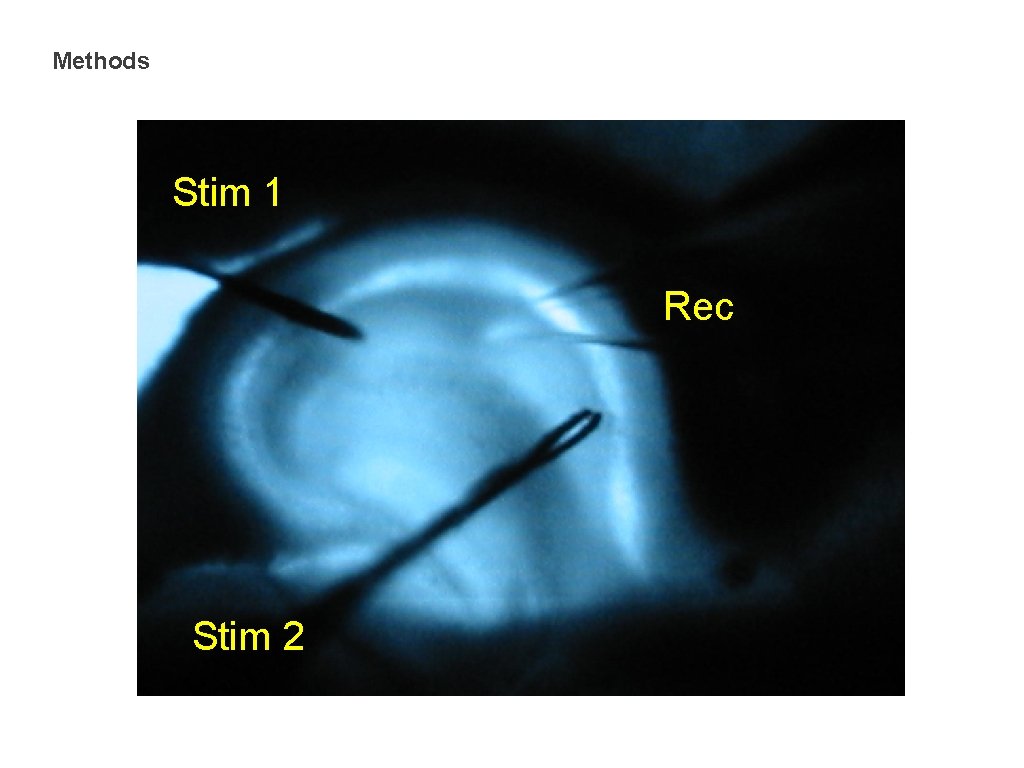
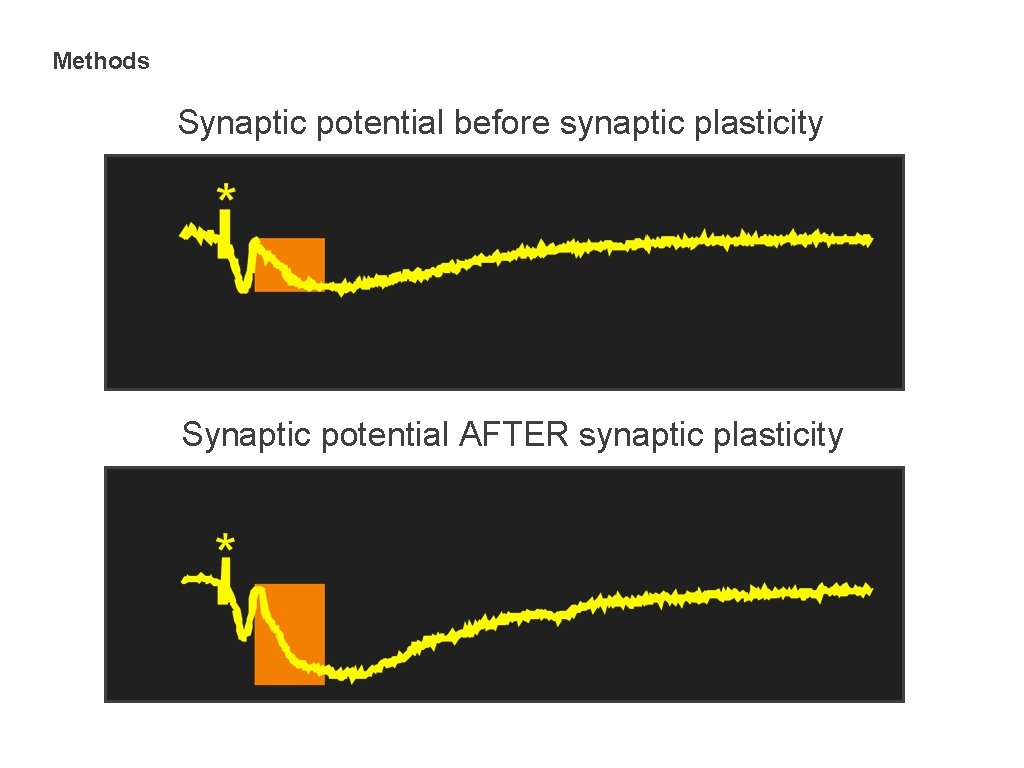
Methods v Extract hippocampal slices from the brain of a mouse (male, 2 -4 weeks of age) v Keep slices alive (up to 24 hours) by incubating them in special medium v Place hippocampal slice in the recording chamber v Record excitatory post-synaptic potentials v Induce SYNAPTIC PLASTICITY
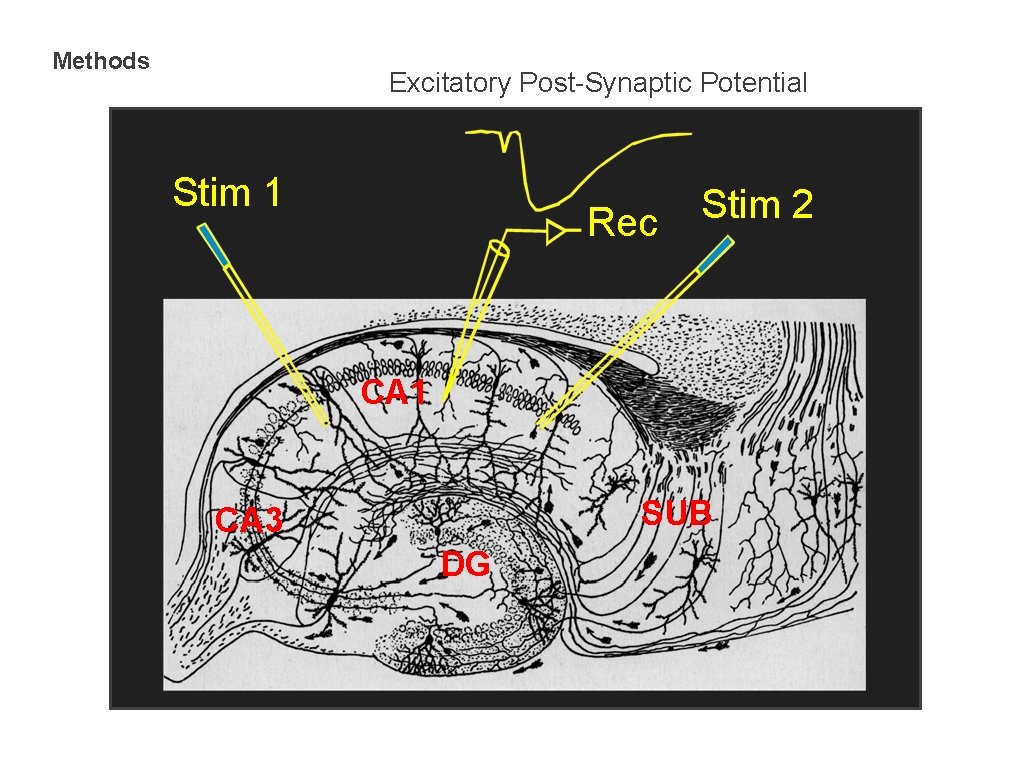
Methods Excitatory Post-Synaptic Potential Stim 1 Rec Stim 2 CA 1 SUB CA 3 DG
Methods Stim 1 Rec Stim 2
Methods Synaptic potential before synaptic plasticity Synaptic potential AFTER synaptic plasticity
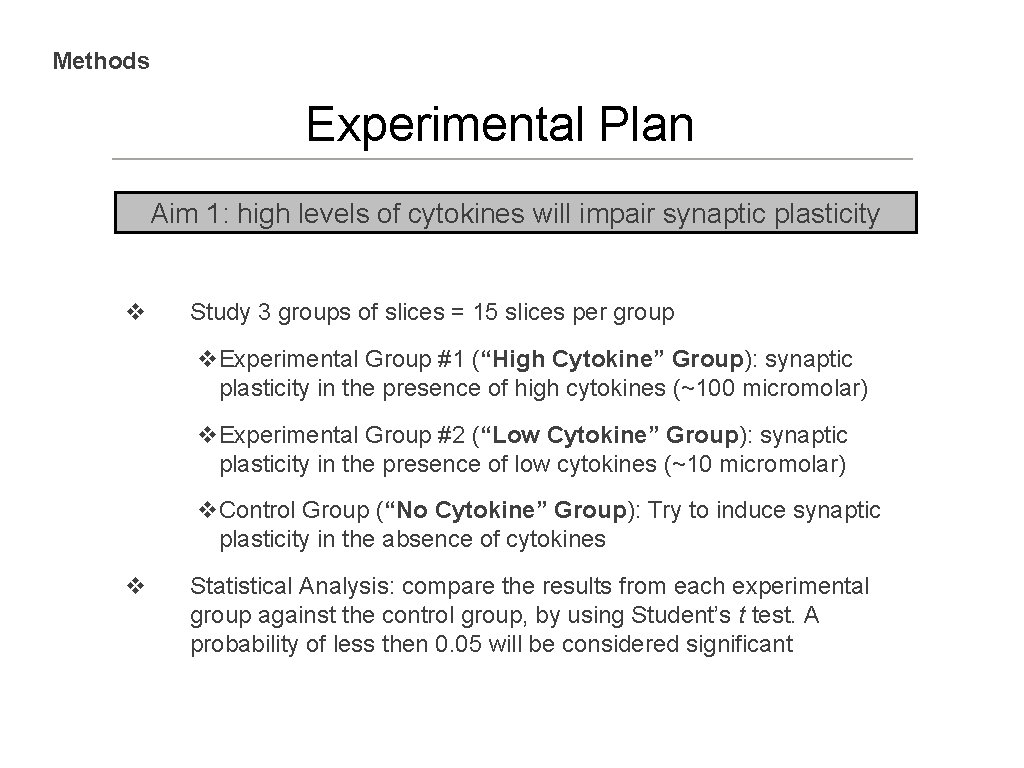
Methods Experimental Plan Aim 1: high levels of cytokines will impair synaptic plasticity v Study 3 groups of slices = 15 slices per group v. Experimental Group #1 (“High Cytokine” Group): synaptic plasticity in the presence of high cytokines (~100 micromolar) v. Experimental Group #2 (“Low Cytokine” Group): synaptic plasticity in the presence of low cytokines (~10 micromolar) v. Control Group (“No Cytokine” Group): Try to induce synaptic plasticity in the absence of cytokines v Statistical Analysis: compare the results from each experimental group against the control group, by using Student’s t test. A probability of less then 0. 05 will be considered significant
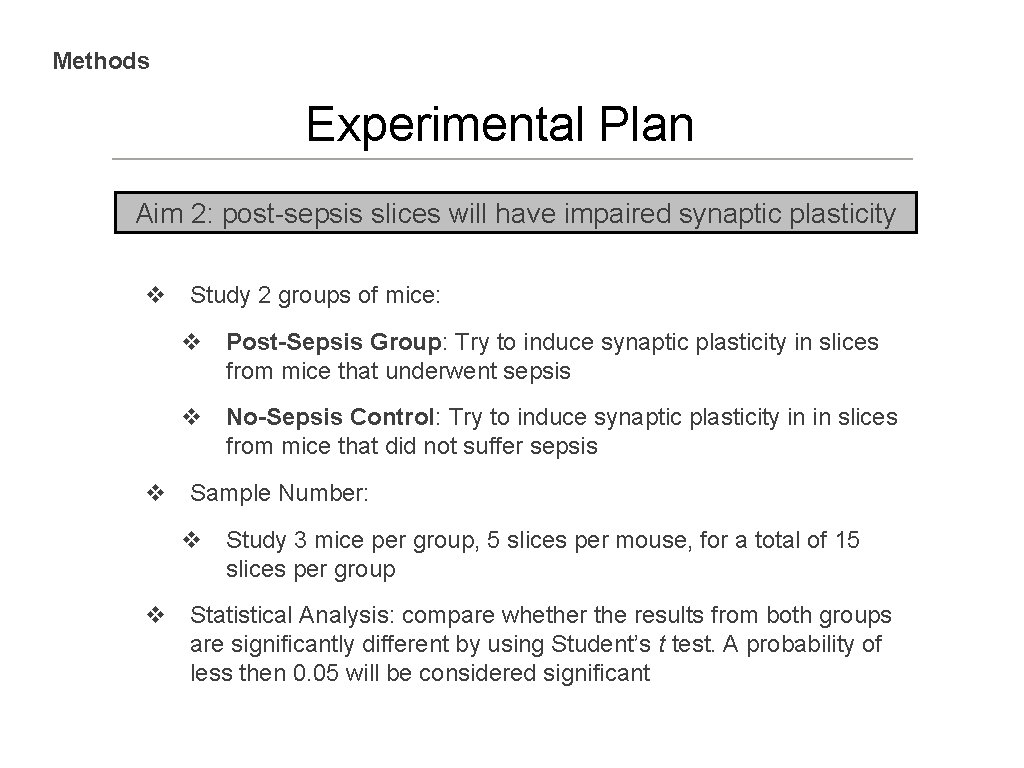
Methods Experimental Plan Aim 2: post-sepsis slices will have impaired synaptic plasticity v Study 2 groups of mice: v Post-Sepsis Group: Try to induce synaptic plasticity in slices from mice that underwent sepsis v No-Sepsis Control: Try to induce synaptic plasticity in in slices from mice that did not suffer sepsis v Sample Number: v Study 3 mice per group, 5 slices per mouse, for a total of 15 slices per group v Statistical Analysis: compare whether the results from both groups are significantly different by using Student’s t test. A probability of less then 0. 05 will be considered significant
Results Expected Results Aim 1: high levels of cytokines will impair synaptic plasticity v Experimental Group #1 (“High Cytokine” Group): synaptic plasticity will be absent or highly reduced (significantly lower than control group) v Experimental Group #2 (“Low Cytokine” Group): synaptic plasticity will be marginal or, perhaps, unaffected v Control Group (“No Cytokine” Group): synaptic plasticity will be strong
Results Expected Results Aim 2: post-sepsis slices will have impaired synaptic plasticity v Post-Sepsis Group: synaptic plasticity will be absent or highly reduced (significantly lower than control group) v No Sepsis Group: synaptic plasticity will be strong
Discussion Significance of this research v It would be useful to know whether synaptic plasticity is abolished by high levels of cytokines (applied directly to the brain) v It would be useful to know whether synaptic plasticity is absent in the post-sepsis brain v Therapies can be designed to stop the cytokines from entering the brain and affecting synaptic plasticity v Therapies can be designed to recover the deficient synaptic plasticity in post-sepsis patients that exhibit memory problems
Citation slide References v. Tracey K. J. (2002) The inflammatory reflex. Nature 420: 853 -859. v. Tracey K. J. (2005) “Fatal sequence: The killer within”. Washington DC: Dana Press. v. Murphy KM. , Travers P. and Walport M. (2007) “Janeway’s Immunology”. New York: Garland Science. v Diamond B. , et al (2009) Losing your nerves? Maybe it’s the antibodies. Nature Reviews Immunology May 5. [Epub ahead of print]