
Tissue Structure and Function Tissue An aggregation of
- Slides: 25
Tissue Structure and Function
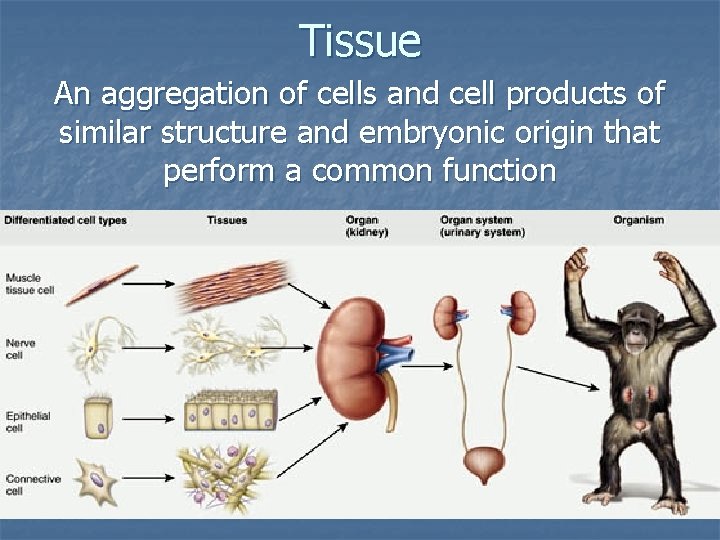
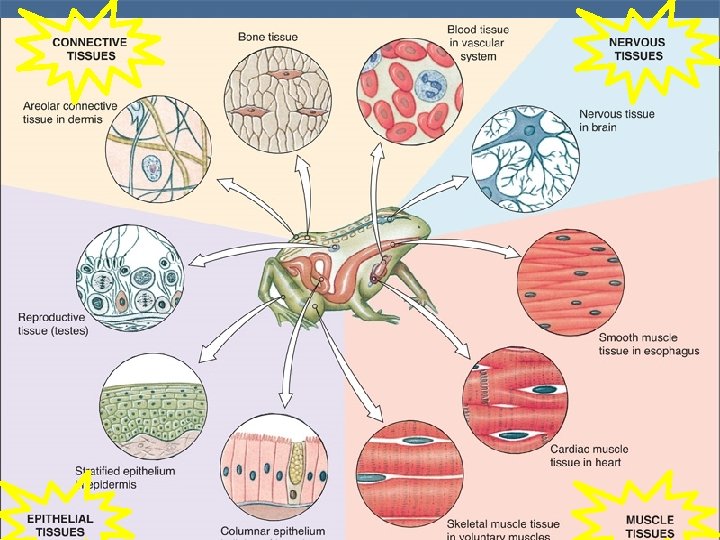
Tissue An aggregation of cells and cell products of similar structure and embryonic origin that perform a common function
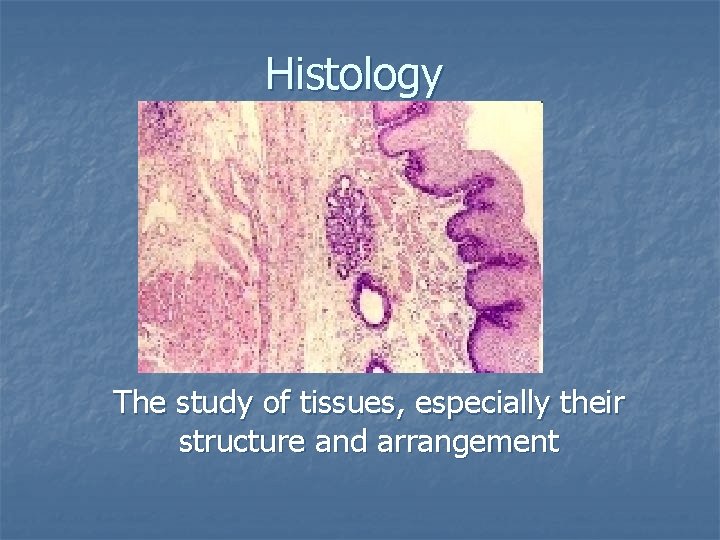
Histology The study of tissues, especially their structure and arrangement
Basic Tissue Types n n Epithelial Connective Muscle Nervous
Organ An aggregation of tissues organized into a functional unit Organ System Organs working together as functional units
Epithelial Tissue n n Sheet-like layer of cells Cover surfaces or line cavities Often has glandular cells for fluid secretion Endothelium n Epithelium that lines heart, blood vessels and lymphatic vessels
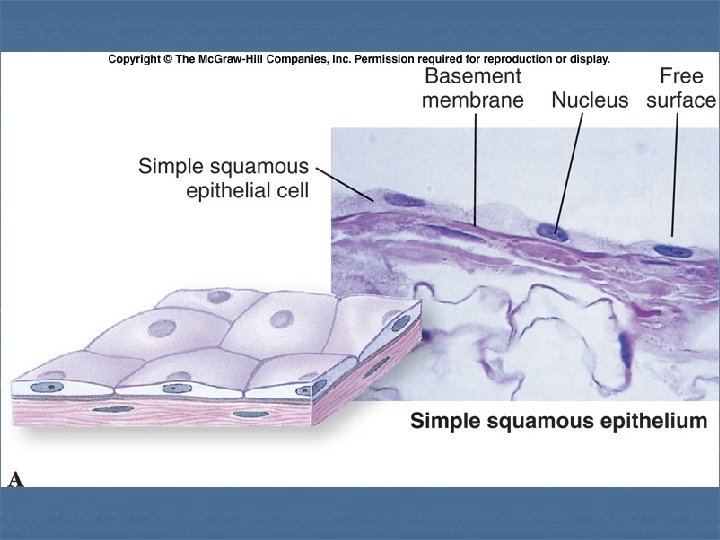
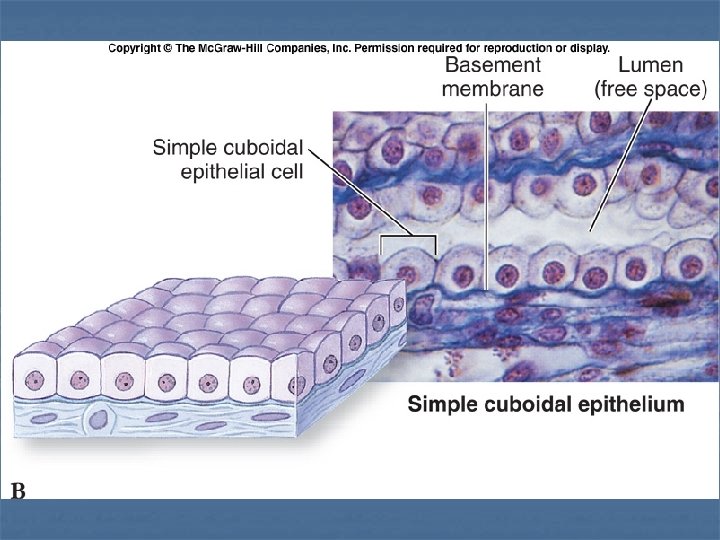
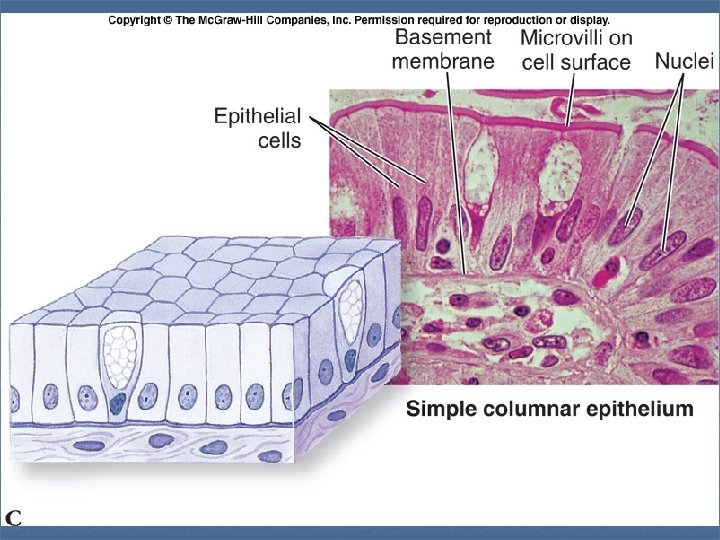
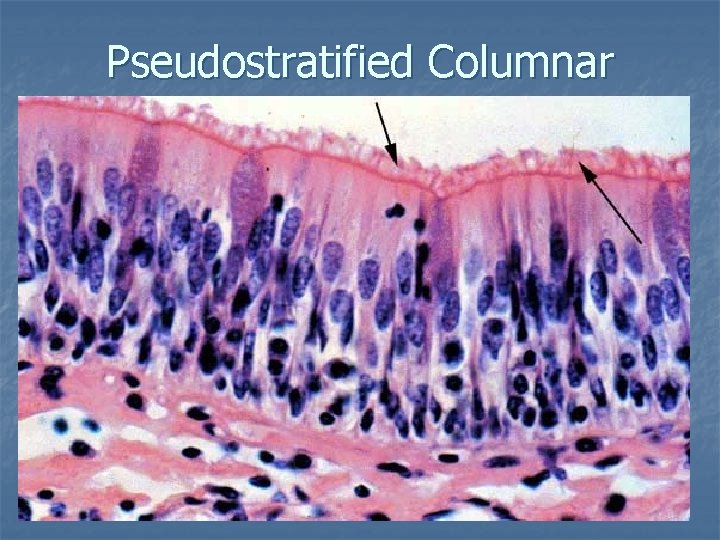
Epithelial Types n Simple Epithelium Simple squamous – inside blood vessels n Simple cuboidal – lines ducts, ex. Kidney tubules, mucous glands n Simple columnar – lining of small intestine n Pseudostratified Columnar – trachea, bronchi n
Figure 09. 9 a
Figure 09. 9 b
Pseudostratified Columnar
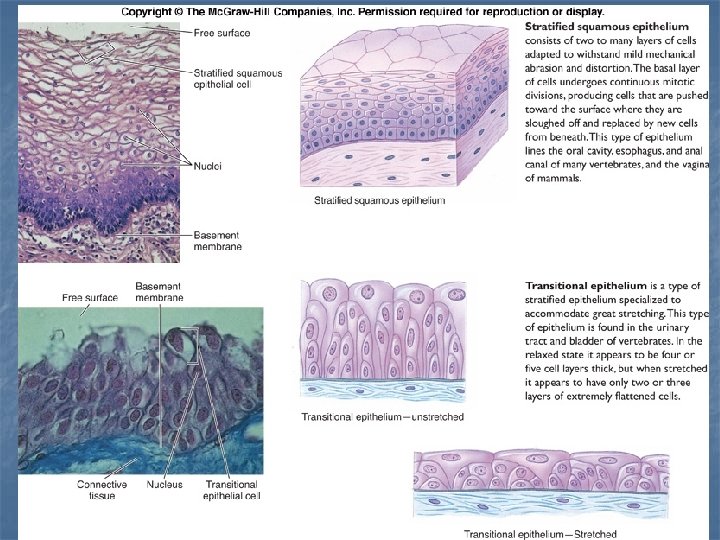
Epithelial Types n Stratified Epithelium Stratified squamous - skin n Transitional – urinary tract and bladder n
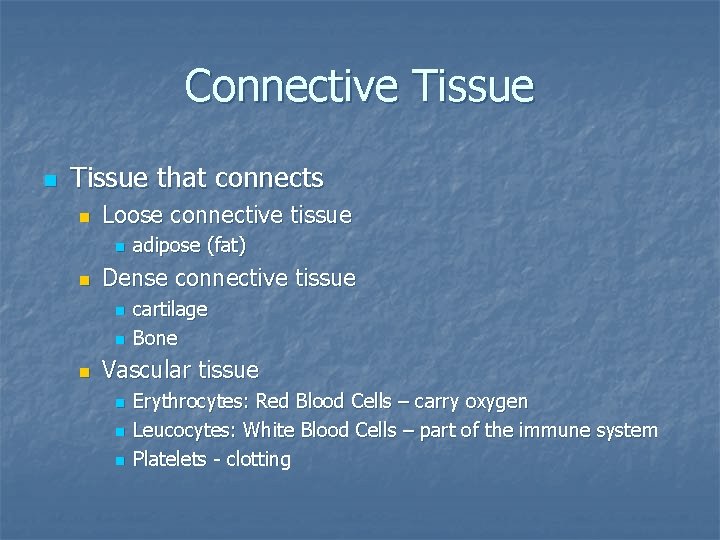
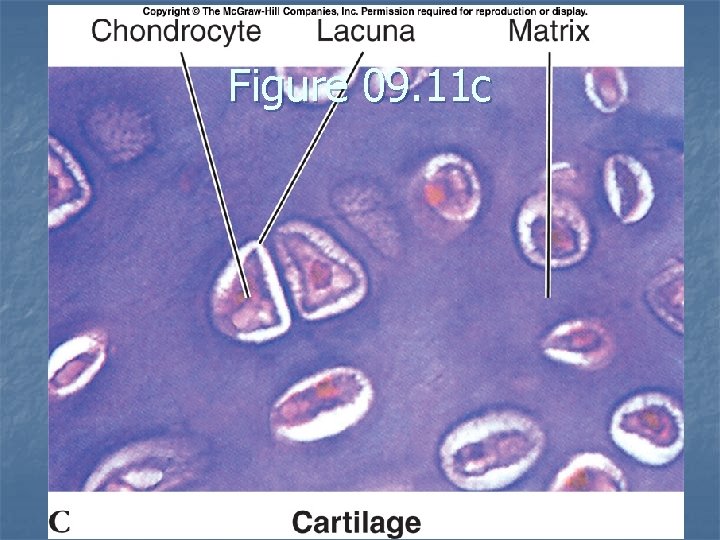
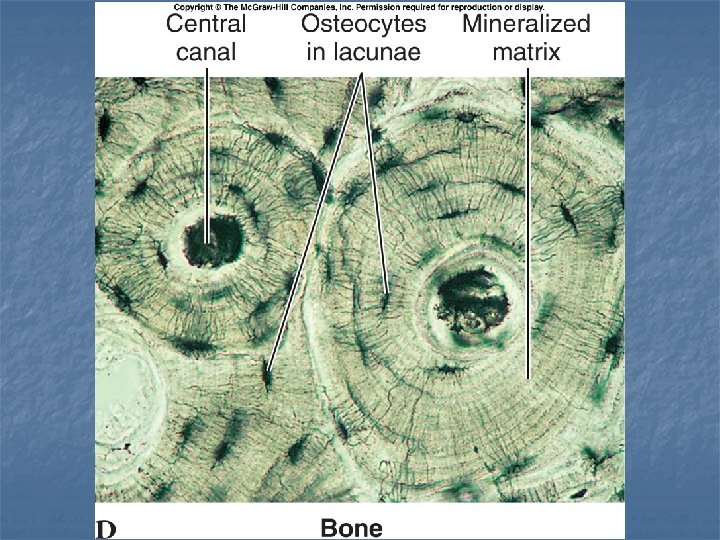
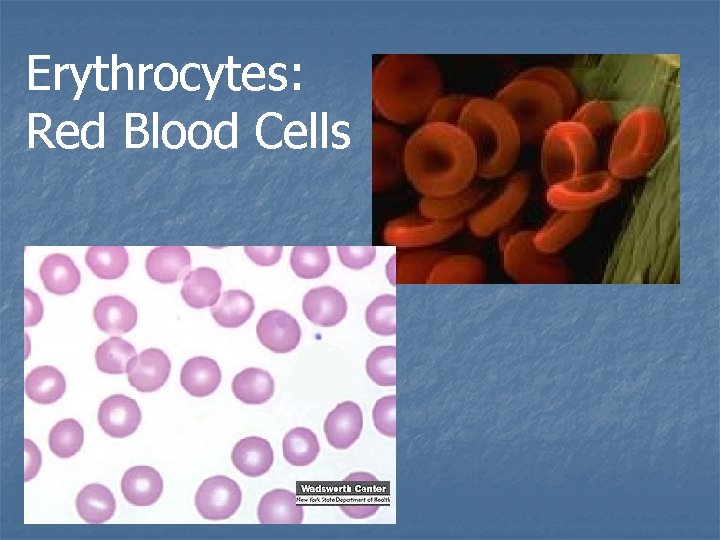
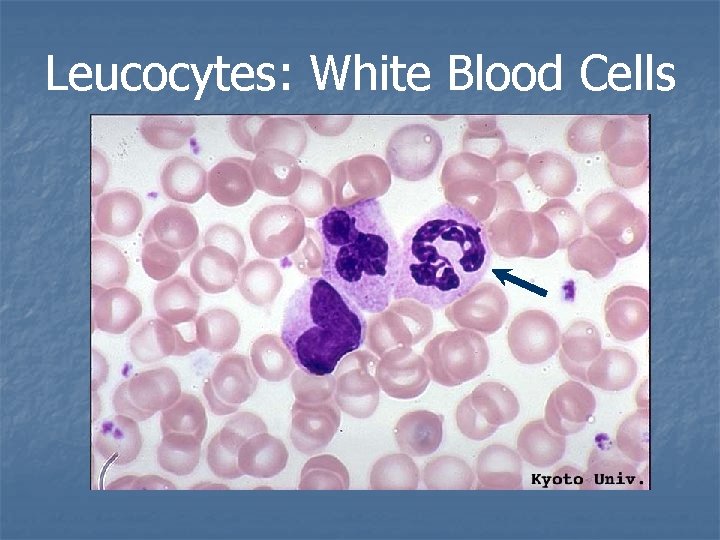
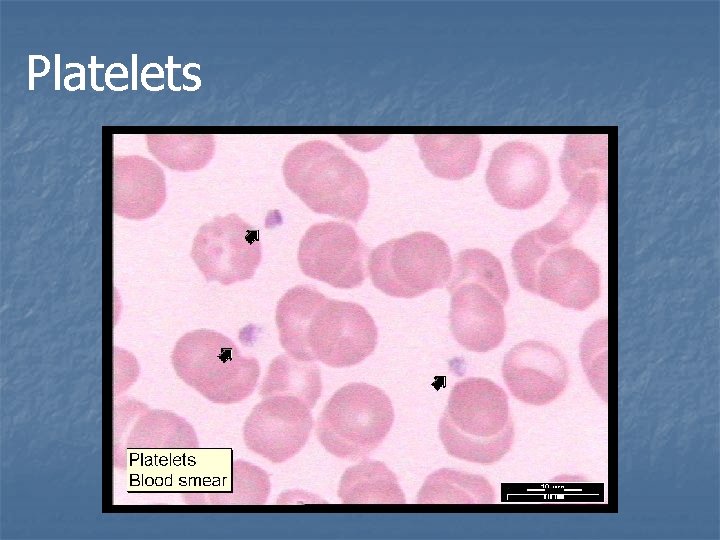
Connective Tissue n Tissue that connects n Loose connective tissue n n Dense connective tissue n n n adipose (fat) cartilage Bone Vascular tissue n n n Erythrocytes: Red Blood Cells – carry oxygen Leucocytes: White Blood Cells – part of the immune system Platelets - clotting
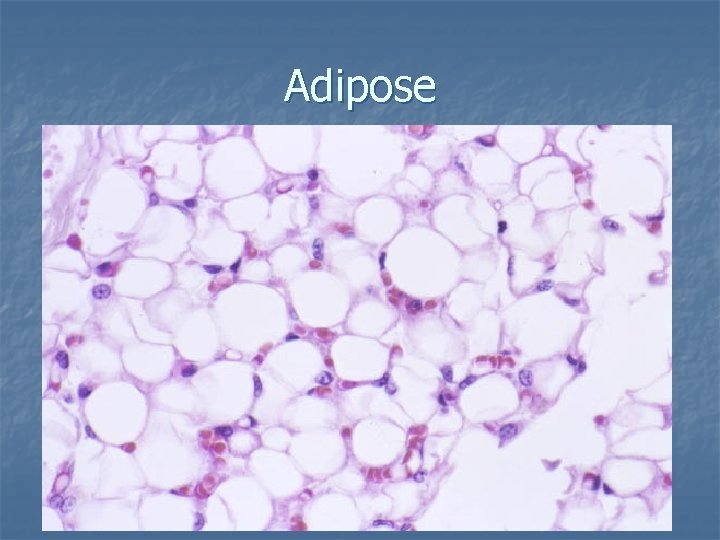
Adipose
Figure 09. 11 c
Figure 09. 11 d
Erythrocytes: Red Blood Cells
Leucocytes: White Blood Cells
Platelets
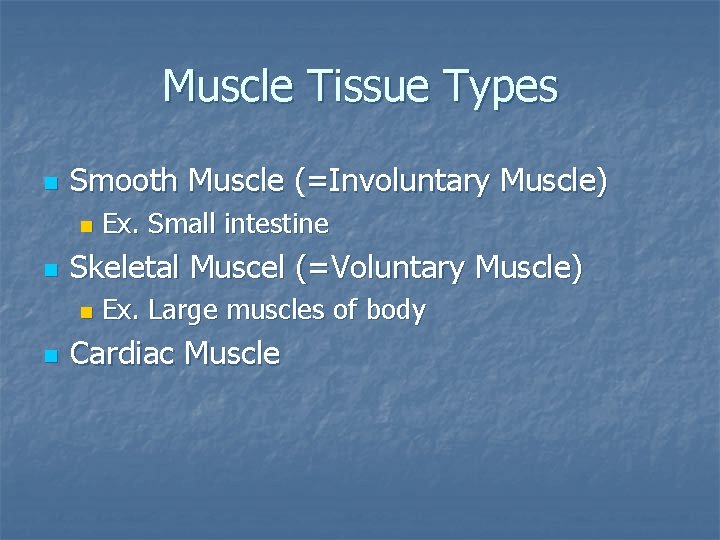
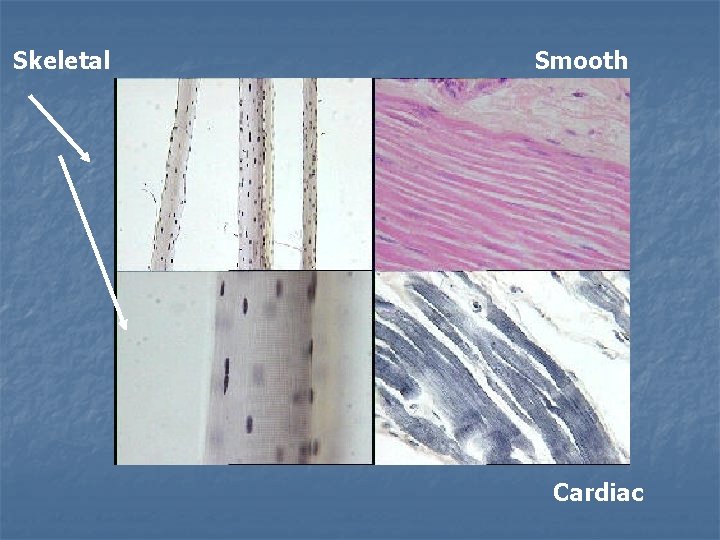
Muscle Tissue Types n Smooth Muscle (=Involuntary Muscle) n n Skeletal Muscel (=Voluntary Muscle) n n Ex. Small intestine Ex. Large muscles of body Cardiac Muscle
Skeletal Smooth Cardiac
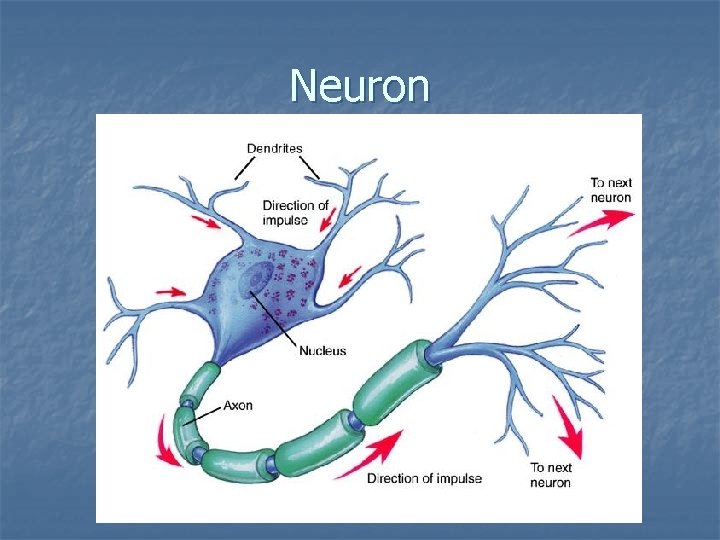
Nervous Tissue n n Includes Nerves, Spinal Cord, Brain Cells are called neurons
Neuron