
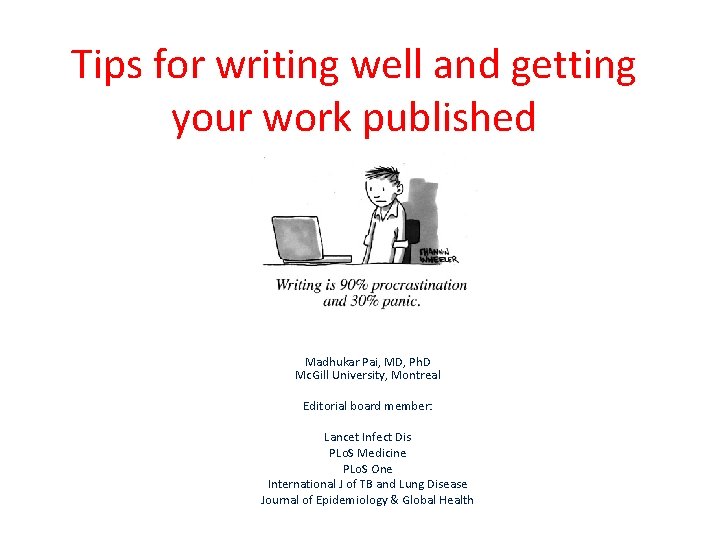
Tips for writing well and getting your work

- Slides: 20
Tips for writing well and getting your work published Madhukar Pai, MD, Ph. D Mc. Gill University, Montreal Editorial board member: Lancet Infect Dis PLo. S Medicine PLo. S One International J of TB and Lung Disease Journal of Epidemiology & Global Health
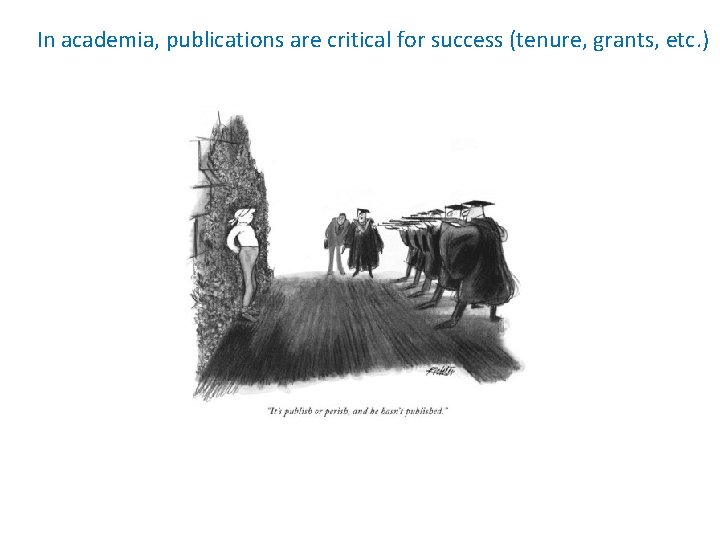
In academia, publications are critical for success (tenure, grants, etc. )
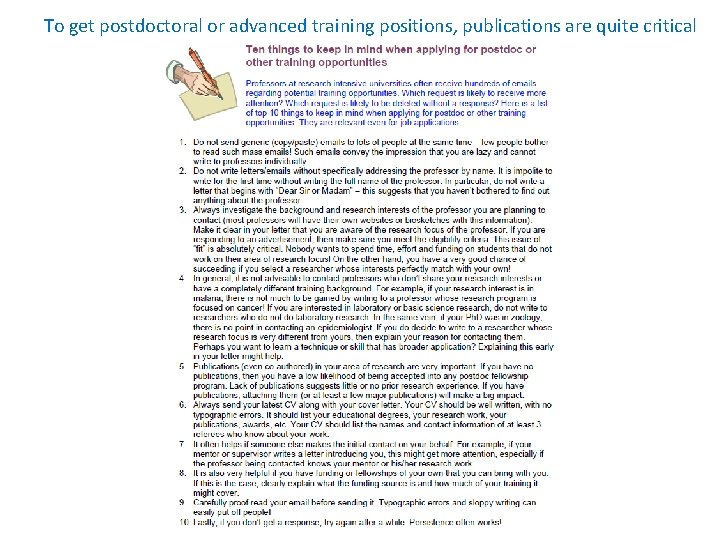
To get postdoctoral or advanced training positions, publications are quite critical
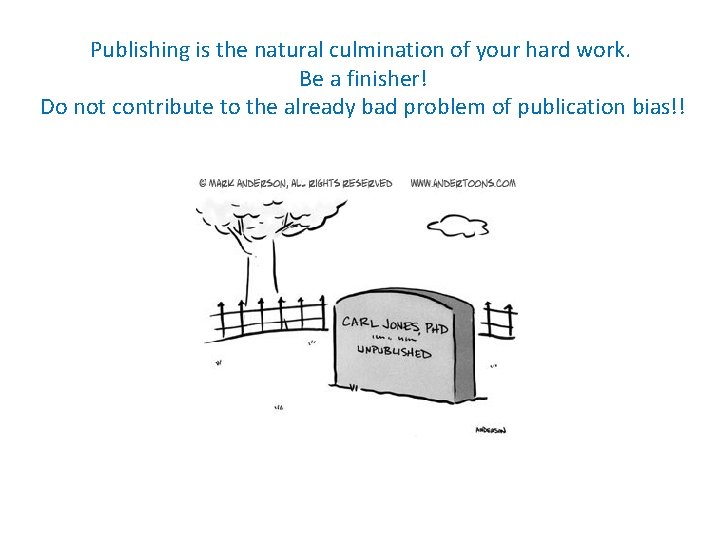
Publishing is the natural culmination of your hard work. Be a finisher! Do not contribute to the already bad problem of publication bias!!
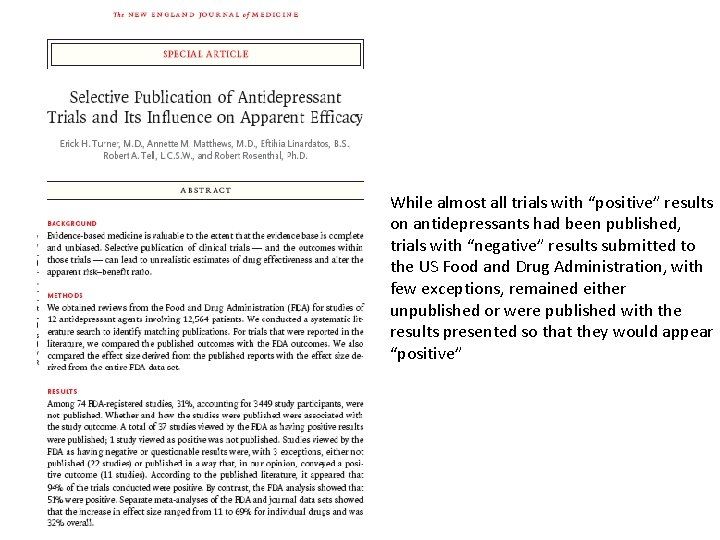
While almost all trials with “positive” results on antidepressants had been published, trials with “negative” results submitted to the US Food and Drug Administration, with few exceptions, remained either unpublished or were published with the results presented so that they would appear “positive”
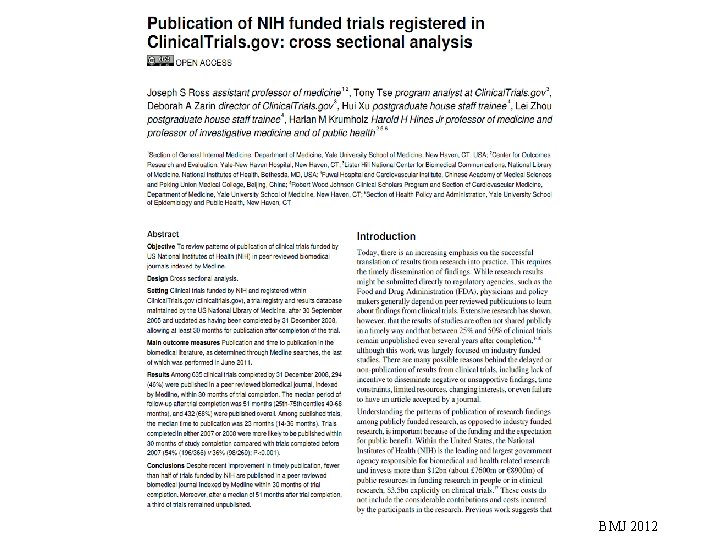
BMJ 2012
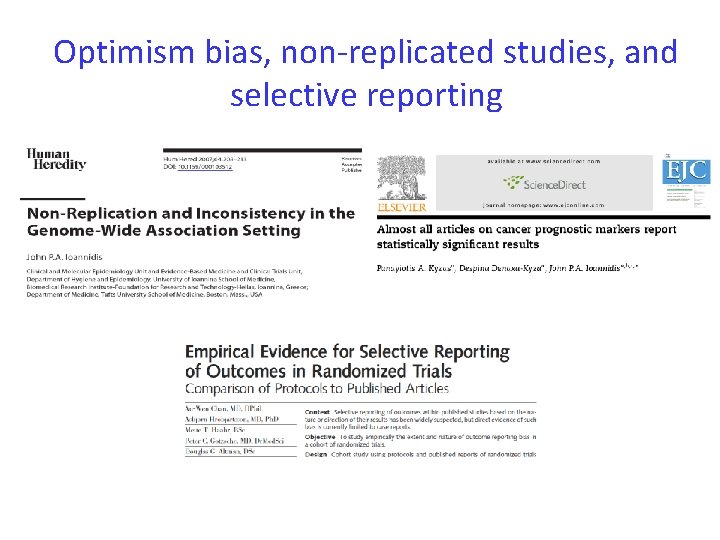
Optimism bias, non-replicated studies, and selective reporting
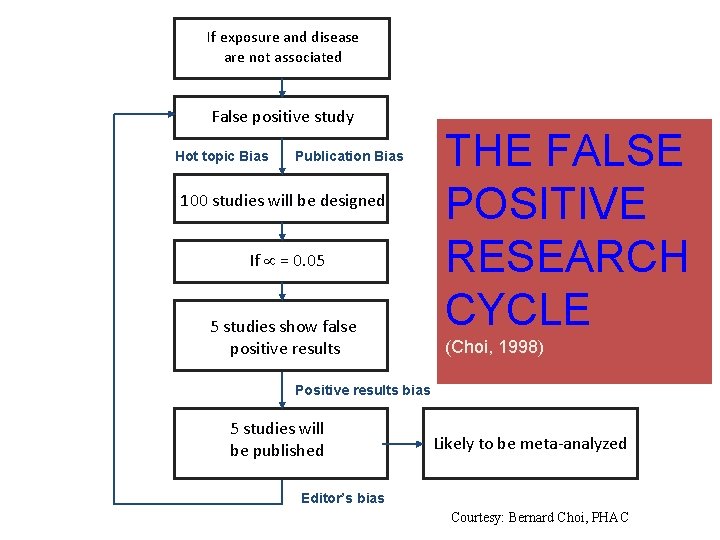
If exposure and disease are not associated False positive study Hot topic Bias Publication Bias 100 studies will be designed If µ = 0. 05 5 studies show false positive results THE FALSE POSITIVE RESEARCH CYCLE (Choi, 1998) Positive results bias 5 studies will be published Likely to be meta-analyzed Editor’s bias Courtesy: Bernard Choi, PHAC
PLo. S Med 2005
Here are some
• Target the right journal • Tell a clear, simple story [identify your message early] • Follow a clear structure [why you started, what you did, what you found, and what it means]
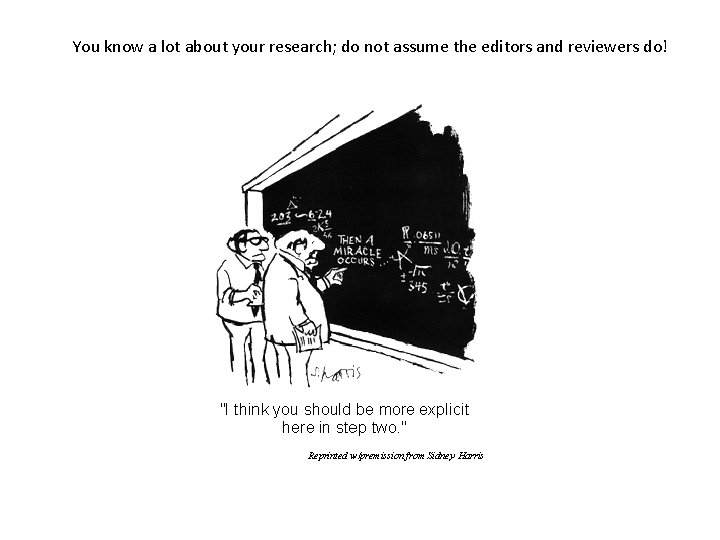
You know a lot about your research; do not assume the editors and reviewers do!
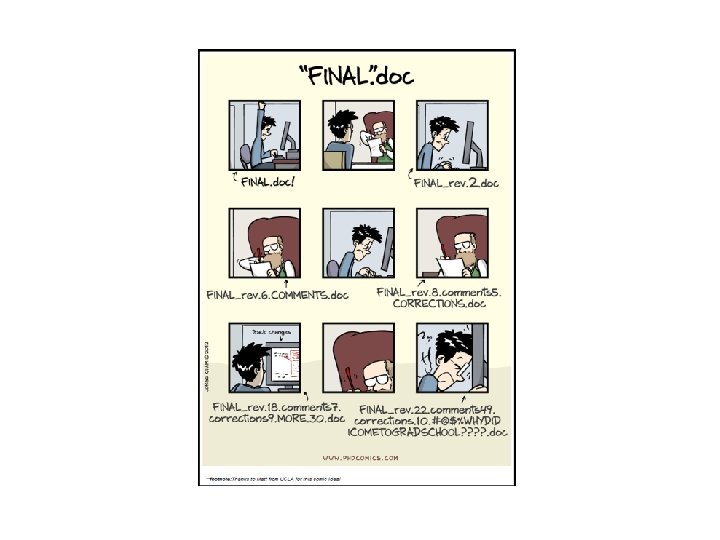
• Have others read your manuscript before submission – A good guide will give critical but constructive feedback – You could present your paper to a group and get great feedback • Go through multiple drafts before submitting • Make sure your final manuscript is polished and presentable (no typos, no bad formatting, etc. ) • Be very careful about copying and pasting from online sources (plagiarism)
• Follow existing standards/templates (STARD, CONSORT, PRISMA, STROBE, etc. ) – use subheads liberally • Do not overstate the importance of the findings • Clearly discuss study limitations • Do not expect the paper to get accepted: – Revise and resubmit is the most desirable first decision! • If asked to revise, address every comment and do it politely – Make it easy for the editor to see that you have addressed all comments thoroughly – You don’t have to make all changes, but you need to explain what you did and why
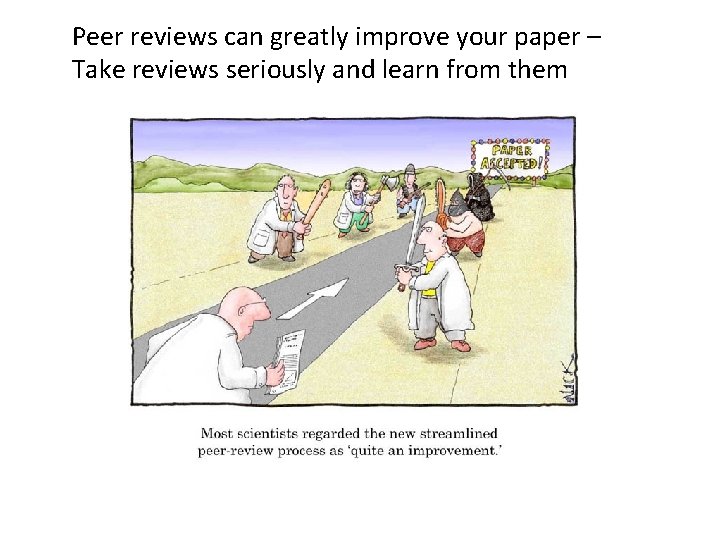
Peer reviews can greatly improve your paper – Take reviews seriously and learn from them
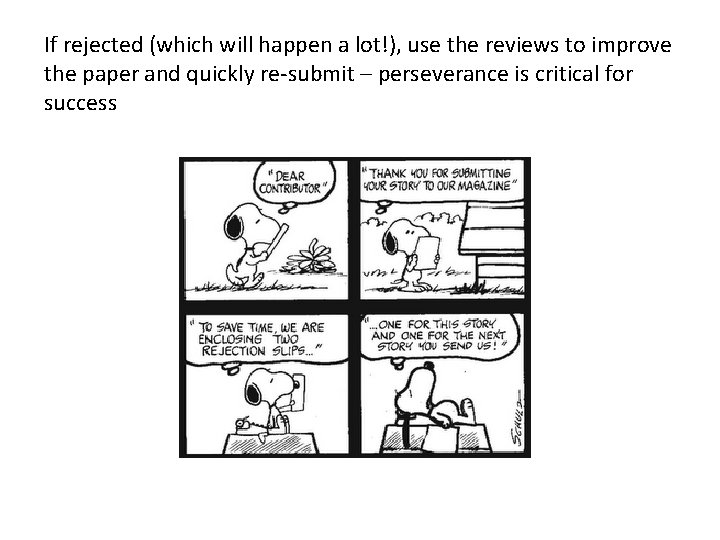
If rejected (which will happen a lot!), use the reviews to improve the paper and quickly re-submit – perseverance is critical for success
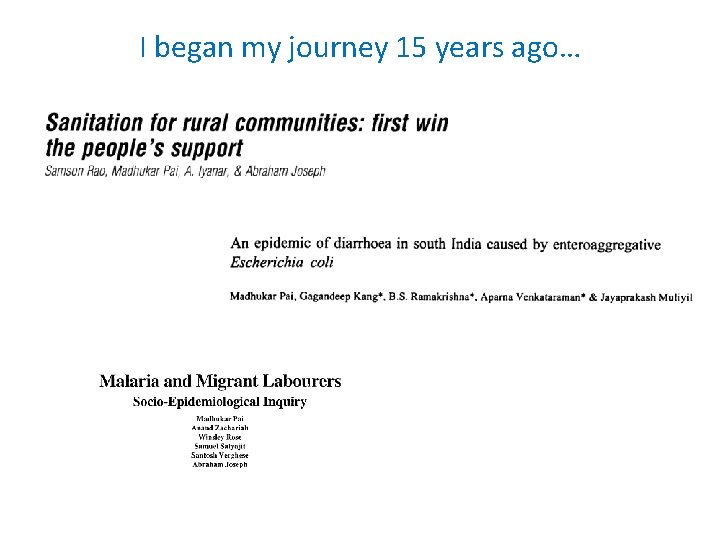
I began my journey 15 years ago…
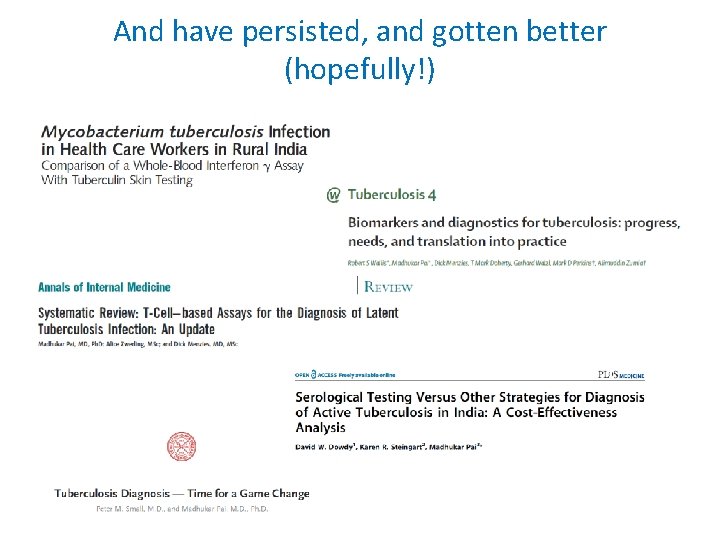
And have persisted, and gotten better (hopefully!)
As with everything else, you get better at writing/publishing with time!