
Tibet or Xizang Symbolism of the National Flag

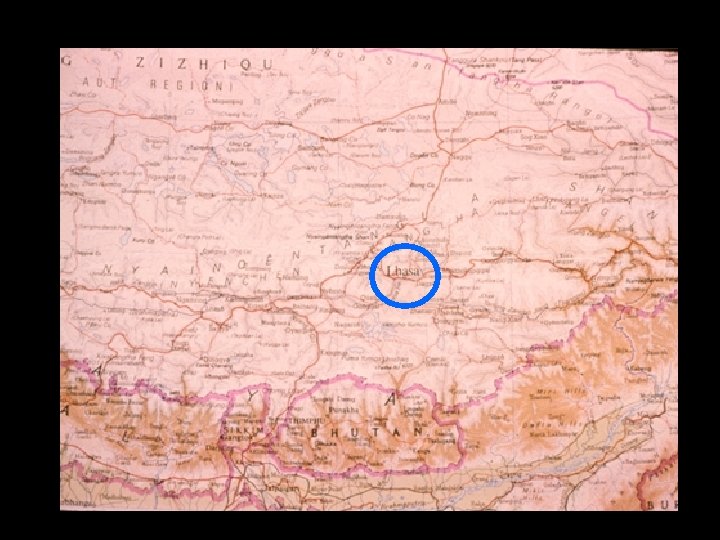
Tibet or Xizang?

Symbolism of the National Flag of Tibet In the center stands a magnificent thickly snow clad mountain, which represents the great nation of Tibet, widely known as the Land Surrounded by Snow Mountains. Across the dark blue sky six red bands spread representing the original ancestors of the Tibetan people: the six tribes called Se, Mu, Dong, Tong, Dru and Ra which in turn gave the [twelve] descendants. The combination of six red bands (for the tribes) and six dark blue bands for the sky represents the incessant enactment of the virtuous deeds of protection of the spiritual teachings and secular life by the black and red guardian protector deities with which Tibet has had connection for a very long time. At the tip of the snow mountain, the sun with its rays brilliantly shining in all directions represents the equal enjoyment of freedom, spiritual and material happiness and prosperity by all beings in the land of Tibet. On the slopes of the mountain there proudly stand a pair of snow lions blazing with the manes of fearlessness, which represent the country's victorious accomplishment of a unified spiritual and secular life. The beautiful and radiant three colored jewel held aloft represents the ever-present reverence respectfully held by the Tibetan people towards the Three Supreme Jewels (the Buddhist objects of refuge: Buddha, Dharma (teachings) and Sangha (community). The two colored swirling jewel held between the two lions represents the peoples' guarding and cherishing the self discipline of correct ethical behavior, principally represented by the practices of the ten exalted virtues and the 16 humane modes of conduct. Lastly, the surrounding border of yellow adorning the perimeter represents the spread and flourishing in all directions and times of the purified gold like teachings of the Buddha.
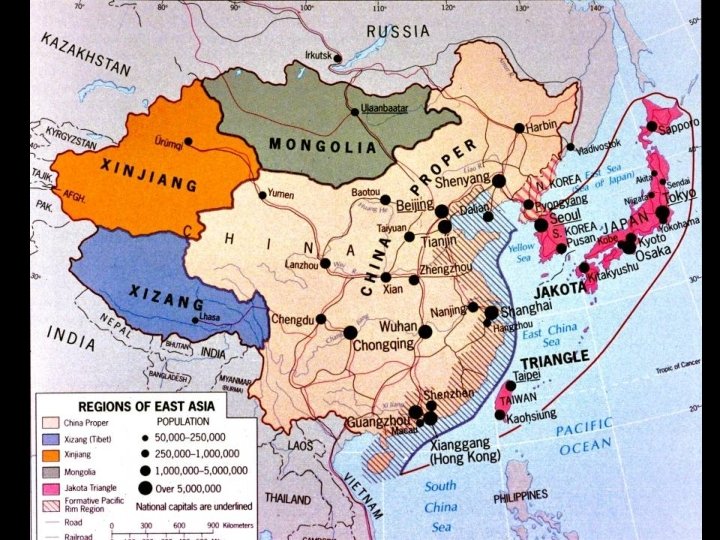
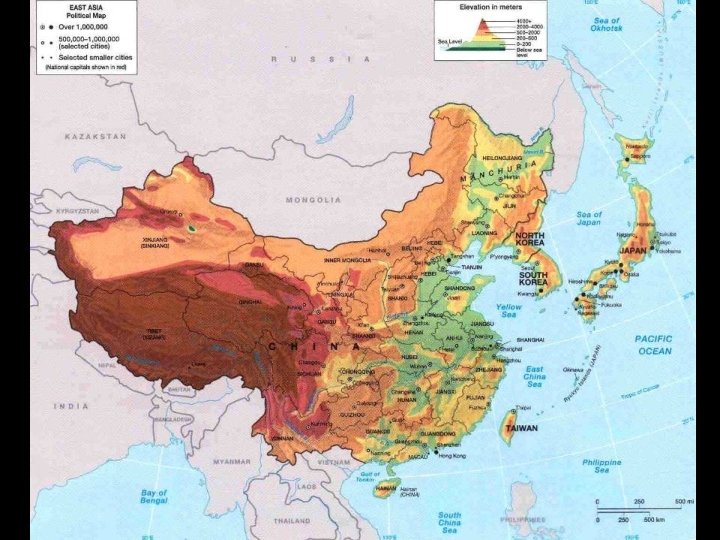
Things about Tibet l l l Elevation and Isolation Tibetan Buddhism Reincarnation 14 th Dalai Lama (Tenzing Gyatso) l Dalai Lama (silly interview) Panchen Lama (Gedhun Choekyi Nyaima) Chinese call Tibet Xizang: Liberation or Occupation?
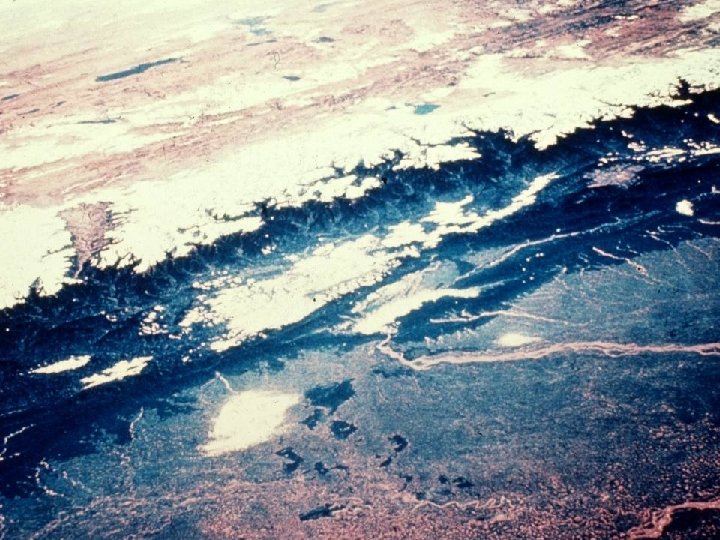
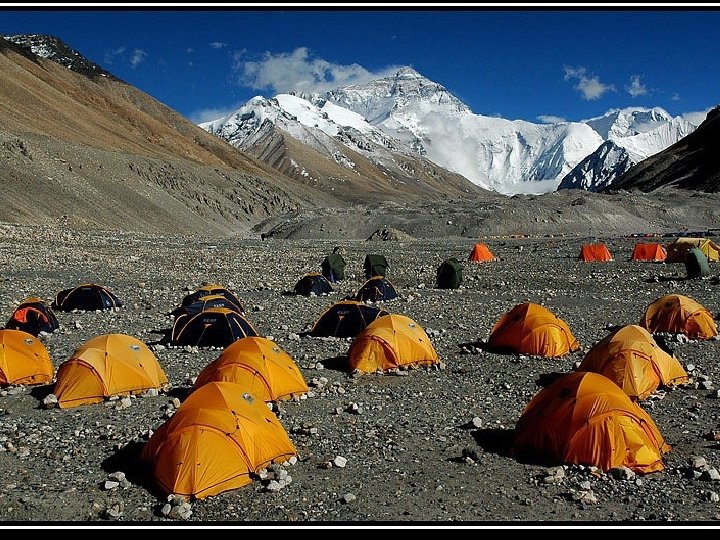
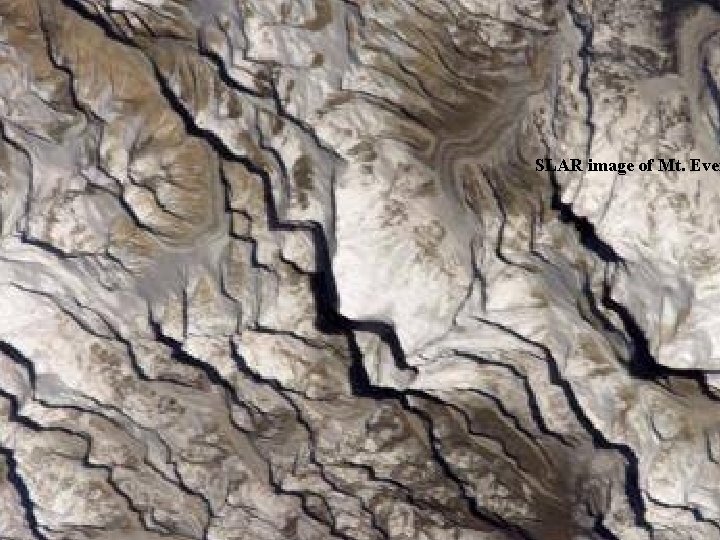
SLAR image of Mt. Ever

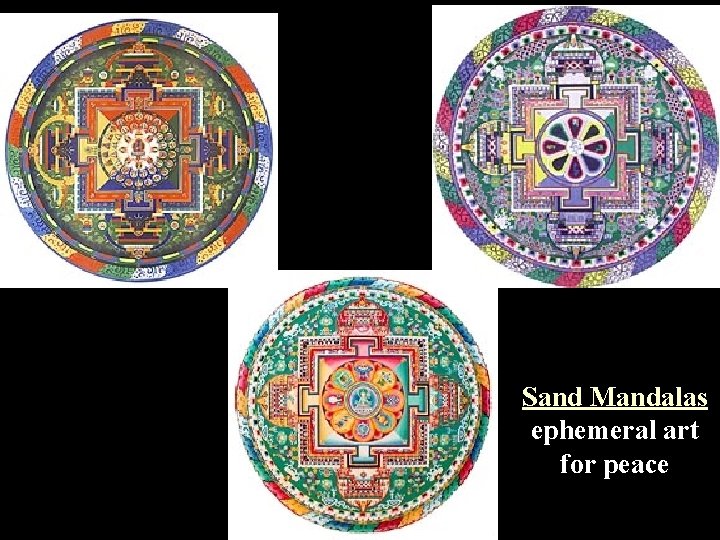
Sand Mandalas ephemeral art for peace
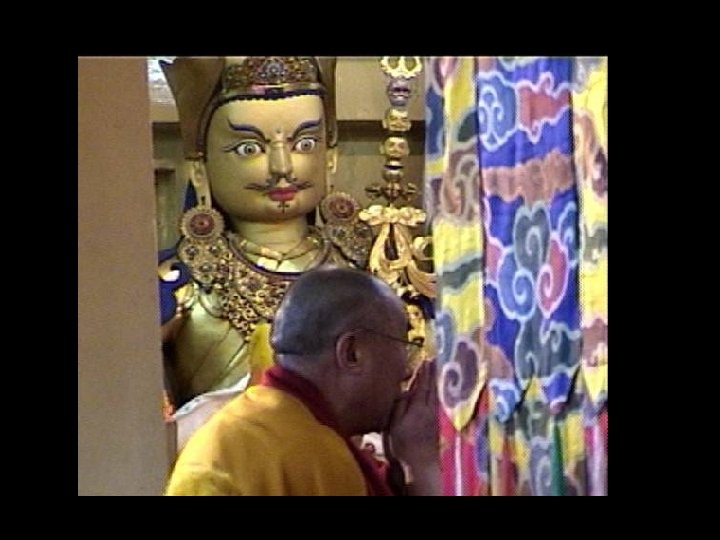


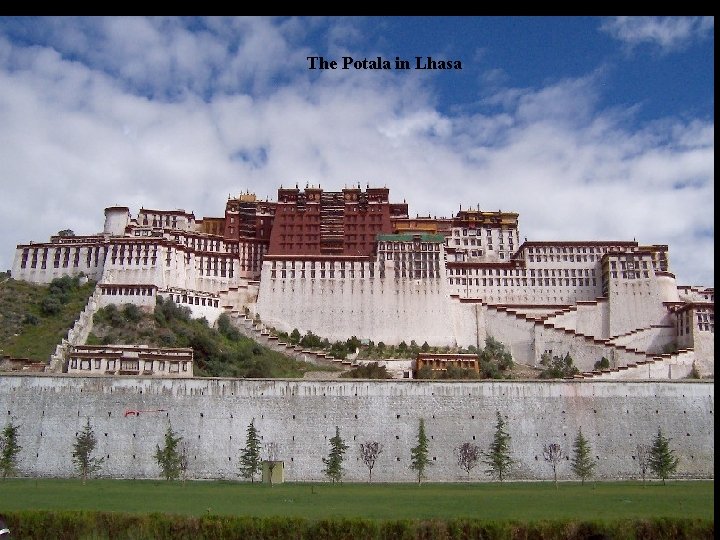
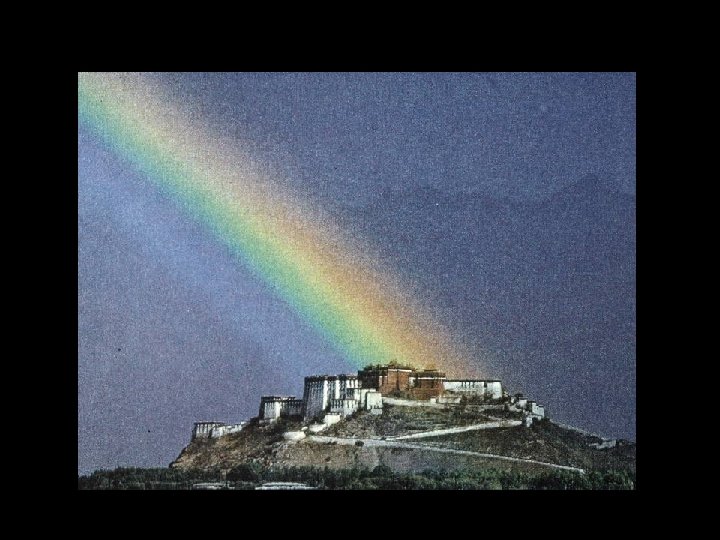
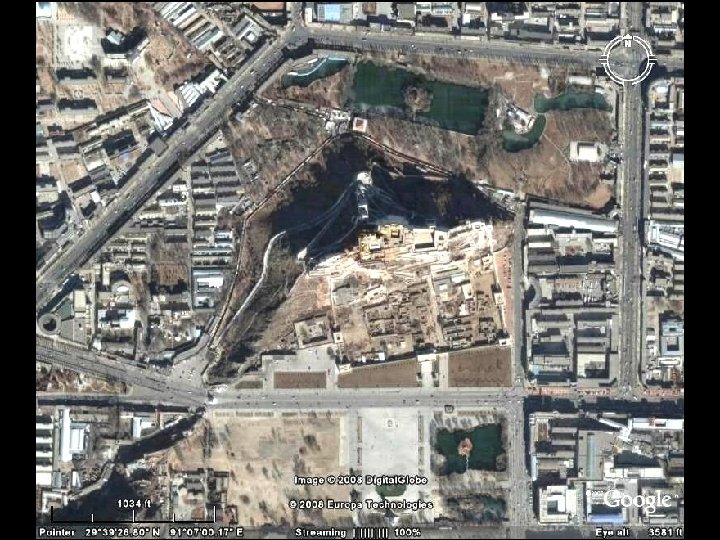
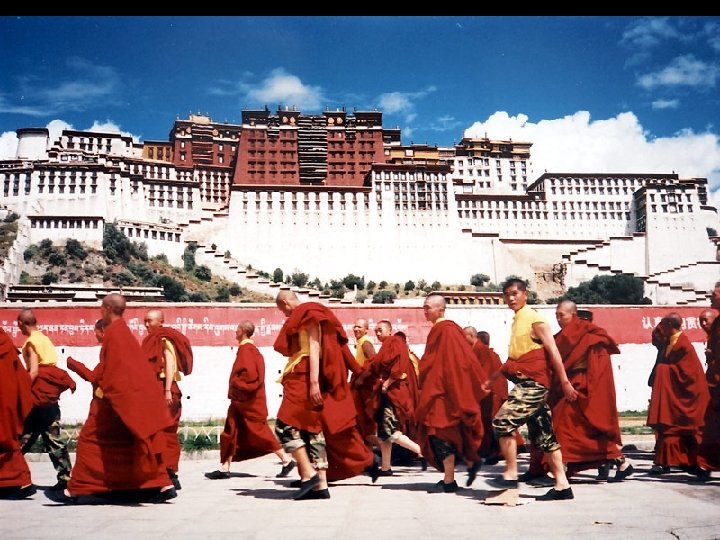
The Potala in Lhasa
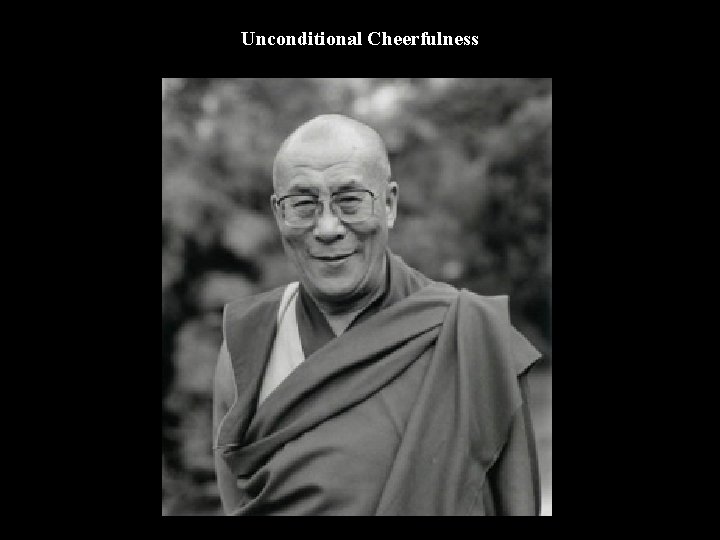
Unconditional Cheerfulness
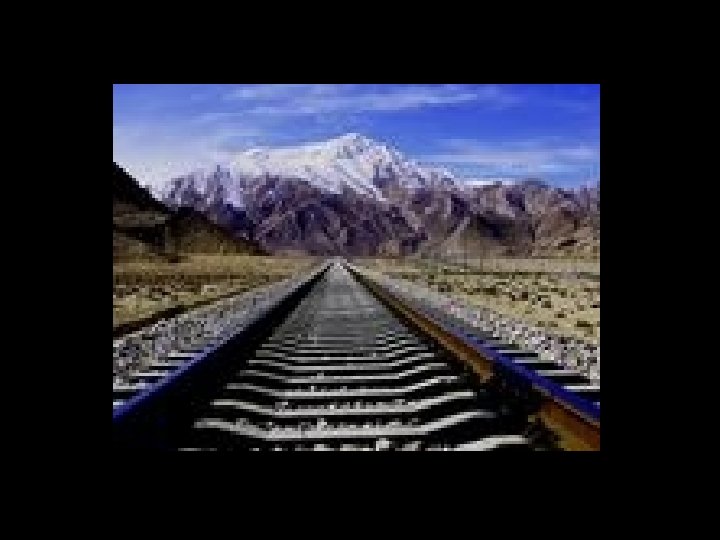

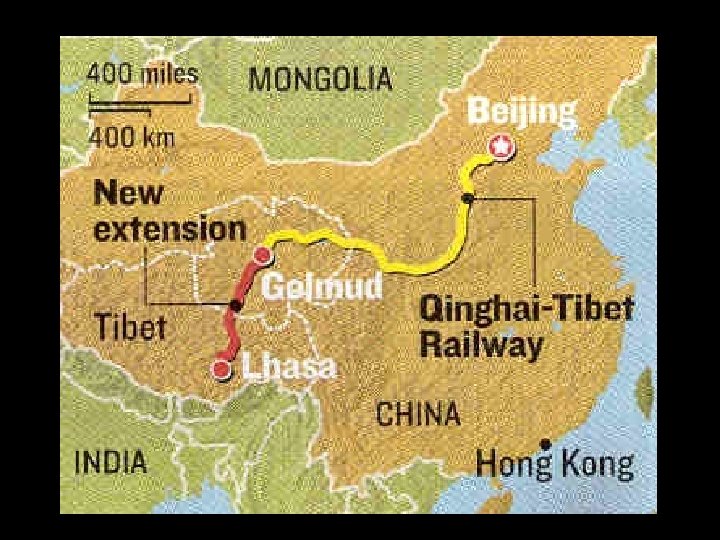

A train is the most physical manifestation of a country’s unification. Just think how people regard the golden spike in America (Ivor Warburton, British Businessman on the Beijing to Lhasa’s maiden run; Newsweek 7/16/06). Golden spike or nail in Tibet’s coffin? (Melinda Liu, ibid. )
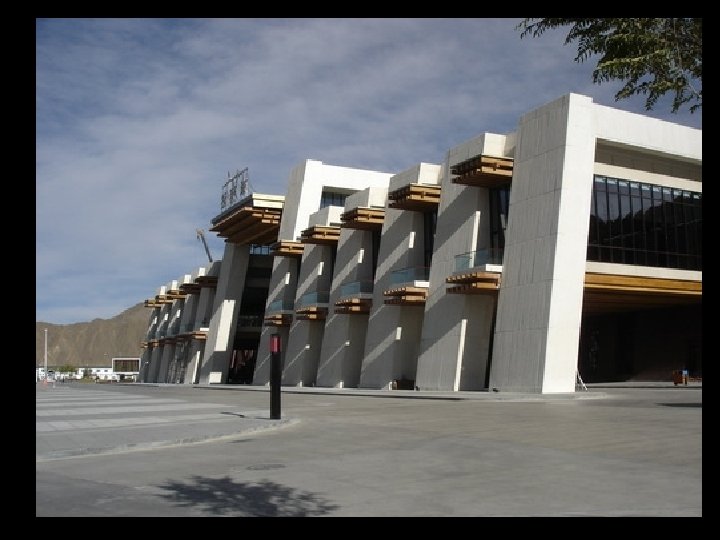


47 Years in Tibet with John Cleese Tibet: The Truth (? ) The Chinese View Panchen Lama’s Birthday Dalai Lama interviewed by Barbara Walters
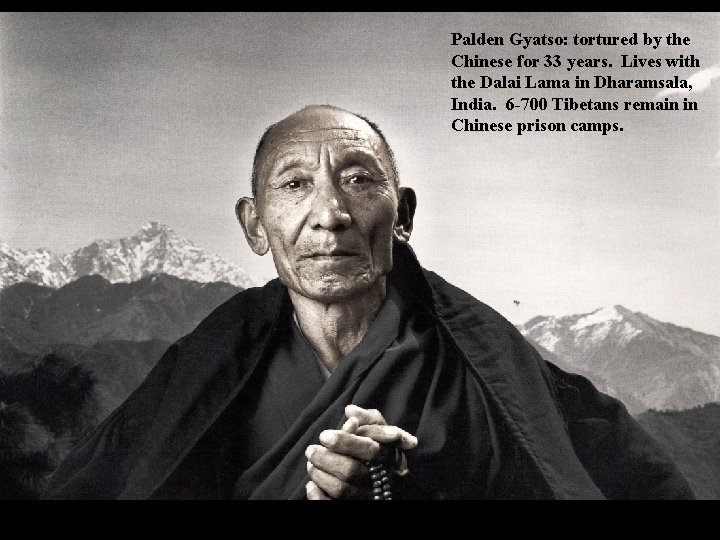
Palden Gyatso: tortured by the Chinese for 33 years. Lives with the Dalai Lama in Dharamsala, India. 6 -700 Tibetans remain in Chinese prison camps.
- Slides: 59