
Thyroid and energy expenditure Francesco S Celi M
- Slides: 39
Thyroid and energy expenditure Francesco S. Celi, M. D. Staff Clinician Clinical Endocrinology Branch
Overview • The thyroid hormone action as a modulator of the energy and substrate metabolism homeostasis • Tissue-specific thyroid hormone metabolism • Recent clinical studies on the interaction between thyroid hormone homeostasis and glucose and energy metabolism • Technical challenges in the assessment of the metabolic status of healthy individuals • Ongoing studies on the role of thyroid hormones conversion in the energy and substrate metabolism • Preliminary results • Future perspectives
A few (unresolved) questions… • Why is the clinical presentation of thyroid diseases so variable? • Where does (circulating) T 3 come from? • What is the action of thyroid hormone on glucose metabolism? • What makes the thyroid hormone actions tissue-specific? • Can we exploit the action of thyroid hormone? (without paying the price)
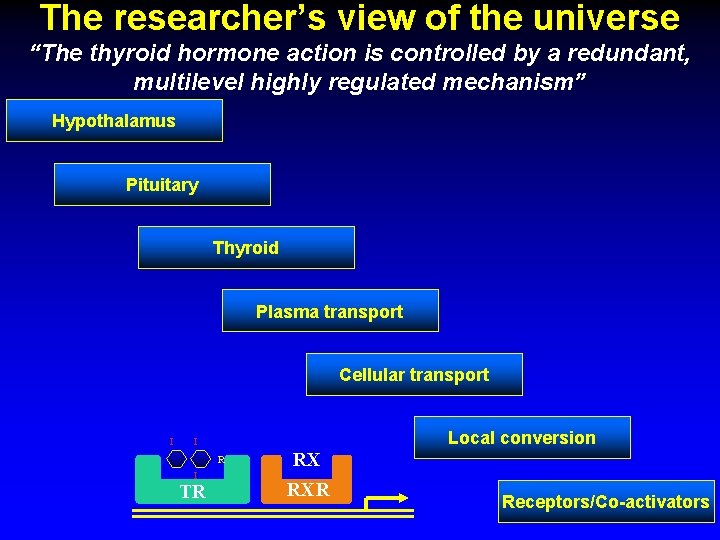
The researcher’s view of the universe “The thyroid hormone action is controlled by a redundant, multilevel highly regulated mechanism” Hypothalamus Pituitary Thyroid Plasma transport Cellular transport I Local conversion I R I TR RX RXR Receptors/Co-activators
The researcher’s view of the universe Local conversion
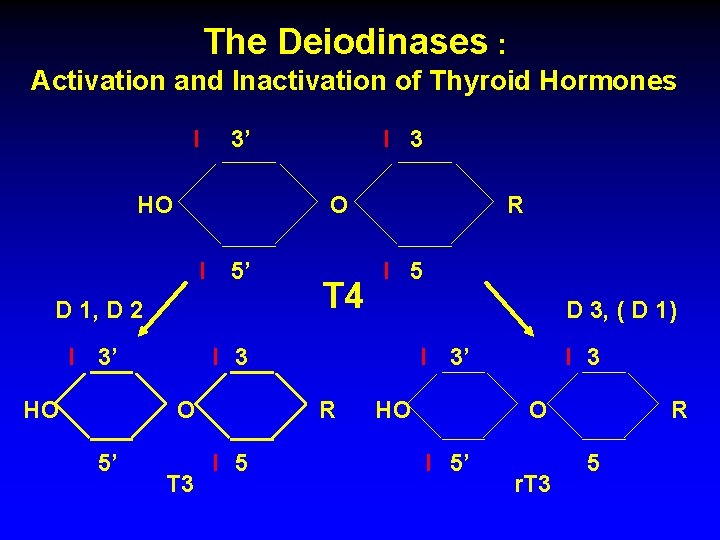
The Deiodinases : Activation and Inactivation of Thyroid Hormones I 3’ HO O I 5’ D 1, D 2 I 3’ HO T 4 R I 5 D 3, ( D 1) I 3 O 5’ I 3 T 3 I R I 5 3’ HO I 3 O I 5’ r. T 3 R 5
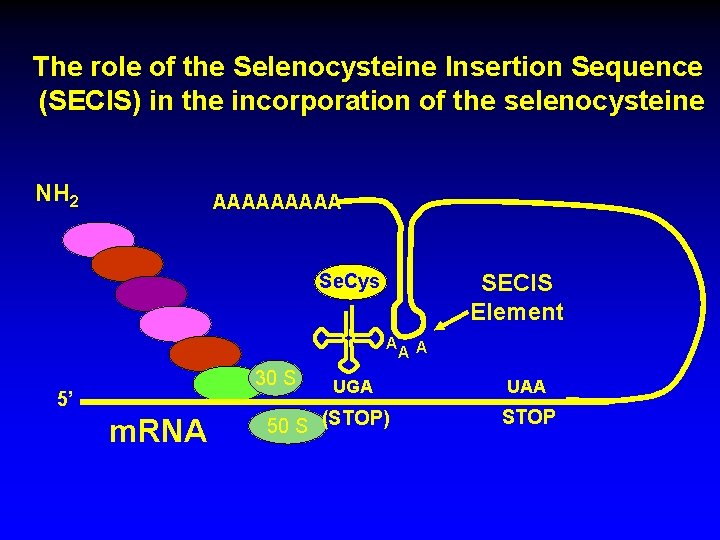
The role of the Selenocysteine Insertion Sequence (SECIS) in the incorporation of the selenocysteine NH 2 AAAAA SECIS Element Se. Cys A 30 S 5’ m. RNA UGA 50 S (STOP) A A UAA STOP
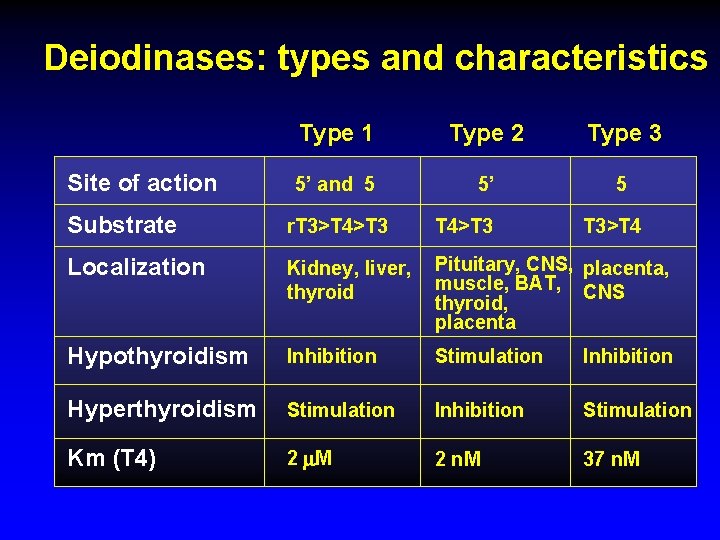
Deiodinases: types and characteristics Site of action Type 1 Type 2 Type 3 5’ and 5 5’ 5 Substrate r. T 3>T 4>T 3 Localization Kidney, liver, thyroid Pituitary, CNS, placenta, muscle, BAT, CNS thyroid, placenta Hypothyroidism Inhibition Stimulation Inhibition Hyperthyroidism Stimulation Inhibition Stimulation Km (T 4) 2 m. M 2 n. M 37 n. M T 3>T 4
The peripheral metabolism of thyroid hormone in the local modulation thyroid homeostasis • The peripheral conversion of thyroid hormone and the pre-receptor modulation of the hormonal message – Aromatase – 11 b-hydroxysteroid dehydrogenase – 5 a-reductase • The deiodinase type-2 as a candidate gene for tissue-specific hypothyroidism
Type 2 deiodinase local pre-receptor modulation of hormonal action • Differentially expressed in many tissues • Provides T 3 for local use (autocrine secretion) – Possible role in the regulation of circulating T 3 • Critical step in pituitary for thyroid axis feedback • Critical step in non-shivering thermogenesis • Highly regulated – Transcription – Post-translation
Clinical relevance of deiodinases • Type 1 – Euthyroid sick syndrome – Effects of pharmacological intervention – Graves’, Toxic nodule, MAS • Type 2 – Pituitary thyroid hormone resistance – Graves’, Toxic nodule, MAS – Euthyroid sick syndrome • Type 3 – Protection of fetus from toxic levels of thyroid hormone – Euthyroid sick syndrome – “Paraneoplastic hypothyroidism”
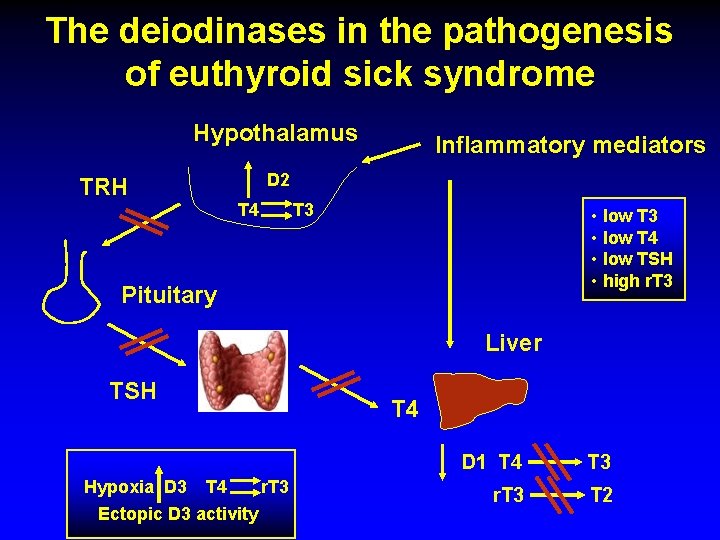
The Deiodinases and the Euthyroid Sick Syndrome “Changes in circulating thyroid hormones secondary to underlying illness in the absence of primary thyroid pathology” Low T 3: Deiodinase type-1 inhibition, easy! …Not exactly… Why is the r. T 3 elevated? Why is the TSH inappropriately low? And if we assume an accumulation of substrate, why is the T 4 low?
The deiodinases in the pathogenesis of euthyroid sick syndrome Hypothalamus Inflammatory mediators D 2 TRH T 4 T 3 • low T 3 • low T 4 • low TSH • high r. T 3 Pituitary Liver TSH Hypoxia D 3 T 4 Ectopic D 3 activity r. T 3 D 1 T 4 T 3 r. T 3 T 2
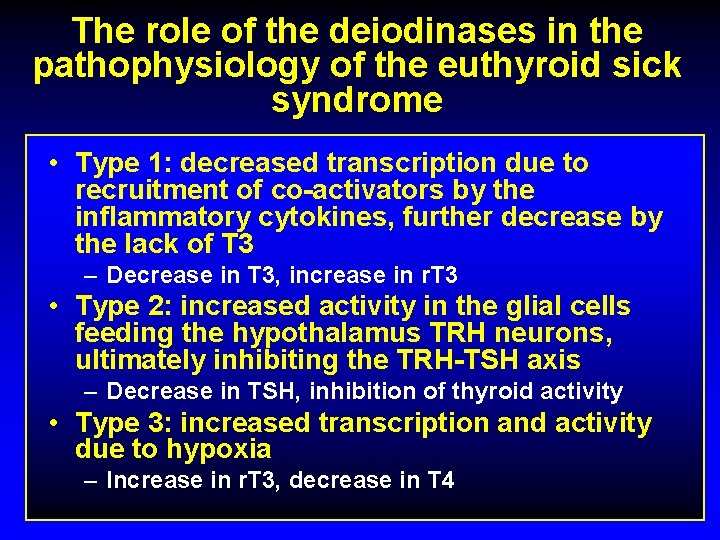
The role of the deiodinases in the pathophysiology of the euthyroid sick syndrome • Type 1: decreased transcription due to recruitment of co-activators by the inflammatory cytokines, further decrease by the lack of T 3 – Decrease in T 3, increase in r. T 3 • Type 2: increased activity in the glial cells feeding the hypothalamus TRH neurons, ultimately inhibiting the TRH-TSH axis – Decrease in TSH, inhibition of thyroid activity • Type 3: increased transcription and activity due to hypoxia – Increase in r. T 3, decrease in T 4
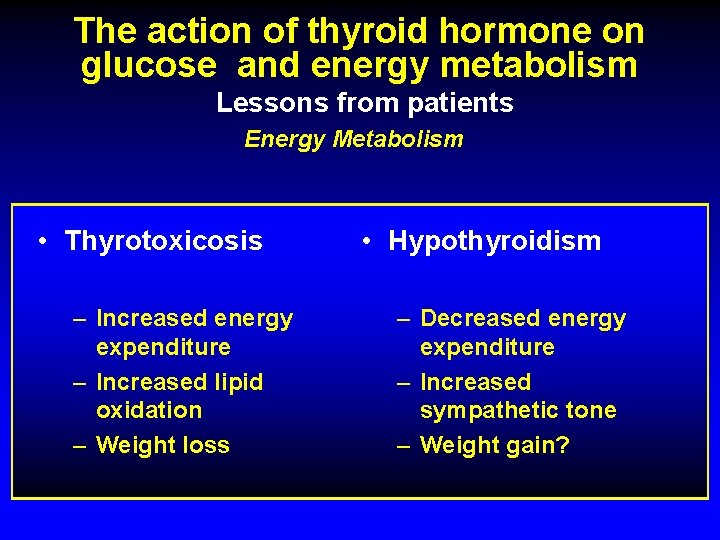
The action of thyroid hormone on glucose and energy metabolism Lessons from patients Energy Metabolism • Thyrotoxicosis – Increased energy expenditure – Increased lipid oxidation – Weight loss • Hypothyroidism – Decreased energy expenditure – Increased sympathetic tone – Weight gain?
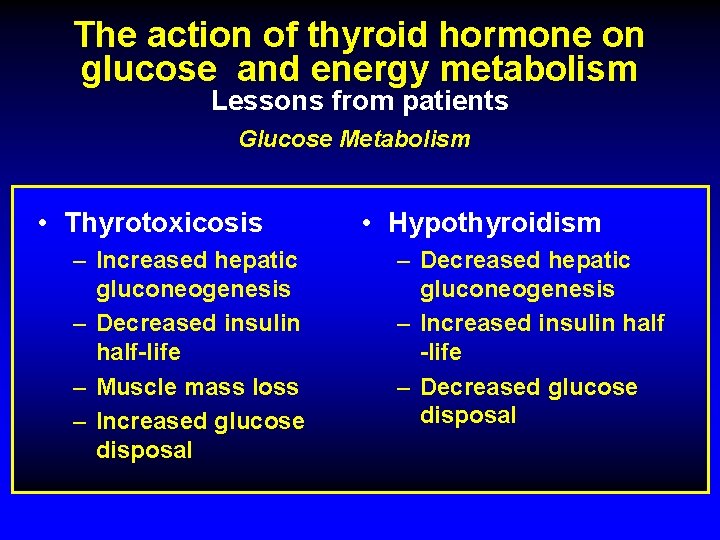
The action of thyroid hormone on glucose and energy metabolism Lessons from patients Glucose Metabolism • Thyrotoxicosis – Increased hepatic gluconeogenesis – Decreased insulin half-life – Muscle mass loss – Increased glucose disposal • Hypothyroidism – Decreased hepatic gluconeogenesis – Increased insulin half -life – Decreased glucose disposal
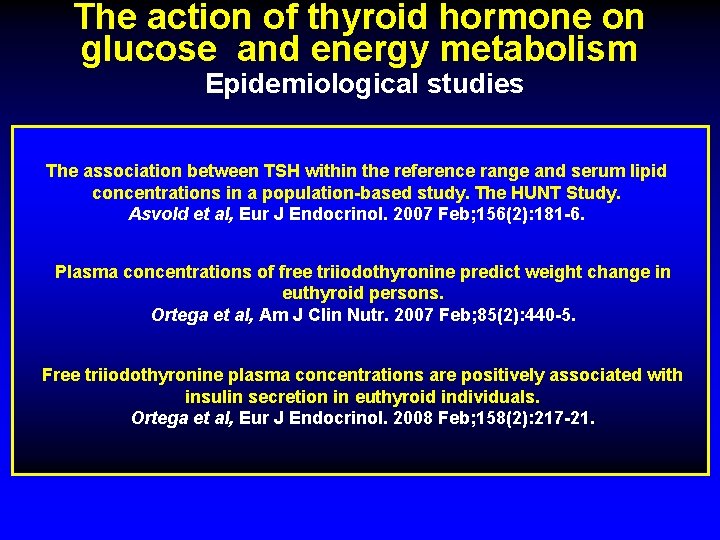
The action of thyroid hormone on glucose and energy metabolism Epidemiological studies The association between TSH within the reference range and serum lipid concentrations in a population-based study. The HUNT Study. Asvold et al, Eur J Endocrinol. 2007 Feb; 156(2): 181 -6. Plasma concentrations of free triiodothyronine predict weight change in euthyroid persons. Ortega et al, Am J Clin Nutr. 2007 Feb; 85(2): 440 -5. Free triiodothyronine plasma concentrations are positively associated with insulin secretion in euthyroid individuals. Ortega et al, Eur J Endocrinol. 2008 Feb; 158(2): 217 -21.
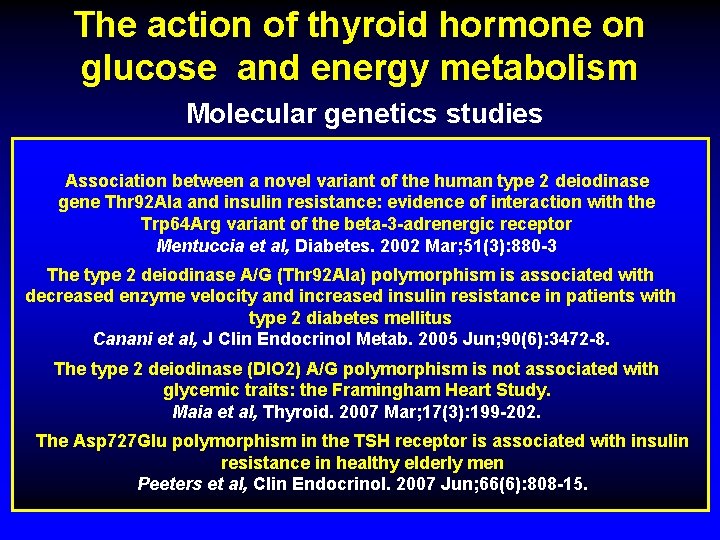
The action of thyroid hormone on glucose and energy metabolism Molecular genetics studies Association between a novel variant of the human type 2 deiodinase gene Thr 92 Ala and insulin resistance: evidence of interaction with the Trp 64 Arg variant of the beta-3 -adrenergic receptor Mentuccia et al, Diabetes. 2002 Mar; 51(3): 880 -3 The type 2 deiodinase A/G (Thr 92 Ala) polymorphism is associated with decreased enzyme velocity and increased insulin resistance in patients with type 2 diabetes mellitus Canani et al, J Clin Endocrinol Metab. 2005 Jun; 90(6): 3472 -8. The type 2 deiodinase (DIO 2) A/G polymorphism is not associated with glycemic traits: the Framingham Heart Study. Maia et al, Thyroid. 2007 Mar; 17(3): 199 -202. The Asp 727 Glu polymorphism in the TSH receptor is associated with insulin resistance in healthy elderly men Peeters et al, Clin Endocrinol. 2007 Jun; 66(6): 808 -15.
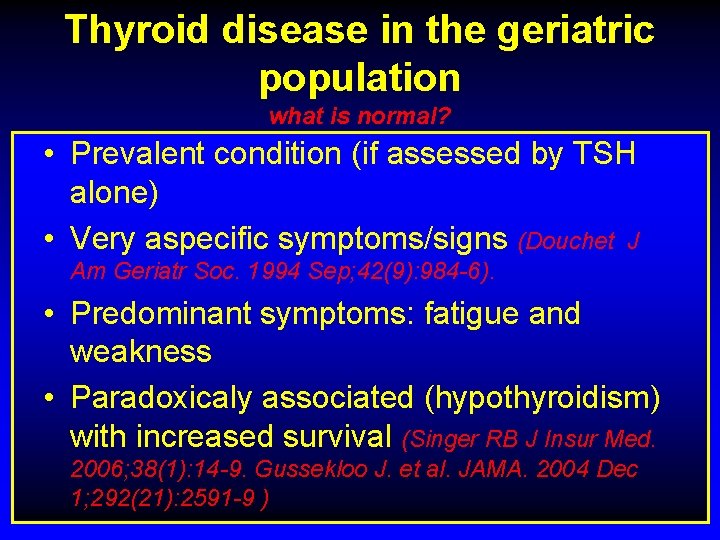
Thyroid disease in the geriatric population what is normal? • Prevalent condition (if assessed by TSH alone) • Very aspecific symptoms/signs (Douchet J Am Geriatr Soc. 1994 Sep; 42(9): 984 -6). • Predominant symptoms: fatigue and weakness • Paradoxicaly associated (hypothyroidism) with increased survival (Singer RB J Insur Med. 2006; 38(1): 14 -9. Gussekloo J. et al. JAMA. 2004 Dec 1; 292(21): 2591 -9 )
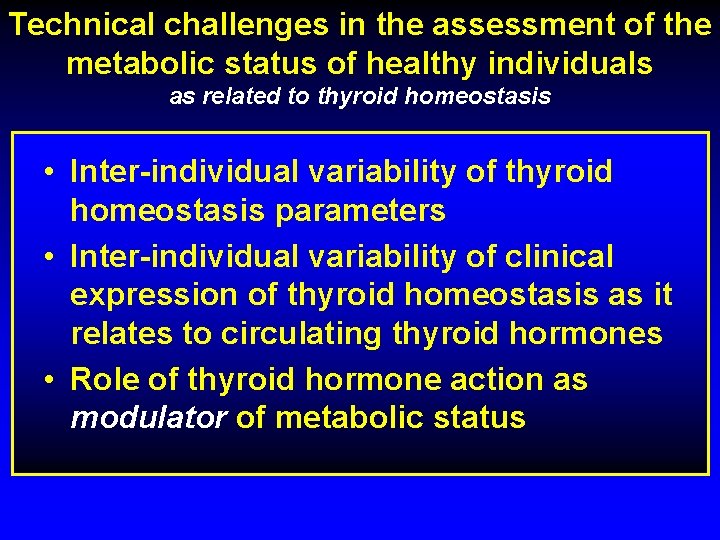
Technical challenges in the assessment of the metabolic status of healthy individuals as related to thyroid homeostasis • Inter-individual variability of thyroid homeostasis parameters • Inter-individual variability of clinical expression of thyroid homeostasis as it relates to circulating thyroid hormones • Role of thyroid hormone action as modulator of metabolic status
Technical challenges in the assessment of the metabolic status of healthy individuals • Inter-individual variability of metabolic parameters • Intra-individual variability of metabolic parameters (nutritional/activity/environmental) • Relative poor performance of the assessment tools (good accuracy, poor precision)
Technical challenges in the assessment of the metabolic status of healthy individuals study design • Careful selection of study participants – Specific conditions (e. g. RTH, MAS) – Healthy volunteers – Specific genotypes • Accurate evaluation of baseline conditions • Use of Clinical Research Centers • Use of study designs aimed to improve the accuracy of the results – Cross-over – Sib-pair
Clinical Studies-ongoing • 05 -DK-0119: Peripheral Thyroid Hormone Conversion and Glucose and Energy Metabolism • 06 -DK-0133: Thyroid Hormone-Induced Lipolysis: An In Vivo Microdialysis Study • 07 -DK-0202: Thyroid hormones homeostasis and energy metabolism changes during exposure to cold temperature in humans • 06 -DK-0183: Gene Expression and Release of Inflammatory Mediators in Overweight Subjects Before and After Weight Loss
05 -DK-0119 Peripheral Thyroid Hormone Conversion and Glucose and Energy Metabolism Study Objectives Background • Levothyroxine replacement therapy might not be effective in assuring the thyroid homeostasis in all target organs/systems. Study Aims: • • To assess the differential pituitary response to escalating dose TRH stimulation test. To assess the changes in glucose metabolism by euglycemic hyperinsulinemic clamp. To analyze the changes in lipid metabolism by assessing the changes in cholesterol, triglycerides and apolipoproteins To assess the changes in cardiovascular function by echocardiogram, vascular endothelial function and EKG, both resting and post exercise.
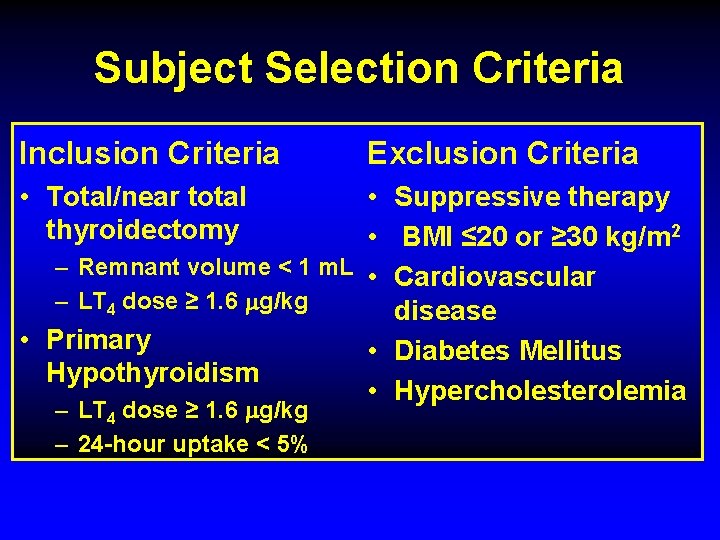
Subject Selection Criteria Inclusion Criteria • Total/near total thyroidectomy Exclusion Criteria • Suppressive therapy • BMI ≤ 20 or ≥ 30 kg/m 2 – Remnant volume < 1 m. L • Cardiovascular – LT 4 dose ≥ 1. 6 mg/kg disease • Primary • Diabetes Mellitus Hypothyroidism • Hypercholesterolemia – LT 4 dose ≥ 1. 6 mg/kg – 24 -hour uptake < 5%
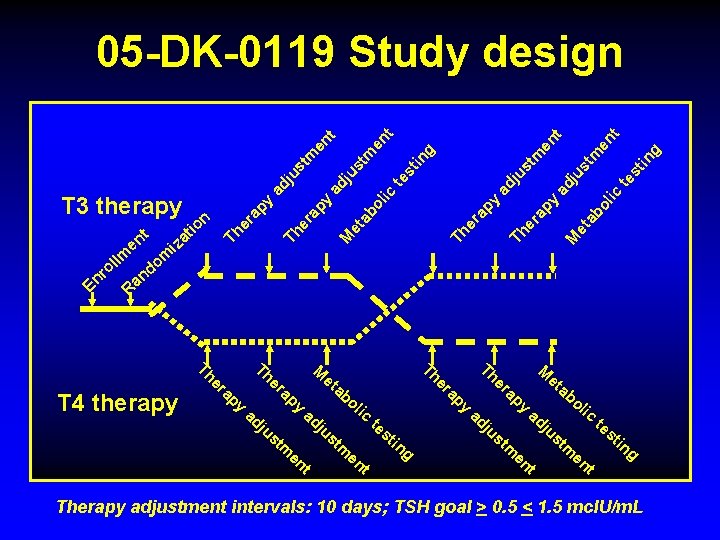
Th T 4 therapy Th er a py ap y ju s tm et ab ad j us en t ic te st tm en t in g ap y in g en t et ab ol ic te st ju s ad M et er ad j M Th er Th tm en t ap py er a Th er ol y ad te ju st in st m g en m M Th M er ad et ab ol ic y ap Th er e iz m m l ol ndo r En Ra py n io t a er a nt Th T 3 therapy ad ju st st m en t t 05 -DK-0119 Study design ap y ad ju us tm en t ab ol st m ic en t te st in g Therapy adjustment intervals: 10 days; TSH goal > 0. 5 < 1. 5 mc. IU/m. L
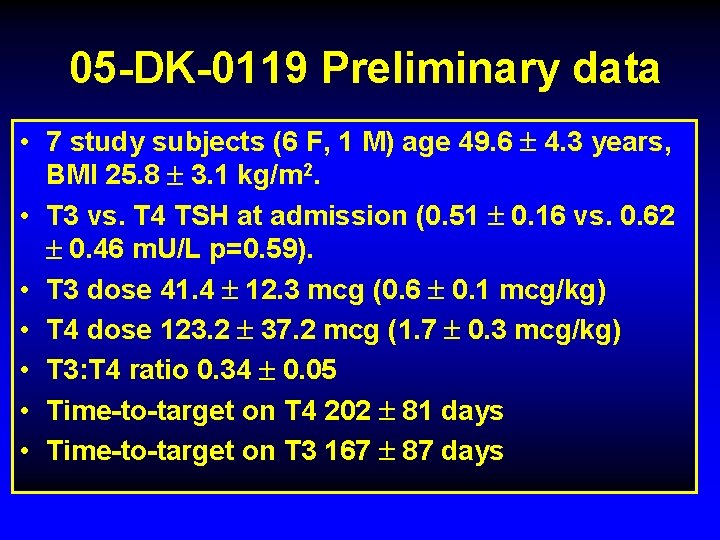
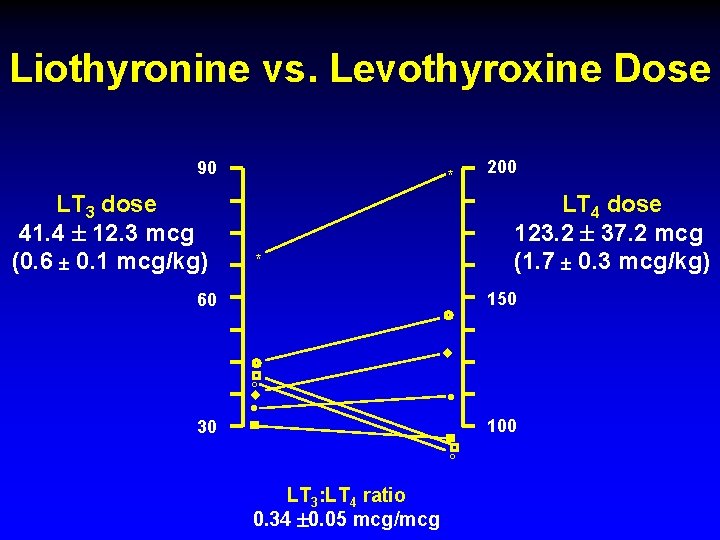
05 -DK-0119 Preliminary data • 7 study subjects (6 F, 1 M) age 49. 6 4. 3 years, BMI 25. 8 3. 1 kg/m 2. • T 3 vs. T 4 TSH at admission (0. 51 0. 16 vs. 0. 62 0. 46 m. U/L p=0. 59). • T 3 dose 41. 4 12. 3 mcg (0. 6 0. 1 mcg/kg) • T 4 dose 123. 2 37. 2 mcg (1. 7 0. 3 mcg/kg) • T 3: T 4 ratio 0. 34 0. 05 • Time-to-target on T 4 202 81 days • Time-to-target on T 3 167 87 days
Liothyronine vs. Levothyroxine Dose 90 LT 3 dose 41. 4 12. 3 mcg (0. 6 0. 1 mcg/kg) * 200 LT 4 dose 123. 2 37. 2 mcg (1. 7 0. 3 mcg/kg) * 150 60 30 ■ LT 3: LT 4 ratio 0. 34 0. 05 mcg/mcg ■ 100
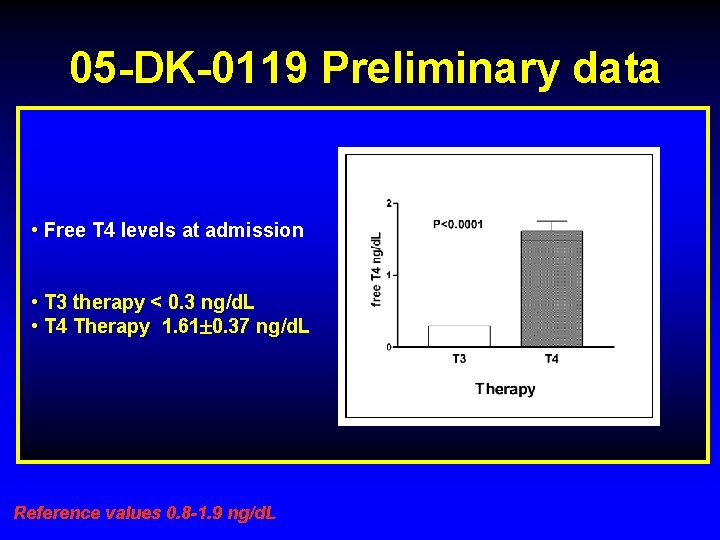
05 -DK-0119 Preliminary data • Free T 4 levels at admission • T 3 therapy < 0. 3 ng/d. L • T 4 Therapy 1. 61 0. 37 ng/d. L Reference values 0. 8 -1. 9 ng/d. L
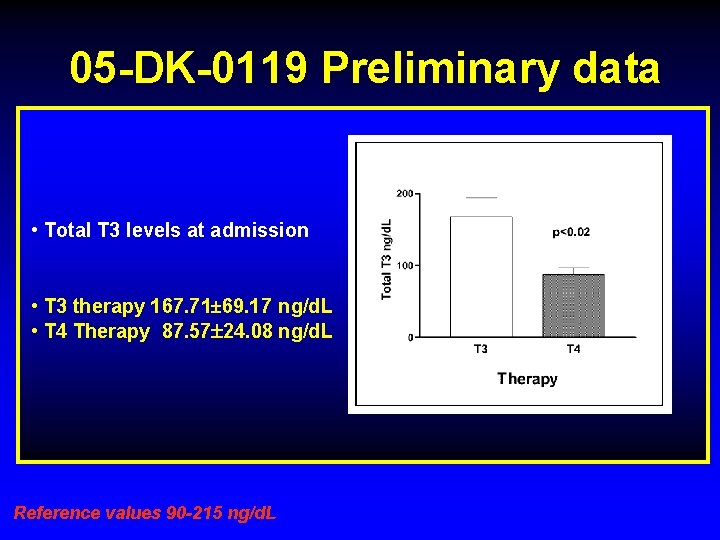
05 -DK-0119 Preliminary data • Total T 3 levels at admission • T 3 therapy 167. 71 69. 17 ng/d. L • T 4 Therapy 87. 57 24. 08 ng/d. L Reference values 90 -215 ng/d. L
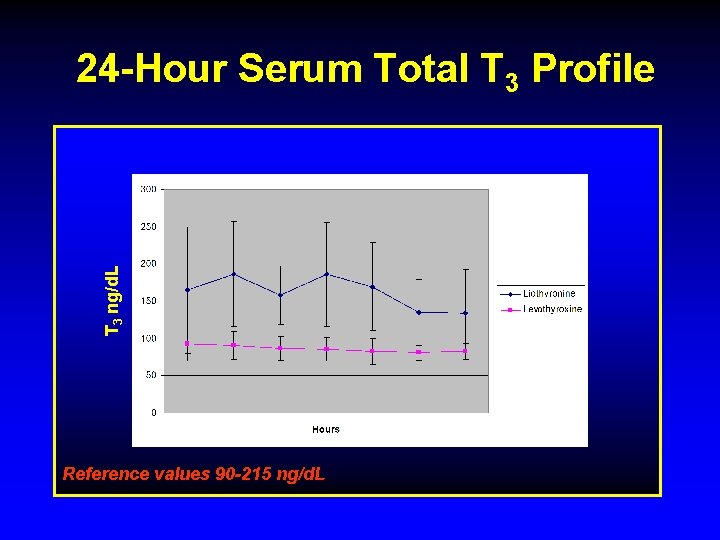
T 3 ng/d. L 24 -Hour Serum Total T 3 Profile Reference values 90 -215 ng/d. L
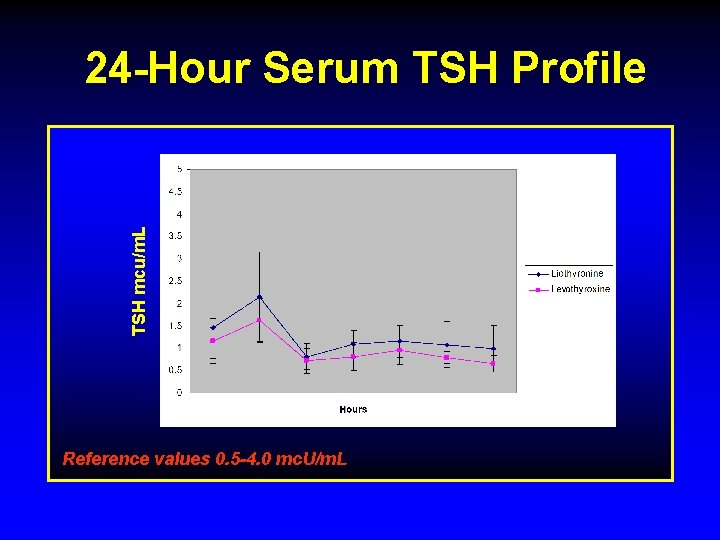
TSH mcu/m. L 24 -Hour Serum TSH Profile Reference values 0. 5 -4. 0 mc. U/m. L
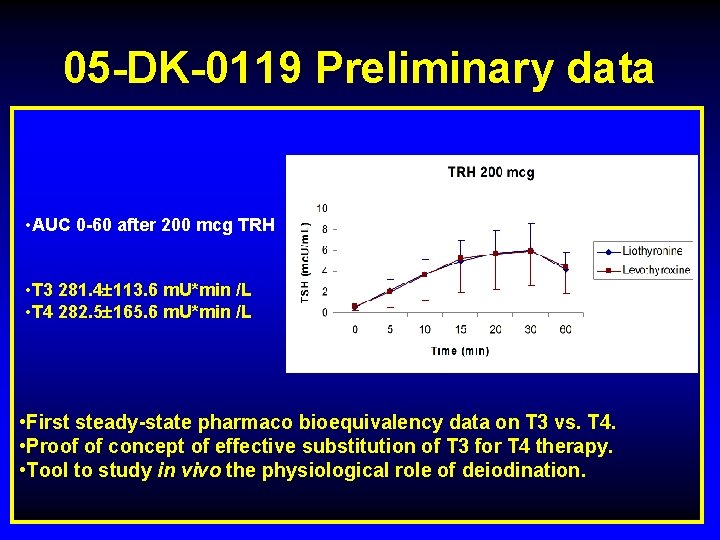
05 -DK-0119 Preliminary data • AUC 0 -60 after 200 mcg TRH • T 3 281. 4 113. 6 m. U*min /L • T 4 282. 5 165. 6 m. U*min /L • First steady-state pharmaco bioequivalency data on T 3 vs. T 4. • Proof of concept of effective substitution of T 3 for T 4 therapy. • Tool to study in vivo the physiological role of deiodination.
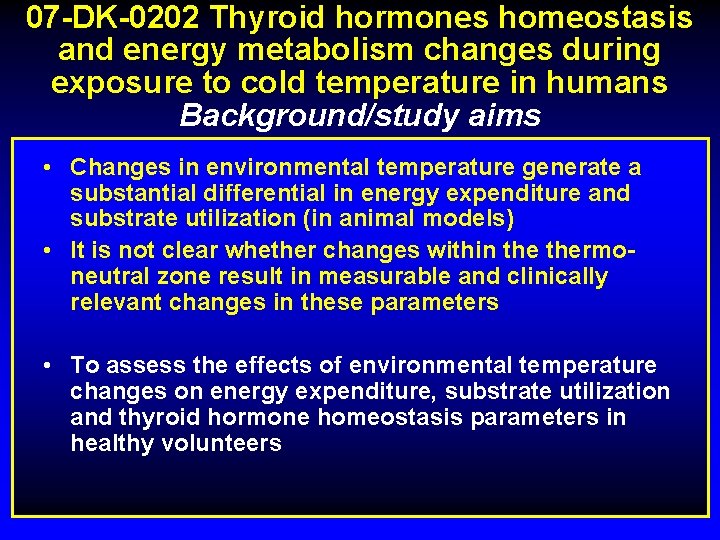
07 -DK-0202 Thyroid hormones homeostasis and energy metabolism changes during exposure to cold temperature in humans Background/study aims • Changes in environmental temperature generate a substantial differential in energy expenditure and substrate utilization (in animal models) • It is not clear whether changes within thermoneutral zone result in measurable and clinically relevant changes in these parameters • To assess the effects of environmental temperature changes on energy expenditure, substrate utilization and thyroid hormone homeostasis parameters in healthy volunteers
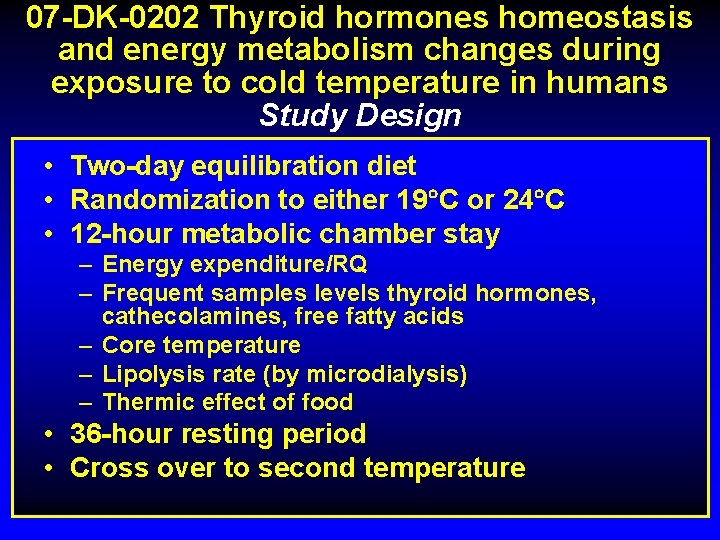
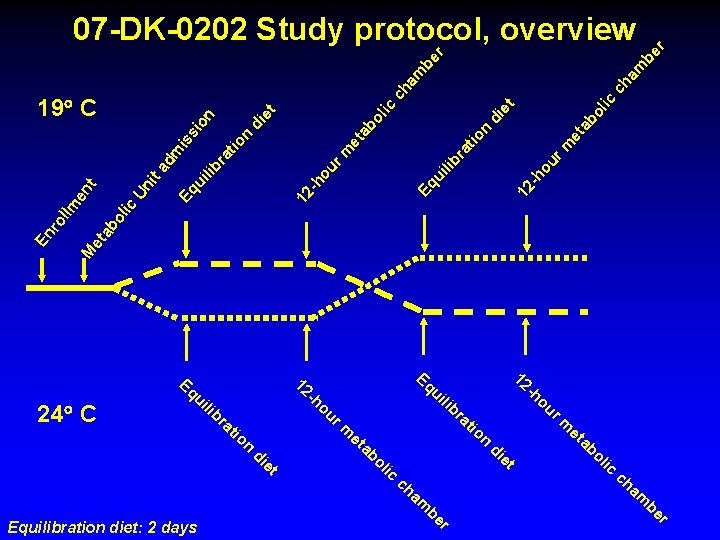
07 -DK-0202 Thyroid hormones homeostasis and energy metabolism changes during exposure to cold temperature in humans Study Design • Two-day equilibration diet • Randomization to either 19 C or 24 C • 12 -hour metabolic chamber stay – Energy expenditure/RQ – Frequent samples levels thyroid hormones, cathecolamines, free fatty acids – Core temperature – Lipolysis rate (by microdialysis) – Thermic effect of food • 36 -hour resting period • Cross over to second temperature
t lic ch a -h ou 12 Eq 12 ui -h ou lib ra rm rm tio et n ab o di e ic ol ab et n tio lib ra ui Eq ic 12 Eq 12 - ol Eq M et ab ro llm en t Un i ta dm is si on di e t 19 C En ch a m m be r 07 -DK-0202 Study protocol, overview 24 C ui lib r -h ui lib ra tio n ou at rm di et et ab o lic io n di et ch a m Equilibration diet: 2 days ho be r ur m et a bo lic ch a m be r
Conclusions • Several epidemiological studies indicate that in healthy individuals the thyroid homeostasis plays a modulator role in the carbohydrate, lipid and energy metabolism. • The overall effects of thyroid hormone action in healthy individuals on metabolic control is small and within the variance of the general population • These factors should be taken in consideration in the design of intervention/association studies
Acknowledgments • • • Monica Skarulis Joyce Linderman Valentina Congedo Marina Zemskova Nabeel Babar Christopher Harris Merel Kozlosky Blakeley Denkinger Nancy Sebring • • • Kong Chen Robert Brychta Megan Rothney Emily Schaefer Frank Pucino Gyorgy Csako Alan Remaley Louis Simchowitz Marvin Gershengorn Nurses and Personnel of 5 SW-Metabolic Unit
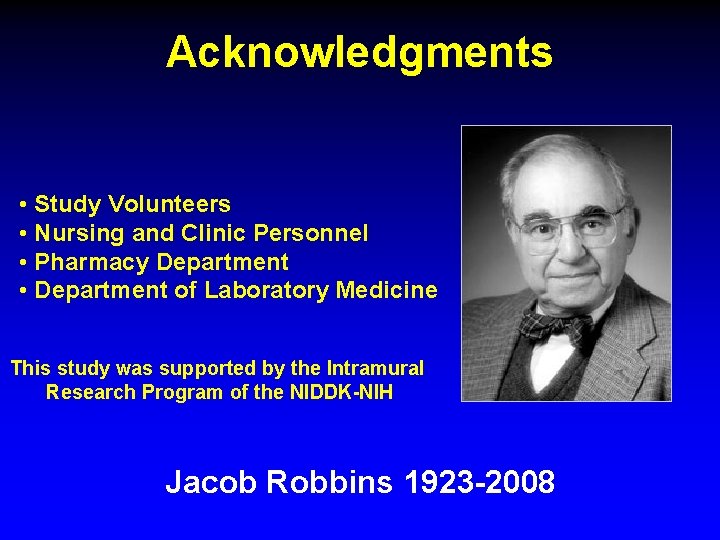
Acknowledgments • Study Volunteers • Nursing and Clinic Personnel • Pharmacy Department • Department of Laboratory Medicine This study was supported by the Intramural Research Program of the NIDDK-NIH Jacob Robbins 1923 -2008