
This simple scene was created by Candice Downey




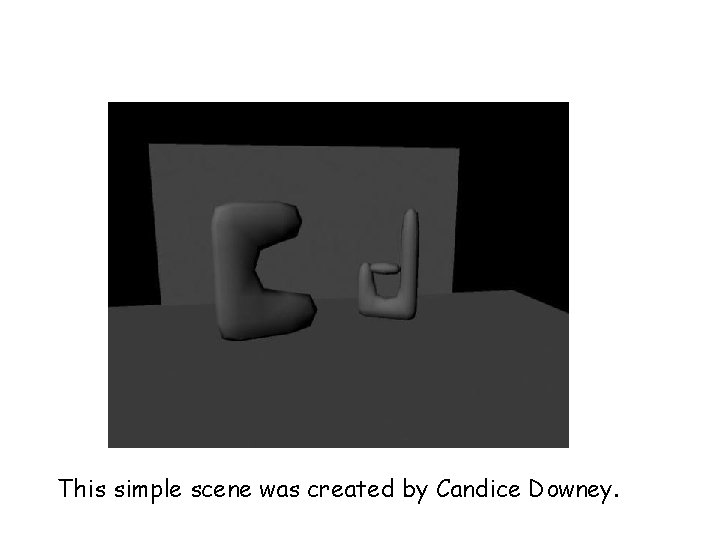
This simple scene was created by Candice Downey.

After downloading and installing Maya, watch the tutorials on how to perform basic tasks. Build your scene using polygon objects ("Polygons" tab) and/or NURBS surfaces ("Surfaces" tab). When the scene is complete, select the "Rendering" tab and press the "Render Current Scene" button. Once the scene looks like you'd like, in the Render View window save it as a JPEG file and upload it to your blog in an entry called "Building a Scene in Maya. " Save the Maya file containing your scene since you'll need it for the next assignment.


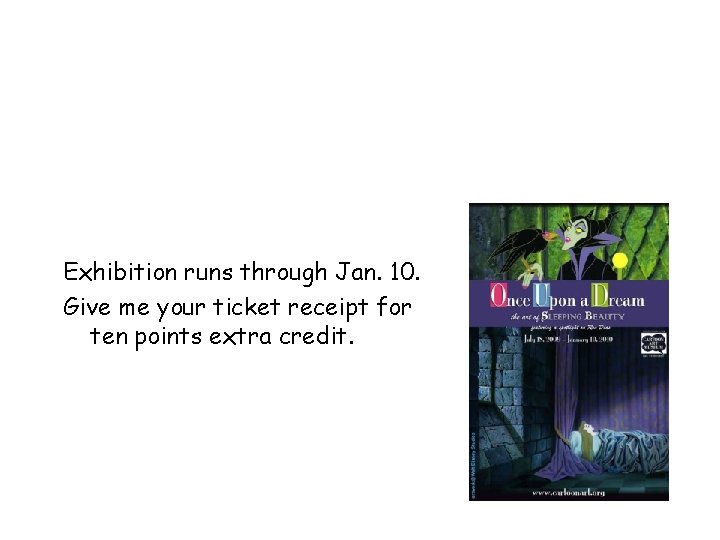
Exhibition runs through Jan. 10. Give me your ticket receipt for ten points extra credit.
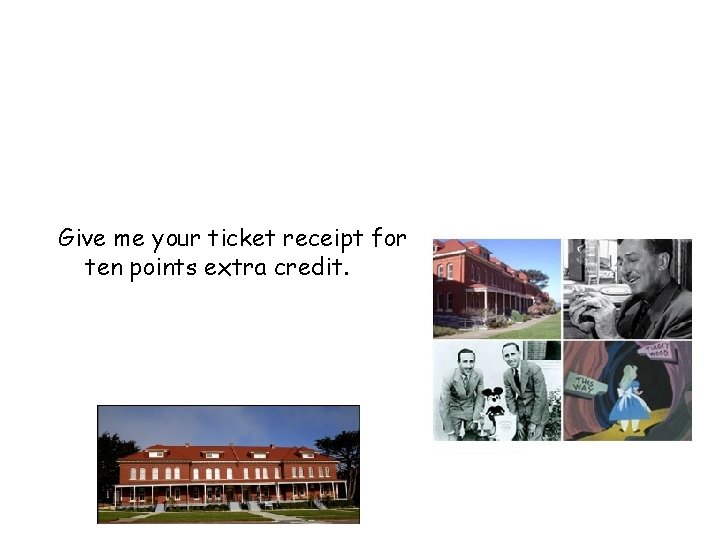
Give me your ticket receipt for ten points extra credit.

Give me your ticket receipt for ten points extra credit.

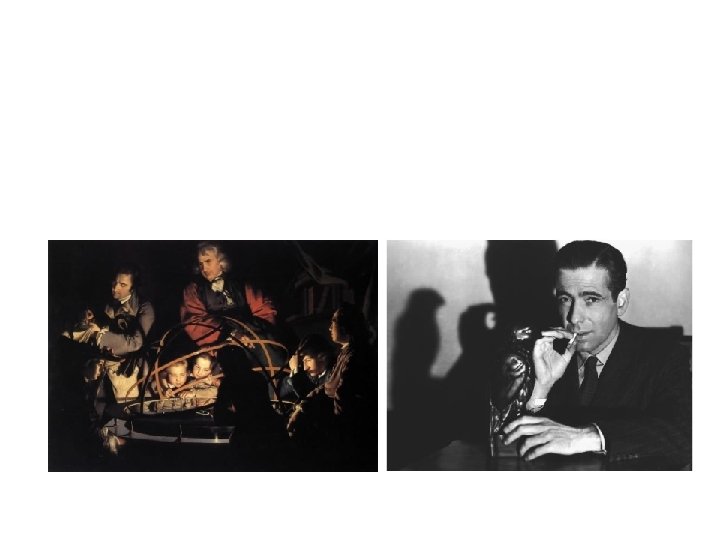
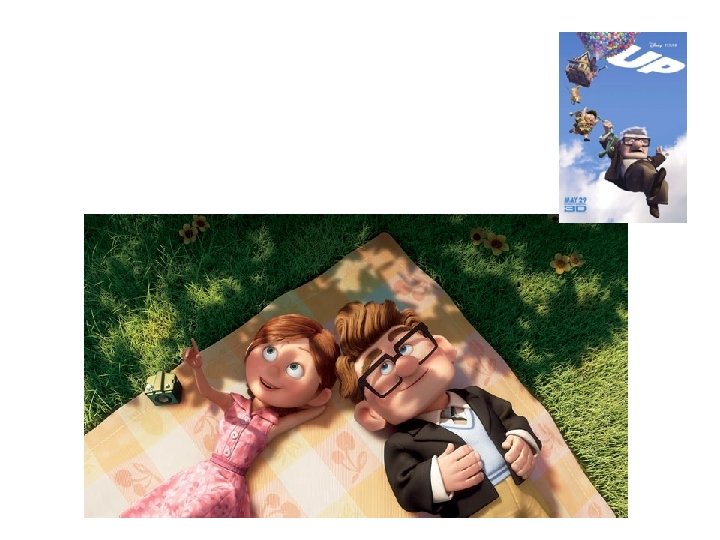
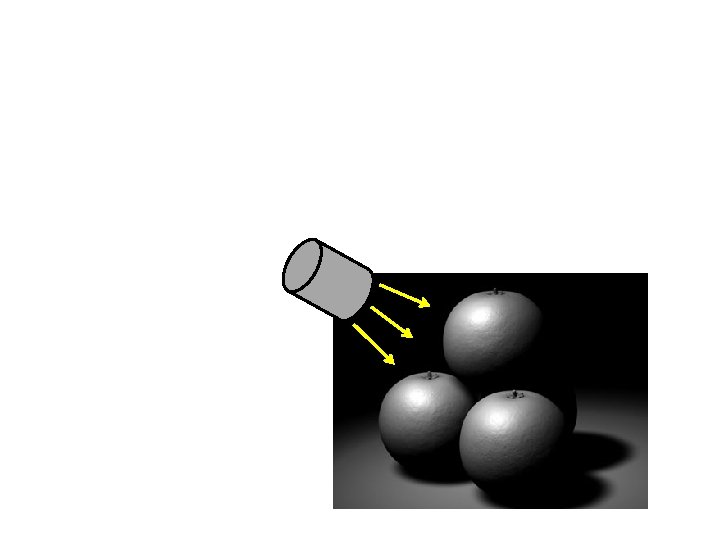
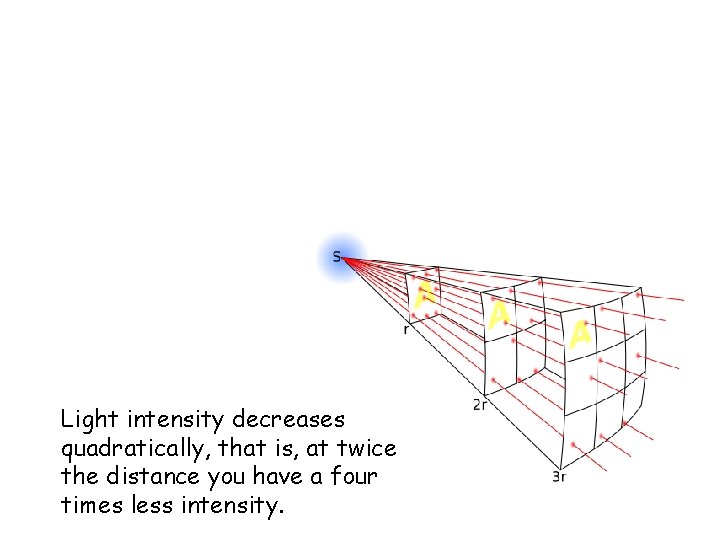
Light intensity decreases quadratically, that is, at twice the distance you have a four times less intensity.
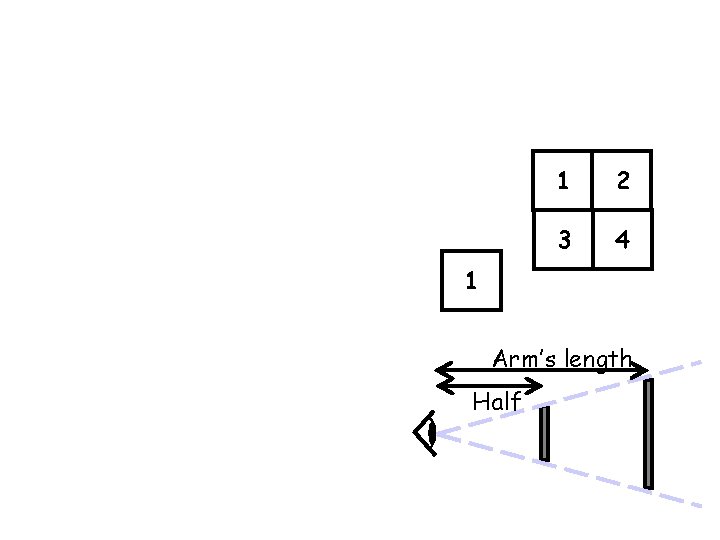
1 2 3 4 1 Arm’s length Half
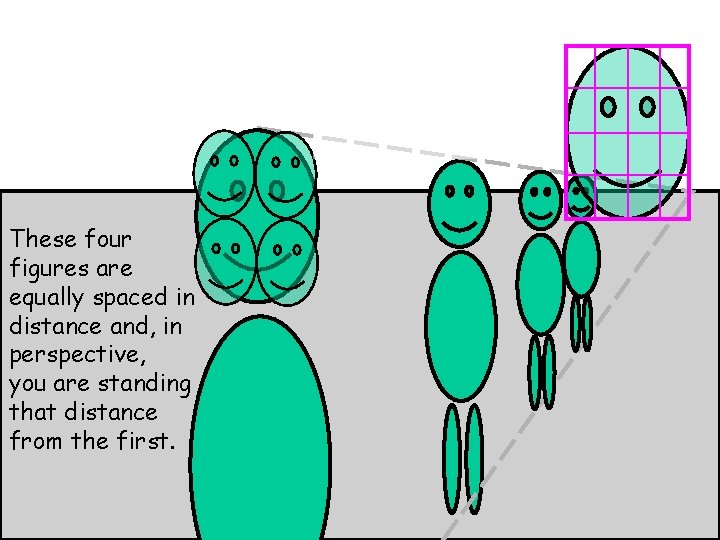
These four figures are equally spaced in distance and, in perspective, you are standing that distance from the first.
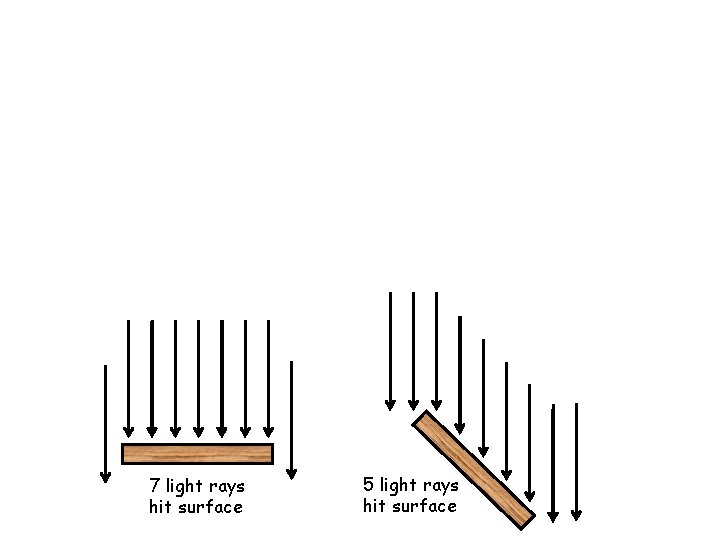
7 light rays hit surface 5 light rays hit surface

Equator
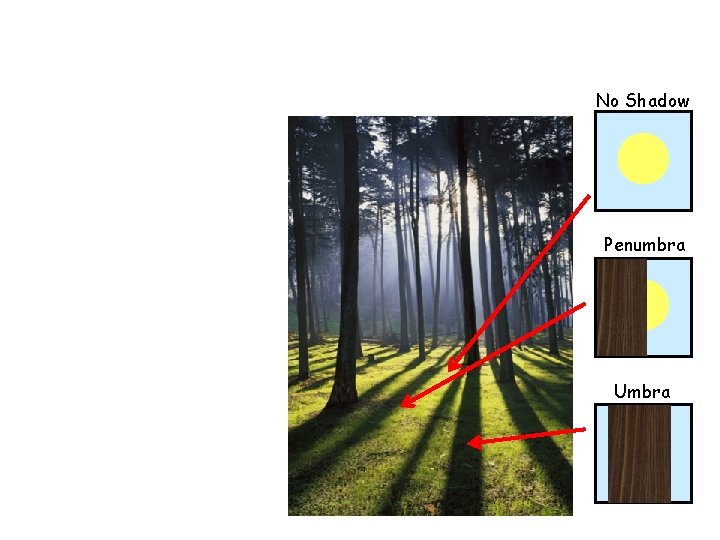
No Shadow Penumbra Umbra
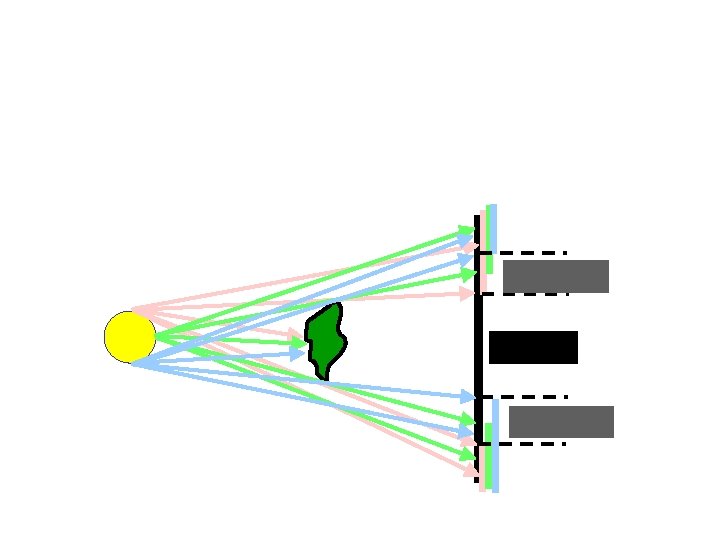
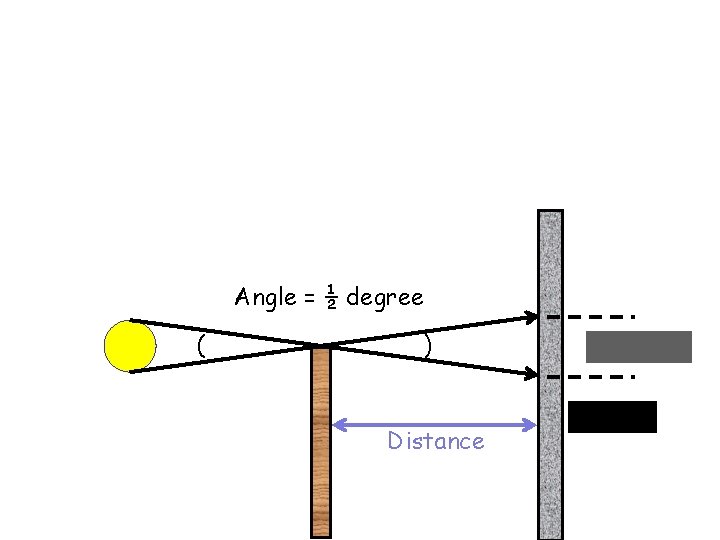
Angle = ½ degree ( ) Distance
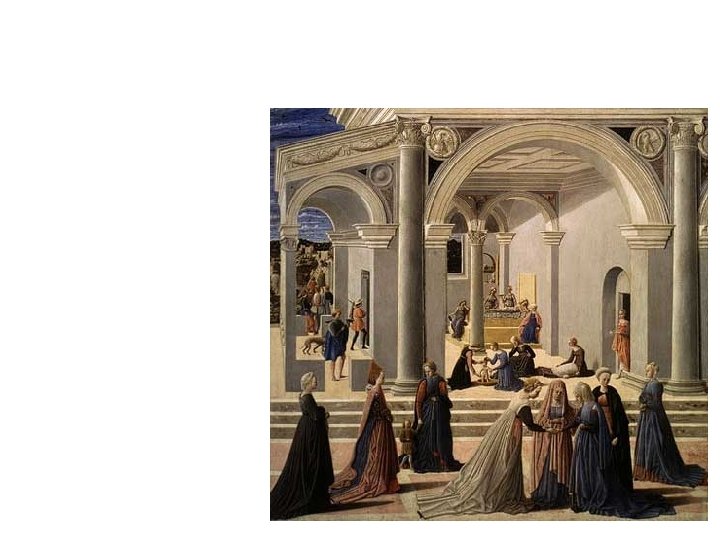
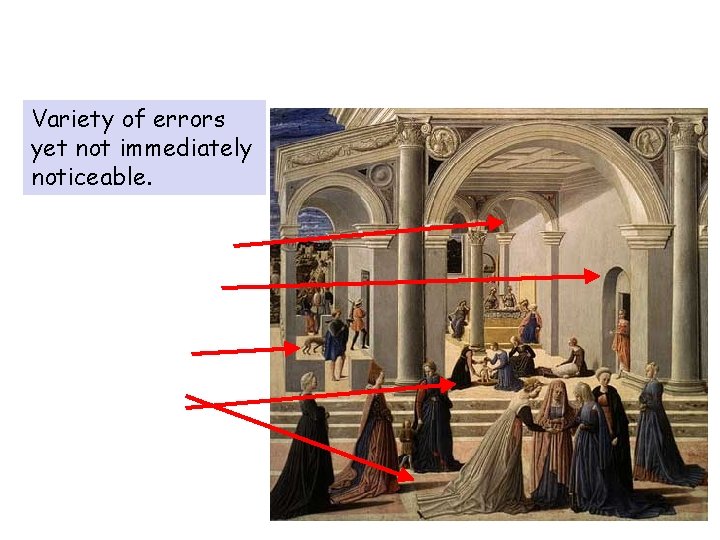
Variety of errors yet not immediately noticeable.
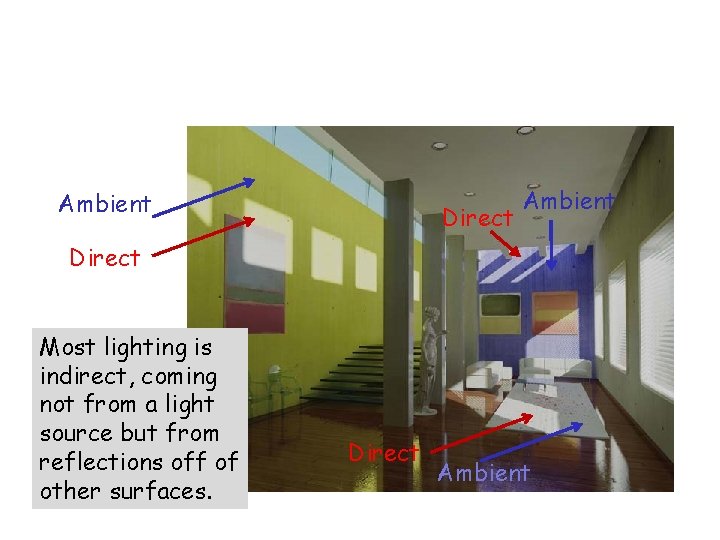
Ambient Direct Most lighting is indirect, coming not from a light source but from reflections off of other surfaces. Direct Ambient
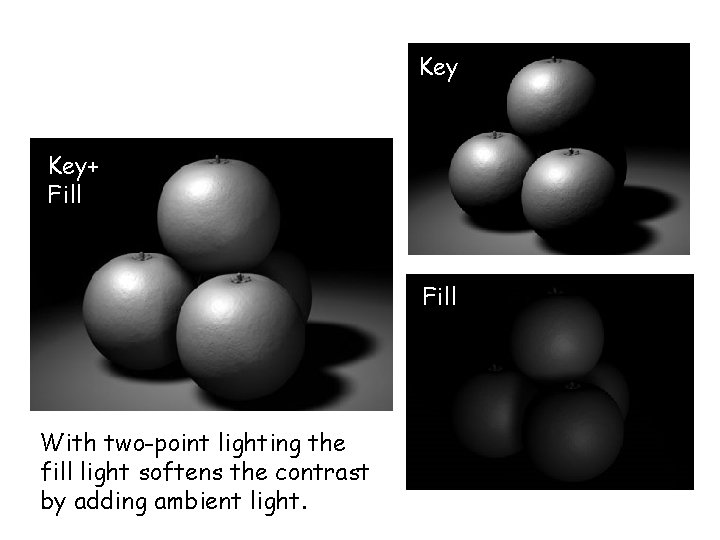
Key Key+ Fill With two-point lighting the fill light softens the contrast by adding ambient light.
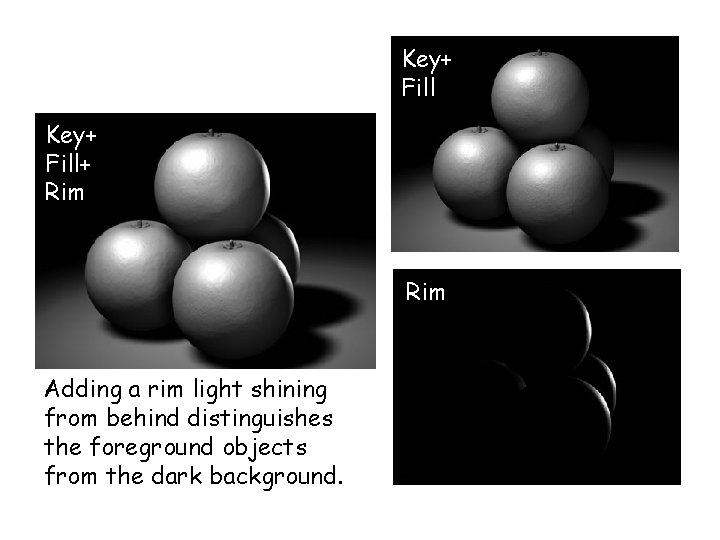
Key+ Fill+ Rim Adding a rim light shining from behind distinguishes the foreground objects from the dark background.
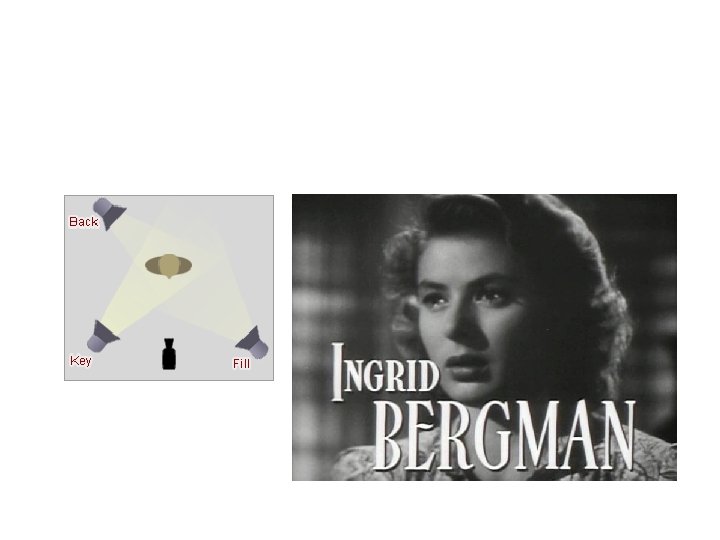
Key+ Fill+ Rim
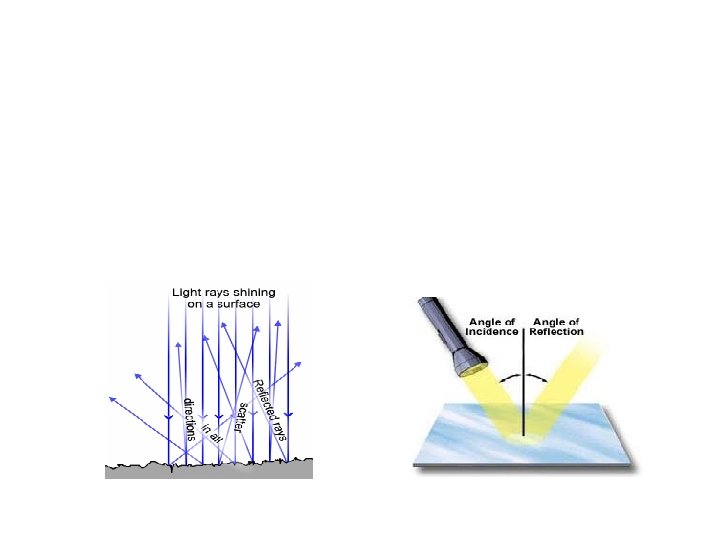

The apparent brightness of a Lambert surface is the same regardless of the observer's angle of view. This is typical of matte surfaces, such as paper and cloth. In computer graphics, Lambertian reflection is often used as a model for diffuse reflection. The visual effect is that rotating or scaling the object does not change the apparent brightness of its surface
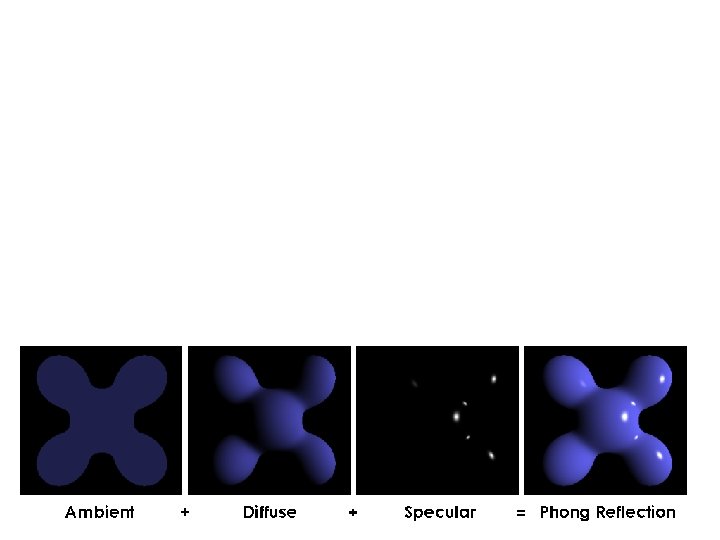
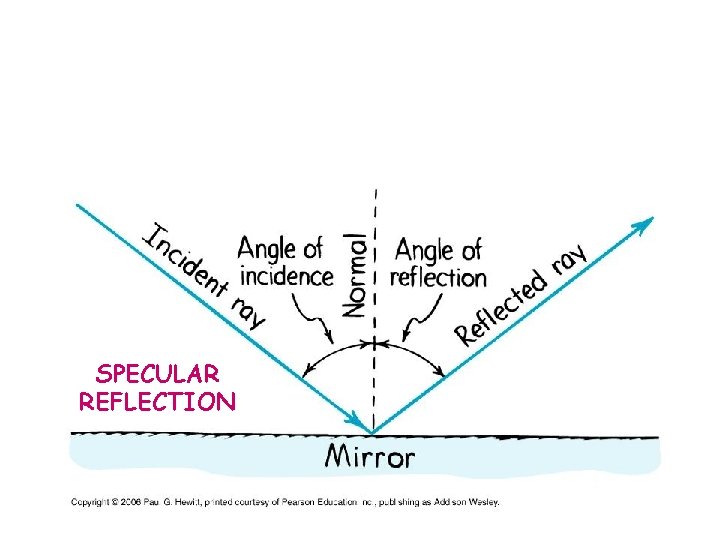
SPECULAR REFLECTION
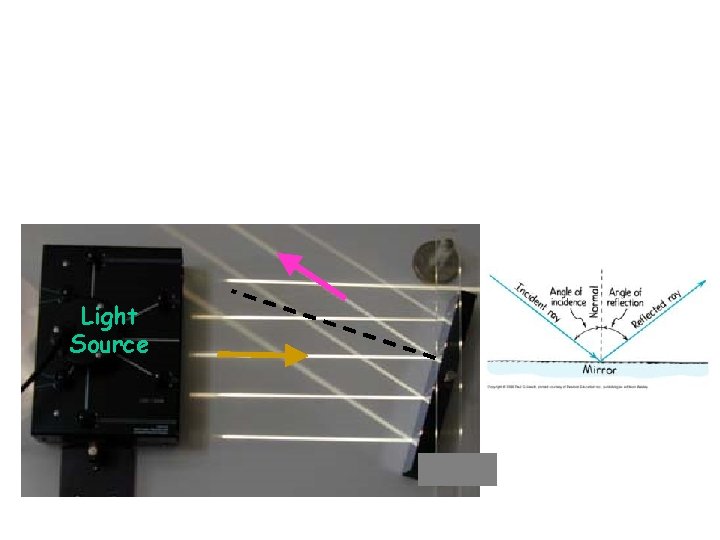
Light Source
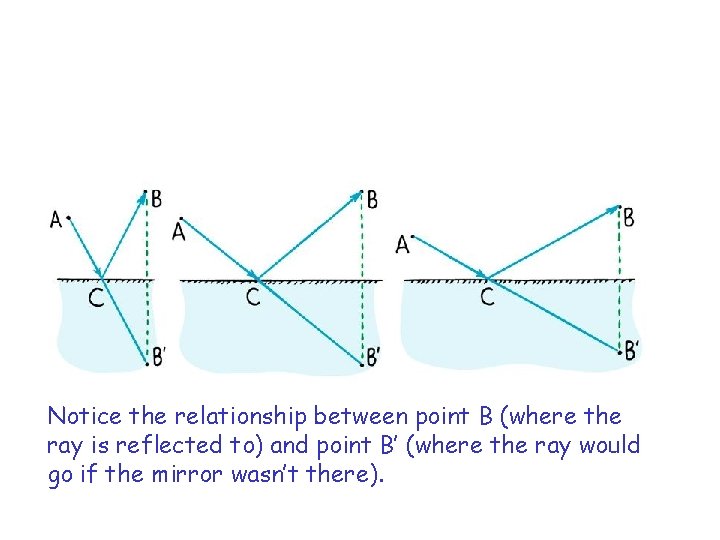
Notice the relationship between point B (where the ray is reflected to) and point B’ (where the ray would go if the mirror wasn’t there).
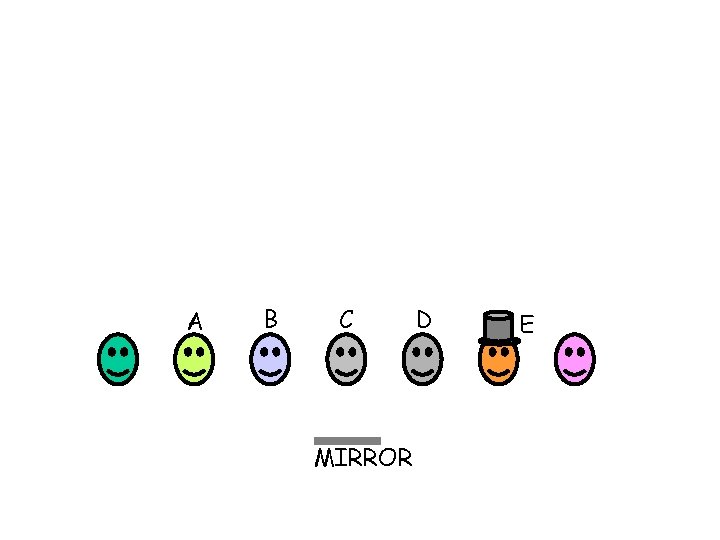
A B C MIRROR D E
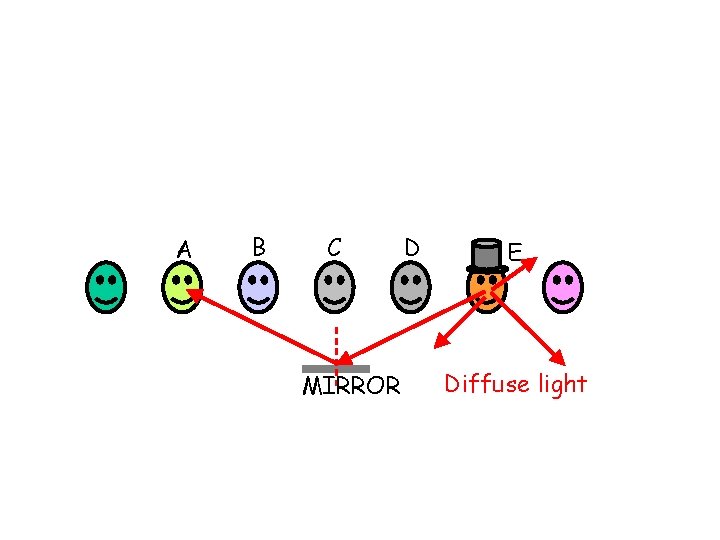
A B C MIRROR D E Diffuse light
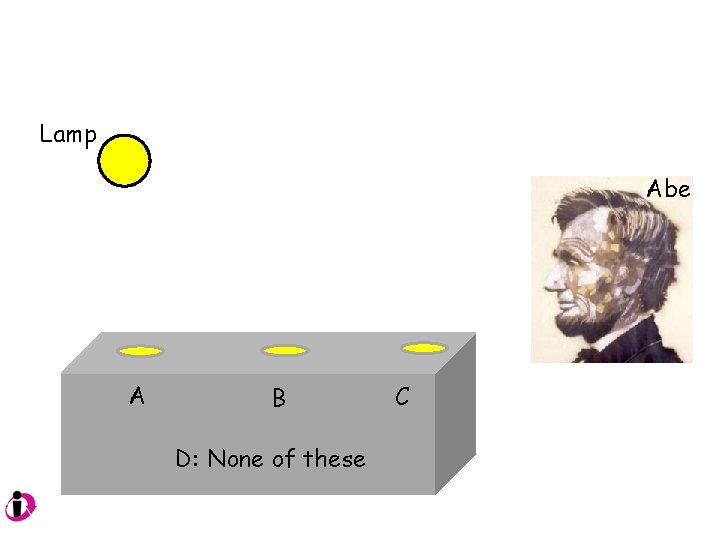
Lamp Abe A B D: None of these C
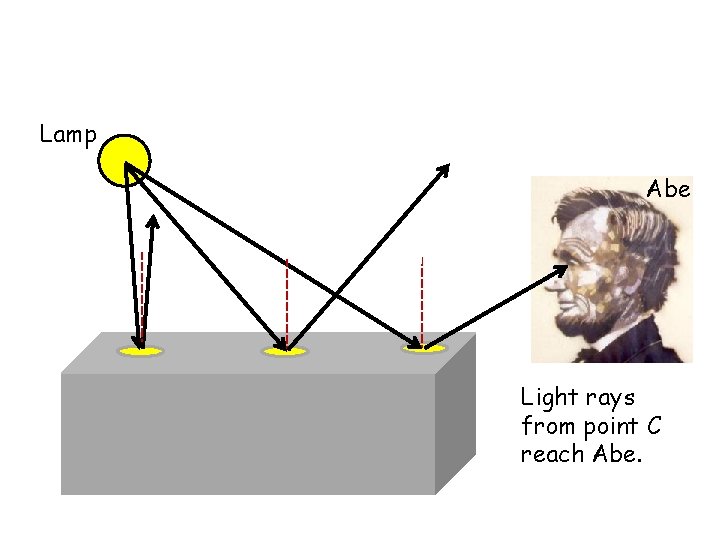
Lamp Abe Light rays from point C reach Abe.
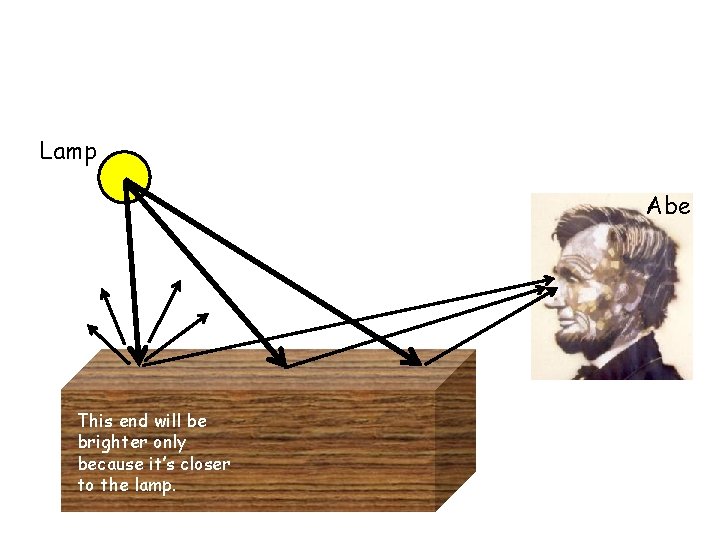
Lamp Abe This end will be brighter only because it’s closer to the lamp.
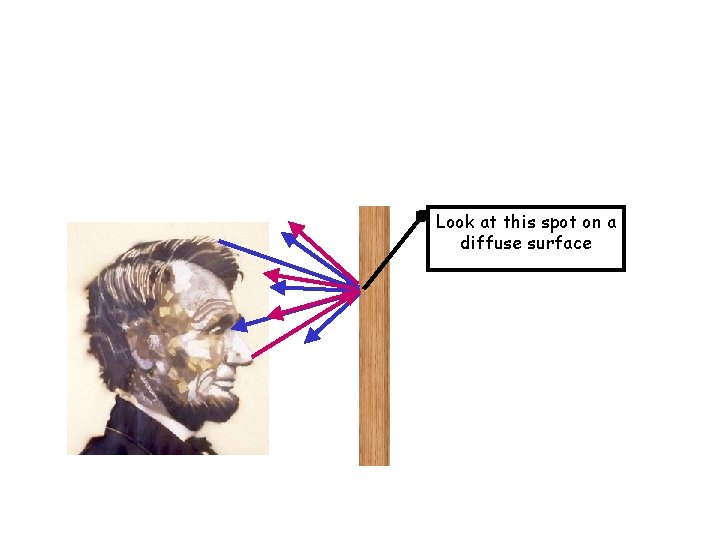
Look at this spot on a diffuse surface
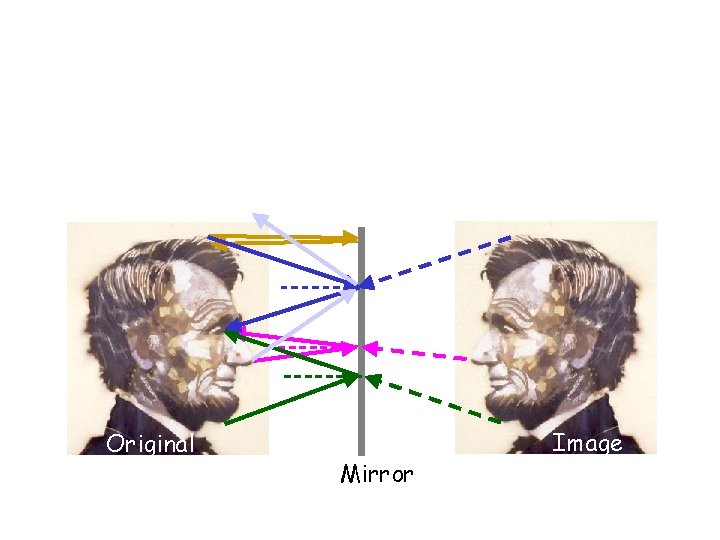
Original Mirror Image
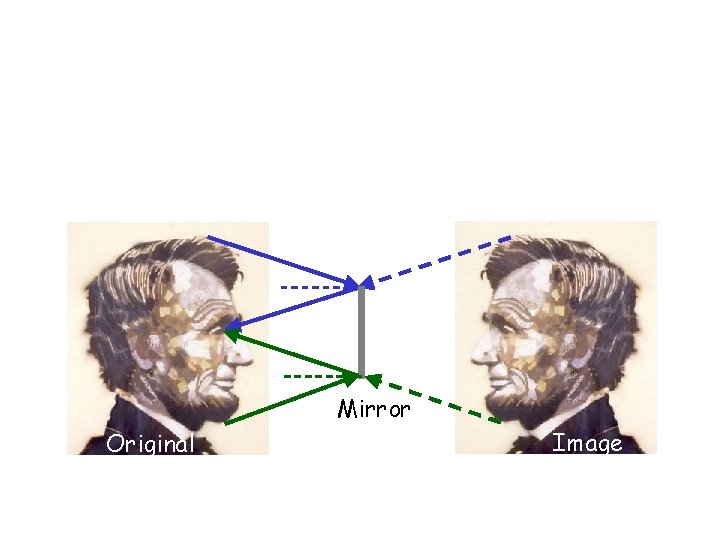
Mirror Original Image

- Slides: 50