
This module covers the following 6 orders GALLIFORMES



- Slides: 31
This module covers the following 6 orders: • GALLIFORMES — Fowl-like birds • ANSERIFORMES — Waterfowl & Screamers
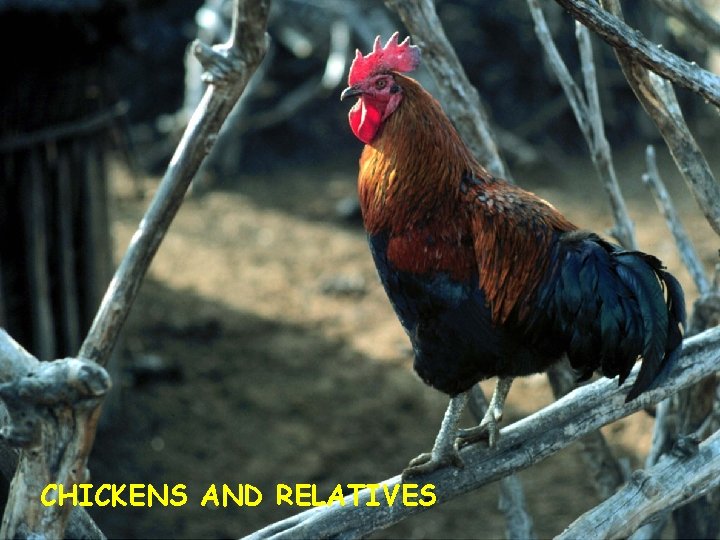
CHICKENS AND RELATIVES
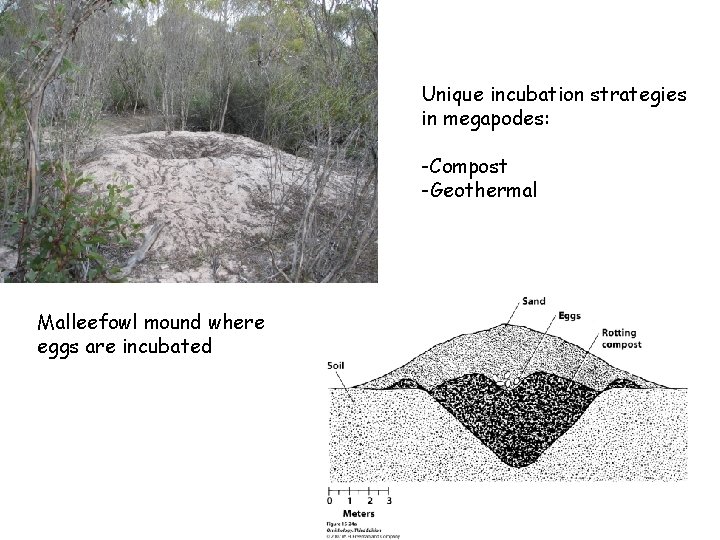
*ORDER GALLIFORMES — Fowl-like birds — 5 families; 258 species Range: worldwide Morphology/ecology: short-beaked, terrestrial birds with short, rounded wings Behavior: most lay large clutches, precocial chicks; polygyny and lekking (group male display areas) is common Taxonomic notes: quite primitive unspecialized birds near the base of the tree of modern birds; this is group that Ken Dial used to test his new idea on the origin of flight Important families: *Phasianidae: pheasants, grouse, turkeys, peacocks *Odontophoridae: New world quails *Megapodidae: megapods or moundbuilders; eggs are buried and incubated by heat generated from composting (Australia and southern Asia)
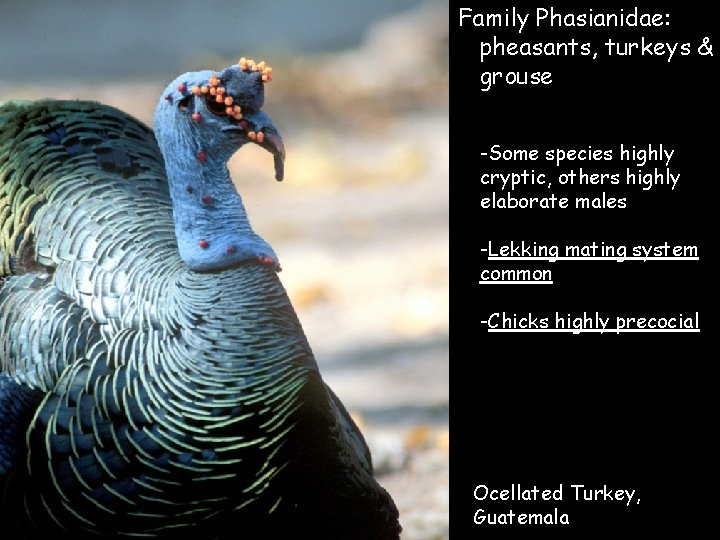
Family Phasianidae: pheasants, turkeys & grouse -Some species highly cryptic, others highly elaborate males -Lekking mating system common -Chicks highly precocial Ocellated Turkey, Guatemala
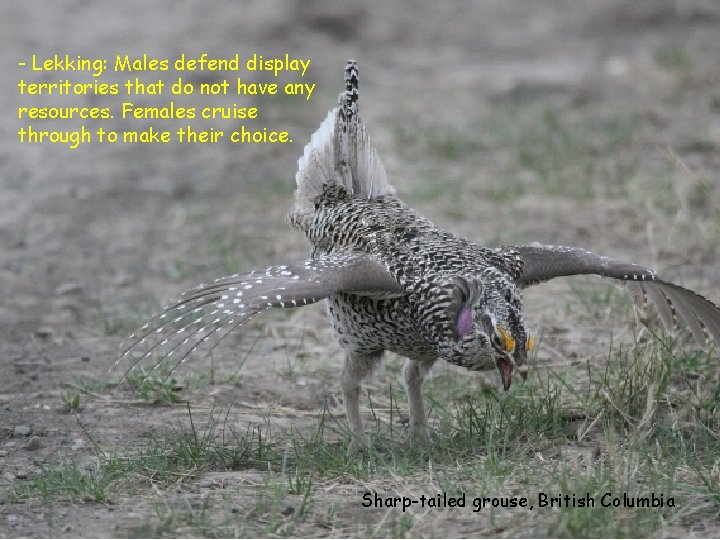
- Lekking: Males defend display territories that do not have any resources. Females cruise through to make their choice. Sharp-tailed grouse, British Columbia
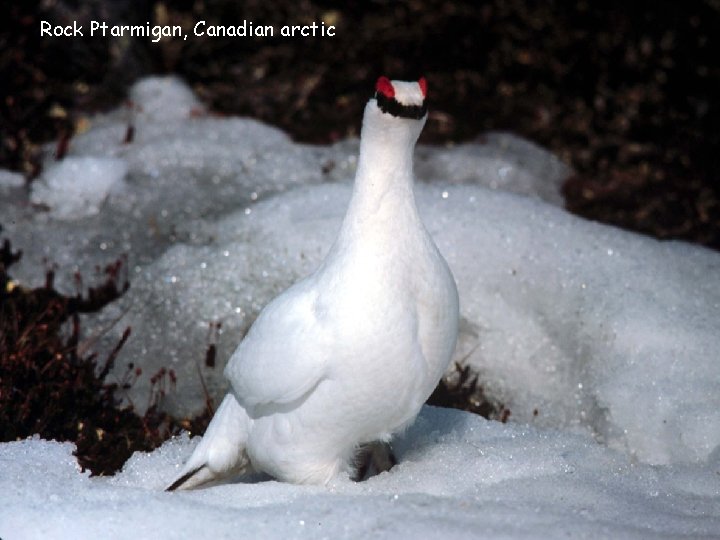
Rock Ptarmigan, Canadian arctic
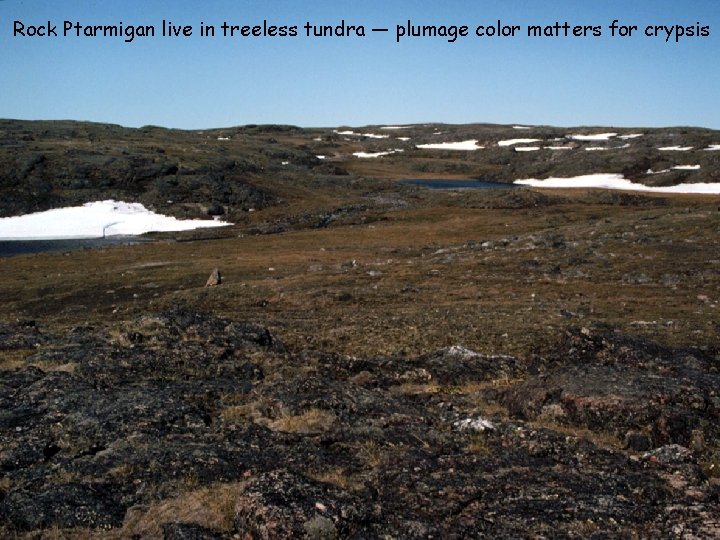
Rock Ptarmigan live in treeless tundra — plumage color matters for crypsis
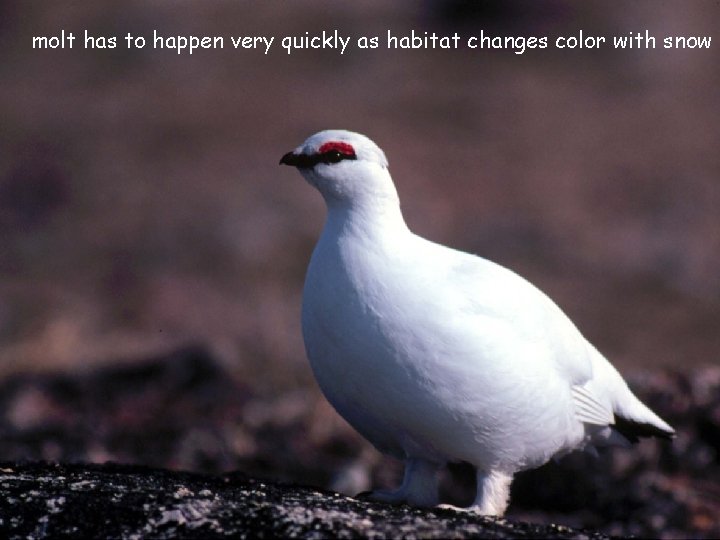
molt has to happen very quickly as habitat changes color with snow m
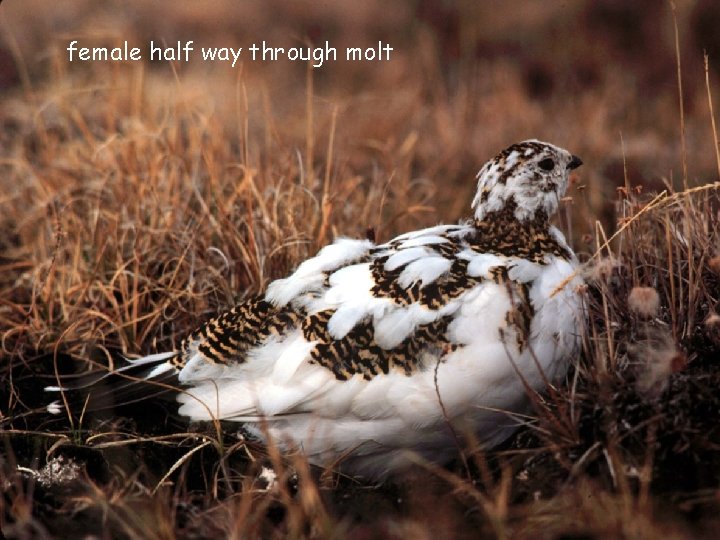
female half way through molt
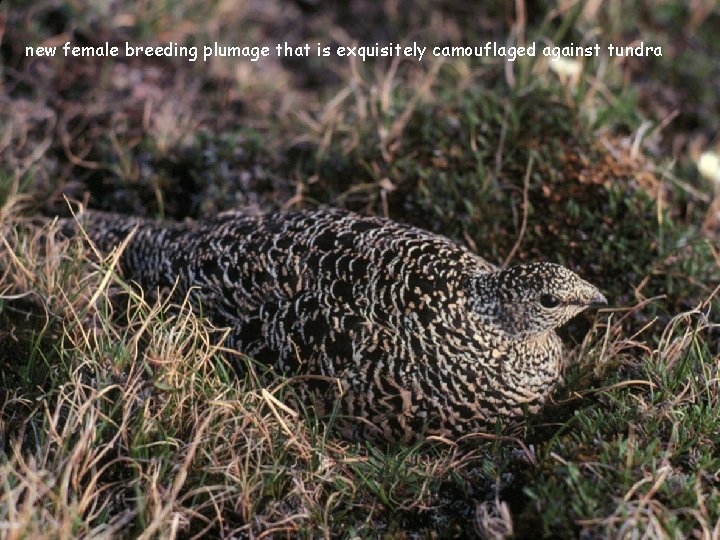
new female breeding plumage that is exquisitely camouflaged against tundra
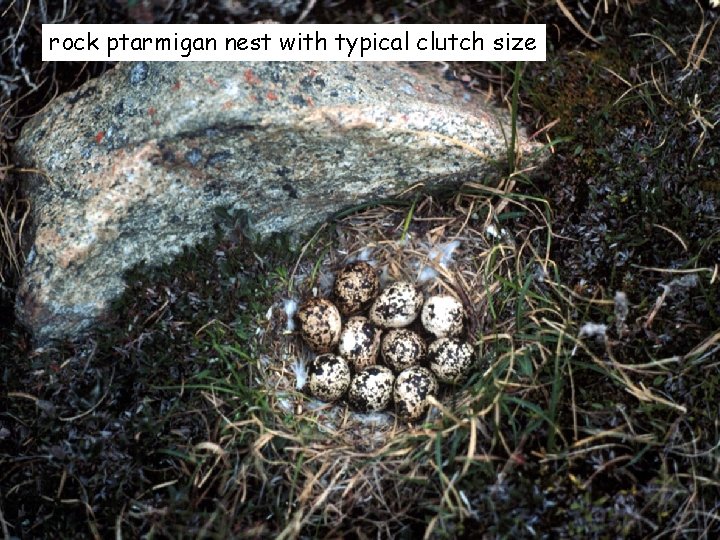
rock ptarmigan nest with typical clutch size
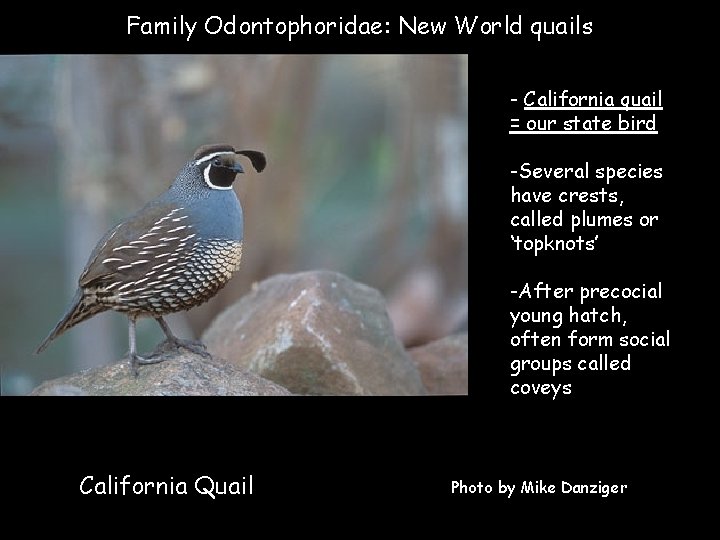
Family Odontophoridae: New World quails - California quail = our state bird -Several species have crests, called plumes or ‘topknots’ -After precocial young hatch, often form social groups called coveys California Quail Photo by Mike Danziger
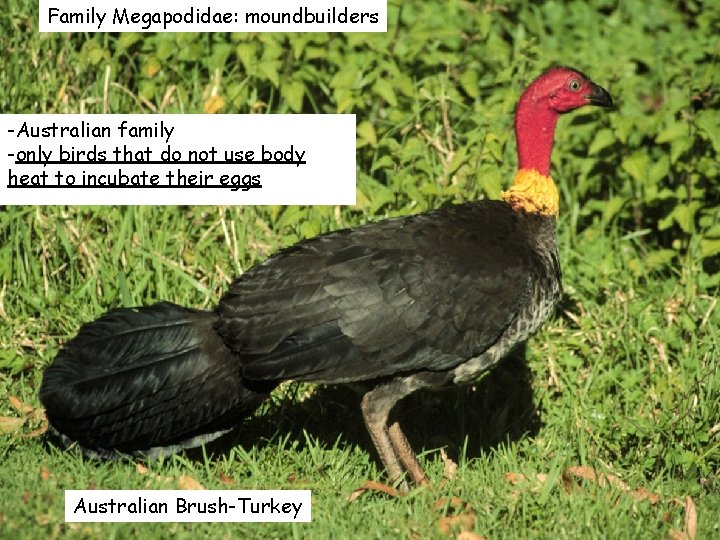
Family Megapodidae: moundbuilders -Australian family -only birds that do not use body heat to incubate their eggs Australian Brush-Turkey
Unique incubation strategies in megapodes: -Compost -Geothermal Malleefowl mound where eggs are incubated
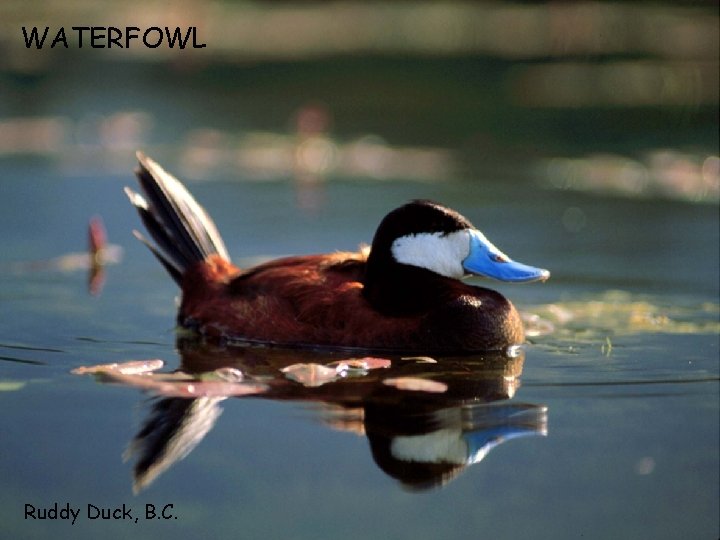
WATERFOWL Ruddy Duck, B. C.
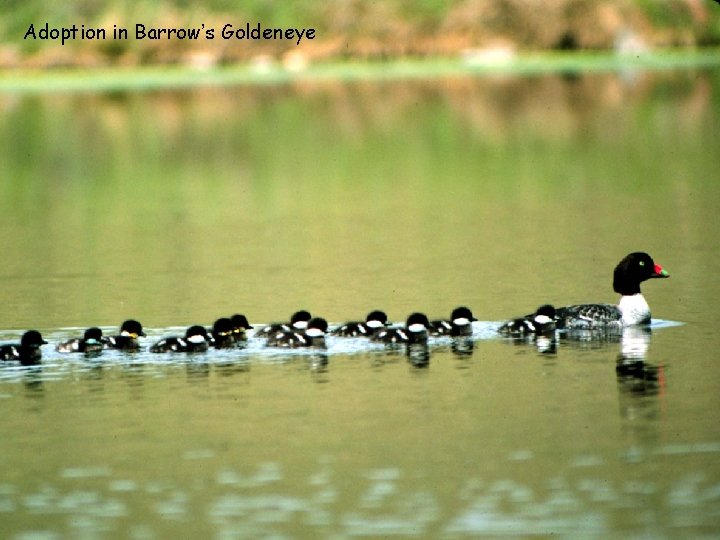
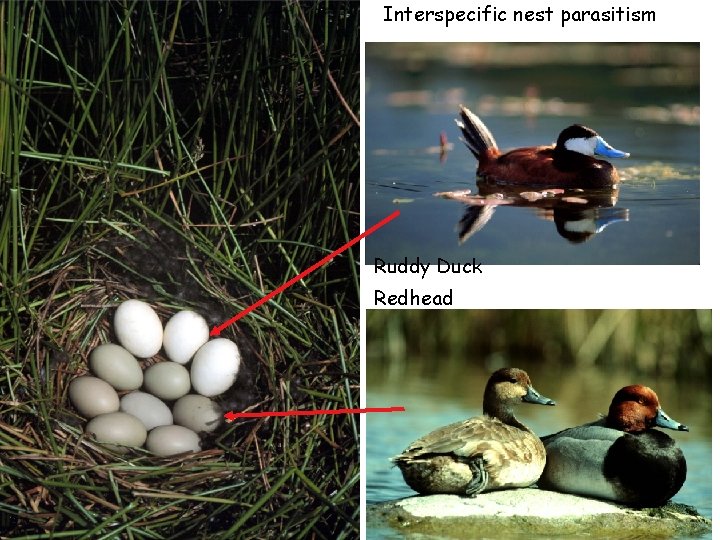
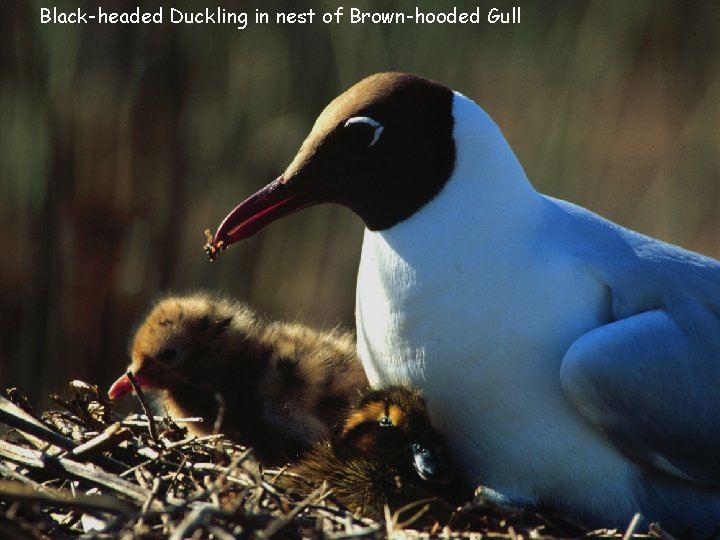
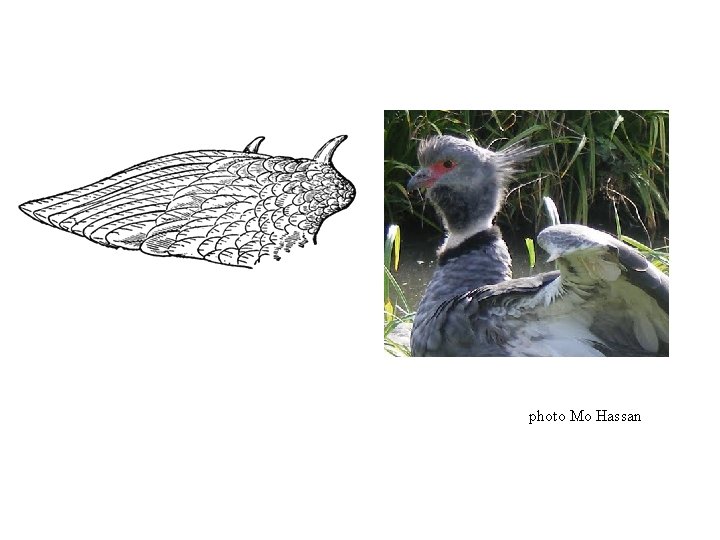
*ORDER ANSERIFORMES — Waterfowl & Screamers — 2 families; 161 species Range: worldwide Morphology/ecology: ancient group of swimming waterbirds; bill broad, flattened, lamellate or slender, serrate (mergansers); feet palmate; variety of foraging modes (filter feeders, fish eaters, shellfish eaters) Behavior: large clutches of unspotted eggs, only females incubate; precocial chicks leave nest upon hatching; brood parasitism within and between species is very widespread Other notes: Screamers have two knife-like spurs on leading edge of each wing, also very extensive air sacs that crackle when pressed, soar high into air and call (hence name) Important families: *Anatidae: swans, geese, ducks Anhimidae: screamers (South America)
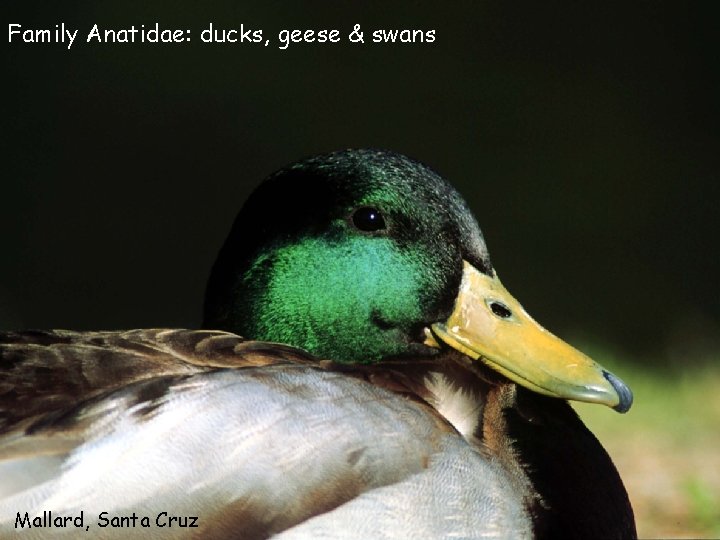
Family Anatidae: ducks, geese & swans Mallard, Santa Cruz
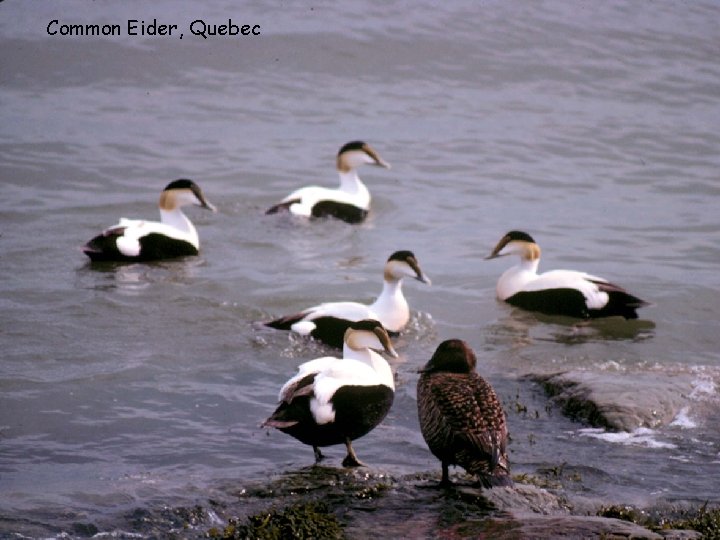
Common Eider, Quebec
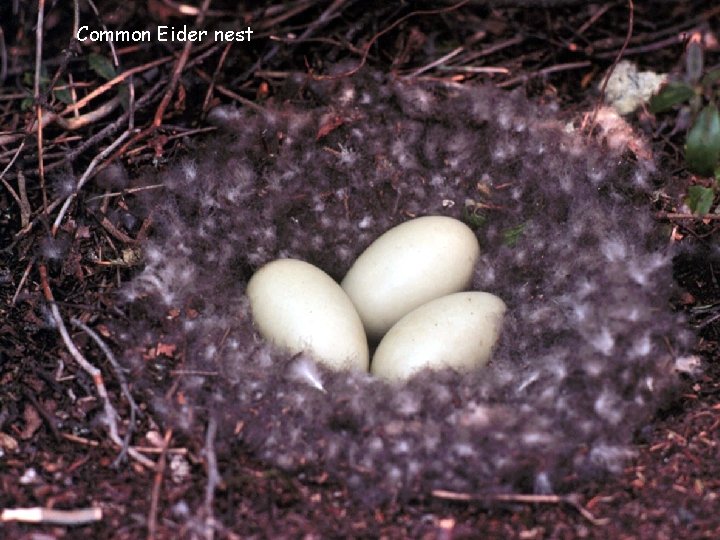
Common Eider nest
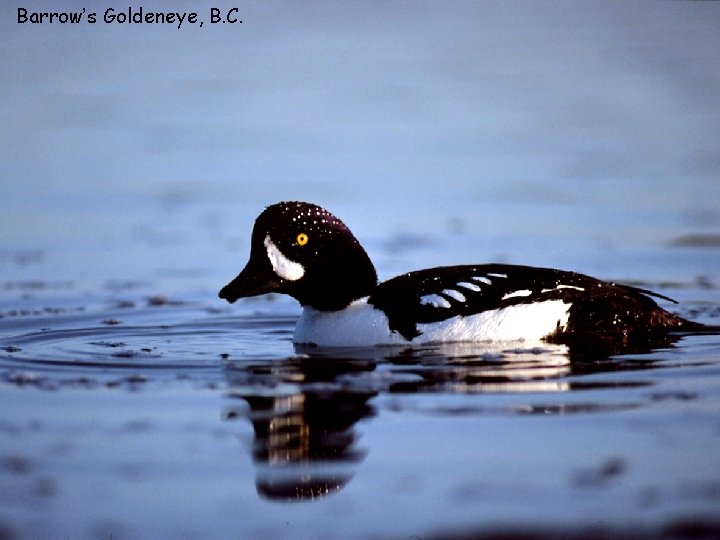
Barrow’s Goldeneye, B. C.
Adoption in Barrow’s Goldeneye
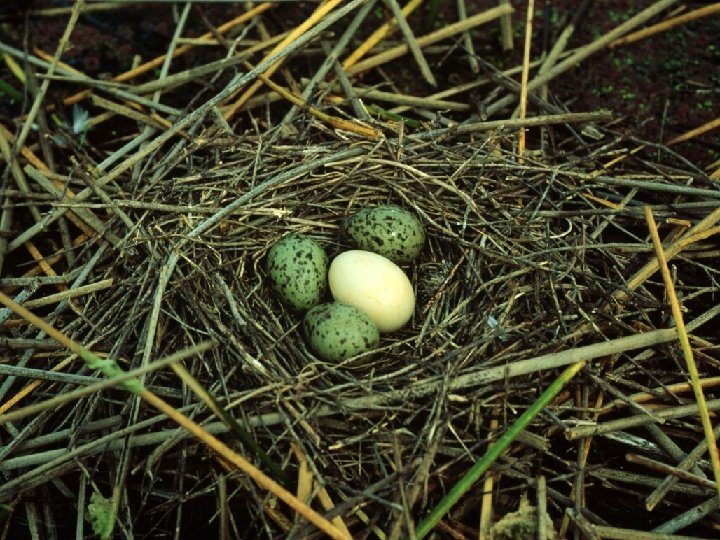
Interspecific nest parasitism Ruddy Duck Redhead
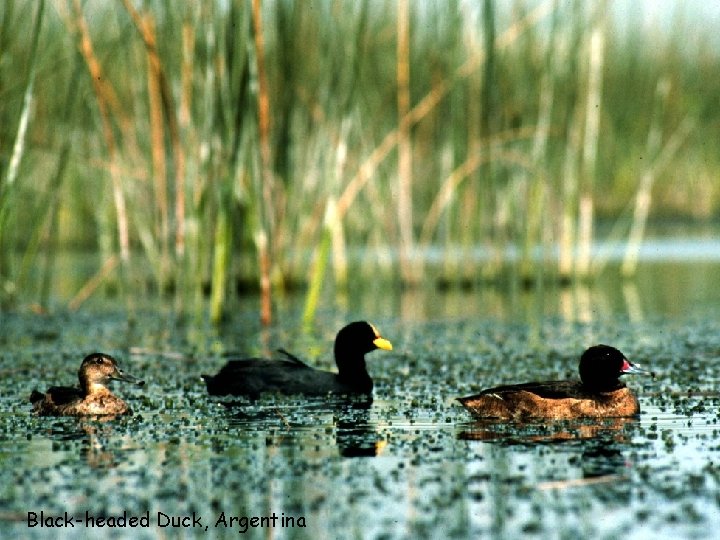
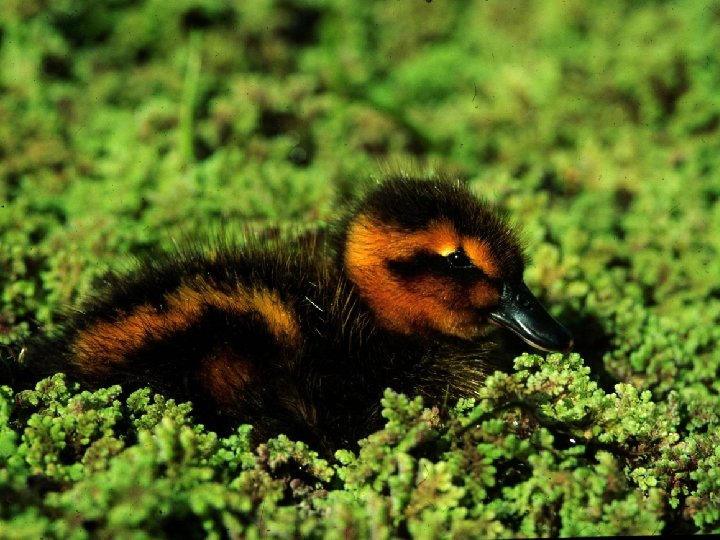
Black-headed Duck, Argentina
Black-headed Duckling in nest of Brown-hooded Gull
Magpie Geese, Australia
Family Anhimidae: screamers Southern Screamer, Argentina
photo Mo Hassan