
Thinking How the brain processes thought What is
Thinking How the brain processes thought.
What is “thinking”? • For our purposes, we will define thinking as the way the brain processes, stores and uses information. • The way information is processed and used, in combination with interpretation and the use of emotions is called the “mind”.
How most people think. . . • The brain “thinks” in two basic ways. – By creating “formulas”, or simplifications of what is really there. This allows you to process information faster. • What are the drawbacks of this for an artist? – By creating “patterns”. Patterns are shortcuts that allow the brain to skip over certain pieces of information as they are filed away. This allows faster processing. • What are the drawbacks of this system?
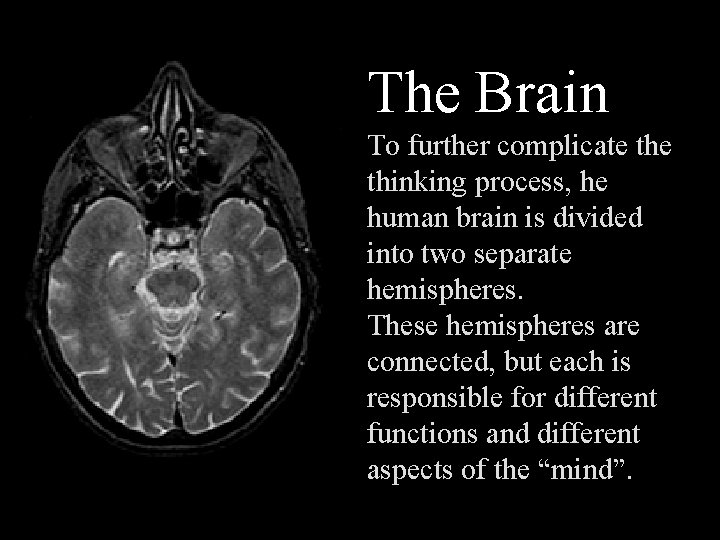
The Brain To further complicate thinking process, he human brain is divided into two separate hemispheres. These hemispheres are connected, but each is responsible for different functions and different aspects of the “mind”.
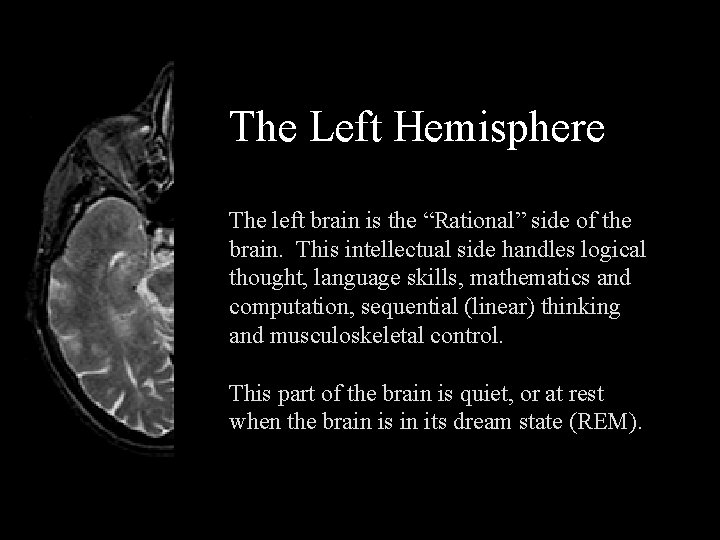
The Left Hemisphere The left brain is the “Rational” side of the brain. This intellectual side handles logical thought, language skills, mathematics and computation, sequential (linear) thinking and musculoskeletal control. This part of the brain is quiet, or at rest when the brain is in its dream state (REM).
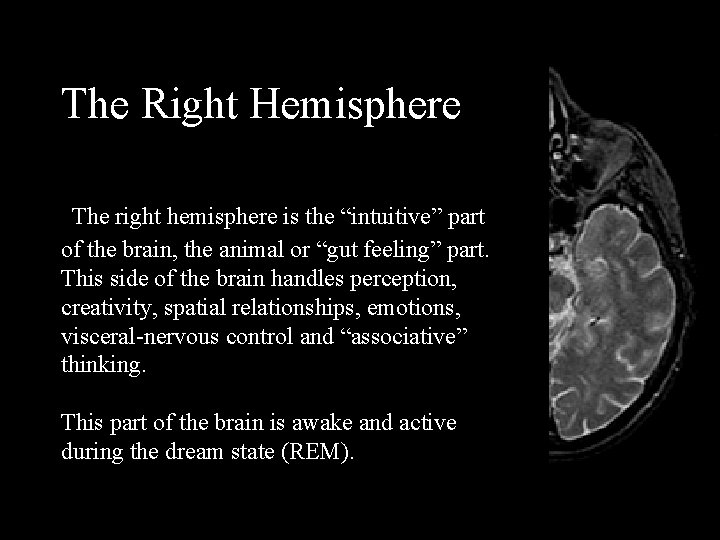
The Right Hemisphere The right hemisphere is the “intuitive” part of the brain, the animal or “gut feeling” part. This side of the brain handles perception, creativity, spatial relationships, emotions, visceral-nervous control and “associative” thinking. This part of the brain is awake and active during the dream state (REM).
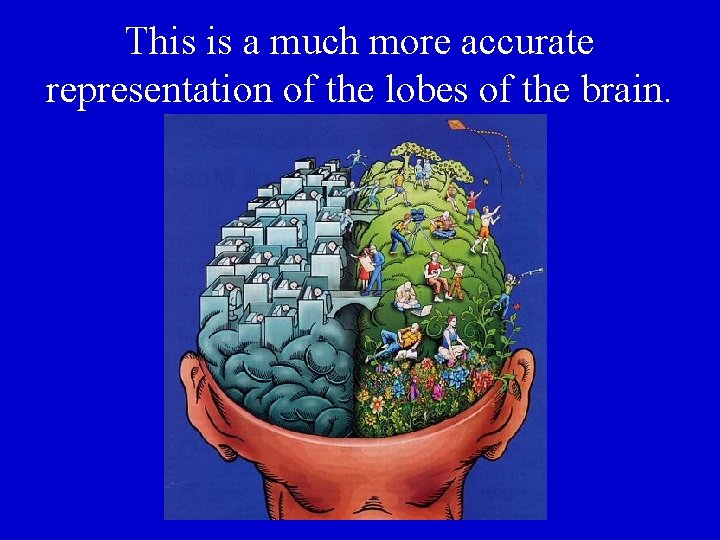
This is a much more accurate representation of the lobes of the brain.
Linear Thinking • Most educational systems teach what is known as “linear thinking”. • Linear Thinking is a method of thinking that takes information and stores it, based on how it relates to previously processed and stored information. – While this is excellent for processing speed and storage, there are two major drawbacks to this process of thinking.

Linear Thinking • Linear Thinking eliminates all but one possible solution to a problem. – This creates a problem if that one solution becomes unusable for any reason. • Linear Thinking tends to use the same neural pathways over and over. – This makes it difficult for a person to see other possible solutions to the problem.
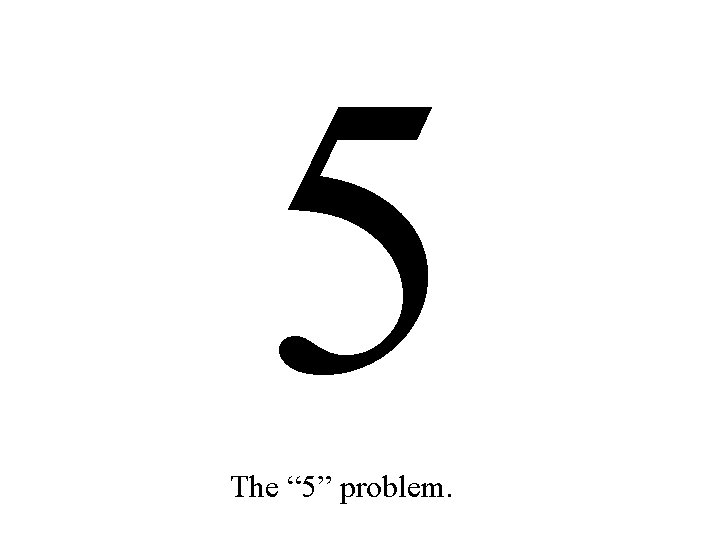
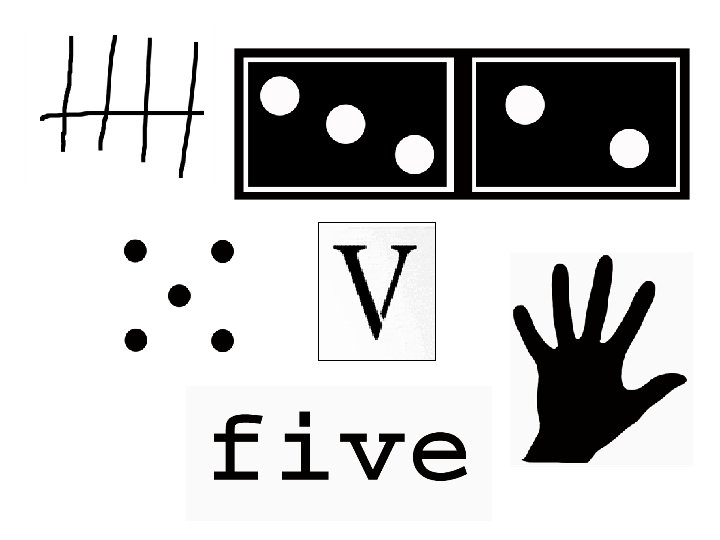
5 The “ 5” problem.
On a clean sheet of paper do the following. . . • • • In the upper left hand corner, draw a circle. In the upper right hand corner, draw a square. In the lower right hand corner, draw a rectangle. In the lower left hand corner, draw a triangle. In the center place five.
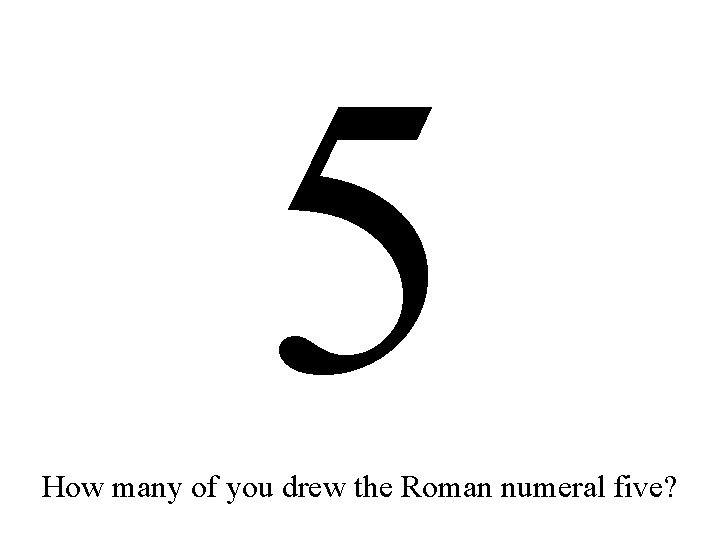
5 How many of you drew the Roman numeral five?
Why? • Because it was the simplest formula and the easiest pattern for the brain to pull out of your memory.
Take a look at the following examples. Aren’t each one of the following example legitimate solutions to the problem?
What is a neural pathway?
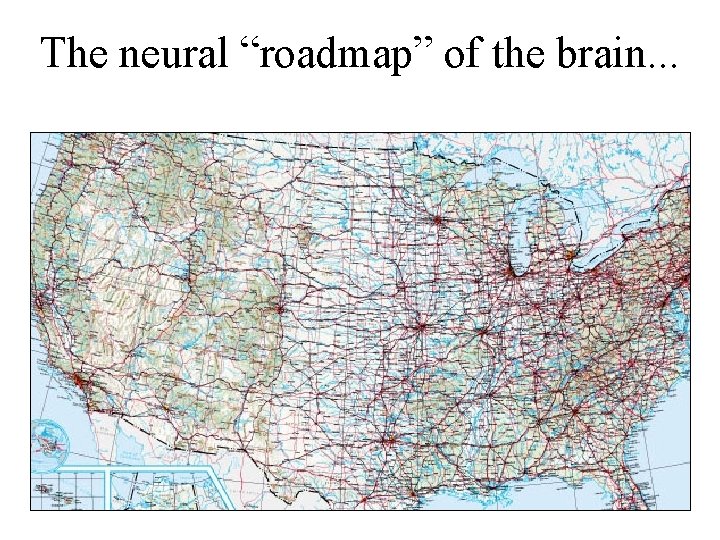
The neural “roadmap” of the brain. . .

At birth, all the neural pathways are open.
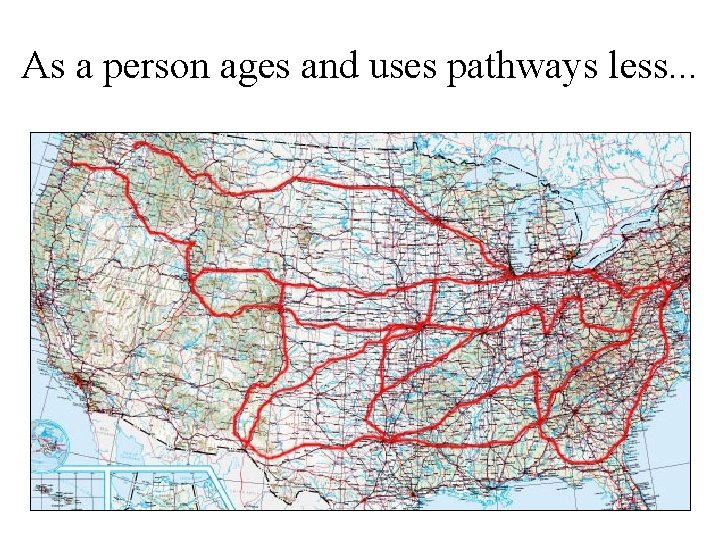
As a person ages and uses pathways less. . .

the unused pathways all disappear. . .
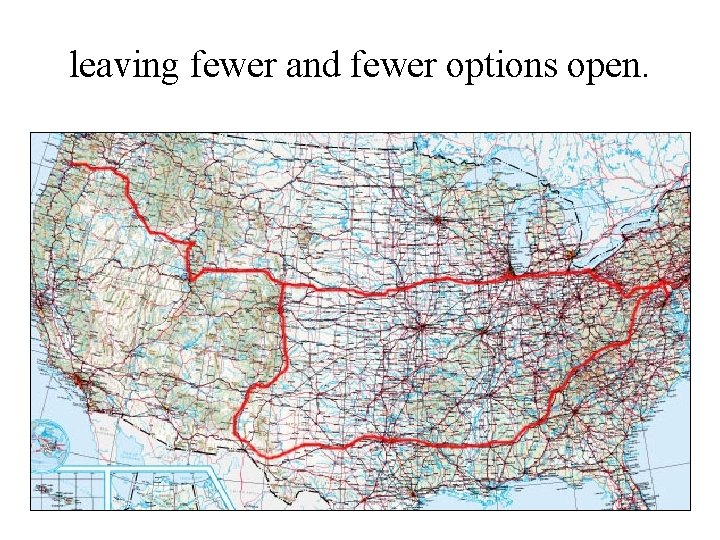
leaving fewer and fewer options open.

Until only very few remain.
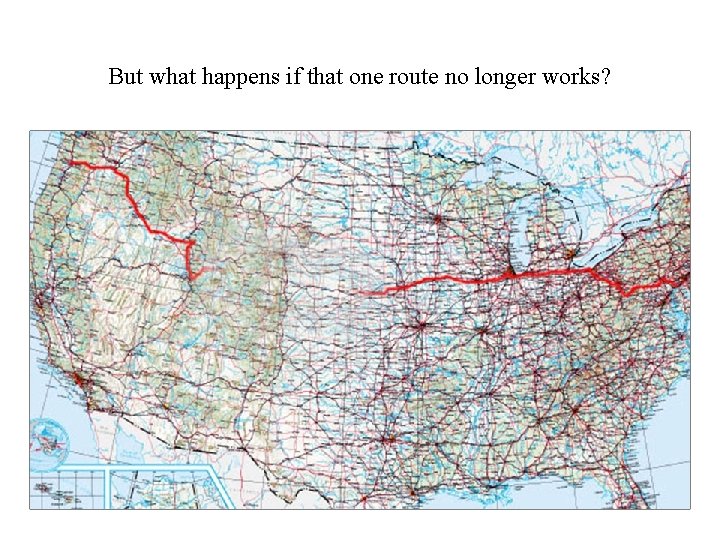
But what happens if that one route no longer works?
Divergent Thinking vs. Convergent Thinking • The goal of divergent thinking is to generate many different solutions to a problem in a short period of time. • Divergent thinking typically occurs in a spontaneous, free-flowing manner, such that the ideas are generated in a random, unorganized fashion. – Following divergent thinking, the ideas and information will be organized using convergent thinking, putting the various ideas back together in some organized, structured way.
Divergent Thinking vs. Convergent Thinking • The goal of convergent thinking is to eliminate all but one solution to a problem. • Convergent thinking is what you have been primarily taught through most of your educational process. – The problem with convergent thinking is the same as eliminating neural pathways. – What if there is a flaw in that one solution, or if you find a circumstance where that one solution is rendered unworkable? See Apollo 13 carbon dioxide problem.
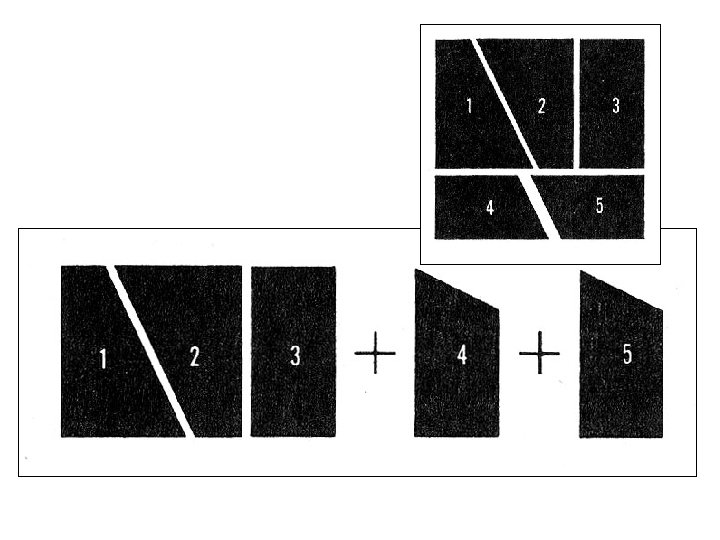
How does Linear Thinking work? • This is a real life example of how the linear method of processing and accessing information works (and doesn’t work).
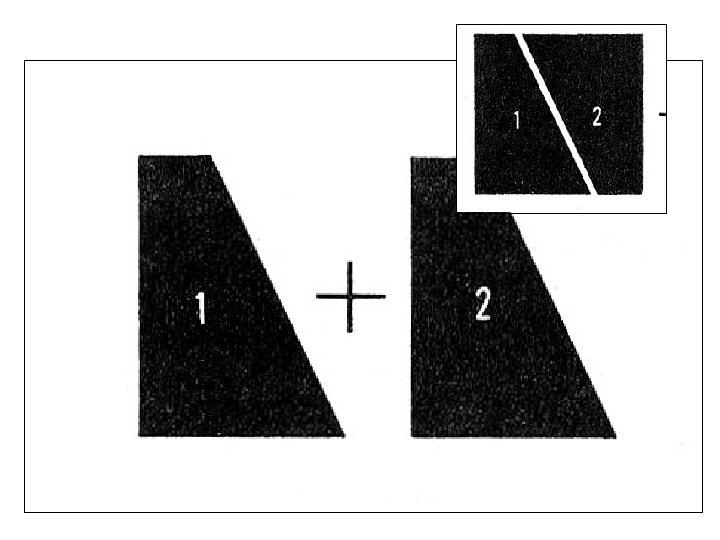
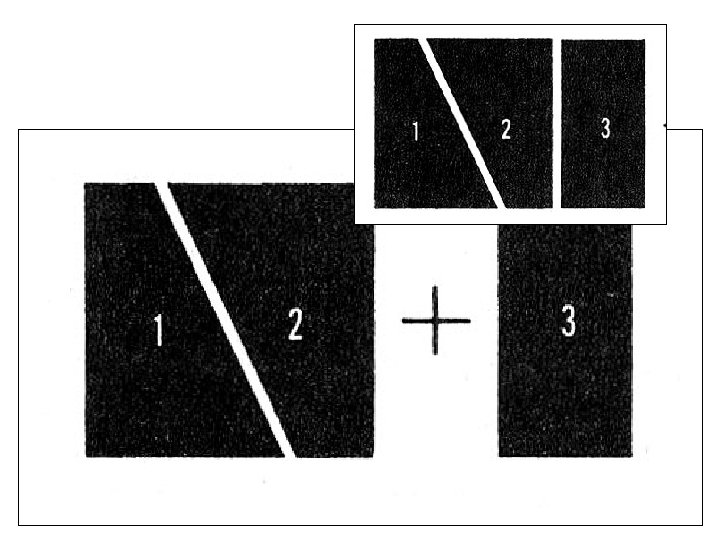
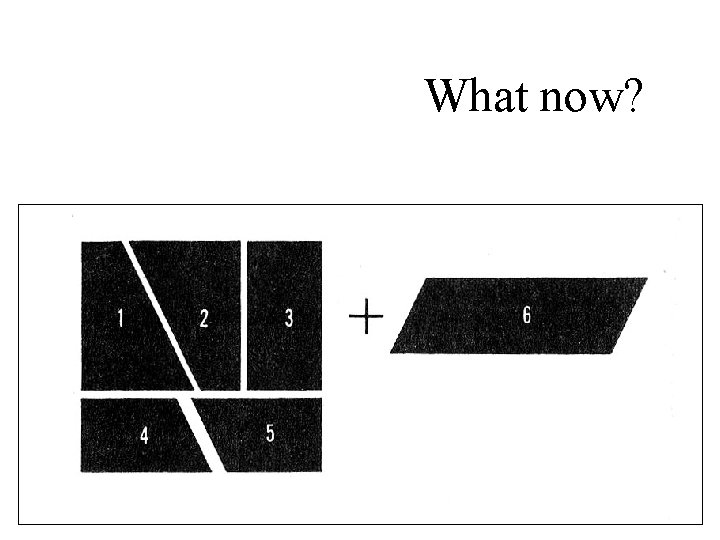
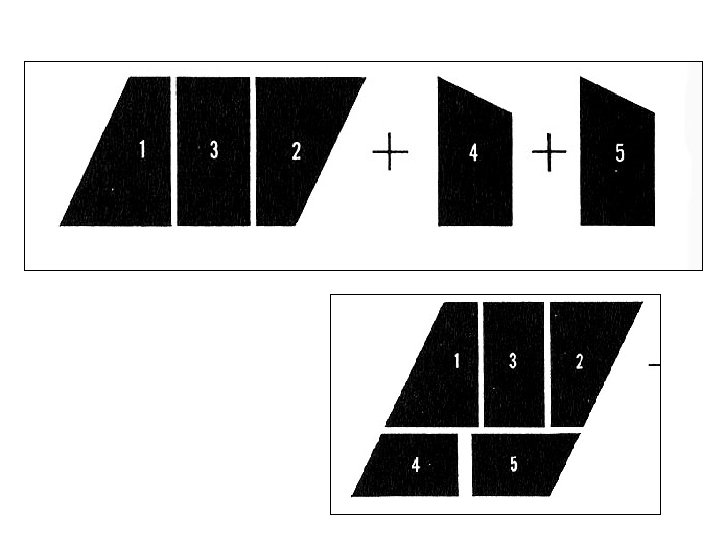
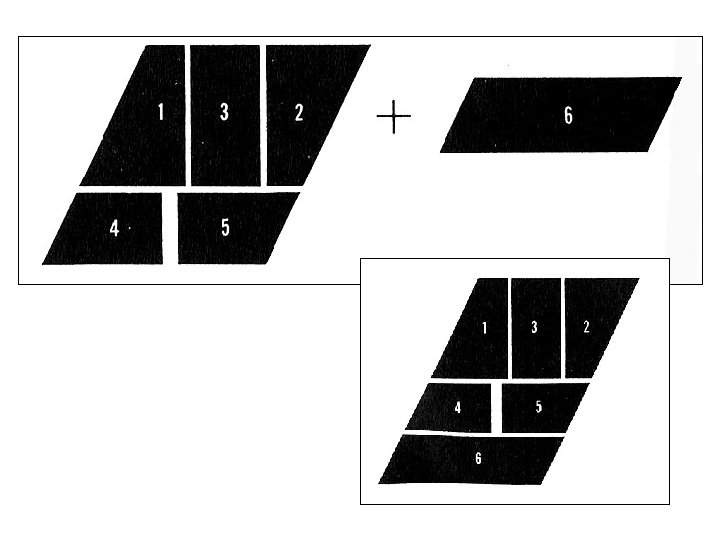
What now?
What is “Lateral Thinking”? • Lateral Thinking is a method of seeing the information different context, organizing it in a way to allow the person to rearrange it so that it can be used to create a variety of solutions to any given problem.
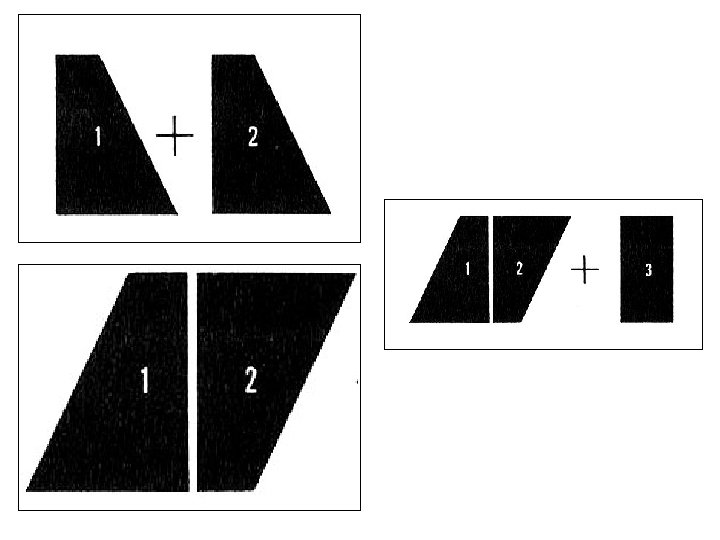
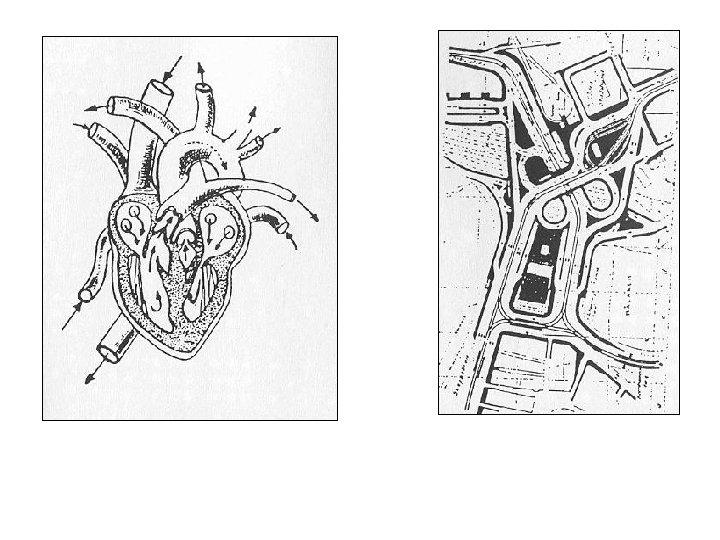
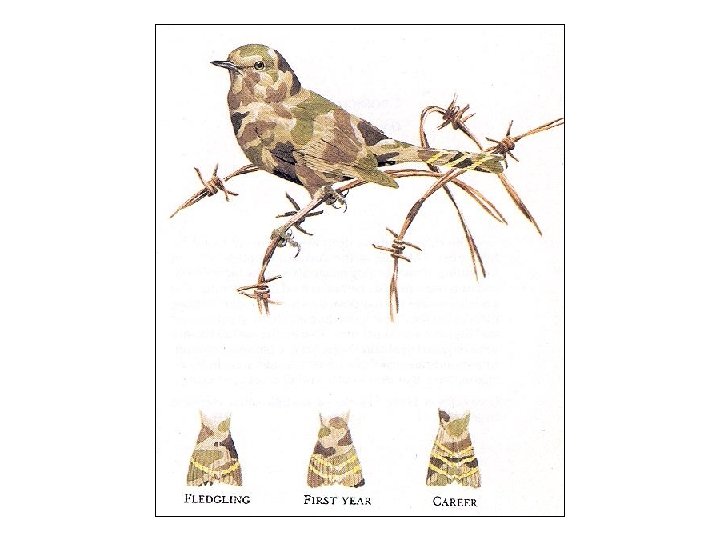
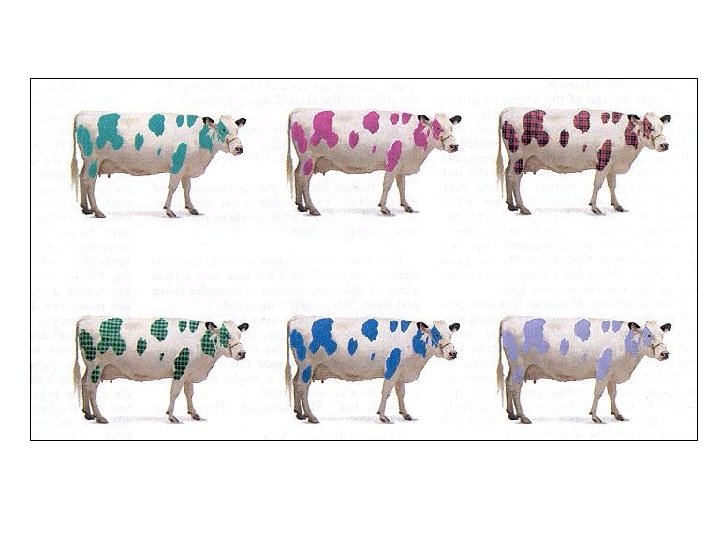
What is “Analytical Thinking”? • Analytical Thinking is a method of Lateral Thinking (a lateral thinking skill) that forces the user to re-examine the context of a given piece of information. – We will be using “forced analogies”. • An analogy is a connection between two things. • A forced analogy is creating (or finding) a connection where none exists (or seems to exist).

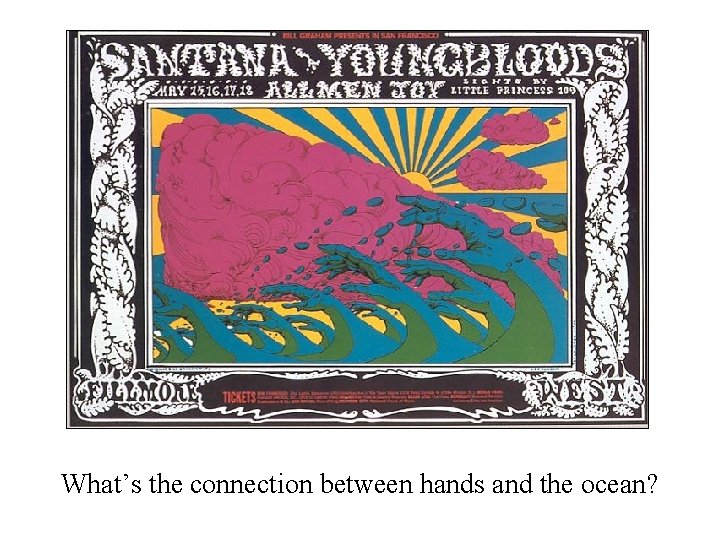
What’s the connection between hands and the ocean?
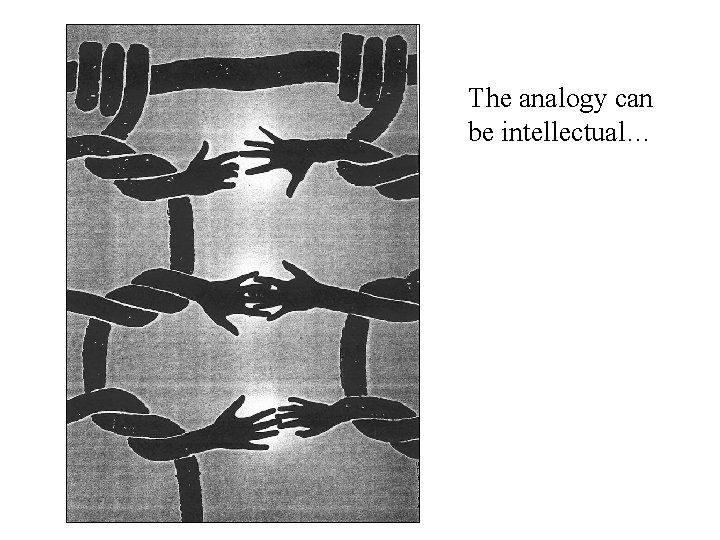
The analogy can be intellectual…
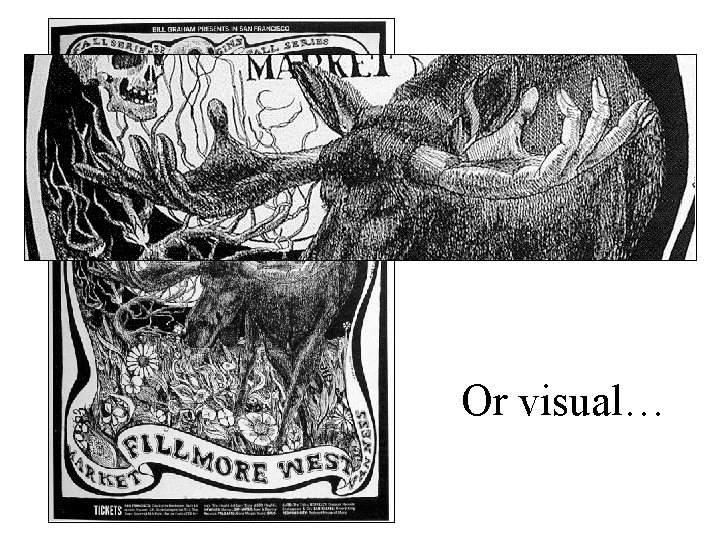
Or visual…
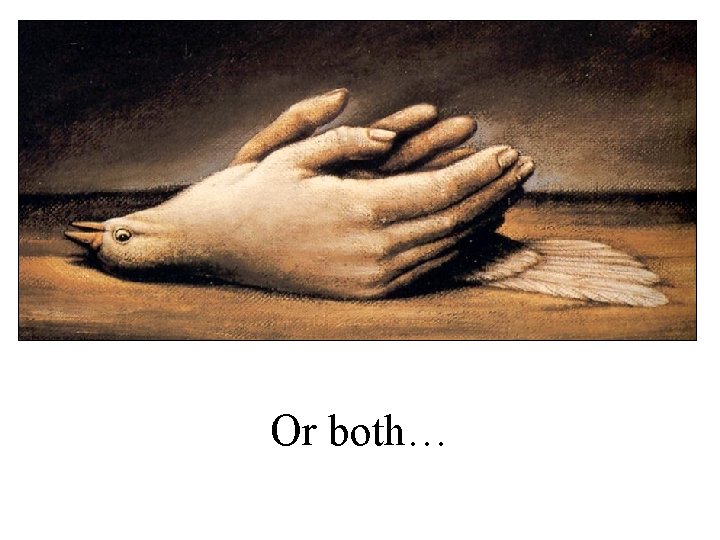
Or both…
Critical Thinking is… the process we use to reflect on assess and judge the assumption underlying our own and others ideas and efforts. • Critical Thinking Involves – – Recognizing underlying assumptions. Scrutinizing arguments. Judging ideas. Judging the rationality of these justifications by comparing them to a range of varying interpretations and prospective. – Providing positive as well as negative appraisal.
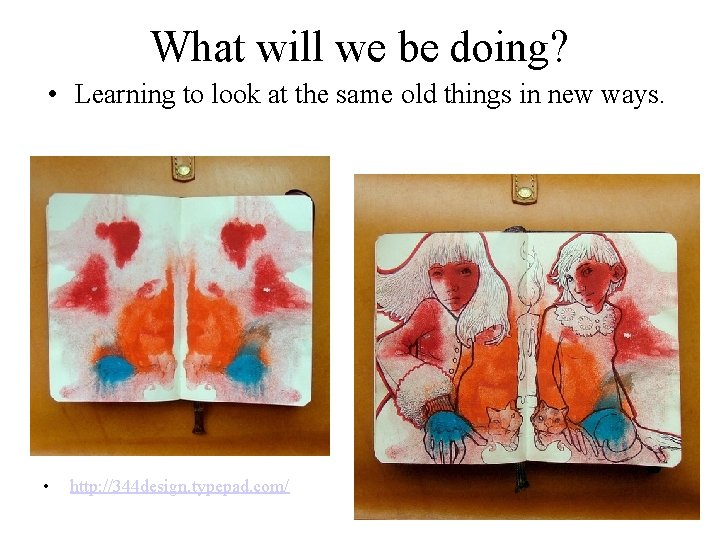
What will we be doing? • Learning to look at the same old things in new ways. • http: //344 design. typepad. com/
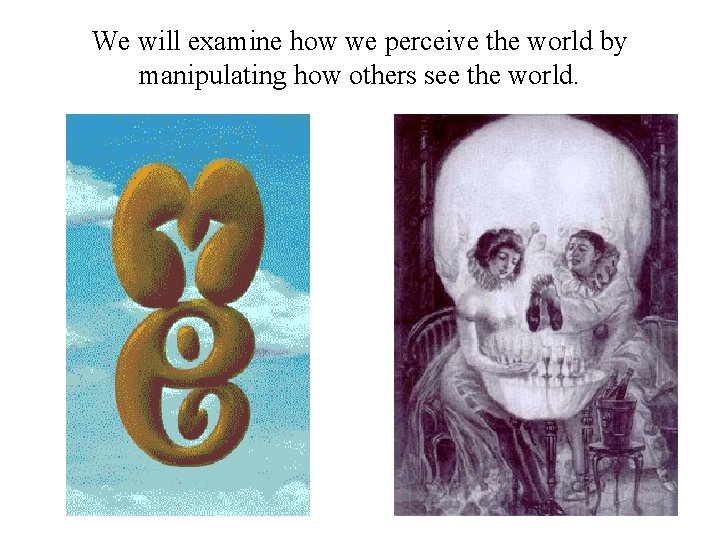
We will examine how we perceive the world by manipulating how others see the world.

We will explore multiple solutions to a given problem.
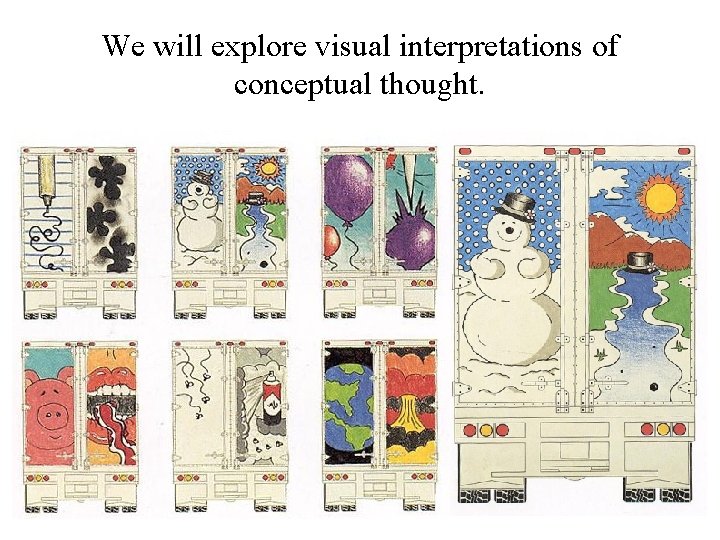
We will explore visual interpretations of conceptual thought.
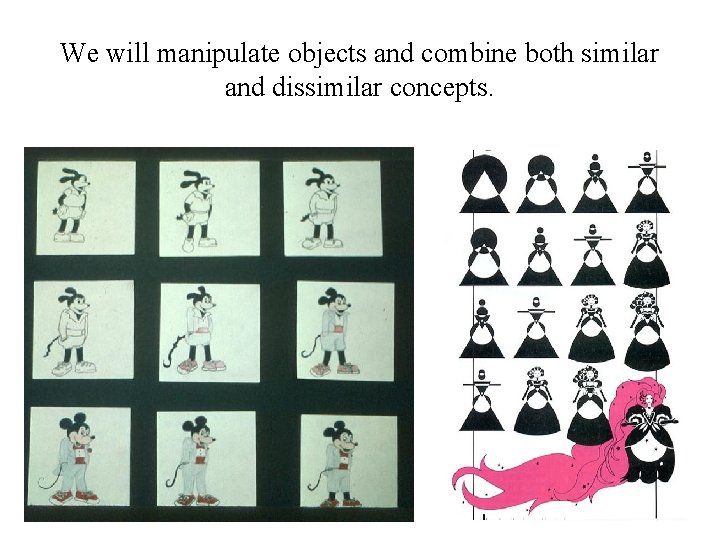
We will manipulate objects and combine both similar and dissimilar concepts.
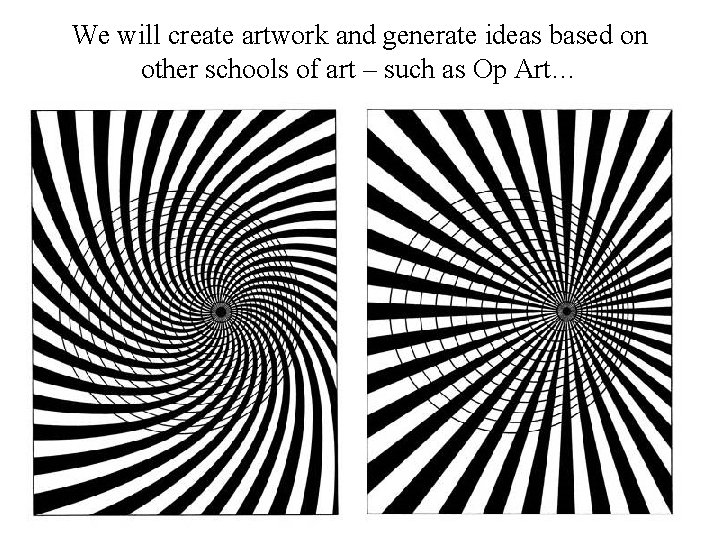
We will create artwork and generate ideas based on other schools of art – such as Op Art…
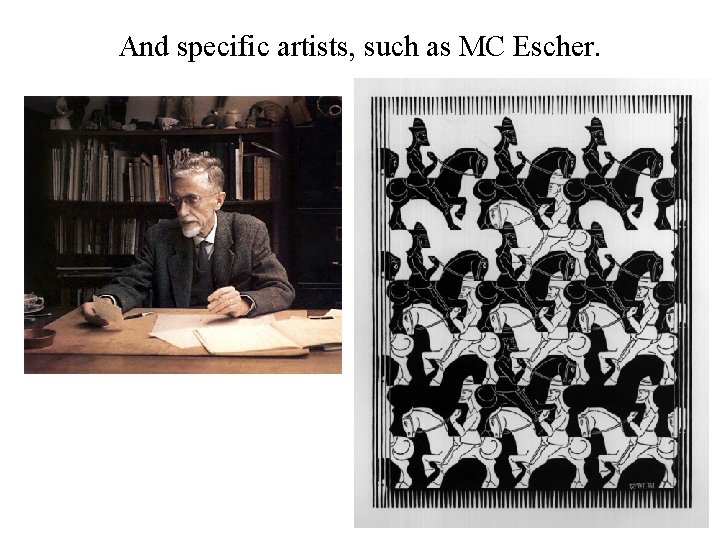
And specific artists, such as MC Escher.

- Slides: 52