
Think Family Safeguarding PLT 2018 Aims To support
- Slides: 56
Think Family Safeguarding PLT 2018
Aims • To support a “Think Family” approach to safeguarding. • To protect and promote the needs of babies, children, survivors of domestic abuse and adults at risk.
Objectives • Understand the types of abuse affecting children and adults at risk. • Knowing what to look for; signs which may indicate abuse of a child or at risk adult. • Being able to respond to your concerns; seek advice, escalate issues or make a referral as appropriate.
What is safeguarding? • “Safeguarding means protecting people’s health, wellbeing and human rights, and enabling them to live free from harm, abuse and neglect. It is fundamental to creating high-quality health and social care. ” • CQC, 2012
What is significant harm? • Significant Harm The Children Act 1989 defines ‘harm’ as “ill-treatment or the impairment of health or development”. ‘Development’ means physical, intellectual, emotional, social or behavioural development; ‘health’ means physical or mental health; and ‘ill-treatment’ includes sexual abuse and forms of ill-treatment which are not physical.
What is abuse? • “Abuse is a violation of an individual’s human and civil rights by any other person. ”
WHY DO WE NEED TO SAFEGUARD? • Compassion and integrity • Professional codes of conduct • Organisational obligations/ policy • Law
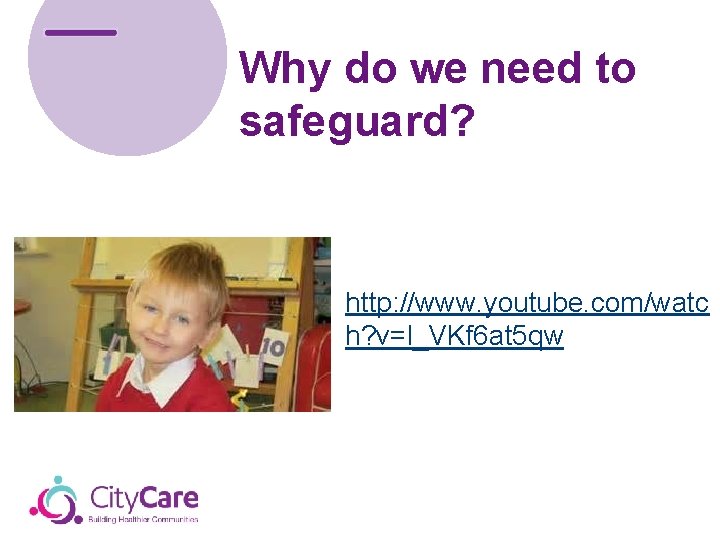
Why do we need to safeguard? http: //www. youtube. com/watc h? v=l_VKf 6 at 5 qw
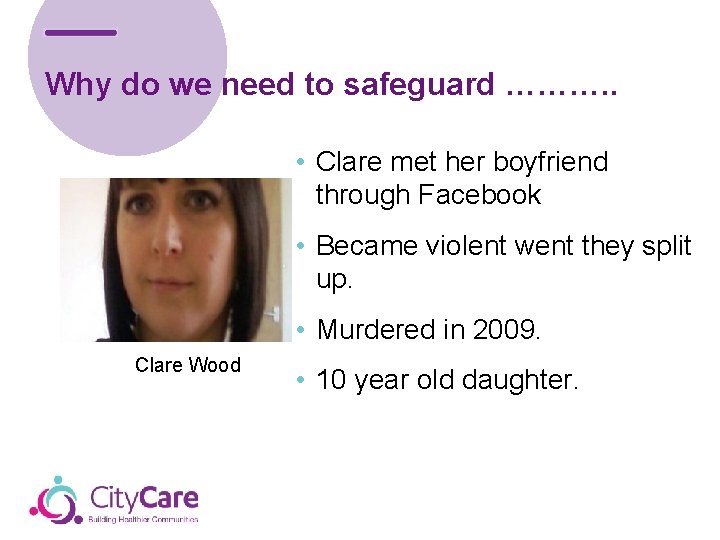
Why do we need to safeguard ………. . • Clare met her boyfriend through Facebook • Became violent went they split up. • Murdered in 2009. Clare Wood • 10 year old daughter.
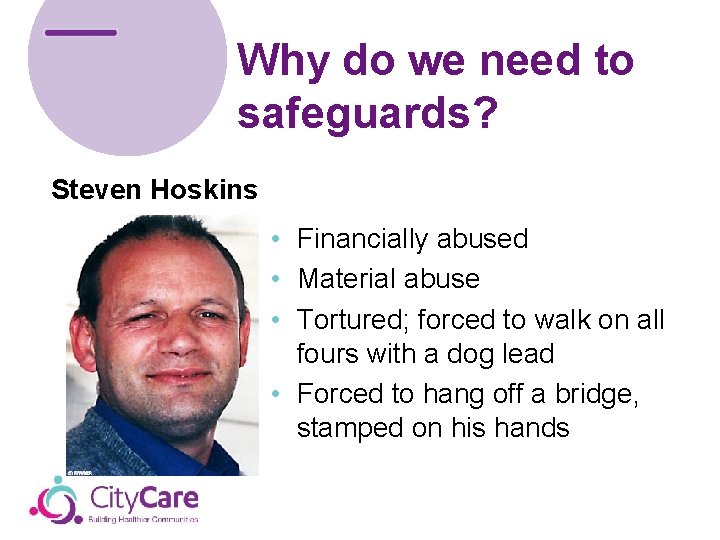
Why do we need to safeguards? Steven Hoskins • Financially abused • Material abuse • Tortured; forced to walk on all fours with a dog lead • Forced to hang off a bridge, stamped on his hands
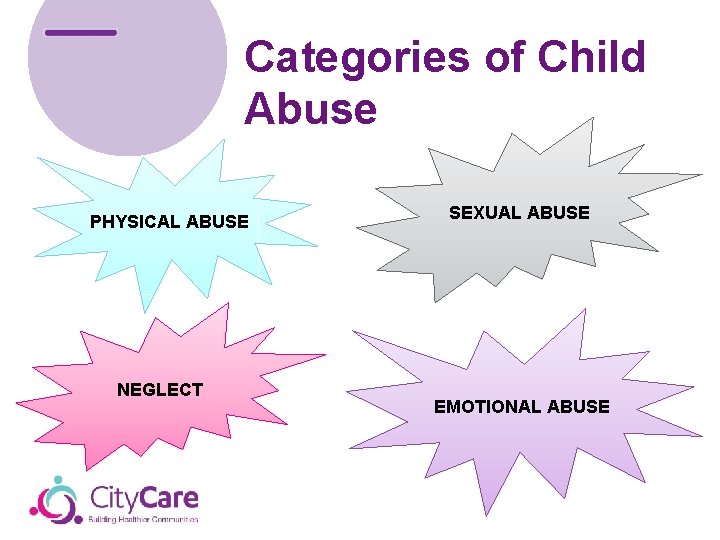
Categories of Child Abuse PHYSICAL ABUSE NEGLECT SEXUAL ABUSE EMOTIONAL ABUSE
Recognition of child abuse How would you recognise the following types of abuse in a child? • Neglect • Physical abuse • Emotional abuse • Sexual abuse
Physical Abuse “A form of abuse which may involve hitting, shaking, throwing, poisoning, burning or scalding, drowning, suffocating or otherwise causing physical harm to a child. Physical harm may also be caused when a parent or carer fabricates the symptoms of, or deliberately induces, illness in a child”. Working Together 2013
Bruises and marks • LSCB guidance. • Bruises in a pre-mobile baby are very unusual. • Bruises should be assessed taking into consideration social and medical history, developmental stage and explanation given. • More concerning bruises include those away from bony areas, those suggesting an implement has been used and clusters of bruises. • Always seek the child’s explanation.
Fabricated and Induced Illness • Relatively rare • Complex – don’t discuss with parent / carer • http: //nottinghamshirescb. proceduresonline. com/i ndex. htm
Sexual Abuse “Involves forcing or enticing a child or young person to take part in sexual activities, not necessarily involving a high level of violence, whether or not the child is aware of what is happening. The activities may involve physical contact, including assault by penetration (for example, rape or oral sex) or non-penetrative acts such as masturbation, kissing, rubbing and touching outside of clothing. They may also include non-contact activities, such as involving children in looking at, or in the production of, sexual images, watching sexual activities, encouraging children to behave in sexually inappropriate ways, or grooming a child in preparation for abuse (including via the internet)” Working Together 2013
Impact of Social Media • A method of grooming – encouraging a child to have sexual conversations or share images of themselves. • False sense of security – initially child feels they are ‘safe’ as they are at home. • Perpetrators can pretend to be who they like. • Risks of bullying from other children – cyberbullying is constant and online humiliation is witnessed by thousands.
Neglect “The persistent failure to meet a child’s basic physical and/or psychological needs, likely to result in the serious impairment of the child’s health or development”. Working Together 2013
Medical Neglect • https: //www. youtube. com/watch? v=Efxnqk. AR 3 B 4
Emotional Abuse “The persistent emotional maltreatment of a child such as to cause severe and persistent adverse effects on the child’s emotional development. “ Working Together 2013
FGM – Female Genital Mutilation • Cutting or removal of female genitalia to varying degrees • Identification • Illegal to have FGM done in this country – illegal to travel to another for that purpose. • https: //www. fgmelearning. co. uk/ • FGM helpline: 0800 028 3550
Child trafficking • Trafficking from abroad and within the UK. • Purpose • Indicators • Narrow window of intervention • NSPCC Child Trafficking Advice Centre: Tel: 0808 800 5000
Working Together to Safeguard Children (2015) • A “child centred and coordinated approach to safeguarding” • Early Help • Assessment • The child’s voice
What is Think Family? • Think family developed to support families with complex difficulties such as poor parental mental health, criminality, drug / alcohol abuse, poverty and social exclusion • Translates to all families who have members in receipt of health and social care to ensure better health and social outcomes for our population. http: //www. scie. org. uk/publications/ataglance/at aglance 09. asp
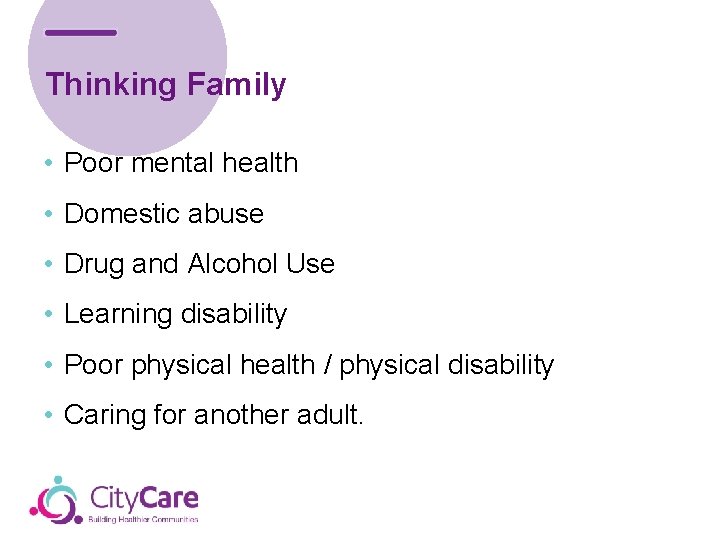
Thinking Family • Poor mental health • Domestic abuse • Drug and Alcohol Use • Learning disability • Poor physical health / physical disability • Caring for another adult.
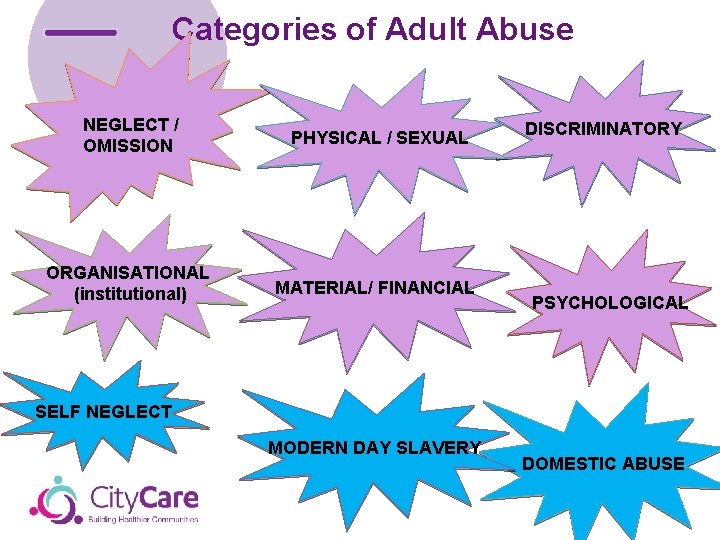
Categories of Adult Abuse NEGLECT / OMISSION PHYSICAL / SEXUAL ORGANISATIONAL (institutional) MATERIAL/ FINANCIAL DISCRIMINATORY PSYCHOLOGICAL SELF NEGLECT MODERN DAY SLAVERY DOMESTIC ABUSE
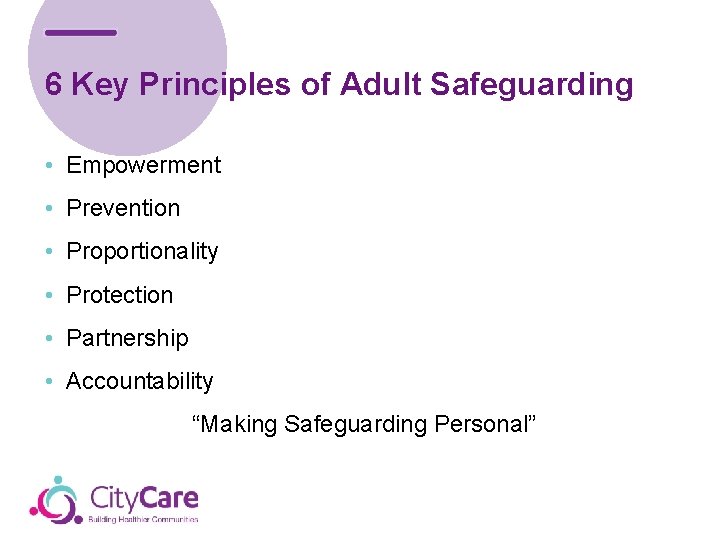
6 Key Principles of Adult Safeguarding • Empowerment • Prevention • Proportionality • Protection • Partnership • Accountability “Making Safeguarding Personal”
What makes this man at risk? What types of abuse is he suffering? What might stop him reporting this abuse? If he does want to seek help who might he turn to? http: //www. youtube. com/watch? v=vsoof. NS_a. Uk
Remain child or adult at risk focused “Effective safeguarding systems are child centred. Failings in safeguarding systems are too often the result of losing sight of the needs and views of the children within them, or placing the interests of adults ahead of the needs of the children. ” Working Together, 2013
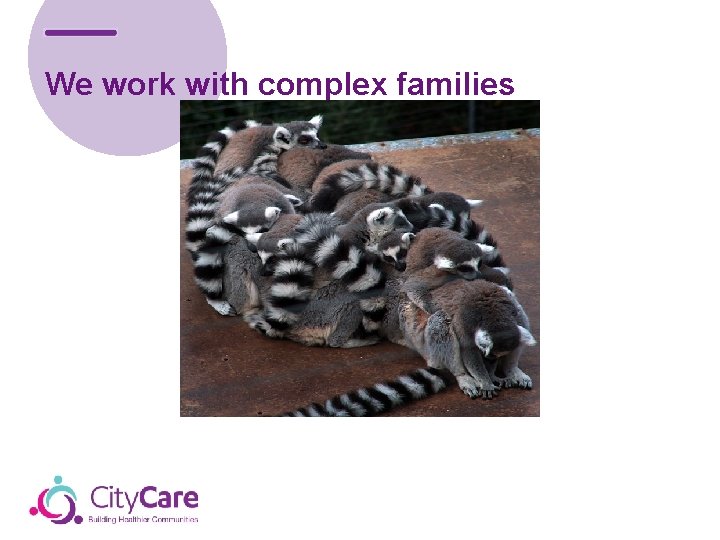
We work with complex families
Domestic Abuse Any incident or pattern of incidents of controlling, coercive or threatening behaviour, violence or abuse between those aged 16 or over who are or have been intimate partners or family members regardless of gender or sexuality. This can encompass but is not limited to the following types of abuse: Psychological, physical, sexual, financial and emotional This definition includes so called 'honour’ based violence, female genital mutilation (FGM) and forced marriage, and is clear that victims are not confined to one gender or ethnic group. Home Office 2013 http: //www. womensaid. org. uk/domestic-violencearticles. asp? section=0001002200410001&itemid=1272&item. Title=What+is+domestic+violence
DOMESTIC ABUSE Research shows that domestic violence is most commonly experienced by women and perpetrated by men. http: //www. womensaid. org. uk/domestic_violence_topic. asp? section=000100220041§ion. Title=Domestic+violence+%28 general%29
Impact of Domestic Abuse • 1: 10 women will have experienced domestic violence today • Domestic violence has repeatedly been identified as a major factor leading to death in or related to pregnancy and childbirth • 30% of incidents of abuse against women begin during pregnancy • 45% of women homicide victims are murdered by their present or former partners http: //www. womensaid. org. uk/domestic_violence_topic. asp? section=000100220041§ion. Title=Domestic+violence+%28 general%29
Impact on children. • Witnessing the abuse of another is itself emotional abuse. • Ability to parent when facing abuse. • Children ‘caught in the crossfire’. • Toxic environment – stress levels in the womb and in the home. • Emotional impact / role modelling of behaviour.
Domestic Abuse and Children • 750, 000 children witness domestic violence every year • 50 children a year may experience the killing of their mothers Women’s Aid http: //www. womensaid. org. uk/domestic-violence-survivors-handbook
Domestic Abuse and Healthcare • 100, 000 women seek medical treatment for injuries inflicted by their violent partners each year • Victims of domestic abuse are 15 times more likely to abuse alcohol • 9 times more likely to abuse drugs • 60% of abused women are diagnosed with depression • Disabled women are twice as likely to be abused by their partner or carer. http: //www. womensaid. org. uk/domestic_violence_topic. asp? section=0001002200 41§ion. Title=Domestic+violence+%28 general%29
Managing Domestic Abuse • Ask Ask…. . Don’t be scared to ask – there is a lot of support to help you manage a disclosure. • Tell your manager or safeguarding lead to ensure a DASH-RIC form is completed. • Signpost to Women’s Aid and the Police. • Refer to DART.
“Gut Feeling” “Intuitions, or gut feelings, are sudden, strong judgments whose origin we can't immediately explain. ” Psychology Today (http: //www. psychologytoday. com/article s/200704/gut-almighty) accessed 7/1/14
Dealing with a disclosure of abuse • Listen and allow the person to speak freely • Reassure (don’t promise) • Explain that based on what they have told you they may need help or support to be kept safe • Never promise to keep secrets • Tell them that you will be sharing the information with the PN, GP, your manager or Safeguarding Lead.
Documentation • Collect as much information as you can/ appropriate to the situation • Document any conversations and telephone calls (including names and job titles) • Use a body map to record any injuries if appropriate
Dare to share………. ! • Share with consent where appropriate/ possible • Data Protection Act (1998) is not a barrier to sharing information • Seek advice if you are uncertain from safeguarding Lead • Necessary, proportionate, relevant, accurate, timely and secure • Keep a record of your rationale
Prevent • Prevent part of the UK’s Counter Terrorism Strategy known as CONTEST. • Prevent works to stop individuals from getting involved or supporting terrorism or extremist activity. • Radicalisation is a psychological process where vulnerable and/or susceptible individuals are groomed to engage into criminal/terrorist activity. • The Prevent Agenda is designed to safeguard people in the same way as we safeguarding children or adults at risk from all other forms of abuse.
Radicalisation • Prevent operates within the “pre-criminal space” • It recognises that vulnerable individuals may be deliberately targeted by groups or individuals who seek to radicalise them. This could be either on line or face to face contact. • Prevent is a multi disciplinary approach which safeguards individuals that may be at risk of radicalisation. • Prevent provides a mechanism for offering early support and intervention.
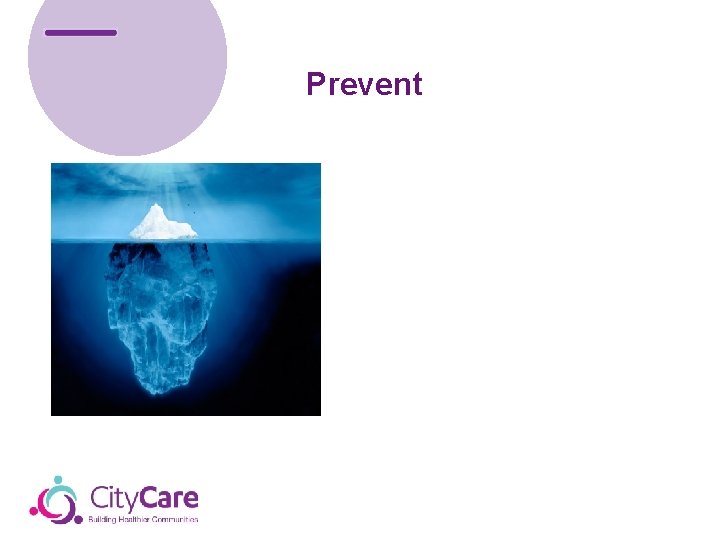
Prevent
Counter – Terrorism and Security Act 2015 In April 2015, the Prevent Statutory Duty : Section 26 of the Counter-Terrorism and Security Act 2015 was made a statutory responsibility for the health sector. The Duty stated that the health sector needed to demonstrate “due regard to the need to prevent people from being drawn into terrorism”.
Hate crime concerns • The NSPCC reported in 2017 that the tense political climate is resulting in a spike in the number of British children being exposed to race and faith-based bullying. • The NSPCC has observed a recent increase in the number of young people contacting its support service, Child. Line, to ask for help after being subjected to victimisation because of their religion or ethnic background. • Children as young as nine are among those who have contacted the service over this issue.
What do I need to do if I have concerns about a child or adult • Notice • Check City. Care Safeguarding 8786403 or 999 if there is an immediate risk • Share • All suspicions or incidents of abuse must be reported in a timely fashion .
Useful contacts • https: //www. gov. uk/report-terrorism • Nottinghamshire Police Prevent Team prevent@nottinghamshire. pnn. police. uk or call 101 and ask for Nottinghamshire's Prevent Team. • https: //www. nottinghamcity. gov. uk/communityprotection/hate-crime/ • https: //www. elearning. prevent. homeoffice. gov. uk/mentalh ealth.
Making a safeguarding referral • Adults; Nottingham Health and Care Point (Adult Social Care and Health) Tel: 0300 1310 300 option 2 Email ; adultcontact@nottinghamcity. gcsx. uk • Children and Families Direct- 0115 876 4800 Email: candfdirect@nottinghamcity. gcsx. gov. uk
Referral Cont…. . • County MASH: 0300 500 8090 • Emergency Duty Team: 0115 876 5600 • DO NOT FAX – use a secure email acct i. e NHS. net – ensure receiving acct is also secure (C&F GCSX)
Emergency Duty Team • Nottingham City Social Care. • Out of hours advice for children and adults at risk. • 8: 00 pm until 8: 30 am Mon – Fri • 24 hours over the weekend. • 0115 8761000
If the referral is declined • Question the rationale • Seek support from your manager • Contact your Designated Professionals to escalate where necessary • Escalation procedure.
Citycare safeguarding • • • Named Nurse: Lucy Chambers Named Doctors: Sandy Taylor and Diamond Emmanuel. Safeguarding Service Manager: Jo Williams. Domestic Abuse Nurse Specialist: Hester Litten. Safeguarding Practitioners; Karen Turton and Hayley Wright. Acting Lead Practitioner Safeguarding Adults and Mental Capacity Act: Katy Hallett. City. Care Safeguarding advice 0115 8786403
Thank-you for listening!
References- Adults and Domestic Abuse • Cornwall Adult Protection Committee (2007) The Murder of Steven Hoskins Serious Case Review http: //nwtdt. com/Cornwall/Adult%20 protection%20 committee%20 Steven%20 Hoskins. pdf • Department of Health (2000) No Secrets. Stationary Office • Mencap mencap. org. uk • Nice (2014) Domestic Violence and Abuse; How health and Social Care and the organisations that they Work with can respond effectively Public Health Guidance 50. Nice. London • SCIE Social Care Institute for Excellence http: //www. scie. org. uk/topic/people/olderpeople • Women’s’ Aid-http: //www. womensaid. org. uk/
References - Children • Coventry Safeguarding Children’s Board (2014) http: //www. coventrylscb. org. uk/dpelka. html • Department of Education (2013) Working Together to Safeguarding Children. Crown. London • Department of Education (2012) The Munro Report. Crown. London • The Stationary Office (2003) The Victoria Climbie Report. Crown. London