
THINGS THAT MAKE YOU GO HMMM IS IT

- Slides: 24
THINGS THAT MAKE YOU GO HMMM…. . “IS IT GOOD IF A VACUUM REALLY SUCKS? ”
CASE # 7 Feline Leukemia
PATIENT PRESENTATION
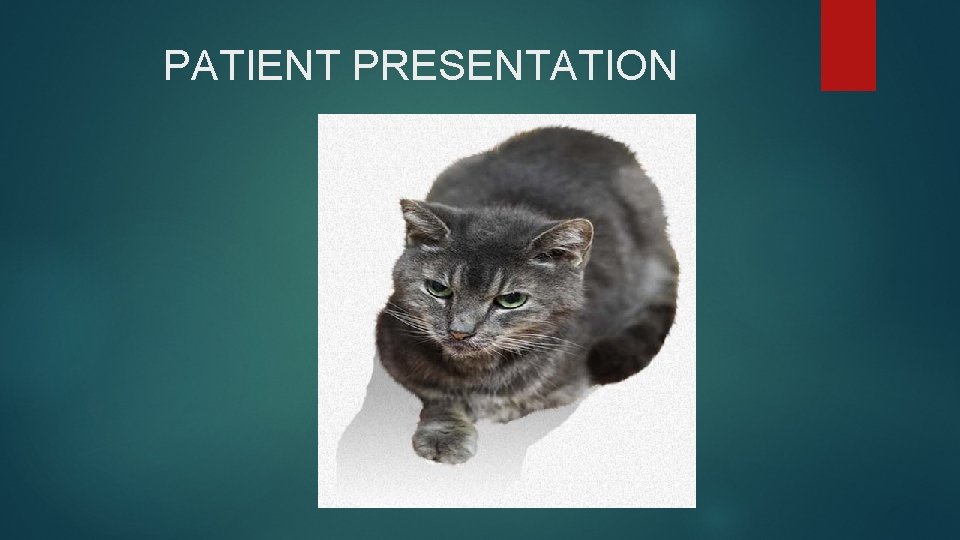
PATIENT PRESENTATION SIGNALMENT: ~2 -3 yr old intact male DSH PRESENTING COMPLAINT: cat seems to have lost weight in the last few months and seems lethargic Hx: unknown, client feeds this stray cat who is very friendly.
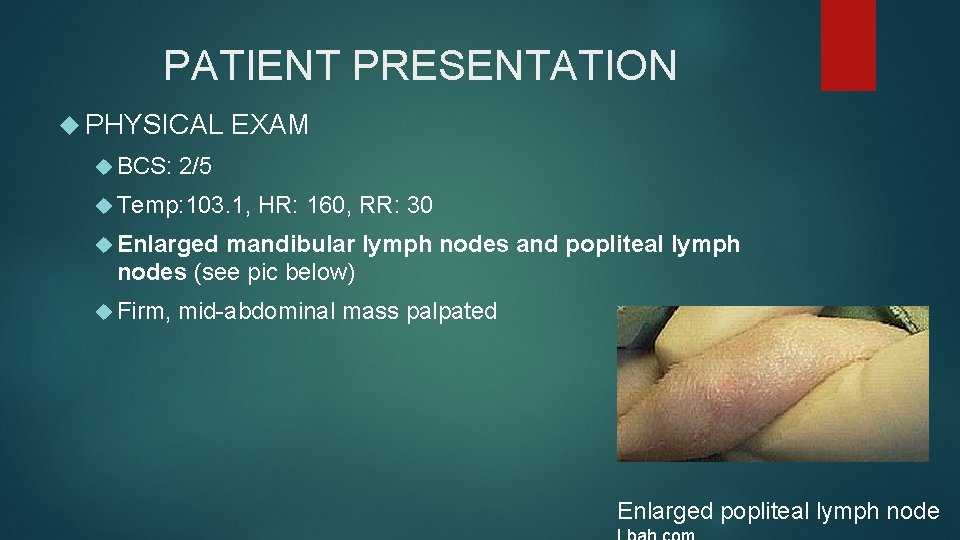
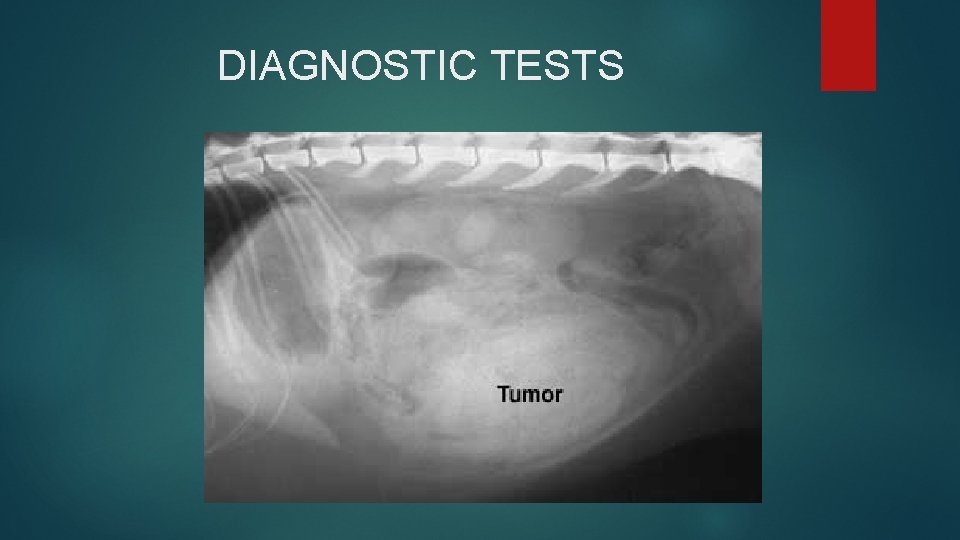
PATIENT PRESENTATION PHYSICAL BCS: EXAM 2/5 Temp: 103. 1, HR: 160, RR: 30 Enlarged mandibular lymph nodes and popliteal lymph nodes (see pic below) Firm, mid-abdominal mass palpated Enlarged popliteal lymph node
DIAGNOSTIC TESTS CBC/SERUM CHEMISTRIES ABDOMINAL RADIOGRAPHS Fe. LV/FIV All Test cats that go outdoors or come from unknown backgrounds should be tested for Fe. LV and FIV when first examined by a veterinarian
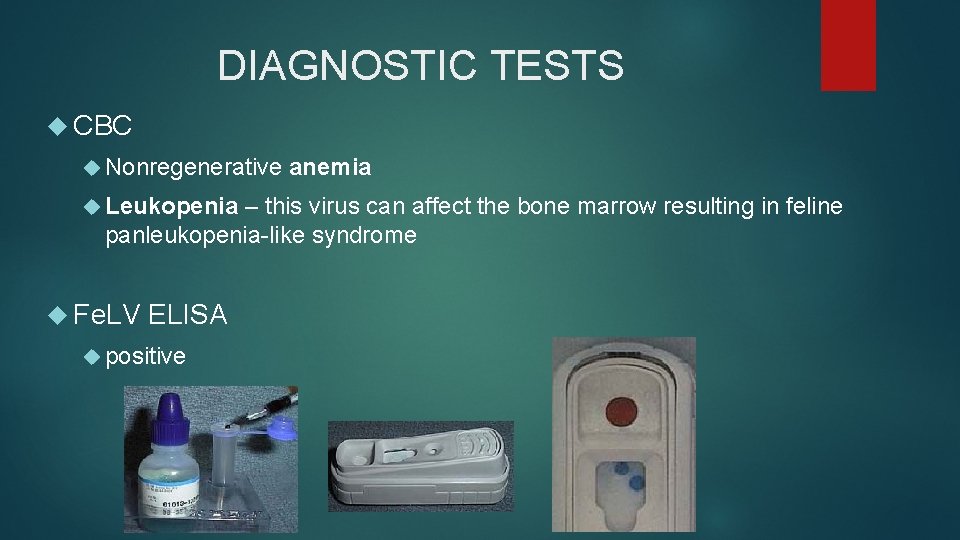
DIAGNOSTIC TESTS CBC Nonregenerative Leukopenia anemia – this virus can affect the bone marrow resulting in feline panleukopenia-like syndrome Fe. LV ELISA positive
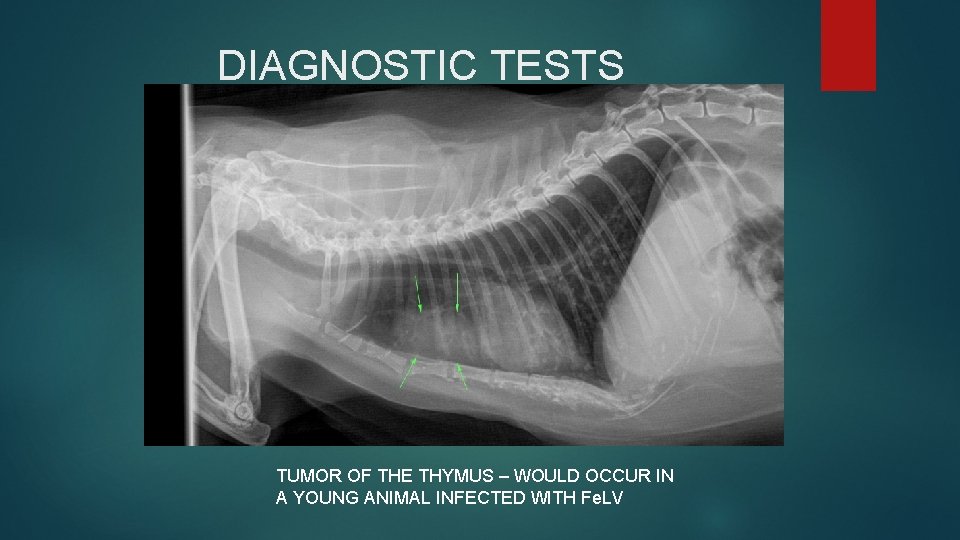
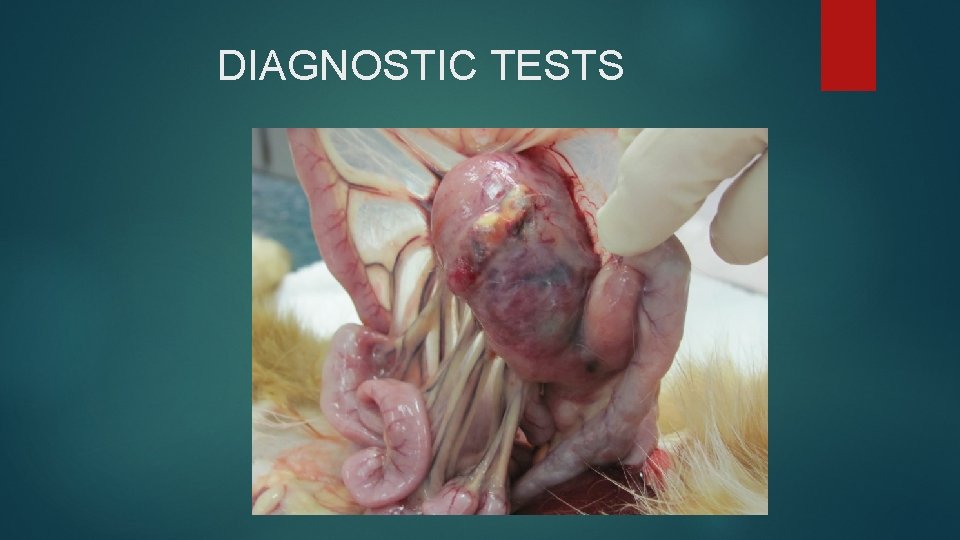
DIAGNOSTIC TESTS TUMOR OF THE THYMUS – WOULD OCCUR IN A YOUNG ANIMAL INFECTED WITH Fe. LV
DIAGNOSTIC TESTS
DIAGNOSTIC TESTS
TRANSMISSION & PATHOPHYSIOLOGY Feline Leukemia is a retrovirus and is associated with both neoplastic and non-neoplastic disease Lymphoma is the most common neoplastic disease – tumors can occur in the thymus, GI tract, or lymph nodes throughout the body Other clinical signs Secondary infections Wt. loss Anorexia Neurologic signs Spontaneous abortion
TRANSMISSION & PATHOPHYSIOLOGY TRANSMISSION: The most likely route of infection is through continued intimate contact such as grooming, sharing food and water bowls (virus shed in saliva, urine, tears, blood) – this is horizontal transmission The virus can also be transmitted to neonates in utero and through the milk of infected queens – this is vertical transmission
TRANSMISSION & PATHOPHYSIOLOGY POSSIBLE OUTCOMES OF Fe. LV INFECTION 1. REGRESSIVE INFECTION - Cat may mount an immune response, clear the virus, and become resistant to future infection 2. PROGRESSIVE INFECTION - some cats fail to mount an effective immune response, become persistently viremic, but with no clinical signs 3. Active infection – with clinical signs Outcome depends on: Age, immunocompetence, concurrent disease, viral strain, dose, duration of exposure
TREATMENT NO CURE for Fe. LV IMMUNOMODULATING DRUGS (none have proven efficacy in cats with Fe. LV) Human interferon-α – interferes with viral replication; given orally Acemannan – known to have antiviral, immunostimulant, and antineoplastic properties; given intraperitoneally (IP) Proprionibacterium acnes – killed form of this bacteria can be given to stimulate the immune system to fight disease ANTIVIRAL DRUGS -*can be toxic to bone marrow in cats AZT – antiretroviral ANTIBIOTICS POSSIBLE CHEMOTHERAPY
CLIENT INFO & PROGNOSIS Fe. LV positive cats should be retested 3 -4 months after initial test Fe. LV cats should be isolated from all other cats Fe. LV cats should be kept indoors Fe. LV cats should have reduced stress and regular vaccination and veterinary check-ups Life expectancy is approximately 2 years after diagnosis
CASE #8 Feline Immundeficiency Virus
PATIENT PRESENTATION
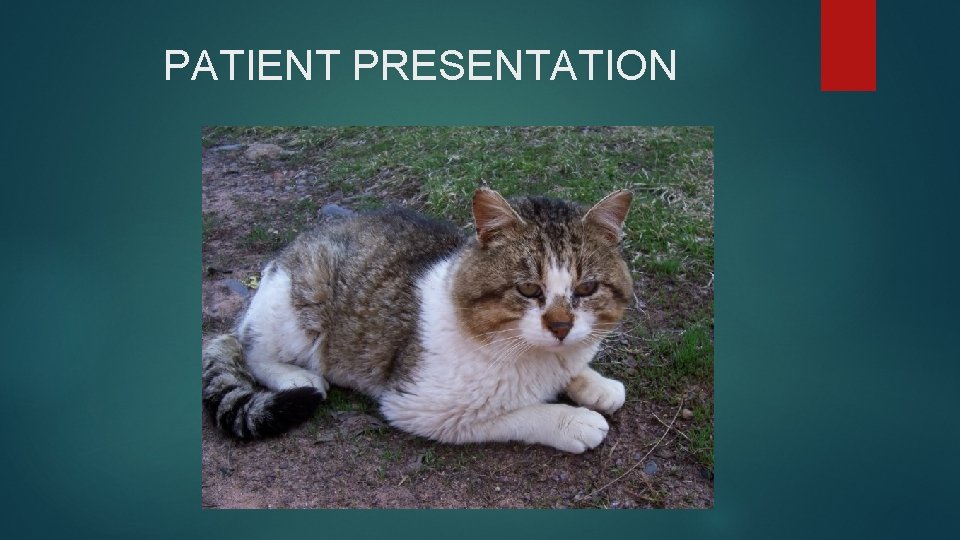
PATIENT PRESENTATION SIGNALMENT: ~4 -5 yr old, intact, male, DMH PRESENTING COMPLAINT: inappetant, hypersalivation, lethargy. Cat has had recurrent bouts of skin infections and respiratory disease for several years. Hx: indoor/outdoor cat, has not had vaccinations in over 3 years. Cat has had a few fights with other neighborhood cats over the years.
PATIENT PRESENTATION PHYSICAL EXAM: Gingivitis, stomatitis Wt. loss Temp: 103. 5, HR: 200, RR: 36 Mm: pale , CRT: 2 sec Other clinical signs may include: Gingivitis, stomatitis Chronic fever Vomiting Diarrhea Chronic URI cachexia Chronic, unresponsive skin/ear infections
DIAGNOSTIC TESTS CBC/SERUM Fe. LV/FIV All CHEMISTRIES ELISA unvaccinated outdoor cats should be tested for these diseases as they are contagious and without cure
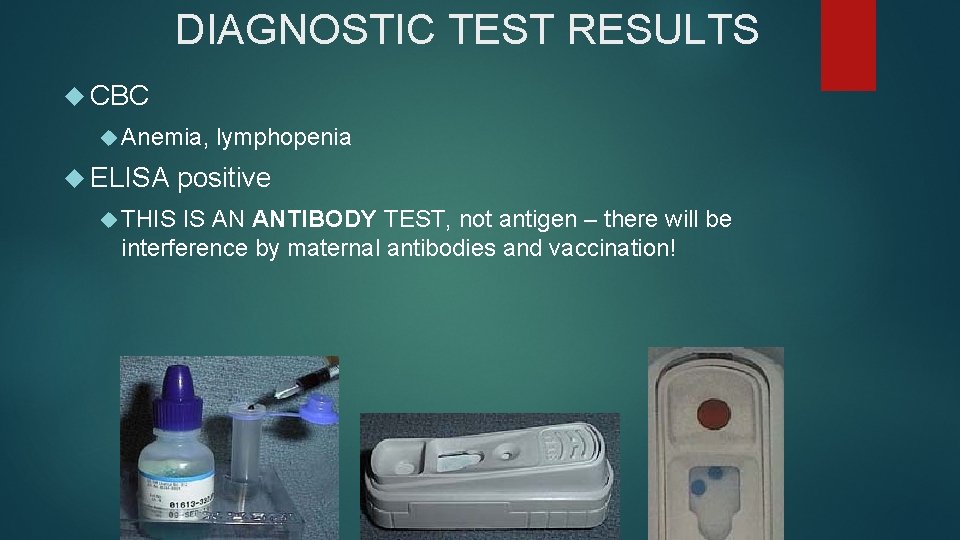
DIAGNOSTIC TEST RESULTS CBC Anemia, ELISA THIS lymphopenia positive IS AN ANTIBODY TEST, not antigen – there will be interference by maternal antibodies and vaccination!
TRANSMISSION Most infections are acquired through horizontal transmission among adult male, sexually intact cats Fight and bite wounds appear to be the major route of transmission. It is possible to transmit the virus vertically to neonatal kittens, but the virus is not easily transmitted this way.
TREATMENT SEE FELINE LEUKEMIA VIRUS DENTAL Whole SURGERY mouth extraction of teeth may be necessary in cats with chronic stomatitis and gingivitis
CLIENT INFO & PROGNOSIS Although FIV is morphologically and biochemically similar to HIV, it poses no threat to humans Infected cats may survive for prolonged periods before experiencing advanced stages of the disease Some may be asymptomatic for 10+ yrs Keep FIV+ cats indoors Keep FIV+ cats free of stress and concurrent disease