
Thermodynamics of separation What is the minimum work
- Slides: 17
Thermodynamics of separation What is the minimum work to separate a mixture into it’s pure components? Ex. Mining, Desalination, Material Purification, Recycling.
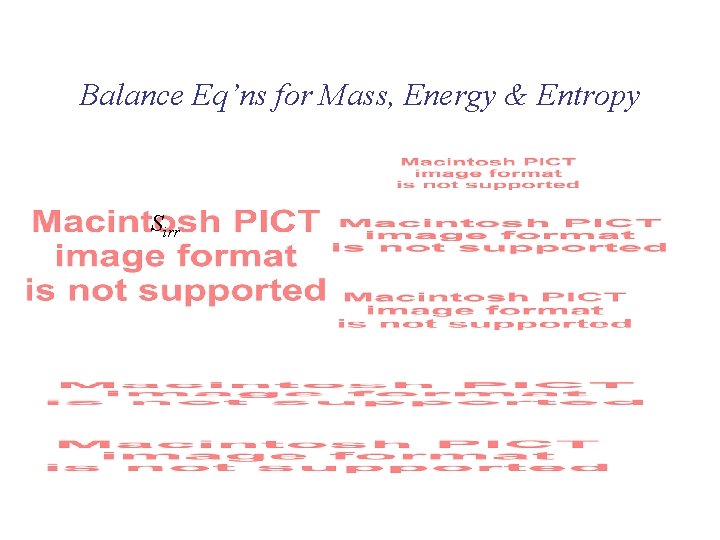
Balance Eq’ns for Mass, Energy & Entropy Sirr
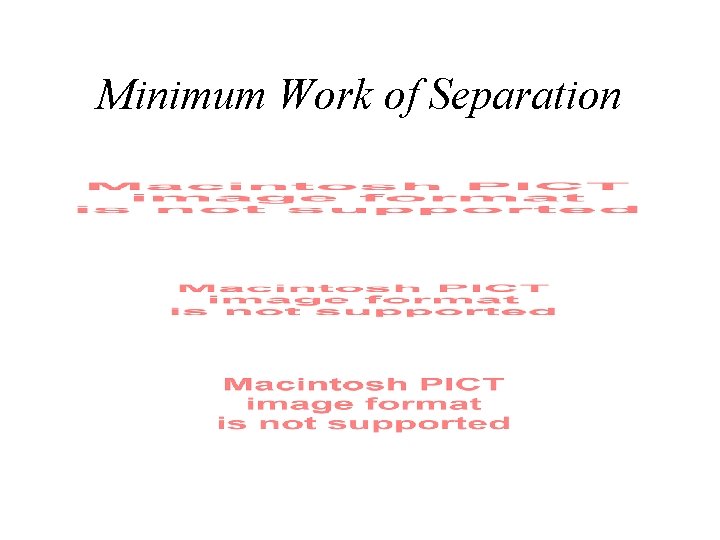
Minimum Work of Separation
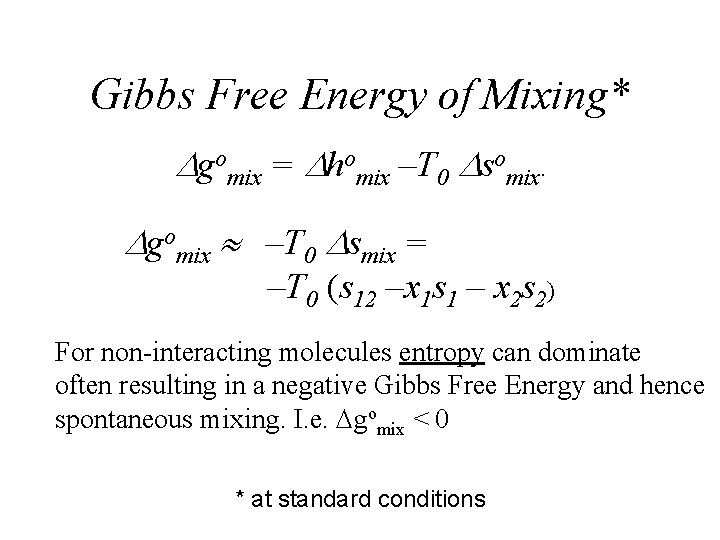
Gibbs Free Energy of Mixing* Dgomix = Dhomix –T 0 Dsomix. Dgomix –T 0 Dsmix = –T 0 (s 12 –x 1 s 1 – x 2 s 2) For non-interacting molecules entropy can dominate often resulting in a negative Gibbs Free Energy and hence spontaneous mixing. I. e. gomix < 0 * at standard conditions
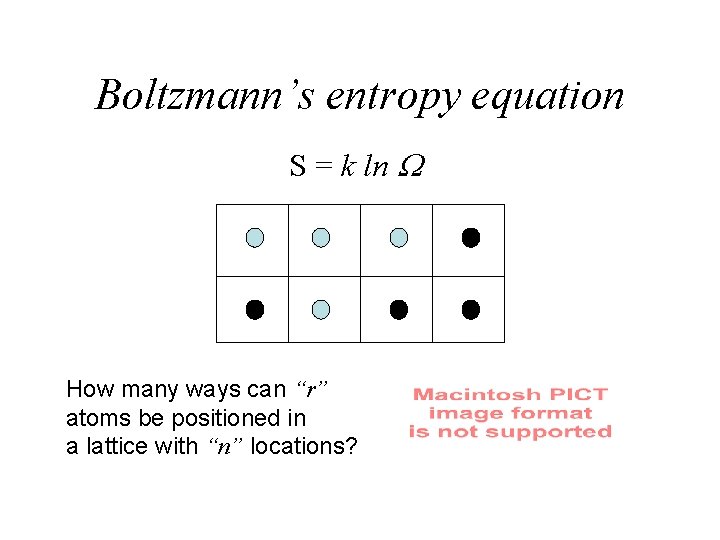
Boltzmann’s entropy equation S = k ln How many ways can “r” atoms be positioned in a lattice with “n” locations?
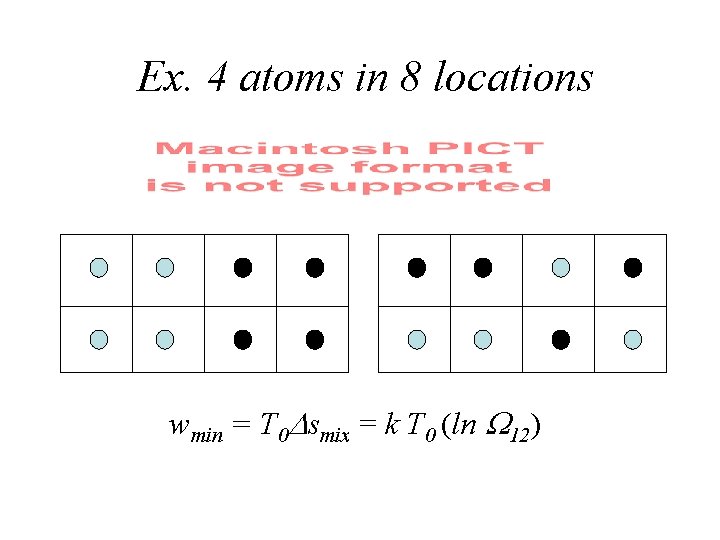
Ex. 4 atoms in 8 locations wmin = T 0 Dsmix = k T 0 (ln 12)
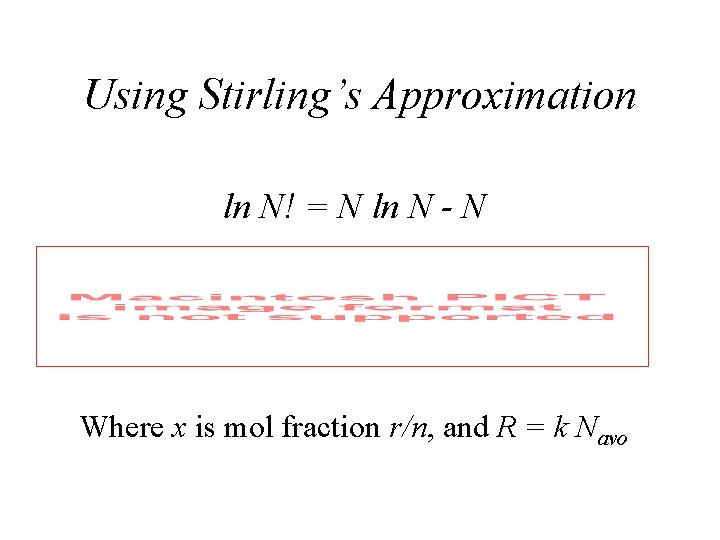
Using Stirling’s Approximation ln N! = N ln N - N Where x is mol fraction r/n, and R = k Navo
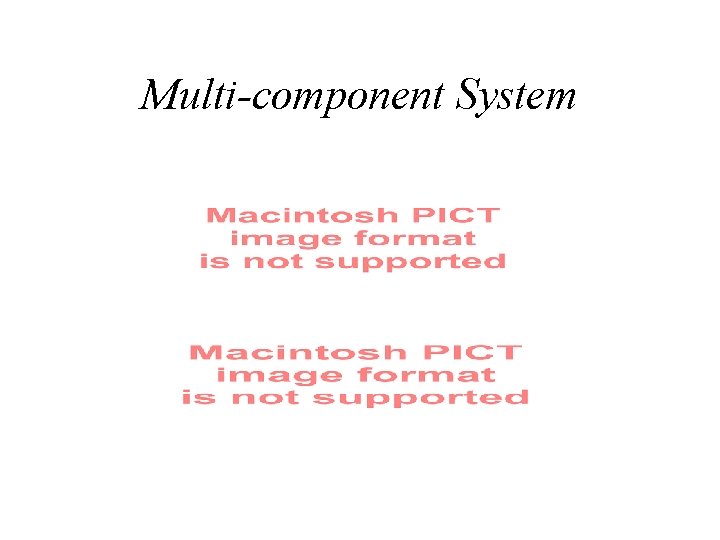
Multi-component System
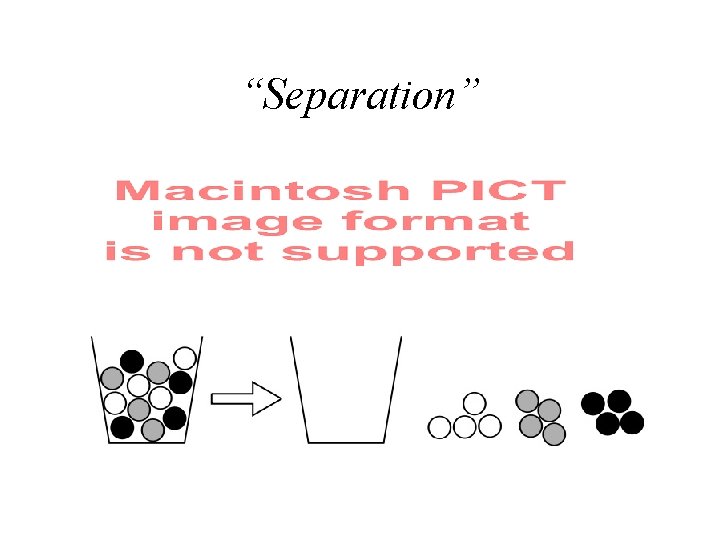
“Separation”
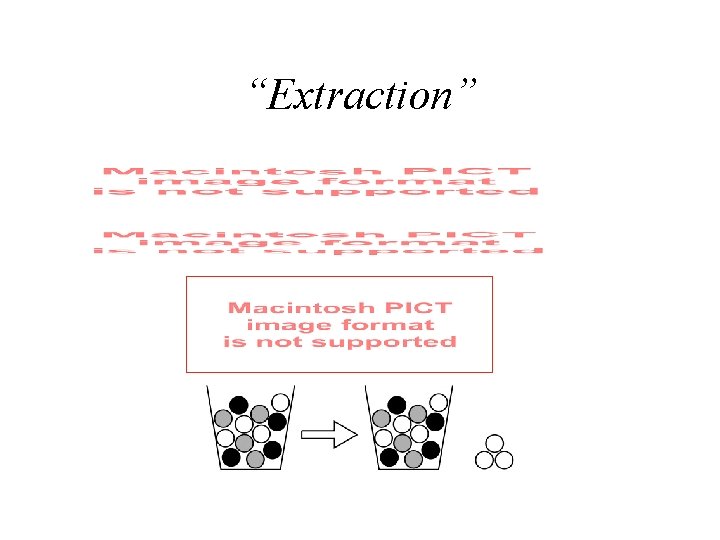
“Extraction”
Separation Examples • From the atmosphere • From the Ocean • Solutions – Polymer – Water based – Liquid metals (activity coef)
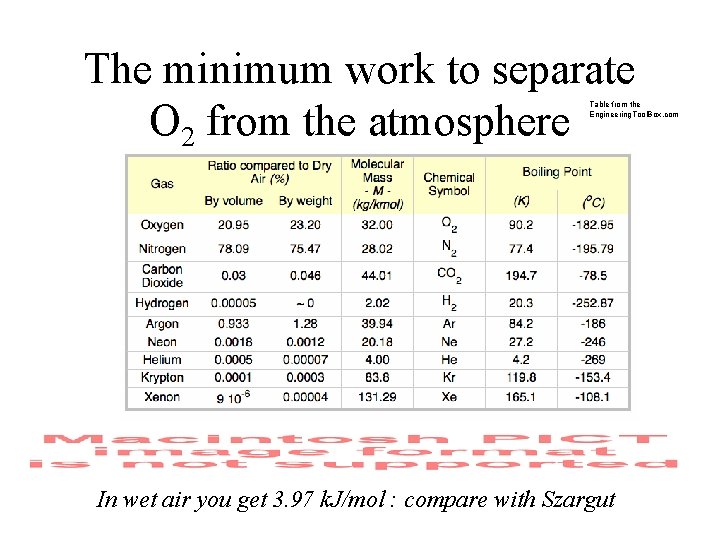
The minimum work to separate O 2 from the atmosphere Table from the Engineering. Tool. Box. com In wet air you get 3. 97 k. J/mol : compare with Szargut
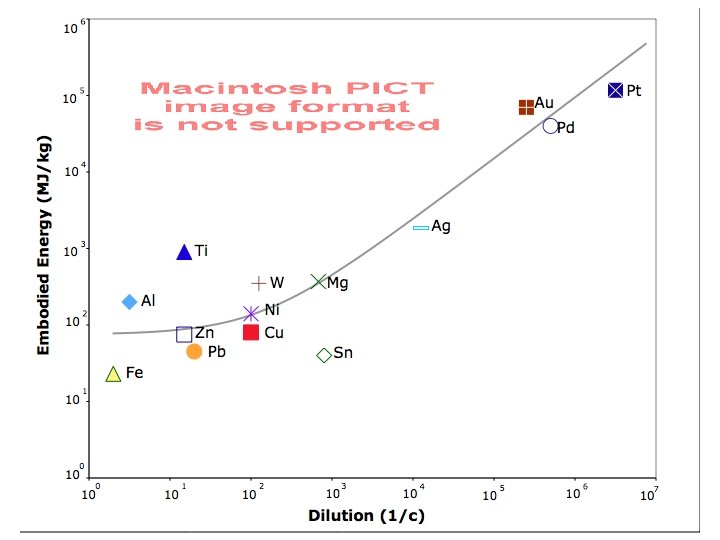
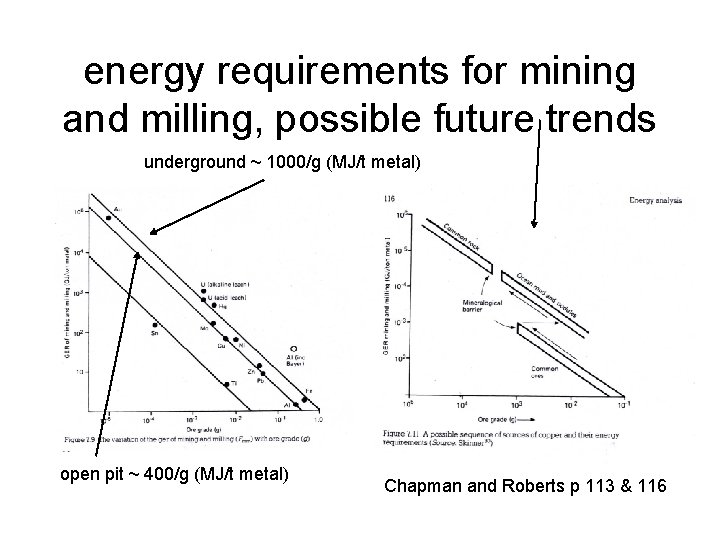
energy requirements for mining and milling, possible future trends underground ~ 1000/g (MJ/t metal) open pit ~ 400/g (MJ/t metal) Chapman and Roberts p 113 & 116
Sherwood plot showing the relationship between the concentration of a target material in a feed stream and the market value of (or cost to remove) the target material [Grübler 1998].
Exergy of a Mixture
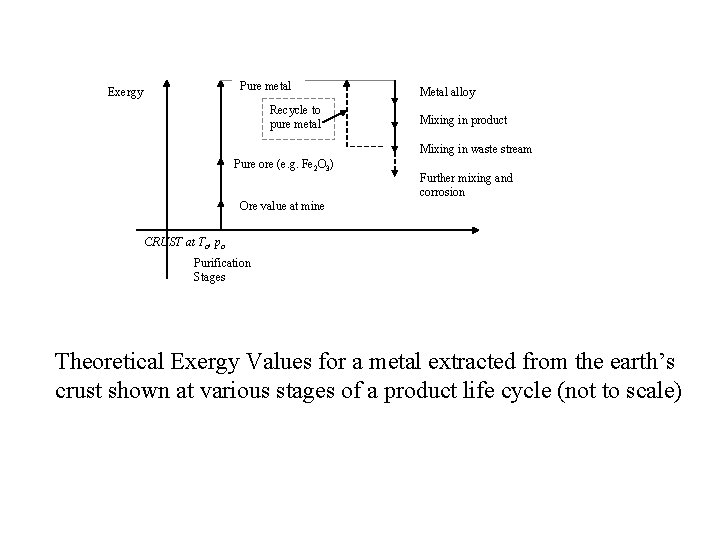
Pure metal Exergy Recycle to pure metal Metal alloy Mixing in product Mixing in waste stream Pure ore (e. g. Fe 2 O 3) Ore value at mine Further mixing and corrosion CRUST at To, po Purification Stages Theoretical Exergy Values for a metal extracted from the earth’s crust shown at various stages of a product life cycle (not to scale)