
Theory of Seafloor Spreading Theory of Seafloor Spreading
- Slides: 28
Theory of Seafloor Spreading
Theory of Seafloor Spreading Alfred Wegner could not provide a satisfactory explanation for the push or pull of the continents, therefore his hypothesis was rejected. Harry Hess (1960) proposed an idea suggesting a process of sea-floor spreading
Theory of Seafloor Spreading- sea floor spreads apart along both sides of a mid-ocean ridge as new crust is created. Ocean floors move like a conveyer belt, carrying continents along with them.
Theory of Seafloor Spreading Evidence of Hess’s theory of sea-floor spreading: ◦ Evidence from molten material which looked like pillow -shaped rocks formed if molten material erupts and hardens quickly ◦ Evidence from magnetic stripes- rocks that lie in a pattern showing a record of reversals of Earth’s magnetic field ◦ Evidence from drilling samples reveal that the farther from a ridge the rocks were taking, the older they were
Theory of Seafloor Spreading Eventually the ocean floor sinks into deep, underwater canyons called deep-ocean trenches where subduction takes place Subduction allows part of the ocean floor to sink back into the mantle, over tens of millions of years.
Theory of Plate Tectonics
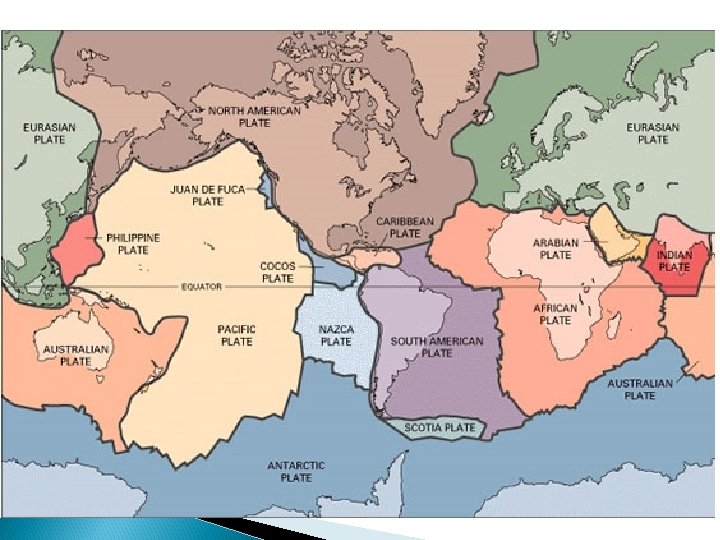
Theory of Plate Tectonics J. Tuzo Wilson (1965)- Canadian scientist that proposed the lithosphere is broken into separate sections called plates. Theory of Plate Tectonics- explains the formation, movement, and subduction of Earth’s plates ◦ The earth’s crust and rigid upper mantle are broken into enormous slabs called plates ◦ Tectonic plates move in different directions and at different rates over Earth’s surface
Theory of Plate Tectonics Theory Highlights ◦ Plates float on top of the asthenosphere ◦ Convection currents rise in the asthenosphere and spread out beneath the lithosphere ◦ Convection currents cause plates to move, producing changes in Earth’s surface ◦ Changes in Earth’s surface include; volcanoes, mountain ranges and deep ocean trenches
Plate Boundaries The edges of the plates meet at lines called plate boundaries. When rocks slip past each other along these boundaries faults, or breaks in the Earth’s crust occur. Plates interact at places called plate boundaries Plates can interact in several ways: (1) Converge (2) Diverge (3) Transform
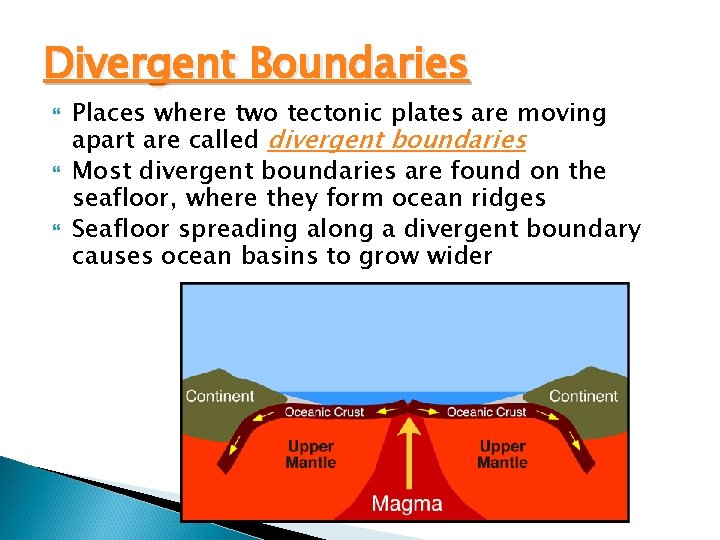
Divergent Boundaries Places where two tectonic plates are moving apart are called divergent boundaries Most divergent boundaries are found on the seafloor, where they form ocean ridges Seafloor spreading along a divergent boundary causes ocean basins to grow wider
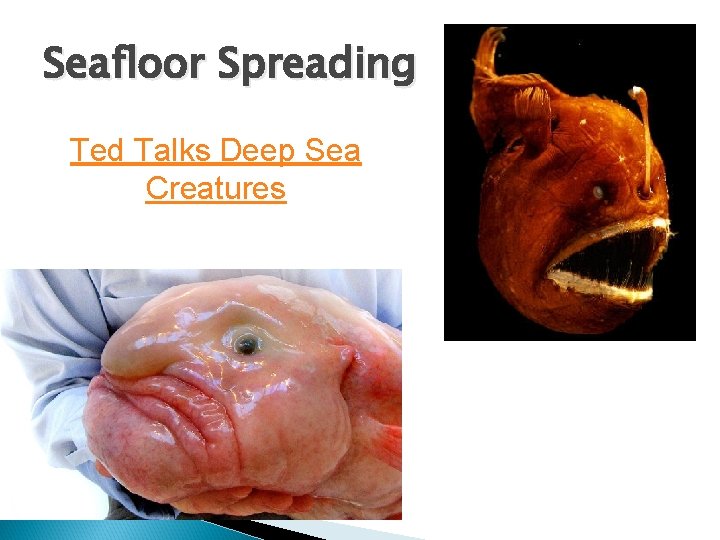
Seafloor Spreading Ted Talks Deep Sea Creatures
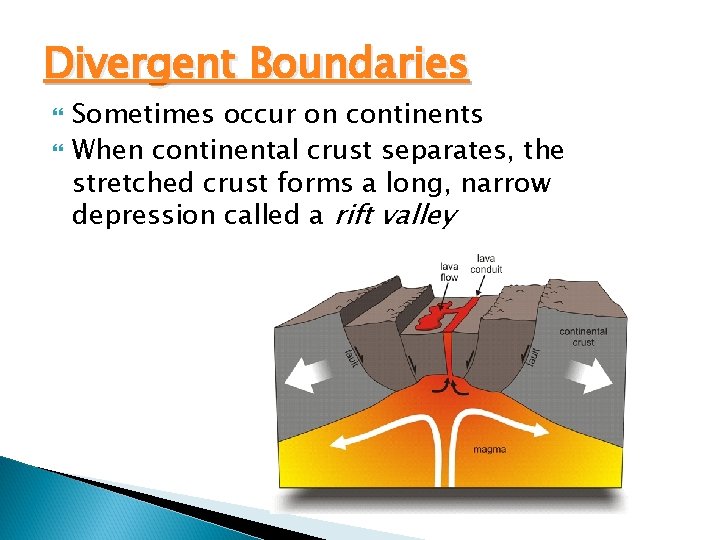
Divergent Boundaries Sometimes occur on continents When continental crust separates, the stretched crust forms a long, narrow depression called a rift valley
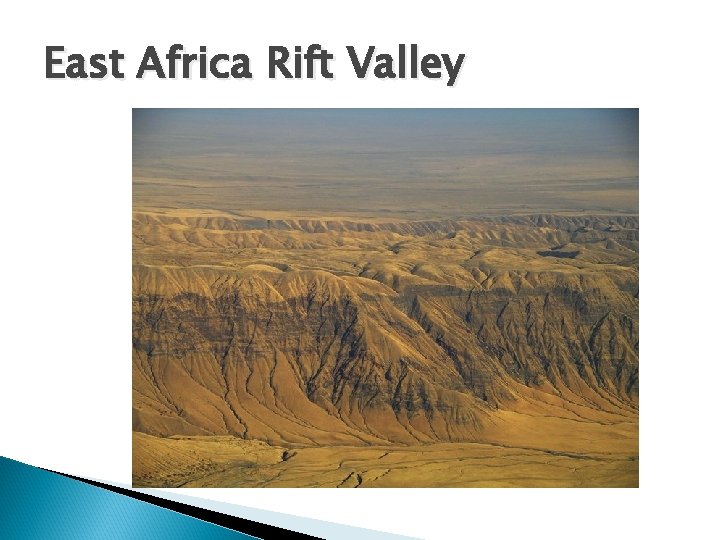
East Africa Rift Valley
Convergent Boundaries Places where two tectonic plates are moving towards each other are called convergent boundaries Three types: (1) Oceanic-oceanic (2) Oceanic-continental (3) Continental-continental
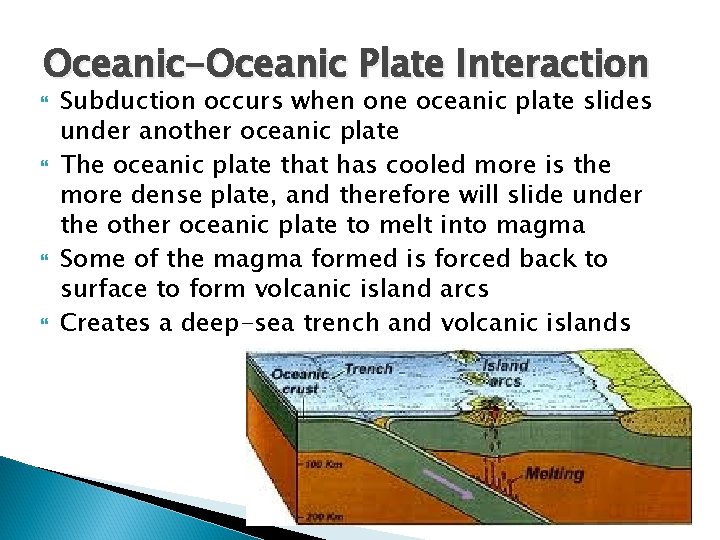
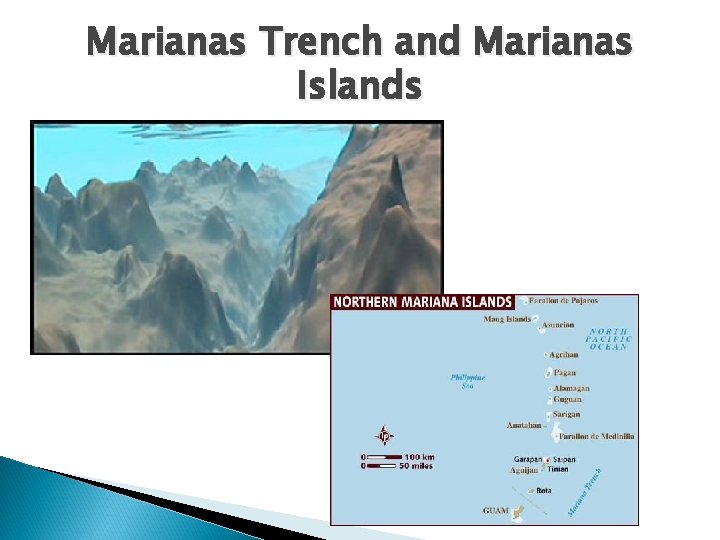
Oceanic-Oceanic Plate Interaction Subduction occurs when one oceanic plate slides under another oceanic plate The oceanic plate that has cooled more is the more dense plate, and therefore will slide under the other oceanic plate to melt into magma Some of the magma formed is forced back to surface to form volcanic island arcs Creates a deep-sea trench and volcanic islands
Marianas Trench and Marianas Islands
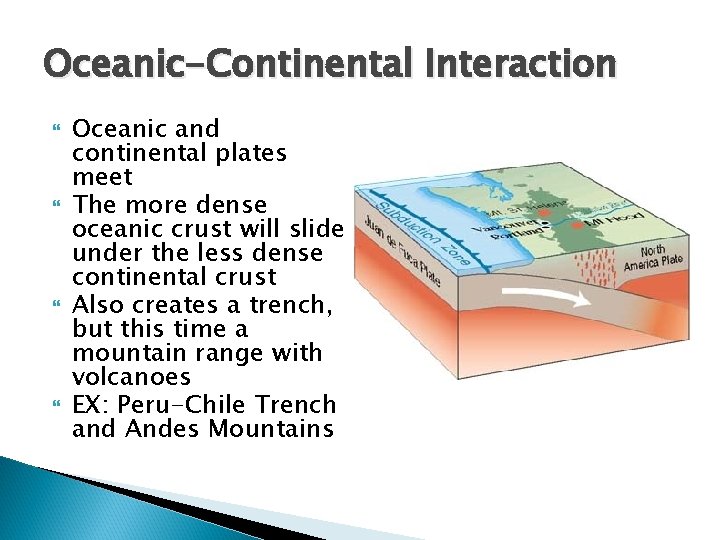
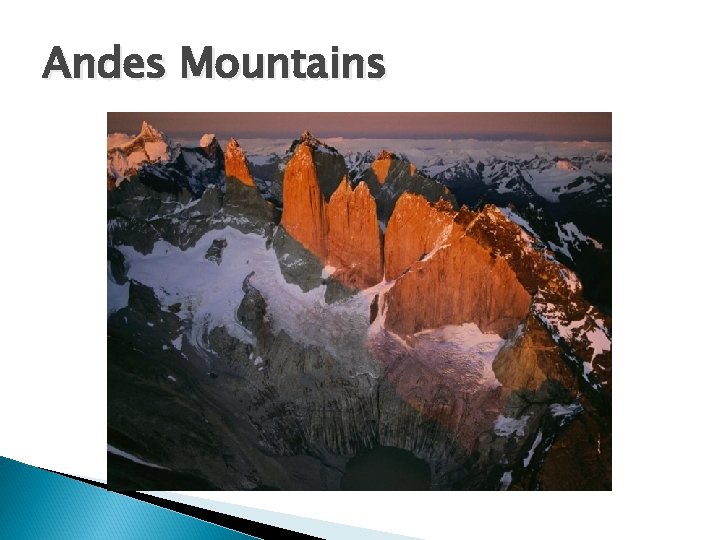
Oceanic-Continental Interaction Oceanic and continental plates meet The more dense oceanic crust will slide under the less dense continental crust Also creates a trench, but this time a mountain range with volcanoes EX: Peru-Chile Trench and Andes Mountains
Andes Mountains
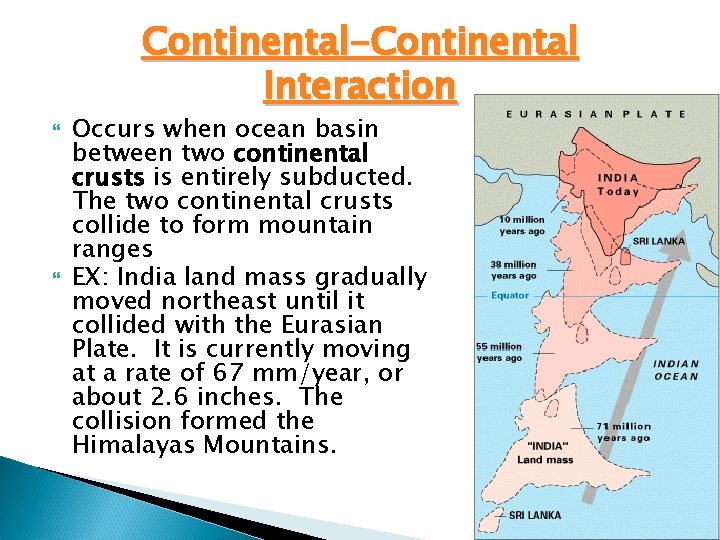
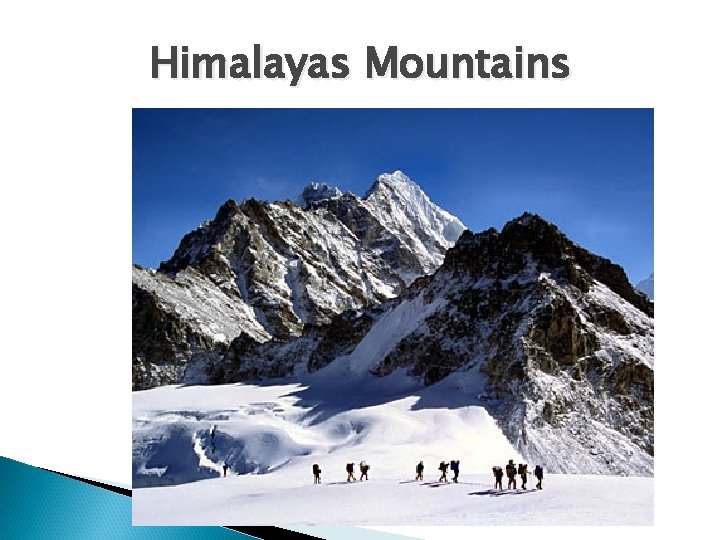
Continental-Continental Interaction Occurs when ocean basin between two continental crusts is entirely subducted. The two continental crusts collide to form mountain ranges EX: India land mass gradually moved northeast until it collided with the Eurasian Plate. It is currently moving at a rate of 67 mm/year, or about 2. 6 inches. The collision formed the Himalayas Mountains.
Himalayas Mountains
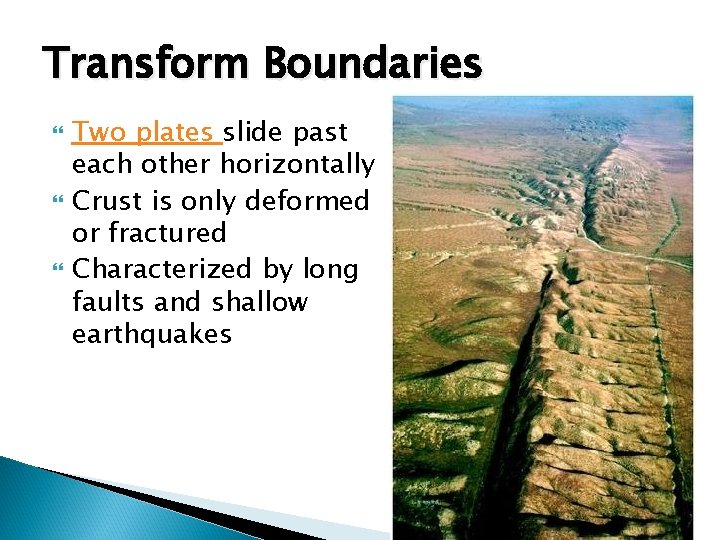
Transform Boundaries Two plates slide past each other horizontally Crust is only deformed or fractured Characterized by long faults and shallow earthquakes
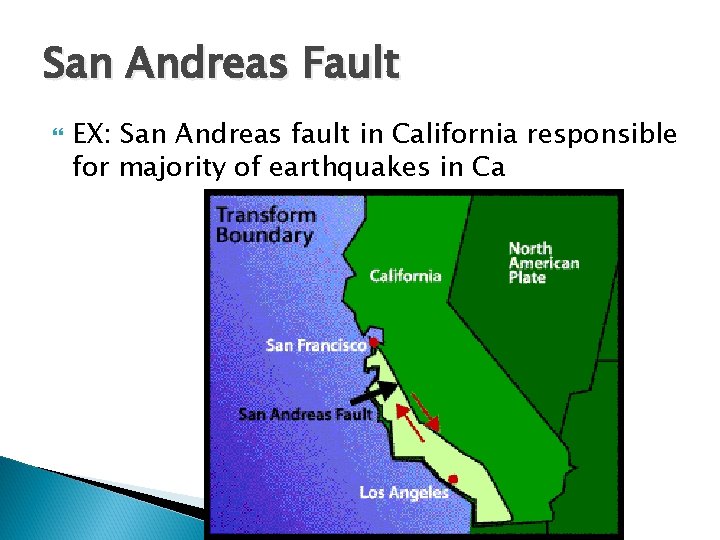
San Andreas Fault EX: San Andreas fault in California responsible for majority of earthquakes in Ca
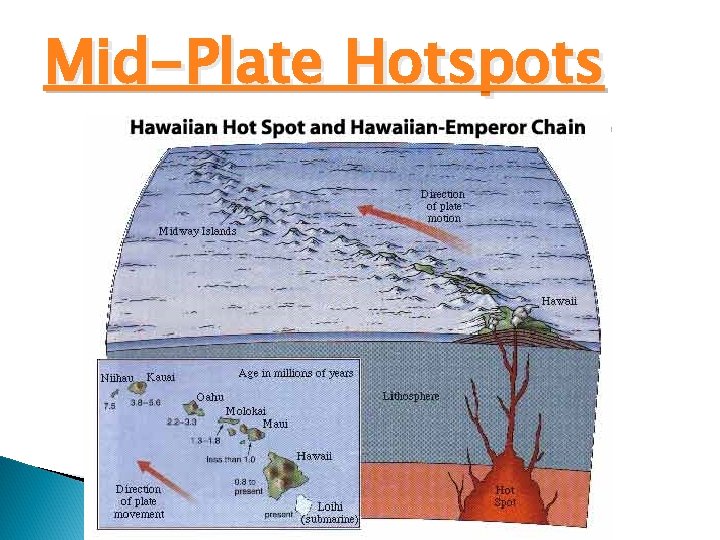
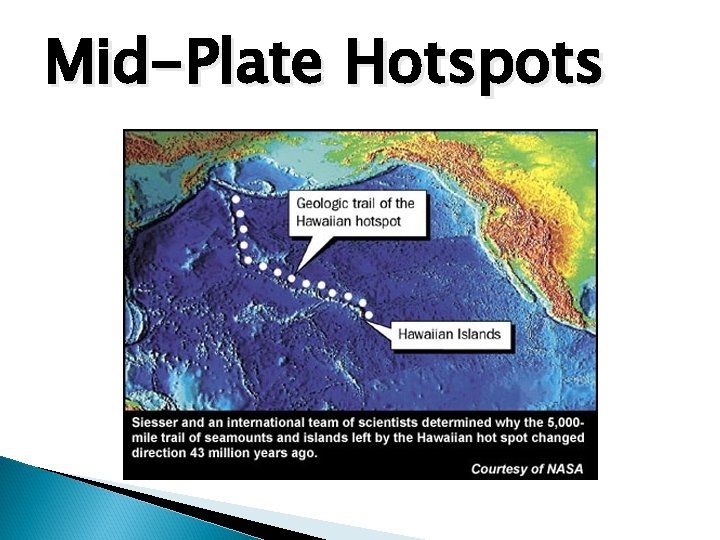
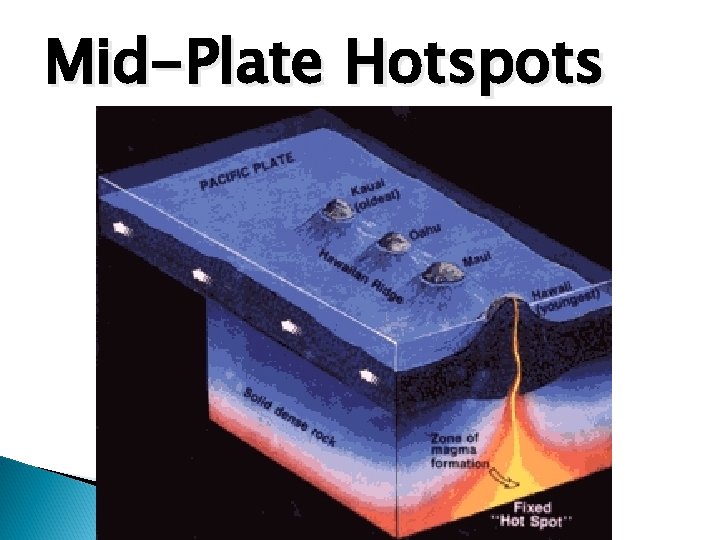
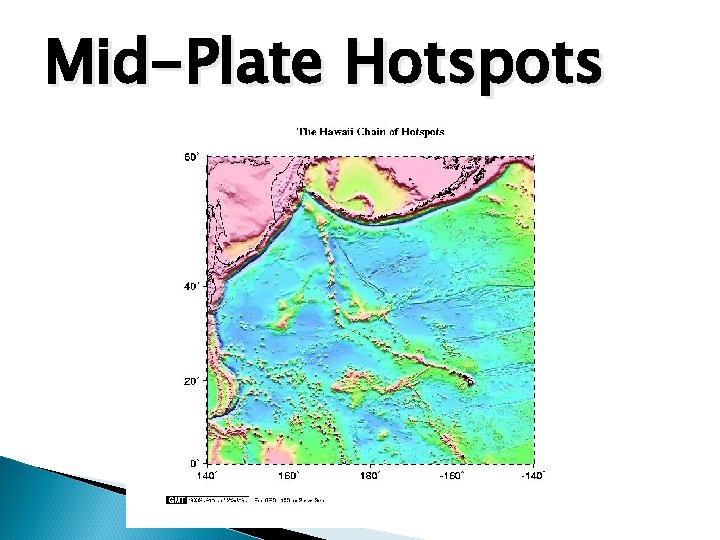
Mid-Plate Hotspots
Mid-Plate Hotspots
Mid-Plate Hotspots
Mid-Plate Hotspots
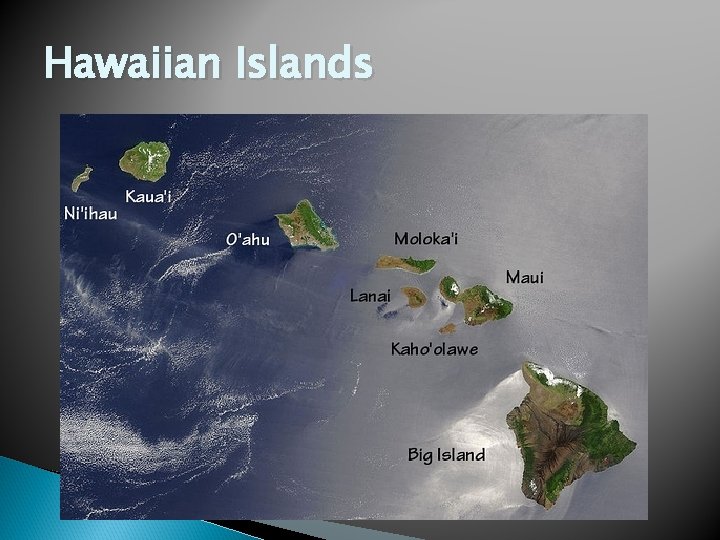
Hawaiian Islands