
Theory of Plate Tectonics 1960 Earths lithosphere consists


- Slides: 44
Theory of Plate Tectonics (1960) Earth’s lithosphere consists of rigid, but moving masses called tectonic plates
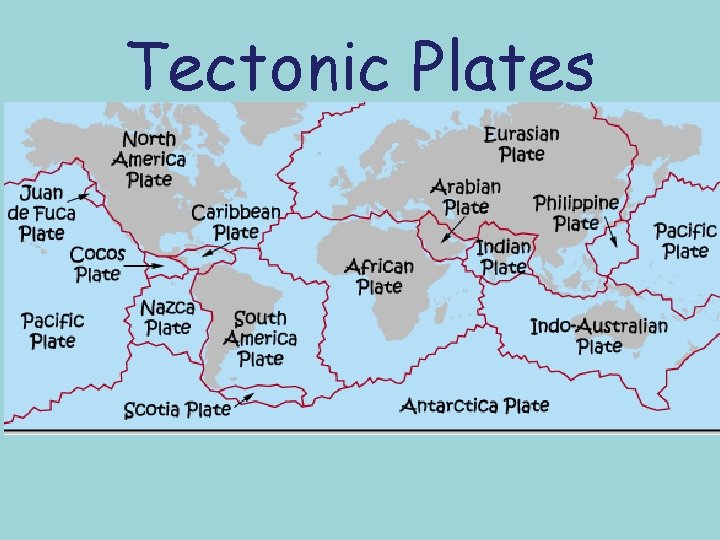
Tectonic Plates
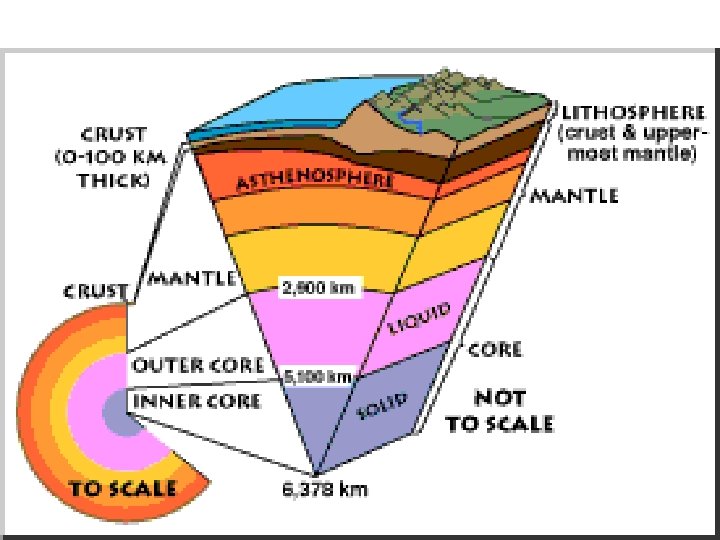
Lithosphere Outer shell of Earth that is made of rigid crust and upper mantle • Broken into moving tectonic plates
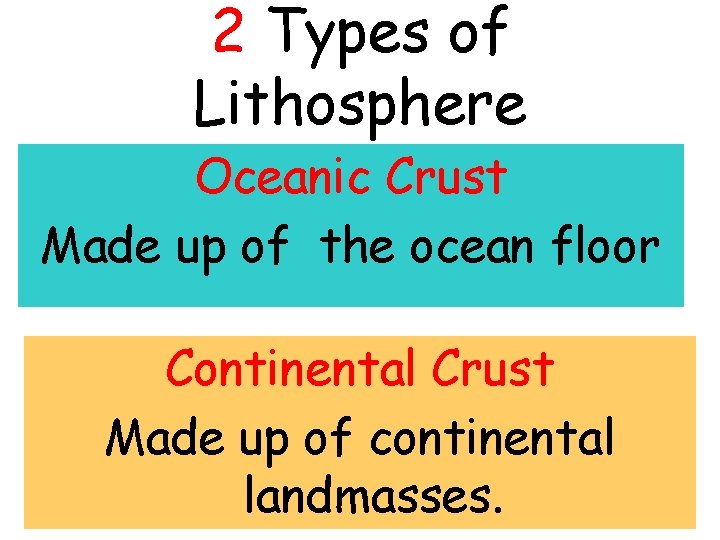
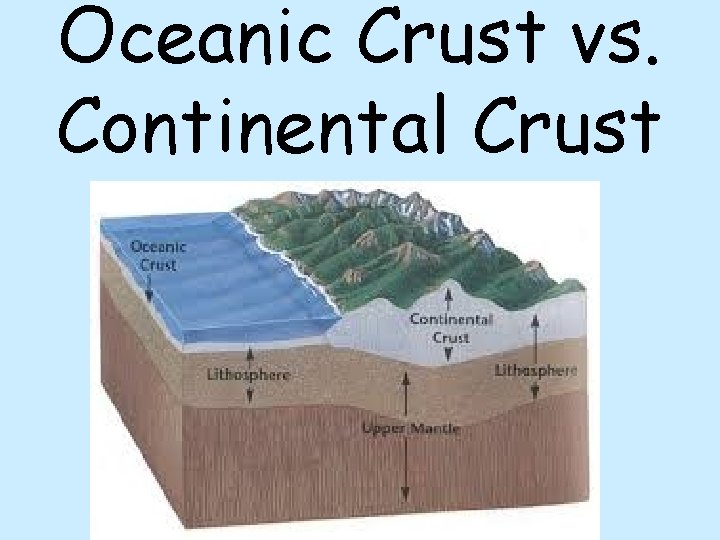
2 Types of Lithosphere Oceanic Crust Made up of the ocean floor Continental Crust Made up of continental landmasses.
Oceanic Crust vs. Continental Crust
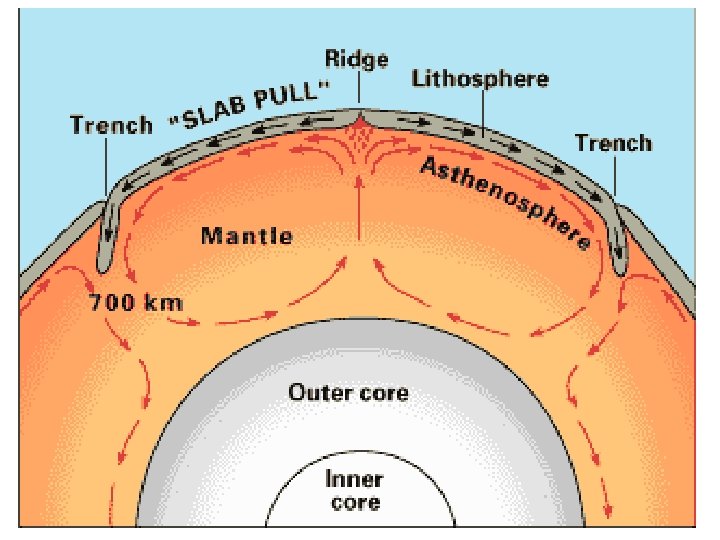
How do the plates move? ! CONVECTION
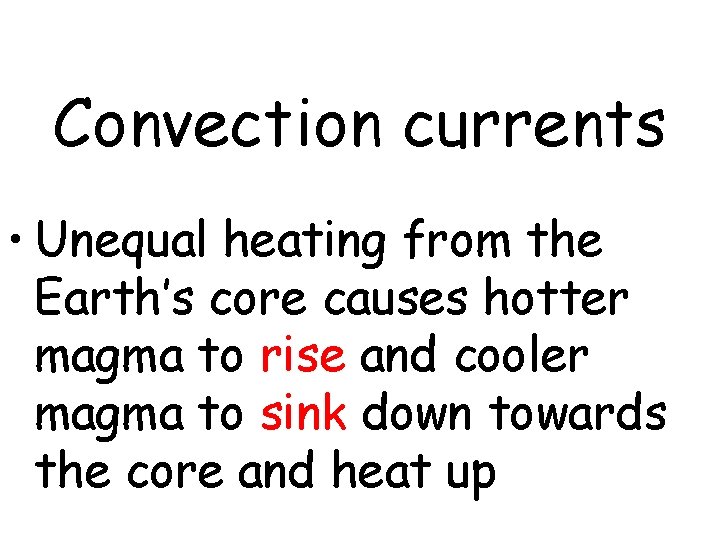
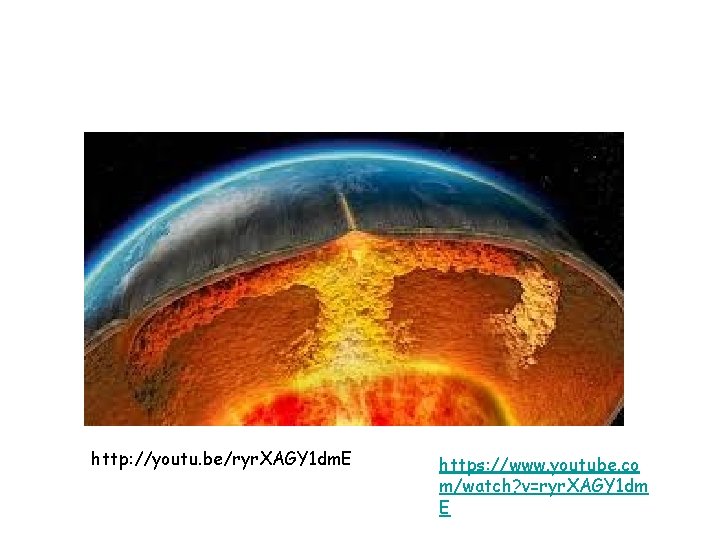
Convection currents • Unequal heating from the Earth’s core causes hotter magma to rise and cooler magma to sink down towards the core and heat up
http: //youtu. be/ryr. XAGY 1 dm. E https: //www. youtube. co m/watch? v=ryr. XAGY 1 dm E
Plate Boundaries There are 3 main ways that the plates interact. Points of interaction are called boundaries
3 Types of Plate Boundaries…
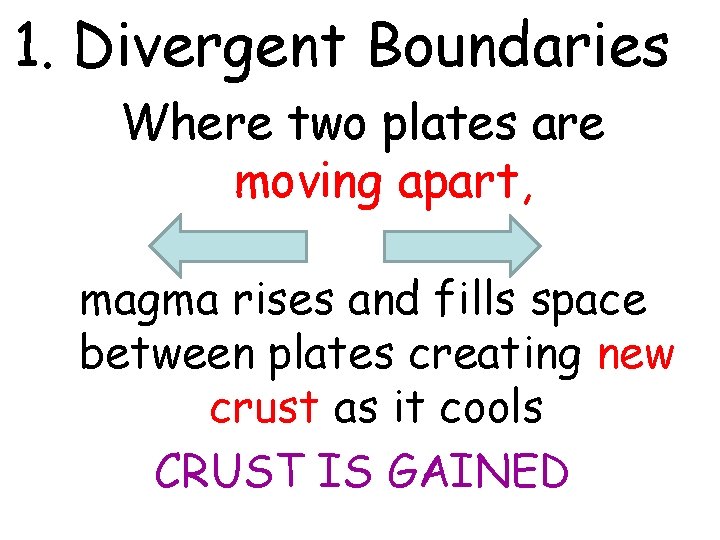
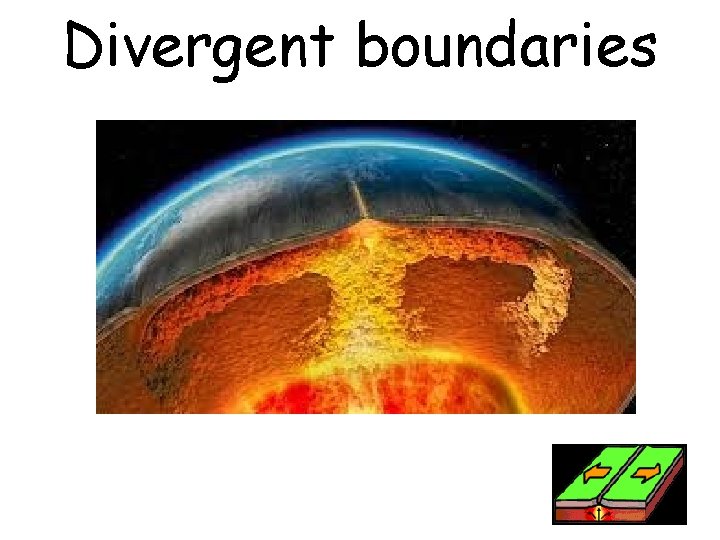
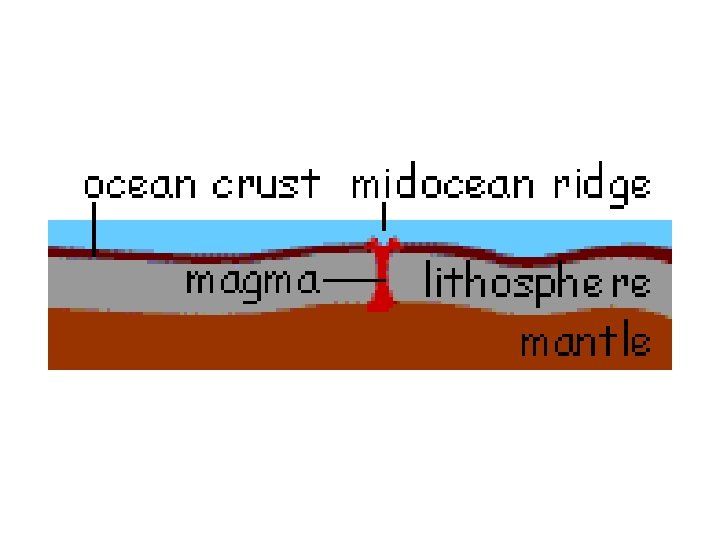
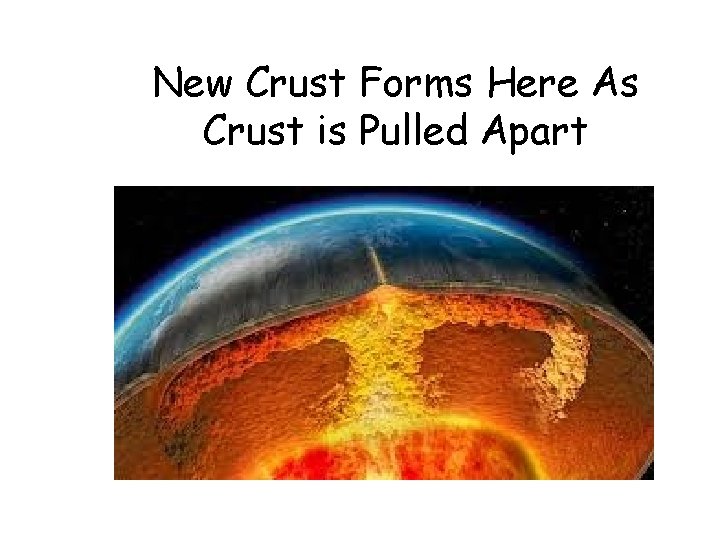
1. Divergent Boundaries Where two plates are moving apart, magma rises and fills space between plates creating new crust as it cools CRUST IS GAINED
Divergent boundaries
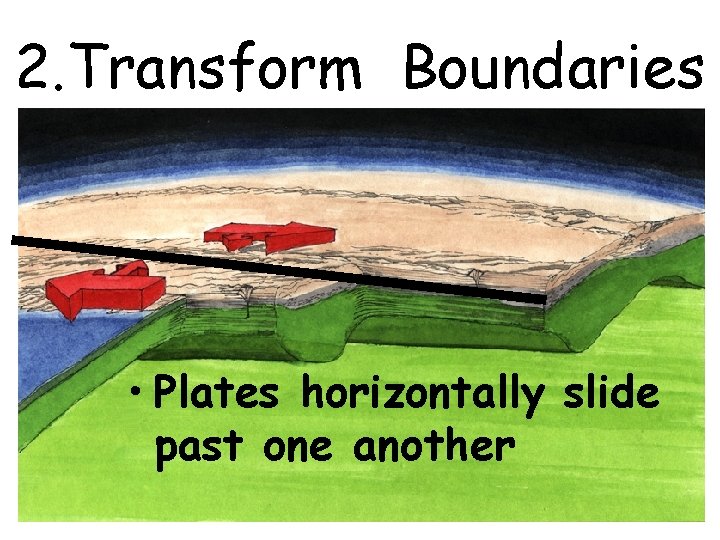
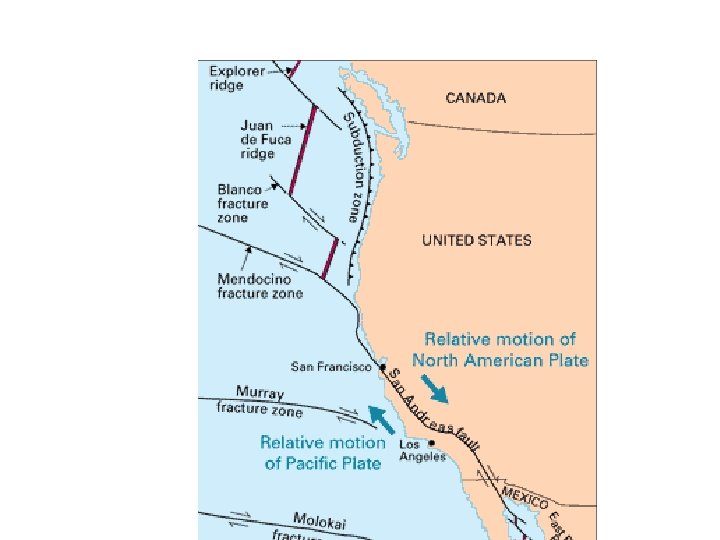
2. Transform Boundaries • Plates horizontally slide past one another
3. Convergent Boundaries When two plates collide CRUST IS LOST • There are 3 types….
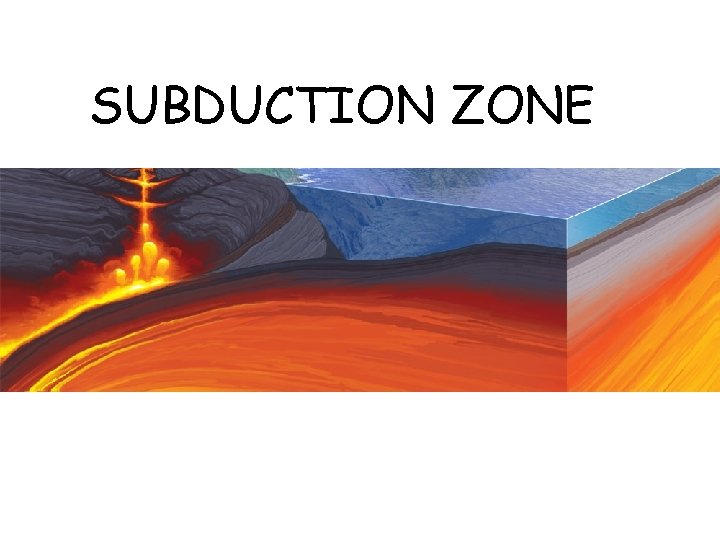
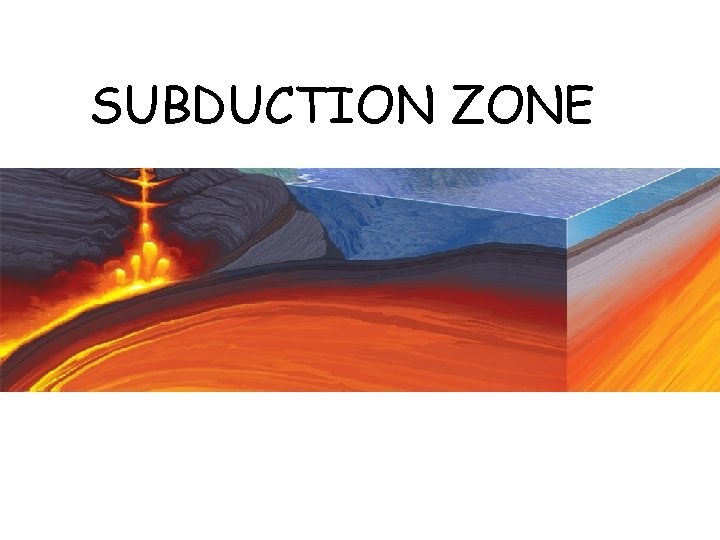
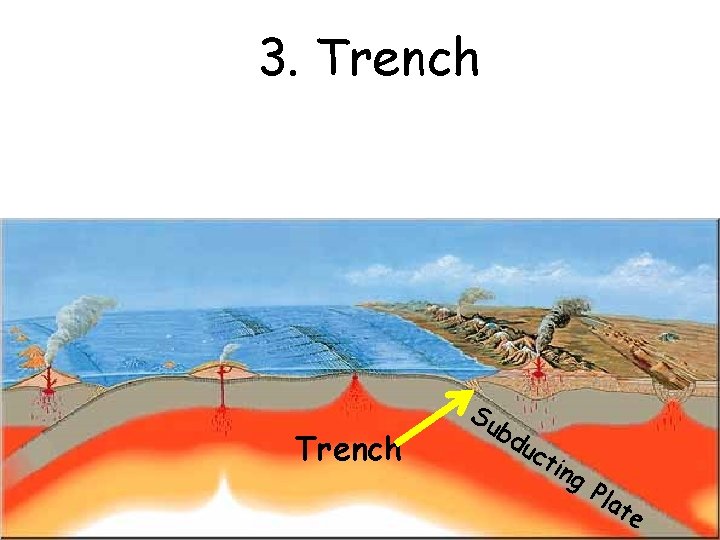
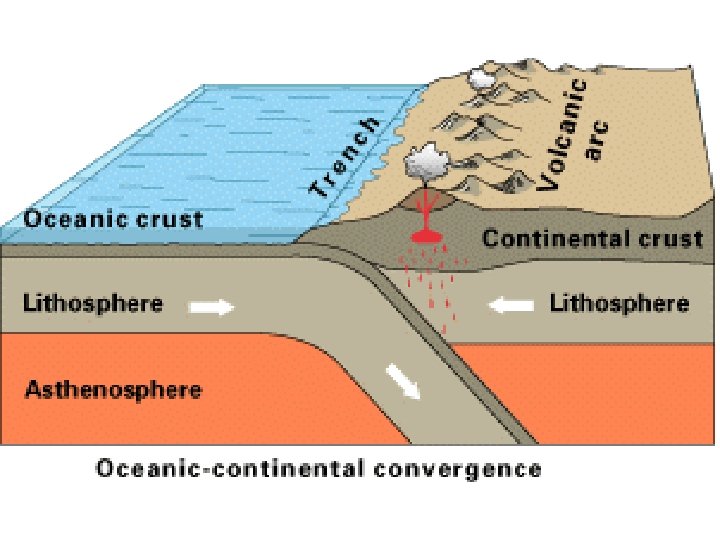
1. Continental + Oceanic Convergence= SUBDUCTION ZONE • When an oceanic plate collides with a continental plate • One plate subducts under the other forming a trench
SUBDUCTION ZONE
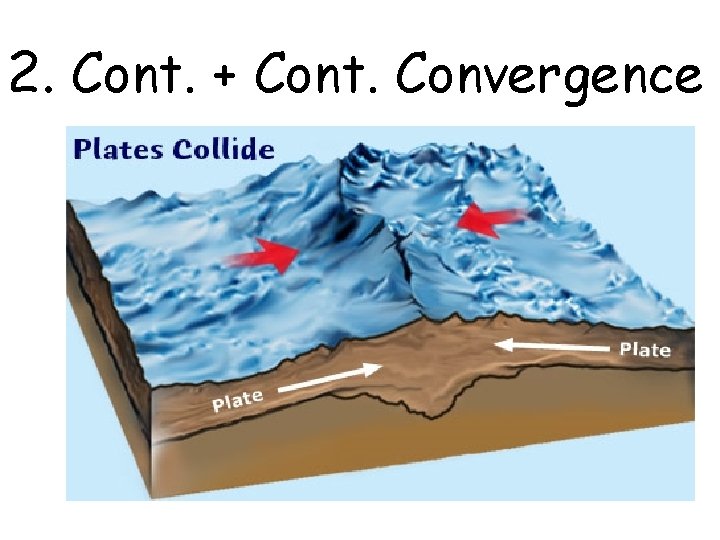
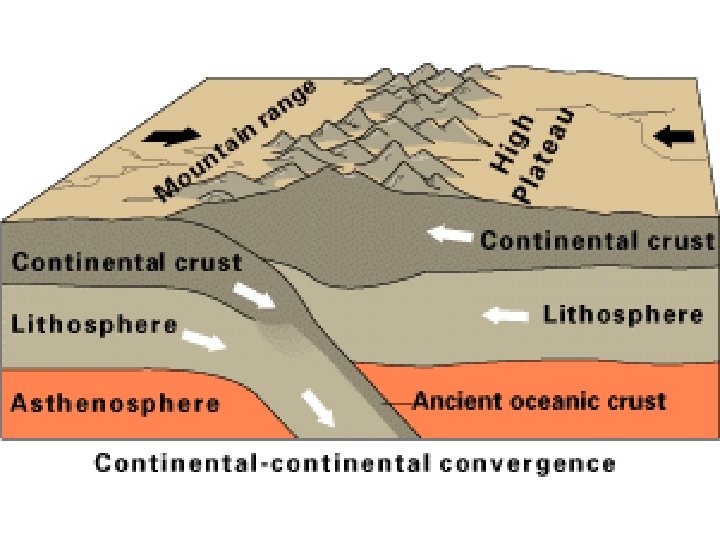
2. Cont. + Cont. Convergence • Two continental plates collide • The plates crumple and uplift • Form folded mountain ranges
2. Cont. + Cont. Convergence
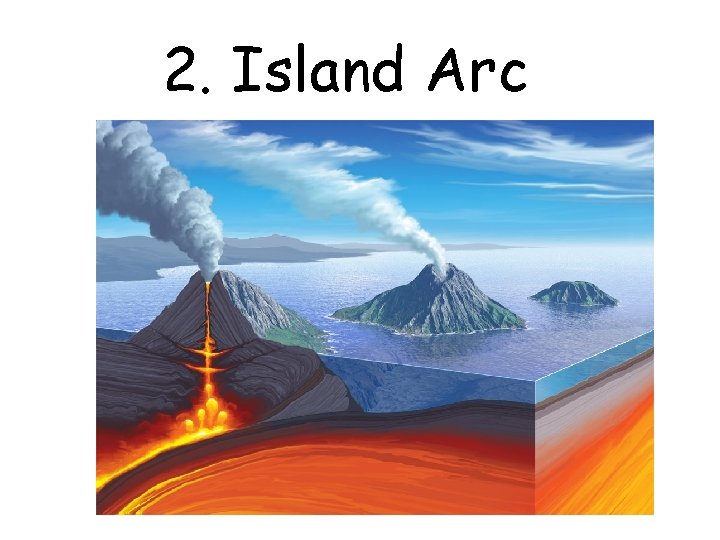
3. Oceanic to Oceanic Convergence • Trenches form as one plate subducts and melts • Magma rises to the surface along the trench and slowly forms an island chain called an ISLAND ARC
SUBDUCTION ZONE
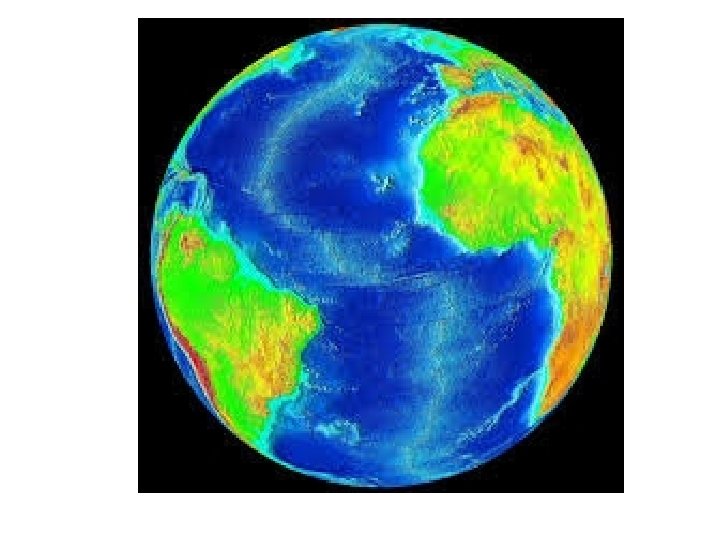
1. Divergent boundaries • 1. Mid-ocean ridges: Underwater mountain range that winds throughout the Earth’s oceans. It is the 40, 000 miles long
New Crust Forms Here As Crust is Pulled Apart
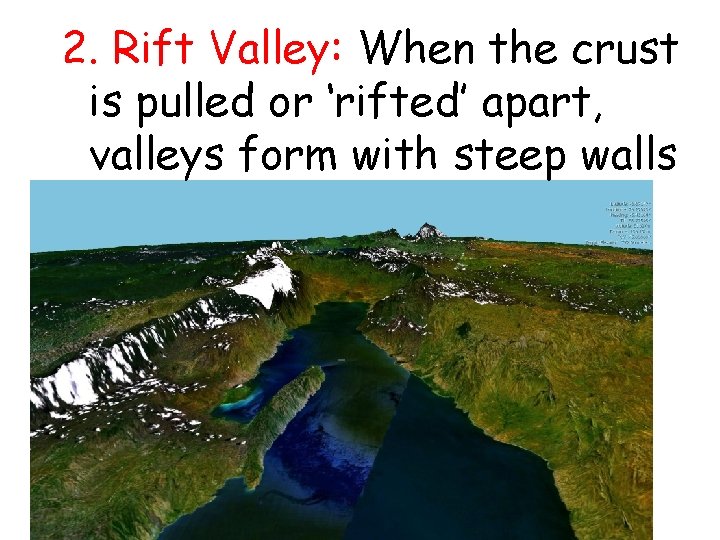
2. Rift Valley: When the crust is pulled or ‘rifted’ apart, valleys form with steep walls
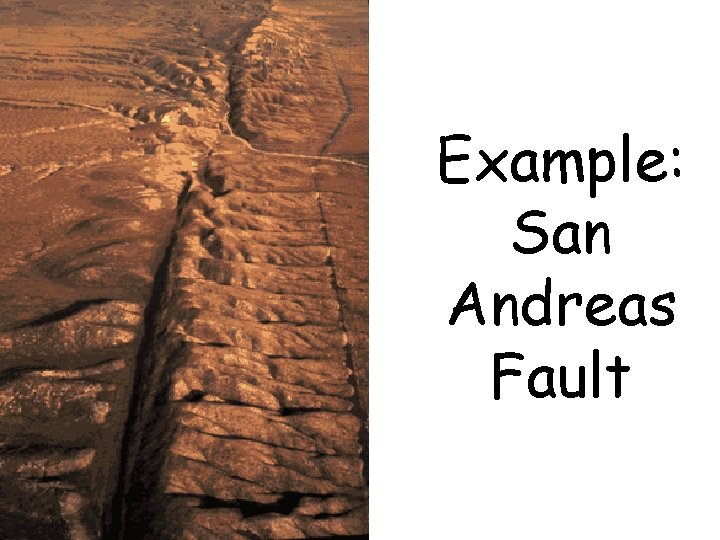
Transform Boundaries Earthquakes occur when stress is too great from plates sliding, causing fracture to form in the crust
Example: San Andreas Fault
Boundary Features
1. Volcanoes
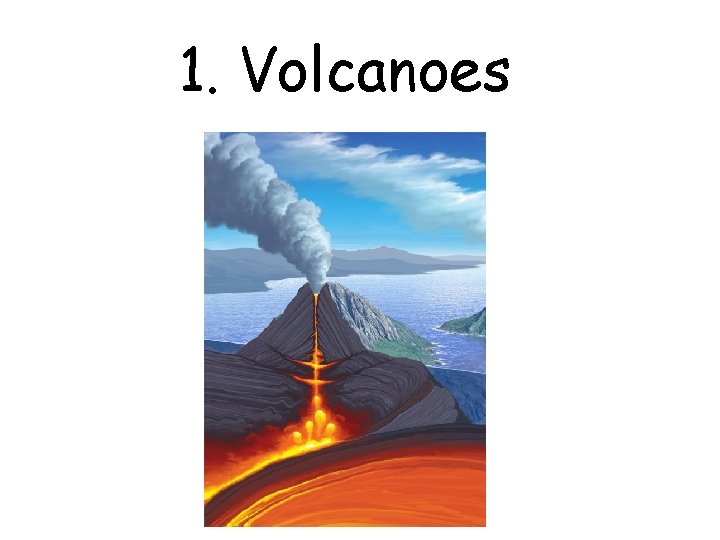
Volcanoes Subduction and its resulting gas chemical reactions, causes hot lava, ash and gas to return to the atmosphere
2. Island Arc
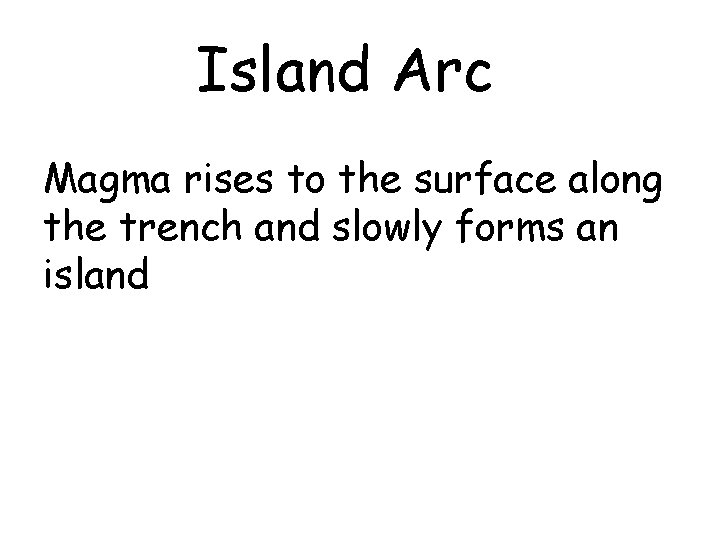
Island Arc Magma rises to the surface along the trench and slowly forms an island
3. Trench Su bd uc tin g Pla te
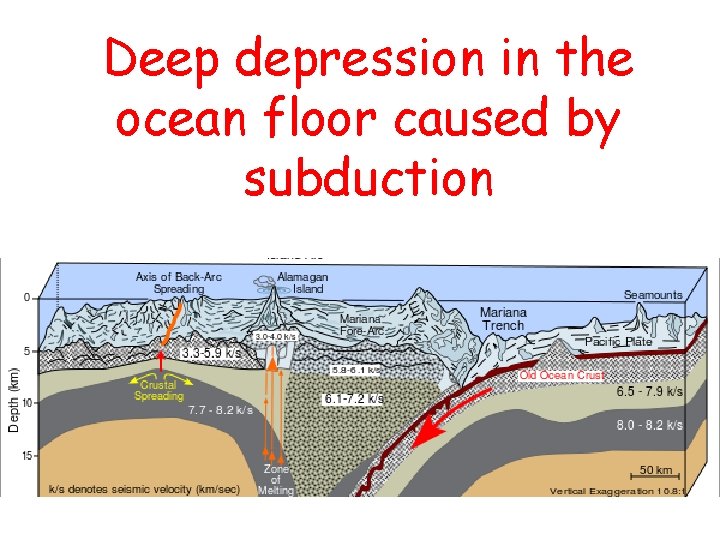
Deep depression in the ocean floor caused by subduction
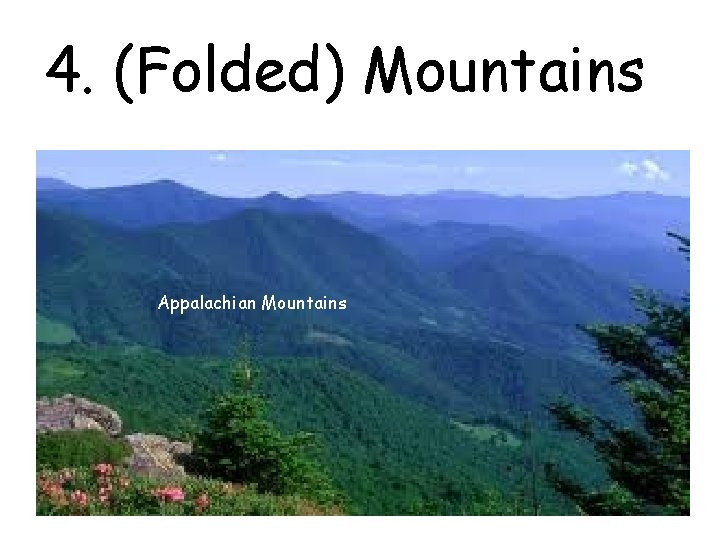
4. (Folded) Mountains Appalachian Mountains
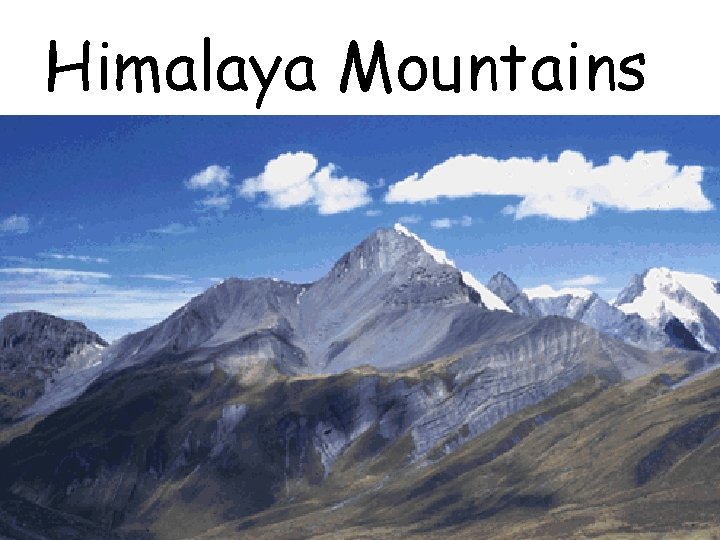
Himalaya Mountains
Folded Mountains As compressional force increases, folded mountains form Appalachian Mountains
Let’s go to this website and review! CLICK HERE>>> http: //www. pbs. org/wgbh/aso/tryit/tectonics/# Click on Plate Tectonics Activity (with a yellow arrow) when you get there!
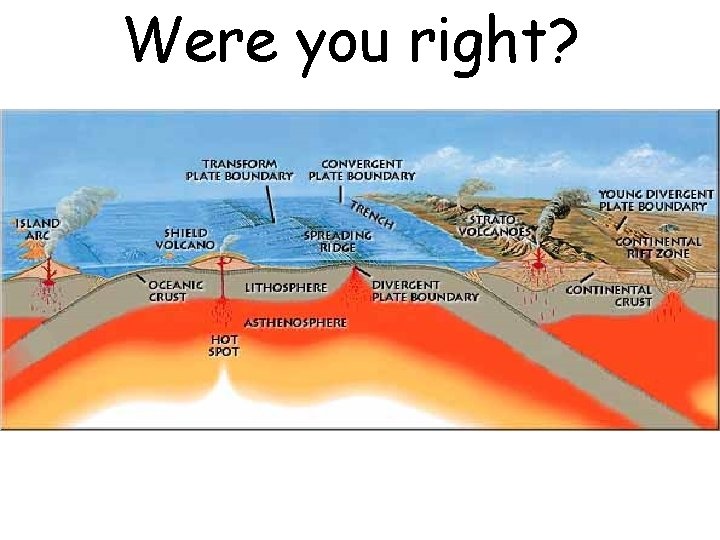
Were you right?