
Theories of Learning Psychological Foundations of learning BG
Theories of Learning Psychological Foundations of learning BG 2 nd SEM
Prepared by Mr. Tariq Ahmad Ahanger (M. A M. Ed NET) • 1. Two factor theory ( Spearman ) • 2. Classical conditioning theory ( Pavlov) • 3. Insight theory ( Kohler )
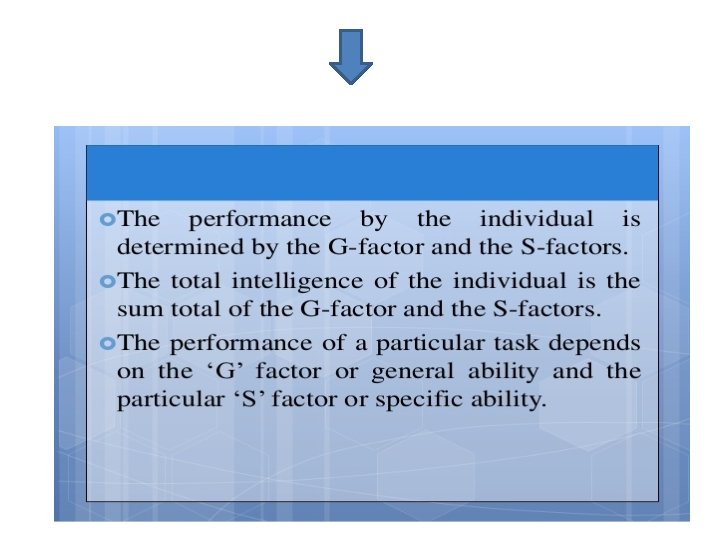
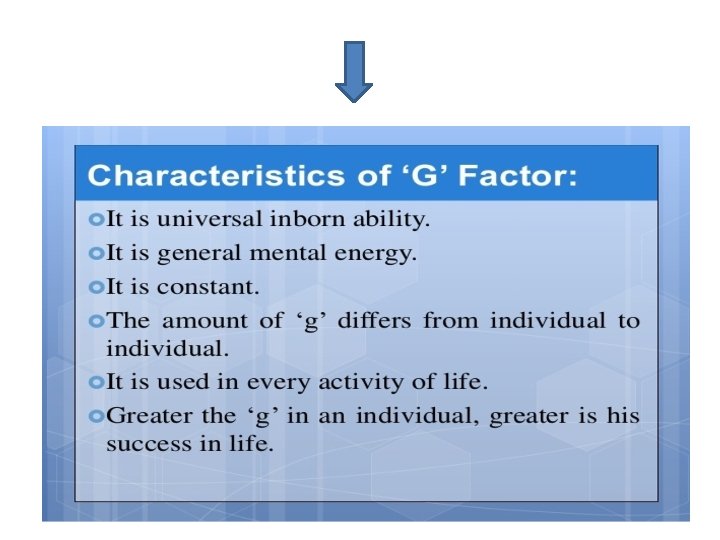
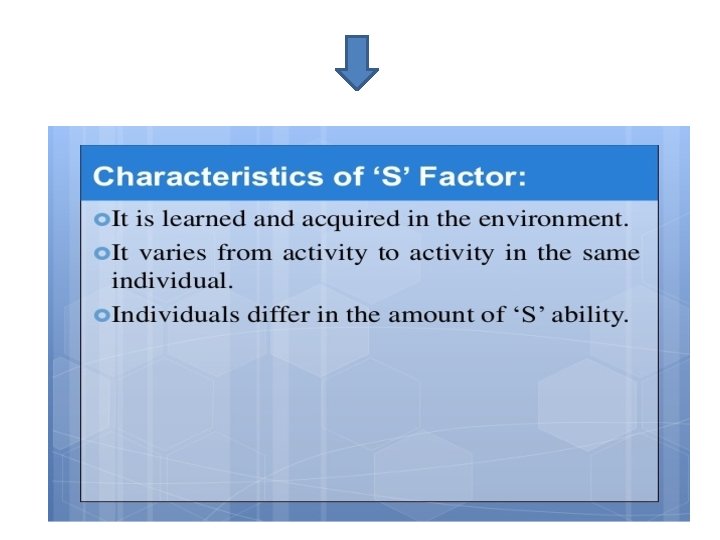
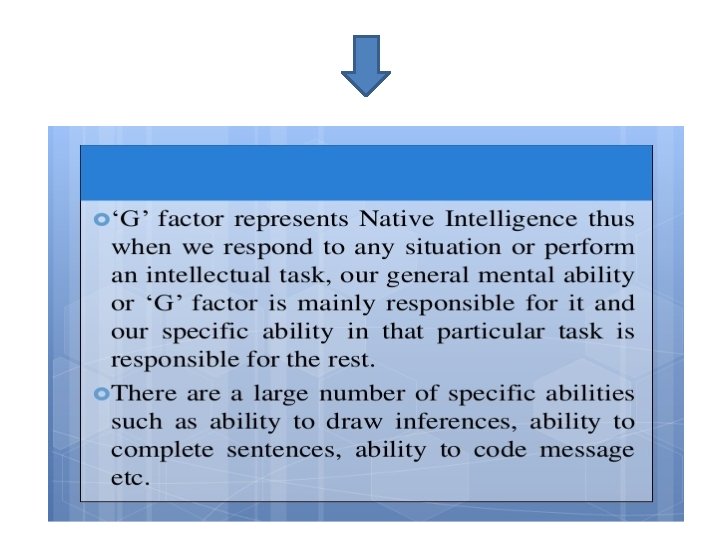
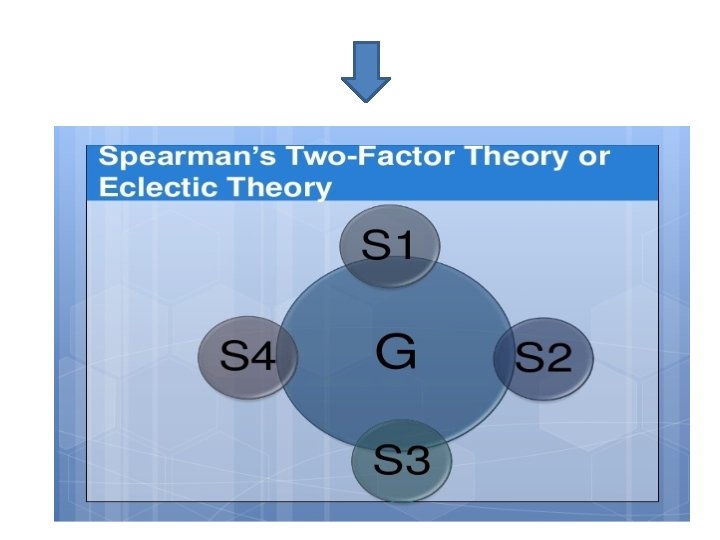
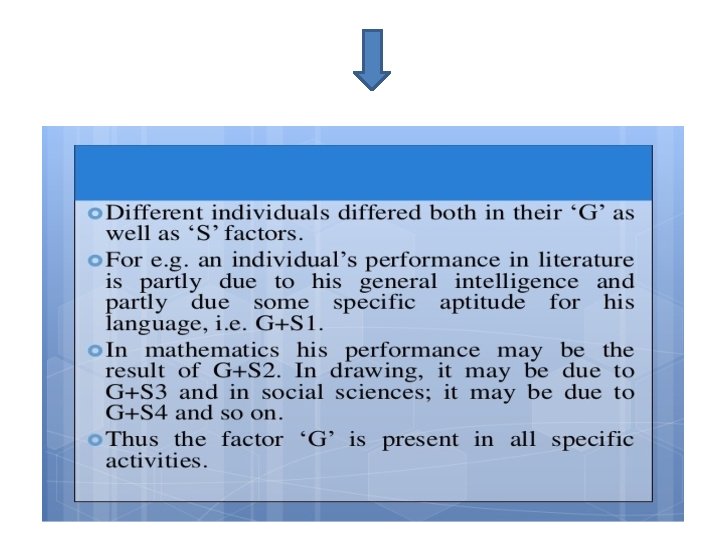
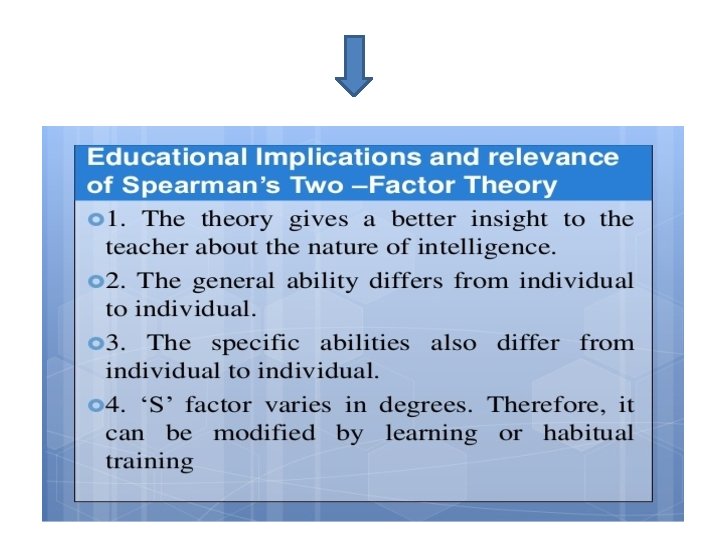
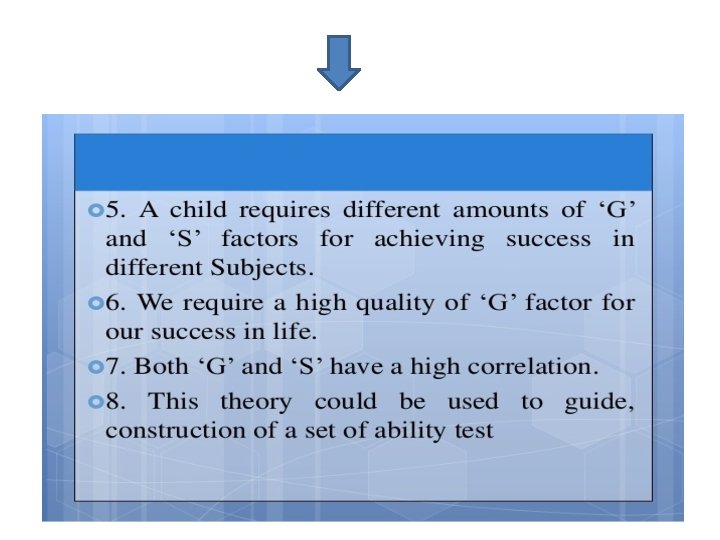
Two factor theory ( Spearman ) • The two factor theory of intelligence was proposed by Charles Spearman (1927). According to him, intelligence consists of general (g) and specific (s) factor. • The theory maintained that all intellectual activities share a single common factor (called “g”) which is characterized as mental energy. “g” is considered responsible for relationship between different human activities. Positive correlations between any two factors were attributed to ‘g” factor. • In addition to “g”, this theory also postulates a number of specific factors “s”. Each specific factor is strictly specific to a single activity.
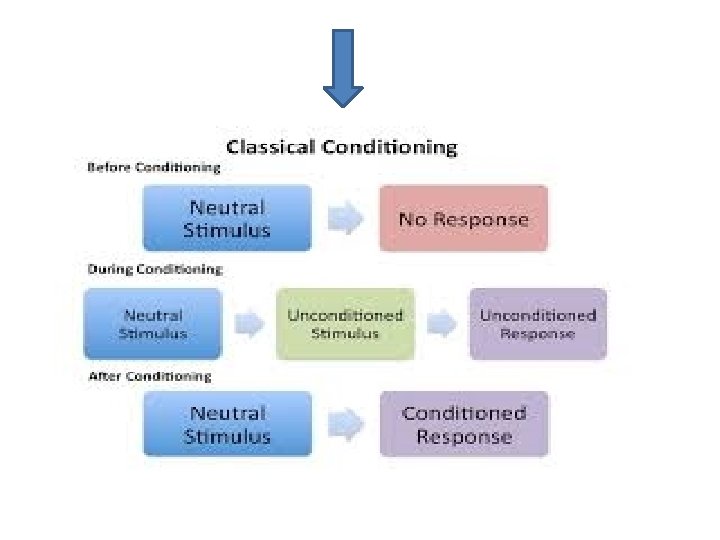
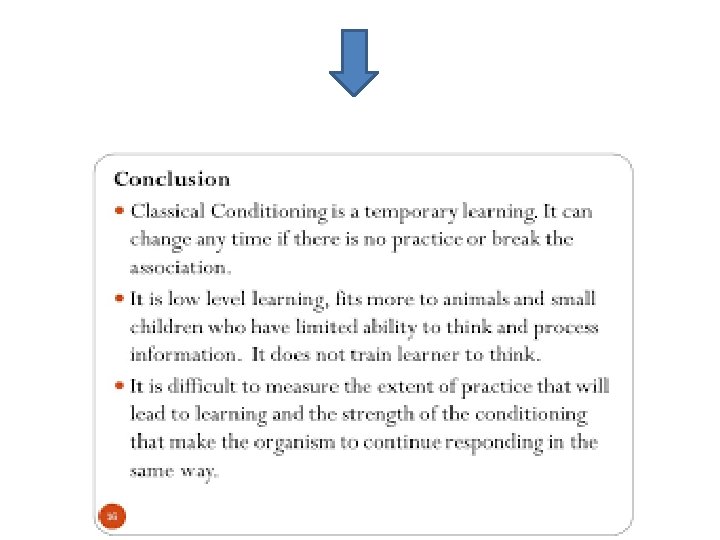
Classical conditioning theory • The Classical Conditioning Theory was proposed by a Russian Physiologist Ivan Pavlov. According to this theory, behavior is learnt by a repetitive association between the response and the stimulus. • . The classical conditioning theory is based on the assumption that learning is developed through the interactions with the environment. Also, the environment shapes the behavior and internal mental state such as thoughts, feelings, emotions do not explain the human behavior
• Here, an organism learns to transfer response from one stimulus to a previously neutral stimulus. Classical conditioning is comprised of four elements: • Unconditioned Stimulus (US): Which invariably causes to react in a way. • Unconditioned Response (UR): Takes place when the US is presented. • Conditioned Stimulus (CS): The object that does not bring about the desired response • Conditioned Response (CR): a particular behavior that an organism learns to produce, when the CS is presented.
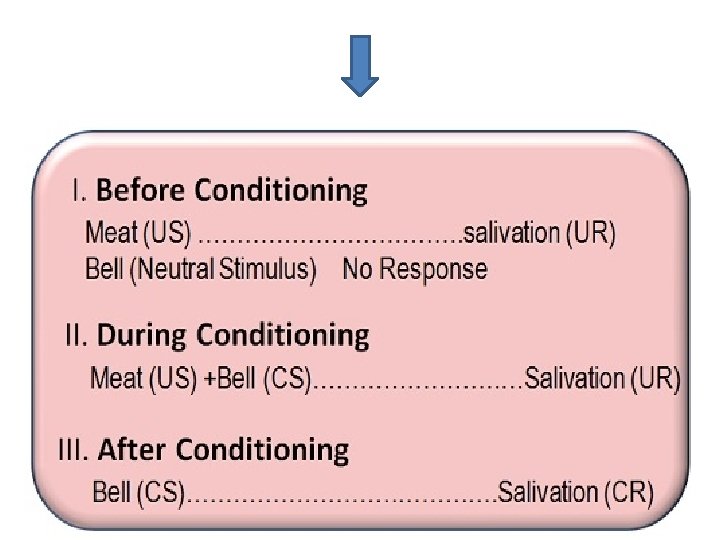
• Pavlov conducted an experiment on a dog and measured the amount of saliva secreted by a dog, with a use of a surgical procedure, when it is exposed to different stimulus or object. At first, when Pavlov presented a piece of meat (US) to the dog, he noticed a great amount of salivation (UR) whereas, in the second time, when he just rang the bell, he observed there was no effect of a bell on the dog’s salivation. • After this, Pavlov rang the bell accompanied with meat and noticed the salivation of a dog. He repeated this process several times, and finally, one day he just rang the bell without meat and observed that dog still salivated to the bell alone which was originally a neutral stimulus.
Insight theory of Learning • This theory is also called Gestalt Theory of Learning. An explanation of Gestalt School of Psychology. The word Gestalt in German language means ‘whole’, ‘total pattern’ or ‘configuration’. This school believes that the whole is more important than the parts. So learning also takes place as a whole’. In this respect Kohlar performed a number of experiments on monkeys, and arrived at the result that highest types of learning is through insight. • Learning by insight means sudden grasping of the solution, a flash of understanding, without any process of trial and error. All discoveries and inventions have taken place through insight. Of course the discoverer possessed a complete knowledge of the whole situation in peace-meal.
• The Gestalt psychologists dismiss theory of ‘trial and error’, hit and miss’ strive and succeed’. Another modern psychologist E. C. Tolman also rejects the trial and error theory and approaches the insight theory. • According to Tolman, in all learning some intelligence is at work. It is the learner who actively participates in the act of getting new experience. He organizes his perceptions and observations and gives meaning to them. It is his whole mind that perceives, constructs and reconstructs experience. In his ‘purposive theory of learning’, he explains the behaviour or rats in teaching the goal through many trials as a result of ‘insight’ or ‘making cognitive map’ of the maze.
• Experiments of Theory of Learning by Insight: • (i) Kohler s experiment on Sultan (Experiment with box): • Kohlar kept a monkey (named Sultan) hungry for some time, and then shut him in a large cage. He hung bananas from the ceiling, and kept a box on the floor of the cage, fast beneath. The monkey could not reach the banana. Another box was put in a corner of the cage. • But Sultan could not get the idea of placing one box on the other and thus reaching the banana. Ultimately Kohlar gave demonstration of putting one box on the other. Sultan could now learn the whole situation. He used his intelligence and insight to put the two boxes one upon the other, stand on these and then reach the bananas.
• (ii) Experiment with two sticks: • In another experiment Kohler kept two sticks in the cage. One end of the shorter sticks could be fitted in the one end of the longer sticks, so as to make them longer. The monkey did not get the idea of forming the two sticks through trial and error. When Kohlar gave a hint through putting his finger in the whole of the bigger stick, the monkey viewed the whole situation and performed the right task through understanding the insight.
THE END
- Slides: 24