
Thema 3 Energie basisstof 1organische stoffen Organische stoffen
Thema 3 Energie basisstof 1/organische stoffen Organische stoffen zijn grote moleculen en koolstofverbindingen; Koolstofverbindingen kunnen ketens vormen; Naast koolstof (C) vind je altijd waterstof (H) en vaak zuurstof (O), stikstof (N), zwavel (S) en fosfor (P); Metalen zoals Fe 2+ en Mg 2+ kunnen ook voorkomen
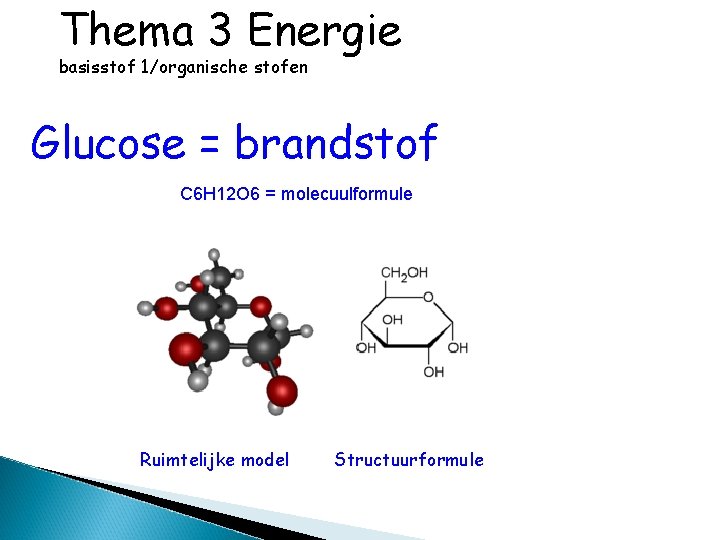
Thema 3 Energie basisstof 1/organische stofen Glucose = brandstof C 6 H 12 O 6 = molecuulformule Ruimtelijke model Structuurformule
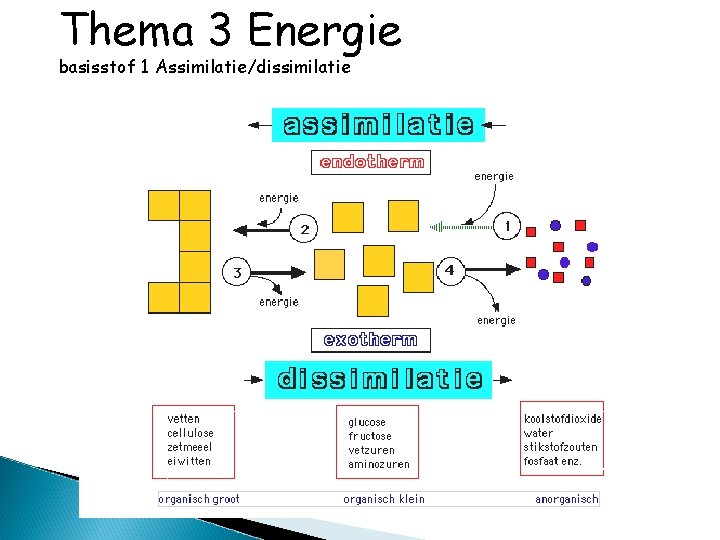
Thema 3 Energie basisstof 1 Assimilatie/dissimilatie
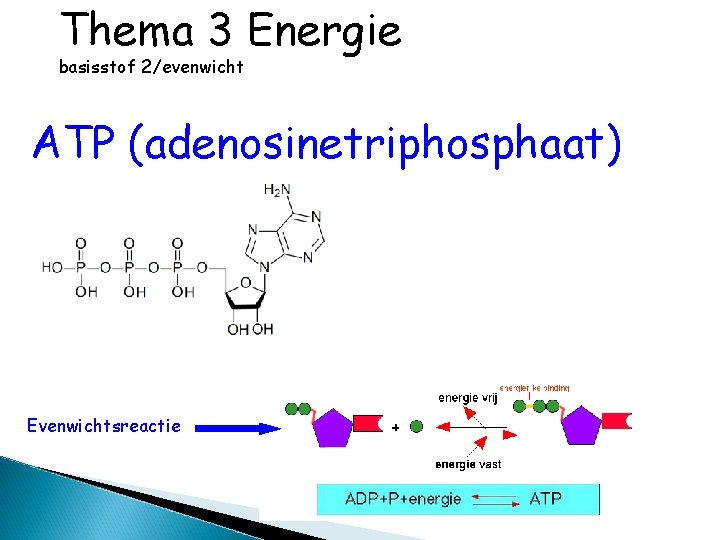
Thema 3 Energie basisstof 2/evenwicht ATP (adenosinetriphosphaat) Evenwichtsreactie
Thema 3 Energie basisstof 2/enzymen Enzymen katalyseren (versnellen) stofwisselingsreacties en worden daarbij niet verbruikt; Stof waarop het enzym inwerkt noemen je substraat; Enzymatische reacties zijn vaak evenwichtsreacties; Bij een evenwichtsreactie kan het enzym de reactie in beide richtingen katalyseren; Naam enzym is afgeleid van het substraat door aan de substraatnaam het achtervoegsel –ase te geven (bijv. het enzym dat maltose omzet in glucose heet maltase). De naam van het enzym wordt boven de pijlen gezet; Stof die door de activiteit van een enzym ontstaat heet product.
Thema 3 Energie basisstof 2/enzymen
Filmpje biobits over enzymen!
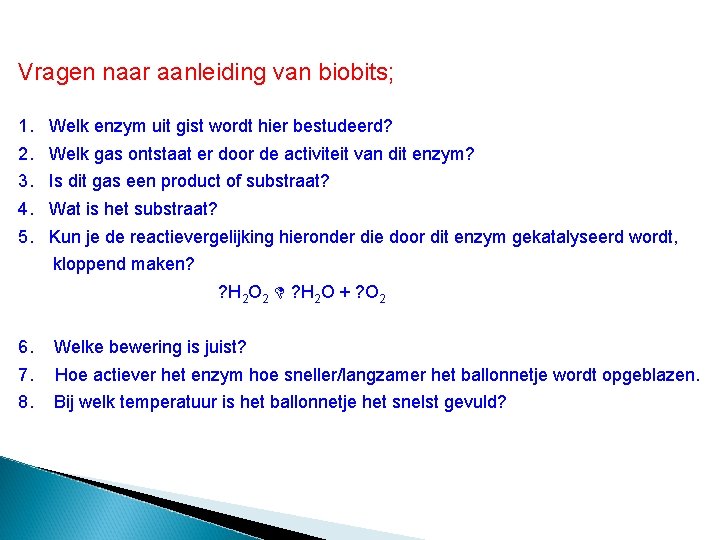
Vragen naar aanleiding van biobits; 1. Welk enzym uit gist wordt hier bestudeerd? 2. Welk gas ontstaat er door de activiteit van dit enzym? 3. Is dit gas een product of substraat? 4. Wat is het substraat? 5. Kun je de reactievergelijking hieronder die door dit enzym gekatalyseerd wordt, kloppend maken? ? H 2 O 2 ? H 2 O + ? O 2 6. Welke bewering is juist? 7. Hoe actiever het enzym hoe sneller/langzamer het ballonnetje wordt opgeblazen. 8. Bij welk temperatuur is het ballonnetje het snelst gevuld?
Thema 3 Energie basisstof 2/enzymen http: //www. youtube. com/watch? v=V 4 OPO 6 JQLOE
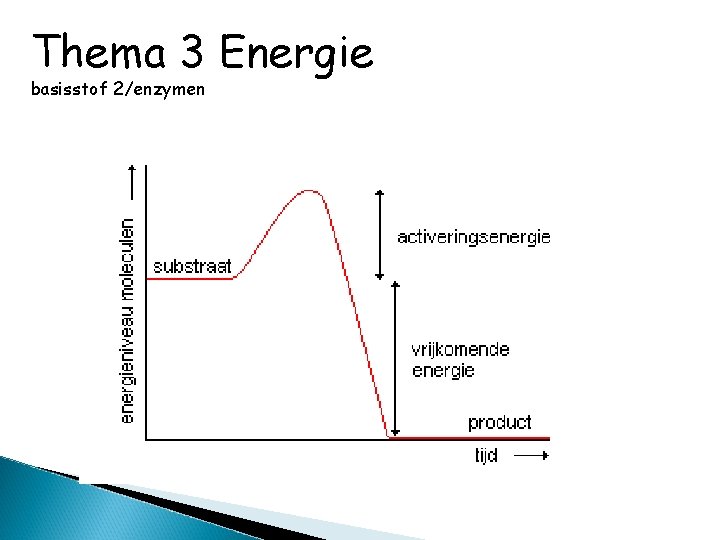
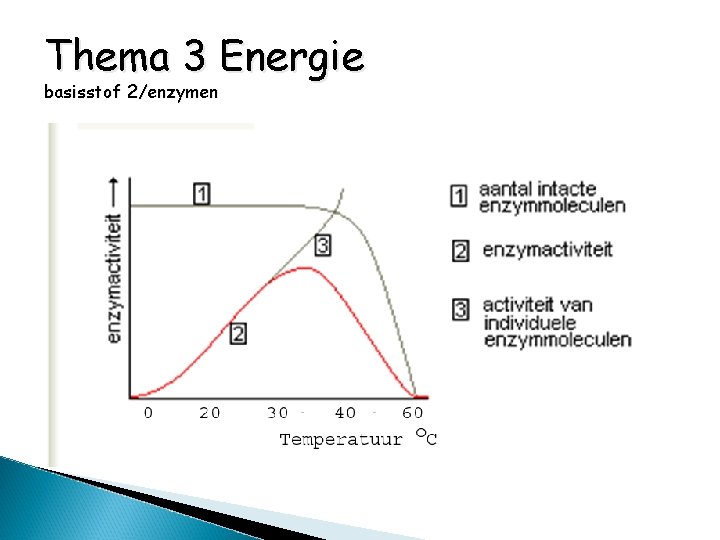
Thema 3 Energie basisstof 2/enzymen De activiteit van enzymen hangt af van verschillende factoren. Zo is temperatuur is van invloed op de beweging van moleculen en daarmee op de snelheid waarmee reacties verlopen; Aanvankelijk door een energiedrempel, energie nodig om de reactie te starten. Dit noem je activeringsenergie!; Enzymen verlagen de activeringsenergie; Enzymen kunnen dezelfde reactie steeds opnieuw katalyseren.
Thema 3 Energie basisstof 2/enzymen
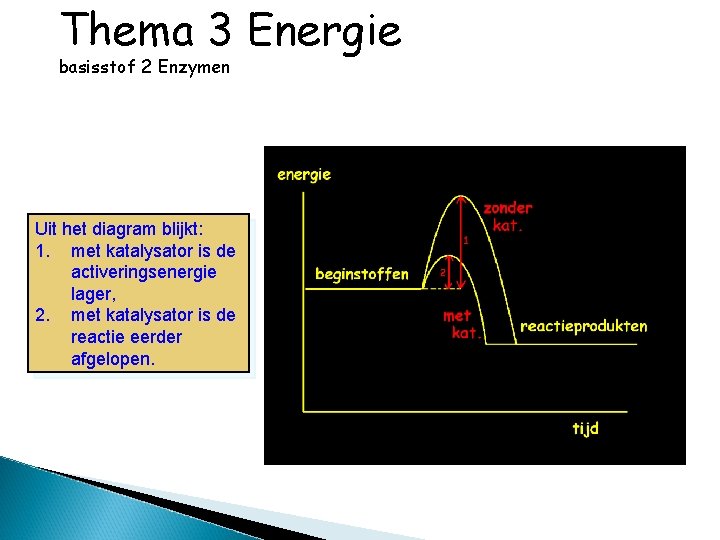
Thema 3 Energie basisstof 2 Enzymen Uit het diagram blijkt: 1. met katalysator is de activeringsenergie lager, 2. met katalysator is de reactie eerder afgelopen.
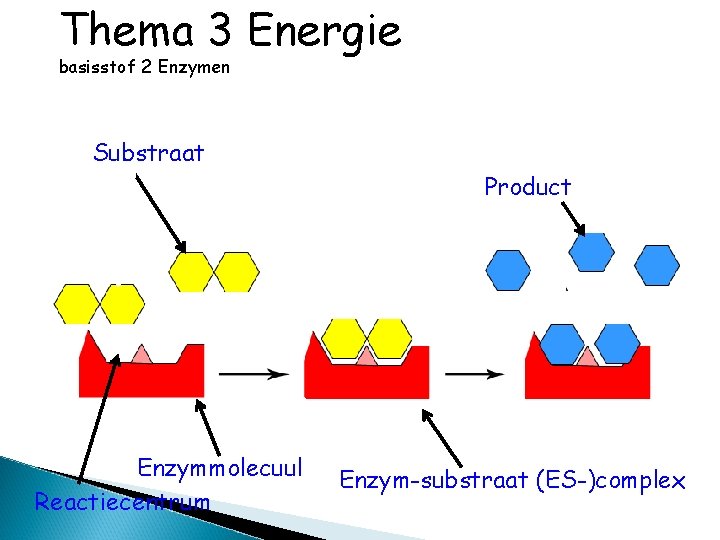
Thema 3 Energie basisstof 2 Enzymen Substraat Product Enzymmolecuul Reactiecentrum Enzym-substraat (ES-)complex
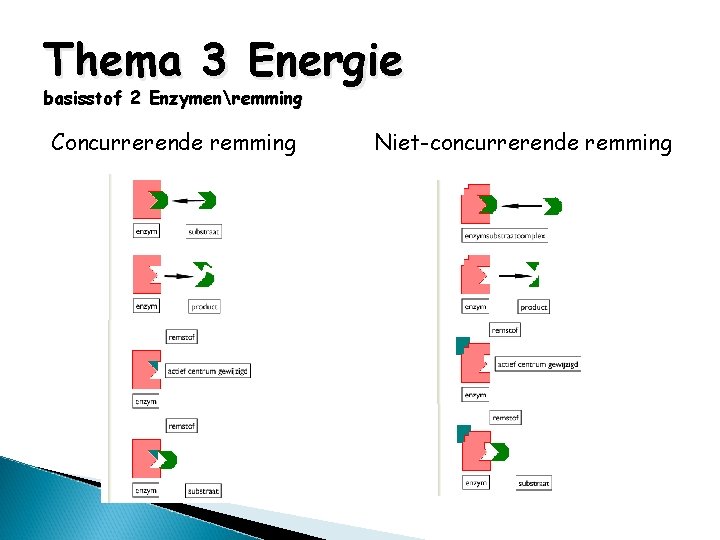
Thema 3 Energie basisstof 2 Enzymenremming Concurrerende remming Niet-concurrerende remming
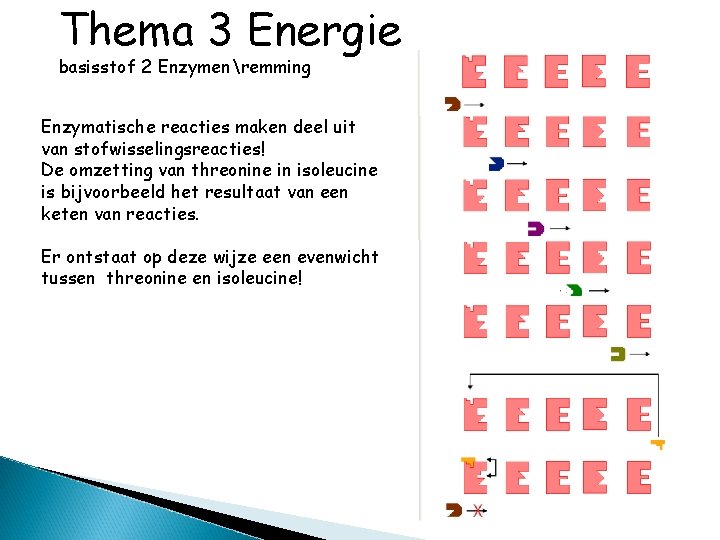
Thema 3 Energie basisstof 2 Enzymenremming Enzymatische reacties maken deel uit van stofwisselingsreacties! De omzetting van threonine in isoleucine is bijvoorbeeld het resultaat van een keten van reacties. Er ontstaat op deze wijze een evenwicht tussen threonine en isoleucine!
Thema 3 Energie basisstof 3 http: //media. pearsoncmg. com/bc/bc_0 media_bio/bioflix. htm? c 8 erespiration
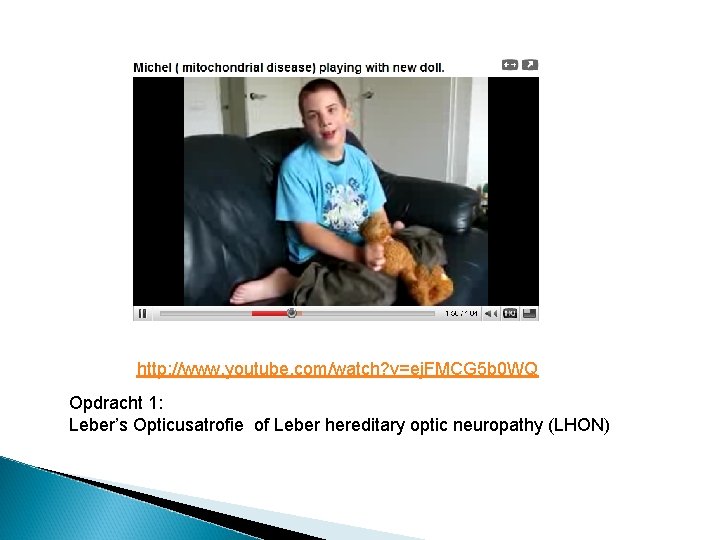
http: //www. youtube. com/watch? v=ej. FMCG 5 b 0 WQ Opdracht 1: Leber’s Opticusatrofie of Leber hereditary optic neuropathy (LHON)
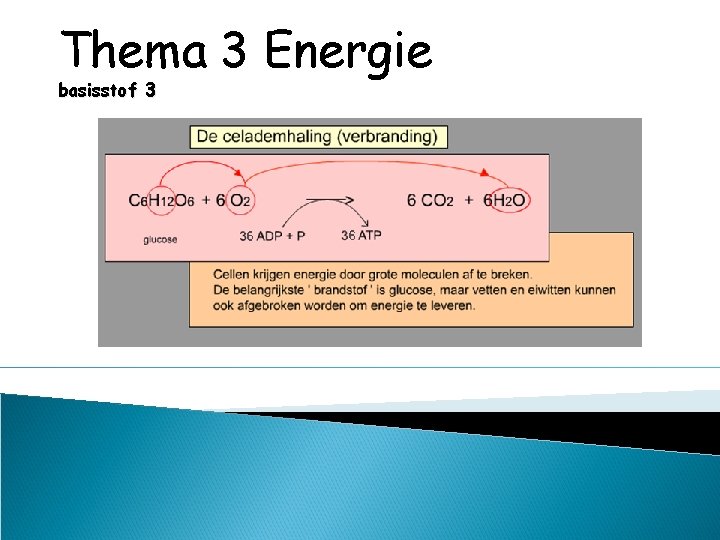
Thema 3 Energie basisstof 3
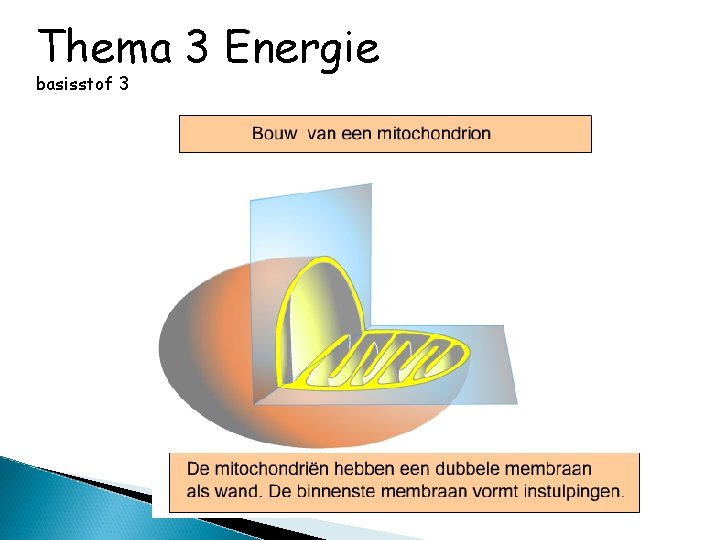
Thema 3 Energie basisstof 3
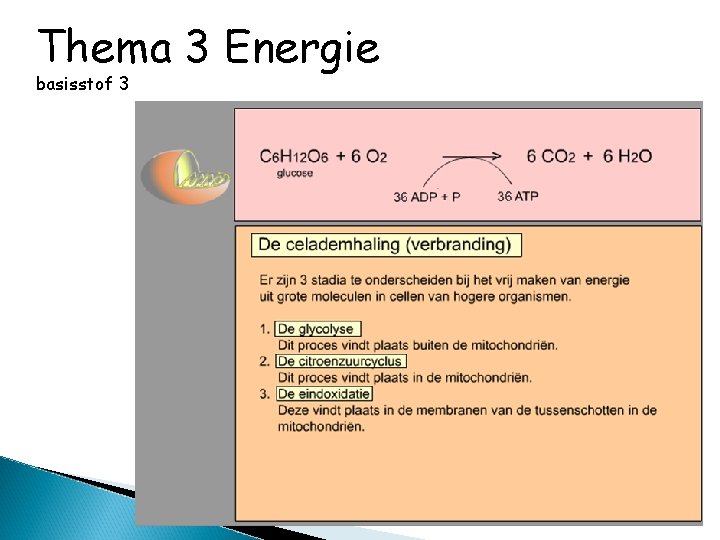
Thema 3 Energie basisstof 3
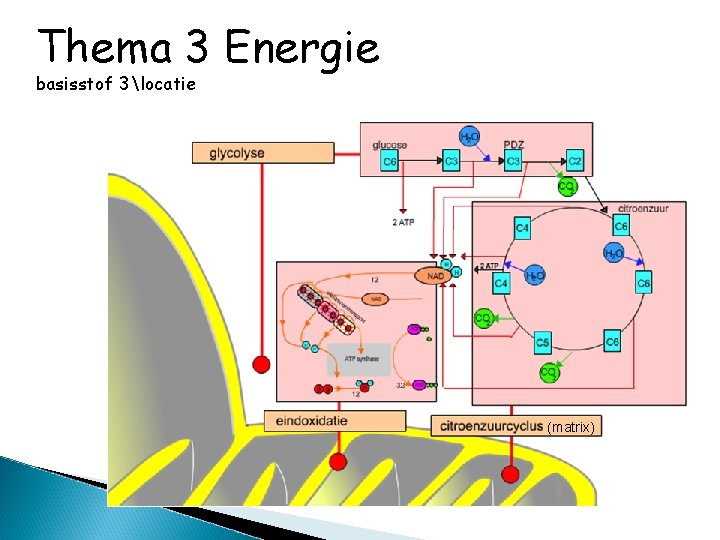
Thema 3 Energie basisstof 3locatie (matrix)
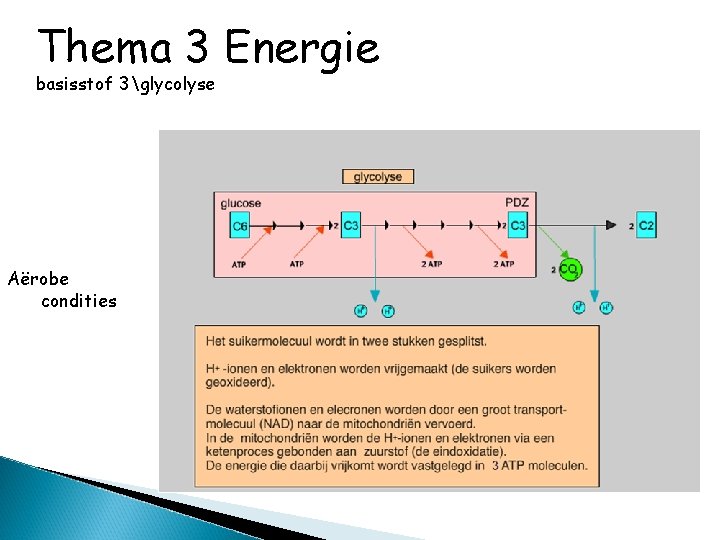
Thema 3 Energie basisstof 3glycolyse decarboxylering Aërobe condities
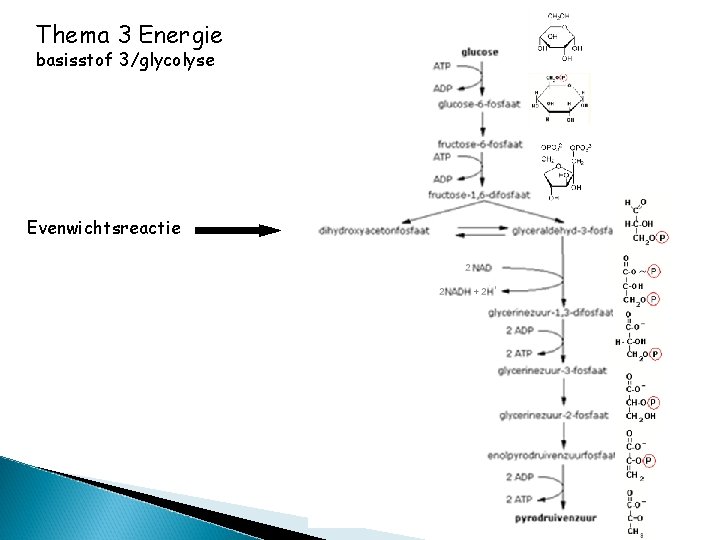
Thema 3 Energie basisstof 3/glycolyse Evenwichtsreactie
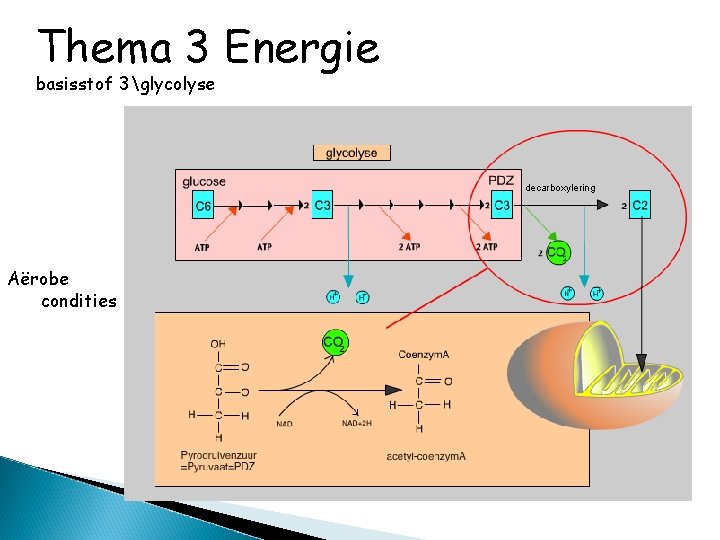
Thema 3 Energie basisstof 3glycolyse decarboxylering Aërobe condities
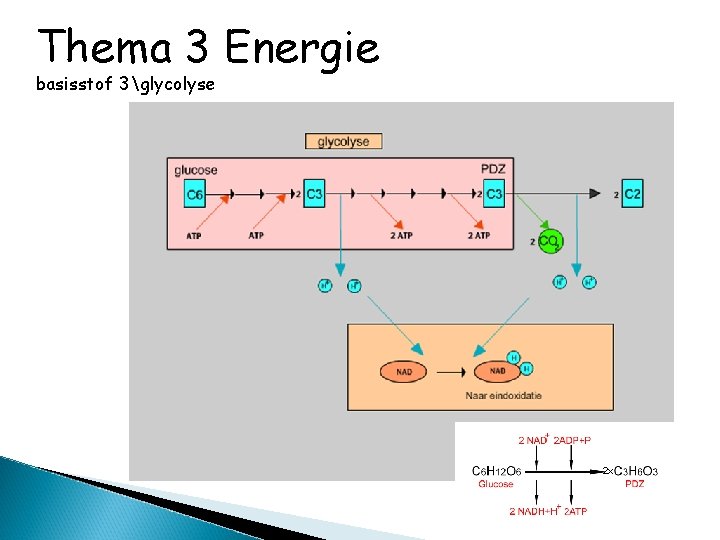
Thema 3 Energie basisstof 3glycolyse 2 x
Thema 3 Energie basisstof 3/glycolyse http: //media. pearsoncmg. com/bc/bc_0 media_bio/bioflix. htm? c 8 erespiration
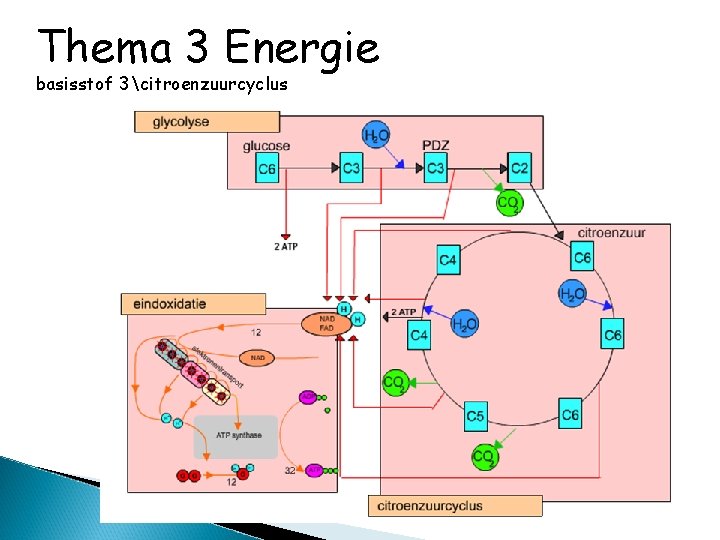
Thema 3 Energie basisstof 3citroenzuurcyclus
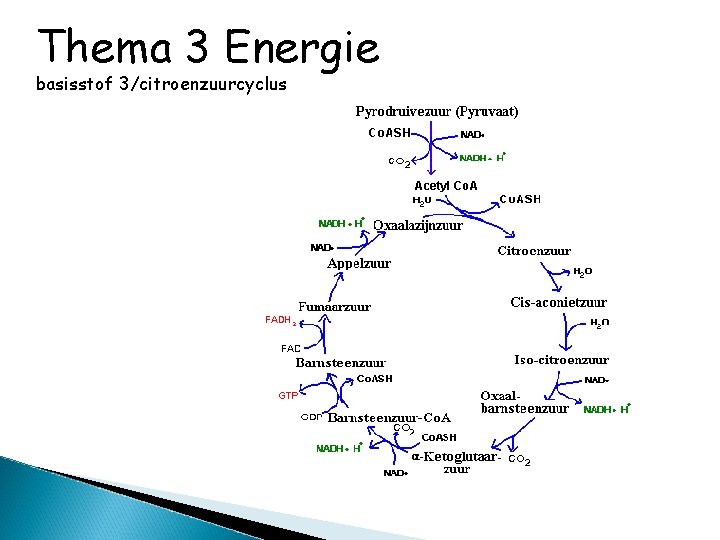
Thema 3 Energie basisstof 3/citroenzuurcyclus
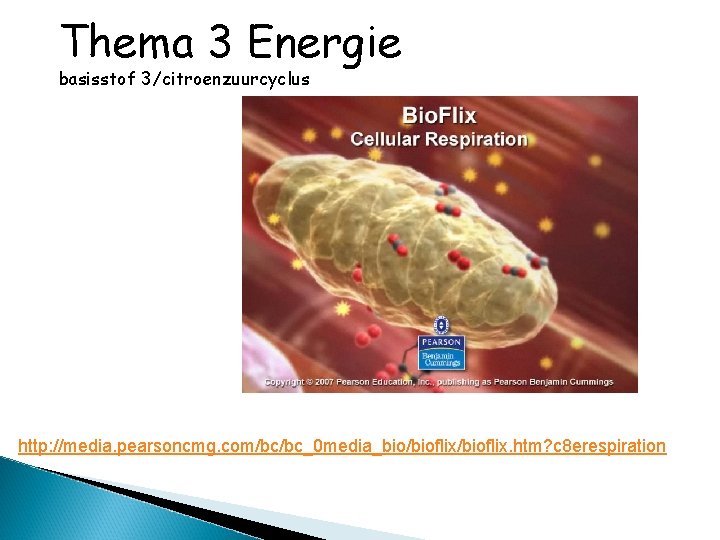
Thema 3 Energie basisstof 3/citroenzuurcyclus http: //media. pearsoncmg. com/bc/bc_0 media_bio/bioflix. htm? c 8 erespiration
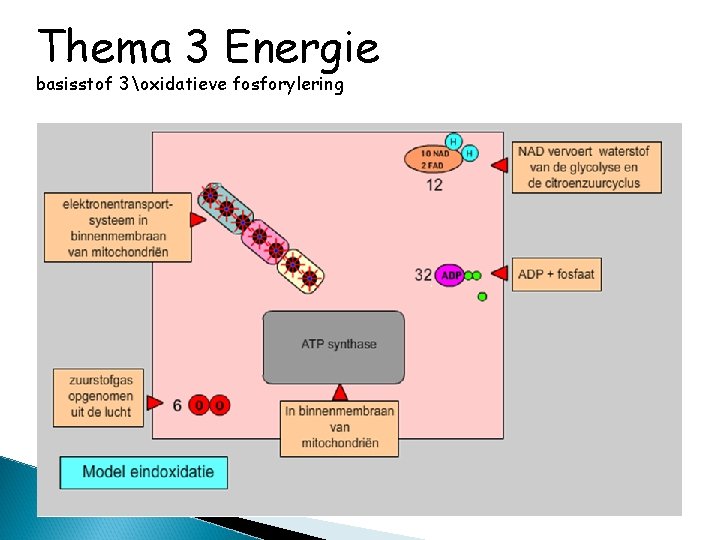
Thema 3 Energie basisstof 3oxidatieve fosforylering
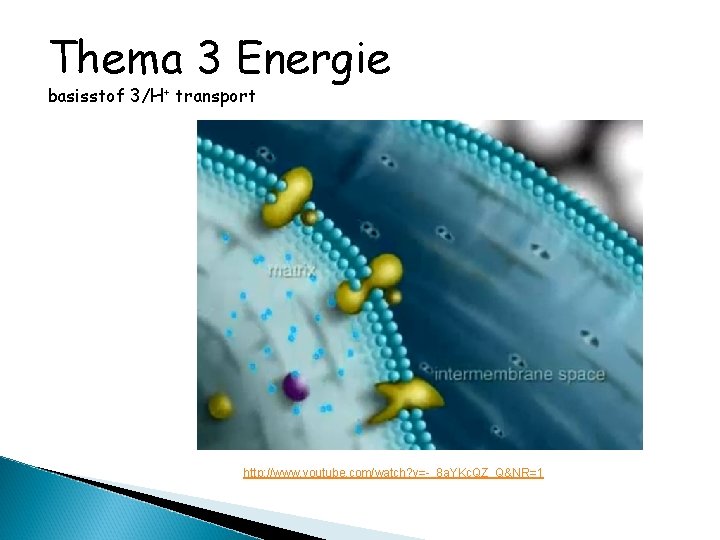
Thema 3 Energie basisstof 3/H+ transport http: //www. youtube. com/watch? v=-_8 a. YKc. QZ_Q&NR=1
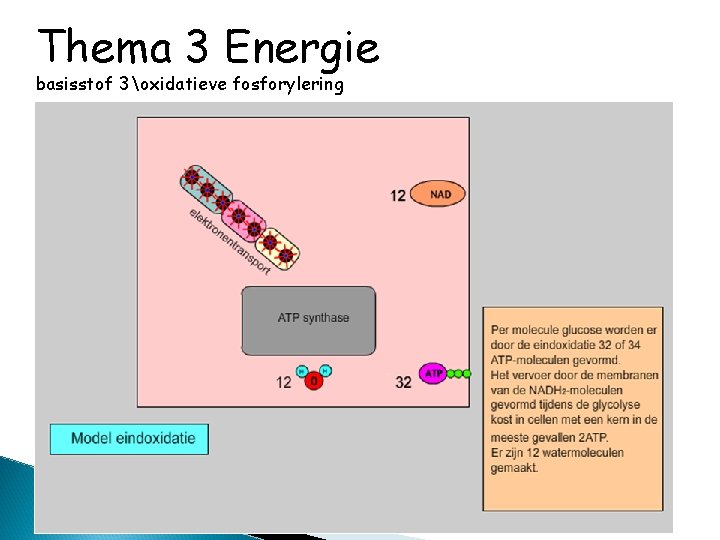
Thema 3 Energie basisstof 3oxidatieve fosforylering
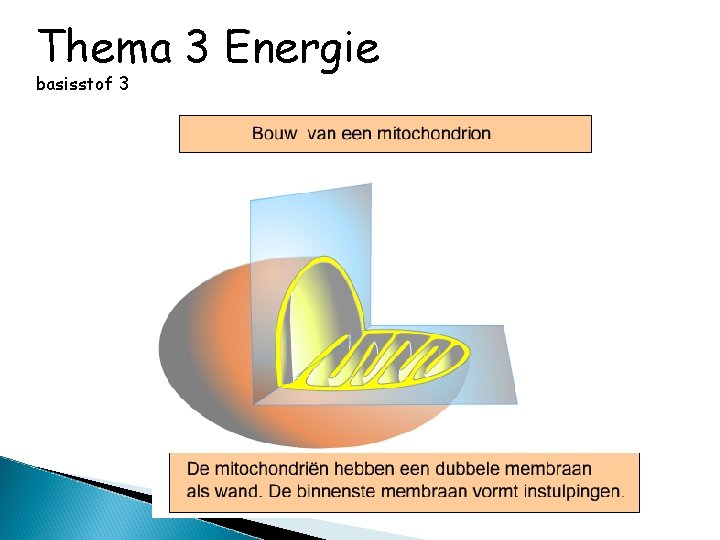
Thema 3 Energie basisstof 3
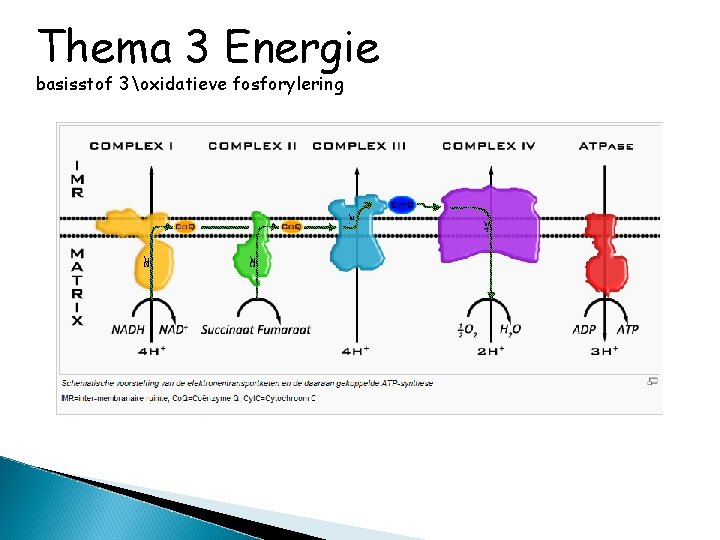
Thema 3 Energie basisstof 3oxidatieve fosforylering
Thema 3 Energie basisstof 4/fotosynthese http: //www. youtube. com/watch? v=y. Bfx 3 Oc. XS 6 A&feature=Play. List&p=66 C 657 A 33 E 6 D 54 C 4&playnext=1&playnext_from=PL&index=16
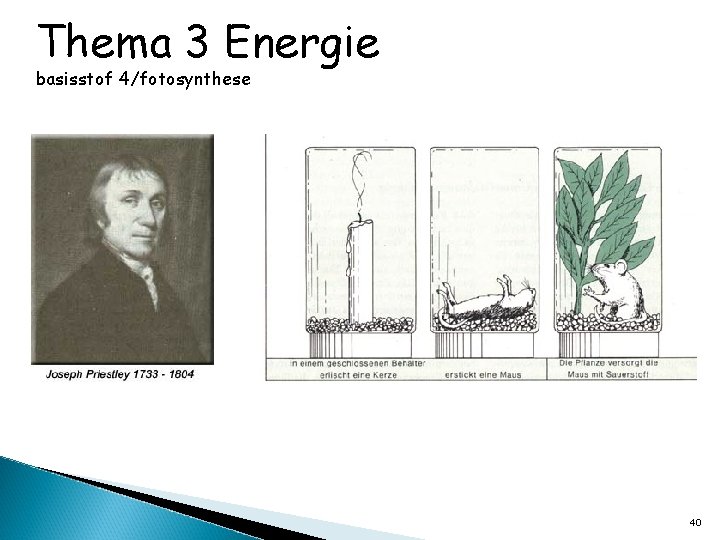
Thema 3 Energie basisstof 4/fotosynthese 40
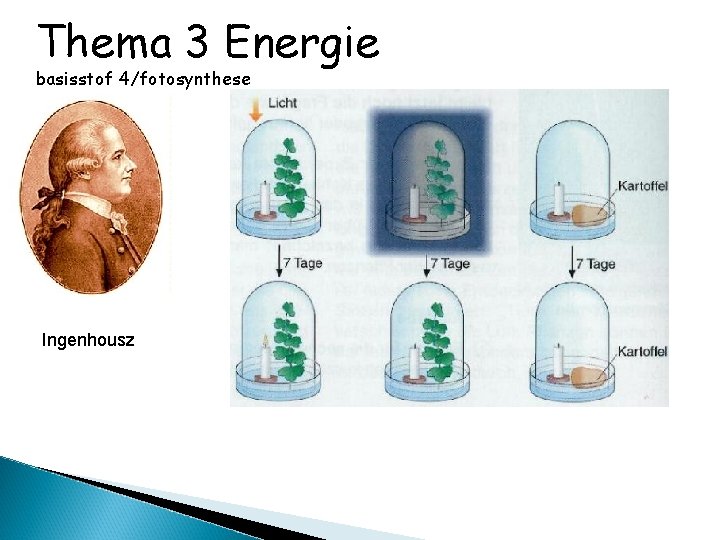
Thema 3 Energie basisstof 4/fotosynthese Ingenhousz
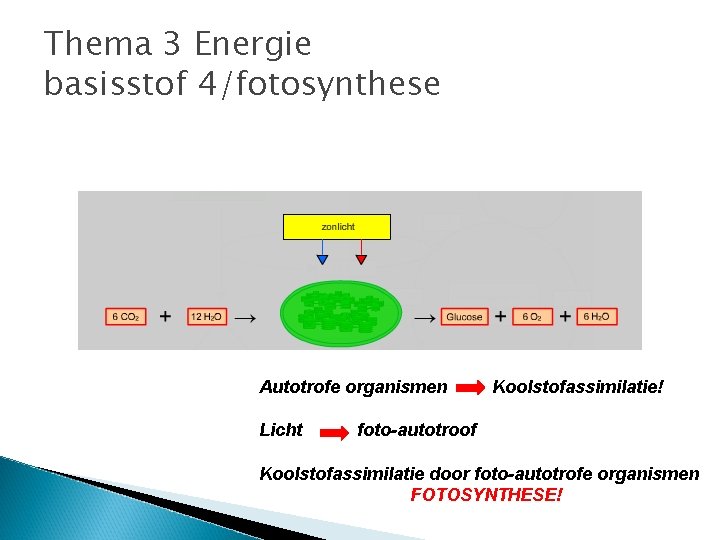
Thema 3 Energie basisstof 4/fotosynthese Autotrofe organismen Licht Koolstofassimilatie! foto-autotroof Koolstofassimilatie door foto-autotrofe organismen FOTOSYNTHESE!
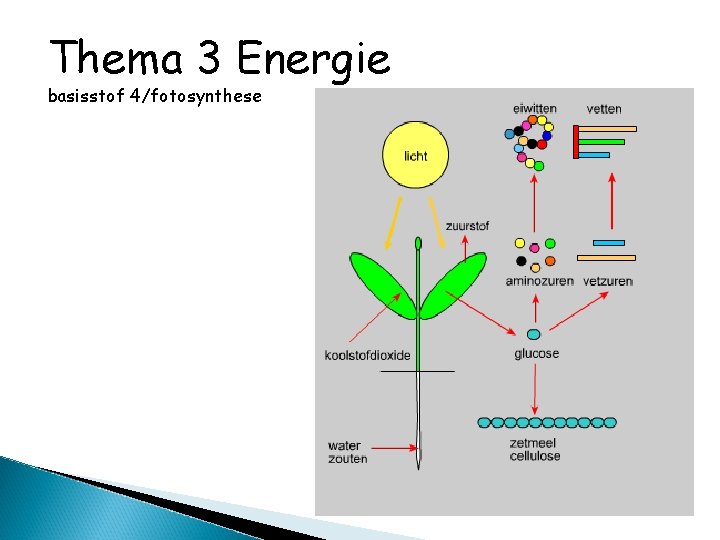
Thema 3 Energie basisstof 4/fotosynthese
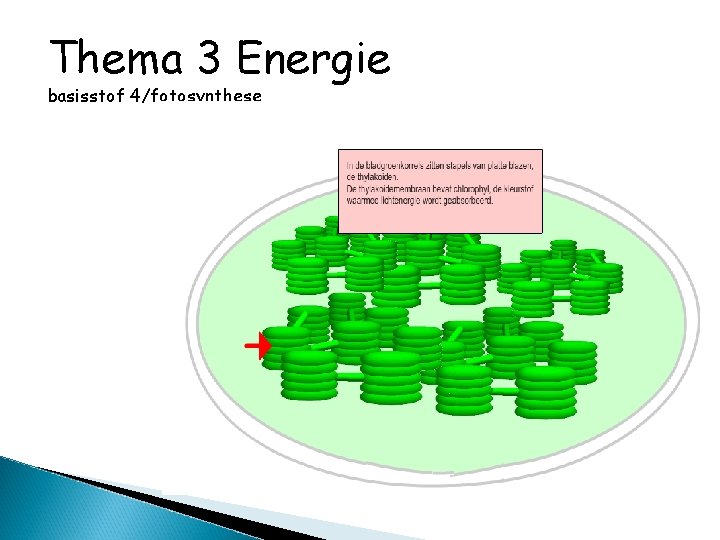
Thema 3 Energie basisstof 4/fotosynthese
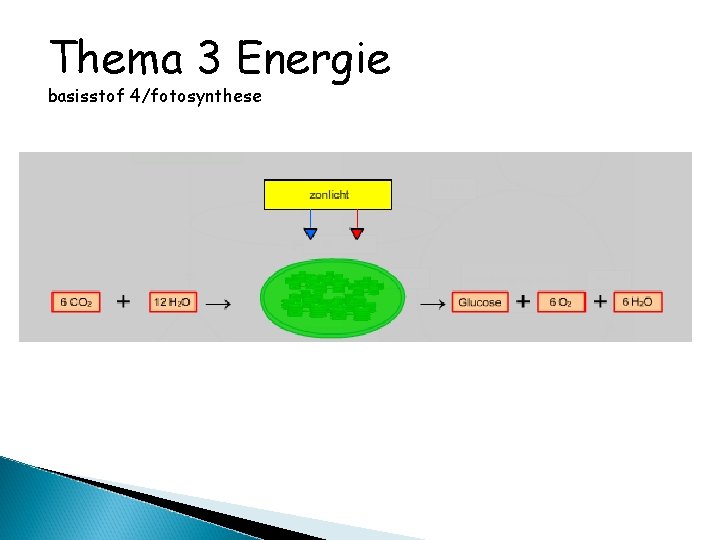
Thema 3 Energie basisstof 4/fotosynthese
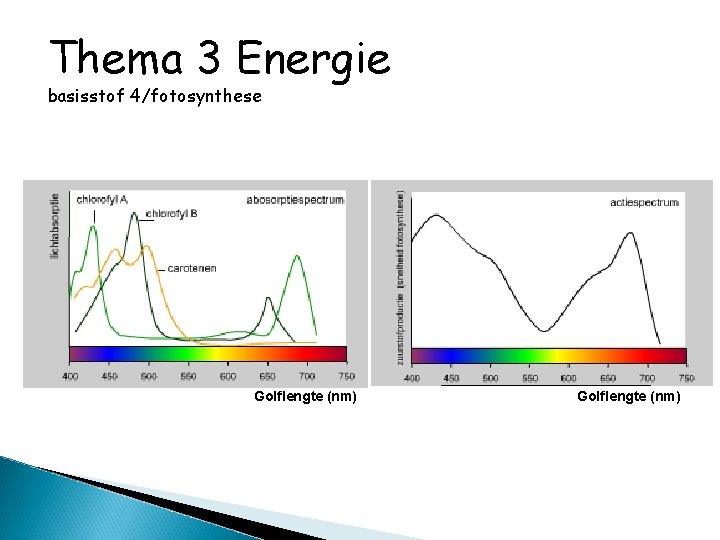
Thema 3 Energie basisstof 4/fotosynthese Golflengte (nm)
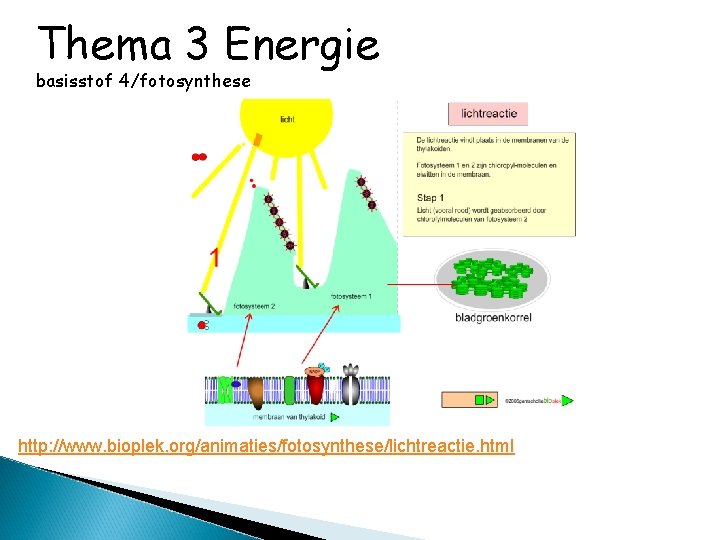
Thema 3 Energie basisstof 4/fotosynthese http: //www. bioplek. org/animaties/fotosynthese/lichtreactie. html
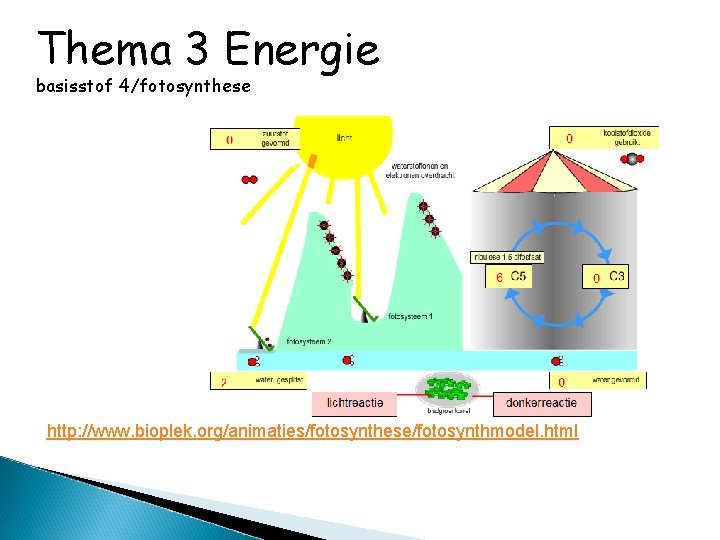
Thema 3 Energie basisstof 4/fotosynthese http: //www. bioplek. org/animaties/fotosynthese/fotosynthmodel. html
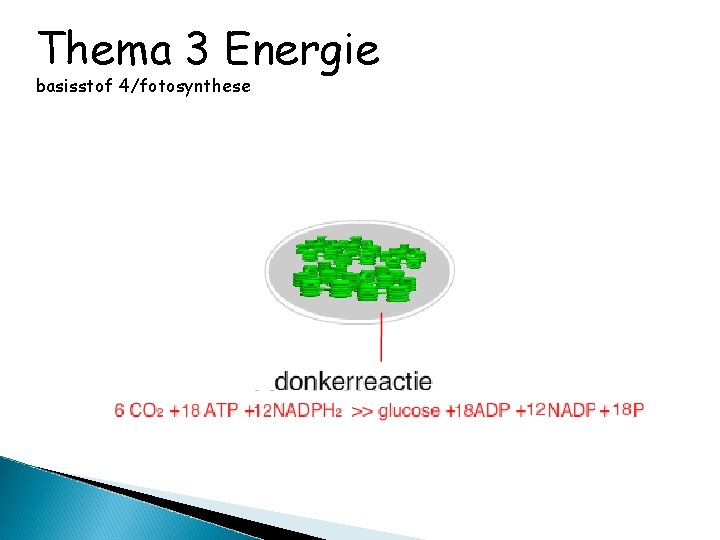
Thema 3 Energie basisstof 4/fotosynthese
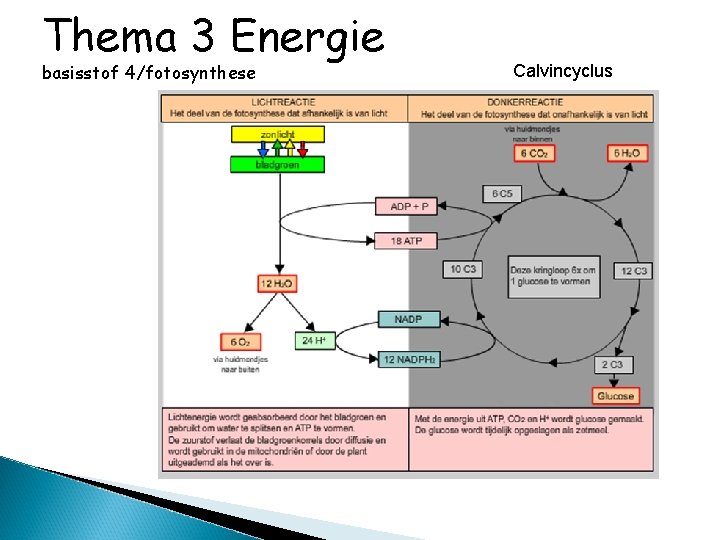
Thema 3 Energie basisstof 4/fotosynthese Calvincyclus
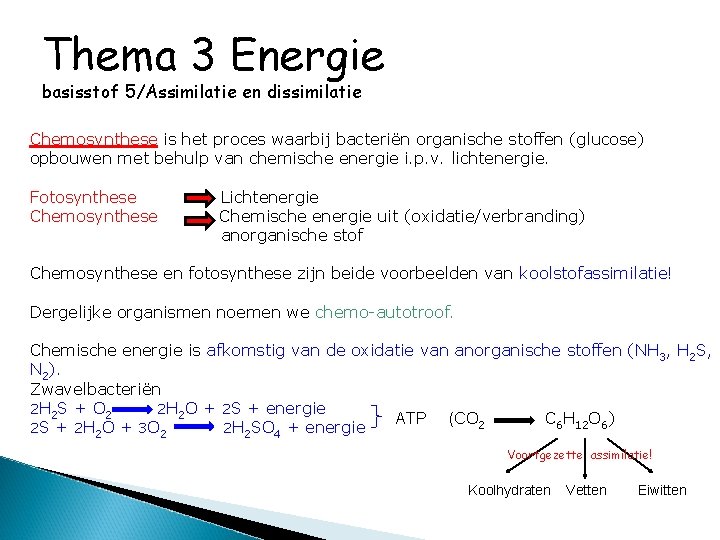
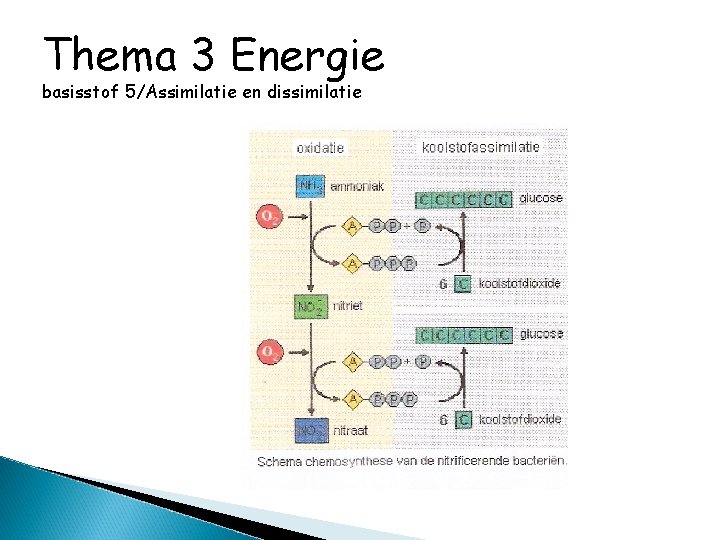
Thema 3 Energie basisstof 5/Assimilatie en dissimilatie Chemosynthese is het proces waarbij bacteriën organische stoffen (glucose) opbouwen met behulp van chemische energie i. p. v. lichtenergie. Fotosynthese Chemosynthese Lichtenergie Chemische energie uit (oxidatie/verbranding) anorganische stof Chemosynthese en fotosynthese zijn beide voorbeelden van koolstofassimilatie! Dergelijke organismen noemen we chemo-autotroof. Chemische energie is afkomstig van de oxidatie van anorganische stoffen (NH 3, H 2 S, N 2). Zwavelbacteriën 2 H 2 S + O 2 2 H 2 O + 2 S + energie ATP (CO 2 C 6 H 12 O 6) 2 S + 2 H 2 O + 3 O 2 2 H 2 SO 4 + energie Voortgezette assimilatie! Koolhydraten Vetten Eiwitten
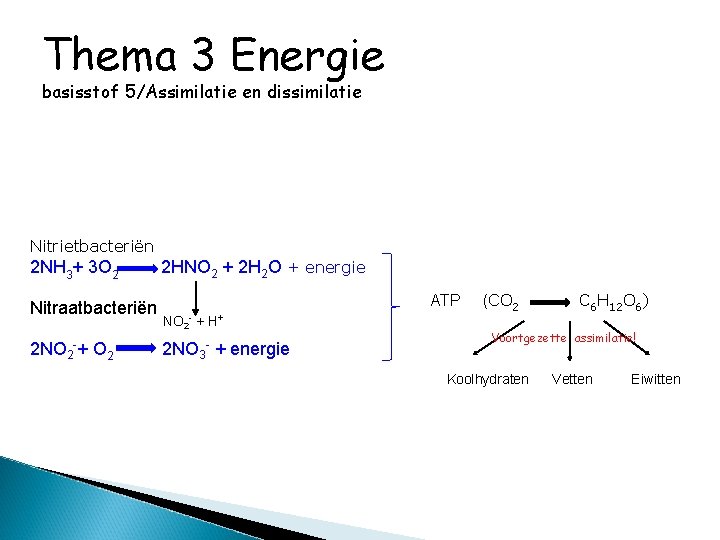
Thema 3 Energie basisstof 5/Assimilatie en dissimilatie Nitrietbacteriën 2 NH 3+ 3 O 2 2 HNO 2 + 2 H 2 O + energie Nitraatbacteriën NO 2 - + H+ 2 NO 2 -+ O 2 2 NO 3 - + energie ATP (CO 2 C 6 H 12 O 6) Voortgezette assimilatie! Koolhydraten Vetten Eiwitten
Thema 3 Energie basisstof 5/Assimilatie en dissimilatie
Thema 3 Energie basisstof 5/Assimilatie en dissimilatie http: //biologiepagina. nl/
Thema 3 Energie basisstof 5/Assimilatie en dissimilatie
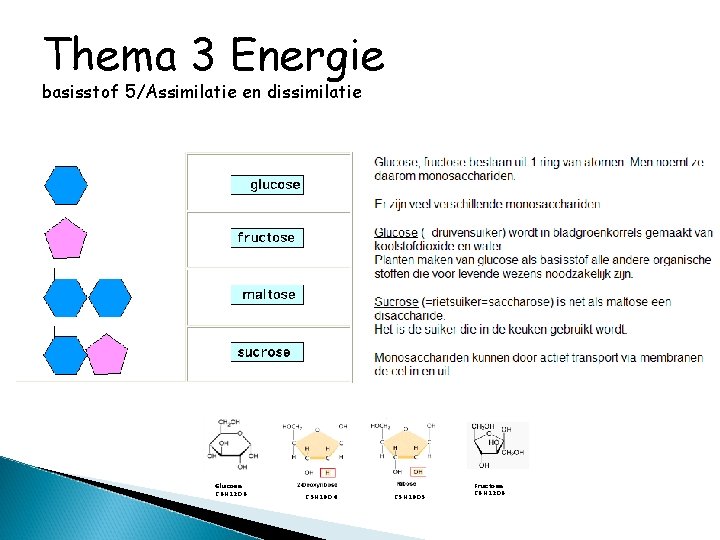
Thema 3 Energie basisstof 5/Assimilatie en dissimilatie Glucose C 6 H 12 O 6 C 5 H 10 O 4 C 5 H 10 O 5 Fructose C 6 H 12 O 6
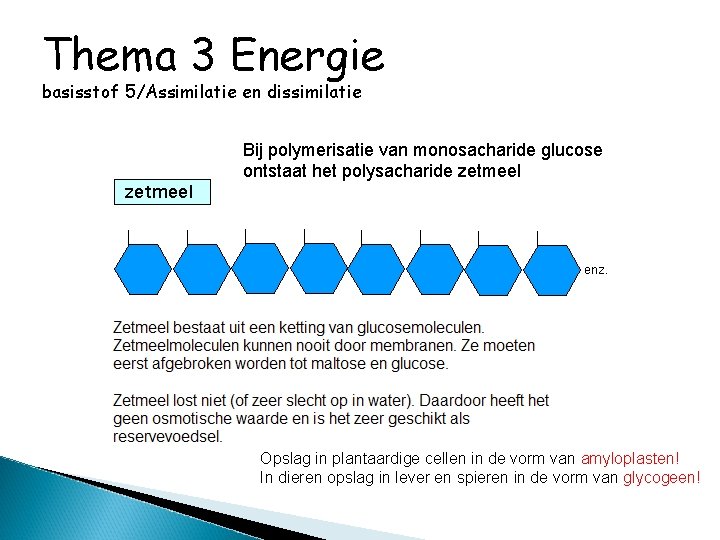
Thema 3 Energie basisstof 5/Assimilatie en dissimilatie Bij polymerisatie van monosacharide glucose ontstaat het polysacharide zetmeel Opslag in plantaardige cellen in de vorm van amyloplasten! In dieren opslag in lever en spieren in de vorm van glycogeen!
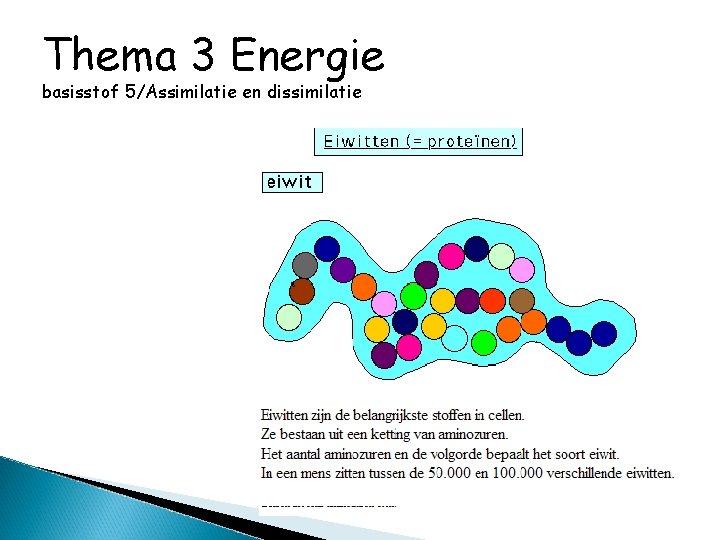
Thema 3 Energie basisstof 5/Assimilatie en dissimilatie
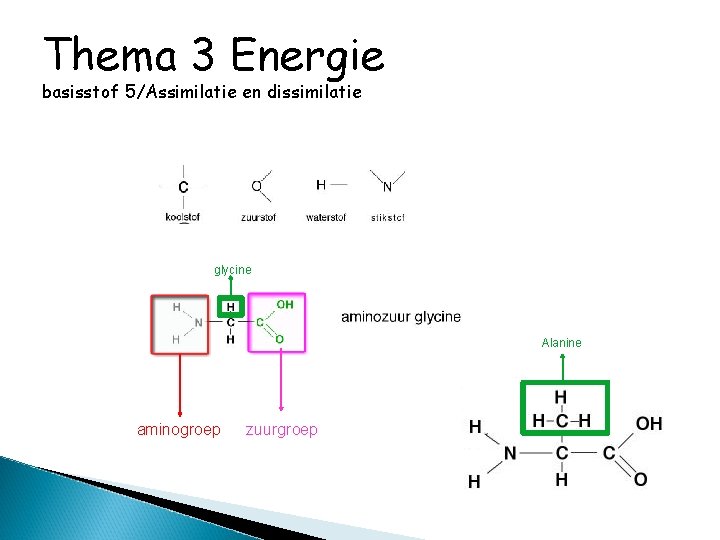
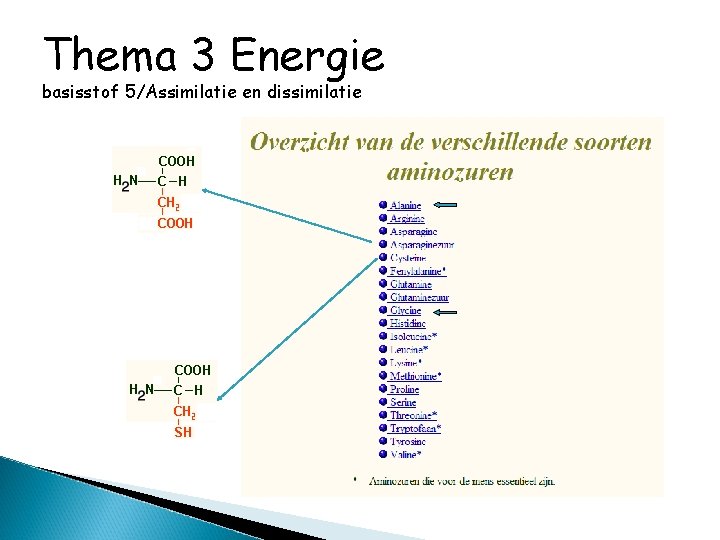
Thema 3 Energie basisstof 5/Assimilatie en dissimilatie glycine Alanine aminogroep zuurgroep
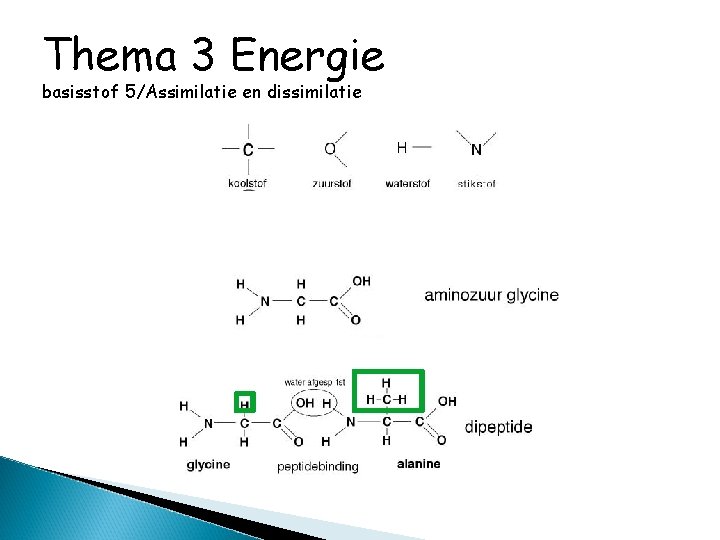
Thema 3 Energie basisstof 5/Assimilatie en dissimilatie
Thema 3 Energie basisstof 5/Assimilatie en dissimilatie
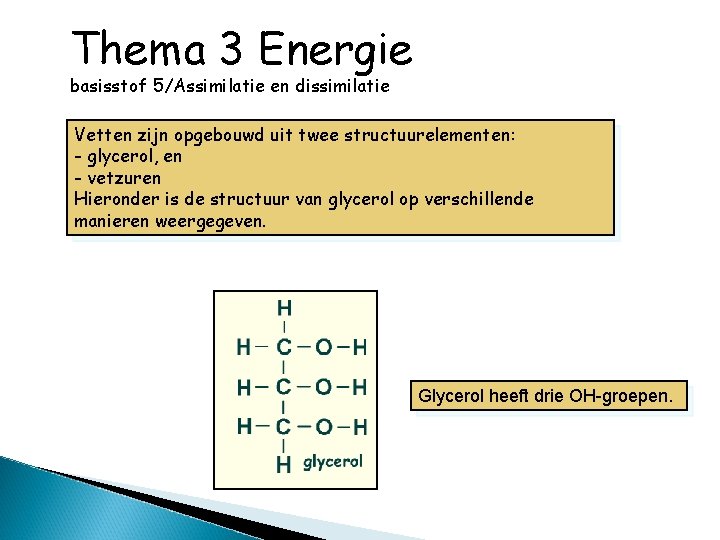
Thema 3 Energie basisstof 5/Assimilatie en dissimilatie Vetten zijn opgebouwd uit twee structuurelementen: - glycerol, en - vetzuren Hieronder is de structuur van glycerol op verschillende manieren weergegeven. Glycerol heeft drie OH-groepen.
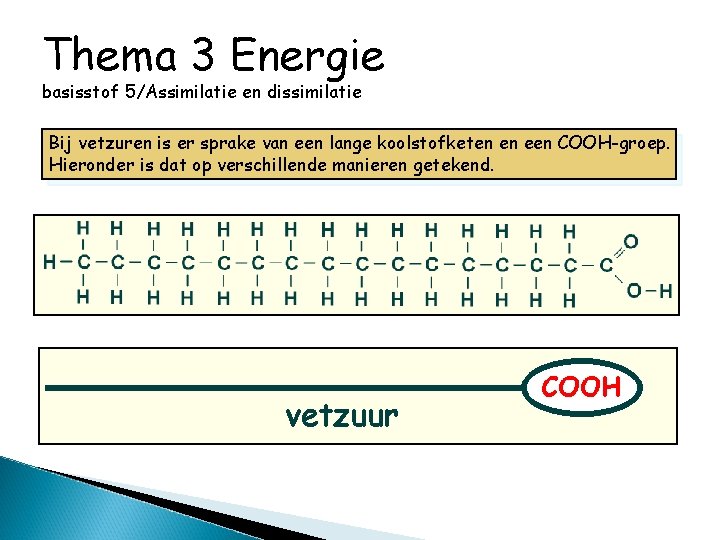
Thema 3 Energie basisstof 5/Assimilatie en dissimilatie Bij vetzuren is er sprake van een lange koolstofketen en een COOH-groep. Hieronder is dat op verschillende manieren getekend.
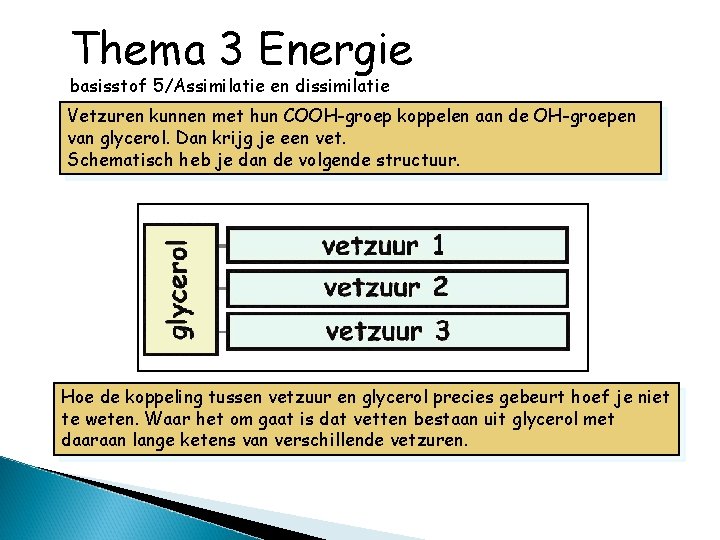
Thema 3 Energie basisstof 5/Assimilatie en dissimilatie Vetzuren kunnen met hun COOH-groep koppelen aan de OH-groepen van glycerol. Dan krijg je een vet. Schematisch heb je dan de volgende structuur. Hoe de koppeling tussen vetzuur en glycerol precies gebeurt hoef je niet te weten. Waar het om gaat is dat vetten bestaan uit glycerol met daaraan lange ketens van verschillende vetzuren.
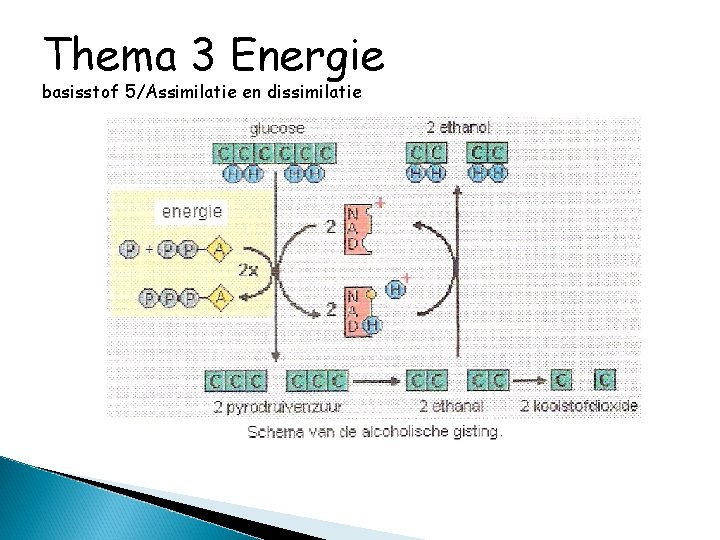
Thema 3 Energie basisstof 5/Assimilatie en dissimilatie
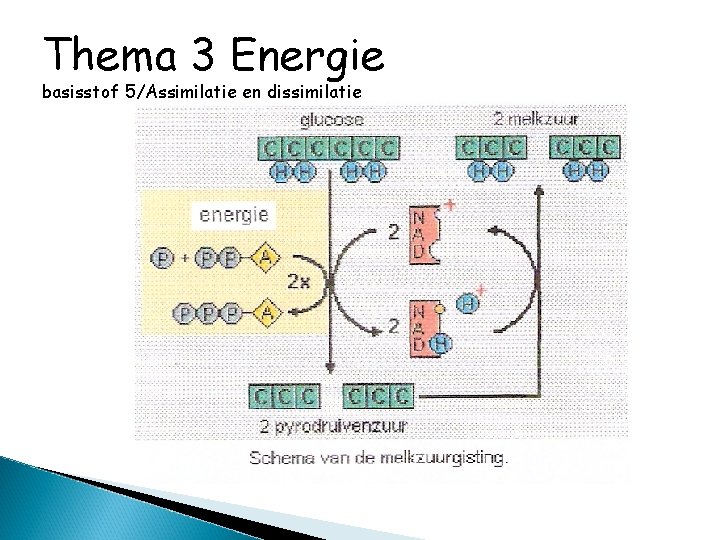
Thema 3 Energie basisstof 5/Assimilatie en dissimilatie
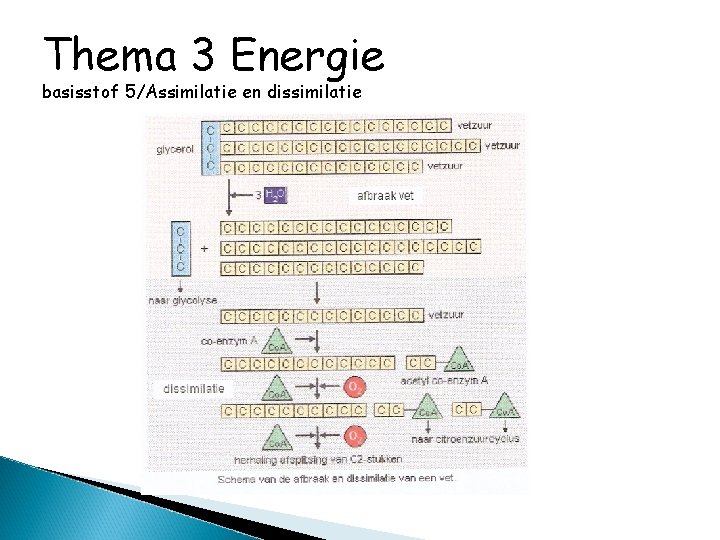
Thema 3 Energie basisstof 5/Assimilatie en dissimilatie
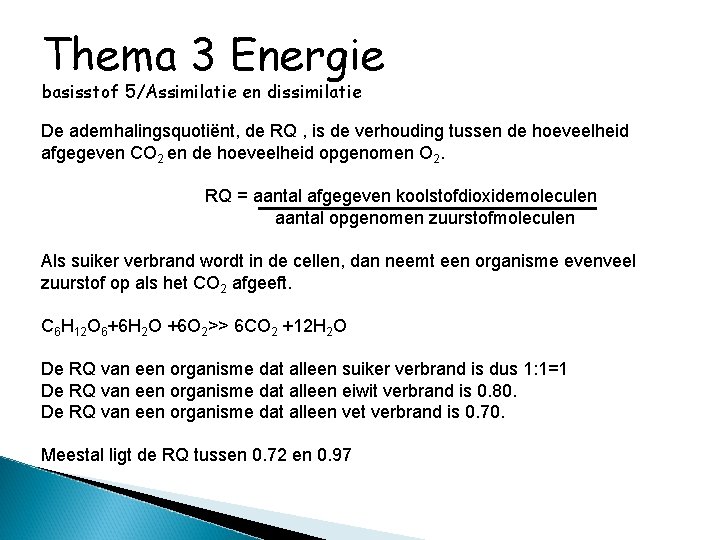
Thema 3 Energie basisstof 5/Assimilatie en dissimilatie De ademhalingsquotiënt, de RQ , is de verhouding tussen de hoeveelheid afgegeven CO 2 en de hoeveelheid opgenomen O 2. RQ = aantal afgegeven koolstofdioxidemoleculen aantal opgenomen zuurstofmoleculen Als suiker verbrand wordt in de cellen, dan neemt een organisme evenveel zuurstof op als het CO 2 afgeeft. C 6 H 12 O 6+6 H 2 O +6 O 2>> 6 CO 2 +12 H 2 O De RQ van een organisme dat alleen suiker verbrand is dus 1: 1=1 De RQ van een organisme dat alleen eiwit verbrand is 0. 80. De RQ van een organisme dat alleen vet verbrand is 0. 70. Meestal ligt de RQ tussen 0. 72 en 0. 97
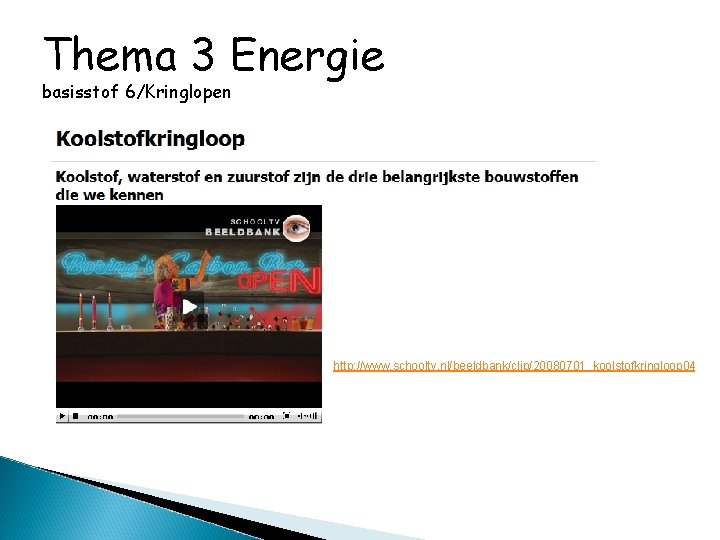
Thema 3 Energie basisstof 6/Kringlopen http: //www. schooltv. nl/beeldbank/clip/20080701_koolstofkringloop 04
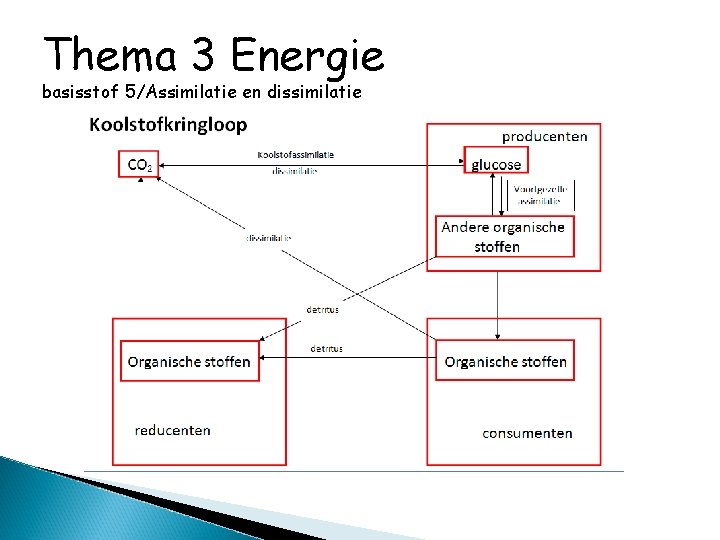
Thema 3 Energie basisstof 5/Assimilatie en dissimilatie
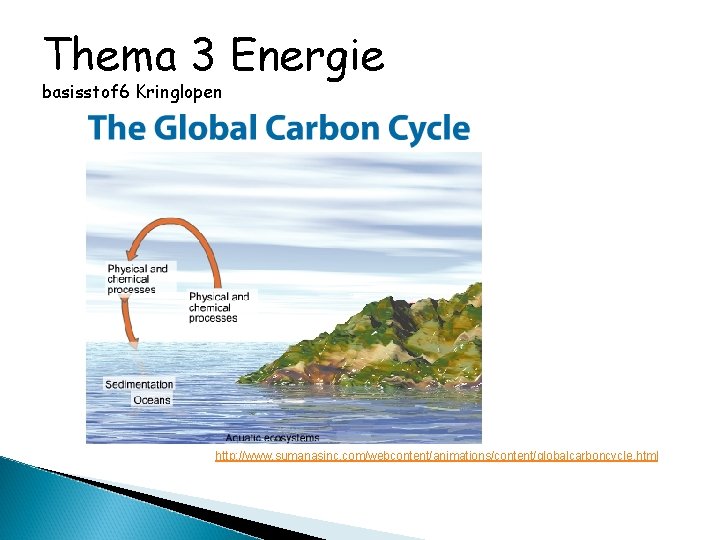
Thema 3 Energie basisstof 6 Kringlopen http: //www. sumanasinc. com/webcontent/animations/content/globalcarboncycle. html
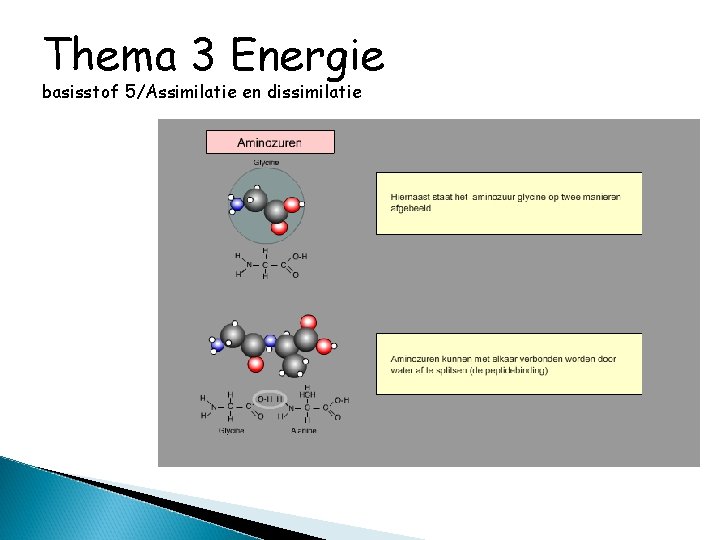
Thema 3 Energie basisstof 5/Assimilatie en dissimilatie
Thema 3 Energie basisstof 5/Assimilatie en dissimilatie
Thema 3 Energie basisstof 5/Assimilatie en dissimilatie
Thema 3 Energie basisstof 5/Assimilatie en dissimilatie
Thema 3 Energie basisstof 5/Assimilatie en dissimilatie
Thema 3 Energie basisstof 5/Assimilatie en dissimilatie
Thema 3 Energie basisstof 5/Assimilatie en dissimilatie
Thema 3 Energie basisstof 5/Assimilatie en dissimilatie
Thema 3 Energie basisstof 6 Kringlopen
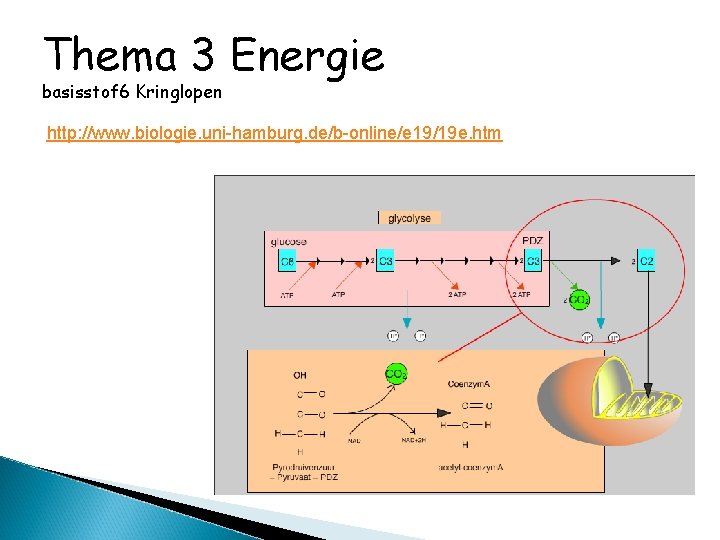
Thema 3 Energie basisstof 6 Kringlopen http: //www. biologie. uni-hamburg. de/b-online/e 19/19 e. htm
- Slides: 77