
The Worlds Biomes What is a Biome Areas
The World’s Biomes
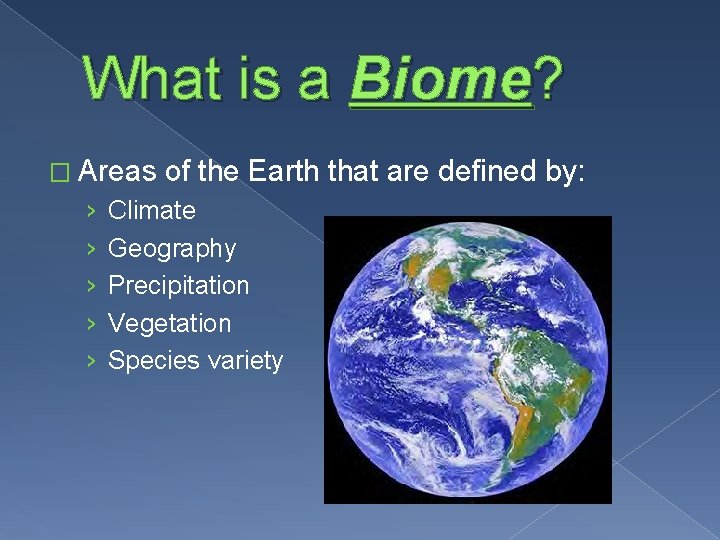
What is a Biome? � Areas › › › of the Earth that are defined by: Climate Geography Precipitation Vegetation Species variety
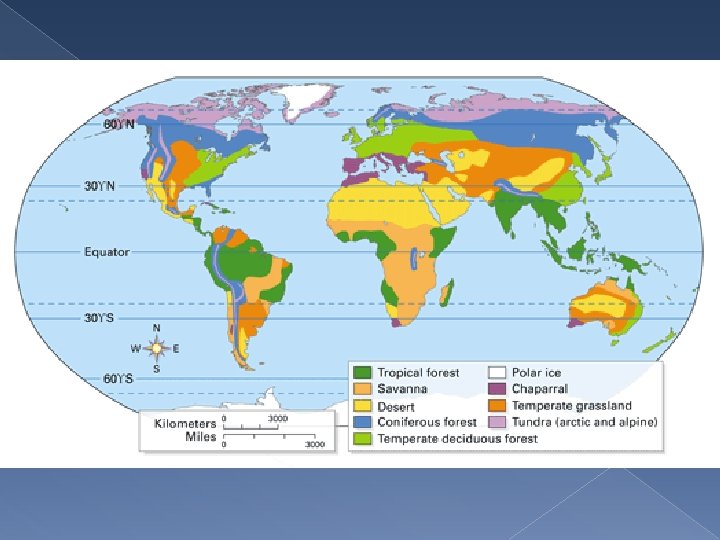
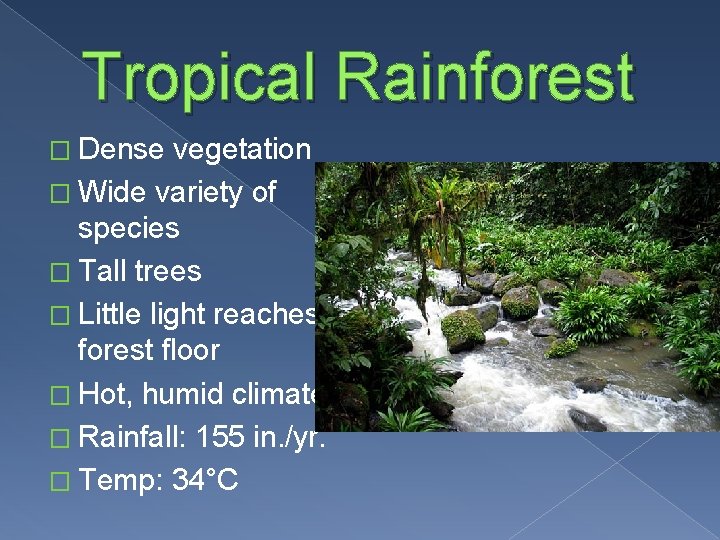
Tropical Rainforest � Dense vegetation � Wide variety of species � Tall trees � Little light reaches forest floor � Hot, humid climate � Rainfall: 155 in. /yr. � Temp: 34°C
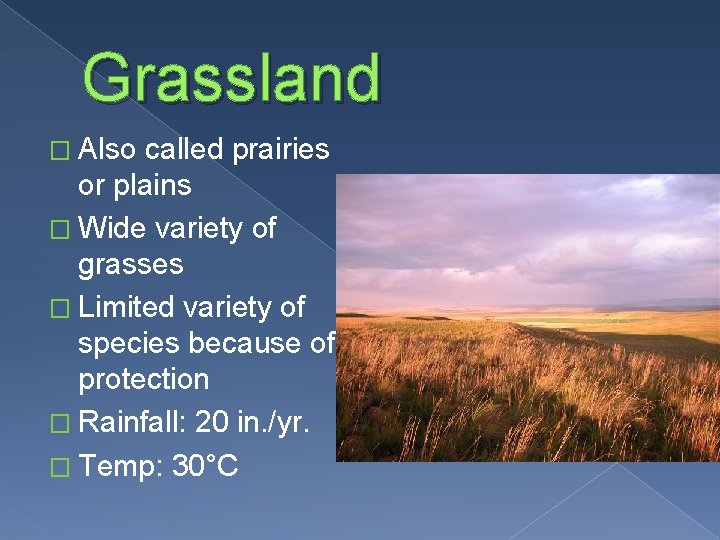
Grassland � Also called prairies or plains � Wide variety of grasses � Limited variety of species because of protection � Rainfall: 20 in. /yr. � Temp: 30°C
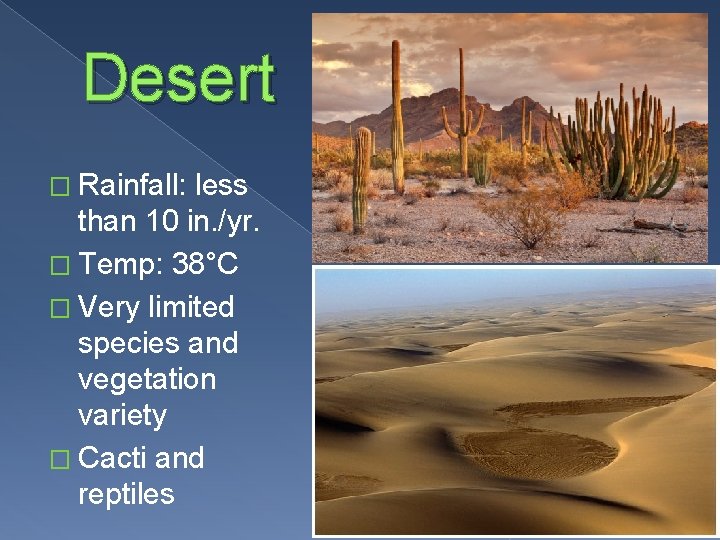
Desert � Rainfall: less than 10 in. /yr. � Temp: 38°C � Very limited species and vegetation variety � Cacti and reptiles
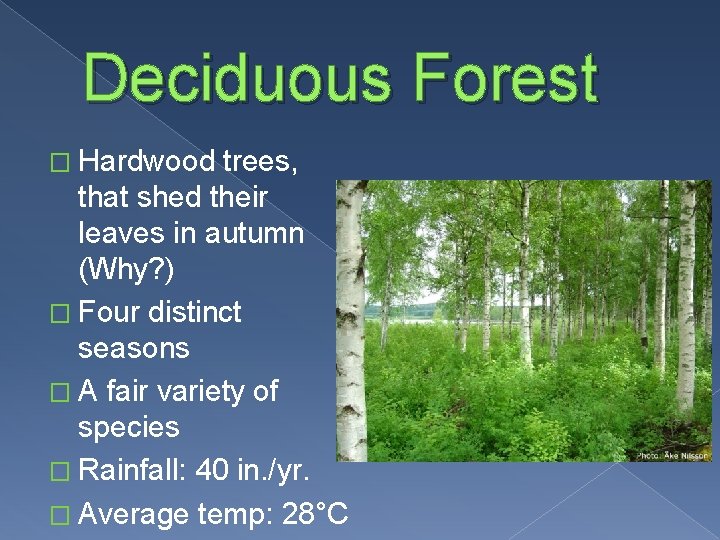
Deciduous Forest � Hardwood trees, that shed their leaves in autumn (Why? ) � Four distinct seasons � A fair variety of species � Rainfall: 40 in. /yr. � Average temp: 28°C
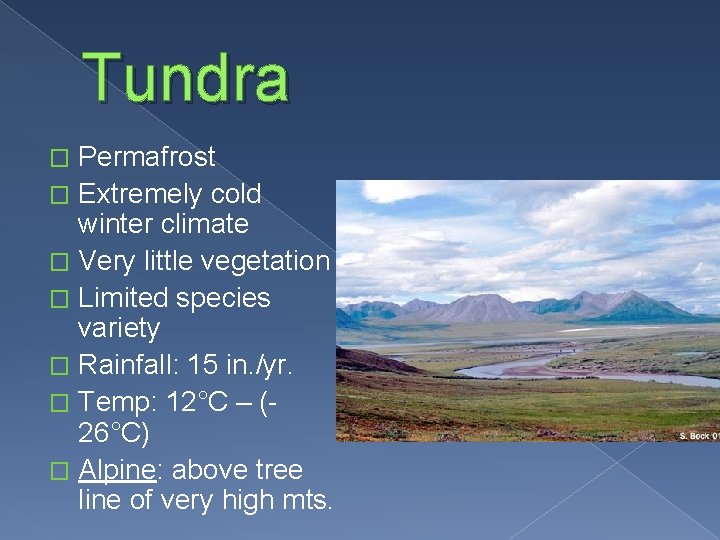
Tundra Permafrost � Extremely cold winter climate � Very little vegetation � Limited species variety � Rainfall: 15 in. /yr. � Temp: 12°C – (26°C) � Alpine: above tree line of very high mts. �
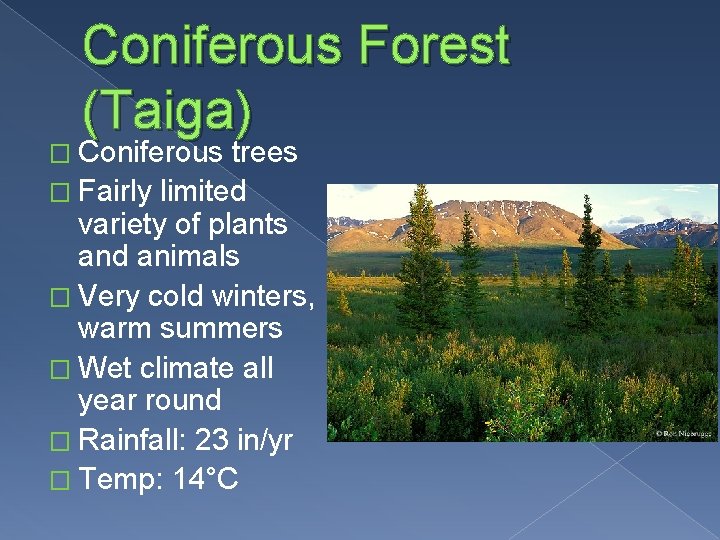
Coniferous Forest (Taiga) � Coniferous trees � Fairly limited variety of plants and animals � Very cold winters, warm summers � Wet climate all year round � Rainfall: 23 in/yr � Temp: 14°C
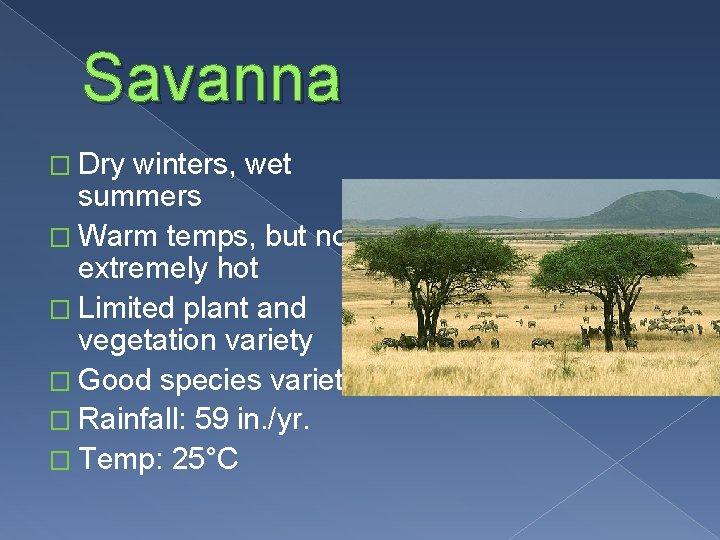
Savanna � Dry winters, wet summers � Warm temps, but not extremely hot � Limited plant and vegetation variety � Good species variety � Rainfall: 59 in. /yr. � Temp: 25°C
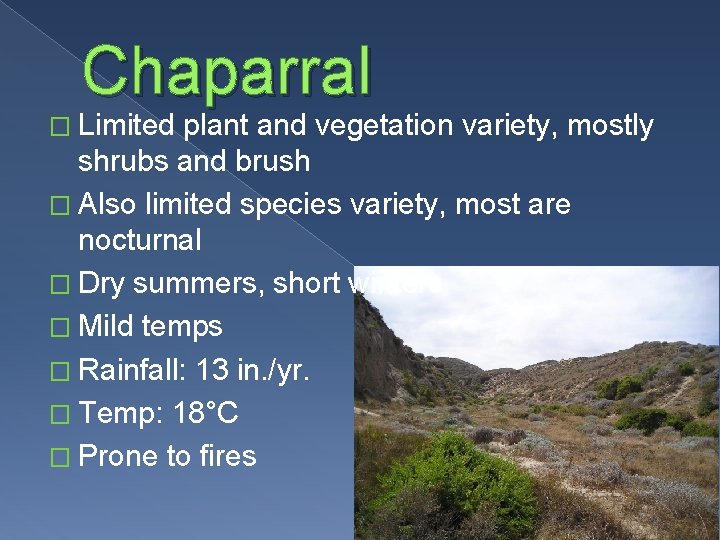
Chaparral � Limited plant and vegetation variety, mostly shrubs and brush � Also limited species variety, most are nocturnal � Dry summers, short winters � Mild temps � Rainfall: 13 in. /yr. � Temp: 18°C � Prone to fires
Make a Graph! � Create a double bar graph of the average rainfall and average temperature of each biome. � Use proper graphing skills!
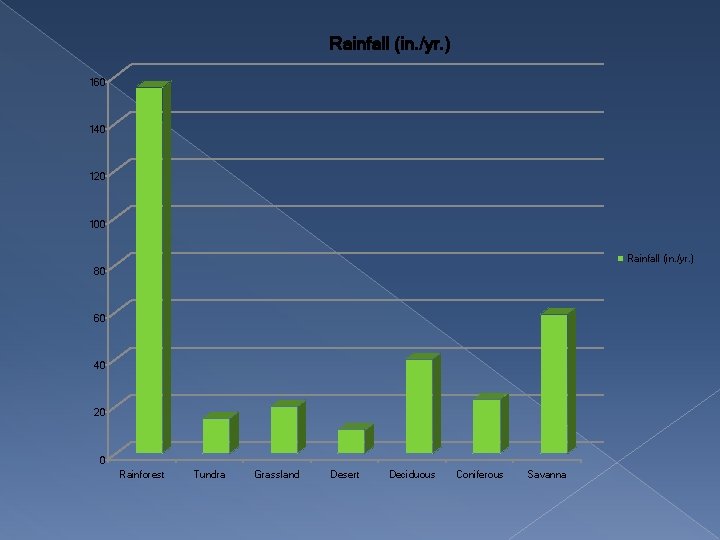
Rainfall (in. /yr. ) 160 140 120 100 Rainfall (in. /yr. ) 80 60 40 20 0 Rainforest Tundra Grassland Desert Deciduous Coniferous Savanna
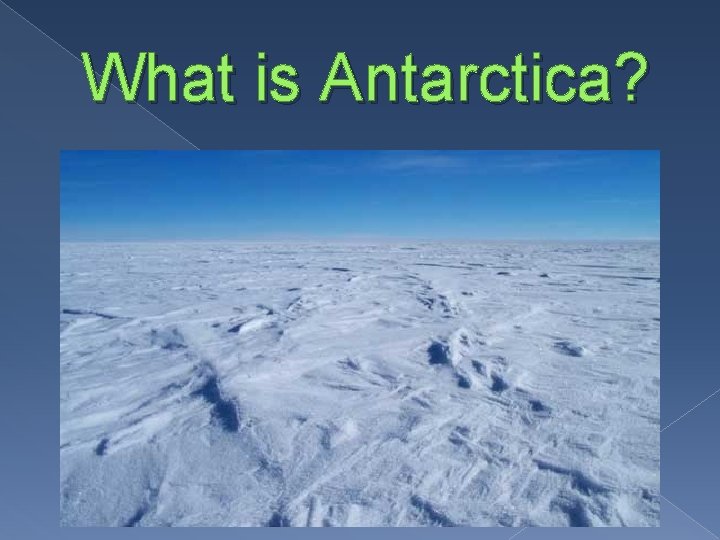
What is Antarctica?
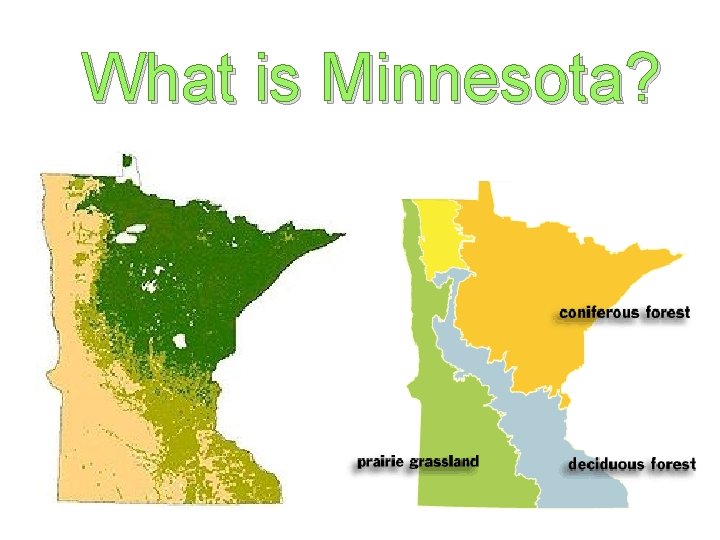
What is Minnesota?
Introduction to Ecology
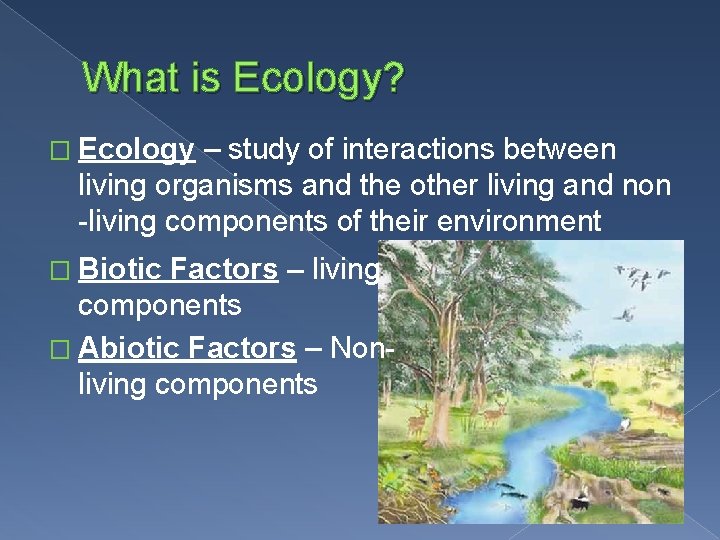
What is Ecology? � Ecology – study of interactions between living organisms and the other living and non -living components of their environment � Biotic Factors – living components � Abiotic Factors – Nonliving components
Levels of Organization �Cell �Tissue �Organ System �Organism �Population �Community �Ecosystem
Levels of Organization Organism – a single individual animal, plant, fungus, or other living thing Population – a group of organisms of the same species that live in the same area Community – a group of populations that live in the same area Ecosystem – all of the living and non-living things that interact in an area
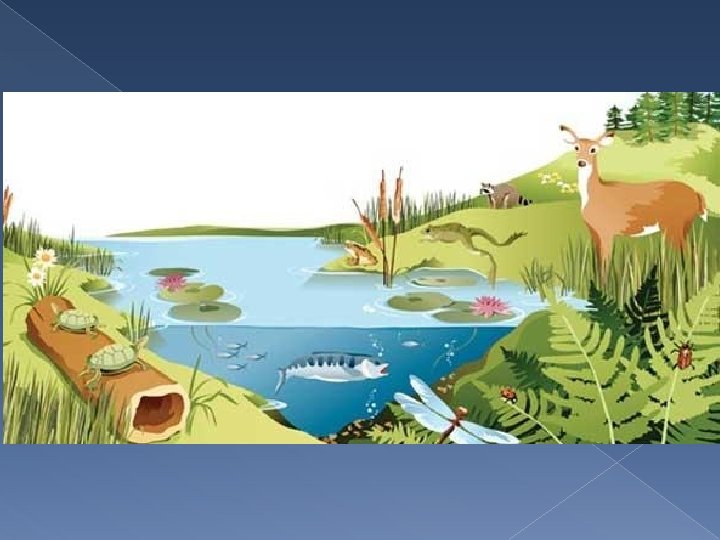
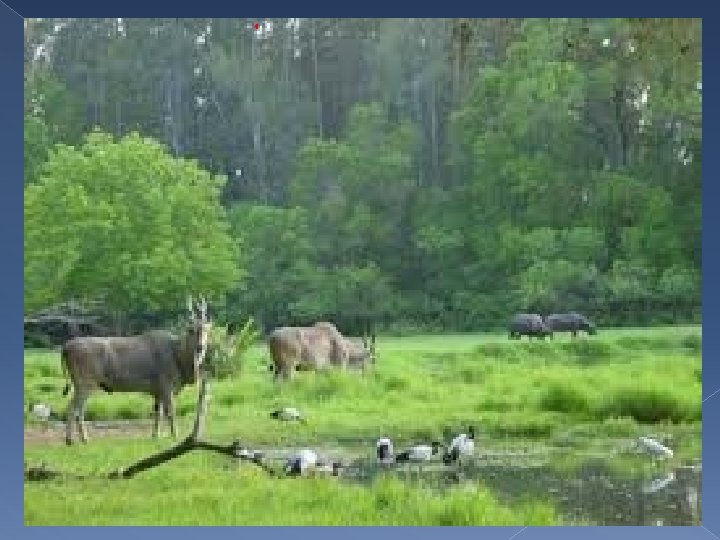
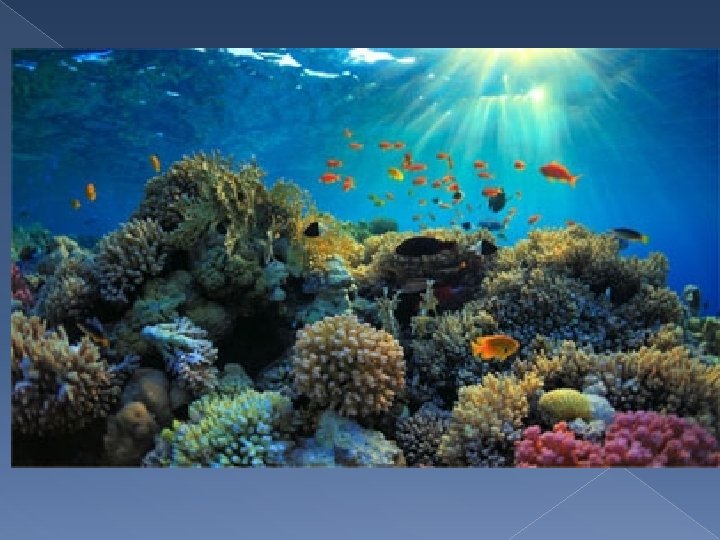
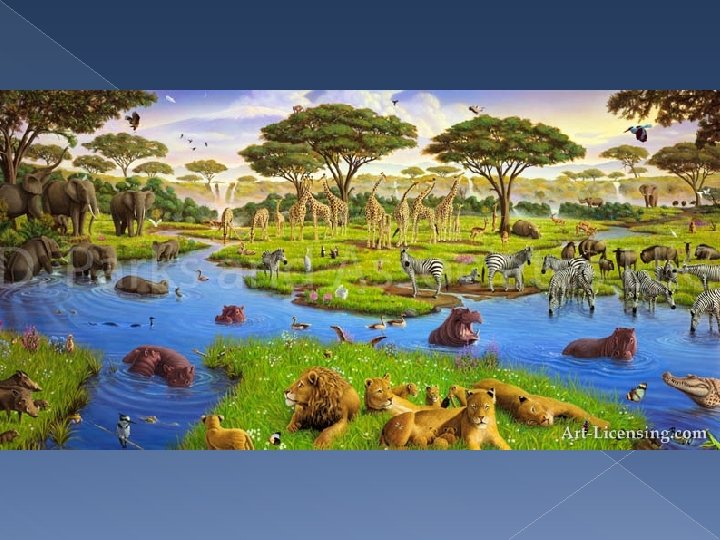
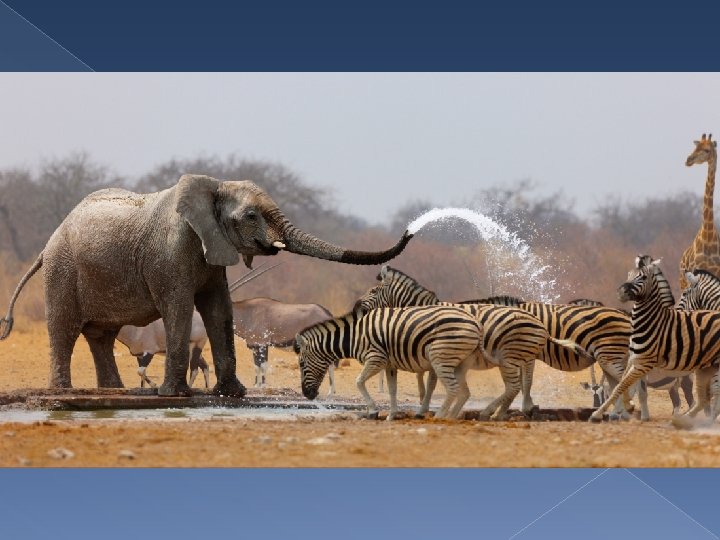
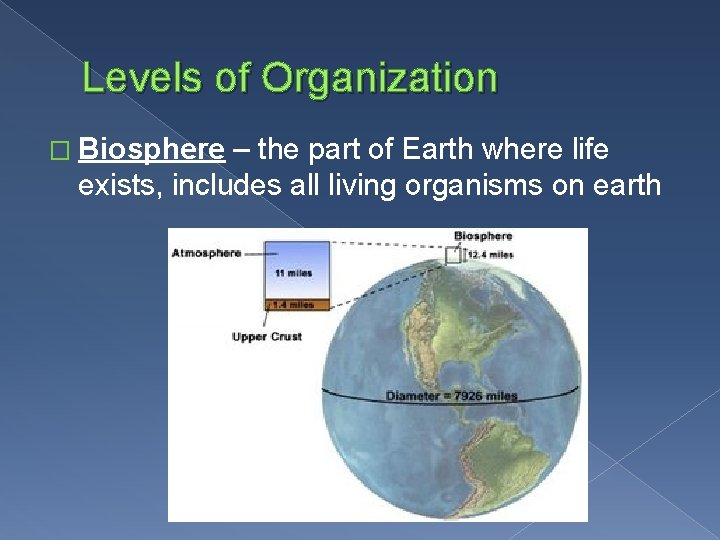
Levels of Organization � Biosphere – the part of Earth where life exists, includes all living organisms on earth
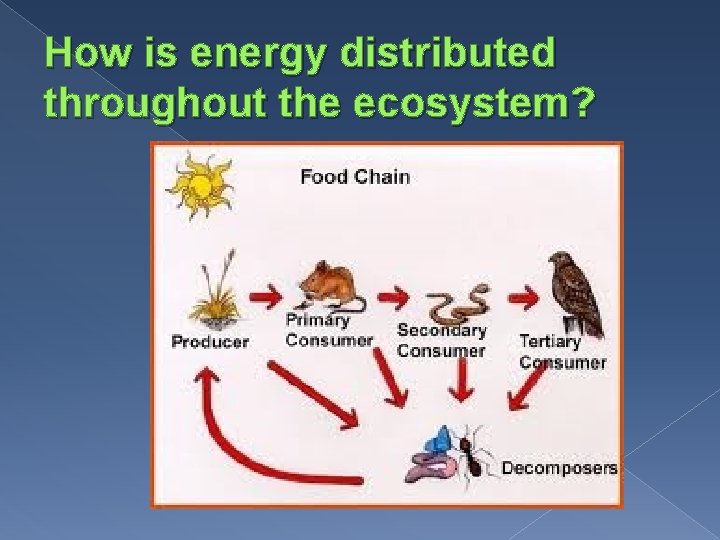
How is energy distributed throughout the ecosystem?
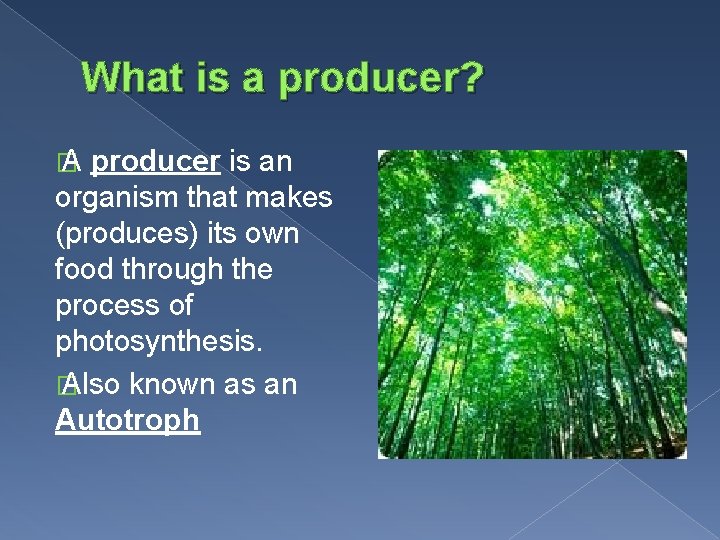
What is a producer? � A producer is an organism that makes (produces) its own food through the process of photosynthesis. � Also known as an Autotroph
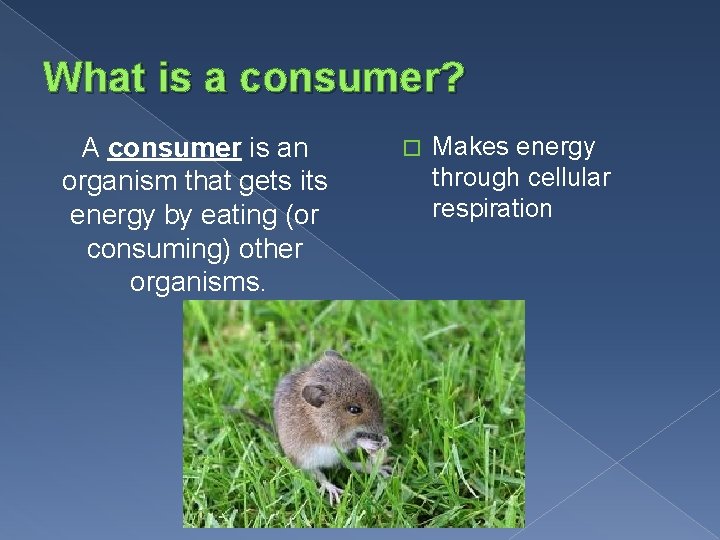
What is a consumer? A consumer is an organism that gets its energy by eating (or consuming) other organisms. � Makes energy through cellular respiration
What are primary, secondary, and tertiary consumers? � Primary consumers eat producers (ex. grasshoppers, antelope) � Secondary consumers eat primary consumers (ex. meadowlarks, wolves) � Tertiary consumers eat secondary consumers (ex. prairie falcon)
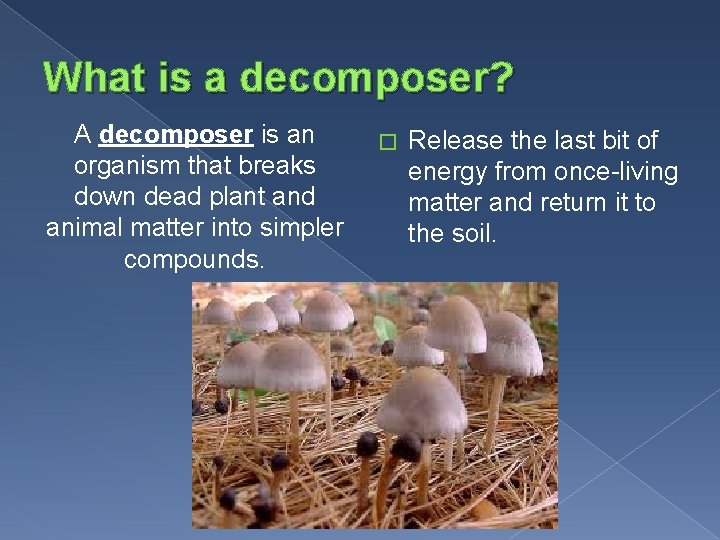
What is a decomposer? A decomposer is an organism that breaks down dead plant and animal matter into simpler compounds. � Release the last bit of energy from once-living matter and return it to the soil.

Food Chain vs. Food Web Food Chain – a pathway that tells what eats what � Ex. � Food Web – the connection of all food chains in a community � Ex. �
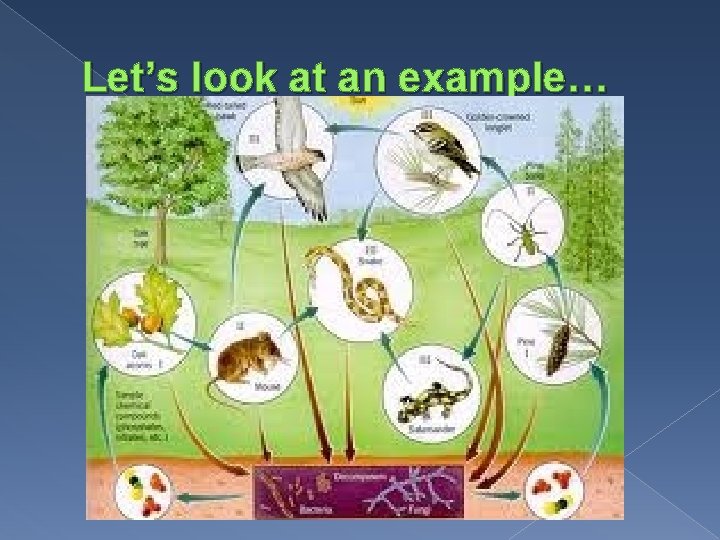
Let’s look at an example…
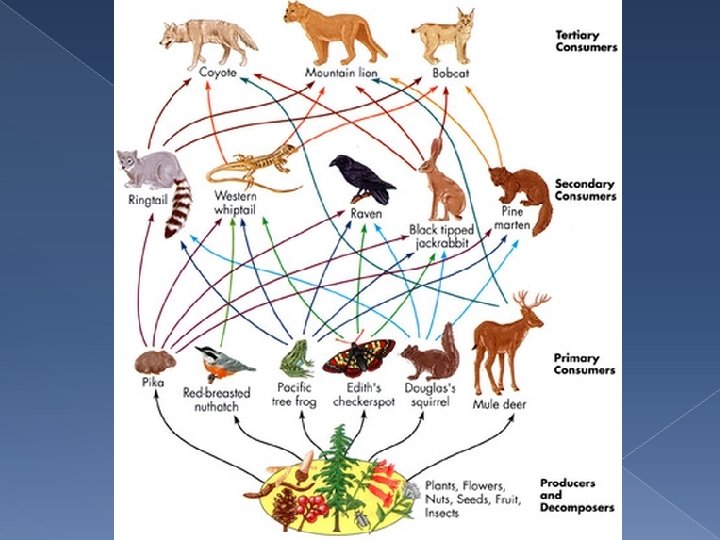
Food Webs � Necessary as a system of checks and balances � Population control is important for ecosystem balance
Community Interactions � Competition – two or more species compete for the same resource › Intraspecific – between members of same species › Interspecific – between different species � Reasons for competition: 1. Food 2. Mating 3. Living space
Community Interactions � Predation – the act of one organism consuming another organism › Predator – the hunter › Prey – the organism being hunted � Symbiosis – close relationship that exists between two or more species (3 types)
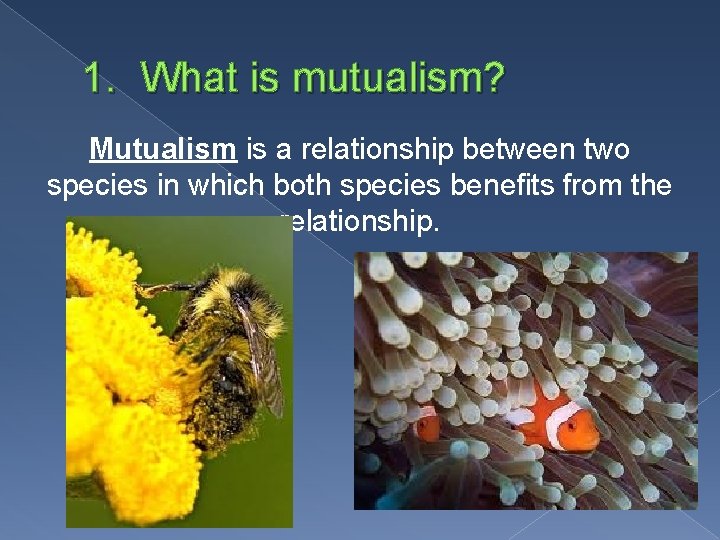
1. What is mutualism? Mutualism is a relationship between two species in which both species benefits from the relationship.

2. What is commensalism? Commensalism is a relationship where one species benefits while the other neither benefits nor harmed by the relationship.
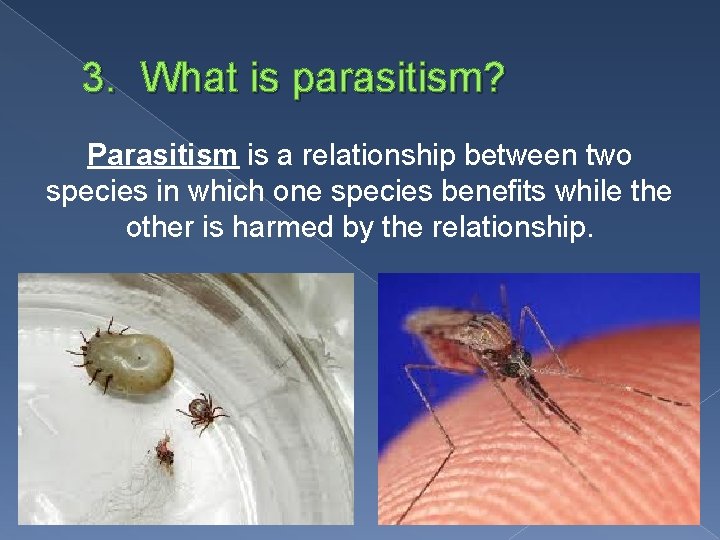
3. What is parasitism? Parasitism is a relationship between two species in which one species benefits while the other is harmed by the relationship.
Population size � Mortality › The death rate of a population � Natality › The birth rate of a population � Immigration › When organisms of the same species move into an area where others of their type can be found � Emmigration › When organisms of the same species move out of an area where others of their type can be found
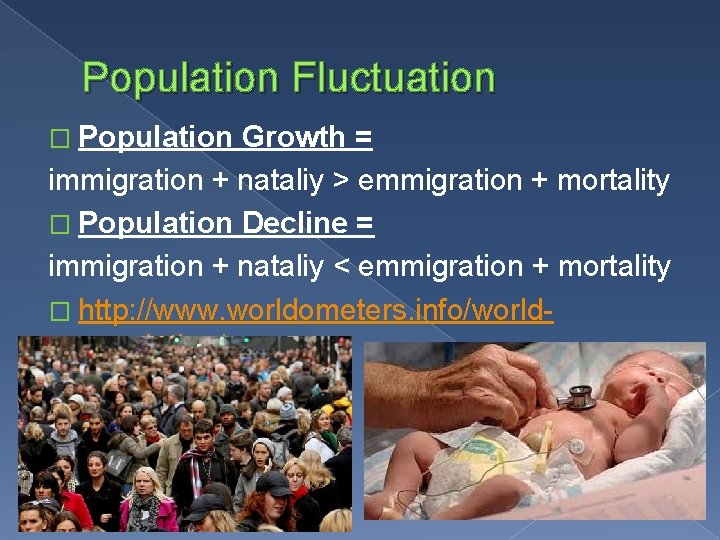
Population Fluctuation � Population Growth = immigration + nataliy > emmigration + mortality � Population Decline = immigration + nataliy < emmigration + mortality � http: //www. worldometers. info/worldpopulation/

- Slides: 42