
The Why and How of Runway Friction Testing

- Slides: 14
The Why and How of Runway Friction Testing by Delia Harverson Findlay Irvine Ltd. Midlothian, Scotland Thomas J. Yager NASA Langley Research Center Hampton, VA, USA Part 2: ICAO’s role
Maintenance testing table from the “Green pages” of ICAO Annex 14
Why are the friction levels specified by ICAO different for the different CFMEs? The runway does not have a friction coefficient … … a friction coefficient is always a property of a pair of surfaces.
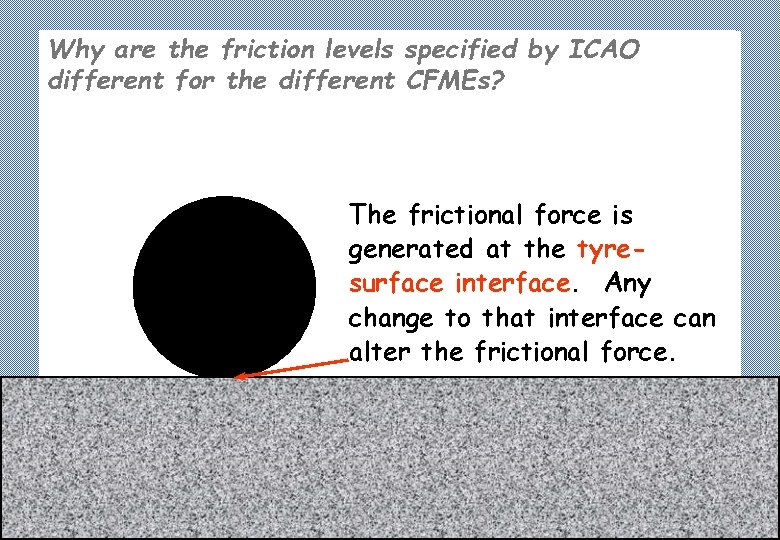
Why are the friction levels specified by ICAO different for the different CFMEs? The frictional force is generated at the tyresurface interface. Any change to that interface can alter the frictional force.
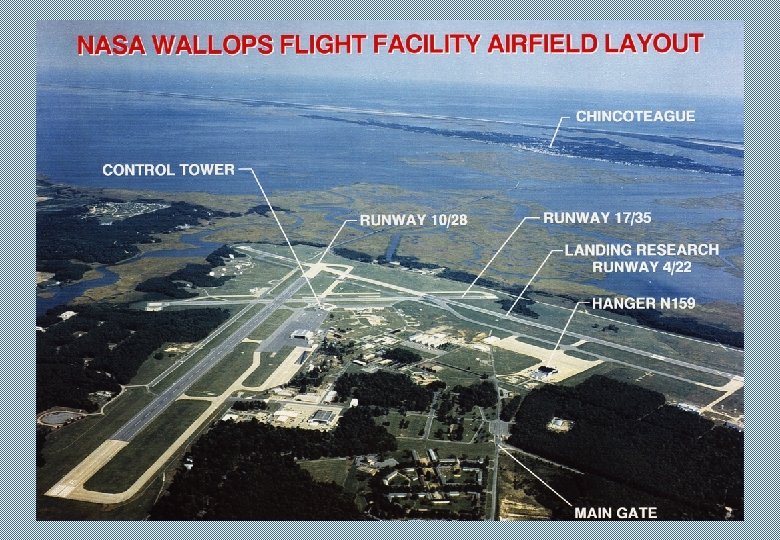
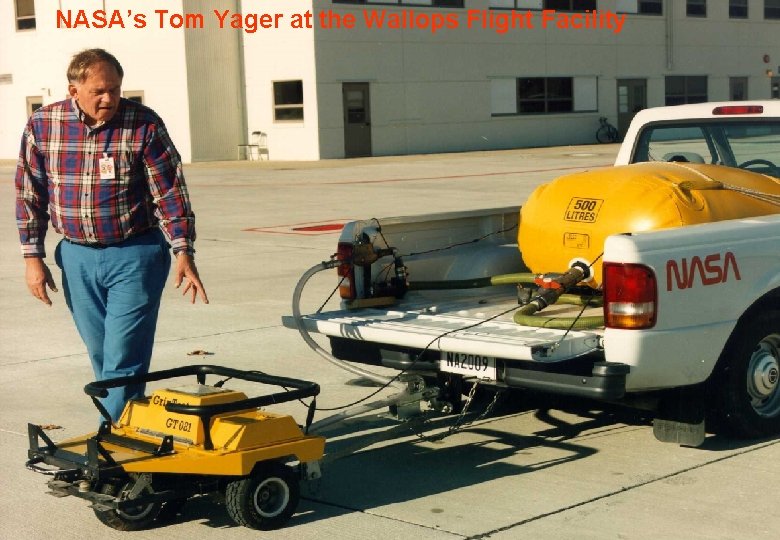
NASA’s Tom Yager at the Wallops Flight Facility
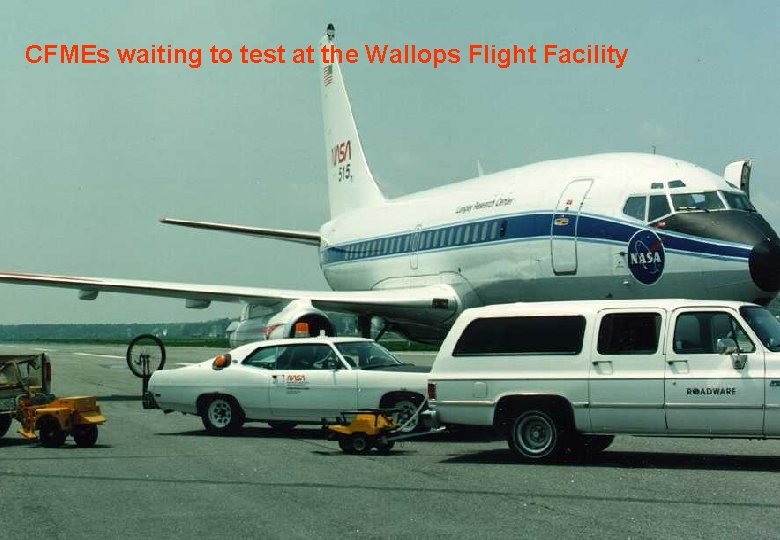
CFMEs waiting to test at the Wallops Flight Facility
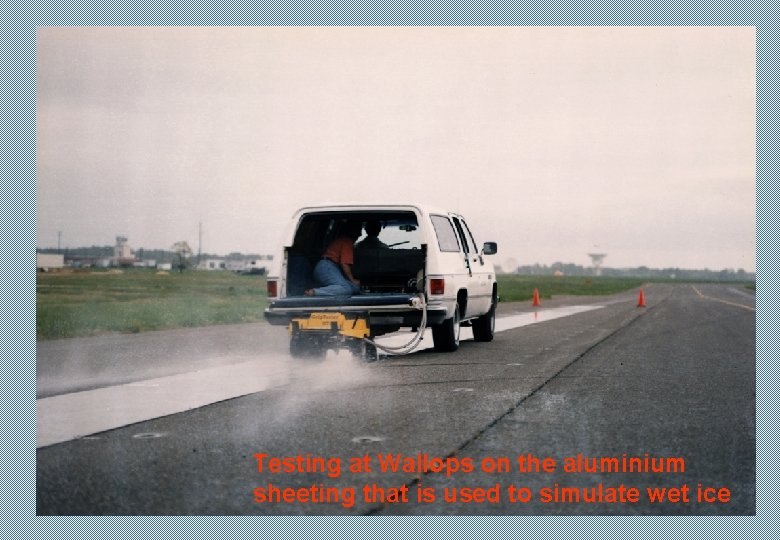
Testing at Wallops on the aluminium sheeting that is used to simulate wet ice
Back to the ICAO Maintenance testing table …
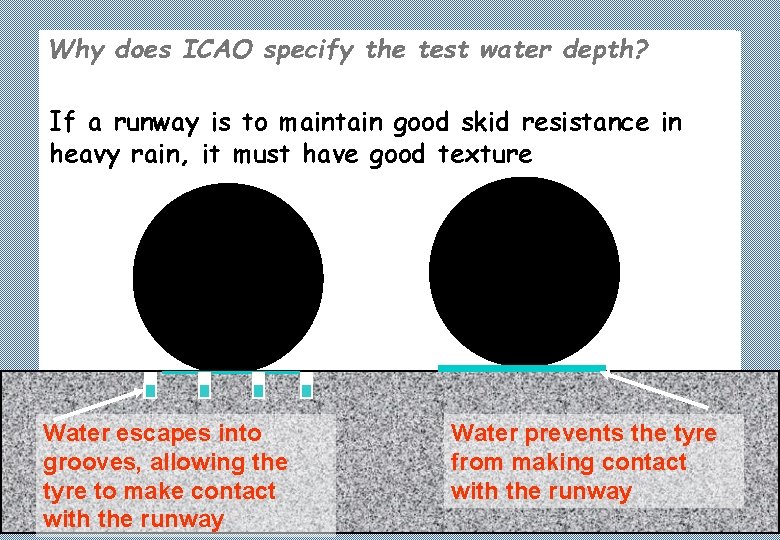
Why does ICAO specify the test water depth? If a runway is to maintain good skid resistance in heavy rain, it must have good texture Water escapes into grooves, allowing the tyre to make contact with the runway Water prevents the tyre from making contact with the runway
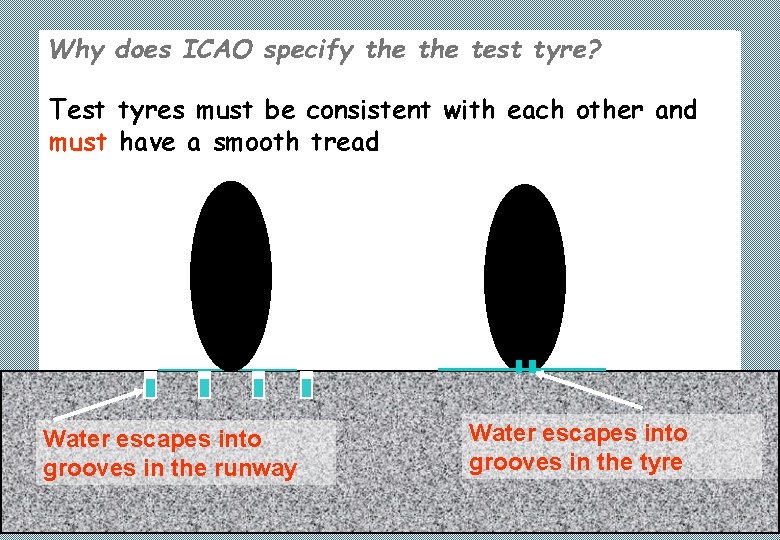
Why does ICAO specify the test tyre? Test tyres must be consistent with each other and must have a smooth tread Water escapes into grooves in the runway Water escapes into grooves in the tyre
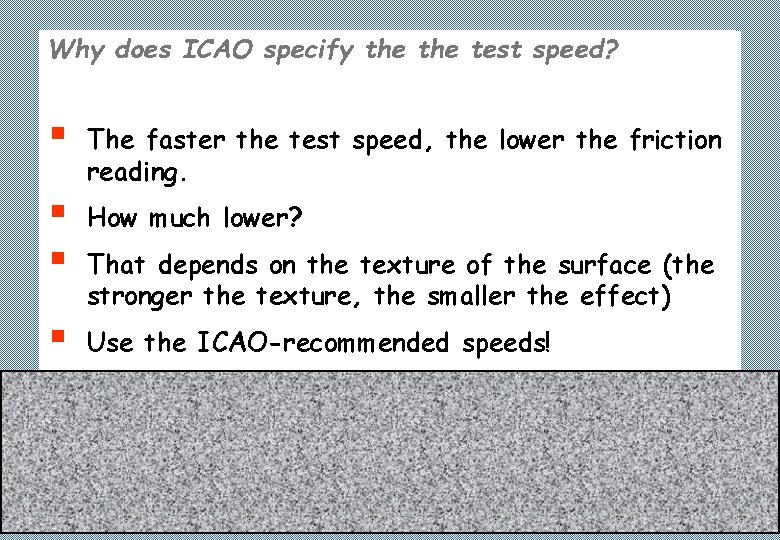
Why does ICAO specify the test speed? § The faster the test speed, the lower the friction reading. § § How much lower? § Use the ICAO-recommended speeds! That depends on the texture of the surface (the stronger the texture, the smaller the effect)
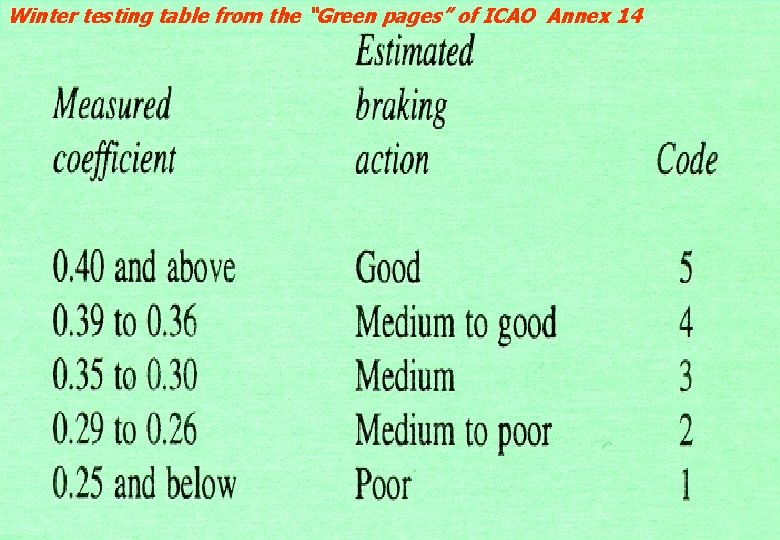
Winter testing table from the “Green pages” of ICAO Annex 14