
The Welsh Language in Contemporary Wales Objectives Introduce
The Welsh Language in Contemporary Wales
Objectives • Introduce the history of the Welsh language • Examine the changes in the number of people able to speak Welsh from 1891 until today • Consider the factors that have contributed to these changes • Consider the future challenges facing the Welsh language
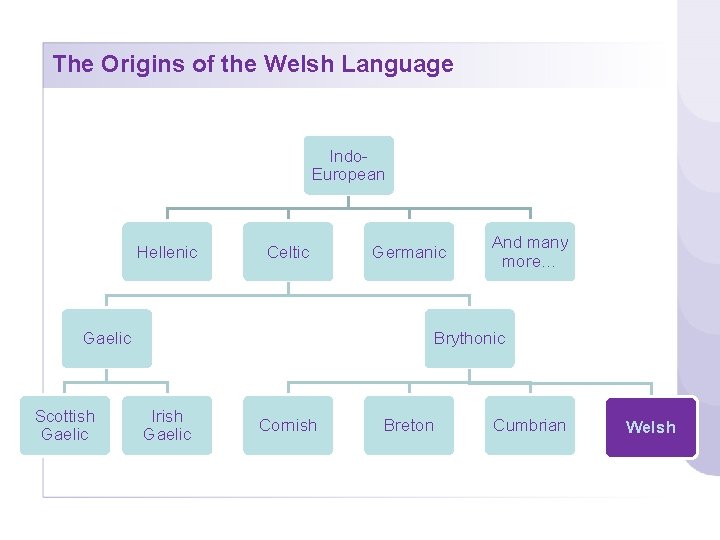
The Origins of the Welsh Language Indo. European Hellenic Celtic Germanic Gaelic Scottish Gaelic And many more… Brythonic Irish Gaelic Cornish Breton Cumbrian Welsh
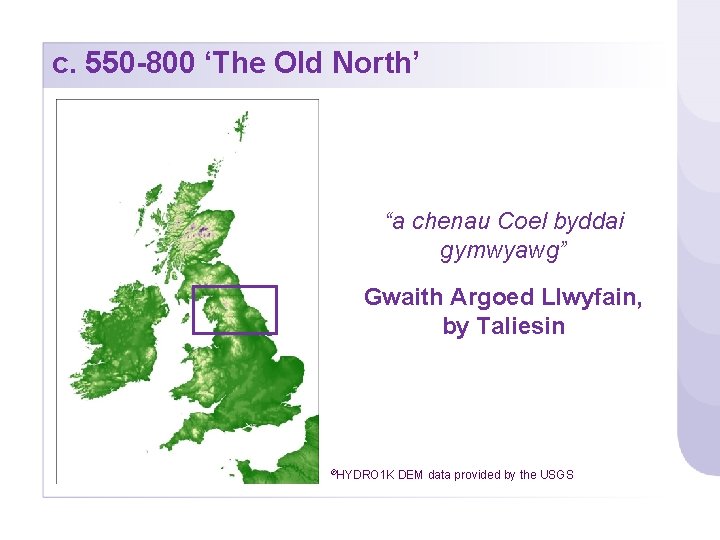
c. 550 -800 ‘The Old North’ “a chenau Coel byddai gymwyawg” Gwaith Argoed Llwyfain, by Taliesin ©HYDRO 1 K DEM data provided by the USGS
The Acts of Union 1536 Act of Union and the Welsh language: “The people of the same dominion [Wales] have and do daily use a speche nothing like ne consonant to the naturall mother tonge used within this Realme" The intention was to… "utterly to extirpe alle and singular sinister usages and customs” belonging to Wales
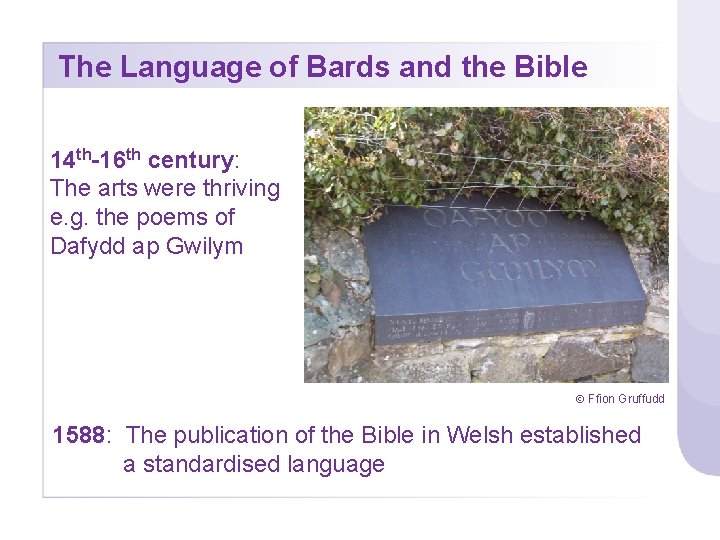
The Language of Bards and the Bible 14 th-16 th century: The arts were thriving e. g. the poems of Dafydd ap Gwilym Ffion Gruffudd 1588: The publication of the Bible in Welsh established a standardised language
The 1891 Census and Beyond § 1801: The first census § 1841: The first census to ask for personal details - a census was undertaken every 10 years after 1841 (except for 1941) § 1891: The first census to ask about the language spoken in the household § 2011: The next census
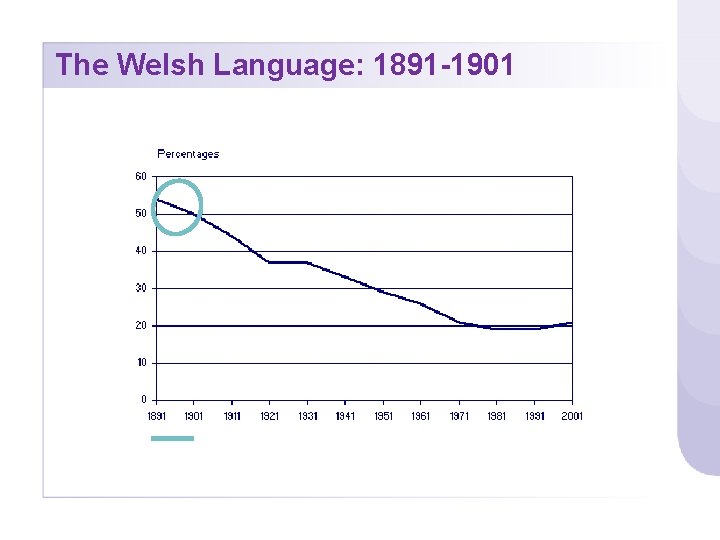
The Welsh Language: 1891 -1901
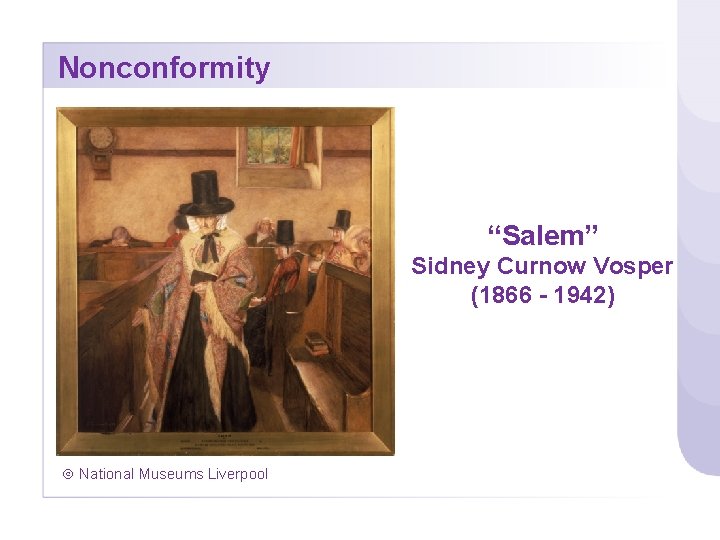
Nonconformity “Salem” Sidney Curnow Vosper (1866 - 1942) National Museums Liverpool
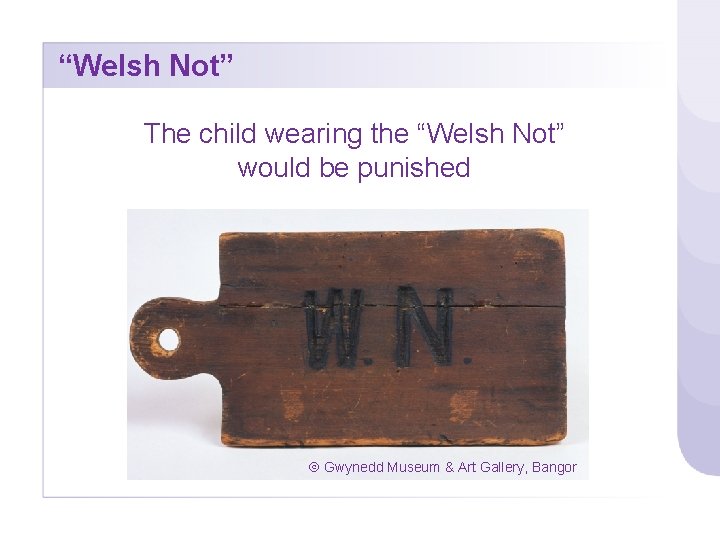
“Welsh Not” The child wearing the “Welsh Not” would be punished Gwynedd Museum & Art Gallery, Bangor
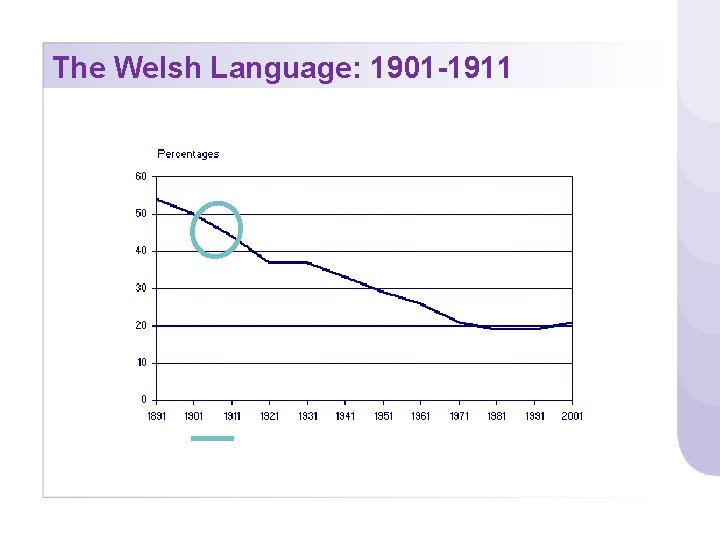
The Welsh Language: 1901 -1911
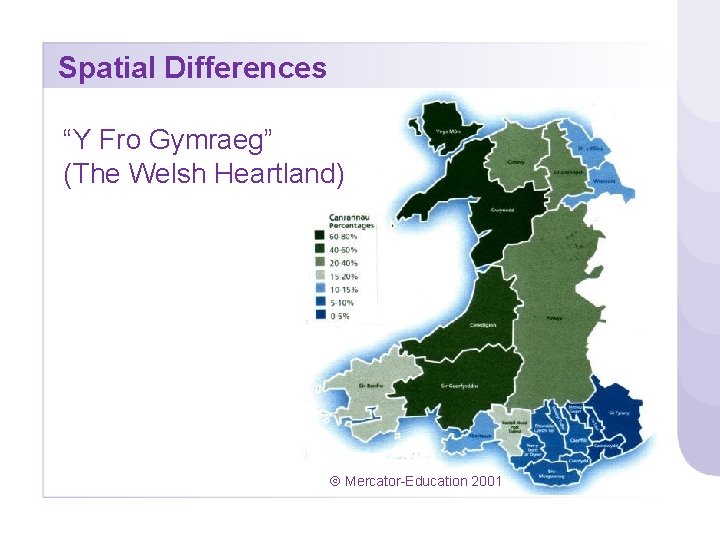
Spatial Differences “Y Fro Gymraeg” (The Welsh Heartland) Mercator-Education 2001
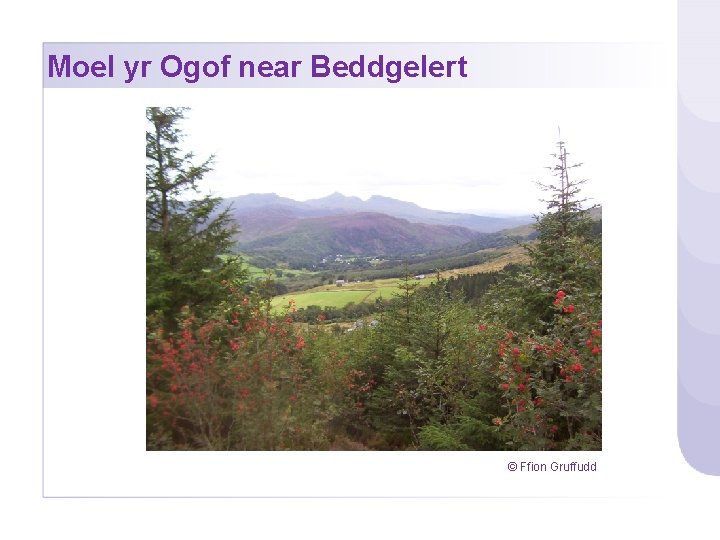
Moel yr Ogof near Beddgelert © Ffion Gruffudd
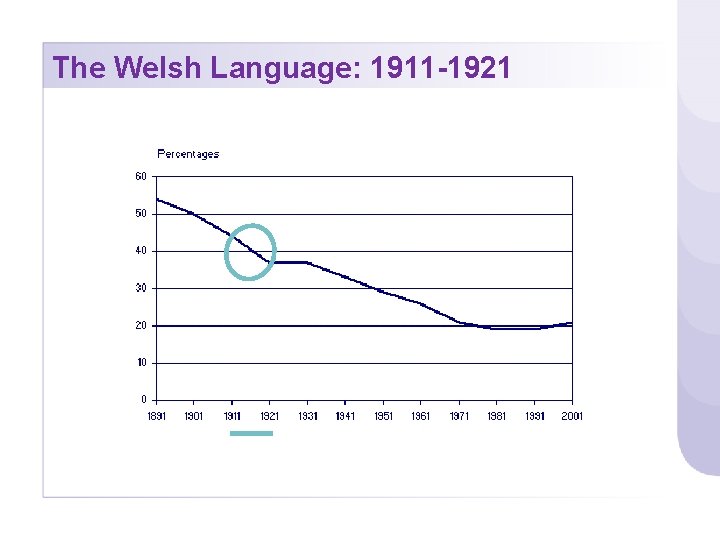
The Welsh Language: 1911 -1921
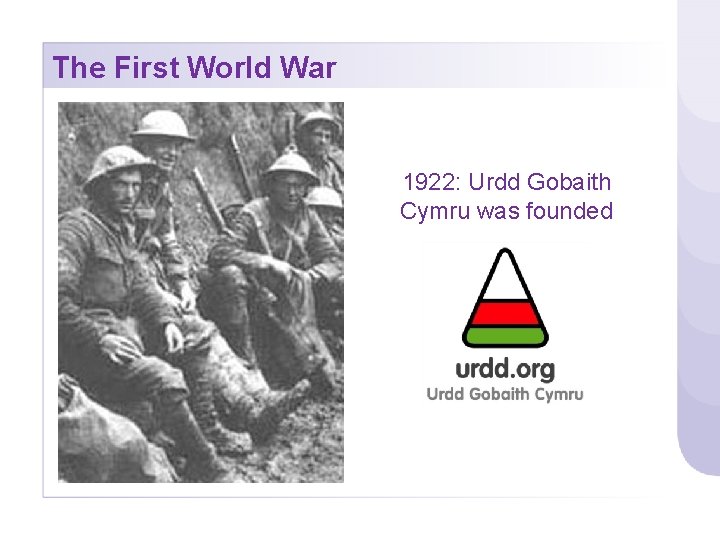
The First World War 1922: Urdd Gobaith Cymru was founded
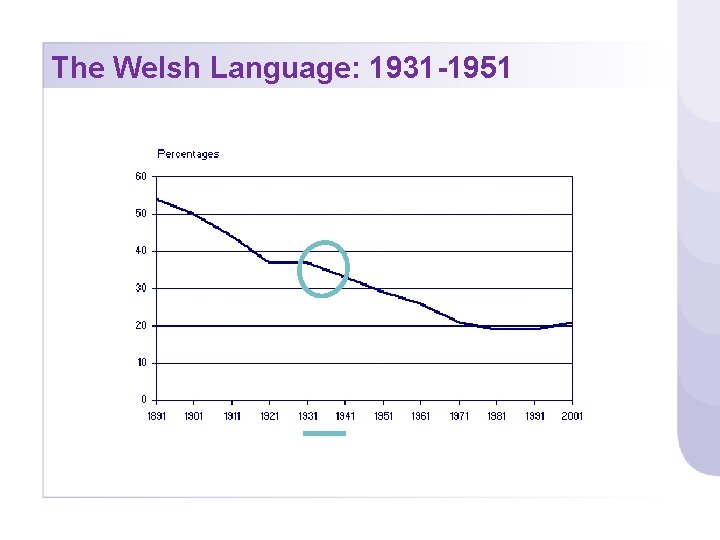
The Welsh Language: 1931 -1951
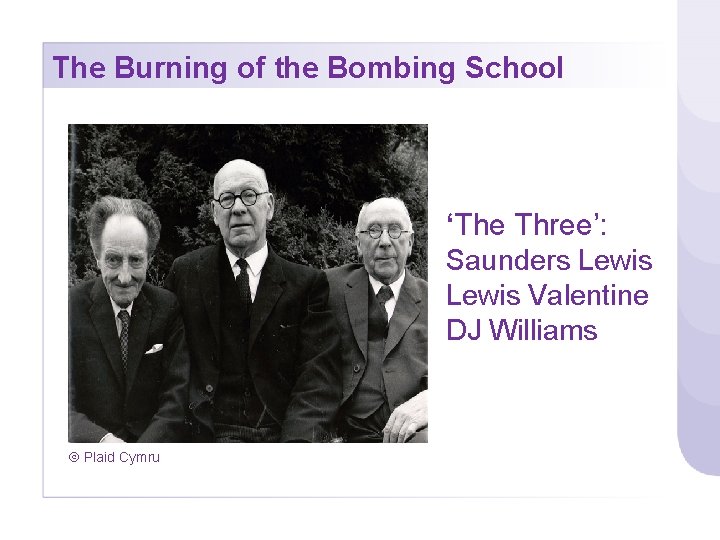
The Burning of the Bombing School ‘The Three’: Saunders Lewis Valentine DJ Williams Plaid Cymru
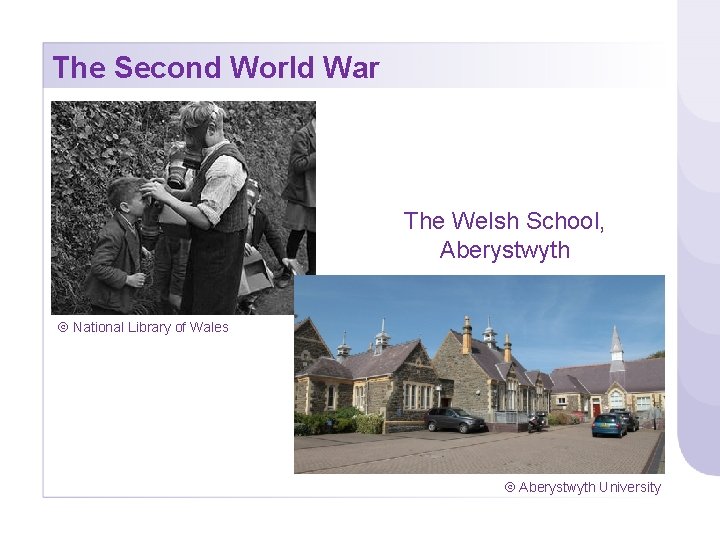
The Second World War The Welsh School, Aberystwyth National Library of Wales Aberystwyth University
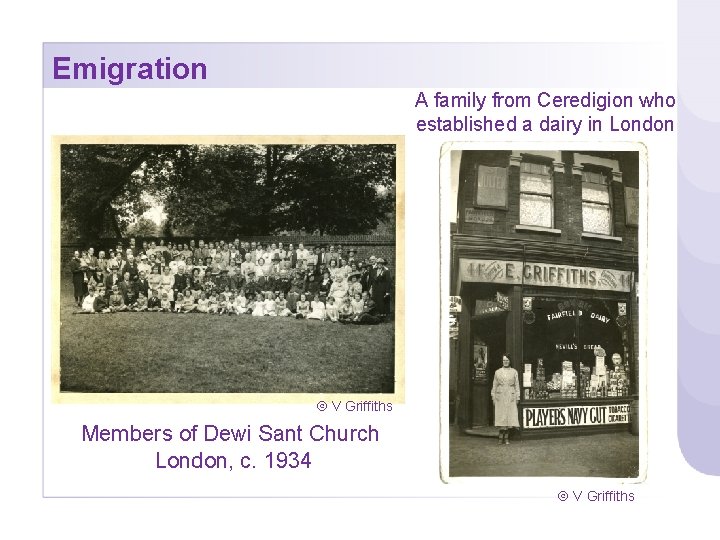
Emigration A family from Ceredigion who established a dairy in London V Griffiths Members of Dewi Sant Church London, c. 1934 V Griffiths
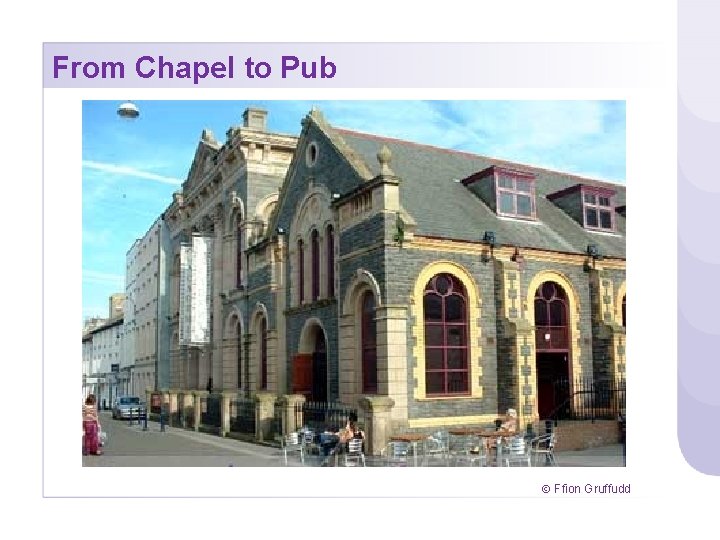
From Chapel to Pub Ffion Gruffudd
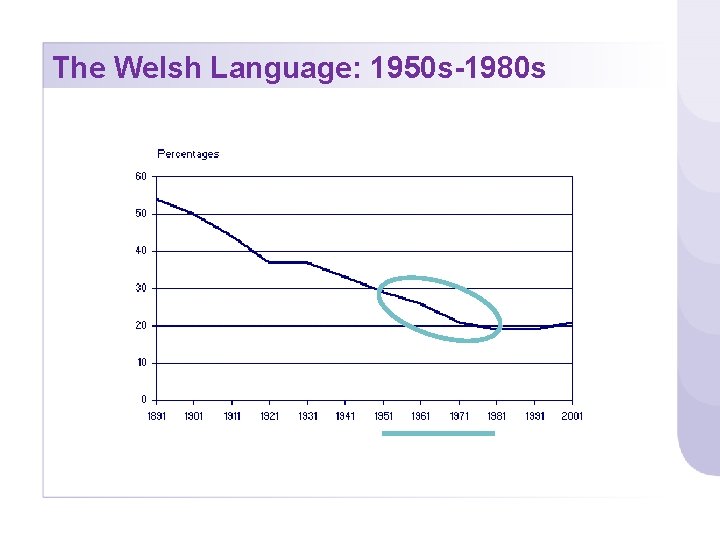
The Welsh Language: 1950 s-1980 s
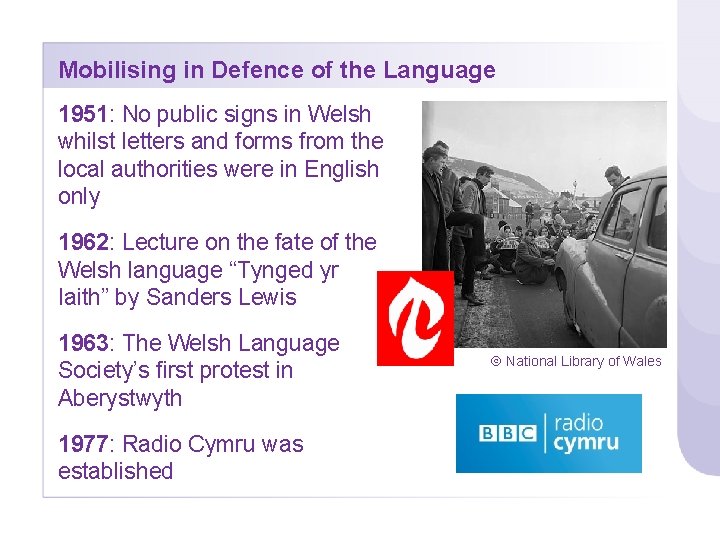
Mobilising in Defence of the Language 1951: No public signs in Welsh whilst letters and forms from the local authorities were in English only 1962: Lecture on the fate of the Welsh language “Tynged yr Iaith” by Sanders Lewis 1963: The Welsh Language Society’s first protest in Aberystwyth 1977: Radio Cymru was established National Library of Wales
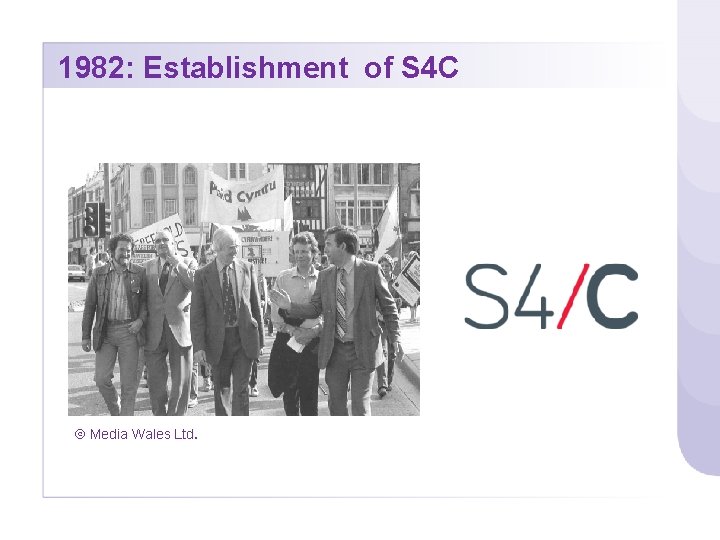
1982: Establishment of S 4 C Media Wales Ltd.
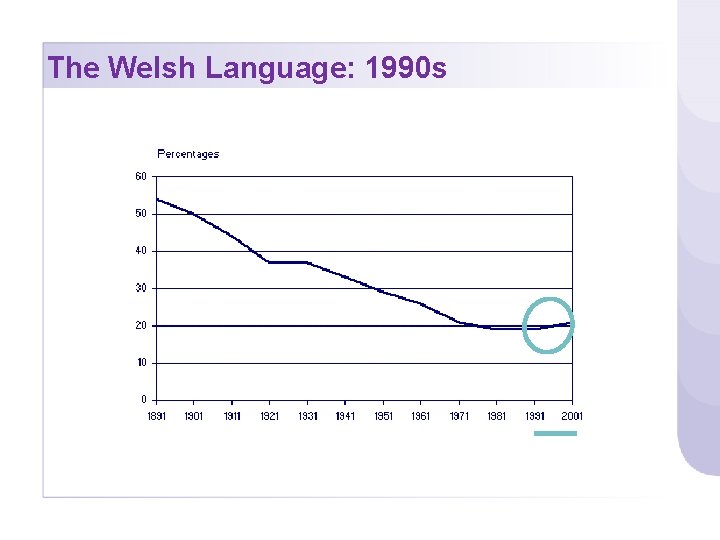
The Welsh Language: 1990 s
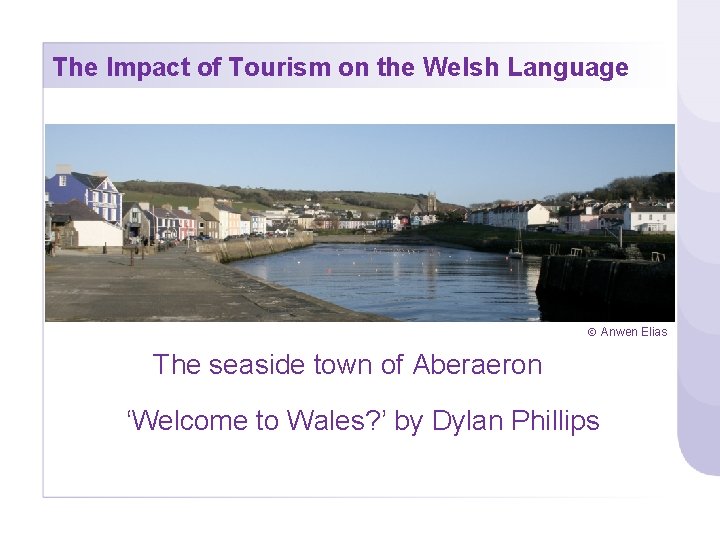
The Impact of Tourism on the Welsh Language Anwen Elias The seaside town of Aberaeron ‘Welcome to Wales? ’ by Dylan Phillips
The Welsh Language Act (1993) § States that the Welsh and English should be treated equally in Wales § It is a requirement that the public sector should treat both languages equally when providing public services in Wales
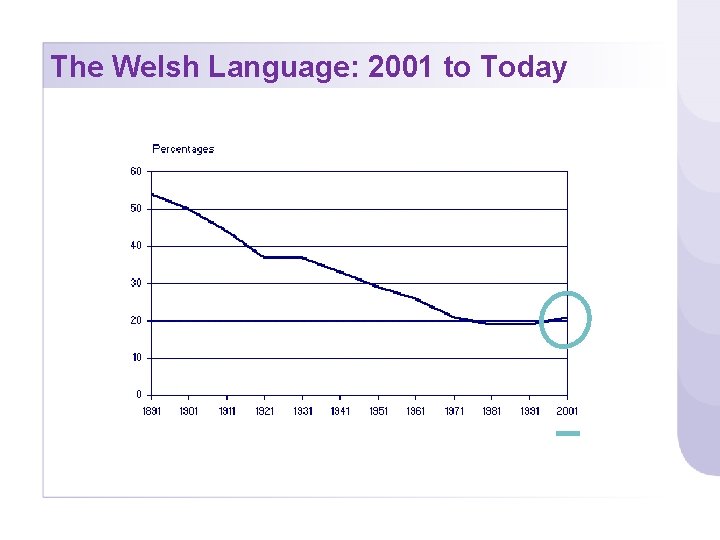
The Welsh Language: 2001 to Today
2001 Census • 457, 946 (16. 3%) could speak, read and write Welsh • 659, 301 (23. 5%) had at least one skill in Welsh % able to speak Welsh in Llandysul - 3 -15 years old: 86. 98% - 16 -64 years old: 64. 02% - 65+ years old: 70. 02%
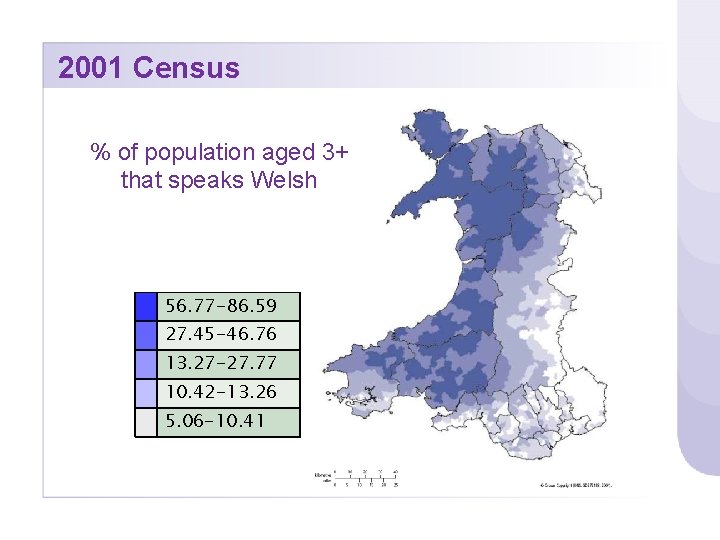
2001 Census % of population aged 3+ that speaks Welsh 56. 77 -86. 59 27. 45 -46. 76 13. 27 -27. 77 10. 42 -13. 26 5. 06 -10. 41
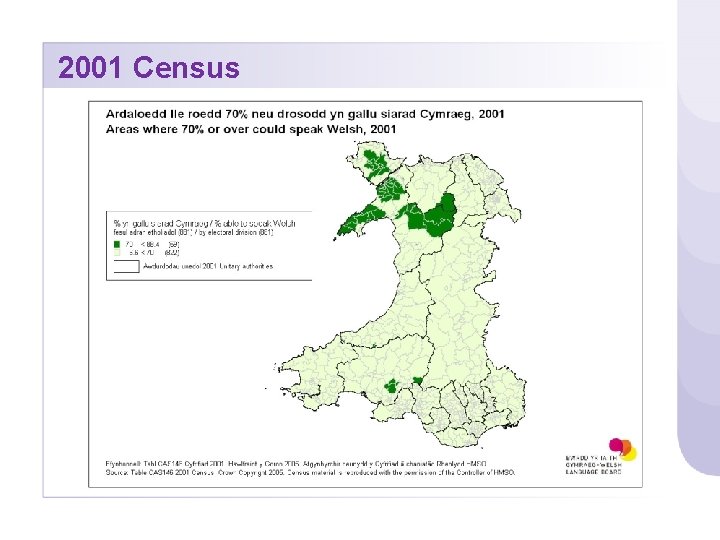
2001 Census
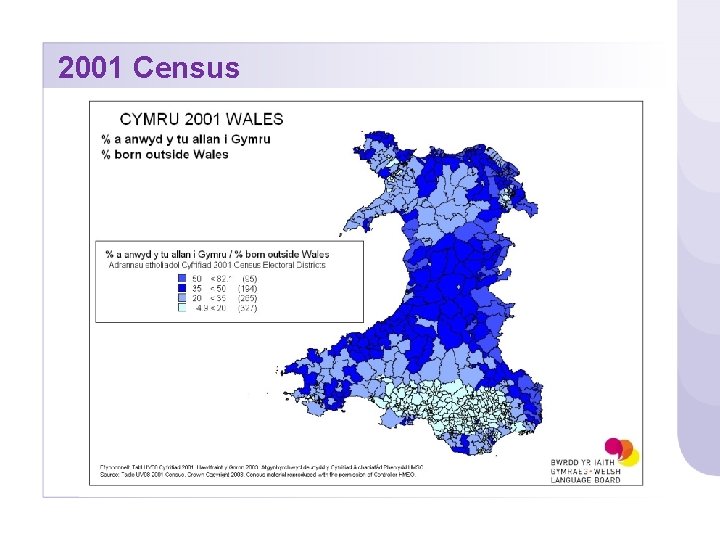
2001 Census
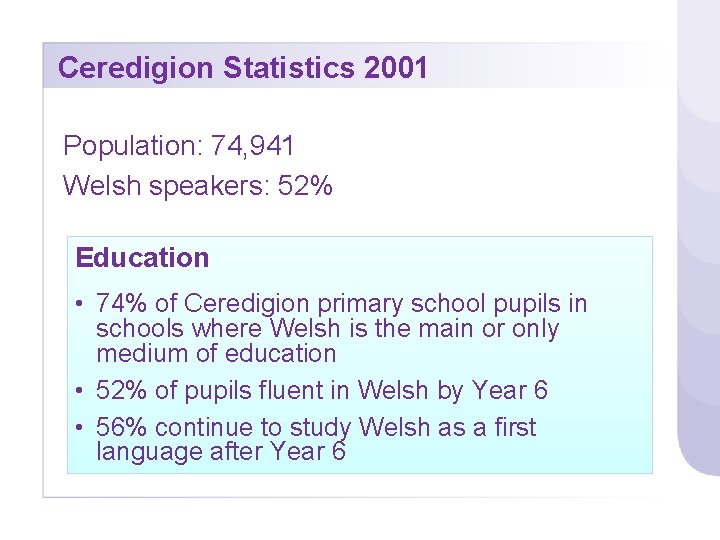
Ceredigion Statistics 2001 Population: 74, 941 Welsh speakers: 52% Education • 74% of Ceredigion primary school pupils in schools where Welsh is the main or only medium of education • 52% of pupils fluent in Welsh by Year 6 • 56% continue to study Welsh as a first language after Year 6
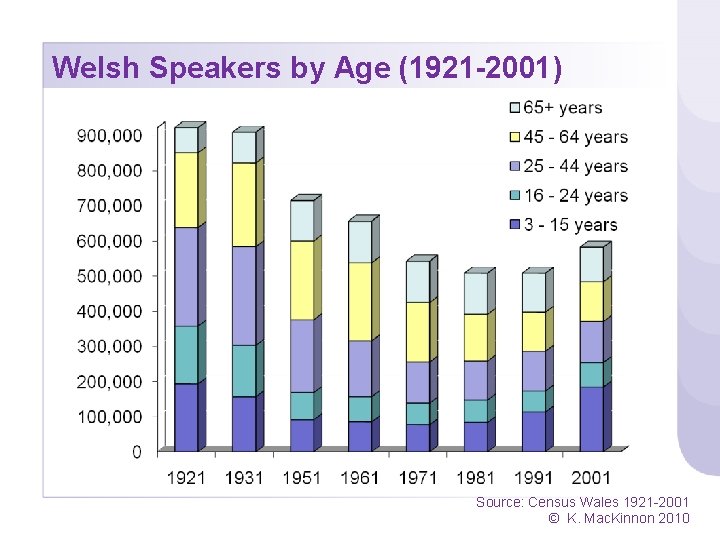
Welsh Speakers by Age (1921 -2001) Source: Census Wales 1921 -2001 © K. Mac. Kinnon 2010
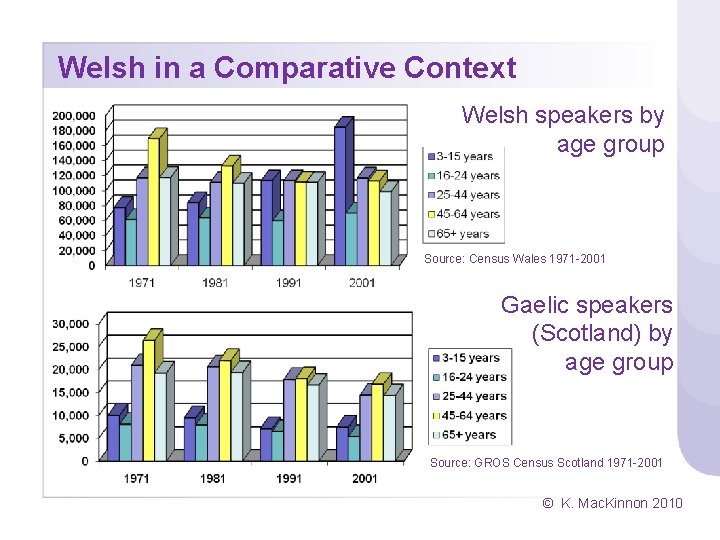
Welsh in a Comparative Context Welsh speakers by age group Source: Census Wales 1971 -2001 Gaelic speakers (Scotland) by age group Source: GROS Census Scotland 1971 -2001 © K. Mac. Kinnon 2010
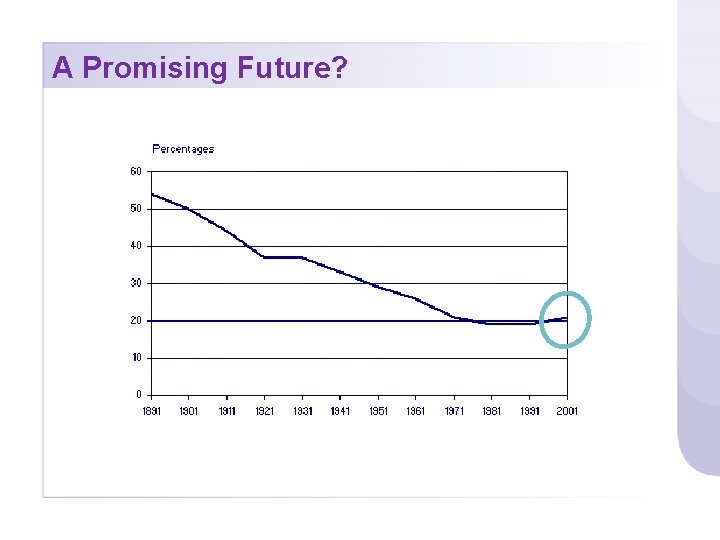
A Promising Future?
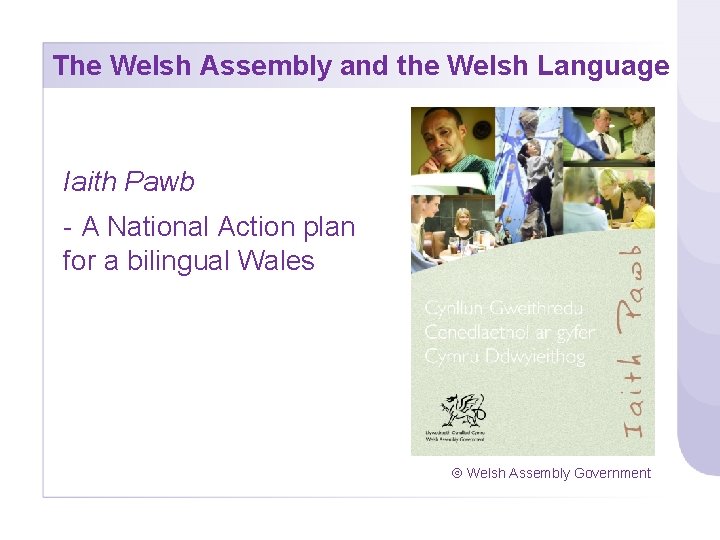
The Welsh Assembly and the Welsh Language Iaith Pawb - A National Action plan for a bilingual Wales Welsh Assembly Government
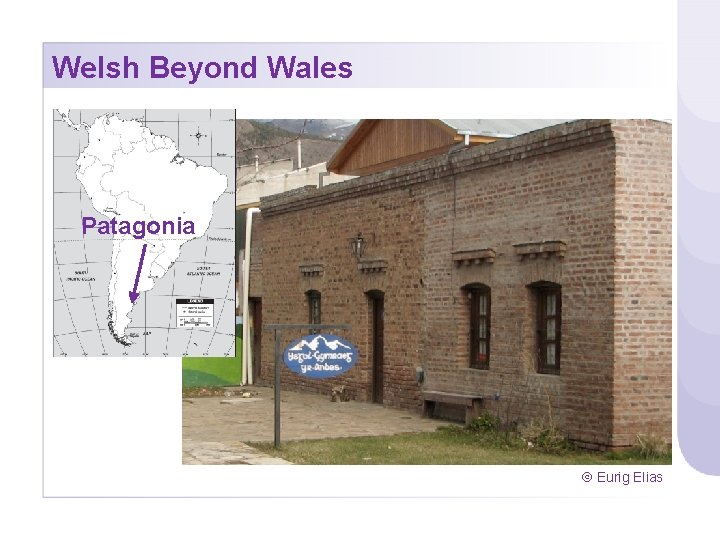
Welsh Beyond Wales Patagonia Eurig Elias
Census Questions The question asked in 2001 varied from past censuses: § 2001: Can you speak Welsh? § 1991: Do you speak Welsh? Many believe that this change of question is responsible for the increase in the number of Welsh speakers as shown in the 2001 results
The Inevitable Decline of the Language? UNESCO state that 50 -90% of the world’s languages will have ceased by the end of the 21 st century
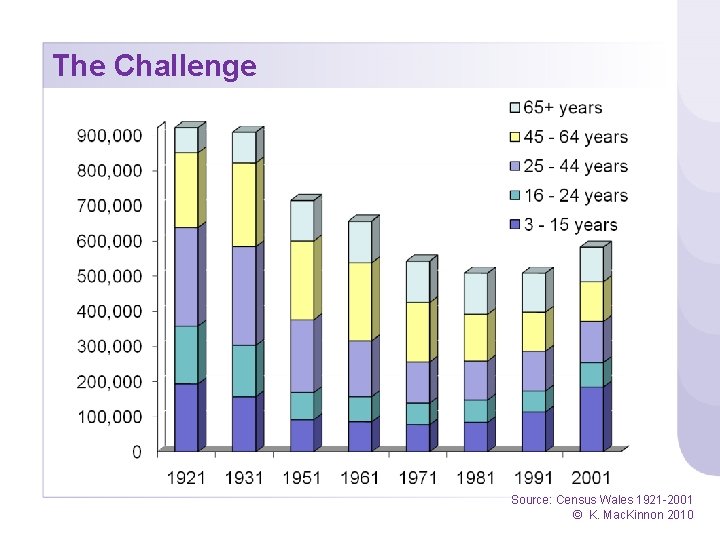
The Challenge Source: Census Wales 1921 -2001 © K. Mac. Kinnon 2010
- Slides: 40