
The Visual Display of Quantitative Information Alyssa A


- Slides: 38
The Visual Display of Quantitative Information Alyssa A. Goodman Professor of Astronomy January 28 2002
Visual Displays of Quantitative Information Maps Tables Graphs Charts Illustrations & Combinations Thereof January 28 2002
“Core” Principles for the Best Visual Displays (of Quantitative) Information 1. 2. 3. 4. 5. Clarity Tailor to Audience Optimize Display Design Maximum Information, Minimum Mess Consider Delivery Method (hardcopy, blackboard, web, PPT, movie vs. still) January 28 2002
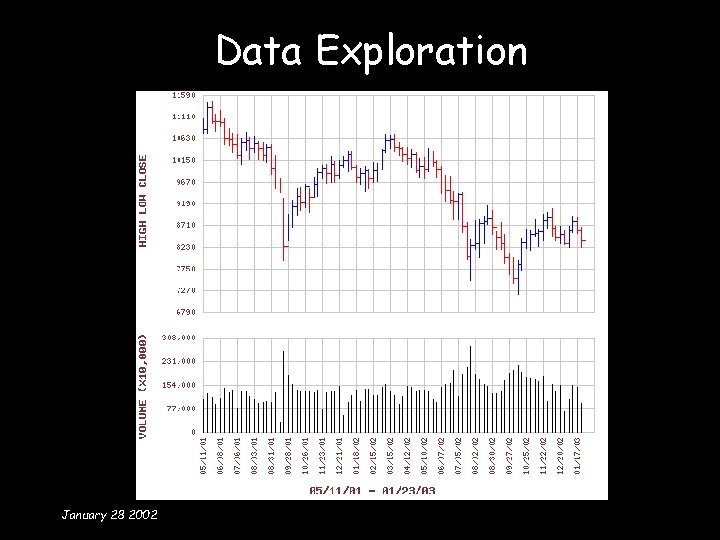
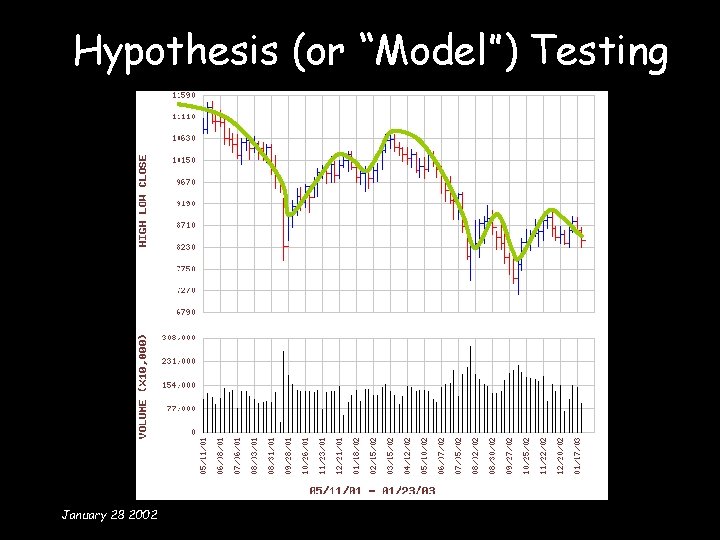
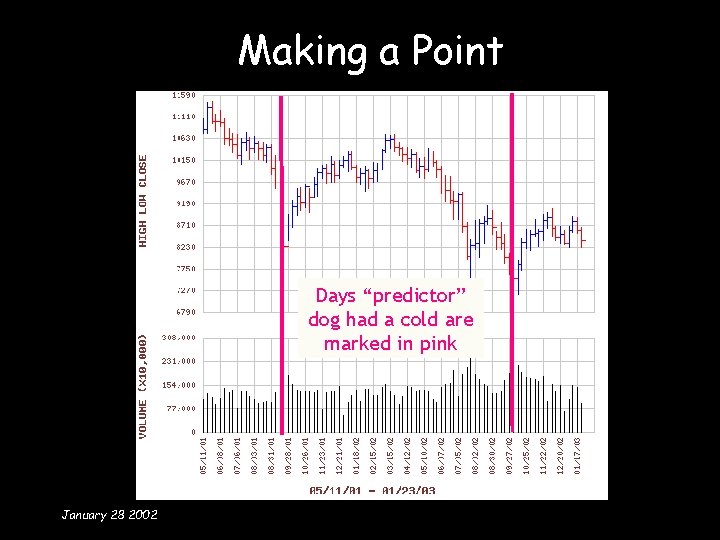
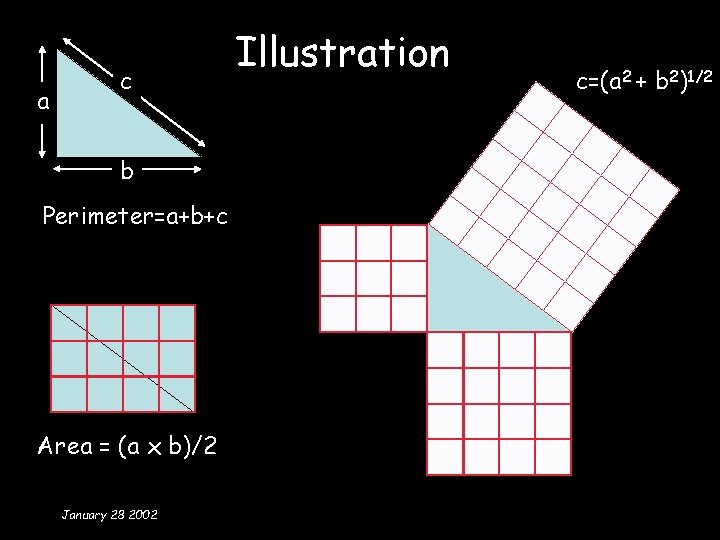
Questions to Always Ask What’s this “VDQI” for? – – – Data exploration Hypothesis testing Making a point Illustrating/demonstrating an idea Condensing information >1 of the above (best answer) Does my display pass the “interocular impact test”? January 28 2002
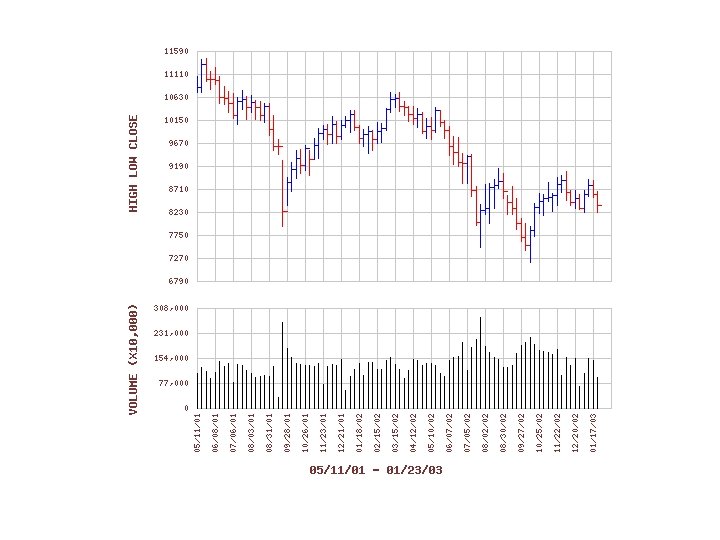
Data Exploration January 28 2002
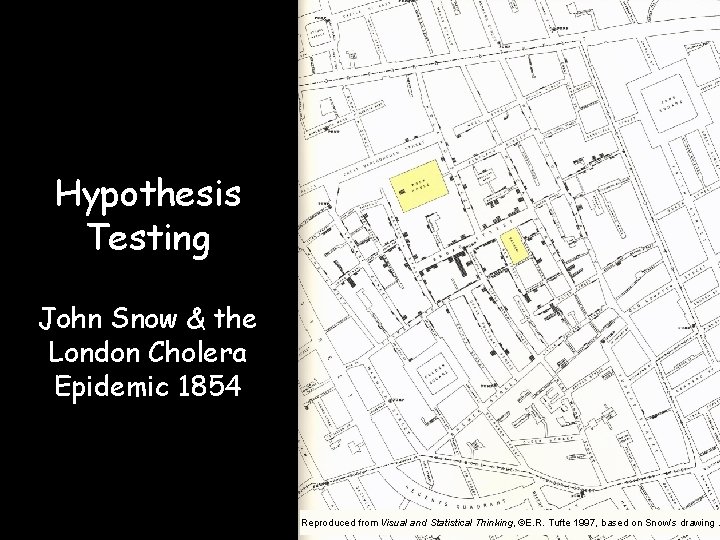
Hypothesis (or “Model”) Testing January 28 2002
Making a Point Days “predictor” dog had a cold are marked in pink January 28 2002
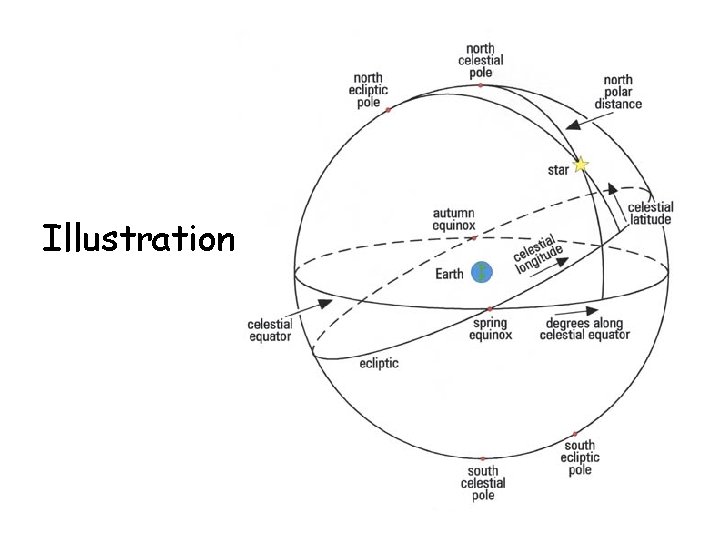
a c b Perimeter=a+b+c Area = (a x b)/2 January 28 2002 Illustration c=(a 2 + b 2)1/2
Illustration January 28 2002
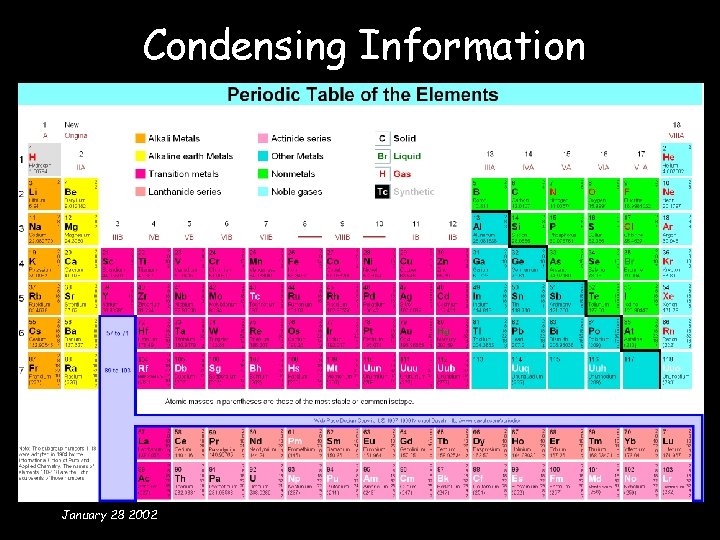
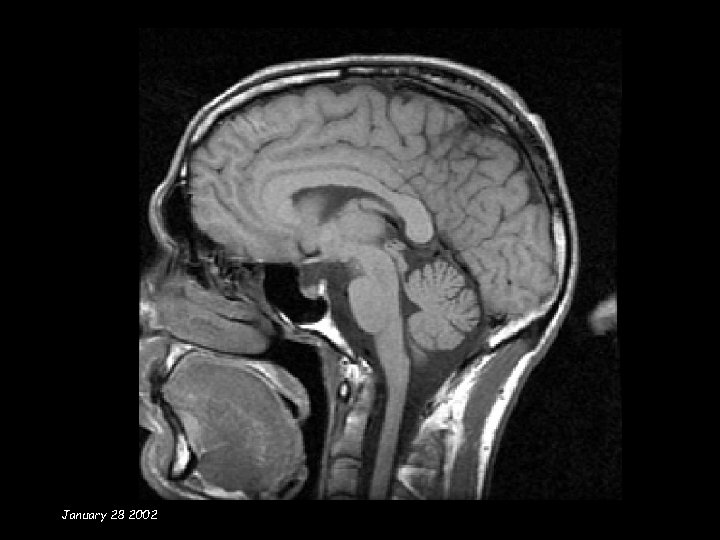
Condensing Information January 28 2002
Questions to Always Ask What’s this “VDQI” for? – – – Data exploration Hypothesis testing Making a point Illustrating/demonstrating an idea Condensing information >1 of the above (best answer) Does my display pass the “interocular impact test”? January 28 2002
2 nd Half Tables More Sample Graphics Critiques Power. Point January 28 2002
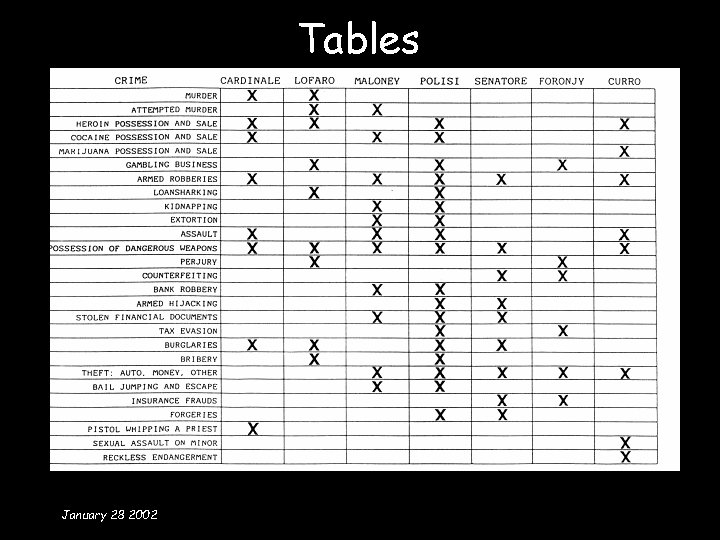
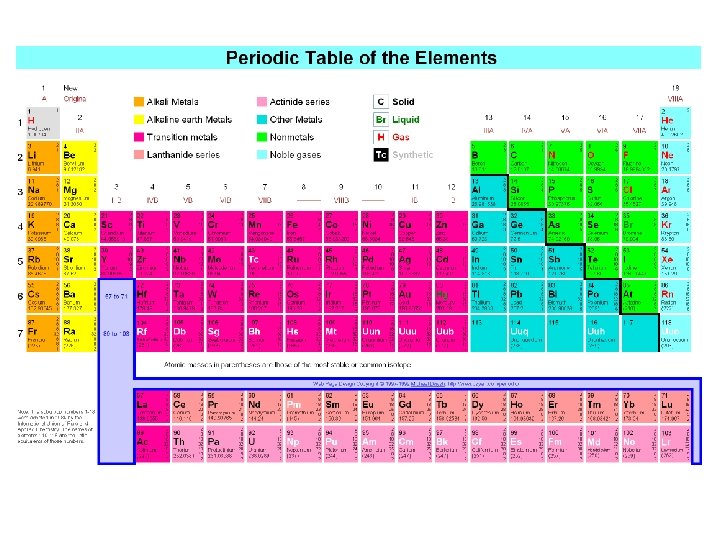
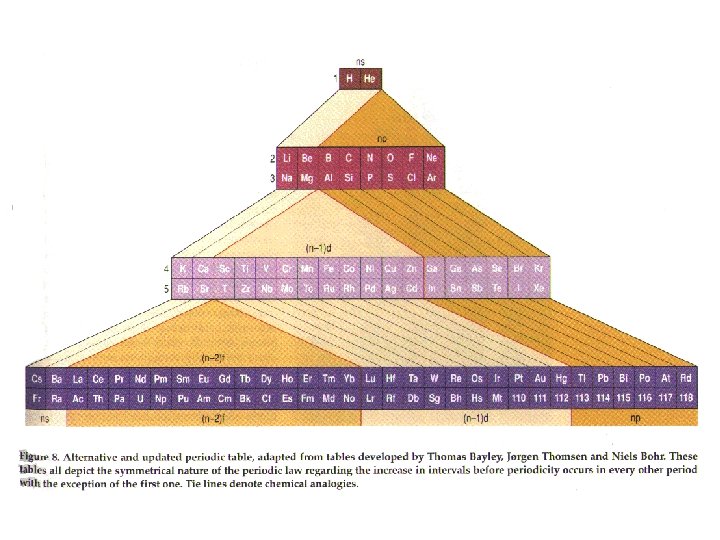
Tables January 28 2002
Tables http: //lpo. dt. navy. mil/ems/weatherman/std_tbl/? rnd= January 28 2002
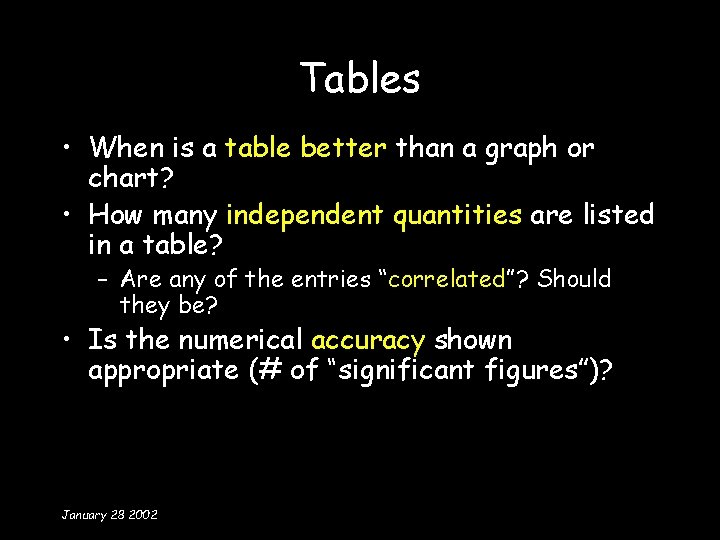
Tables • When is a table better than a graph or chart? • How many independent quantities are listed in a table? – Are any of the entries “correlated”? Should they be? • Is the numerical accuracy shown appropriate (# of “significant figures”)? January 28 2002
More Sample Graphics January 28 2002
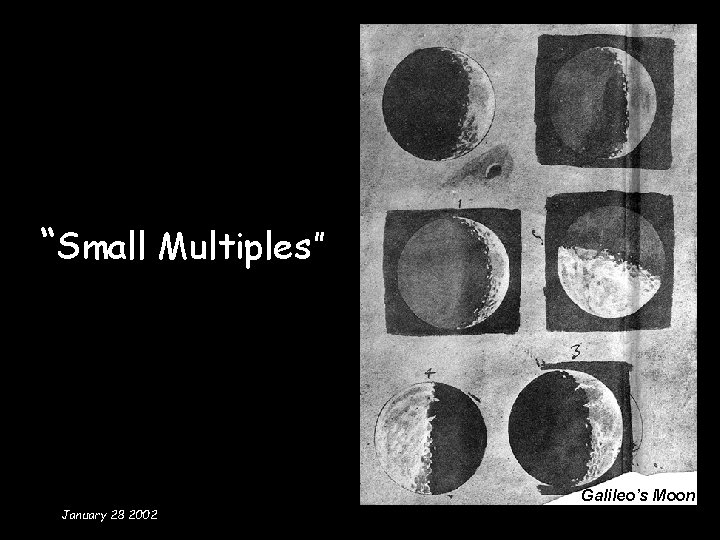
“Small Multiples” Galileo’s Moon January 28 2002
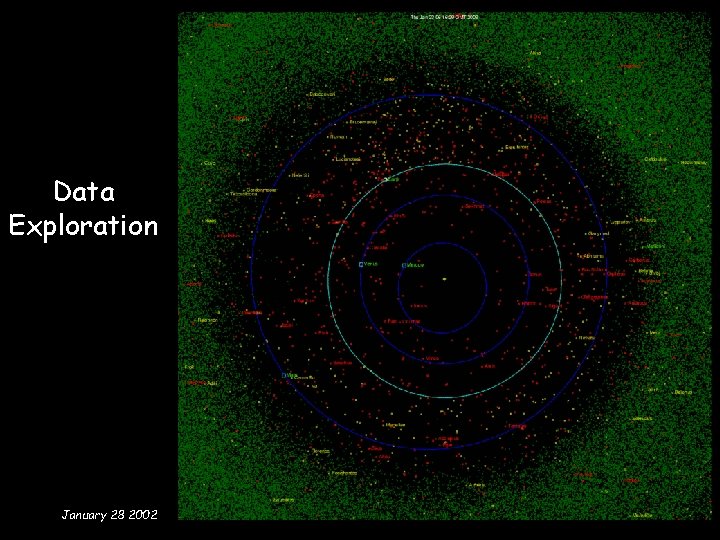
Data Exploration http: //water. usgs. gov/waterwatch/ Leonardo da Vinci
Data Exploration January 28 2002
Data Exploration http: //szyzyg. arm. ac. uk/~spm/neostorm. avi January 28 2002
Questions Raised by the Movie Is the Earth in danger? – Resolution and its deception potential – What is the uncertainty in the positions? – What is the time scale? Which one is Earth in the movie? – The importance of labeling (What is the coordinate system? – How is the Solar System “viewed” from above? ) January 28 2002
Hypothesis Testing John Snow & the London Cholera Epidemic 1854 Reproduced from Visual and Statistical Thinking, ©E. R. Tufte 1997, based on Snow’s drawing.
Critiques January 28 2002
January 28 2002
January 28 2002
January 28 2002
January 28 2002
January 28 2002
January 28 2002
January 28 2002 Goodman, Barranco, Wilner & Heyer 1998
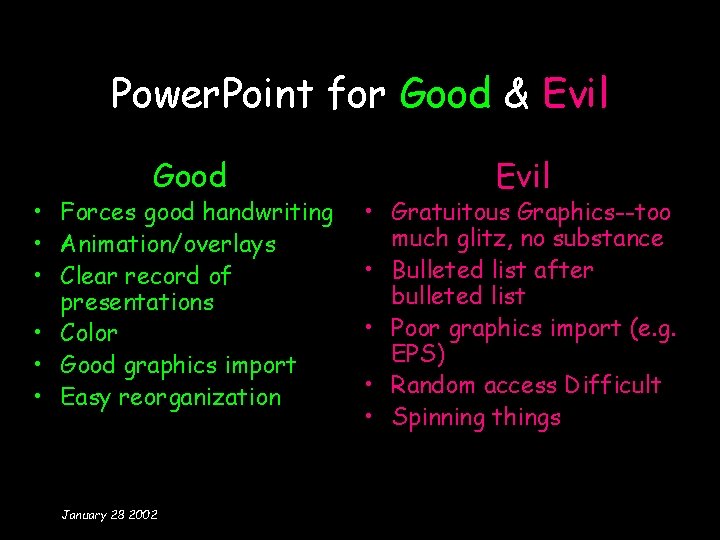
Power. Point for Good & Evil Good • Forces good handwriting • Animation/overlays • Clear record of presentations • Color • Good graphics import • Easy reorganization January 28 2002 Evil • Gratuitous Graphics--too much glitz, no substance • Bulleted list after bulleted list • Poor graphics import (e. g. EPS) • Random access Difficult • Spinning things
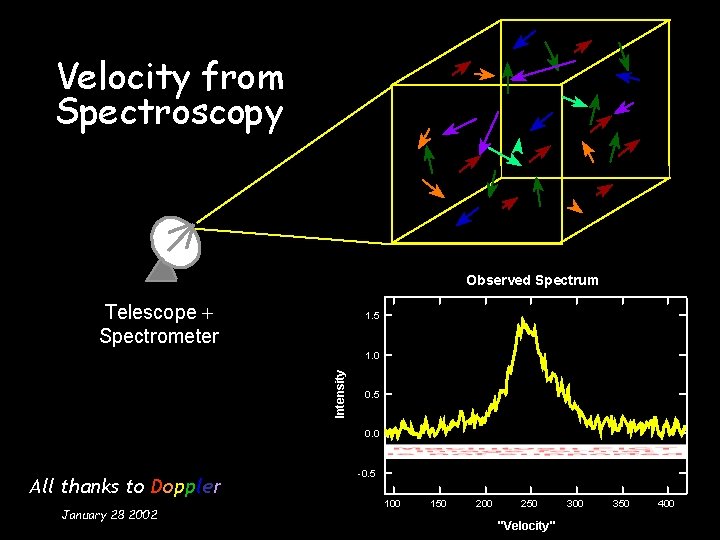
Velocity from Spectroscopy Observed Spectrum Telescope Spectrometer 1. 5 Intensity 1. 0 0. 5 0. 0 All thanks to Doppler January 28 2002 -0. 5 100 150 200 250 "Velocity" 300 350 400
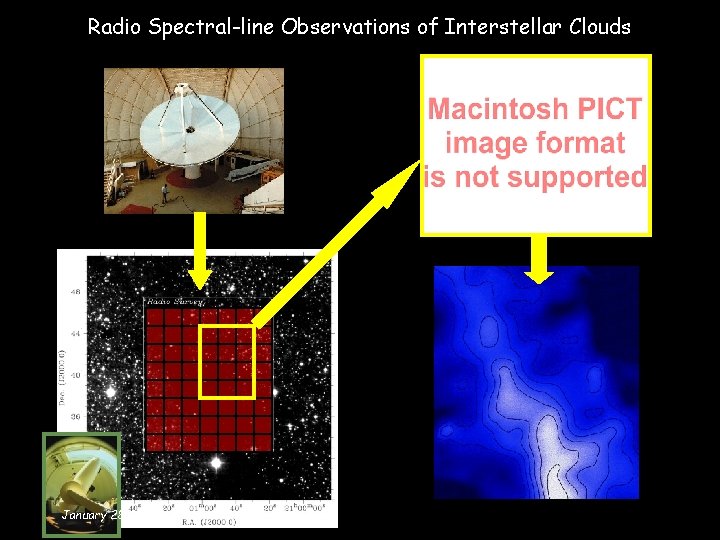
Radio Spectral-line Observations of Interstellar Clouds January 28 2002
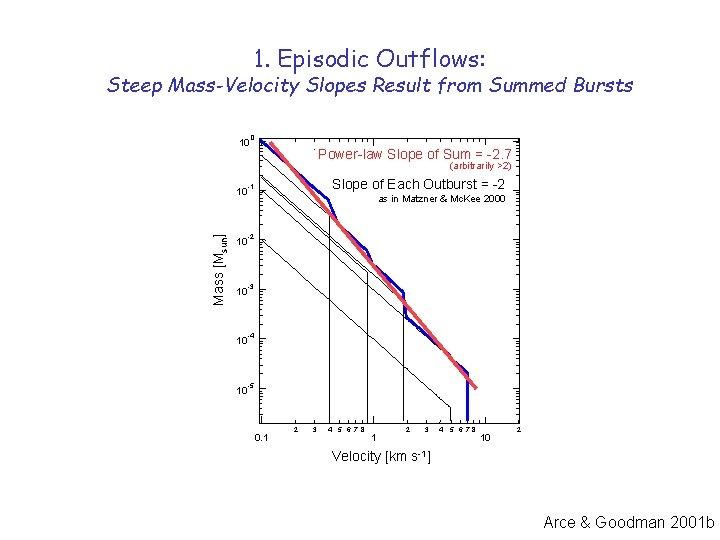
1. Episodic Outflows: Steep Mass-Velocity Slopes Result from Summed Bursts 10 0 Power-law Slope of Sum = -2. 7 Mass [Msun] (arbitrarily >2) 10 -1 10 -2 10 -3 10 -4 10 -5 Slope of Each Outburst = -2 as in Matzner & Mc. Kee 2000 0. 1 2 3 4 5 6 78 10 2 Velocity [km s-1] January 28 2002 Arce & Goodman 2001 b
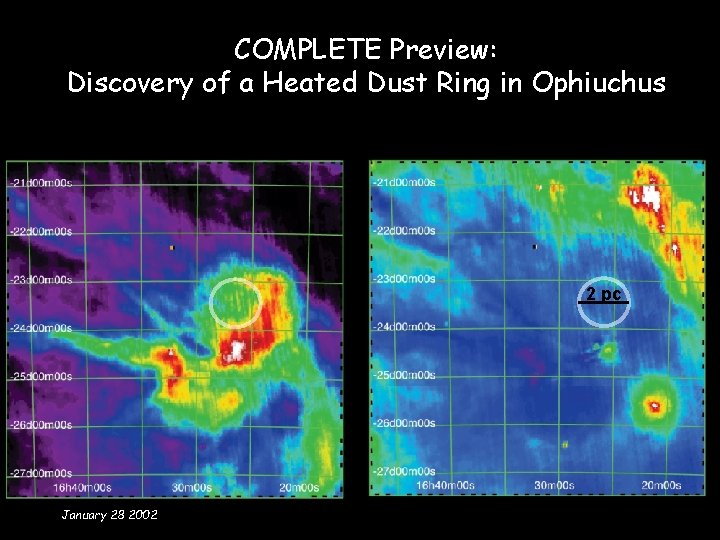
COMPLETE Preview: Discovery of a Heated Dust Ring in Ophiuchus 2 pc January 28 2002 Goodman, Li & Schnee 200
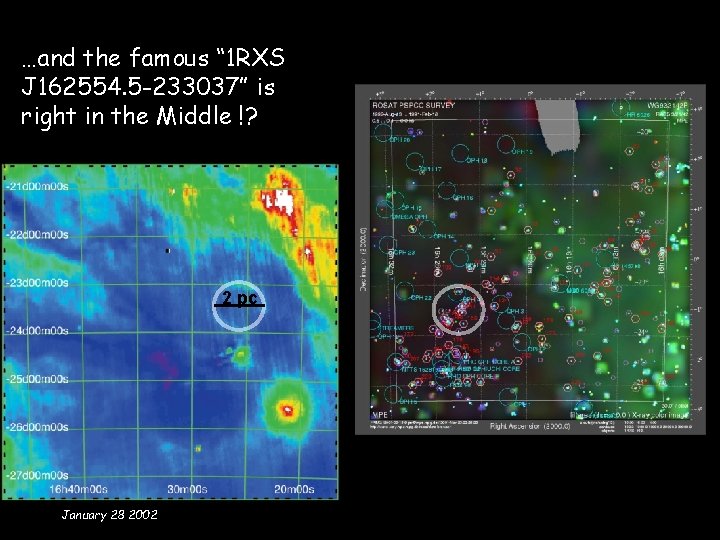
…and the famous “ 1 RXS J 162554. 5 -233037” is right in the Middle !? 2 pc January 28 2002
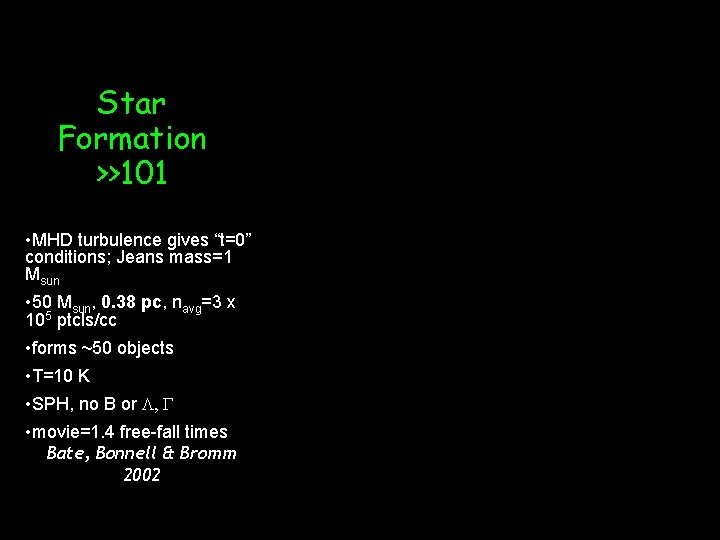
Star Formation >>101 • MHD turbulence gives “t=0” conditions; Jeans mass=1 Msun • 50 Msun, 0. 38 pc, navg=3 x 10⁵ ptcls/cc • forms ~50 objects • T=10 K • SPH, no B or L, G • movie=1. 4 free-fall times Bate, Bonnell & Bromm 2002 January 28 2002
“Core” Principals for the Best Visual Displays (of Quantitative) Information 1. 2. 3. 4. 5. Clarity Tailor to Audience Optimize Display Design Maximum Information, Minimum Mess Consider Delivery Method (hardcopy, blackboard, web, PPT, movie vs. still) January 28 2002