
The Use of Nanoparticles in Drug Delivery Systems



- Slides: 43
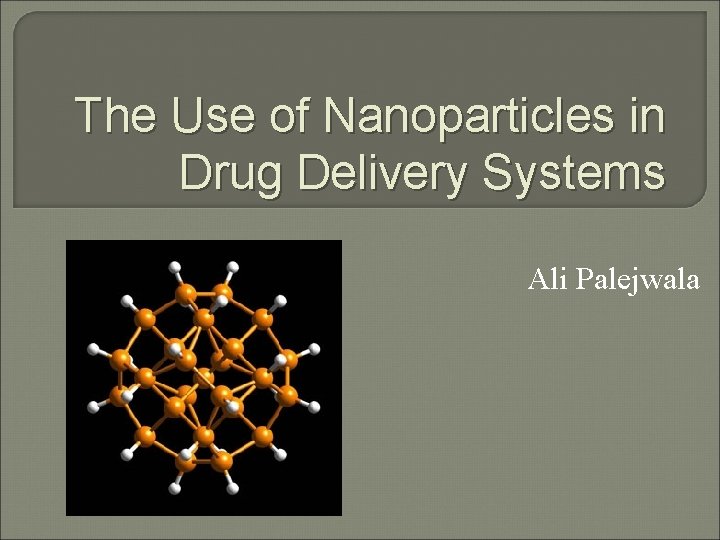
The Use of Nanoparticles in Drug Delivery Systems Ali Palejwala
Overview �Introduction �Background to the nanoparticles on different types of nanoparticles
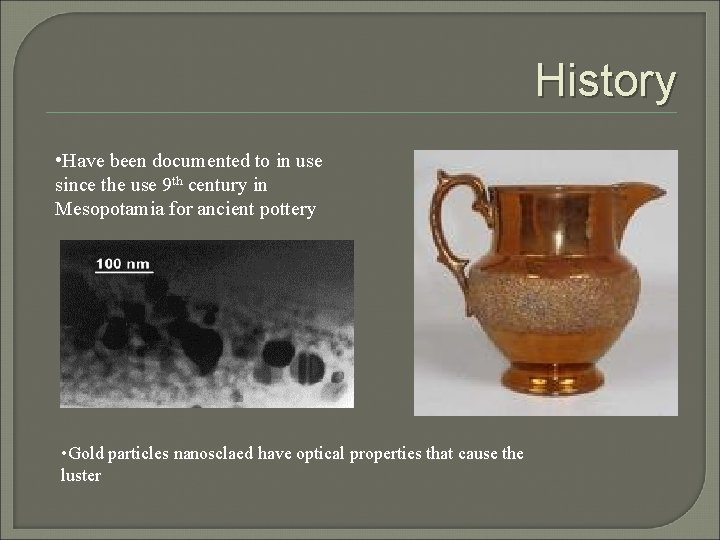
History • Have been documented to in use since the use 9 th century in Mesopotamia for ancient pottery • Gold particles nanosclaed have optical properties that cause the luster
The Idea � Proposed by Richard Feynman in his book titled There’s Plenty of Room at the Bottom � Feynman considered the possibility of direct manipulation of individual atoms as a more powerful form of synthetic chemistry than those used at the time. � The idea of nanotechnology was born.
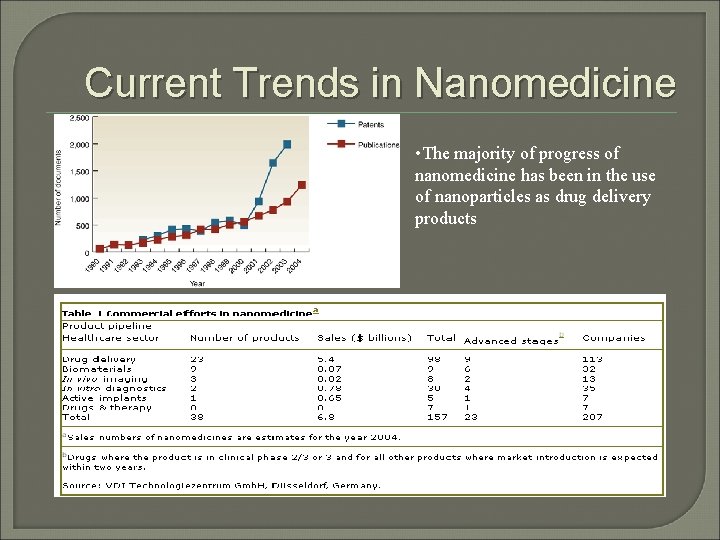
Current Trends in Nanomedicine • The majority of progress of nanomedicine has been in the use of nanoparticles as drug delivery products
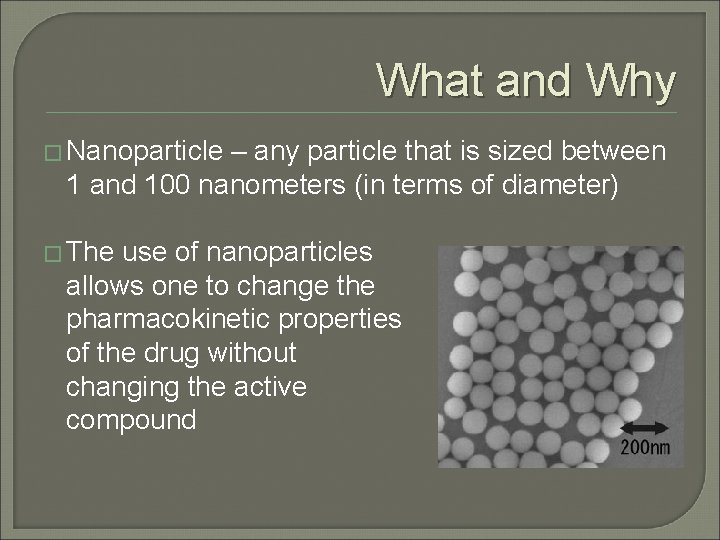
What and Why � Nanoparticle – any particle that is sized between 1 and 100 nanometers (in terms of diameter) � The use of nanoparticles allows one to change the pharmacokinetic properties of the drug without changing the active compound
Size and Shape � All matter has size and all size matters � General properties of nanoscaled particles: 1. High surface area to volume ratio -able to interact with biomolecules on the surface of cells -absorbs drugs well 2. Able to diffuse through the body well
Types of Nanoparticles �Liposomes �Polymeric nanoparticles �Dendrimers �Fullerenes �Quantum dots �Metal nanoparticles �Magnetic nanoparticles
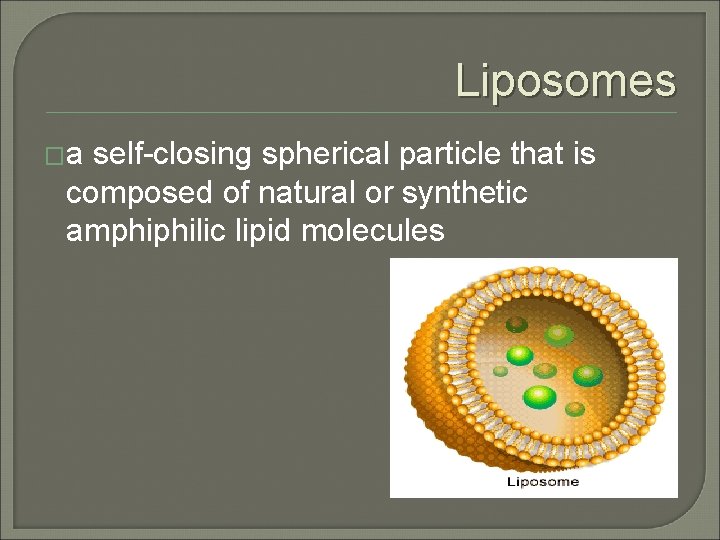
Liposomes �a self-closing spherical particle that is composed of natural or synthetic amphiphilic lipid molecules
One can change the pharmacokinetic properties of the drug by changing the liposome �Size –smaller liposomes have reduced immunogenicity �Lipid rigidity composition – give the membrane varied �Stealth �The component –reduces the immunogenicity drug enclosed
�Liposomes have been widely used in anticancer drugs � Optimal antitumor activity occurs when cancer cells are exposed to moderate concentrations of a drug over an extended period of time
�http: //www. chemocare. com/managing/
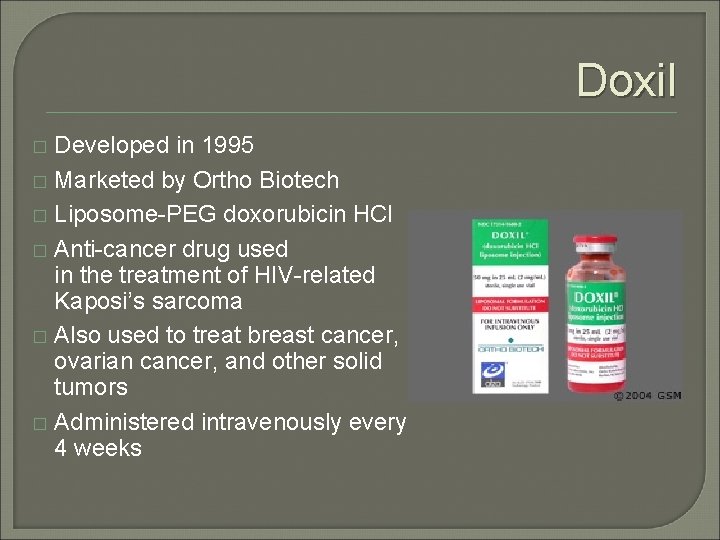
Doxil Developed in 1995 � Marketed by Ortho Biotech � Liposome-PEG doxorubicin HCl � Anti-cancer drug used in the treatment of HIV-related Kaposi’s sarcoma � Also used to treat breast cancer, ovarian cancer, and other solid tumors � Administered intravenously every 4 weeks �
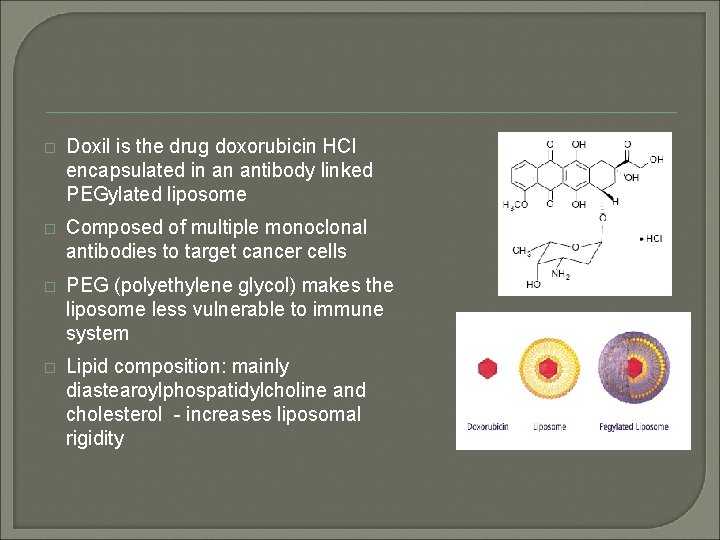
� Doxil is the drug doxorubicin HCl encapsulated in an antibody linked PEGylated liposome � Composed of multiple monoclonal antibodies to target cancer cells � PEG (polyethylene glycol) makes the liposome less vulnerable to immune system � Lipid composition: mainly diastearoylphospatidylcholine and cholesterol - increases liposomal rigidity
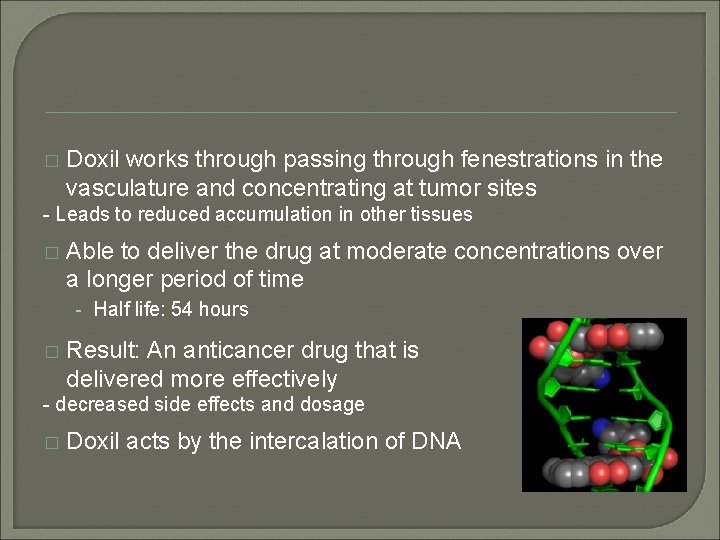
� Doxil works through passing through fenestrations in the vasculature and concentrating at tumor sites - Leads to reduced accumulation in other tissues � Able to deliver the drug at moderate concentrations over a longer period of time - Half life: 54 hours � Result: An anticancer drug that is delivered more effectively - decreased side effects and dosage � Doxil acts by the intercalation of DNA
Side effects Hand-Foot Syndome � Stomatitis � Fever � Neutropenia � Nausea, vomiting, tiredness, weakness, rash, shortness of breath, or mild hair loss � Loss of appetite � Diarrhea � Cardiotoxcity �
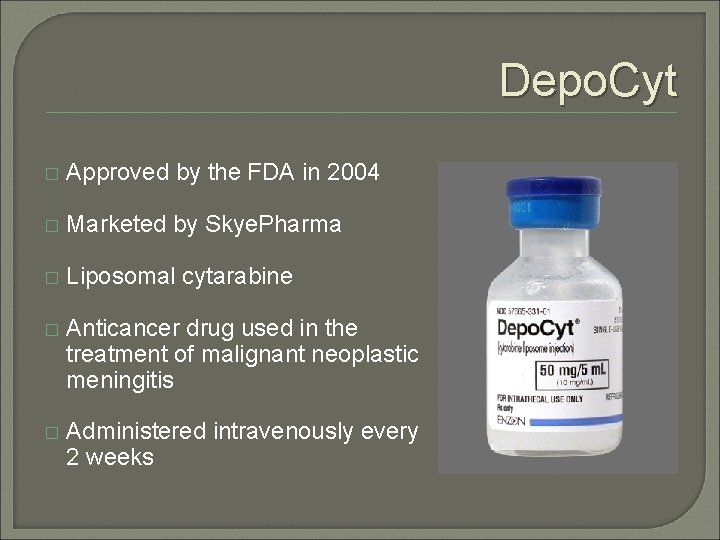
Depo. Cyt � Approved by the FDA in 2004 � Marketed by Skye. Pharma � Liposomal cytarabine � Anticancer drug used in the treatment of malignant neoplastic meningitis � Administered intravenously every 2 weeks
Neoplastic Meningitis � A common oncologic complication involving the spread of tumor cells to the subarachnoid space (SAS) � Cancer cells in the subarachnoid space can : - Settle in the dependent portions of the base of brain (cranial nerves, lower spinal canal) - grow into the surface of the brain and fill the sulci - block normal paths of CSF flow � Treatment options include chemotherapy and/or radiation
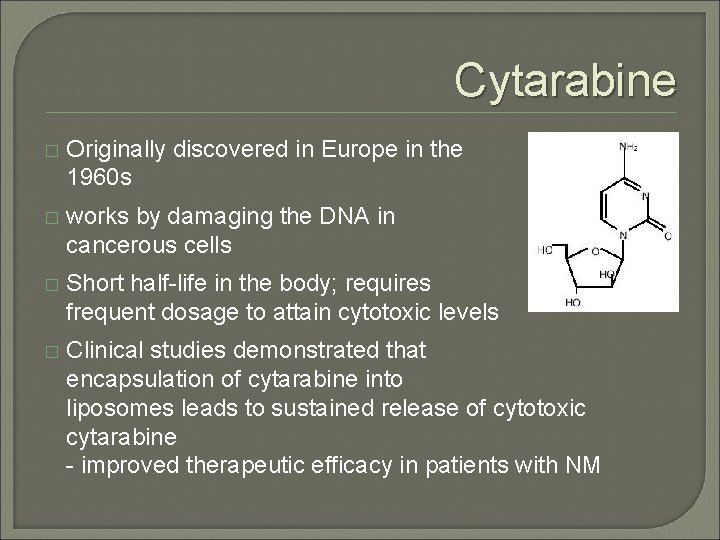
Cytarabine � Originally discovered in Europe in the 1960 s � works by damaging the DNA in cancerous cells � Short half-life in the body; requires frequent dosage to attain cytotoxic levels � Clinical studies demonstrated that encapsulation of cytarabine into liposomes leads to sustained release of cytotoxic cytarabine - improved therapeutic efficacy in patients with NM
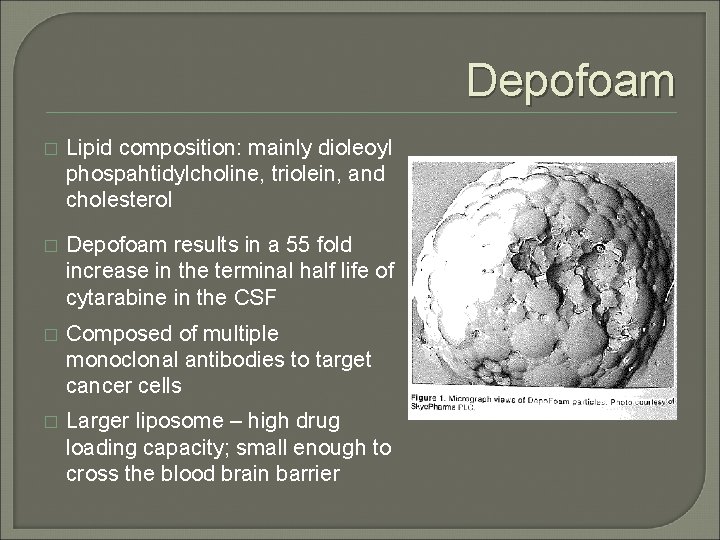
Depofoam � Lipid composition: mainly dioleoyl phospahtidylcholine, triolein, and cholesterol � Depofoam results in a 55 fold increase in the terminal half life of cytarabine in the CSF � Composed of multiple monoclonal antibodies to target cancer cells � Larger liposome – high drug loading capacity; small enough to cross the blood brain barrier
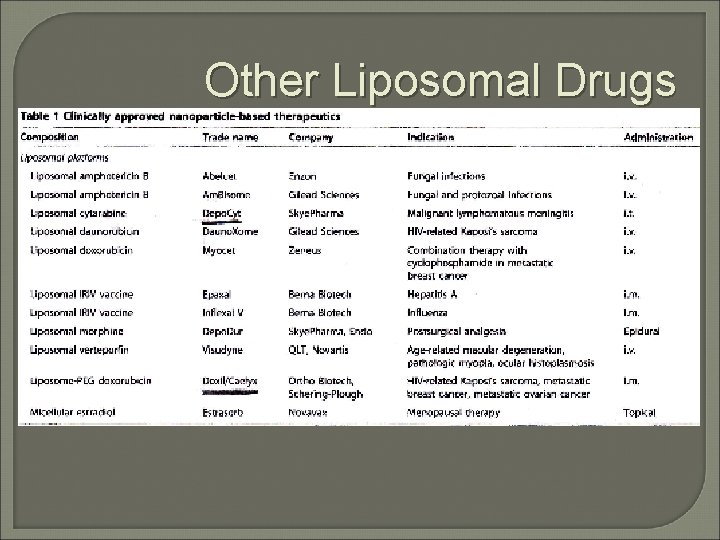
Other Liposomal Drugs
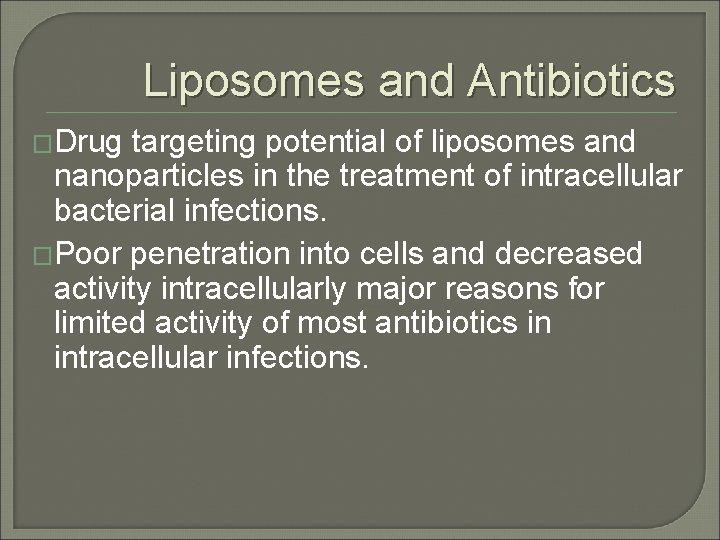
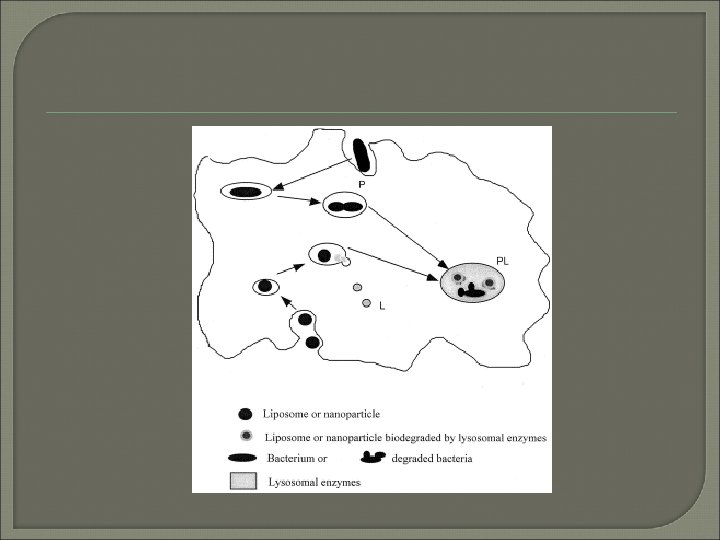
Liposomes and Antibiotics �Drug targeting potential of liposomes and nanoparticles in the treatment of intracellular bacterial infections. �Poor penetration into cells and decreased activity intracellularly major reasons for limited activity of most antibiotics in intracellular infections.
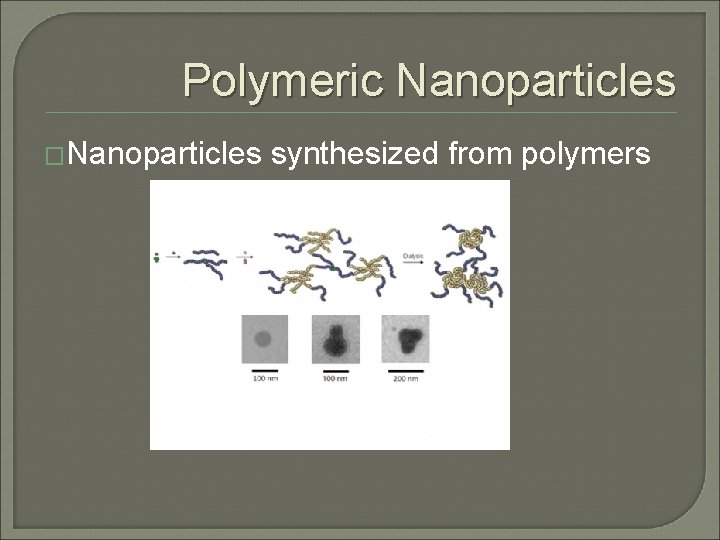
Polymeric Nanoparticles �Nanoparticles synthesized from polymers
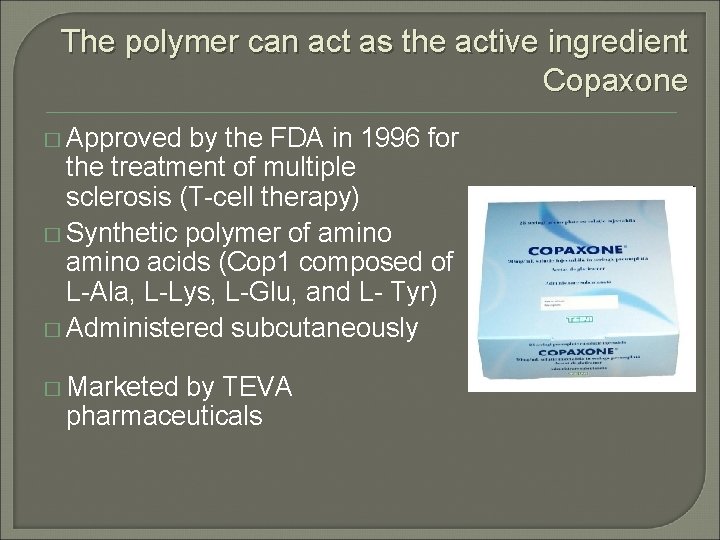
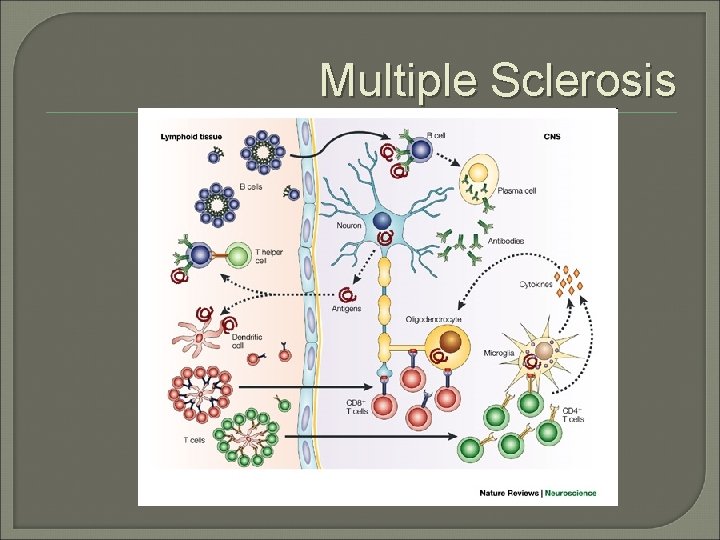
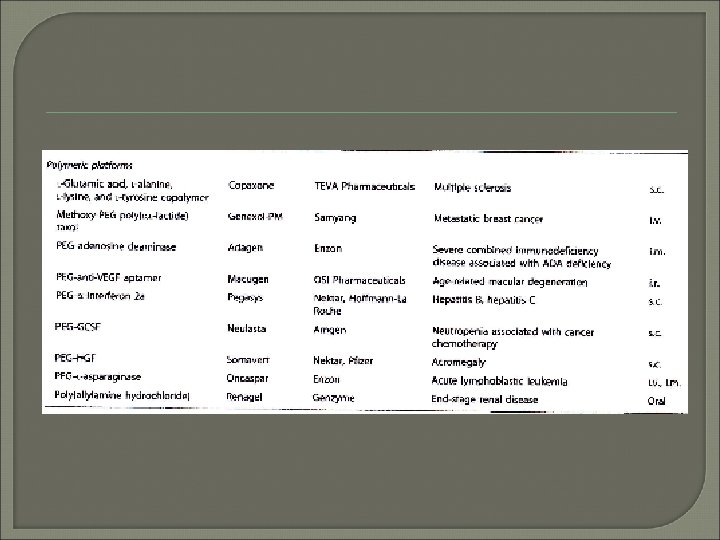
The polymer can act as the active ingredient Copaxone � Approved by the FDA in 1996 for the treatment of multiple sclerosis (T-cell therapy) � Synthetic polymer of amino acids (Cop 1 composed of L-Ala, L-Lys, L-Glu, and L- Tyr) � Administered subcutaneously � Marketed by TEVA pharmaceuticals
Multiple Sclerosis
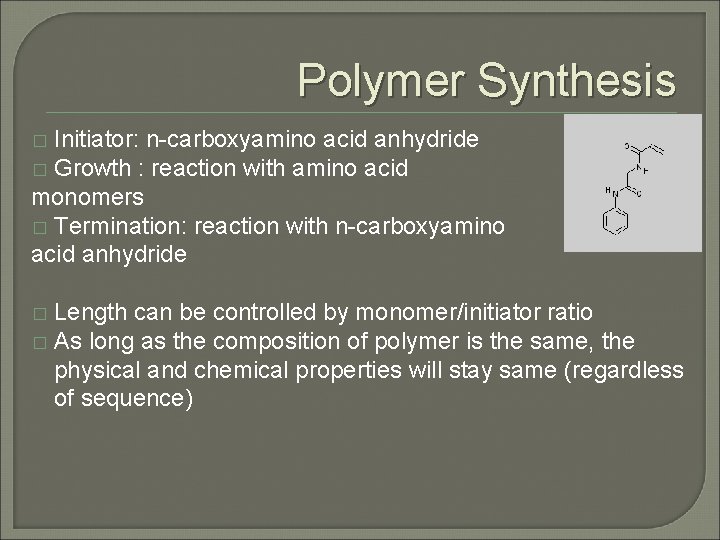
Polymer Synthesis Initiator: n-carboxyamino acid anhydride � Growth : reaction with amino acid monomers � Termination: reaction with n-carboxyamino acid anhydride � Length can be controlled by monomer/initiator ratio � As long as the composition of polymer is the same, the physical and chemical properties will stay same (regardless of sequence) �
Mechanism of Action � Cop 1 polymer related to myelin binding protein (MBP) Binding to MHC leads to the activation of T-suppressor cells � Competes with several myelin-associated antigens to bind to MHC class II molecules � � Low toxicity; however, copaxone can only slow the progression of the disease and reduce the relapse rate
Side effects � Flu-like symptoms � injection site rxns � menstrual irregularities � decreased white blood cells � elevated liver enzymes.
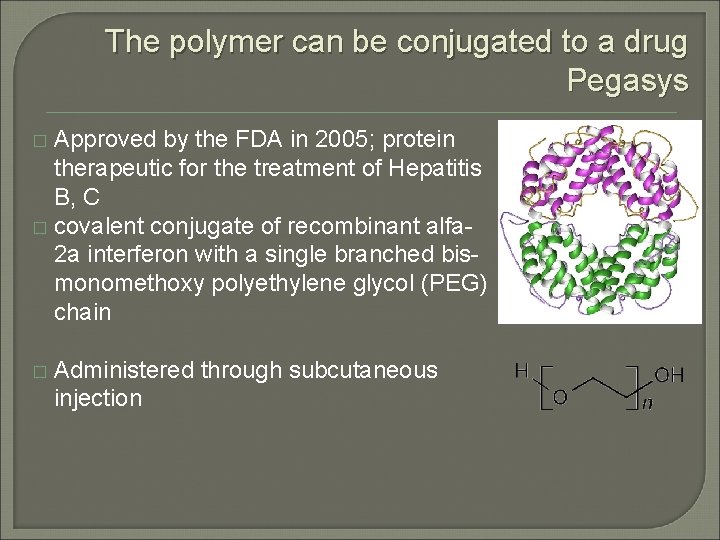
The polymer can be conjugated to a drug Pegasys Approved by the FDA in 2005; protein therapeutic for the treatment of Hepatitis B, C � covalent conjugate of recombinant alfa 2 a interferon with a single branched bismonomethoxy polyethylene glycol (PEG) chain � � Administered through subcutaneous injection
�PEG can enhance plasma stability and solubility of the drug while reducing its immunogenicity �The protein therapeutic will have an increased amount of time to act on the virus �Pegasys is often used with Ribavirin in the treatment of hepatitis C
Side effects � decompensated cirrhosis � autoimmune hepatitis � major, uncontrolled depression � kidney, lung or heart transplants � known hypersensitivity (allergic reaction) to pegylated interferon components. Pegylated interferon should be used with caution, preferably by a specialist, in people with heart and thyroid problems, pulmonary disorders, and autoimmune diseases.
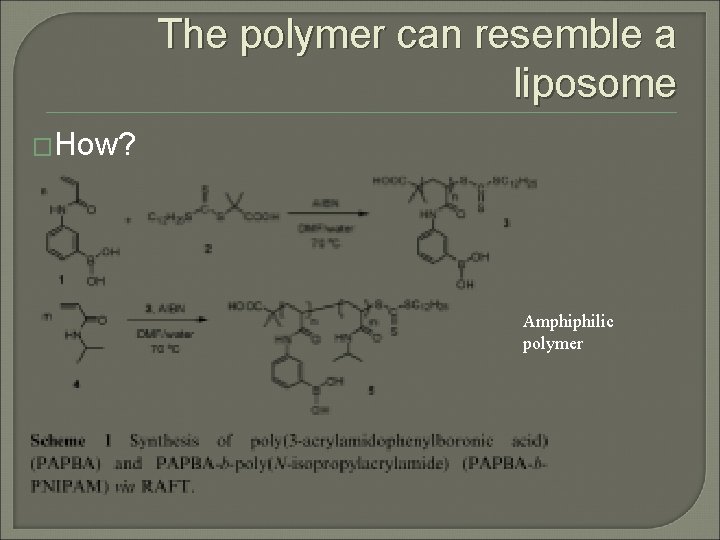
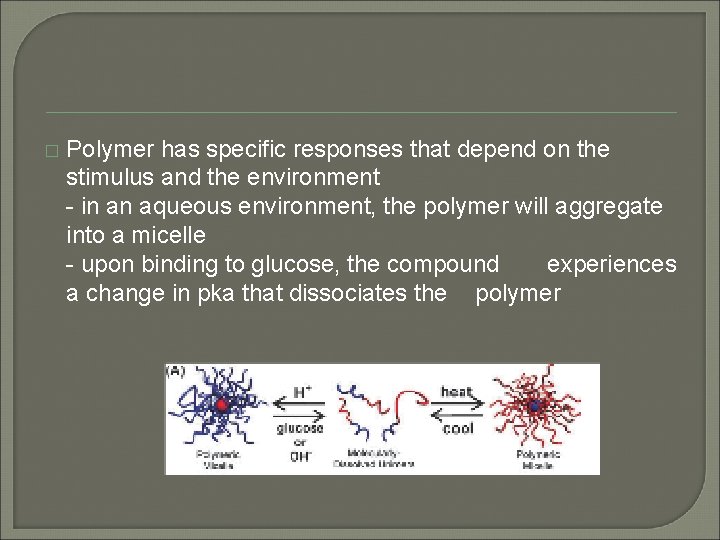
The polymer can resemble a liposome �How? Amphiphilic polymer
� Polymer has specific responses that depend on the stimulus and the environment - in an aqueous environment, the polymer will aggregate into a micelle - upon binding to glucose, the compound experiences a change in pka that dissociates the polymer
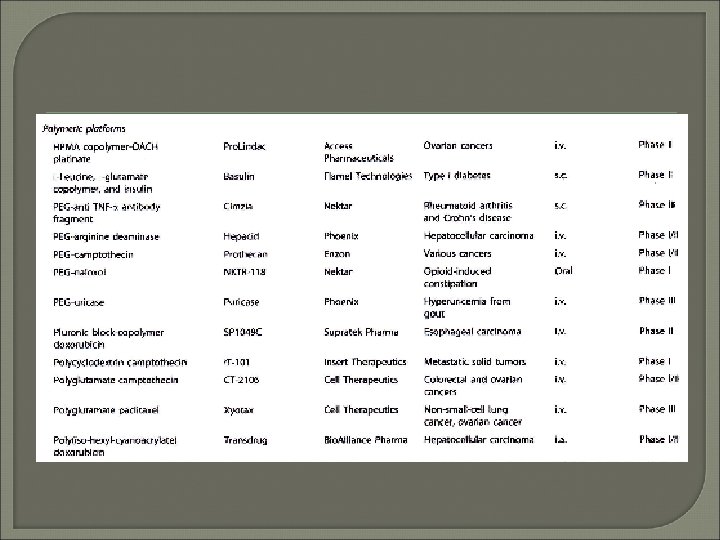
Treatment of Type 1 Diabetes �Type I diabetes – autoimmune disorder that results in destruction of insulinproducing beta cells of the pancreas - treatment includes insulin therapy �The polymer will hopefully be able to provide the correct amount of insulin, regardless of blood sugar levels
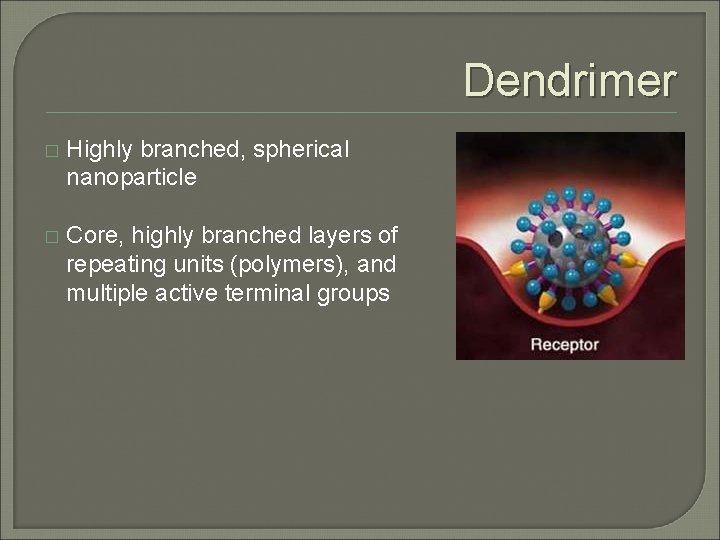
Dendrimer � Highly branched, spherical nanoparticle � Core, highly branched layers of repeating units (polymers), and multiple active terminal groups
Pros and Cons �High level of activity as a result of multiple functional groups at surface; display strong surface activity with cell and virus particle surfaces �limited information concerning physicochemical properties �Tough to synthesize
Toxicity
Conclusion �The development of particles that are nanoscaled has created great opportunities in the development of improved drug delivery systems.
Works Cited � � � http: //www. eperc. mcw. edu/fast. Fact/ff_135. htm http: //www. sciencedirect. com/science? _ob=Article. URL&_udi=B 6 T 7 H-3 Y 0 JGTY� 2&_user=686190&_rdoc=1&_fmt=&_orig=search&_sort=d&view=c&_acct=C 0000381 18&_version=1&_url. Version=0&_userid=686190&md 5=c 59902055474142 adf 05 f 3666 bc 2818 e http: //www. weizmann. ac. il/ICS/booklet/1/pdf/copaxon. pdf � http: //www. rxlist. com/pegasys-drug. htm � http: //www. rsc. org/delivery/_Article. Linking/Display. Article. For. Free. cfm? doi=b 900374 f&J ournal. Code=CC http: //www. unisa. edu. au/iwri/futurestudents/phdprojects/interfacialpropertiesofdendrim ers. asp Zhang, L. "Nanoparticles in Medicine. " Translational Medicine. Patel, Priyal. "Nanotechnology. " Drug Delivery Technology. Patel, Priyal. “Nanoparticles in cancer research: a novel drug delivery&pharmacologicalapproach” Drug Delivery Technology. Murry, R. “Clinicalpharmacology of encapsulated sustained-release cytarabine” The Annals of pharmacotherapy. Massing, U. “Cancertherapy with liposomal formulations of anticancer drugs”. International journal of clinical pharmacology, therapy, and toxicology. Hashimoto, N. “An approach to cancer chemotherapy by application of monoclonal antibody-modified liposomes. International congress series”. International congress series.