
The Use of Climate Engineering and Climate Change
- Slides: 34
The Use of Climate Engineering and Climate Change Law Prof. Tracy Hester University of Houston Law Center Houston, Texas Nov. 13, 2017
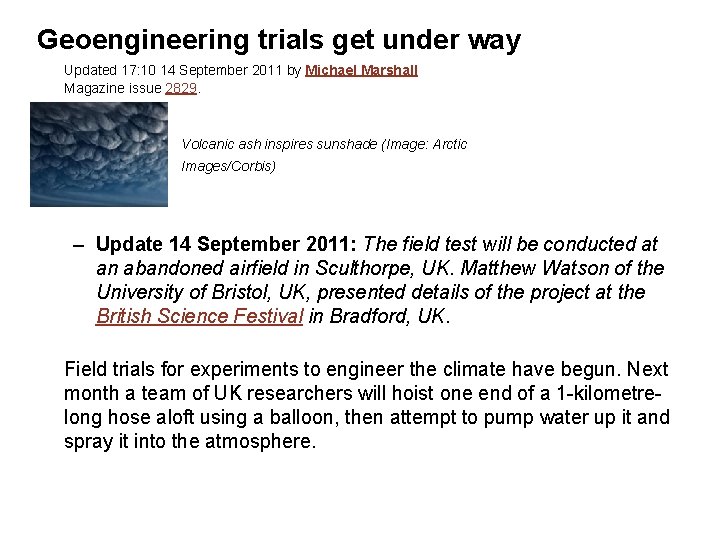
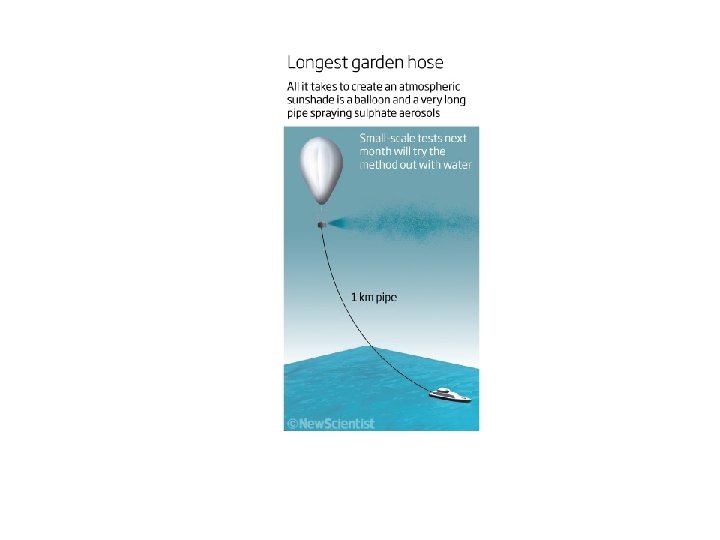
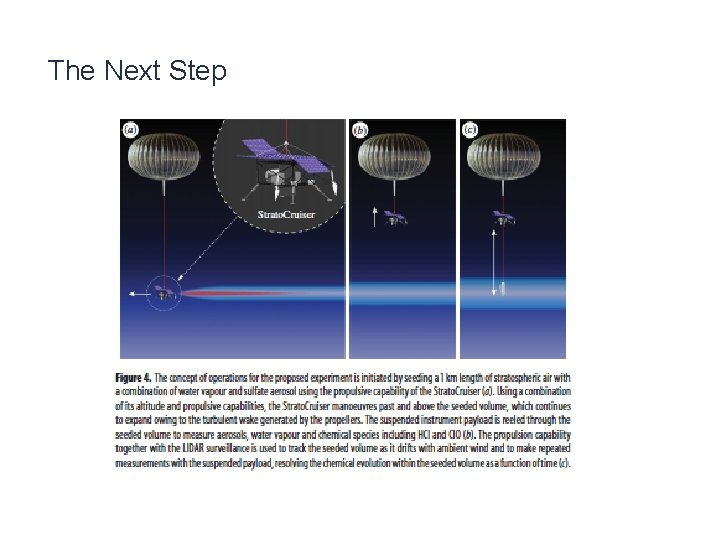
Geoengineering trials get under way Updated 17: 10 14 September 2011 by Michael Marshall Magazine issue 2829. Volcanic ash inspires sunshade (Image: Arctic Images/Corbis) • – Update 14 September 2011: The field test will be conducted at an abandoned airfield in Sculthorpe, UK. Matthew Watson of the University of Bristol, UK, presented details of the project at the British Science Festival in Bradford, UK. Field trials for experiments to engineer the climate have begun. Next month a team of UK researchers will hoist one end of a 1 -kilometrelong hose aloft using a balloon, then attempt to pump water up it and spray it into the atmosphere.
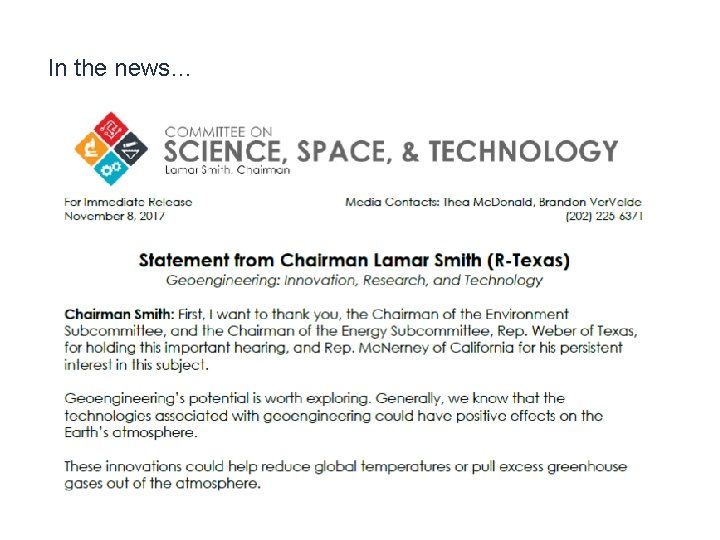
In the news…
In the news…
Climate Change and The Search for Solutions • Climate Change – a “Super Wicked” Problem – Requires collective action, already accumulated CO 2 “debt” – Immediate sacrifice for remote gains by future generations – Justice and equity concerns • Not surprisingly, difficult to achieve consistent and coordinated action – No domestic U. S. legislation; limited mitigation under current laws – Paris Agreement and Trump Administration withdrawal – Further major international or domestic action unlikely soon • Some have proposed geoengineering or climate engineering as an important fall-back strategy
Geoengineering - “Plan B”? • Geoengineering is the deliberate large-scale manipulation of the planetary environment to counteract anthropogenic climate change • Treated as a fringe subject for decades, and still controversial • Key turning point: proposal by Dr. Paul Crutzen in 2006
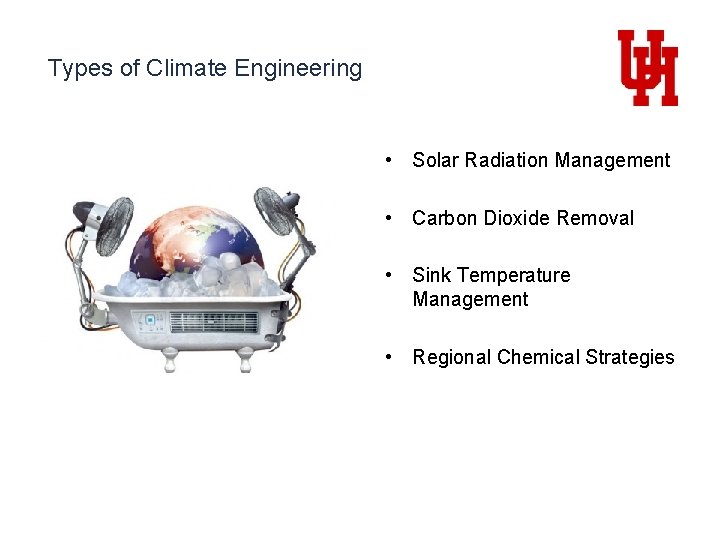
Types of Climate Engineering • Solar Radiation Management • Carbon Dioxide Removal • Sink Temperature Management • Regional Chemical Strategies
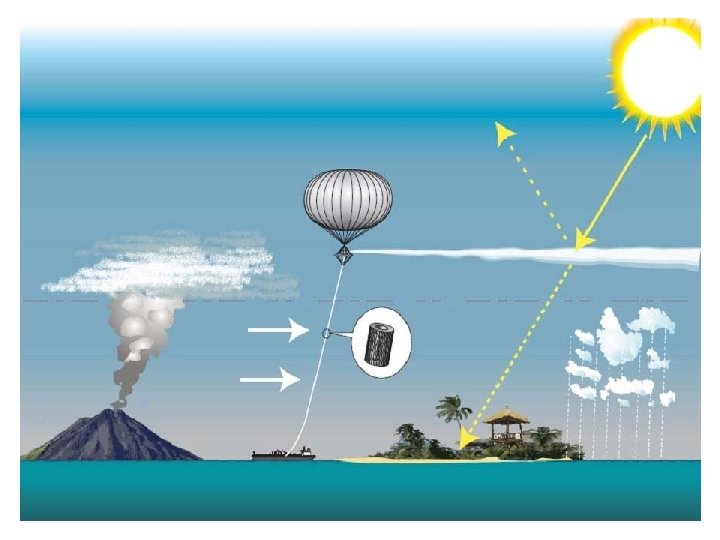
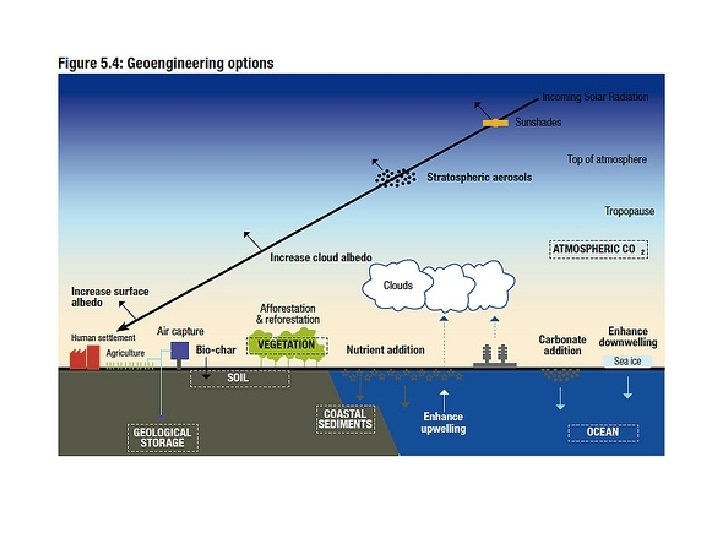
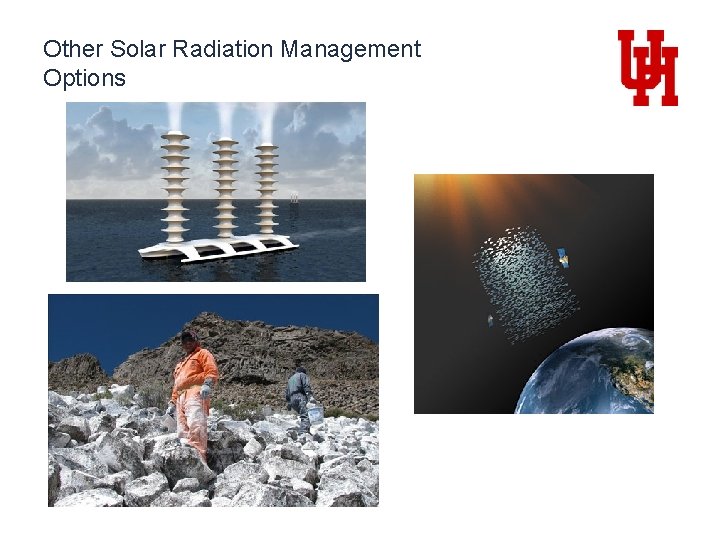
Solar Radiation Management • Focus on reducing the amount of solar energy reaching the Earth’s surface • Key examples – – Stratospheric aerosol releases Cloud whitening Surface albedo enhancement Satellite reflectors
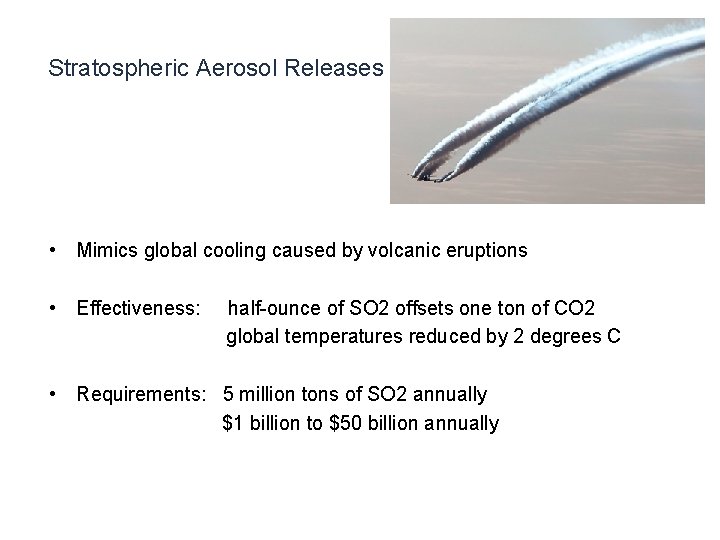
Stratospheric Aerosol Releases • Mimics global cooling caused by volcanic eruptions • Effectiveness: half-ounce of SO 2 offsets one ton of CO 2 global temperatures reduced by 2 degrees C • Requirements: 5 million tons of SO 2 annually $1 billion to $50 billion annually
Other Solar Radiation Management Options
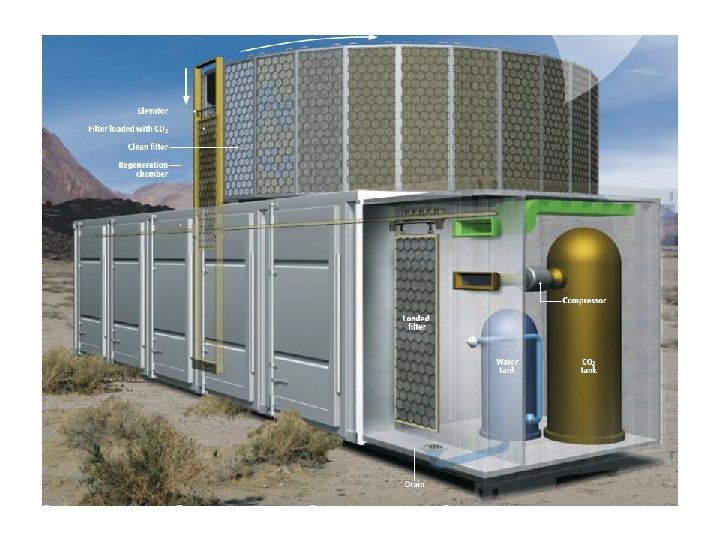
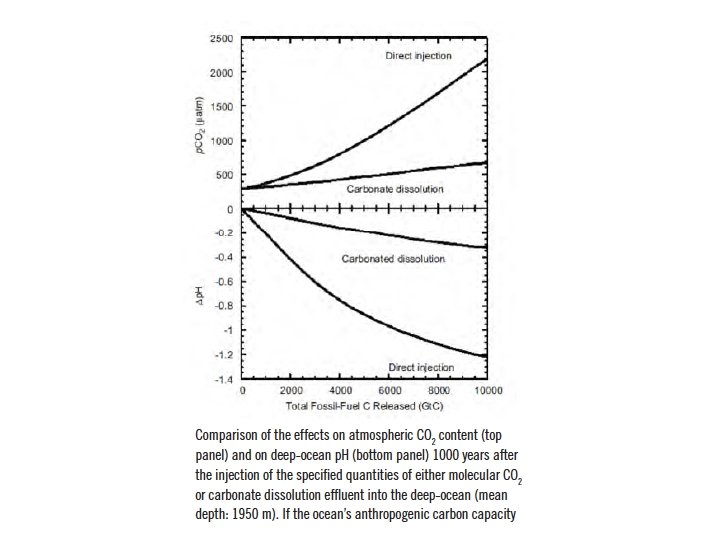
Carbon Dioxide Management • Enhance absorption of carbon dioxide and other greenhouse gases from atmosphere • Techniques: – – Afforestation Ocean fertilization Mechanical removal of CO 2 Biochar
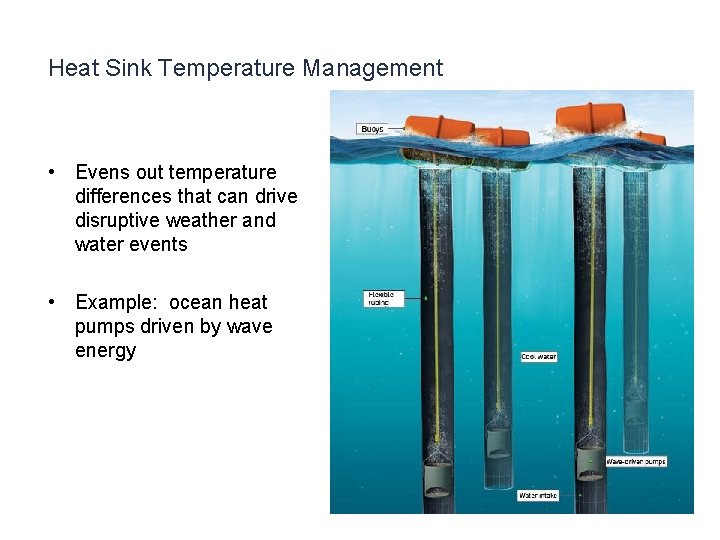
Heat Sink Temperature Management • Evens out temperature differences that can drive disruptive weather and water events • Example: ocean heat pumps driven by wave energy
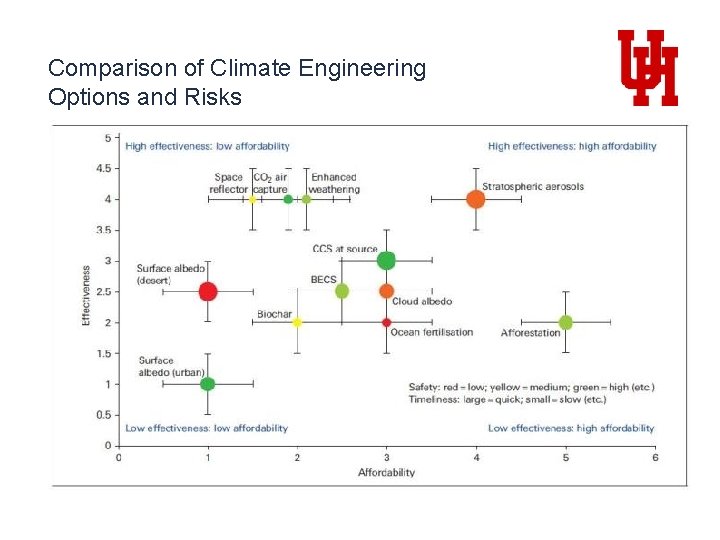
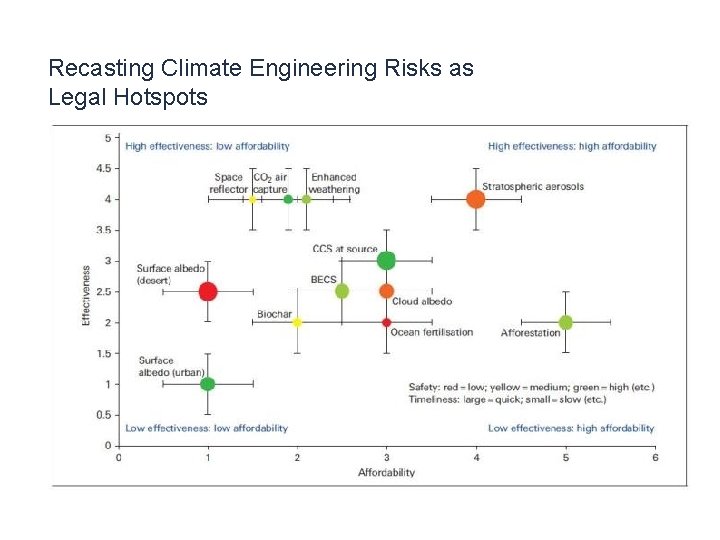
Comparison of Climate Engineering Options and Risks
What International Laws Might Apply to Climate Engineering Projects? • UNFCCC and the Paris Agreement • Convention on Biological Diversity • London Convention and London Protocol • UNCLOS, ENMOD, Space Treaty, treaties related to polar regions • Customary International Law Problems: Treaties may not be ratified by important parties, are focused on sovereigns, and are difficult to enforce
Another possible tool for climate engineering governance: domestic law • Logical that stakeholders would turn to national laws if international law cannot offer immediate relief. http: //www. youtube. com/wa tch? feature=player_embed ded&v=s 2 un. EYk 9 Xn. Y&t=8 2 • Acknowledges that climate engineering is already regulated – albeit indirectly, unintentionally and in highly fragmented way
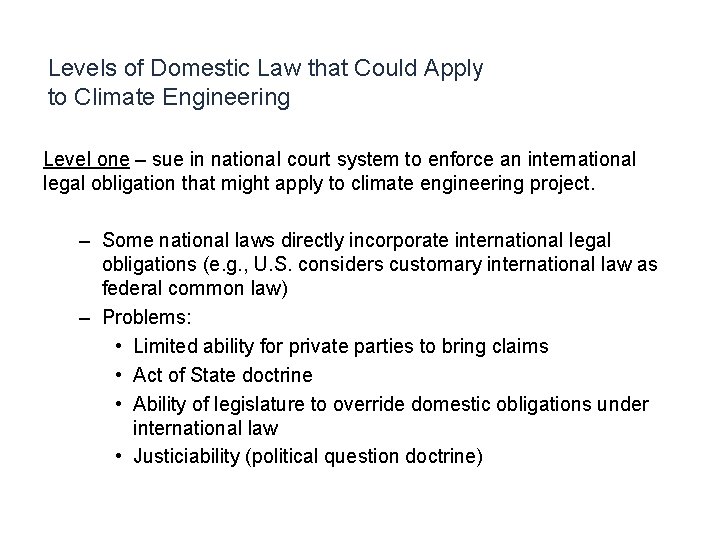
Levels of Domestic Law that Could Apply to Climate Engineering Level one – sue in national court system to enforce an international legal obligation that might apply to climate engineering project. – Some national laws directly incorporate international legal obligations (e. g. , U. S. considers customary international law as federal common law) – Problems: • Limited ability for private parties to bring claims • Act of State doctrine • Ability of legislature to override domestic obligations under international law • Justiciability (political question doctrine)
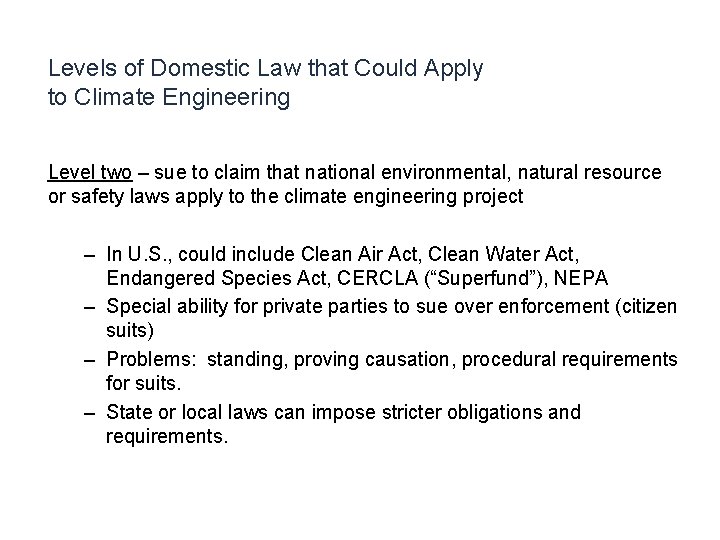
Levels of Domestic Law that Could Apply to Climate Engineering Level two – sue to claim that national environmental, natural resource or safety laws apply to the climate engineering project – In U. S. , could include Clean Air Act, Clean Water Act, Endangered Species Act, CERCLA (“Superfund”), NEPA – Special ability for private parties to sue over enforcement (citizen suits) – Problems: standing, proving causation, procedural requirements for suits. – State or local laws can impose stricter obligations and requirements.
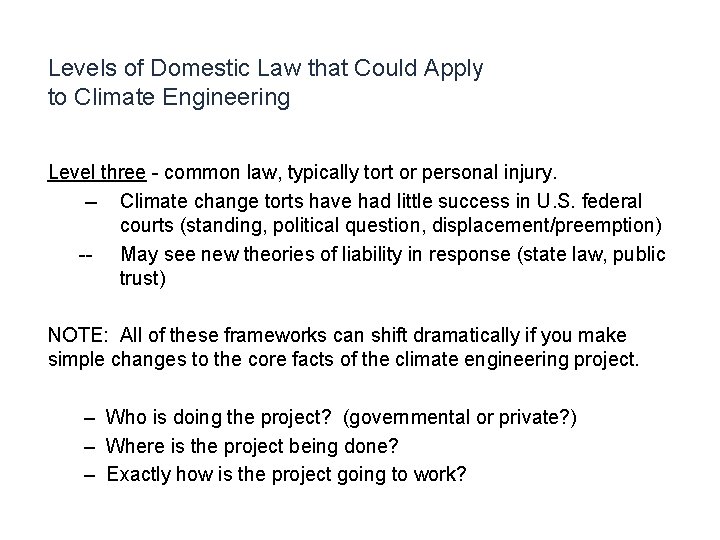
Levels of Domestic Law that Could Apply to Climate Engineering Level three - common law, typically tort or personal injury. -- Climate change torts have had little success in U. S. federal courts (standing, political question, displacement/preemption) -- May see new theories of liability in response (state law, public trust) NOTE: All of these frameworks can shift dramatically if you make simple changes to the core facts of the climate engineering project. – Who is doing the project? (governmental or private? ) – Where is the project being done? – Exactly how is the project going to work?
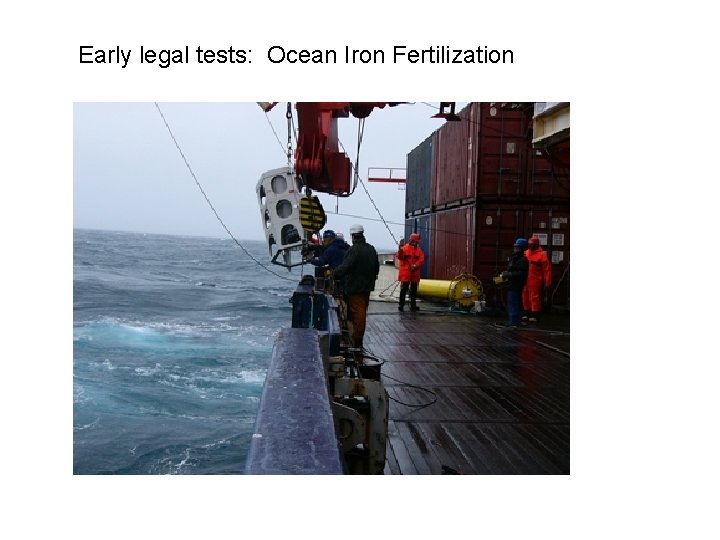
Early legal tests: Ocean Iron Fertilization
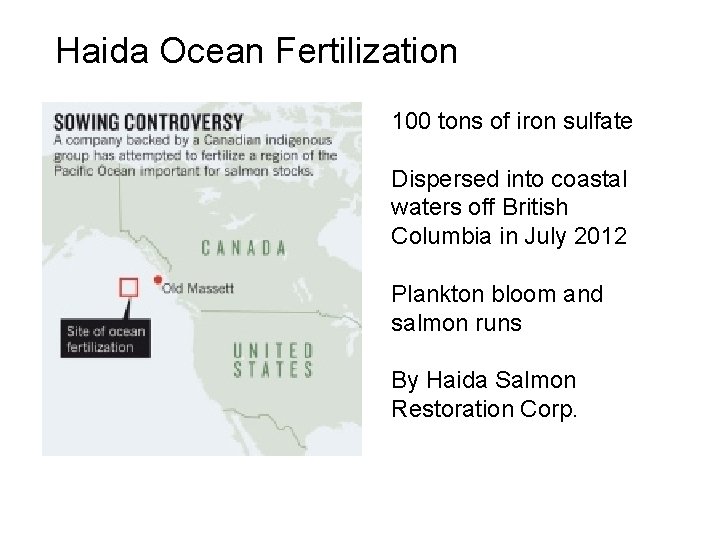
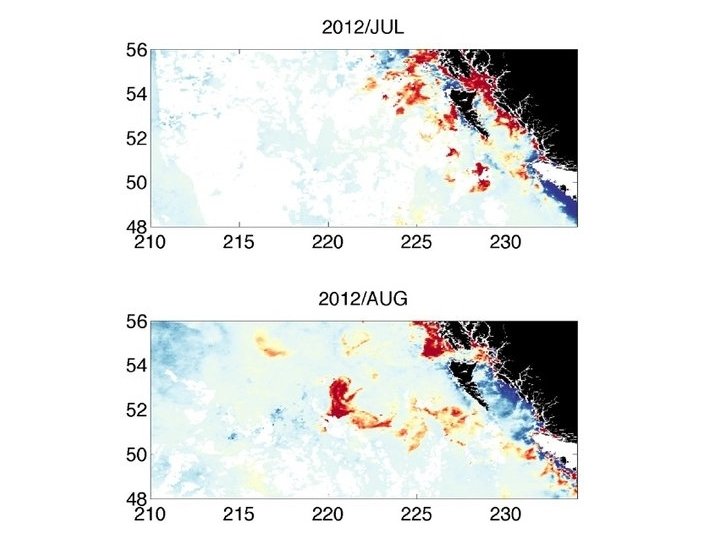
Haida Ocean Fertilization 100 tons of iron sulfate Dispersed into coastal waters off British Columbia in July 2012 Plankton bloom and salmon runs By Haida Salmon Restoration Corp.
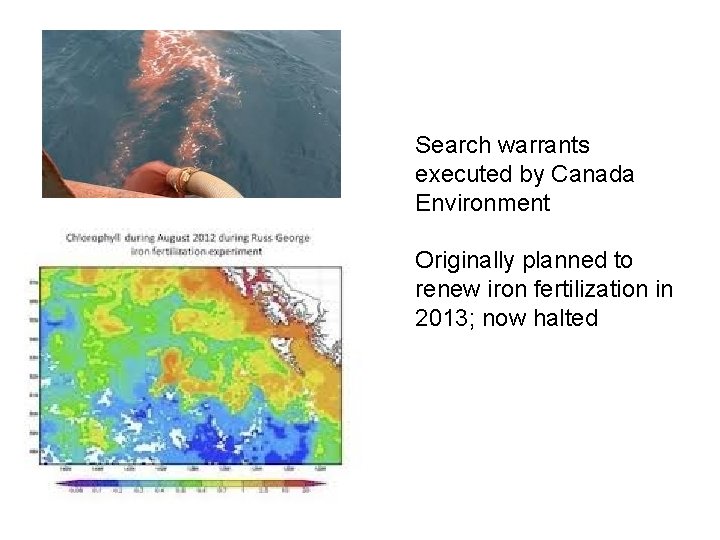
Search warrants executed by Canada Environment Originally planned to renew iron fertilization in 2013; now halted
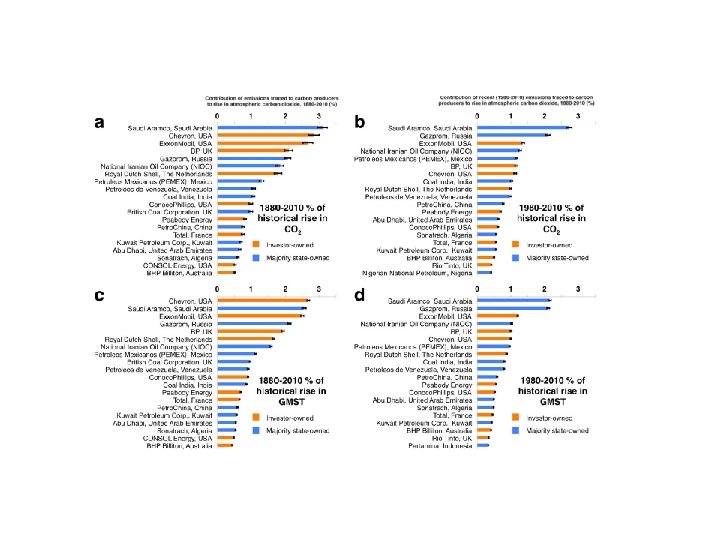
Recasting Climate Engineering Risks as Legal Hotspots
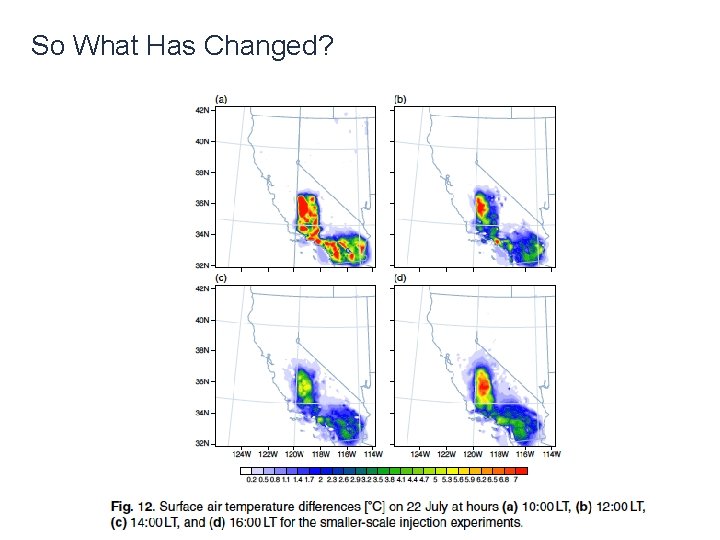
So What Has Changed?
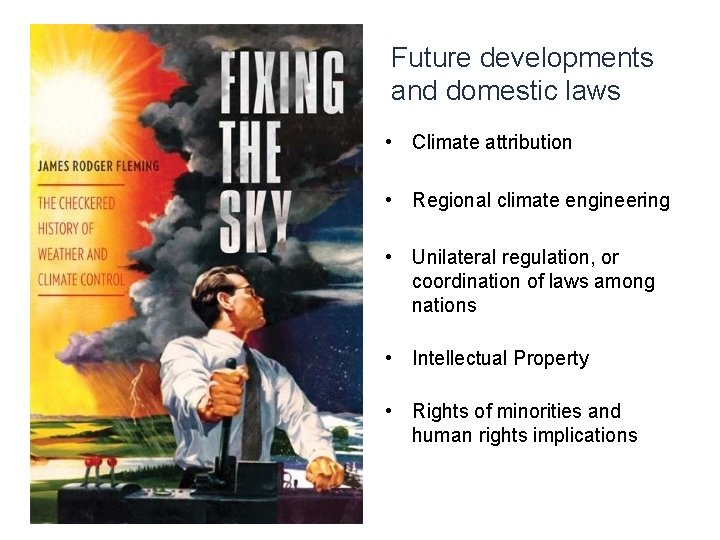
Future developments and domestic laws • Climate attribution • Regional climate engineering • Unilateral regulation, or coordination of laws among nations • Intellectual Property • Rights of minorities and human rights implications
The Next Step
Questions? Professor Tracy Hester University of Houston Law Center tdheste 2@central. uh. edu 713 -743 -1152 (office)