
The Urinary System Chapter 26 or 25 Functions

- Slides: 34
The Urinary System Chapter 26 (or 25)
Functions of the Urinary System 1. Removal of metabolic wastes (especially nitrogenous wastes e. g. urea & uric acid). 2. Water balance (and therefore blood pressure). 3. Control of electrolyte balance. 4. Control of p. H. 5. Removal of toxins.
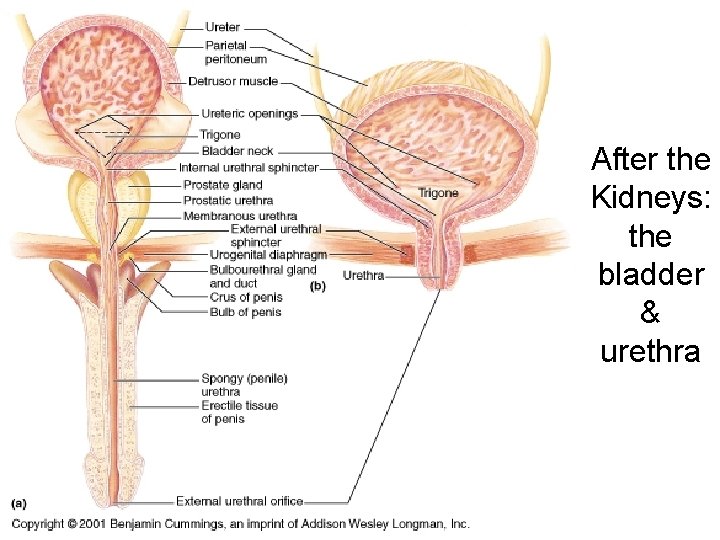
Anatomy of the Urinary System • The Kidneys: the functional heart of the urinary system. • The Ureters: pipeline from the kidneys to the bladder. • The Urinary Bladder: holding tank of urine. • The Urethra: avenue of relief (word of the day “micturition” = voiding the bladder)
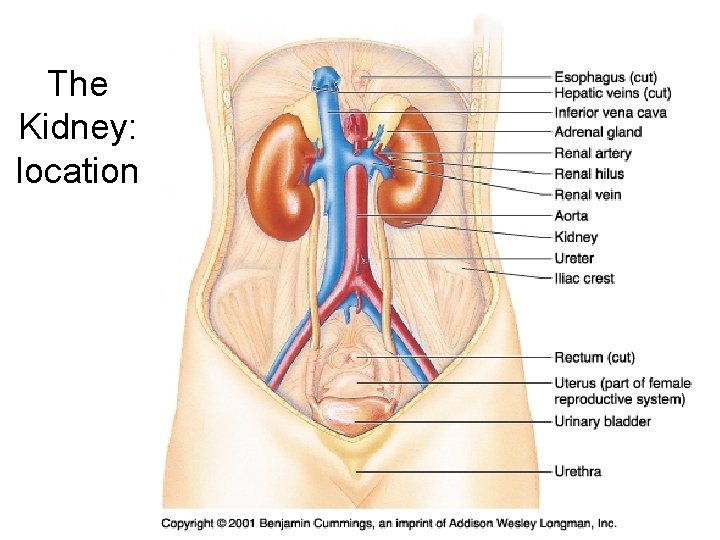
The Kidneys • Location: retroperitoneal against the dorsal wall of the abdominal cavity. The right kidney is slightly lower than the left. • Size & weight: approximately 150 grams (about 5 ounces) each and 12 cm x 10 cm x 4 cm. • Shaped like a bean (or are beans shaped like kidneys? )
The Kidney: location
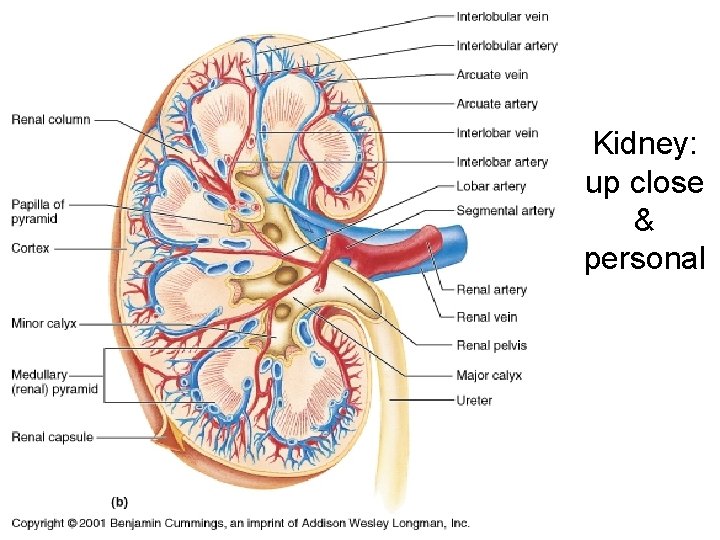
Kidney: up close & personal
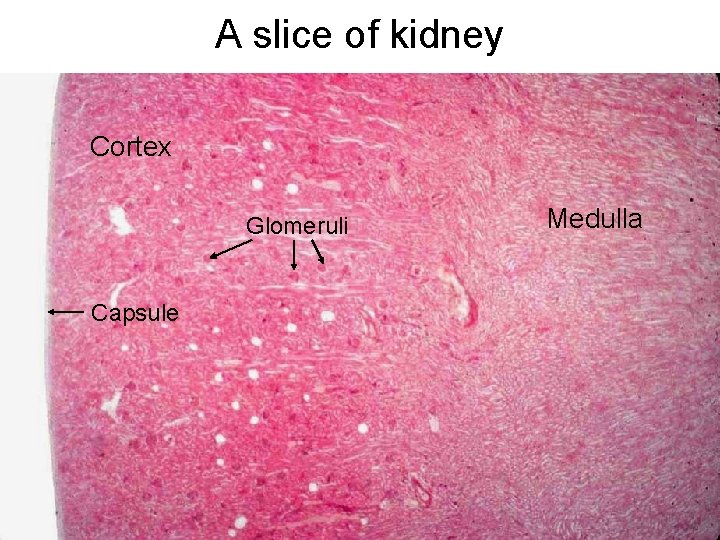
A slice of kidney Cortex Glomeruli Capsule Medulla
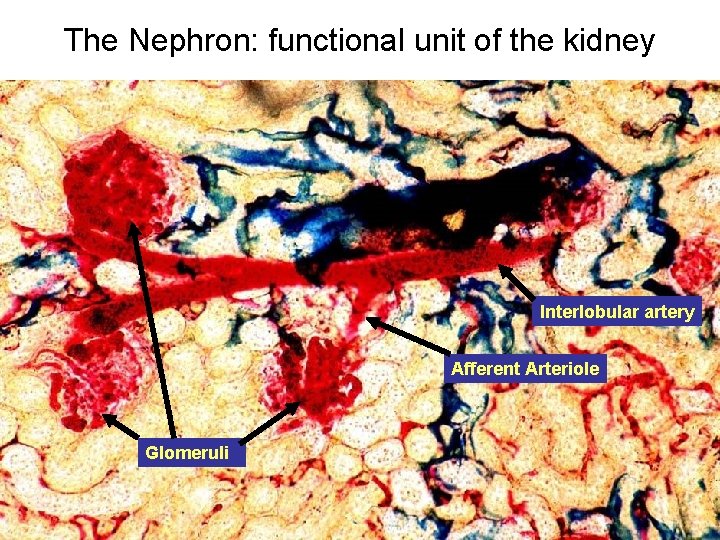
The Nephron: functional unit of the kidney Interlobular artery Afferent Arteriole Glomeruli
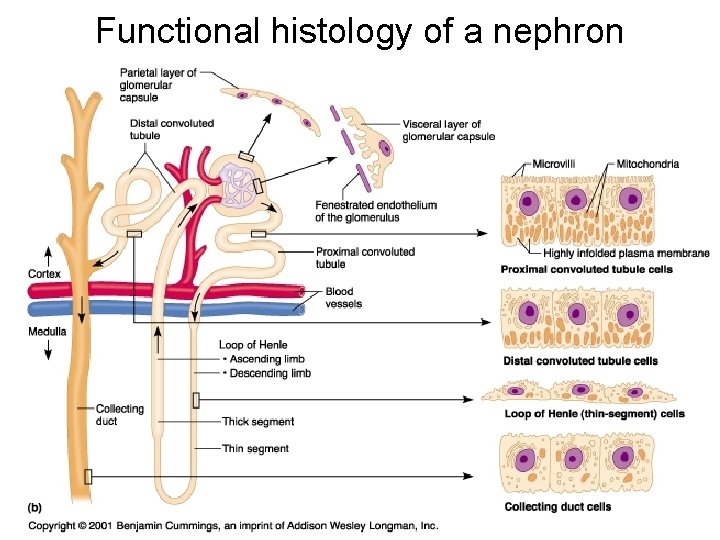
Functional histology of a nephron
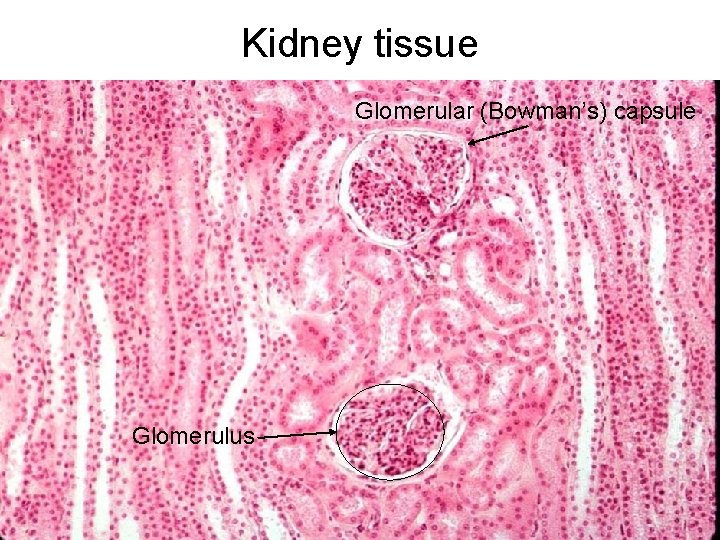
Kidney tissue Glomerular (Bowman’s) capsule Glomerulus
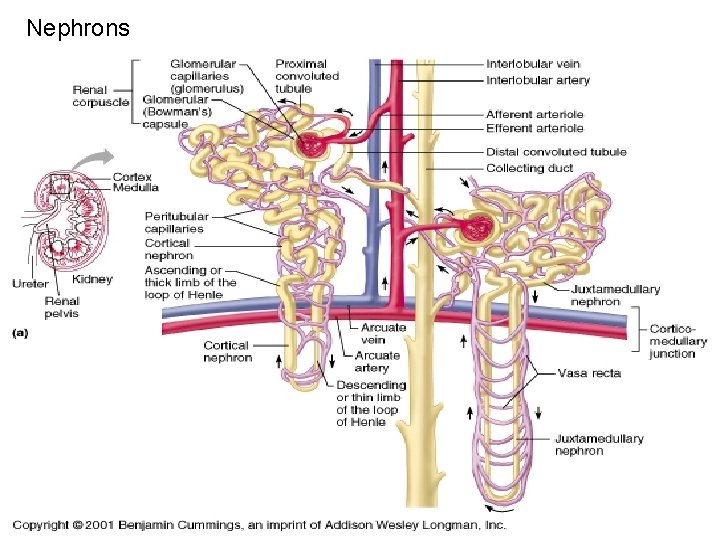
Nephrons
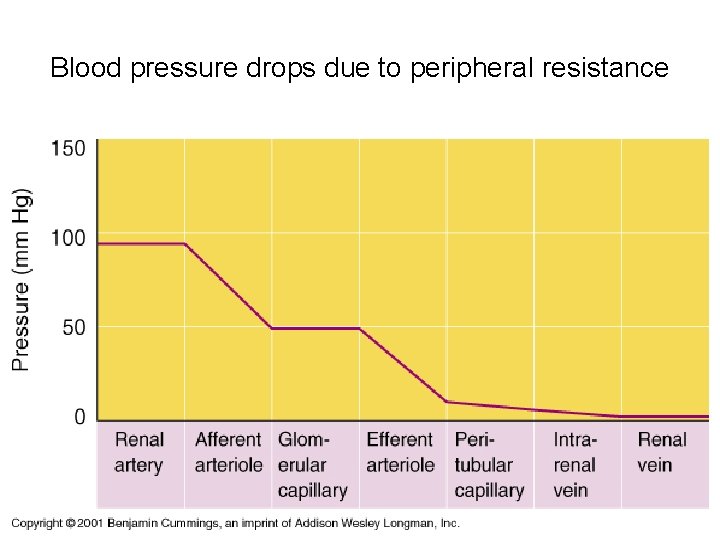
Blood pressure drops due to peripheral resistance
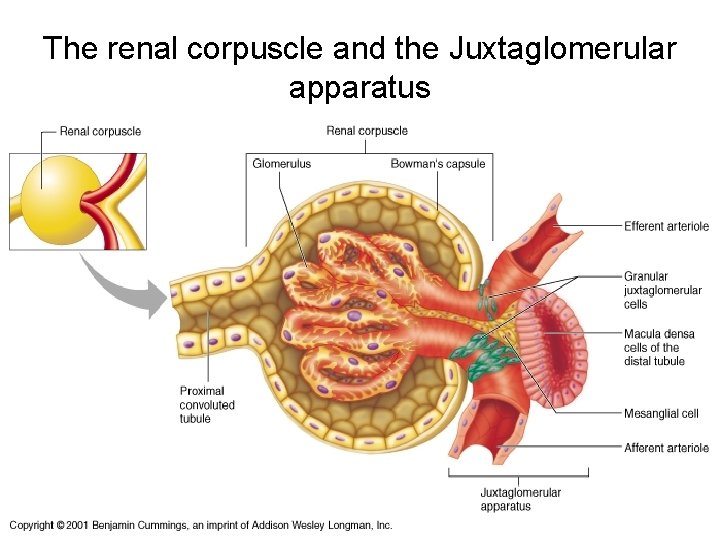
The renal corpuscle and the Juxtaglomerular apparatus
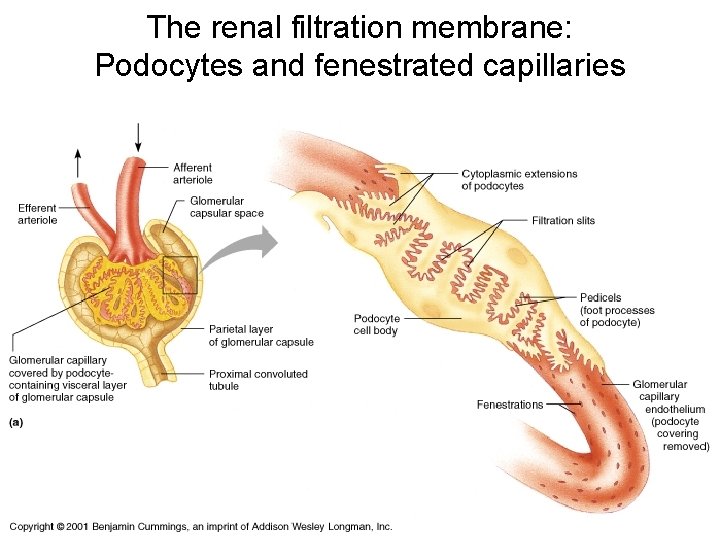
The renal filtration membrane: Podocytes and fenestrated capillaries
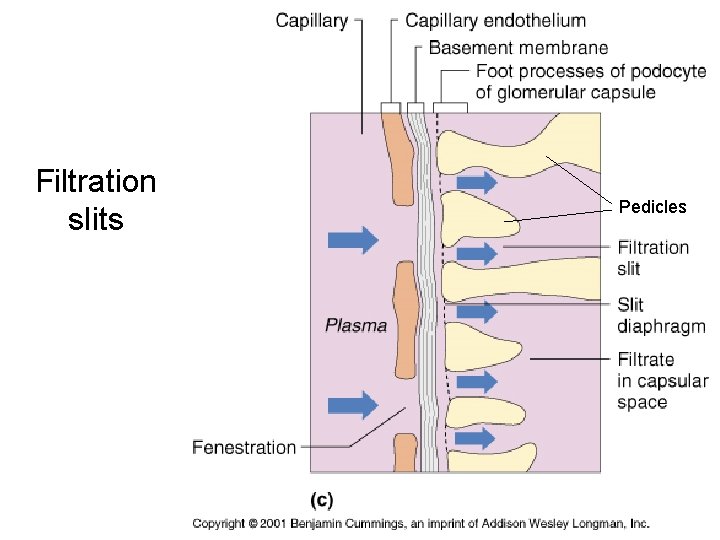
Filtration slits Pedicles
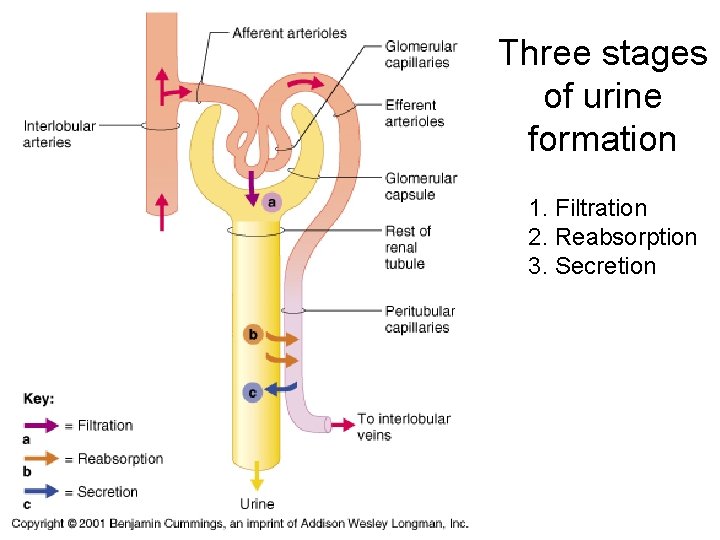
Three stages of urine formation 1. Filtration 2. Reabsorption 3. Secretion
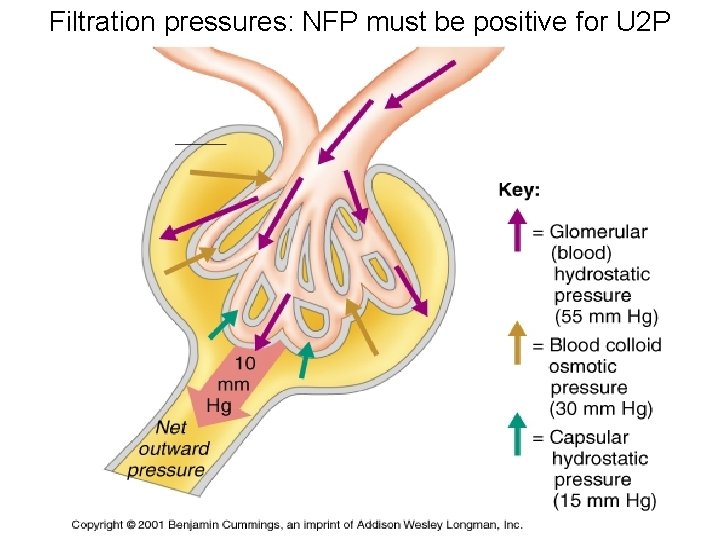
Filtration pressures: NFP must be positive for U 2 P
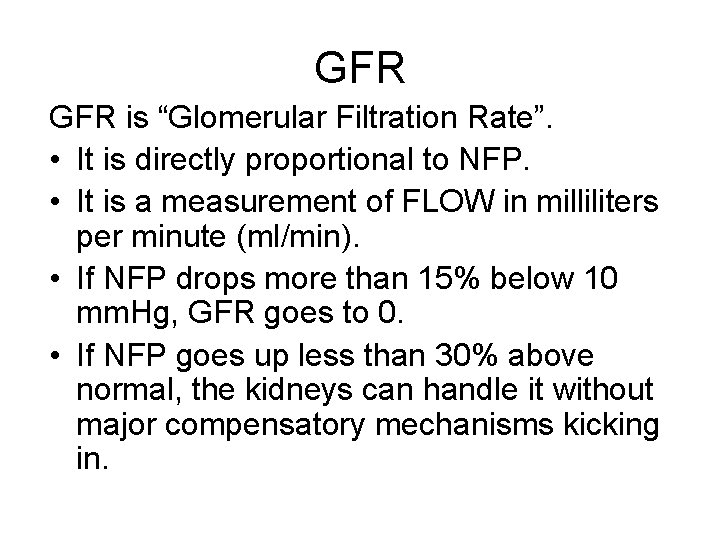
GFR is “Glomerular Filtration Rate”. • It is directly proportional to NFP. • It is a measurement of FLOW in milliliters per minute (ml/min). • If NFP drops more than 15% below 10 mm. Hg, GFR goes to 0. • If NFP goes up less than 30% above normal, the kidneys can handle it without major compensatory mechanisms kicking in.
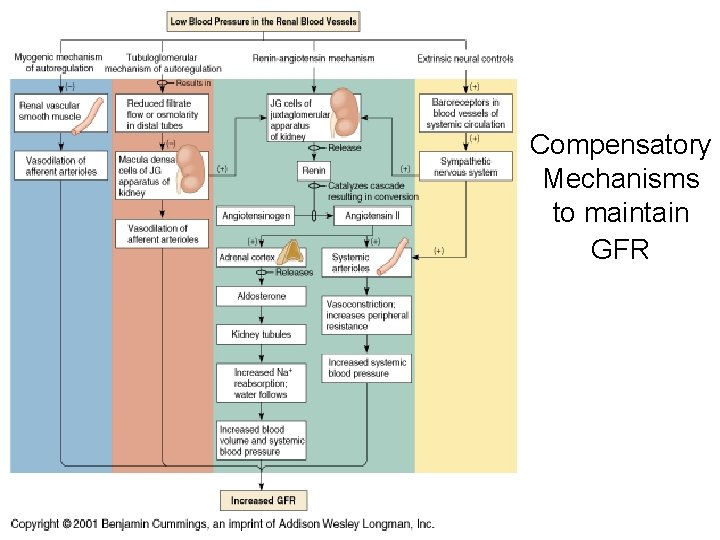
Compensatory Mechanisms to maintain GFR
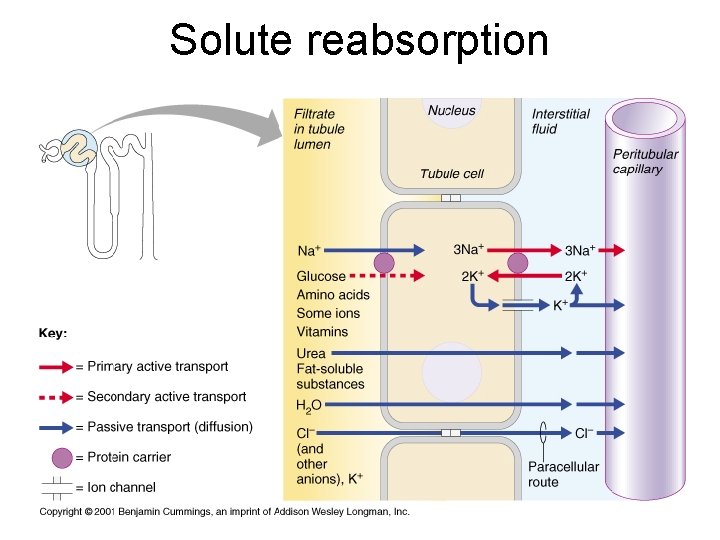
Tubular reabsorption • Reabsorption of filtered solutes occurs in the Proximal Convoluted Tubules. • Most solutes are reabsorbed by secondary active transport with Na+. Does this look familiar?
Solute reabsorption
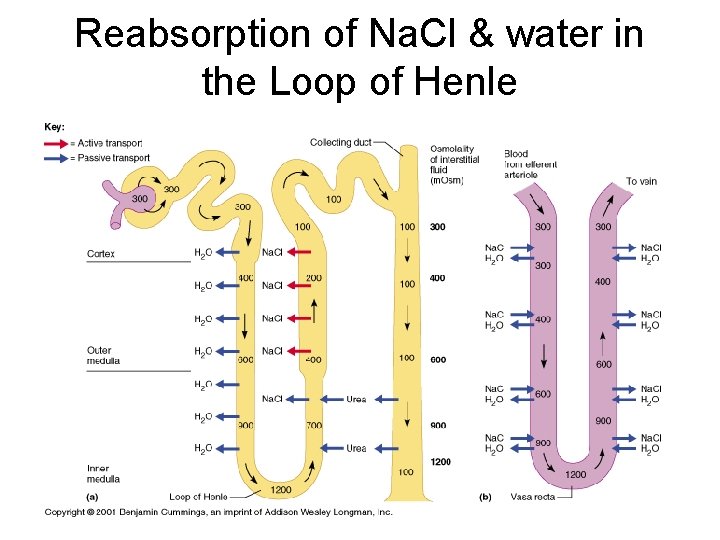
Reabsorption of Na. Cl & water in the Loop of Henle
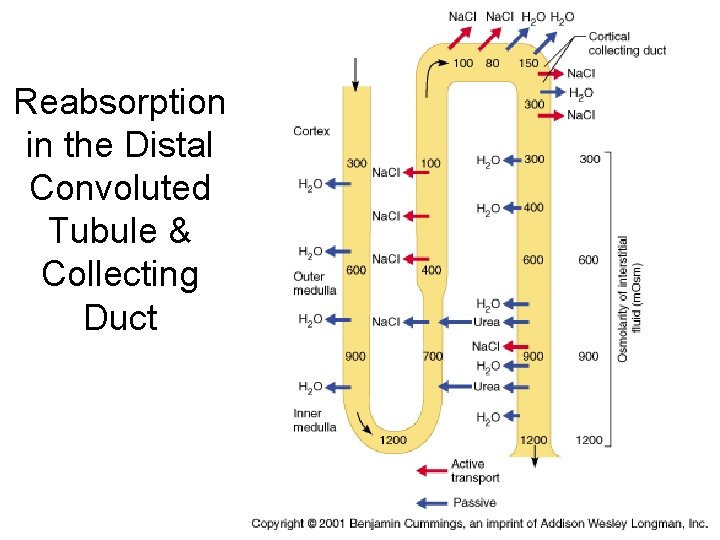
Reabsorption in the Distal Convoluted Tubule & Collecting Duct
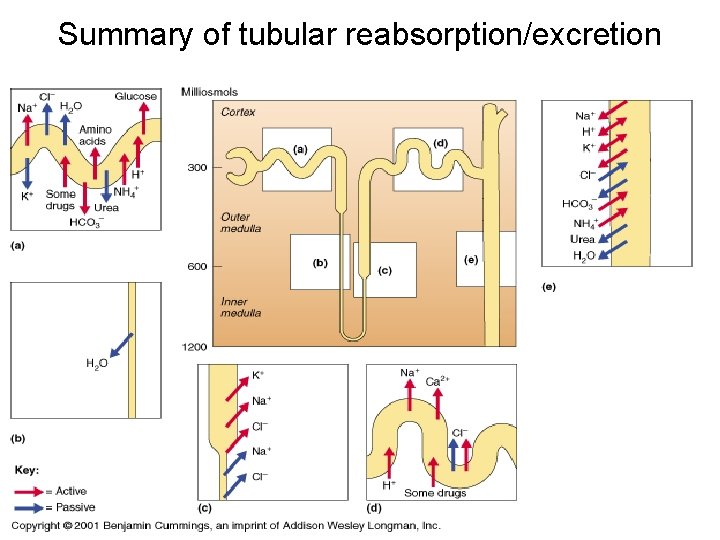
Summary of tubular reabsorption/excretion
After the Kidneys: the bladder & urethra
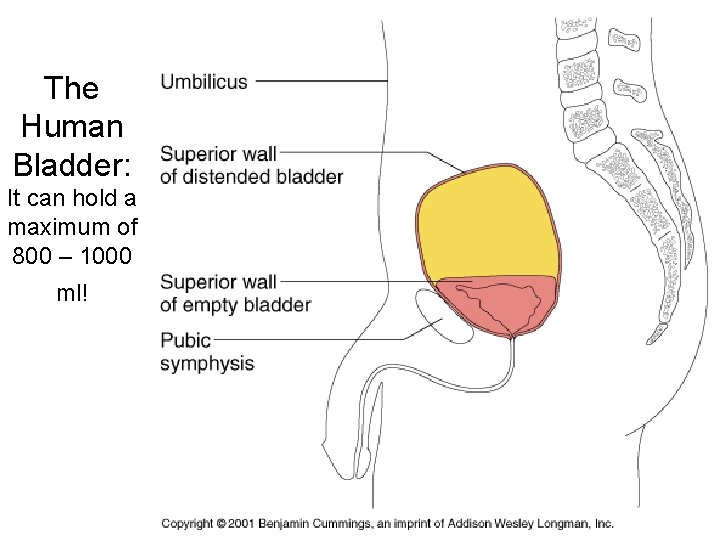
The Human Bladder: It can hold a maximum of 800 – 1000 ml!
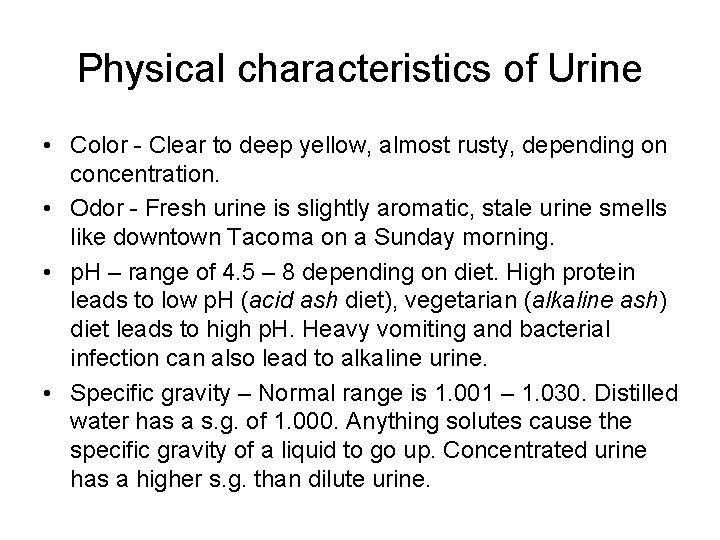
Physical characteristics of Urine • Color - Clear to deep yellow, almost rusty, depending on concentration. • Odor - Fresh urine is slightly aromatic, stale urine smells like downtown Tacoma on a Sunday morning. • p. H – range of 4. 5 – 8 depending on diet. High protein leads to low p. H (acid ash diet), vegetarian (alkaline ash) diet leads to high p. H. Heavy vomiting and bacterial infection can also lead to alkaline urine. • Specific gravity – Normal range is 1. 001 – 1. 030. Distilled water has a s. g. of 1. 000. Anything solutes cause the specific gravity of a liquid to go up. Concentrated urine has a higher s. g. than dilute urine.
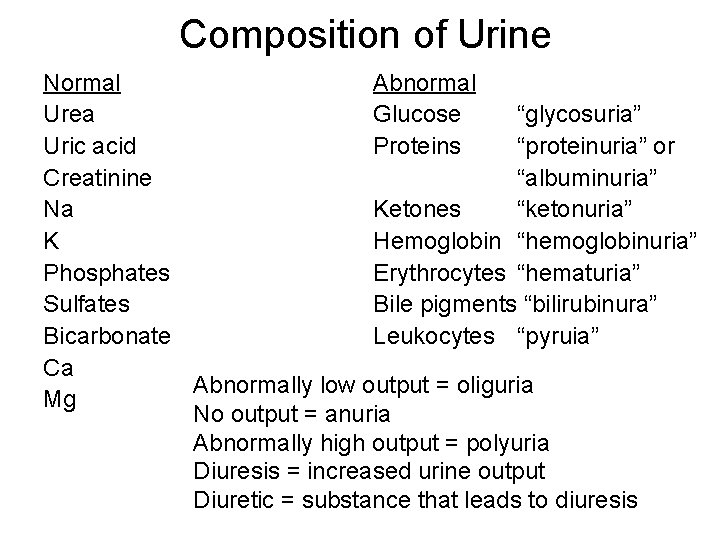
Composition of Urine Normal Abnormal Urea Glucose “glycosuria” Uric acid Proteins “proteinuria” or Creatinine “albuminuria” Na Ketones “ketonuria” K Hemoglobin “hemoglobinuria” Phosphates Erythrocytes “hematuria” Sulfates Bile pigments “bilirubinura” Bicarbonate Leukocytes “pyruia” Ca Abnormally low output = oliguria Mg No output = anuria Abnormally high output = polyuria Diuresis = increased urine output Diuretic = substance that leads to diuresis
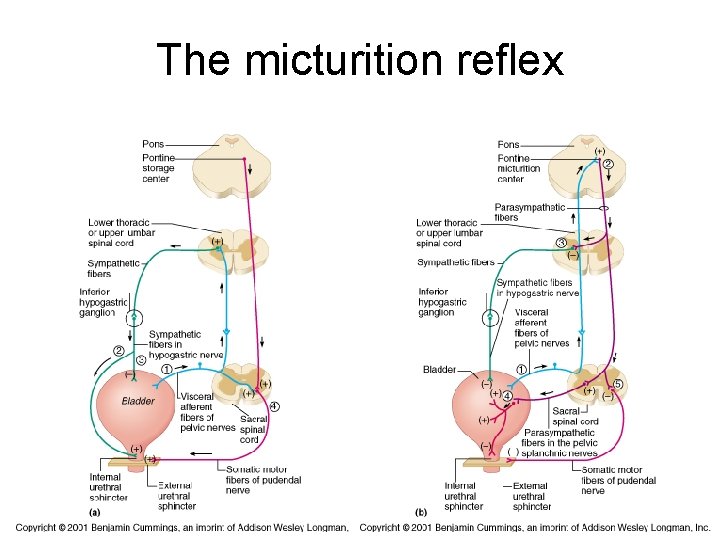
The micturition reflex
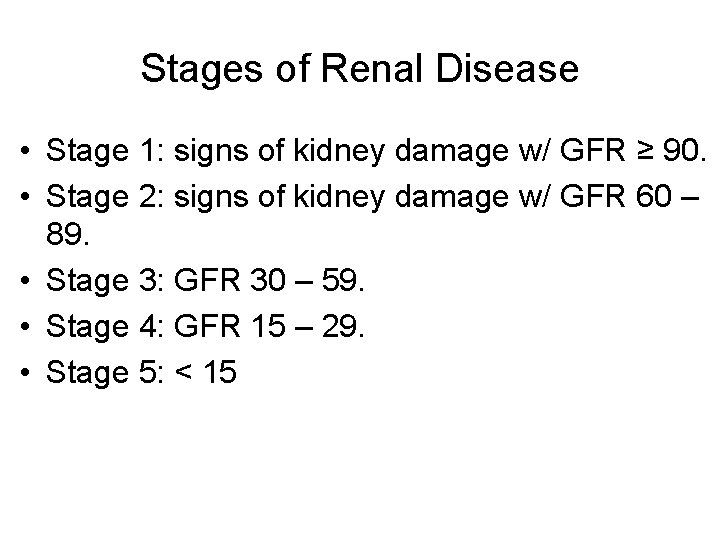
Stages of Renal Disease • Stage 1: signs of kidney damage w/ GFR ≥ 90. • Stage 2: signs of kidney damage w/ GFR 60 – 89. • Stage 3: GFR 30 – 59. • Stage 4: GFR 15 – 29. • Stage 5: < 15
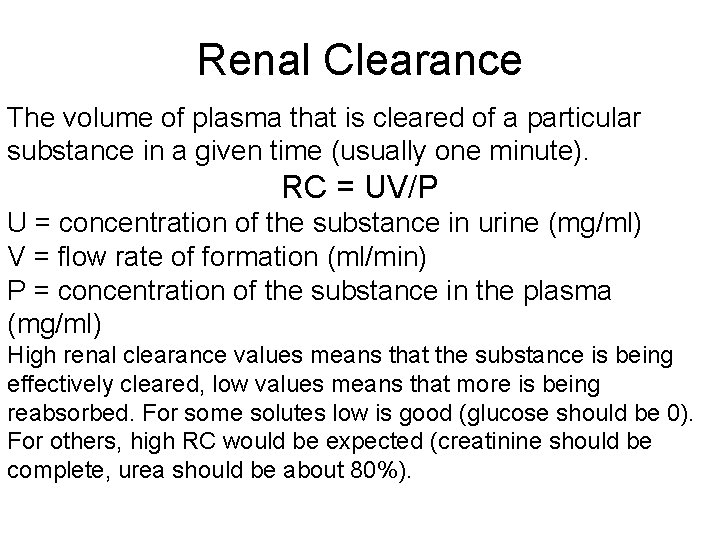
Renal Clearance The volume of plasma that is cleared of a particular substance in a given time (usually one minute). RC = UV/P U = concentration of the substance in urine (mg/ml) V = flow rate of formation (ml/min) P = concentration of the substance in the plasma (mg/ml) High renal clearance values means that the substance is being effectively cleared, low values means that more is being reabsorbed. For some solutes low is good (glucose should be 0). For others, high RC would be expected (creatinine should be complete, urea should be about 80%).
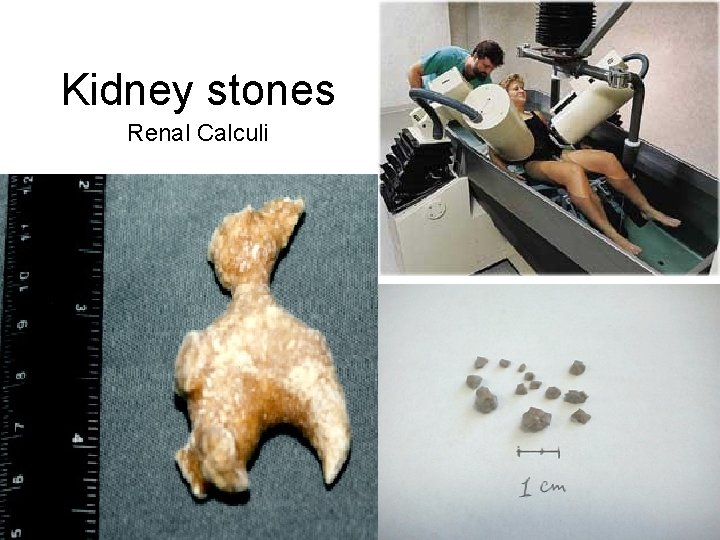
Kidney stones Renal Calculi
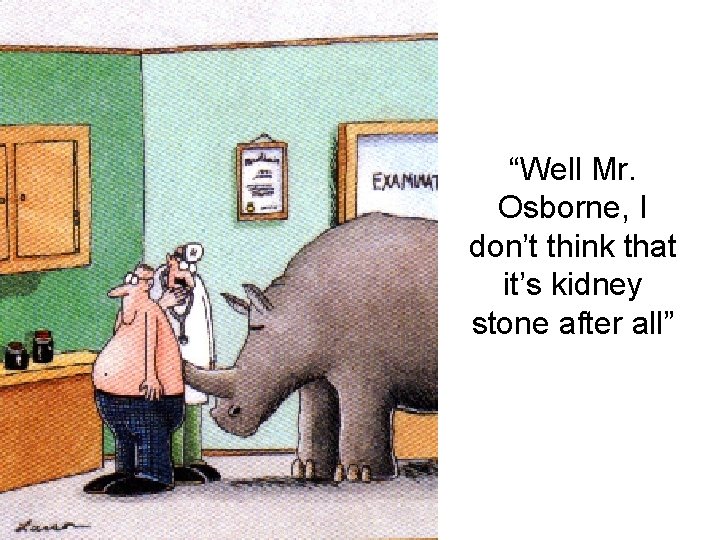
“Well Mr. Osborne, I don’t think that it’s kidney stone after all”