
The Universe and How We Know It reality










- Slides: 29
The Universe and How We Know It
reality, n. 1. the state or quality of being real. 2. resemblance to what is real. 3. a real thing or fact. 4. Philos. , a. something that exists independently of ideas concerning it. b. something that exists independently of all other things and from which all other things derive.
myth, n. 1. a traditional or legendary story, usually concerned with deities or demigods and the creation of the world and its inhabitants. 2. a story or belief that attempts to express or explain a basic truth; an allegory or parable. 3. a belief or a subject of belief whose truth or reality is accepted uncritically. 4. such stories or beliefs collectively.
The Biocultural Approach An anthropological perspective which recognizes that humans are biological organisms whose primary means of adapting to their environment is culture
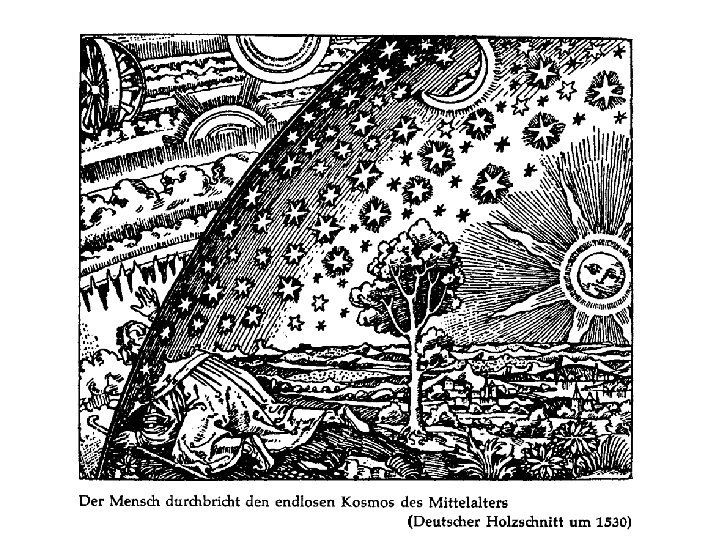
Each of us lives within the universe – the prison – of his own brain. Projecting from it are millions of fragile sensory nerve fibers, in groups uniquely adapted to sample the energetic states of the world around us: heat, light, force and chemical composition. That is all we ever know of it directly; all else is logical inference. Vernon Mountcastle (from “The View from Within: Pathways to the Study of Perception”, Johns Hopkins Medical Journal, 136: 109 -131, 1975)
Where Your Universe is Made
Color Perception in Humans
Maintaining Visual Information
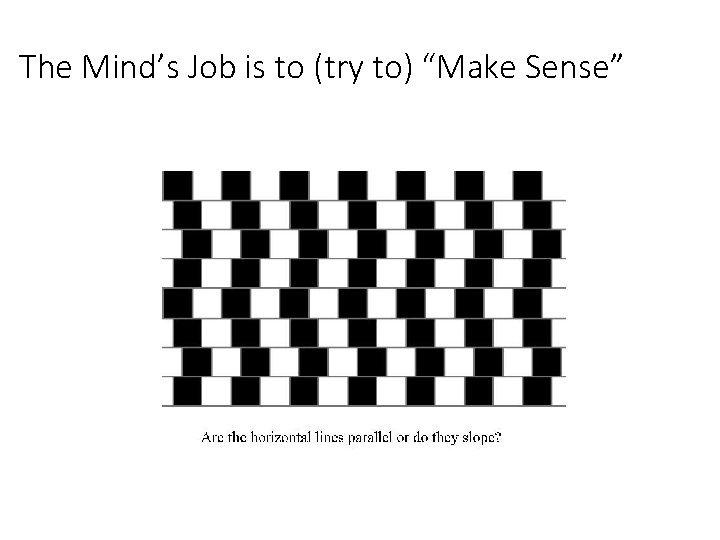
The Mind’s Job is to (try to) “Make Sense”
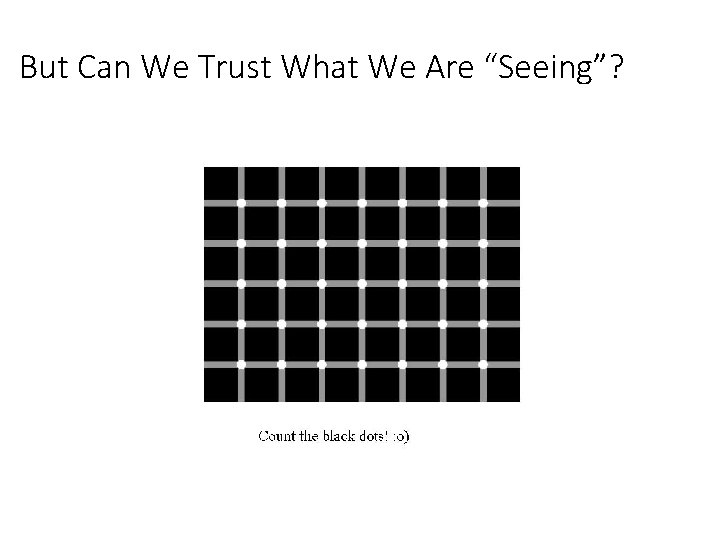
But Can We Trust What We Are “Seeing”?
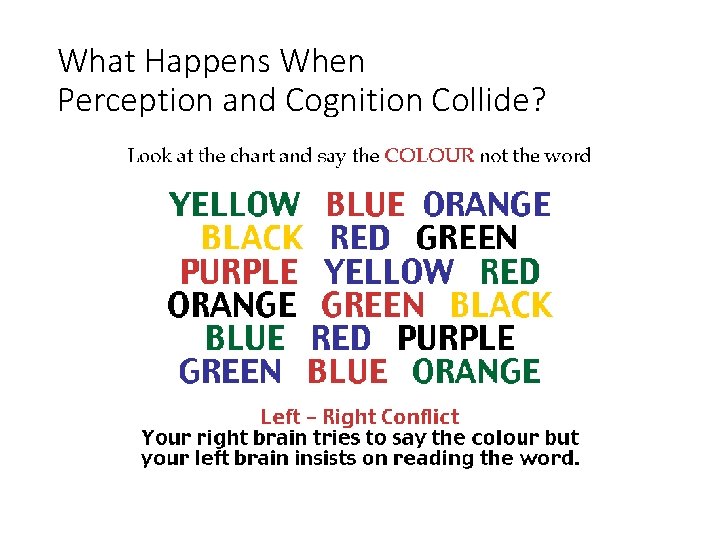
What Happens When Perception and Cognition Collide?
Fives Kinds of Human Reality
Universe • “Sets” boundary conditions • Is dynamic and evolving • Brings forth new types of phenomena & new levels of complexity • Beyond comprehension (? )
Species World • Experienced via perceptual channels • five classic senses of humans • other perceptual channels in other species • Variations within channels • Variations in emphasis of channels
Species World • No species can access the entire Universe, but only a “small slice” of this • Interpreted in manners that are • the result of the species’ past • appropriate to the species’ environmental niche
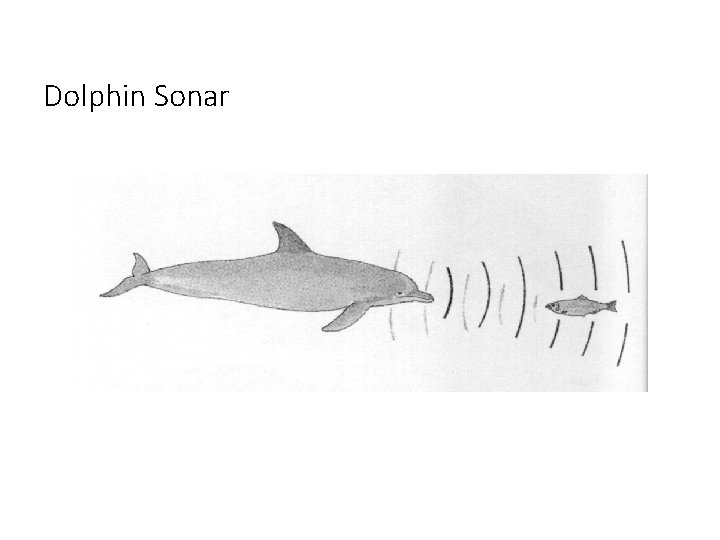
Dolphin Sonar
Bat Sonar
Electroreception in Fish
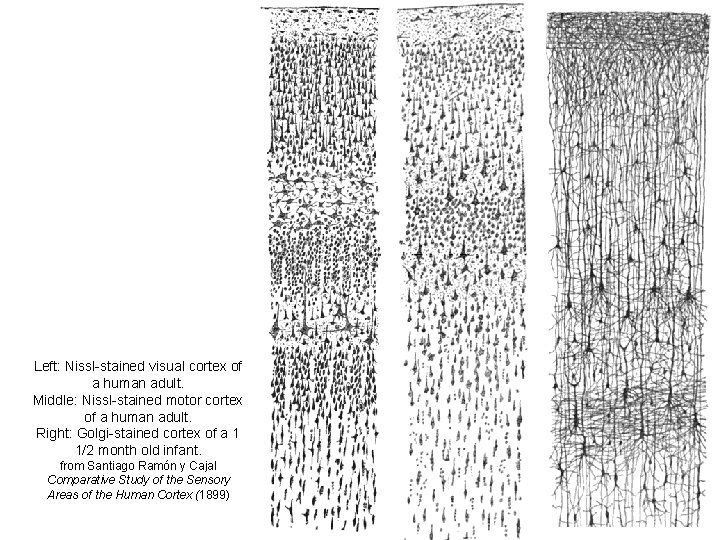
Perceptual World • Variation in number of neurons & synapses • Variation in processing capabilities • Variation in instinctual (“hard-wired”) repertoire • Variation in learned (“programmed”) repertoire
Left: Nissl-stained visual cortex of a human adult. Middle: Nissl-stained motor cortex of a human adult. Right: Golgi-stained cortex of a 1 1/2 month old infant. from Santiago Ramón y Cajal Comparative Study of the Sensory Areas of the Human Cortex (1899)
Perceptual World Unique as a result of • The individual’s unique perceptual version of the Species World • The individual’s unique version of the Species World interpretational schema
Cultural World • A subset of Homo sapiens’ Species World • Assigns learned meanings & values to phenomena in the Universe
Cultural World • Preexists the individual, who is born into it • Is learned (differently) by individuals • A “virtual” universe
Personal World • Perceived through the individual’s unique perceptual version of the Species World • Interpreted through • the individual’s uniquely learned version of the group-specific culture • the filters resulting from the individual’s unique biographical history
Personal World • Assigns meaning and value to aspects of the Universe • Limited (i. e. , it cannot anticipate or explain everything in the Universe) • Unavoidably unique and fluid • different for each individual • changes throughout the individual’s lifetime
Reality • Is ultimately unknowable • Each individual creates a unique view of the world • No two humans live in the same “reality” • All humans rely on some type of “myths”
The Biocultural Perspective on Myths • myths (and other explanations) are acquired as part of a group • “fill in the blanks” of what can be known via perception • reflect the architecture of our brains and nervous system • provide us with a sense of certainty and control
Are all Myths “Equal”? • What is the myth attempting to explain? • What are the standards by which the myth can be evaluated? • How can the myth be shown to be wrong? • Myths of science vs. myths of religion